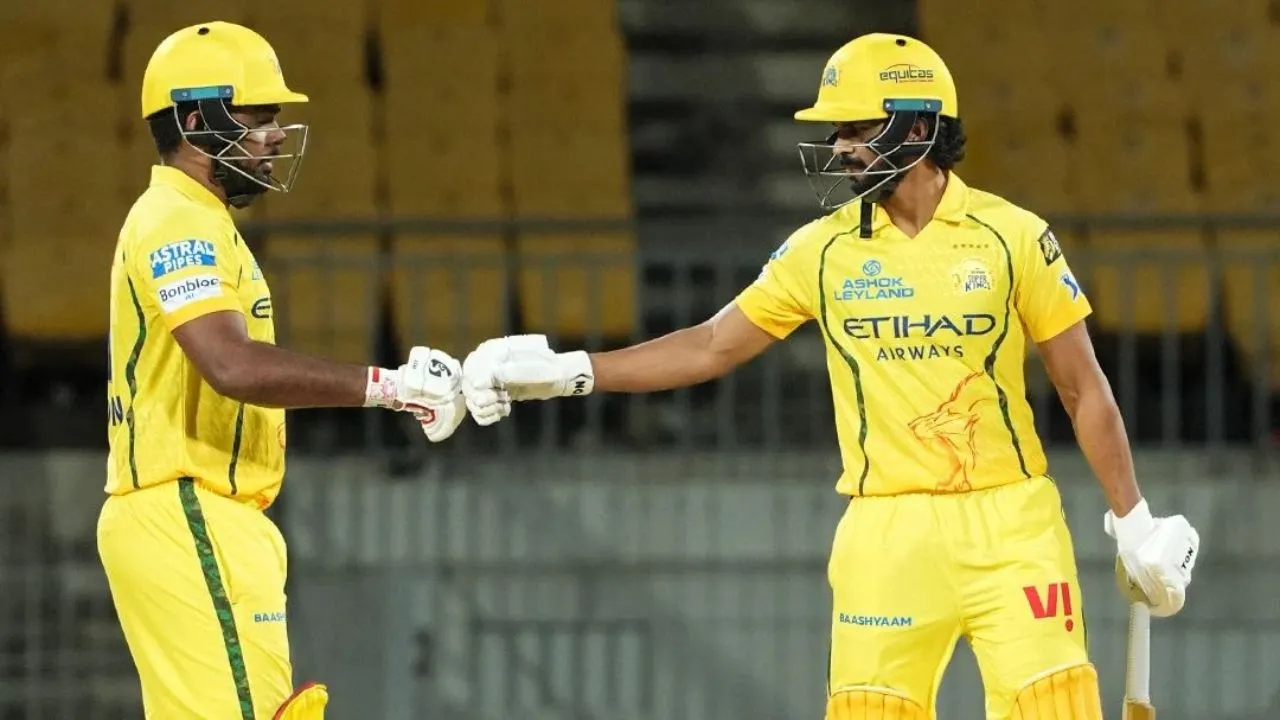
ICC bows to Bangladesh, Jay Shah to announce revised T20 World Cup schedule after India visit rejection
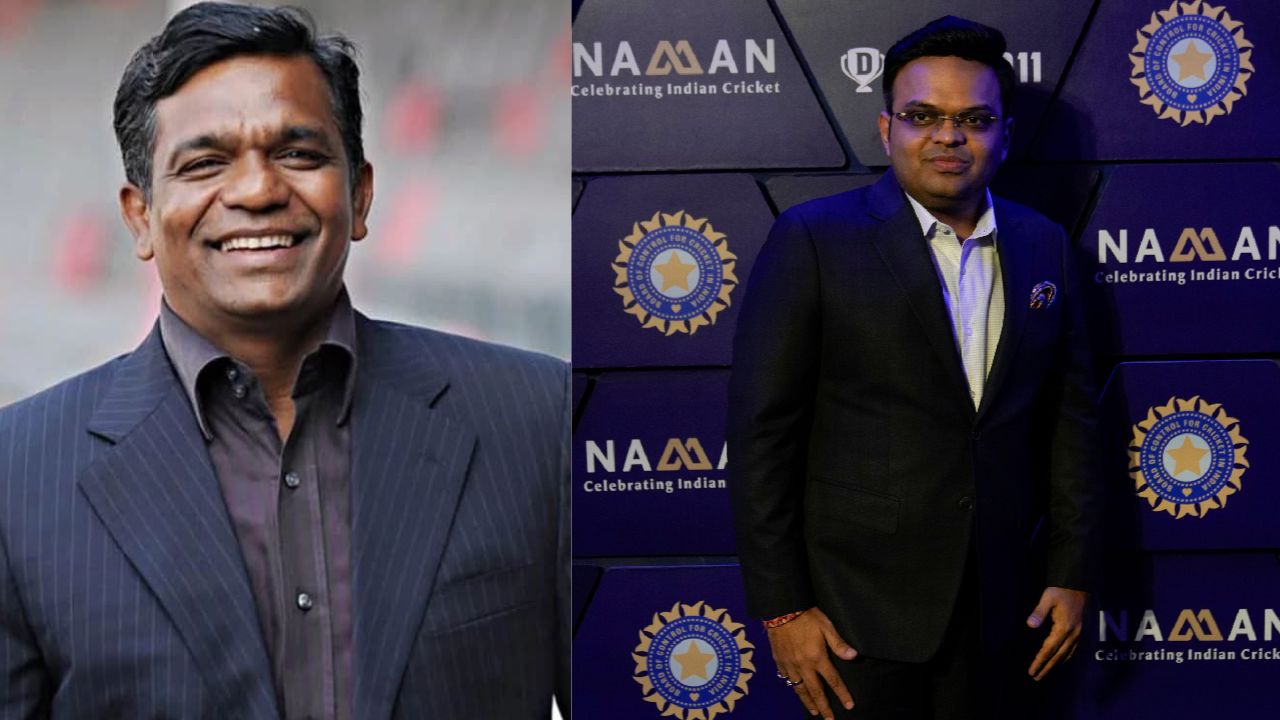
Bangladesh Requests ICC to Relocate 2026 T20 World Cup Matches
The Bangladesh Cricket Board (BCB) has made a formal request to the International Cricket Council (ICC) to relocate Bangladesh’s matches for the 2026 T20 World Cup away from India due to security concerns. This move comes after tensions between the BCB and the Board of Control for Cricket in India escalated following the release of Bangladeshi cricketer Mustafizur Rahman from the Kolkata Knight Riders (KKR) squad for the IPL 2026 season.
Mustafizur Rahman’s IPL Release & Escalating Tensions
The decision by the BCCI to instruct KKR to release Mustafizur Rahman, despite the franchise securing him for a significant fee at the auction, sparked a dispute between the two cricket boards. This move was made amid growing political and social tensions between India and Bangladesh. KKR complied with the directive and released the pacer, leading to an emergency meeting called by the BCB to assess the situation.
Following the release of Rahman and reports of backlash and security threats, the BCB approached the ICC with a formal request to move Bangladesh’s matches in the upcoming 2026 T20 World Cup out of India and relocate them to Sri Lanka, citing concerns over safety.
ICC Scrambles to Revise T20 World Cup Schedule
As reported by The Indian Express, the ICC has initiated the process of revising the tournament schedule in light of the tensions between India and Bangladesh. The process is being overseen by ICC chairman Jay Shah, following the formal request made by the BCB.
Initially, Bangladesh was scheduled to play all their group-stage matches in India, with three games set to take place at Eden Gardens in Kolkata. However, with the request for relocation, the ICC is considering a new arrangement similar to what Pakistan has opted for, playing their matches in Sri Lanka.
The Bangladesh team, placed in Group C alongside the West Indies, Nepal, Italy, and England, could potentially see changes to their match venues depending on the revised schedule. The tight timeline poses a major challenge for organizers as they work to finalize the arrangements before the tournament kicks off on February 7.
Changing Dynamics of the T20 World Cup
The decision by Bangladesh to request a venue change for their matches in the 2026 T20 World Cup has added a new dimension to the tournament’s dynamics. With the event originally planned to be held across venues in India and Sri Lanka, the focus is now on how the ICC will accommodate Bangladesh’s concerns while ensuring a smooth and successful tournament.
As Litton Kumar Das leads the 15-member squad for Bangladesh in the upcoming T20 World Cup, all eyes are on the ICC to finalize the revised schedule and venue arrangements to address the security concerns raised by the BCB.
Rising Concerns Over Player Safety
The release of Mustafizur Rahman from the KKR squad not only highlighted the strained relations between the BCB and the BCCI but also raised concerns over the safety and security of Bangladeshi players participating in the IPL. This incident has brought into focus the importance of ensuring the well-being of players in high-profile tournaments like the IPL and the T20 World Cup.
Player safety has always been a top priority for cricket boards and tournament organizers. With the growing commercialization of cricket and the increasing stakes involved, there is a greater need to address security concerns and ensure the protection of players both on and off the field. The incident involving Rahman serves as a wake-up call for all stakeholders to reevaluate their security protocols and measures.
Political and Cricketing Ramifications
The decision by the BCB to request the relocation of Bangladesh’s matches in the T20 World Cup has not only cricketing implications but also political ramifications. The tense relationship between India and Bangladesh, exacerbated by the release of Rahman from KKR, has spilled over into the realm of sports, highlighting the interconnectedness of politics and cricket.
Cricket has often been used as a diplomatic tool to foster relations between countries and bridge cultural divides. However, in this case, the sport has become entangled in political tensions, leading to repercussions that extend beyond the boundaries of the cricket field. The ICC’s handling of this situation will be crucial in navigating the complex interplay between sports, politics, and security.
Impact on Tournament Logistics
The request by the BCB to relocate Bangladesh’s matches in the T20 World Cup poses logistical challenges for the ICC and tournament organizers. With the tournament fast approaching, the need to revise the schedule, rearrange venues, and accommodate the concerns raised by Bangladesh adds a layer of complexity to the event planning process.
Ensuring a smooth transition and minimizing disruptions to the tournament schedule will require close coordination between the ICC, the BCB, and other stakeholders involved. The revised schedule must be communicated effectively to fans, teams, and broadcasters to avoid any confusion or mismanagement leading up to the T20 World Cup.
Anticipated Fan Reactions and Media Scrutiny
As news of the request to relocate Bangladesh’s matches in the T20 World Cup spreads, fans, media outlets, and cricket pundits are likely to weigh in on the decision and its implications. The move to shift venues for Bangladesh’s matches will undoubtedly spark debates on player safety, diplomatic relations, and the role of cricket in international politics.
Fans of the Bangladesh cricket team, as well as supporters of the T20 World Cup, will be closely following developments regarding the revised schedule and venue arrangements. The media coverage surrounding this decision will further amplify the scrutiny on the ICC and the stakeholders involved, putting a spotlight on how they navigate this sensitive situation leading up to the tournament.
Conclusion
In conclusion, the request by the BCB to relocate Bangladesh’s matches in the 2026 T20 World Cup underscores the complex interplay between sports, politics, and security in the world of cricket. As the ICC scrambles to revise the tournament schedule and address the concerns raised by Bangladesh, all eyes are on how this situation will be resolved in a manner that upholds the integrity of the sport while prioritizing the safety and well-being of players.
Ultimately, the outcome of this scenario will not only impact the logistics of the T20 World Cup but also shape the future of cricket diplomacy and the handling of security issues in high-profile tournaments. The resolution of this issue will set a precedent for how cricket boards and international governing bodies navigate similar challenges in the future, emphasizing the need for a balanced approach that safeguards both the spirit of the game and the welfare of its participants.
Latest News
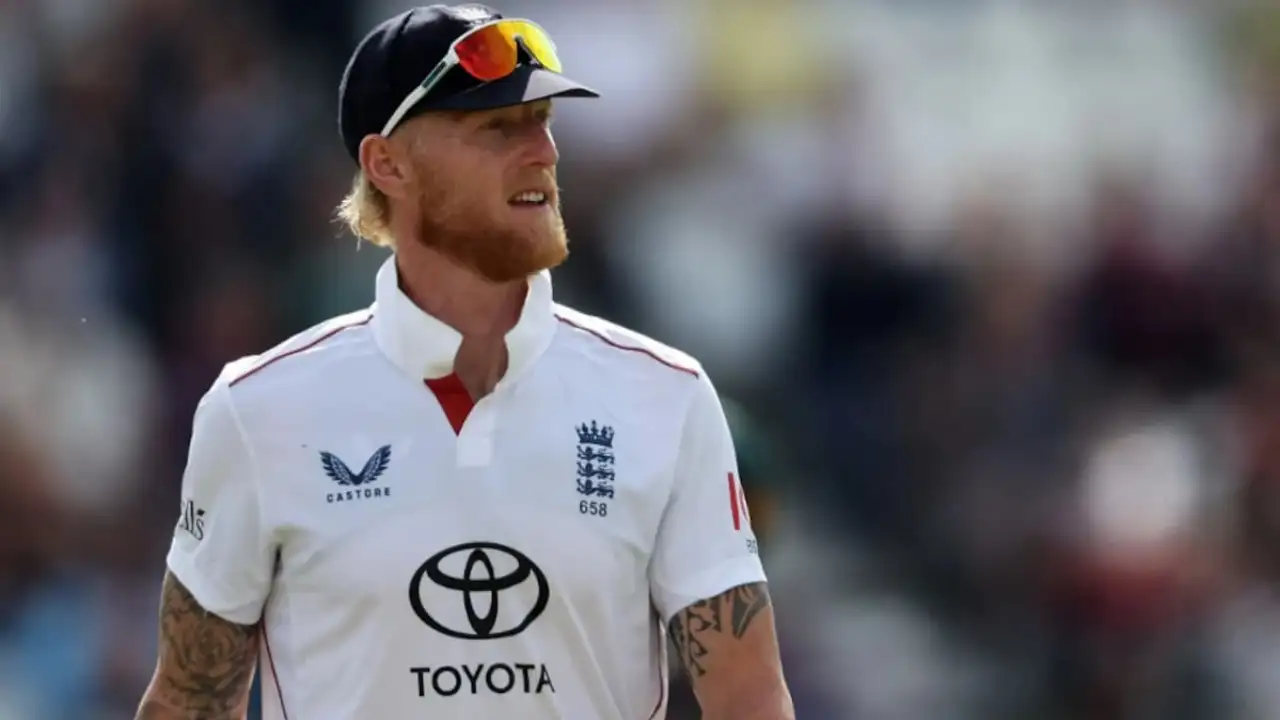
Ben Stokes return date revealed after injury layoff, set to miss start of season
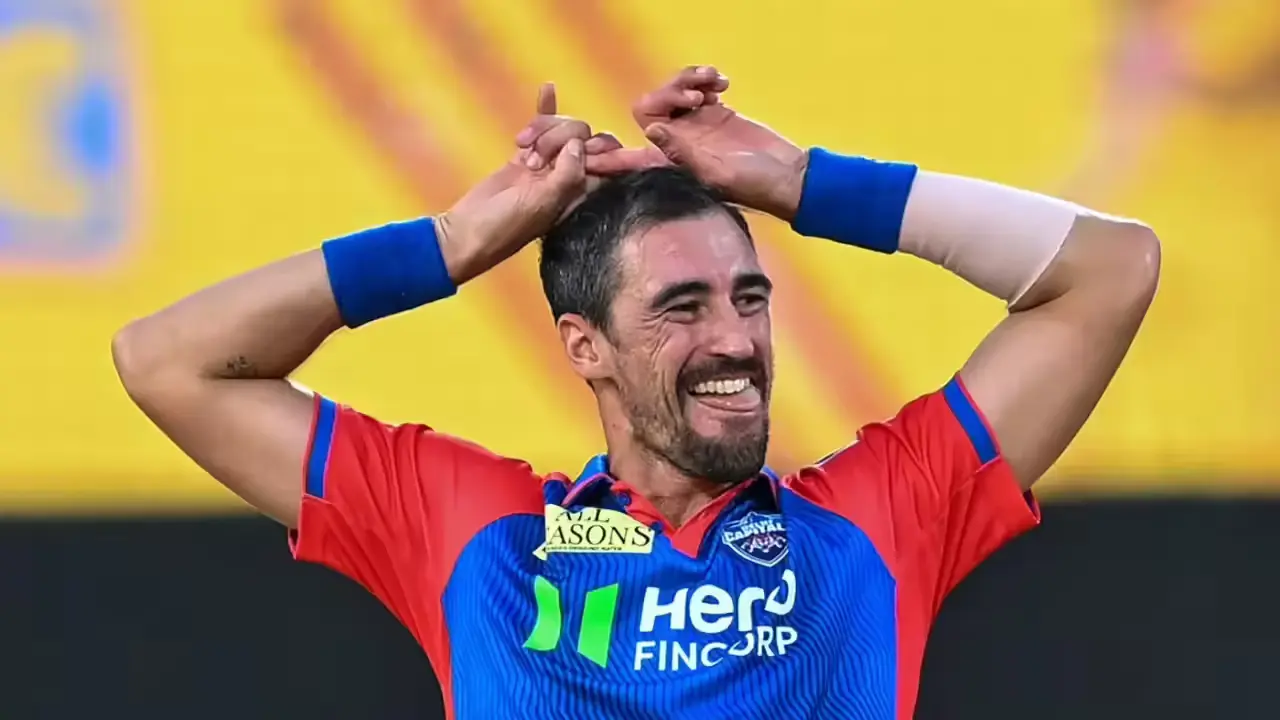
Mitchell Starc issues official statement on his IPL 2026 availability
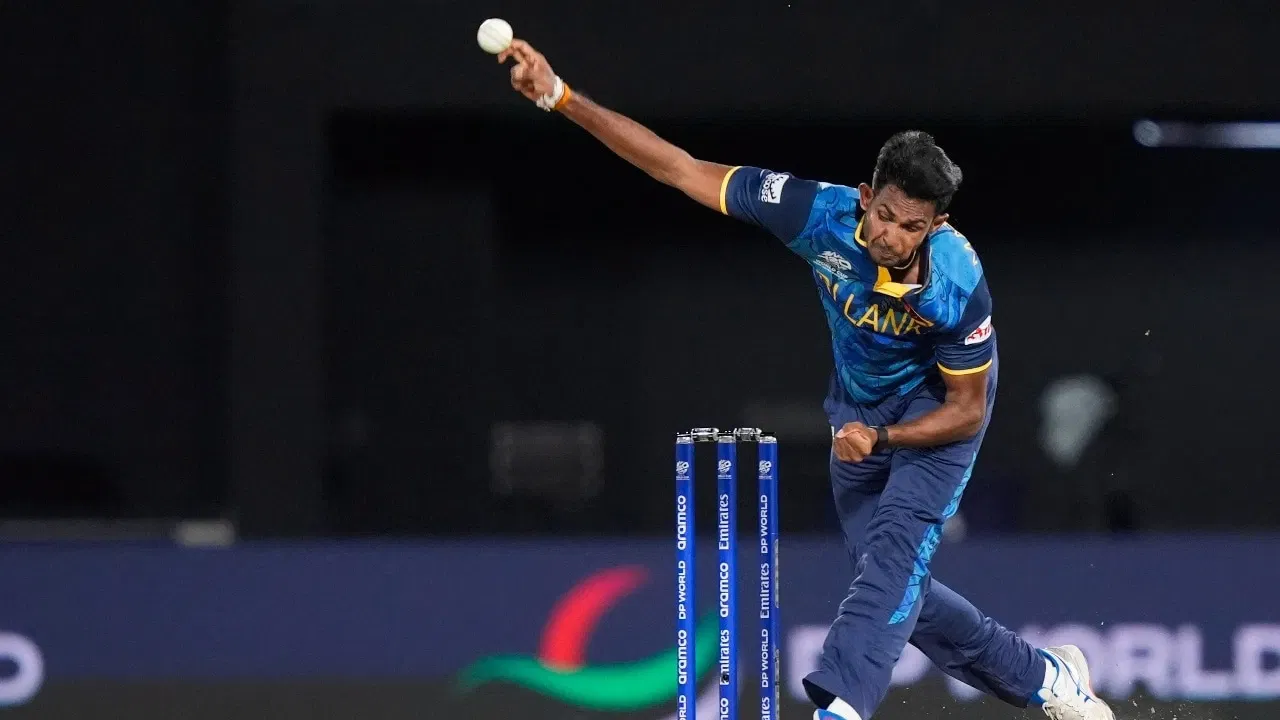
Matheesha Pathirana IPL return date revealed, set to miss two matches

Living Like Prince: Shubman Gill Buys a Massive ₹20.7 Cr Luxury Home in Juhu.
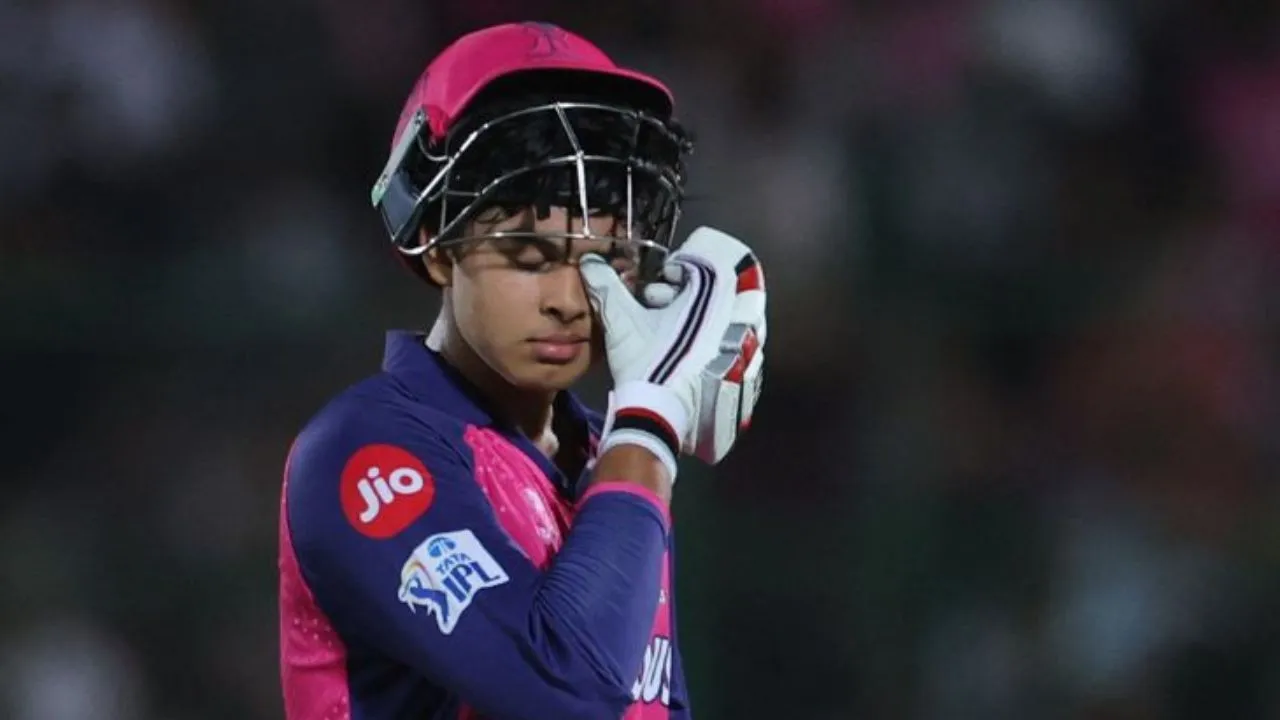
Not Vaibhav Sooryavanshi! Shashank Singh points out the most exciting young batter in IPL 2026
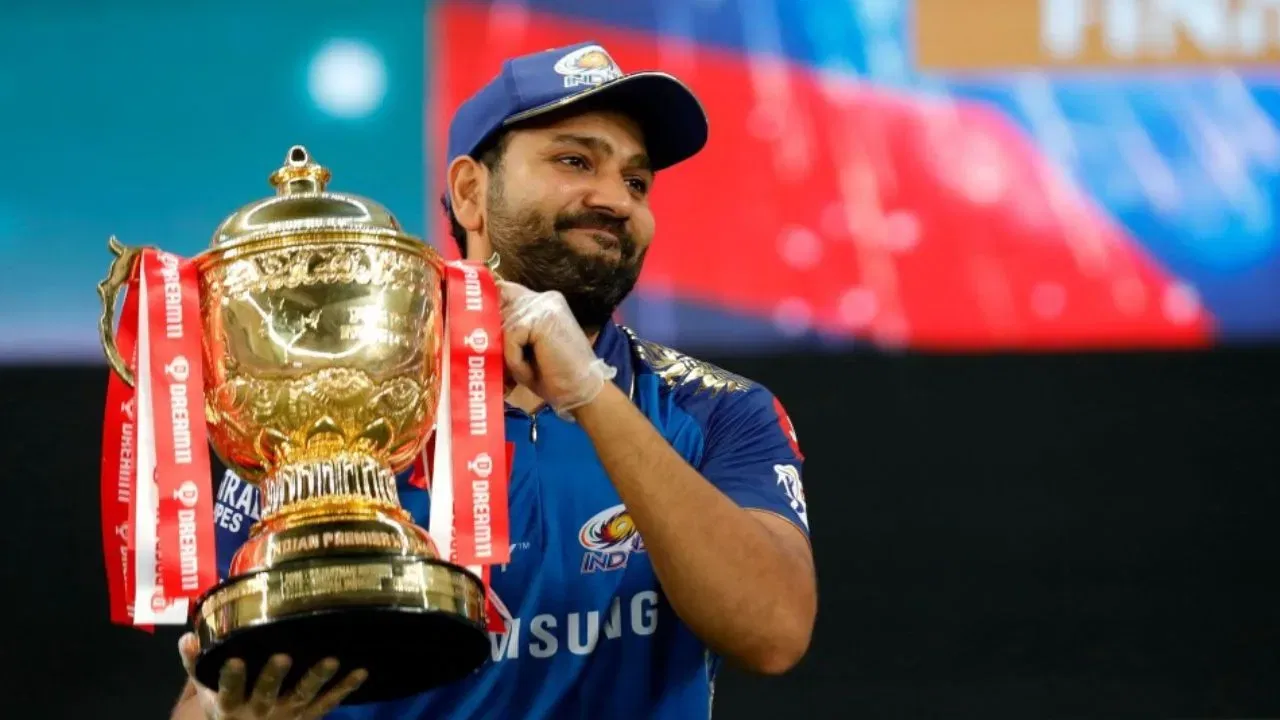
Rohit Sharma will perform better than Virat Kohli in IPL 2026, claims South Africa GOAT
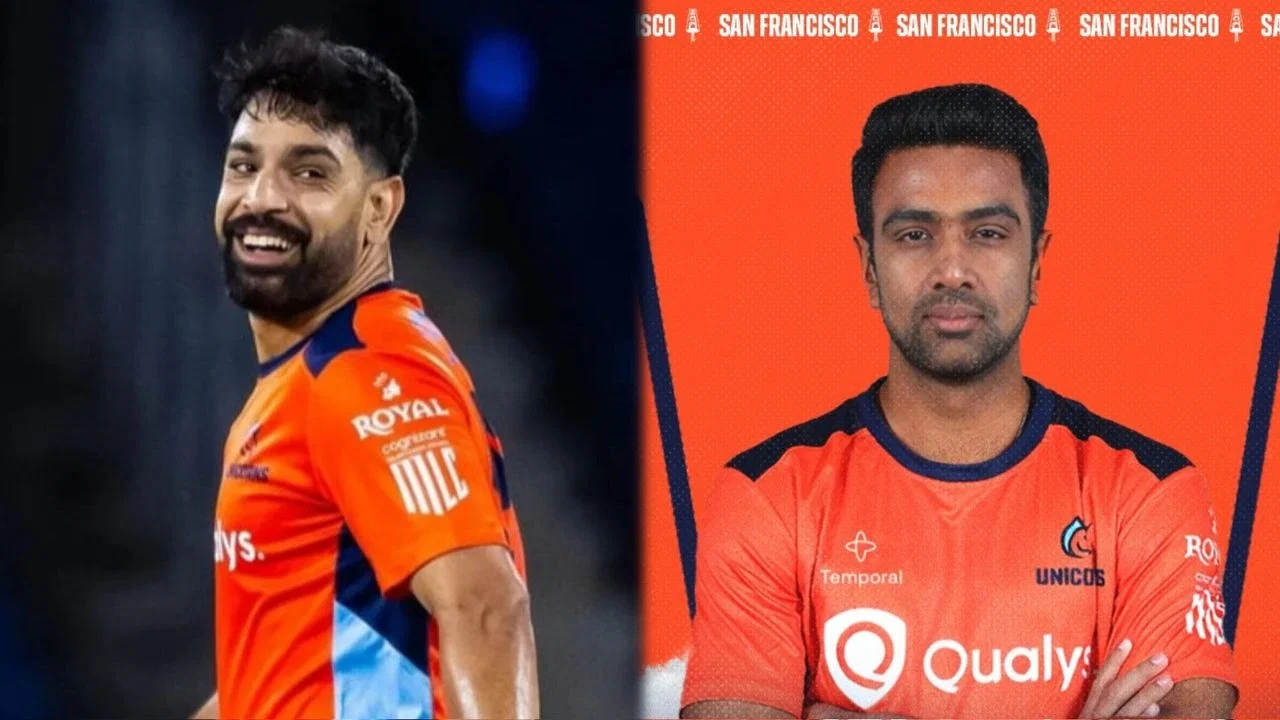
Ravichandran Ashwin set to team up with Haris Rauf for San Francisco Unicorns in MLC
Jasprit Bumrah, Matheesha Pathirana injury updates: MI, KKR coaches issue official medical bulletin
Why are RCB players wearing black armbands today vs SRH in IPL 2026 Match 1?
RCB vs SRH Impact Players Today: Toss Report, Playing XIs, Latest Updates IPL 2026 Match 1
Yograj Singh makes blunt remark at Virat Kohli and Rohit Sharma over early retirement calls
Bhuvneshwar Kumar on brink of IPL history, needs two wickets for massive milestone
IPL to be broadcasted? Bangladesh government drops massive update on IPL broadcast ban
SRH fans to boycott IPL? Former India cricketer shares insights on social media drama around Abrar Ahmed