ICC breaks silence on England’s early departure as West Indies, South Africa remain stranded in India
India emerged victorious in the T20 World Cup 2026, defeating New Zealand in a thrilling final at the Narendra Modi Stadium in Ahmedabad on Sunday, March 8. However, the event was marred by controversy as the ongoing war situation in the Middle East led to travel chaos for some teams.
### Teams Stranded Due to Global Airspace Restrictions
The conflict in the Middle East had a significant impact on the tournament, with teams like the West Indies and South Africa finding themselves stranded in India due to restricted global airspace. While England managed to fly back after their defeat in the semi-final, the West Indies played their final game on March 1, and South Africa lost in the semi-final on March 4.
### Outrage and Accusations Against ICC
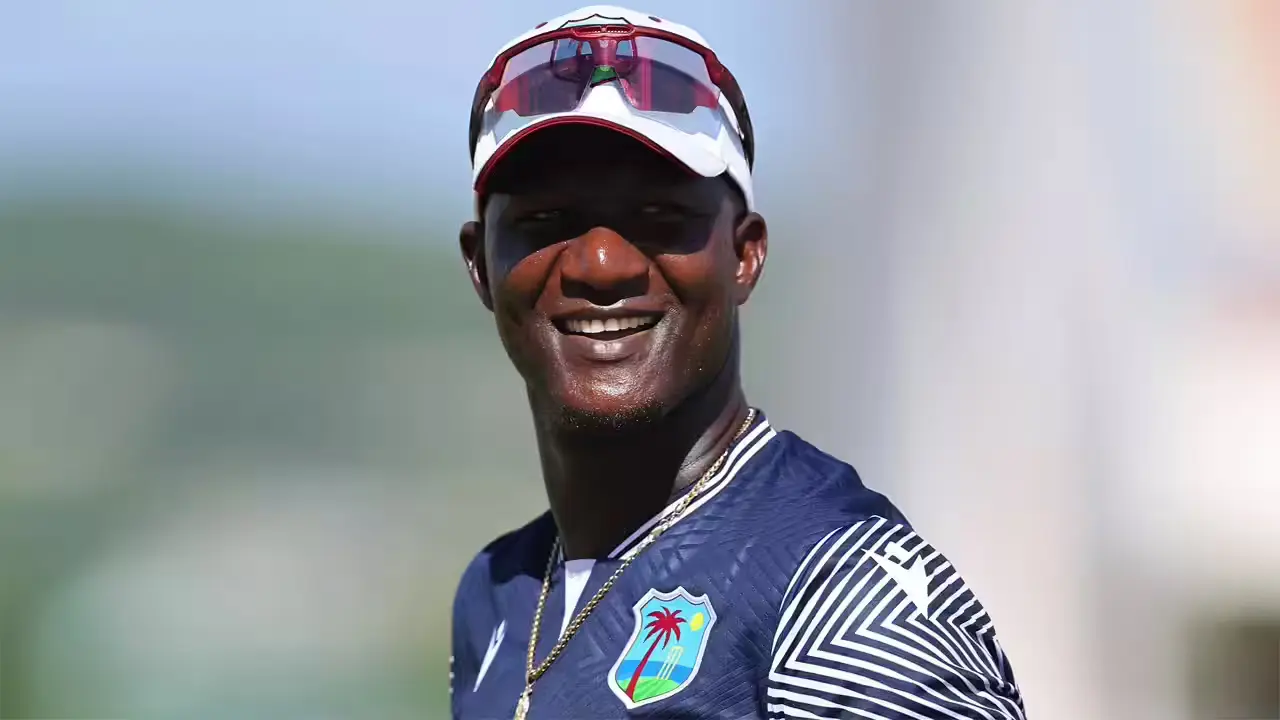
The delayed travel arrangements sparked outrage among players and experts, who accused the International Cricket Council (ICC) of bias and preferential treatment. West Indies head coach Daren Sammy took to social media to express his frustration, demanding answers from the cricket board regarding the confusing situation.
“I just wanna go home. At least an update, tell us something,” Sammy posted on X. Former England captain Michael Vaughan also criticized the ICC for its handling of the travel chaos, accusing the governing body of giving special treatment to powerful cricket boards.
### ICC Responds to Backlash
In response to the global backlash, an official ICC spokesperson addressed the travel controversy. The spokesperson explained that the delayed departure schedules were based solely on operational safety and logistical constraints, including airspace availability, aircraft routing permissions, visa requirements, and operational safety considerations.
“Any suggestion that teams have been prioritized based on anything other than these constraints is incorrect,” the ICC spokesperson stated. The West Indies, England, and South Africa were scheduled to leave India through the Gulf region, with England managing to depart on Saturday via Egypt.
### Clarification on England’s Early Departure
The ICC clarified why the England team left early, stating that their specific flight path from Mumbai was clear of conflict zones. In contrast, the West Indies and South African teams remained stranded in India due to restrictions. The ICC affirmed its commitment to ensuring safe travel options for all participating teams and tournament personnel.
### Conclusion
Despite the challenges posed by the global airspace restrictions, the T20 World Cup 2026 concluded with India emerging as the champions. The controversy surrounding the delayed travel arrangements highlighted the complexities faced by teams in international competitions, raising questions about fairness and transparency in such situations. As the cricketing world reflects on the events of the tournament, discussions about ensuring equal treatment for all teams in future competitions are likely to continue.
Impact of Travel Chaos on Team Performance
With teams like the West Indies and South Africa facing extended stays in India due to the global airspace restrictions, questions arose about the potential impact on their performance. Extended periods away from home and uncertainty about return dates can undoubtedly take a toll on players’ mental and physical well-being. The lack of clarity and control over their travel arrangements may have added an extra layer of stress for these teams, affecting their focus and preparation for crucial matches.
Logistical Challenges in International Tournaments
The travel chaos during the T20 World Cup 2026 shed light on the logistical challenges inherent in organizing and executing major international sporting events. Coordinating travel plans for multiple teams from different regions around the globe requires meticulous planning and coordination. Unexpected disruptions, such as airspace restrictions due to geopolitical conflicts, can significantly impact the smooth running of tournaments and create hardships for players, staff, and officials involved.
Importance of Contingency Planning
The incidents during the T20 World Cup 2026 emphasize the need for robust contingency plans to address unforeseen circumstances that may arise during major sporting events. Ensuring that alternative travel routes, accommodations, and logistical arrangements are in place can help mitigate the impact of disruptions like airspace closures. Additionally, open communication channels between the organizing body, teams, and relevant authorities are essential to providing timely updates and support in challenging situations.
Lessons Learned for Future Sporting Events
As the cricketing community reflects on the events of the T20 World Cup 2026, there is an opportunity to learn valuable lessons for the planning and execution of future sporting events. Prioritizing the well-being and safety of all participants, including timely and transparent communication, can help build trust and collaboration between stakeholders. Establishing clear protocols for handling unexpected disruptions and ensuring equitable treatment for all teams, regardless of their stature in the cricketing world, is crucial for upholding the integrity and fairness of international competitions.
Looking Ahead
While the T20 World Cup 2026 will be remembered for India’s triumph on the field, the challenges faced off the field serve as a reminder of the complexities involved in hosting global sporting events. As the cricketing world navigates through unprecedented times, the focus on resilience, adaptability, and solidarity among teams and governing bodies will be key to overcoming future obstacles and ensuring the success of international tournaments.
By delving deeper into the implications of the travel chaos on team performance, highlighting the logistical challenges of international tournaments, emphasizing the importance of contingency planning, drawing lessons for future sporting events, and offering a forward-looking perspective, the expanded content enriches the original article with a more comprehensive analysis of the T20 World Cup 2026.
Latest News
ICC breaks silence on England’s early departure as West Indies, South Africa remain stranded in India
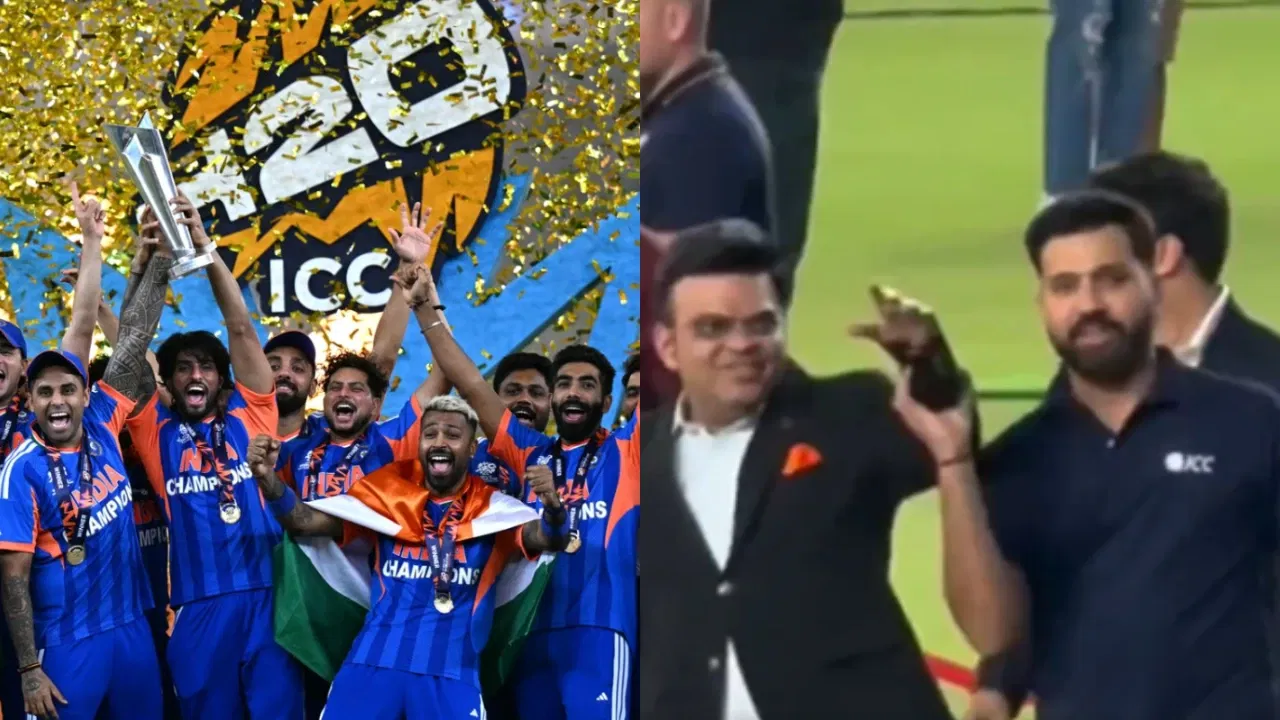
Watch: Rohit Sharma credits ‘script writer’ Jay Shah for India’s T20 World Cup win
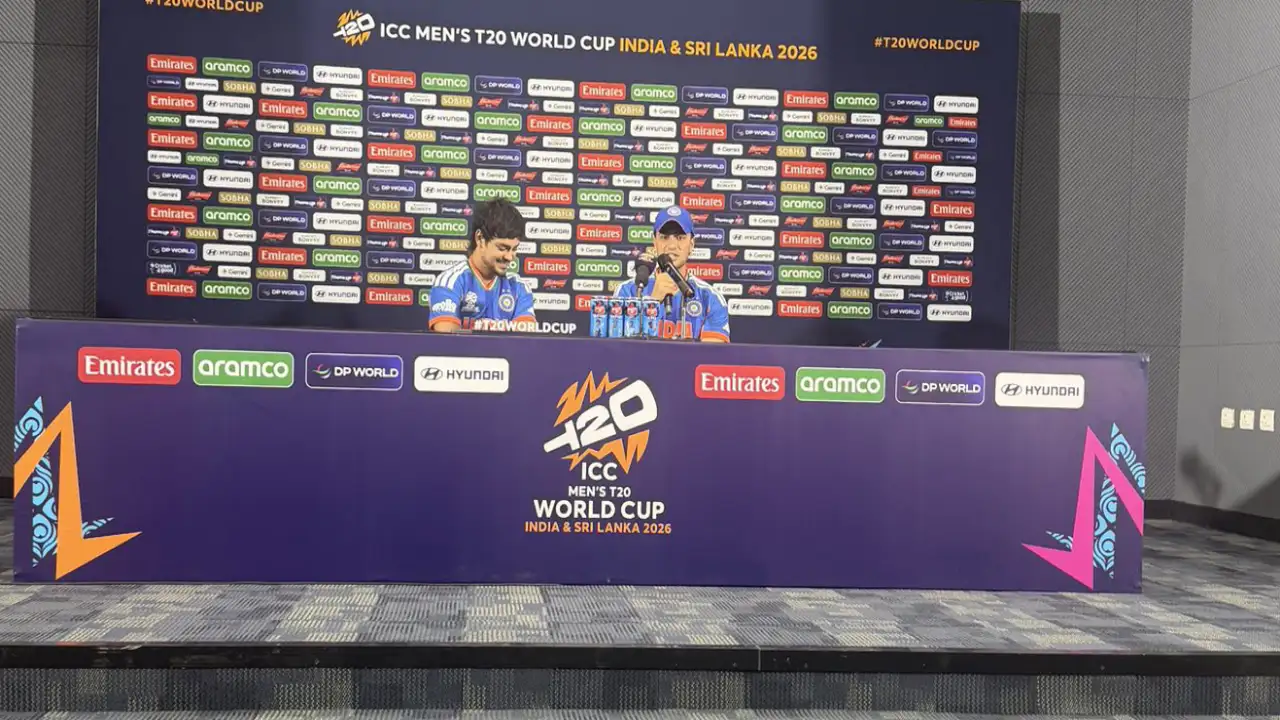
Ishan Kishan fires shots at Ajit Agarkar for punishing him after T20 World Cup triumph
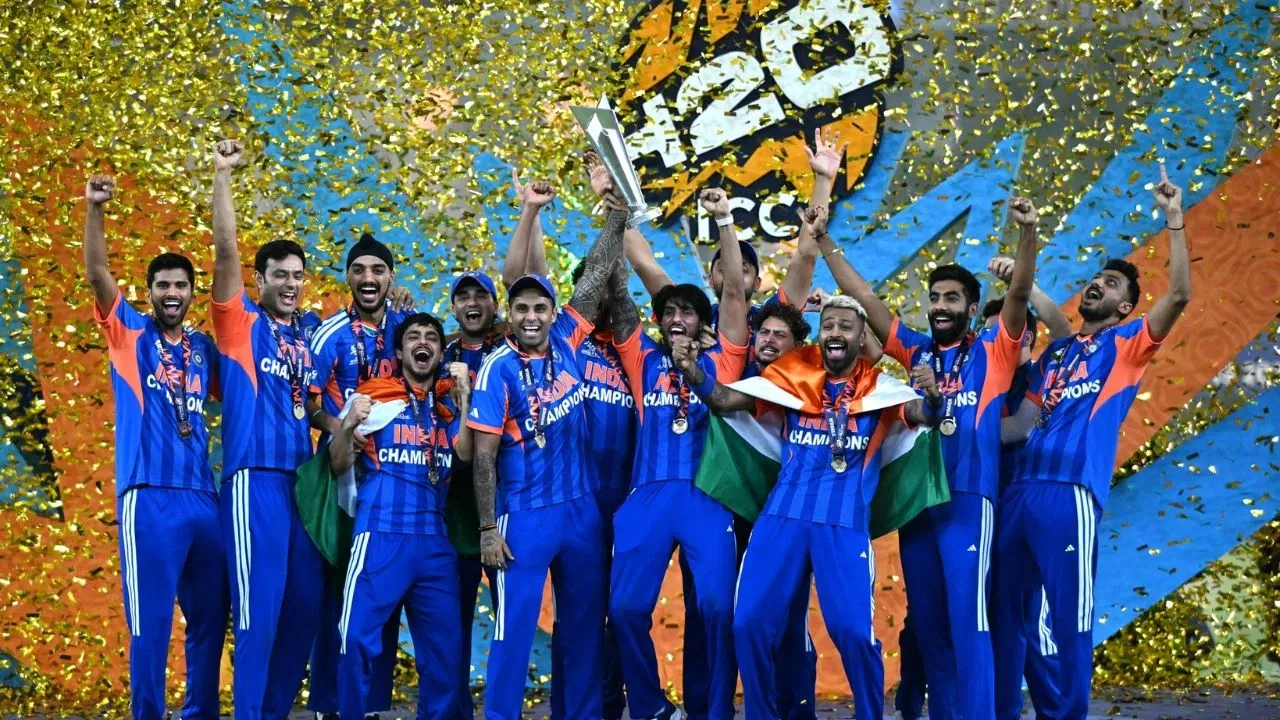
Not Jasprit Bumrah or Hardik Pandya! This 32-year-old is India’s real ICC hero
Arshdeep Singh begs Rohit Sharma for a reel after T20 WC win; India captain refuses (Watch video)
“Jail tak hui hai”: Ahmed Shehzad cooks ‘fixer’ Mohammad Amir on LIVE show
Sanju Samson set to receive special honour from Kerala government after T20 World Cup 2026 heroics
‘Gautam Gambhir faced plenty of criticism’: Irfan Pathan gives India coach ‘huge credit’ for T20 WC triumph
Hardik Pandya and Irfan Pathan bury old feud after India’s T20 WC win (Watch video)

Rohit Sharma and Ritika Sajdeh caught fighting during T20 World Cup final (Watch video)
MS Dhoni buries feud with Gautam Gambhir through special ‘coach sahab’ post

Lovebirds Hardik Pandya–Mahieka Sharma, Ishan Kishan–Aditi Hundia go crazy celebrating India’s T20 WC win
Watch: Arshdeep Singh says sorry to Daryl Mitchell after ugly T20 World Cup final fight

Mohammad Amir, Shoaib Akhtar burn in jealousy as India lift T20 World Cup trophy