ICC can’t test Indian cricketers: Ahmed Shehzad sparks controversy with shocking dope-test claim
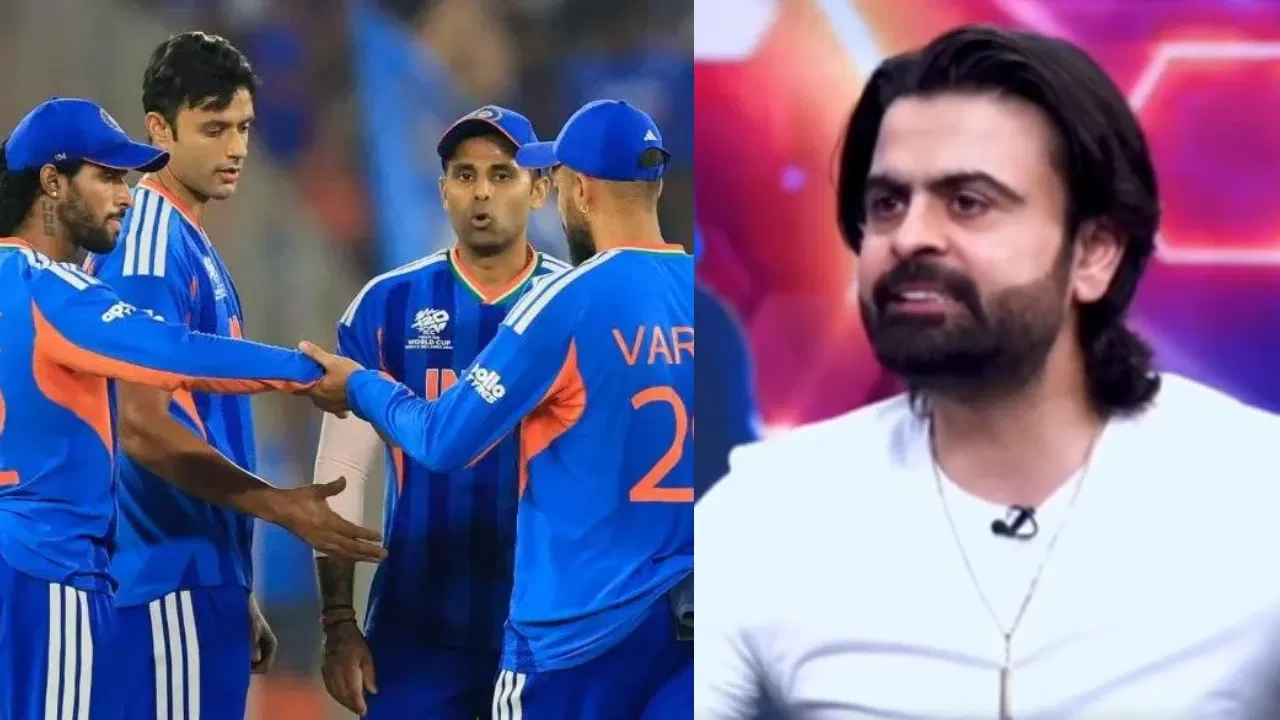
Ahmed Shehzad Makes Shocking Allegations Regarding India’s Anti-Doping System
A fresh controversy has erupted in the cricket world just ahead of the second semi-final of the ongoing T20 World Cup 2026 between India and England in Mumbai on March 5. The former Pakistan opener, Ahmed Shehzad, has made a startling claim involving India’s anti-doping system in global events, adding a new layer of drama to the tournament.
The Controversy Unfolds
During a discussion on a Pakistani television show, Ahmed Shehzad alleged that the Board of Control for Cricket in India (BCCI) does not allow the International Cricket Council (ICC) to directly conduct doping tests on Indian cricketers during international tournaments. Shehzad claimed that whenever the ICC seeks to test Indian players, the BCCI insists on conducting the tests themselves, citing superior technology and facilities.
Speaking on Geo TV’s show “Haarna Mana Hai,” Shehzad stated, “BCCI does not allow the ICC to conduct doping tests on Indian players during ICC events. Doping tests are crucial to check for the presence of drugs or banned substances in players’ systems. Whenever the ICC requests doping tests on Indian players, the BCCI declines, claiming they have more advanced technology to conduct the tests.”
A Closer Look at Anti-Doping in Cricket
The World Anti-Doping Agency (WADA) sets the rules for anti-doping testing in international cricket, with the ICC responsible for implementing these procedures during matches. The aim of these tests is to ensure that players are not using banned substances or drugs to gain an unfair advantage. Testing typically involves collecting urine and blood samples from players, either randomly or based on specific suspicions.
These tests can be conducted during matches, after matches, or even during training sessions or travel periods. The objective is to uphold the fairness and integrity of the game by preventing the use of prohibited substances. If a player is found to have violated anti-doping rules, the ICC has the authority to impose penalties, including suspensions and bans from international cricket.
Response and Predictions
While Ahmed Shehzad’s claims have sparked questions and discussions, neither the ICC nor the BCCI has officially addressed these allegations. In a related discussion during the same TV show, former Pakistani bowler Mohammad Amir predicted that England would face New Zealand in the T20 World Cup 2026 final on March 8, citing India’s batting struggles.
Amir remarked, “If you talk about India, only one or two of their batters are performing. That batter often takes it all the way, but only one or two are able to perform. If you look at their overall batting, it is not in form. You cannot be sure that this team will dominate. I think England will be the favorites.”
As the T20 World Cup 2026 progresses, the cricketing world eagerly awaits further developments on both the field and off, as controversies and predictions continue to shape the tournament’s narrative.
The Importance of Anti-Doping Measures in Cricket
Anti-doping measures play a crucial role in maintaining the integrity of cricket as a sport. The use of performance-enhancing substances can not only give players an unfair advantage but also pose serious health risks. By implementing strict anti-doping protocols, cricket governing bodies aim to ensure a level playing field for all athletes and uphold the values of fair competition.
Moreover, doping scandals can tarnish the reputation of the sport and erode fans’ trust in the authenticity of players’ performances. By conducting regular and transparent doping tests, cricket authorities demonstrate their commitment to rooting out any form of cheating and promoting clean sportsmanship.
Challenges and Oversight in Anti-Doping Testing
While the WADA guidelines provide a framework for anti-doping testing, challenges can arise when individual cricket boards, such as the BCCI, assert their authority over testing procedures. The issue of autonomy in conducting tests can raise concerns about transparency and independence in the anti-doping process.
To address these challenges, it is essential for cricket governing bodies to ensure that anti-doping measures are standardized and uniformly enforced across all teams and players. Collaboration between the ICC, WADA, and national cricket boards is crucial in maintaining the credibility of anti-doping efforts and upholding the spirit of fair play in the sport.
The Impact of Controversies on the Cricketing Landscape
Controversies like the one raised by Ahmed Shehzad can have far-reaching implications for the cricketing world. Beyond casting doubt on the integrity of anti-doping protocols, such allegations can strain diplomatic relations between cricketing nations and undermine the trust between players and governing bodies.
It is imperative for cricket authorities to address and investigate any allegations of misconduct or irregularities in anti-doping practices promptly. Transparency, accountability, and adherence to established protocols are essential in safeguarding the credibility of the sport and preserving its reputation on the global stage.
The Unpredictability of Cricket and the Thrill of Competition
As former cricketer Mohammad Amir’s predictions indicate, the outcome of matches in cricket can be highly unpredictable, adding to the excitement and drama of the sport. While statistical analysis and form guides can provide valuable insights, the beauty of cricket lies in its ability to defy expectations and produce thrilling upsets.
Whether it is India’s batting struggles or the rise of underdog teams, the T20 World Cup 2026 exemplifies the unpredictable nature of cricket and the thrill of watching talented athletes compete on the world stage. As fans eagerly await the final match between England and New Zealand, the unpredictability of the sport continues to captivate audiences and keep them on the edge of their seats.
In conclusion, controversies, predictions, and the unpredictability of cricket all contribute to the rich tapestry of narratives that define the sport. As the T20 World Cup 2026 unfolds, the world of cricket remains a vibrant and dynamic landscape shaped by the passion, skill, and drama of its players and fans.
Latest News
NOT Suryakumar Yadav! Sanju Samson credits Bumrah after winning POTM vs England
Fans go berserk as India STORM into T20 World Cup 2026 Final
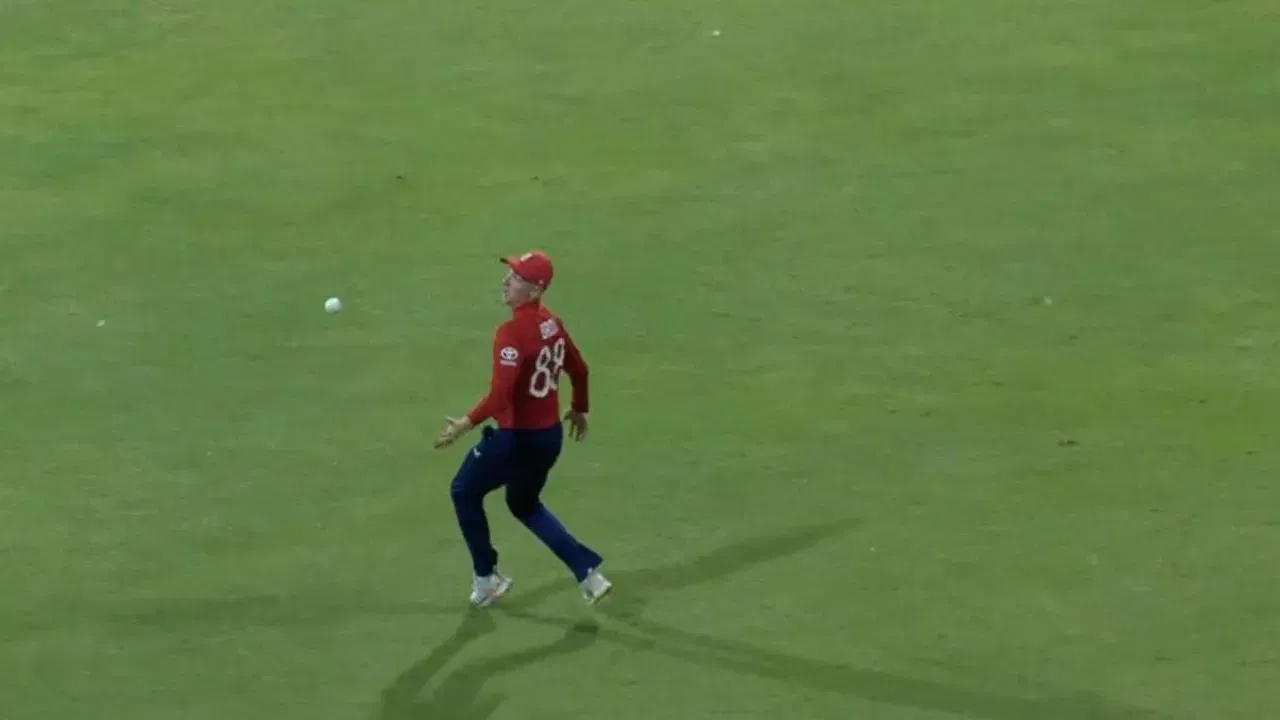
Harry Brook drops a SITTER as Sanju Samson gets a second chance in T20 WC semi-final
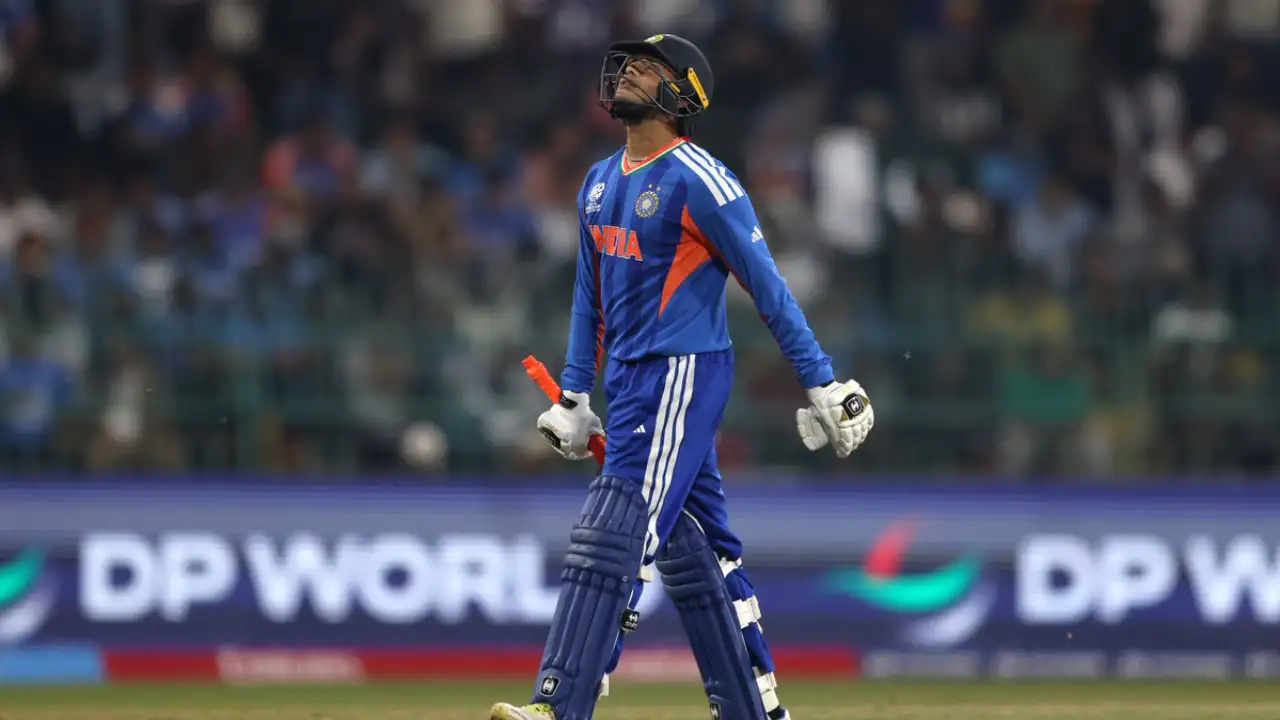
Fans lose patience as Abhishek Sharma falls cheaply to off-spin yet again
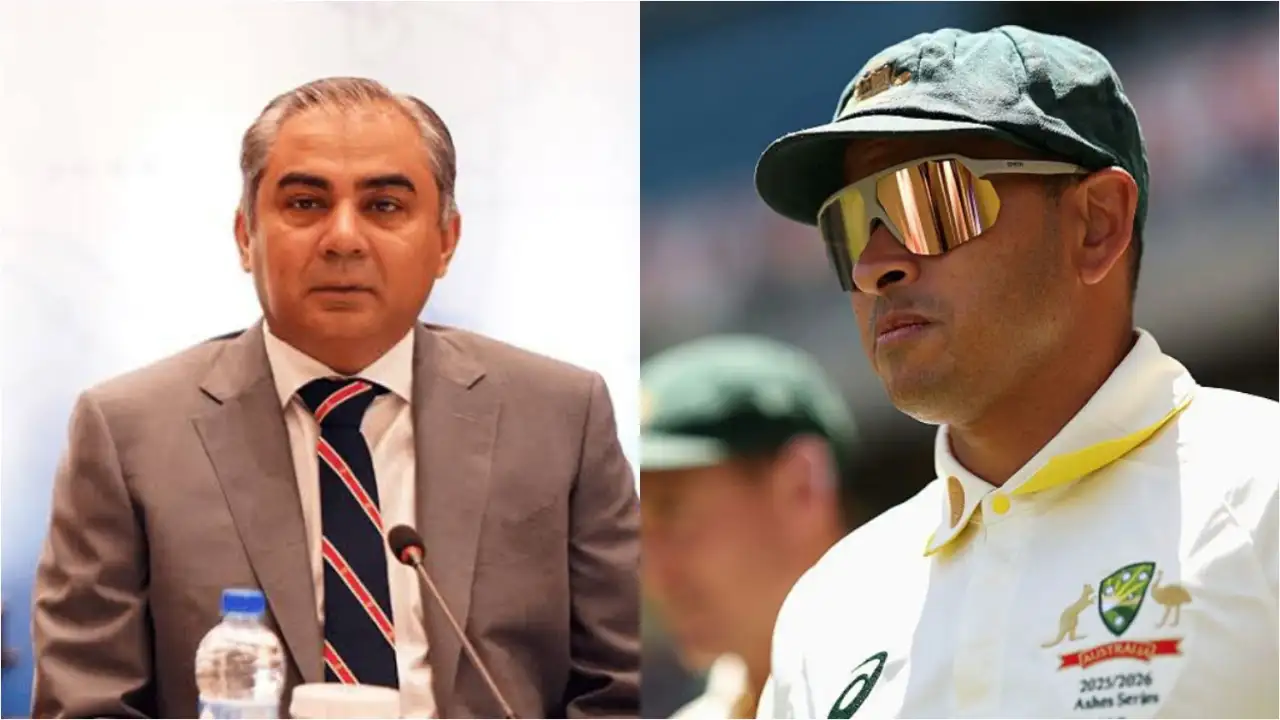
Usman Khawaja MOCKS Mohsin Naqvi over fine policy after T20 WC disaster

IND vs ENG semi-final witnesses a MS Dhoni-Rohit Sharma’s reunion at Wankhede
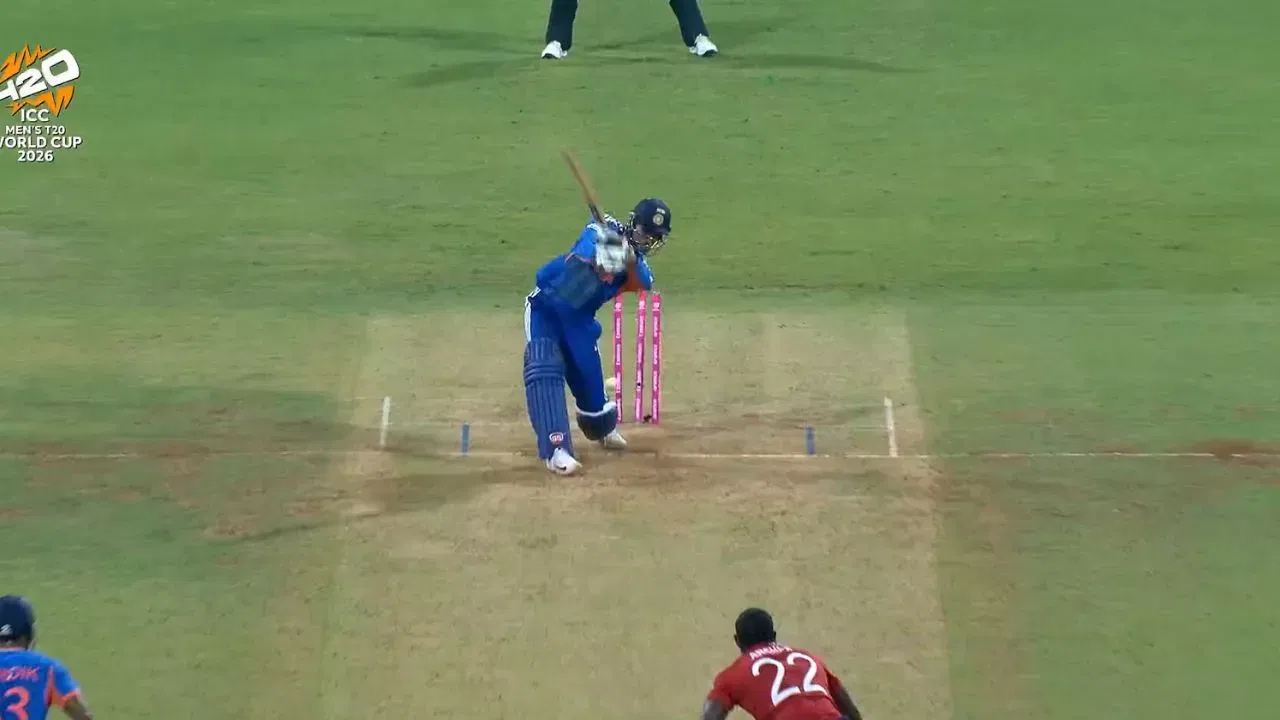
Jofra Archer Bamboozles Tilak Varma after getting hammered for three sixes
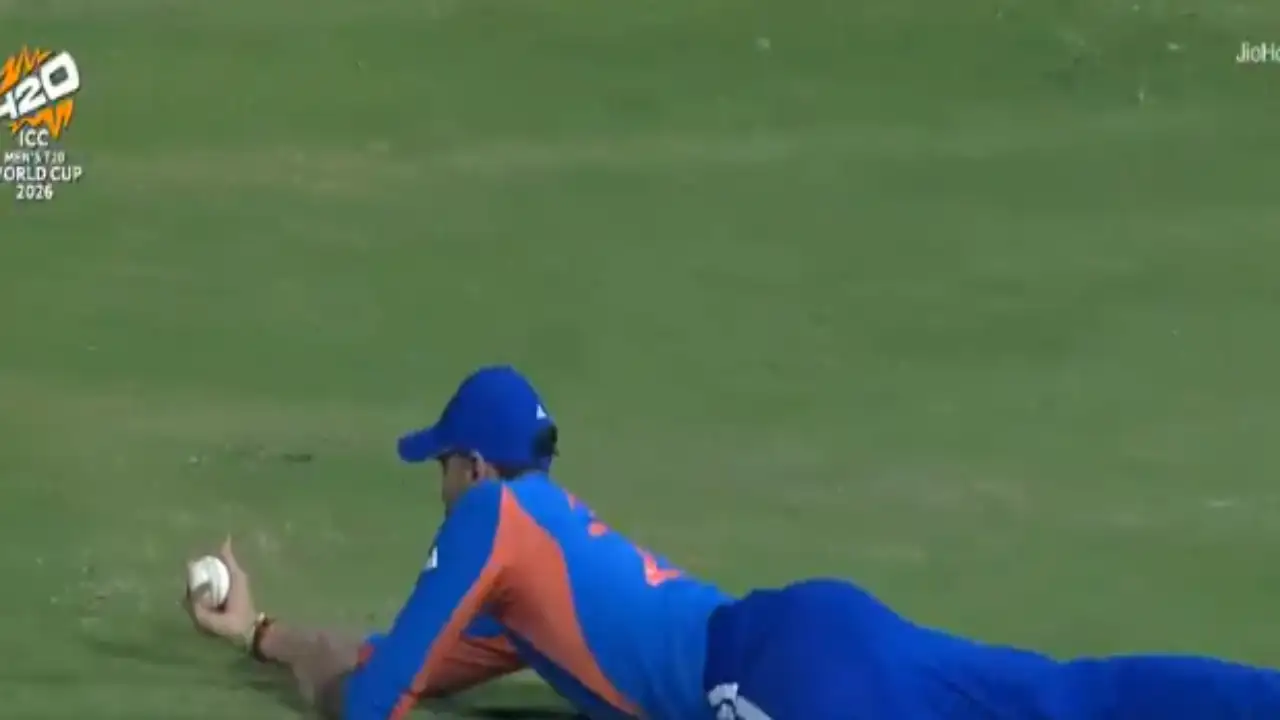
Axar Patel’s takes a UNBELIEVABLE catch to dismiss Harry Brook
Gautam Gambhir leaves Team India camp before T20 World Cup 2026 semi-final for this huge reason
ICC can’t test Indian cricketers: Ahmed Shehzad sparks controversy with shocking dope-test claim
Mohammad Amir BLOCKS Sarfaraz Ahmed’s appointment as Pakistan’s head coach
Salman Mirza BANNED by PCB after misconduct allegations in Sri Lanka
Ex-KKR star claims Shivam Dube is a combination of ‘Yuvraj Singh & MS Dhoni’
Not Abhishek Sharma! Faf du Plessis declares Finn Allen the real T20 superstar