ICC chairman Jay Shah told to suspend Afghanistan men’s cricket team due to Taliban
ICC Urged to Suspend Afghanistan Men’s Cricket Team Over Human Rights Violations
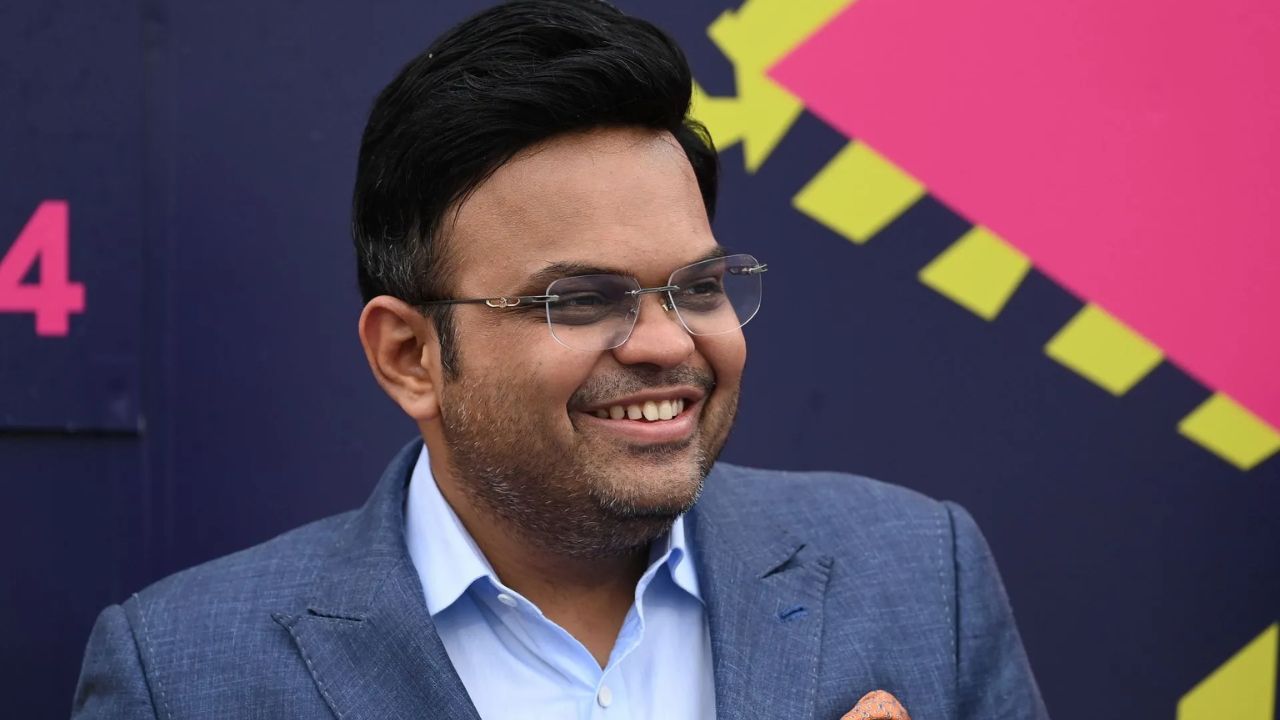
Human Rights Watch, an international non-governmental organization, has called on the International Cricket Council (ICC) to suspend the Afghanistan men’s cricket team due to the human rights violations being perpetrated by the ruling Taliban regime in the country. The request was made in a letter addressed to ICC Chairman Jay Shah, urging the governing body to take action in light of the deteriorating conditions for women and girls in Afghanistan.
Human Rights Watch’s Plea
In the letter, titled “Suspending the Afghanistan Cricket Board and Implementing a Human Rights Policy,” Human Rights Watch highlighted the dire situation faced by women in Afghanistan under Taliban rule. The organization urged the ICC to suspend Afghanistan from international cricket until significant improvements are made in the rights and freedoms of women and girls in the country.
“We are writing at this time to urge the International Cricket Council (ICC) to suspend Taliban-run Afghanistan from ICC membership, and from participating in international cricket, until women and girls can once again participate in education and sport in the country,” the letter stated.
Human Rights Watch also emphasized the importance of implementing a human rights policy based on the United Nations Guiding Principles on Business and Human Rights within the ICC.
Accusations Against the Afghanistan Cricket Board
The NGO criticized the Afghanistan Cricket Board (ACB) for failing to comply with ICC regulations regarding the promotion of women’s cricket. It pointed out that the ban on women and girls playing cricket not only violates the ICC’s Anti-Discrimination Policy but also goes against the Olympic Charter’s guarantee of the practice of sport as a human right.
The letter drew attention to the fact that cricket has been included as a sport in the 2028 Los Angeles Olympic Games, highlighting the significance of allowing Afghan women and girls to participate in the sport on an international level.
Support for Afghan Women in Cricket
Human Rights Watch urged the ICC to follow the example set by other sports governing bodies, like the International Olympic Committee, in advocating for the inclusion of Afghan women and girls in sports. The organization stressed the importance of upholding human rights principles regardless of the political situation in Afghanistan.
Impact on Women’s Cricket in Afghanistan
Since the Taliban regained power in 2021, the situation for women in Afghanistan has drastically worsened. Women and girls have been restricted from playing sports and receiving education beyond the sixth grade, raising significant concerns about their fundamental rights.
Before the Taliban’s resurgence, the ACB had signed contracts with 25 women players, some of whom now live in exile. Despite the challenges, these players managed to showcase their talent in an exhibition match held in Australia. The pressure to boycott matches involving Afghanistan in international tournaments, such as the Champions Trophy, has also been mounting.
The plea by Human Rights Watch serves as a stark reminder of the urgent need to address human rights violations in Afghanistan and ensure equal opportunities for women and girls in sports.
Impact of Suspension on Afghanistan Men’s Cricket Team
If the International Cricket Council (ICC) decides to suspend the Afghanistan men’s cricket team due to human rights violations, it would have significant implications for the players and the development of cricket in the country. The suspension could potentially isolate Afghan cricketers from international competitions and opportunities for growth and exposure.
Players who have worked hard to establish themselves on the international stage may see their careers put on hold, impacting their livelihoods and aspirations. Additionally, the suspension could disrupt the progress that Afghanistan cricket has made in recent years, both in terms of performance and participation in global tournaments.
Potential Pathways to Address Human Rights Concerns
While the call for suspension highlights the severity of human rights violations in Afghanistan, there are potential pathways to address these concerns without penalizing the entire cricket team. The ICC could work with stakeholders to implement measures that promote the rights of women and girls within the sport, such as creating opportunities for female cricketers to train and compete domestically and internationally.
Collaboration with organizations like Human Rights Watch and local advocates could also help develop programs that support women’s cricket in Afghanistan while ensuring the safety and empowerment of participants. By taking proactive steps to address human rights issues, the ICC can demonstrate its commitment to upholding ethical standards in the sport.
Global Solidarity for Human Rights in Cricket
The plea to suspend the Afghanistan men’s cricket team sheds light on the intersection of sports and human rights, emphasizing the need for global solidarity in promoting equality and justice. By standing up against human rights violations, the cricket community can send a powerful message about the values it upholds and the principles it defends.
Support for Afghan women in cricket is not just a matter of sportsmanship but a reflection of broader social and political challenges facing the country. Through advocacy and action, stakeholders in the cricket world can contribute to a more inclusive and equitable future for all participants, regardless of gender or background.
Looking Ahead: The Role of Cricket in Promoting Change
As discussions around the suspension of the Afghanistan men’s cricket team continue, it is essential to consider the broader impact of such decisions on the sport and its ability to drive positive change. Cricket has the potential to be a force for social progress, empowering individuals and communities to overcome barriers and inspire transformation.
By addressing human rights concerns within the cricketing sphere, the ICC and other governing bodies can set a precedent for accountability and ethical leadership. Through education, advocacy, and collaboration, cricket can become a platform for advancing human rights and promoting diversity, ultimately fostering a more inclusive and equitable sporting environment.
As the global cricketing community navigates complex challenges and opportunities, the values of integrity, respect, and fairness must guide decisions and actions to create a more just and equal playing field for all.
Latest News
Ben Duckett opts out from IPL 2026, set to face ban
“Players will prevail”: Sourav Ganguly’s drops big verdict on ‘Impact Player’ rule ahead of IPL 2026
“Players will prevail”: Sourav Ganguly’s drops big verdict on ‘Impact Player’ rule ahead of IPL 2026
3 LSG players who could struggle in IPL 2026 – ft Rishabh Pant
Rinku Singh gets major role for KKR ahead of IPL 2026
RCB gets new buyer ahead of IPL 2026, sold to…..

KKR take massive step to honour Andre Russell forever
“Mumbai Indians are winning it” – Ex-England captain makes bold prediction for IPL 2026
Mayank Yadav reveals real story behind his recovery and Sanjiv Goenka’s support
IPL 2026 ball change rule explained
Ottis Gibson reveals plan to revive Babar Azam’s confidence ahead of PSL 2026

Liam Livingstone survives as Rob Key confirms England spot after shocking interview claims
Kevin Pietersen credits RCB and IPL for career revival
Ottneil Baartman set to join CSK in IPL 2026 as replacement of….