ICC gives ‘Unsatisfactory’ rating to MCG pitch after Ashes Test ends in just two days
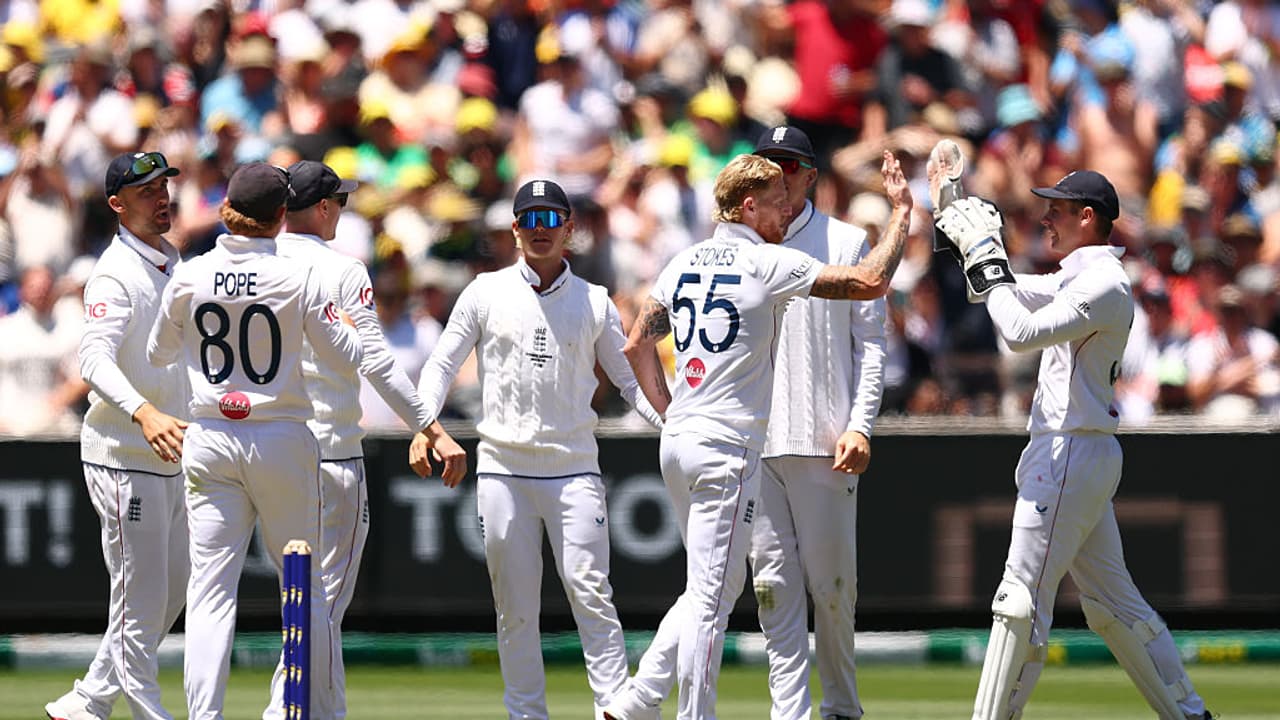
ICC Rates MCG Pitch ‘Unsatisfactory’ After Ashes Test
The International Cricket Council (ICC) is reportedly set to rate the Melbourne Cricket Ground (MCG) pitch “unsatisfactory” following the fourth Test between Australia and England. The match referee, Jeff Crowe, is expected to issue this grading due to the match finishing in less than two days, making it one of the shortest Tests in recent memory.
Scrutiny on MCG Pitch
The Test at the MCG was the second match of the ongoing Ashes series and ended inside two days, mirroring the brief duration of the opening Test in Perth. In both matches, the pitches heavily favored seam bowlers, making batting a tough challenge throughout.
The seam-heavy pitch prepared for the MCG Test has come under intense scrutiny. With approximately 10 mm of grass left on the surface, a total of 36 wickets fell in just 142 overs, leading to the match’s conclusion after only 852 deliveries. Interestingly, this Test marked the first completed match in Australia where spin bowlers were not utilized at all.
ICC Pitch Rating System and Possible Sanctions
If the MCG pitch receives a rating below standard, it will be labeled either “unsatisfactory” or “unfit.” An “unsatisfactory” surface results in one demerit point, while an “unfit” pitch accrues three demerit points. These demerit points remain on record for five years.
If a venue accumulates six demerit points within that timeframe, it faces a ban from hosting international matches for a year. In case a venue reaches twelve points, the ban extends to two years. A negative rating serves as a stern warning from the ICC and subjects the venue to closer monitoring in the future.
England Ends 15-Year Drought with Victory
The MCG pitch heavily favored fast bowlers from the get-go, resulting in 20 wickets falling on the opening day itself. Both Australia and England’s fast bowlers exploited the lively surface throughout the Test.
Josh Tongue’s five-wicket haul saw Australia being dismissed for a mere 152 in the first innings. In response, Australia’s bowlers, led by Michael Neser and Scott Boland, fought back to secure a slim 42-run lead in the second innings.
However, the momentum shifted during England’s run chase as their batsmen aggressively pursued the target of 175, achieving it at a rapid run rate of 5.5 per over. This victory marked England’s first Test win on Australian soil in nearly 15 years.
Final Thoughts
Despite England’s triumph in the fourth Test, Australia still leads the series 3-1, with the final Test scheduled to be held at the Sydney Cricket Ground. The ICC’s ‘unsatisfactory’ rating of the MCG pitch highlights the ongoing debate surrounding pitch conditions and their impact on match outcomes in the world of cricket.
Impact of Pitch Conditions on Match Dynamics
The recent scrutiny on the MCG pitch brings to light the crucial role that pitch conditions play in determining the outcome of cricket matches. A pitch heavily favoring seam bowlers can lead to low-scoring games and quick finishes, as seen in the fourth Ashes Test. Such pitches challenge batsmen, testing their skills against the moving ball and increasing the importance of bowlers who can exploit the conditions effectively.
While some fans and players may enjoy the unpredictability and excitement of matches on challenging pitches, there is also a fine line between a fair contest between bat and ball and a surface that overly favors one aspect of the game. The ICC’s pitch rating system aims to ensure a balance, encouraging pitches that provide a fair contest between teams and allow for different skills to shine.
Evolution of Pitch Preparation Techniques
The focus on pitch quality has led to advancements in pitch preparation techniques to create surfaces that offer balance and encourage competitive cricket. Groundsmen around the world are constantly refining their methods to produce pitches that cater to different playing styles while maintaining the integrity of the game.
From monitoring grass length and moisture levels to understanding soil composition and its impact on ball behavior, pitch preparation has become a science in itself. Groundsmen strive to create pitches that deteriorate gradually over the course of a match, providing a challenge for batsmen as the game progresses while still allowing for fair competition between bat and ball.
Player Adaptability and Tactical Flexibility
The varying nature of pitches across different cricketing venues challenges players to adapt their game plans and strategies accordingly. Batsmen need to adjust their techniques to tackle swing, seam, or spin depending on the conditions, while bowlers must exploit the pitch characteristics to maximize their effectiveness.
Teams with versatile players who can excel in different conditions often have an edge in modern cricket, where touring teams encounter diverse pitches during away series. The ability to adapt quickly to unfamiliar conditions and make tactical decisions on the field based on the pitch behavior can be a significant factor in determining a team’s success.
Looking Ahead to Future Matches
As the cricketing world reflects on the implications of the MCG pitch rating, all eyes turn to future matches and the role of pitch conditions in shaping the game. Groundsmen, players, and administrators continue to work together to ensure that pitches offer a fair and balanced contest, maintaining the spirit of the sport while providing entertainment for fans worldwide.
With the final Test of the Ashes series looming and the ICC’s assessment of the MCG pitch in mind, there is heightened awareness of the importance of pitch quality in international cricket. The ongoing dialogue surrounding pitch conditions serves as a reminder of the dynamic nature of the game and the need for continuous improvement to uphold the standards of excellence in cricket.
By exploring the impact of pitch conditions on match dynamics, the evolution of pitch preparation techniques, player adaptability, and the future of cricket, the expanded content provides a comprehensive view of the broader implications of the MCG pitch controversy in the context of international cricket.
Latest News

Mumbai Indians suffer blow! Mitchell Santner, Will Jacks ruled out of IPL 2026 games
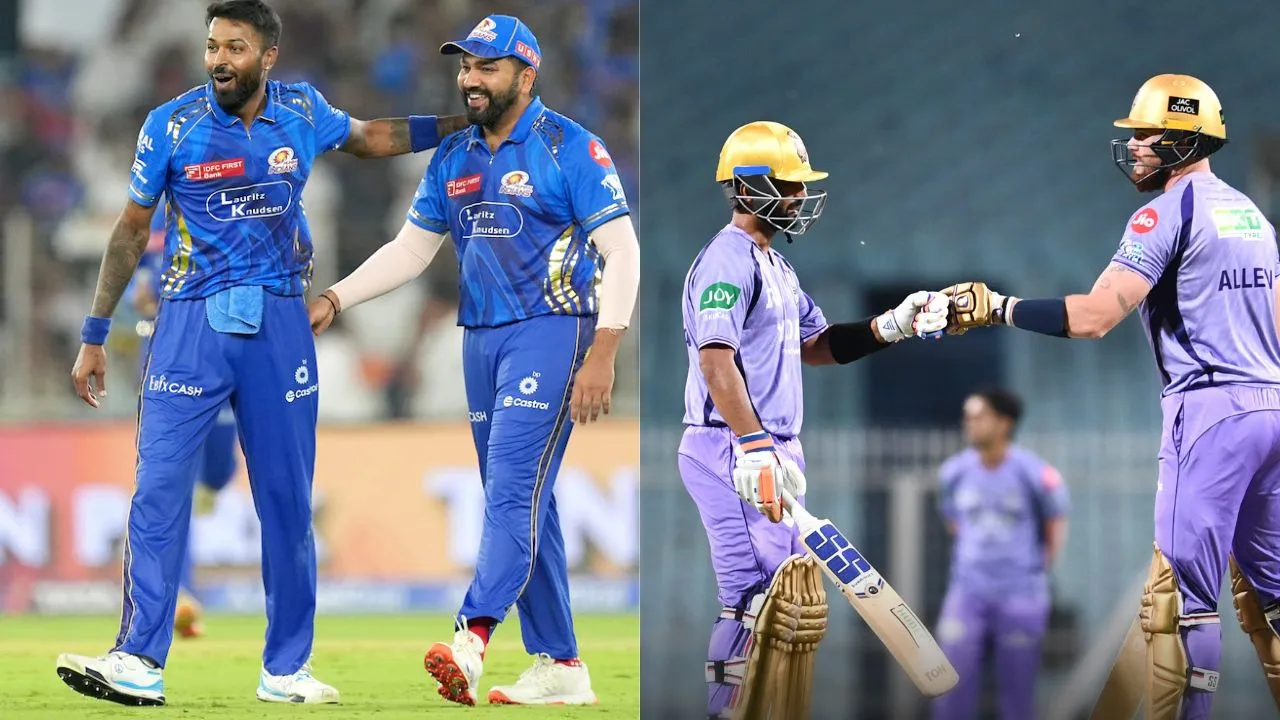
MI vs KKR Match Prediction – Who Will Win Match No.2? | IPL 2026

Mumbai Indians Playing XI vs Kolkata Knight Riders Playing XI- Match No. 2 | IPL 2026

MI vs KKR Match 2 Preview: Free Live Streaming, Pitch & Weather Report, Head-to-Head | IPL 2026

Not English cricket! Jos Buttler credits IPL for his success as a cricketer
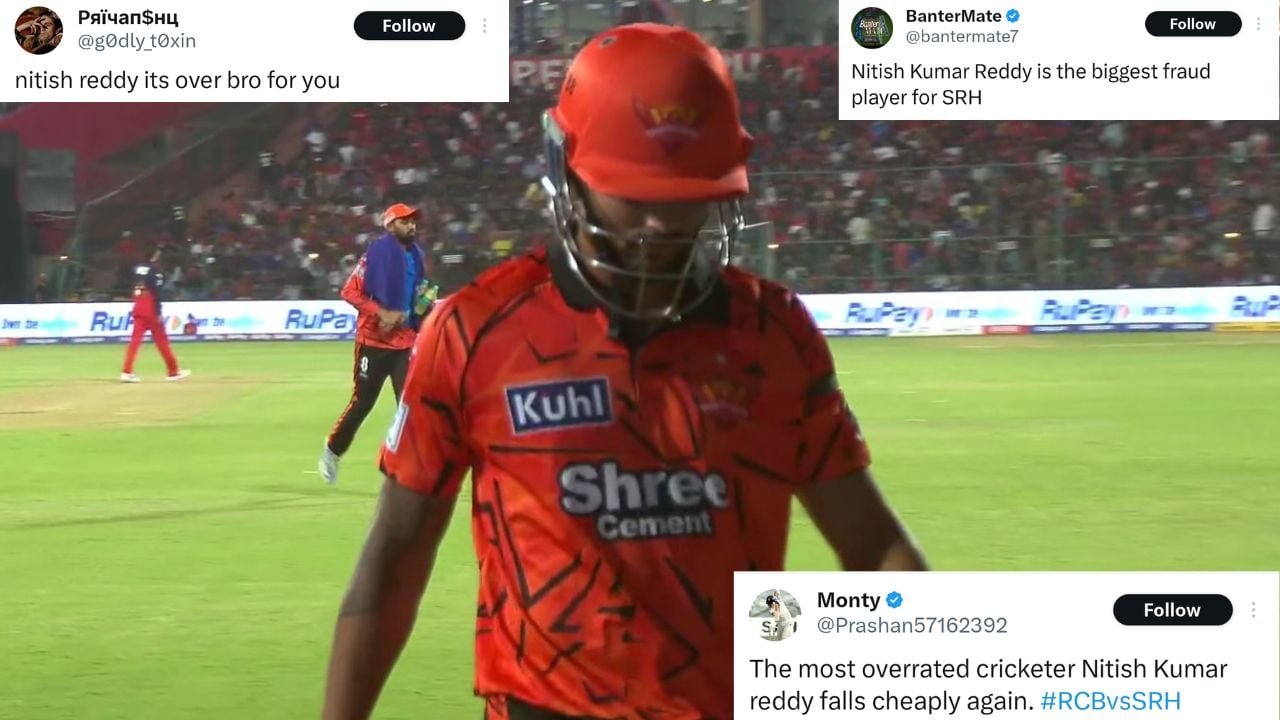
“Nitish Kumar Reddy is biggest fraud”: Fans fume as SRH star fails vs RCB in IPL 2026 opener

Who is Abhinandan Singh? The Virat Kohli troublemaker who made his IPL debut for RCB vs SRH
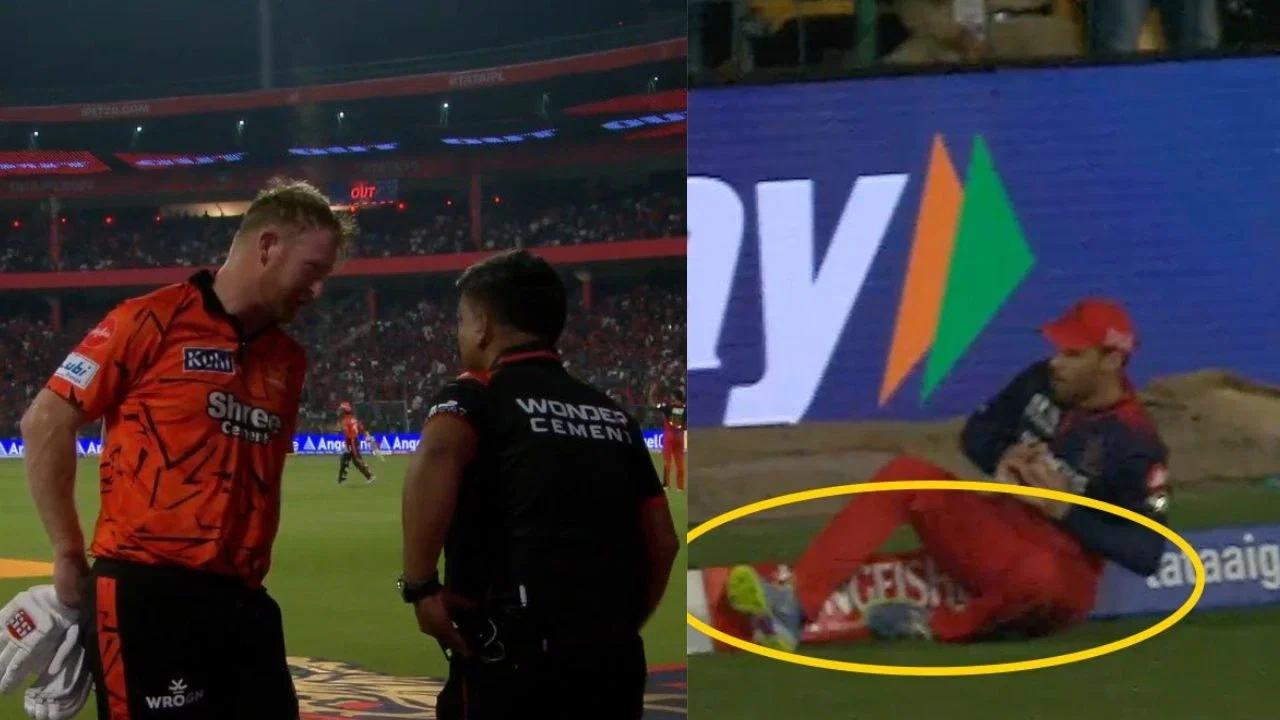
Heinrich Klaasen engages in heated chat with 4th umpire after Phil Salt’s controversial catch in IPL 2026
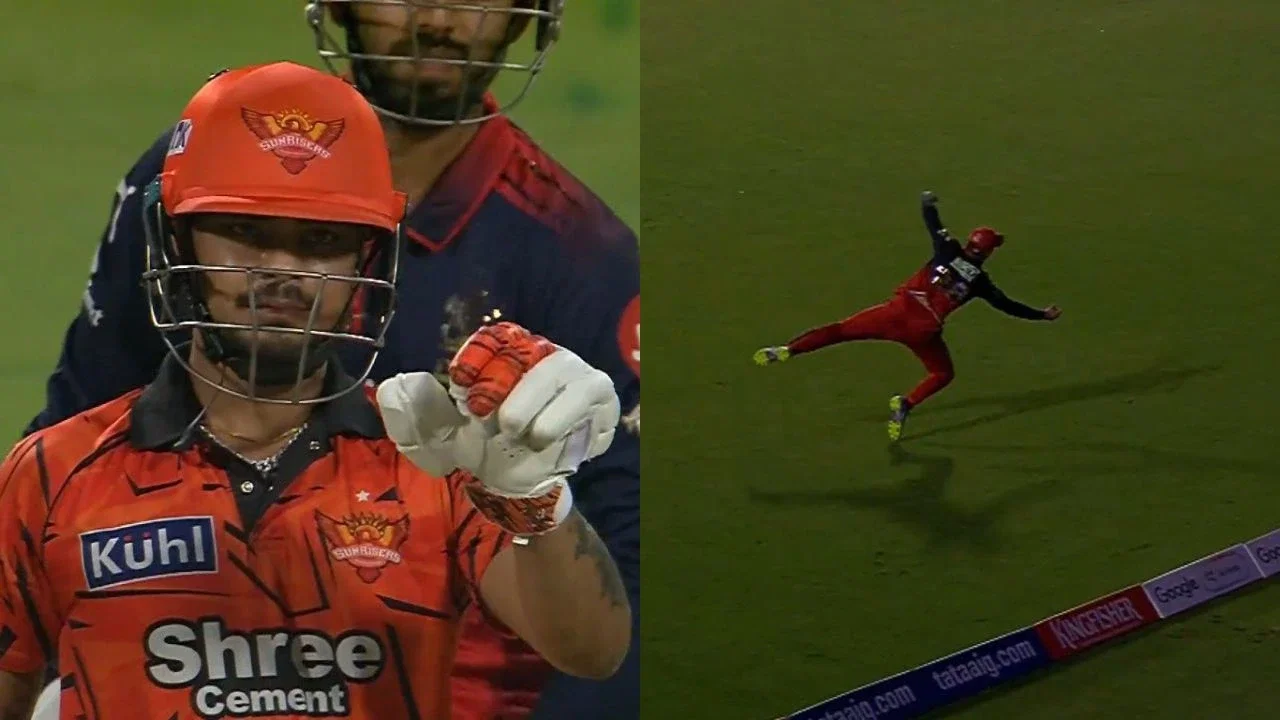
Phil Salt grabs one of the greatest catches in IPL history to dismiss Ishan Kishan

Anushka Sharma laughs as Virat Kohli drops a sitter in RCB vs SRH clash (Watch Video)
Anushka Sharma laughs as Virat Kohli drops a sitter in RCB vs SRH clash (Watch Video)
Anushka Sharma laughs as Virat Kohli drops a sitter in RCB vs SRH clash (Watch Video)
Anushka Sharma laughs as Virat Kohli drops a sitter in RCB vs SRH clash (Watch Video)
Anushka Sharma laughs as Virat Kohli drops a sitter in RCB vs SRH clash (Watch Video)