ICC in panic mode as JioStar set to exit media-rights deal; Netflix, Amazon approached in desperation

ICC Faces Uncertainty as JioStar Threatens to End Media Rights Deal
Amidst financial challenges, JioStar has formally notified the International Cricket Council (ICC) of its intention to terminate the media rights deal for cricket games. This decision has put the ICC in a difficult position, prompting them to explore new options for the sale of rights for the 2026-2029 cycle.
Challenges Ahead for the ICC
With major events like the ICC Men’s T20 World Cup, ICC Women’s T20 World Cup, and the ICC ODI World Cup scheduled in the upcoming years, the ICC should ideally be focusing on the successful execution of these tournaments. However, the recent development with JioStar has created a sense of uncertainty within the organization.
The report reveals that JioStar, which had secured the media rights for the ICC tournaments until 2027, has decided to end the contract prematurely. This move comes as a surprise, considering the four-year contract was supposed to run until 2027. The merger between Viacom18 and Hotstar reportedly led to JioStar doubling its losses on sports contracts, prompting the decision to end the deal.
Search for a New Streaming Partner
Following JioStar’s formal notice, the ICC has initiated the process of selling media rights for the 2026-2029 cycle in India. The urgency to find a new partner is heightened by the upcoming ICC T20 World Cup, scheduled to take place in the February window.
The ICC is aiming to secure a value of $2.4 billion for the new contract, which is lower than the previous rights deal. However, finding a suitable partner has proven to be challenging, with major broadcasters like Sony Pictures Networks India (SPNI), Netflix, and Amazon Prime Video showing limited interest due to the high pricing set by the ICC.
Exploring New Opportunities
While Netflix has been venturing into sports entertainment, the platform has yet to delve into cricket rights. On the other hand, Prime Video holds the rights for ICC media in Australia until 2027 but has not shown significant interest in the Indian market. The reluctance of potential partners highlights the complexities faced by the ICC in securing a new streaming deal.
As the ICC navigates through this challenging period, the organization remains focused on delivering top-quality cricket events. The search for a new media rights partner is crucial for the successful broadcast of upcoming tournaments and ensuring fans have access to live cricket action.
Overall, the uncertainty surrounding the media rights deal underscores the ever-evolving landscape of sports broadcasting and the need for strategic partnerships in the digital age.
The Impact of Technology on Media Rights Deals
One of the key factors influencing the dynamics of media rights deals in the modern sports industry is the rapid advancement of technology. With the rise of streaming services and digital platforms, traditional broadcasters are facing stiff competition from tech giants looking to enter the sports broadcasting arena.
Platforms like Amazon Prime Video and Netflix have disrupted the industry by offering convenient, on-demand access to a wide range of content, including live sports. This shift has forced sports organizations like the ICC to reevaluate their strategies for selling media rights and explore new partnerships that align with the digital age.
Furthermore, the increasing popularity of OTT (over-the-top) platforms has transformed how fans consume sports content. Viewers are now accustomed to watching games on their mobile devices, tablets, and smart TVs, creating a demand for flexible, personalized viewing experiences. This shift in consumer behavior has significant implications for media rights deals, as sports organizations seek partners that can cater to the evolving preferences of modern audiences.
The Rise of Regionalization in Media Rights Distribution
Another trend shaping the landscape of media rights deals is the emphasis on regionalization. As sports leagues and organizations expand their global footprint, there is a growing focus on tailoring content distribution to specific regions and markets. This approach allows rights holders to maximize the value of their properties by targeting audiences with localized content and coverage.
In the case of the ICC, securing a new media rights partner for the Indian market presents a unique challenge due to the country’s massive cricket fan base and diverse viewing habits. By exploring regionalization strategies, the ICC can potentially strike deals with partners who have a deep understanding of the local market and can deliver tailored content that resonates with Indian viewers.
The Future of Sports Broadcasting and Media Rights
Looking ahead, the sports broadcasting landscape is poised for further transformation as technology continues to evolve and consumer preferences evolve. The ongoing shift towards digital platforms, personalized viewing experiences, and regionalized content distribution will shape the future of media rights deals in the sports industry.
Sports organizations like the ICC will need to adapt to these changes by forging strategic partnerships with innovative media companies that can navigate the complexities of the digital age. By embracing new technologies, exploring regionalization opportunities, and prioritizing fan engagement, sports organizations can secure lucrative media rights deals that drive growth and enhance the overall viewing experience for audiences around the world.
As the ICC navigates through the challenges posed by JioStar’s decision to terminate the media rights deal, the organization has an opportunity to reshape its approach to selling rights for future tournaments and leverage the power of technology to reach a global audience in exciting new ways.
Latest News
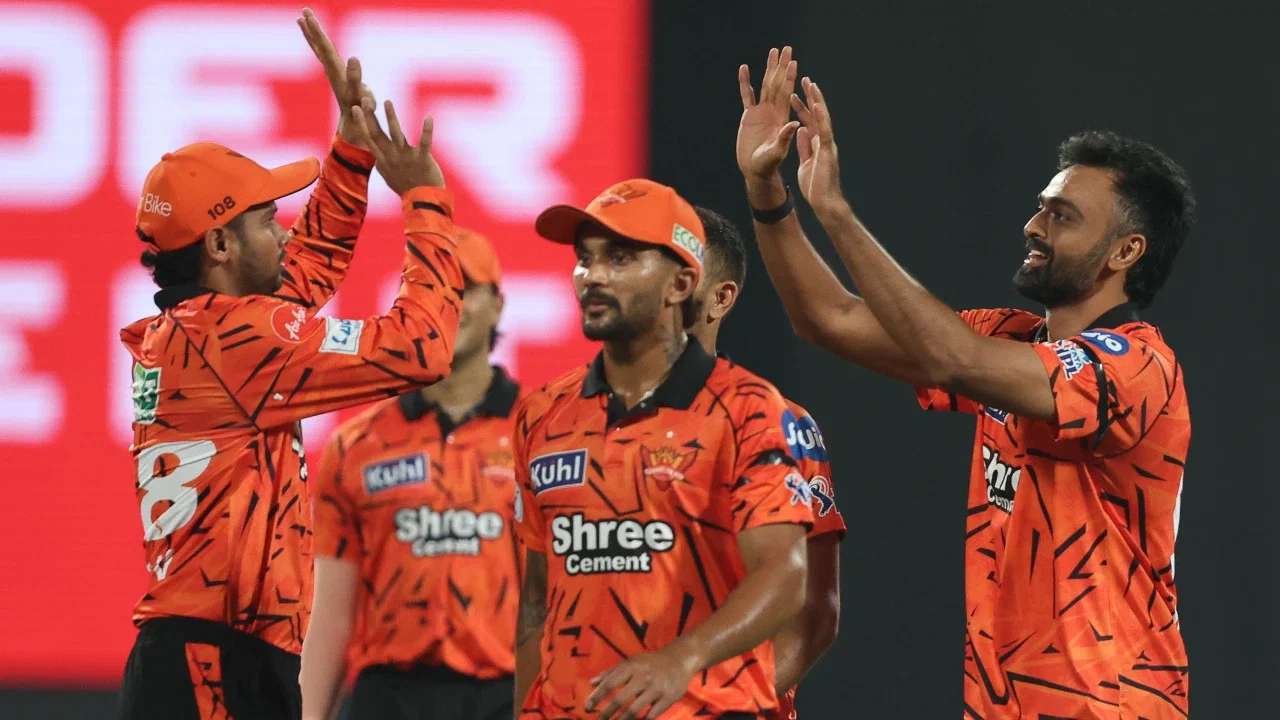
“Only God can save them”: SRH’s bowling attack slammed as “fake” and “terrible” after RCB thrashing
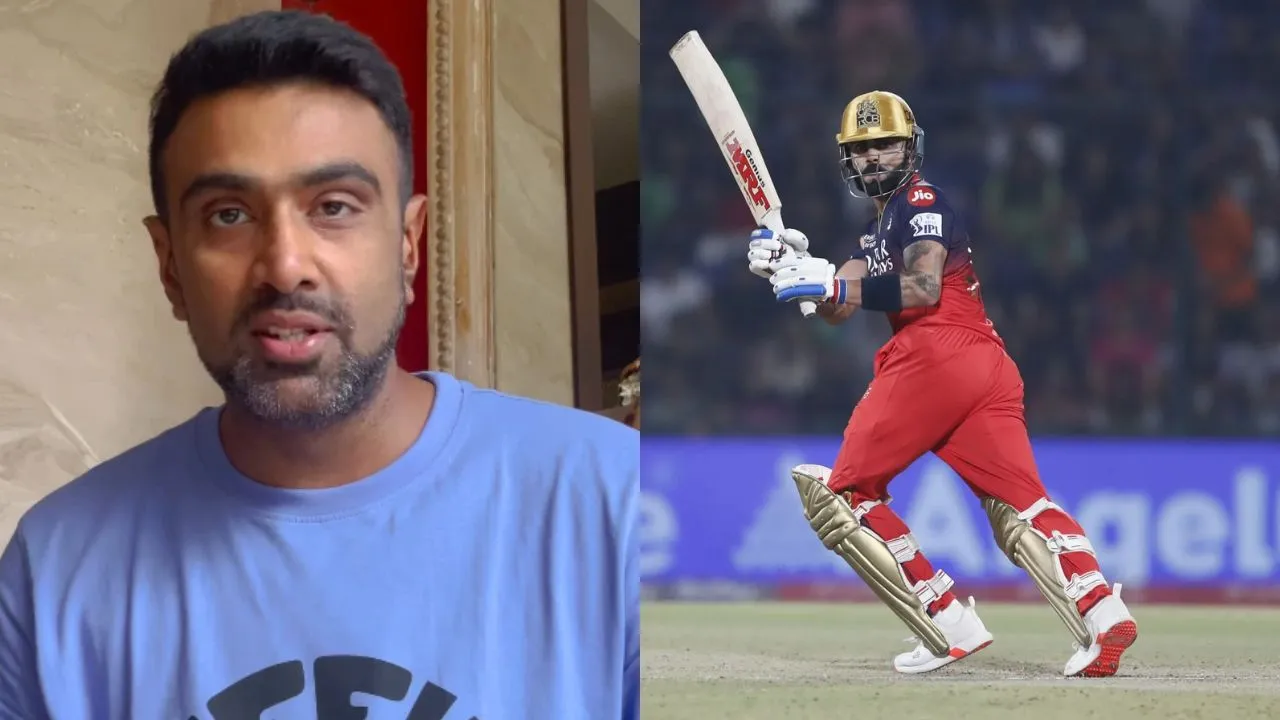
“I find him quite bizarre”: Ravichandran Ashwin’s no-nonsense verdict on Virat Kohli
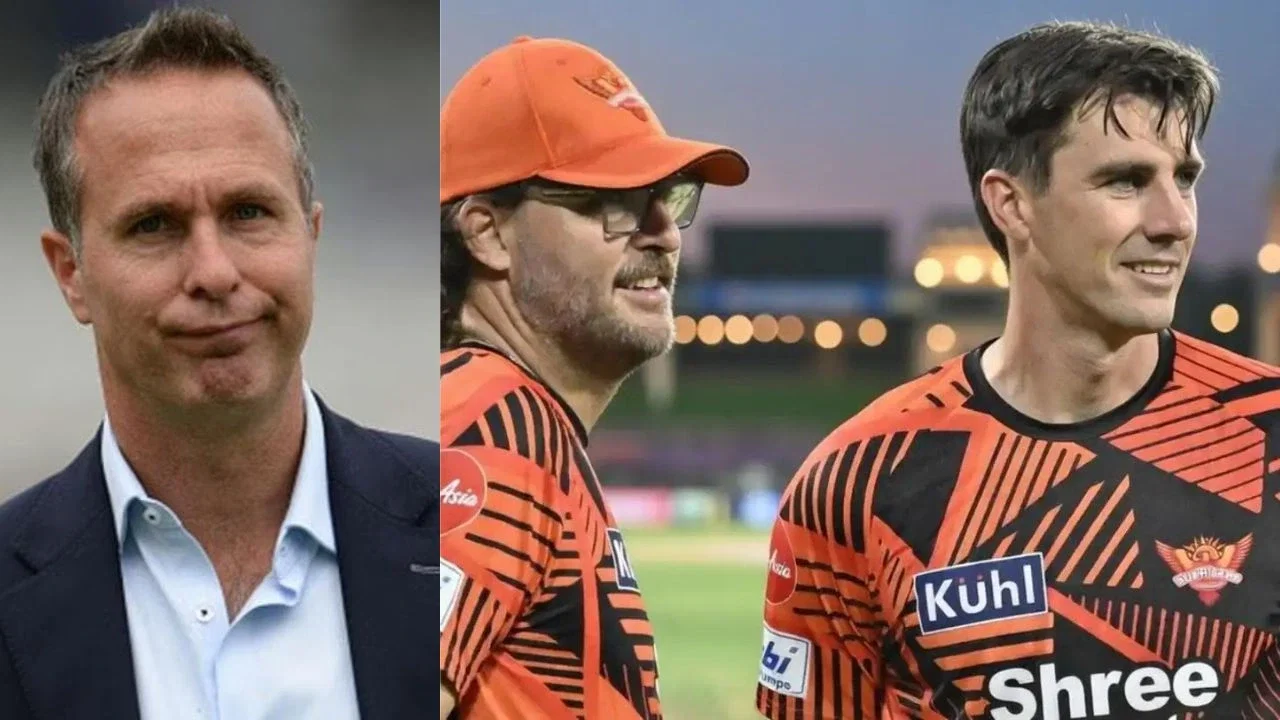
Michael Vaughan makes a bold declaration on IPL 2026, hands SRH no chance for the playoffs
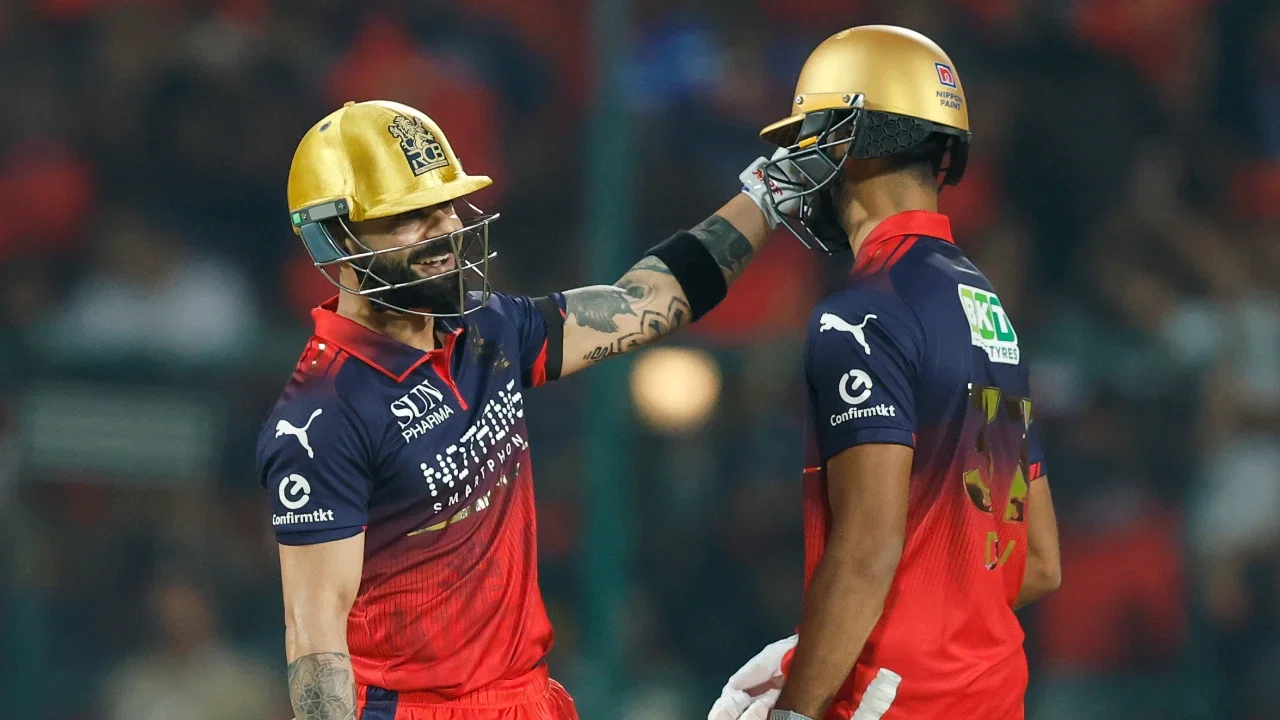
‘Virat Kohli made my job easier’: Devdutt Padikkal bows down to King after heroics vs SRH
“We dedicate this win to 11 fans”: RCB captain Rajat Patidar pays tribute to stampede victims
Ravi Bishnoi trolls Babar Azam from the Rajasthan Royals training camp
Mumbai Indians on the verge of history ahead of IPL 2026 clash against KKR
Jofra Archer imitates Ravindra Jadeja’s bowling action in nets amid IPL 2026 (Watch video)
‘Tommy, Ek ko papa chun le’: Harbhajan Singh delivers abusive responses to commentary critics
Huge blow for CSK! MS Dhoni likely out for six matches in IPL 2026
Rohit Sharma to wreak havoc at Wankhede! Ex-BCCI selector’s massive warning for KKR bowlers
‘Shreyas Iyer is one of the strongest captains in IPL’ – Australia star in awe of PBKS skipper
Shubman Gill out? Virat Kohli’s Test comeback as captain suggested by CSK legend
Jason Gillespie gives major update on Glenn Maxwell’s availability for PSL 2026