ICC introduces bombshell rule changes in cricket – Tests, DRS, ODIs all impacted

ICC Announces Exciting Changes to Playing Conditions Across Men’s International Cricket
The International Cricket Council (ICC) has recently made significant updates to the playing conditions across all three formats of men’s international cricket. These changes aim to enhance the game’s dynamics, fairness, and overall excitement for players and fans alike. Some of these changes have already been implemented in the current cycle, while new rules in white-ball formats will come into effect from July 2.
Exciting Start to WTC 2025-27 Cycle
The WTC 2025-27 cycle kicked off with a thrilling Test series between Sri Lanka and Bangladesh. Currently, India and England are engaged in a five-match Test series, keeping fans on the edge of their seats. Australia, beginning their campaign after a recent loss, faced the West Indies in a Test series under challenging away conditions on Wednesday, June 25.
Key Changes to Playing Conditions
One of the most notable changes introduced is the implementation of a stop clock in Test cricket to address slow over rates. The fielding side now has 60 seconds to start a new over, with umpires issuing warnings and eventually imposing a five-run penalty for delays. This clock resets every 80 overs, ensuring the smooth flow of the game.
Saliva use to shine the ball remains prohibited, but umpires now have the discretion to assess the ball’s condition before deciding to change it. Any application of saliva will result in a five-run penalty awarded to the batting side, maintaining fairness and transparency in the game.
Updated DRS Rules for Enhanced Accuracy
The ICC has also introduced crucial updates to the Decision Review System (DRS) rules to ensure accuracy and consistency in decision-making. For instance, if a batter is given out caught but opts for a review, and replays show no contact between bat and ball, the third umpire will now assess the LBW using the original “out” decision. This rule eliminates any ambiguity and ensures fair play.
Third umpires are now required to review the fairness of a catch even if the delivery is deemed a no-ball. This ensures that only the no-ball run is awarded if the catch is clean, preventing any unfair advantages for the fielding team.
Stricter Penalties and Trial of Injury Substitutes
Batters who deliberately run short will now face stricter consequences, with the fielding team having the right to decide which batter remains on strike for the next delivery. However, accidental or aborted runs without deceptive intent will not be penalized, maintaining the spirit of the game.
A new trial allowing full-time player replacements in domestic first-class matches for clear external injuries aims to provide fair opportunities for teams in case of severe injuries. This rule change will not apply to internal injuries or muscle strains, focusing on player welfare and match integrity.
ODI Ball Change Update
In ODI matches, a return to using a single ball from the 35th over until the end of the innings is expected to add more wear and tear on the ball, enhancing the contest between bat and ball in the latter overs. This change aims to balance the game and bring more excitement to fans witnessing thrilling finishes in ODI cricket.
Overall, these changes bring a fresh perspective to men’s international cricket, offering players and fans an engaging and fair experience while upholding the spirit of the game.
Evolution of Playing Conditions in International Cricket
Over the years, the rules and playing conditions in international cricket have continuously evolved to adapt to the changing dynamics of the game. The recent updates announced by the ICC are part of a broader effort to modernize and streamline the sport while maintaining its integrity and competitiveness.
One of the key aspects of these changes is the emphasis on enhancing the pace of play and ensuring that matches progress smoothly without unnecessary delays. By implementing a stop clock in Test cricket to monitor over rates and penalize delays, the ICC is aiming to keep the game engaging for both players and spectators. This move reflects the organization’s commitment to maintaining the excitement and intensity of Test matches, which are often seen as the pinnacle of cricketing competition.
Technology and Fair Play in Decision-Making
The updates to the Decision Review System (DRS) rules represent a significant step towards leveraging technology to improve the accuracy and consistency of umpiring decisions. By allowing third umpires to reevaluate catches and LBW decisions based on conclusive evidence, the ICC is setting a higher standard for fairness and transparency in cricket officiating. These changes not only benefit the players by ensuring that correct decisions are made but also enhance the overall credibility of the sport.
Furthermore, the introduction of stricter penalties for batters who run short underscores the ICC’s commitment to upholding the spirit of fair play in cricket. By differentiating between intentional and unintentional infractions, the organization is sending a clear message that ethical conduct on the field is essential for maintaining the integrity of the game.
Innovations in Match Dynamics and Strategy
The decision to revert to using a single ball from the 35th over onwards in ODI matches is a strategic move aimed at introducing more variability and challenge into the game. By promoting wear and tear on the ball in the latter stages of an innings, teams will need to adapt their tactics and approach to batting and bowling, leading to more thrilling contests and unpredictable outcomes. This change not only adds an element of excitement for fans but also tests the skills and adaptability of players in high-pressure situations.
Overall, the recent changes to playing conditions in men’s international cricket reflect the ICC’s ongoing efforts to innovate and enhance the sport while preserving its core values and traditions. By embracing technology, promoting fair play, and introducing strategic adjustments, the organization is ensuring that cricket remains a dynamic and captivating sport for players and fans around the world.
Latest News
Prithvi Shaw declares his mission to return to team India begins from IPL 2026
Irfan Pathan questions Arshdeep Singh’s bowling ahead of IPL 2026
“Mind is somewhere else”: Yuvraj’s Father exposes Abhishek Sharma’s indiscipline lifestyle

EX-RCB pacer joins KKR as replacement of Harshit Rana ahead of IPL 2026

“Win our first trophy”: Sanjiv Goenka crowns LSG as champions ahead of IPL 2026
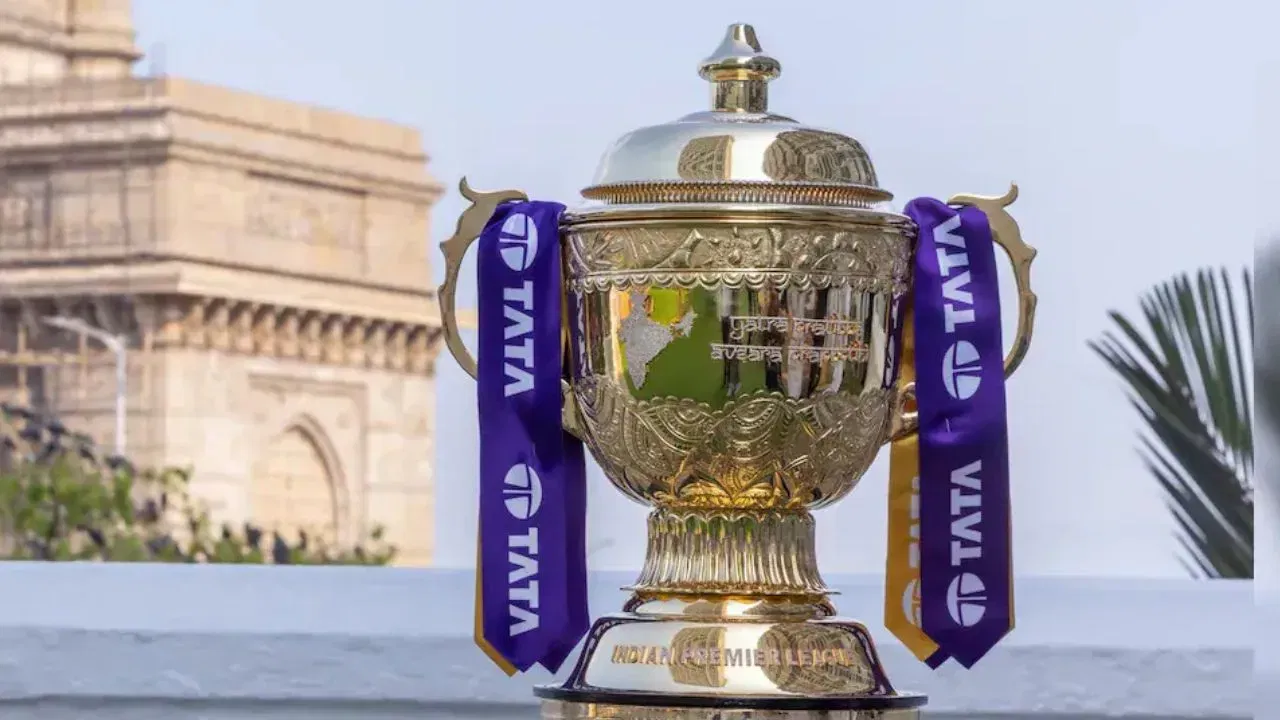
New catching rule? Captains warned over ‘Incomplete’ catches ahead of IPL 2026

Pat Cummins in awe of Ishan Kishan’s captaincy

Ex-India star accuses teammates of ‘Racism’, blames it for early international exit
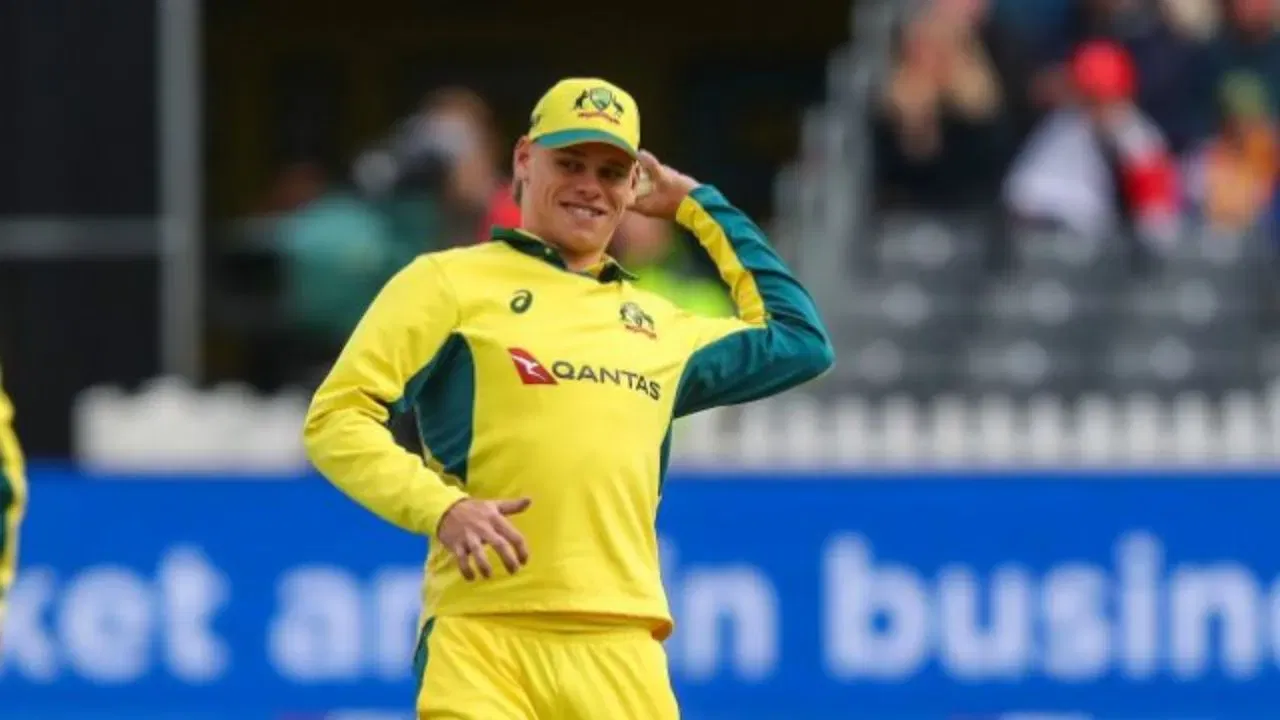
“I love watching Shreyas Iyer bat” – PBKS all-rounder Cooper Connolly ahead of IPL 2026

Yograj Singh gives Ravichandran Ashwin belt treatment because of Arjun Tendulkar remarks
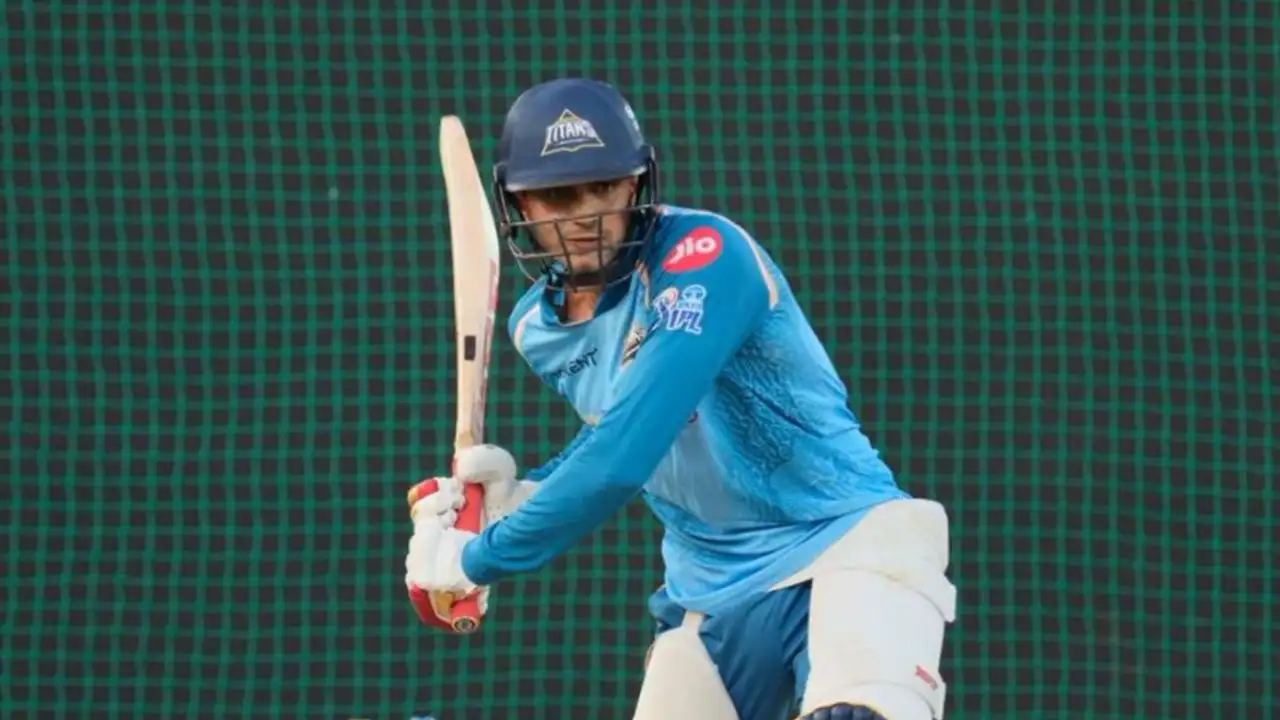
CSK legend advises Shubman Gill the best way to bounce back in T20I team
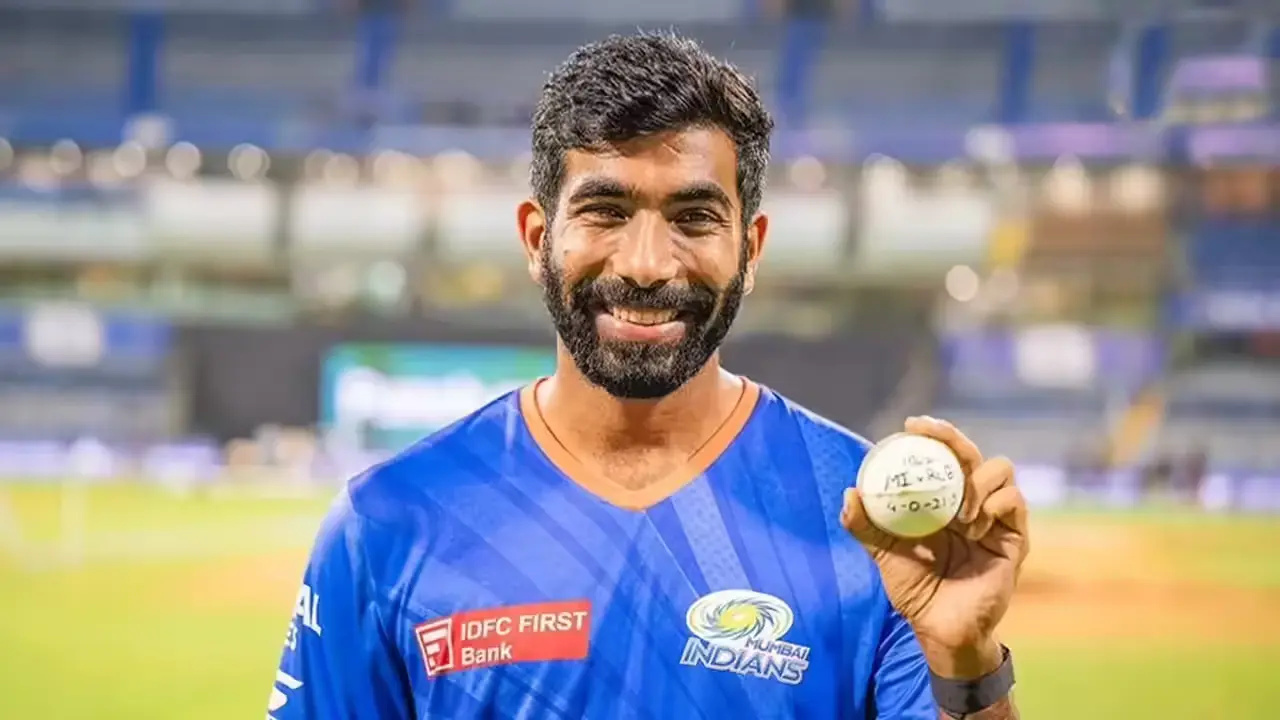
Jasprit Bumrah Injury Scare, reason behind visit to CoE revealed
“Didn’t invite me”: R Ashwin puts Kuldeep Yadav in spotlight over wedding snub
Ireland Cricket announced the full list of central contracts for the 2026-27 season