

“ICC needs to…”: Harbhajan Singh’s blunt take on Bangladesh’s request to shift T20 World Cup 2026 matches
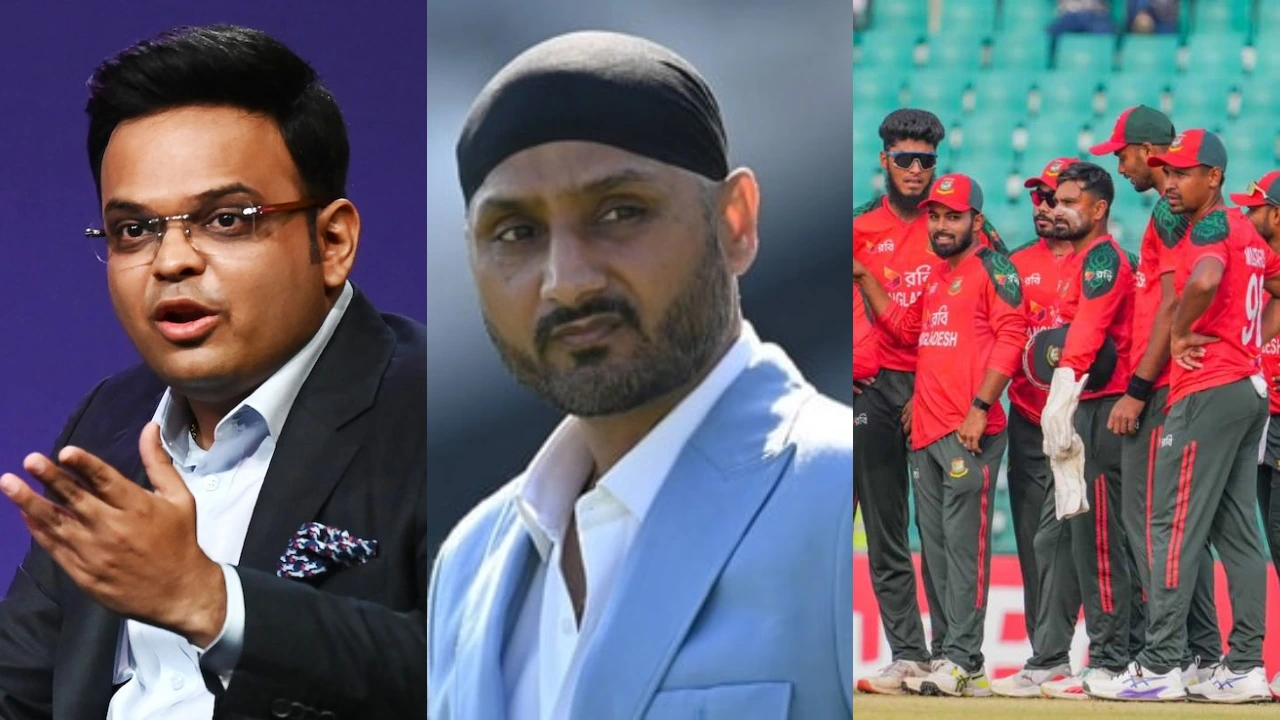
Harbhajan Singh Responds to Bangladesh’s Request to Shift T20 World Cup 2026 Matches
The former Indian spinner, Harbhajan Singh, has broken his silence on Bangladesh’s request to relocate their matches in the upcoming ICC T20 World Cup 2026, which is set to be held in India next month. The Bangladesh Cricket Board (BCB) has officially reached out to the International Cricket Council (ICC) with concerns about safety and security, requesting a venue change to Sri Lanka, the co-host of the tournament.
Harbhajan Singh Advocates for India as Safe Host
Harbhajan Singh, known for his diplomatic stance, has emphasized India’s track record as a secure and hospitable host for international teams. While acknowledging Bangladesh’s concerns, he has stated that the decision to either play in India or relocate the matches ultimately lies with the ICC and BCB. However, he also condemned the current situation faced by Hindus in Bangladesh, highlighting the need for a balanced resolution.
“We welcome everyone to India, but whether they want to come here or not is their choice,” Harbhajan Singh stated. He urged the ICC to consider the request from all angles and make a decision that upholds fairness and respect for all parties involved.
The Heart of the Dispute
The controversy arose when the Kolkata Knight Riders (KKR) removed Mustafizur Rahman from their IPL 2026 squad on the BCCI’s directive following public outcry and political pressure due to reported incidents of violence against Hindu minorities in Bangladesh. In response, the Bangladesh government suspended the broadcast of IPL matches in the country, escalating tensions between India and Bangladesh.
ICC Faces Urgent Action
The escalating tensions between India and Bangladesh have prompted the BCB to request a change in venue for their T20 World Cup matches. This move has put the ICC in a challenging position, as the tournament is fast approaching, set to kick off on February 7. The ICC is now scrambling to devise a contingency plan, considering the implications on scheduling, logistics, travel arrangements, and broadcast agreements.
With the clock ticking, all eyes are on the ICC as they navigate through the diplomatic and logistical complexities brought about by the India-Bangladesh tensions. As cricket fans await the ICC’s next steps, the fate of the T20 World Cup 2026 hangs in the balance, with the need for a swift and judicious resolution.
Stay tuned for further updates as the cricketing world awaits a decision from the governing bodies amidst this high-stakes situation.
Harbhajan Singh’s Call for Unity and Sportsmanship
In his response to the ongoing dispute over the venue for the T20 World Cup 2026 matches, Harbhajan Singh has underscored the importance of unity and sportsmanship in the world of cricket. As a seasoned player who has represented India on numerous occasions, Harbhajan emphasizes the need for all parties involved to prioritize the spirit of the game above all else.
Harbhajan Singh’s plea for unity comes at a crucial time when tensions between India and Bangladesh are running high due to political and social factors. As a respected figure in the cricketing community, his words carry weight and may serve as a catalyst for dialogue and reconciliation between the two nations.
Implications for the T20 World Cup 2026
Should the ICC decide to relocate Bangladesh’s matches to Sri Lanka, it would mark a significant shift in the tournament’s dynamics. The logistical challenges of rearranging fixtures, accommodating teams, and adjusting travel plans on short notice present a daunting task for the governing body. Additionally, the potential impact on fan engagement, broadcast schedules, and commercial partnerships cannot be overlooked in this decision-making process.
Furthermore, the outcome of this controversy may set a precedent for how international sporting events handle geopolitical tensions and security concerns in the future. The ICC’s ability to navigate these complex issues while upholding the integrity and inclusivity of the sport will be closely scrutinized by fans, players, and stakeholders alike.
Unity in Diversity: A Core Tenet of Cricket
Cricket has long been celebrated as a sport that transcends boundaries, bringing together players and fans from diverse backgrounds and cultures. The essence of cricket lies in its ability to foster camaraderie, respect, and mutual understanding among individuals regardless of their differences.
As the cricketing community grapples with the current challenges surrounding the T20 World Cup 2026, it is essential to uphold the values of unity in diversity that define the sport. By promoting inclusivity, empathy, and sportsmanship, cricket can serve as a powerful tool for bridging divides and fostering goodwill among nations.
Looking Ahead: A Path to Resolution
As the world awaits a decision from the ICC on the fate of the T20 World Cup 2026 matches, there is an opportunity for all stakeholders to come together in the spirit of cooperation and compromise. By prioritizing dialogue, understanding, and respect, a pathway to resolution can be forged that preserves the integrity of the tournament while addressing the legitimate concerns raised by Bangladesh.
Ultimately, the outcome of this situation will not only shape the immediate future of the T20 World Cup but also contribute to the broader narrative of sports diplomacy and international relations. The eyes of the cricketing world are on the ICC as they navigate this critical juncture with diplomacy, tact, and a commitment to upholding the values that define the game of cricket.
Stay tuned for further developments as the cricketing community awaits a decision that will impact the future of the T20 World Cup 2026 and the spirit of unity that underpins the sport we all cherish.
Latest News
Punjab Kings penalised! Shreyas Iyer punished after win vs Gujarat Titans in IPL 2026
Shreyas Iyer injury update: Punjab Kings captain ruled out of IPL 2026?
LSG vs DC Match No. 5 Preview: Free Live Streaming, Pitch & Weather Report, Head-to-Head | IPL 2026
LSG vs DC Match Prediction – Who Will Win Match No.5? | IPL 2026
LSG Playing XI vs DC Playing XI – Match No. 5 | IPL 2026
Krunal Pandya breaks silence on India snub, opens up on Virat Kohli
Mohsin Naqvi enforces new social media rules for Pakistan players following Naseem Shah incident
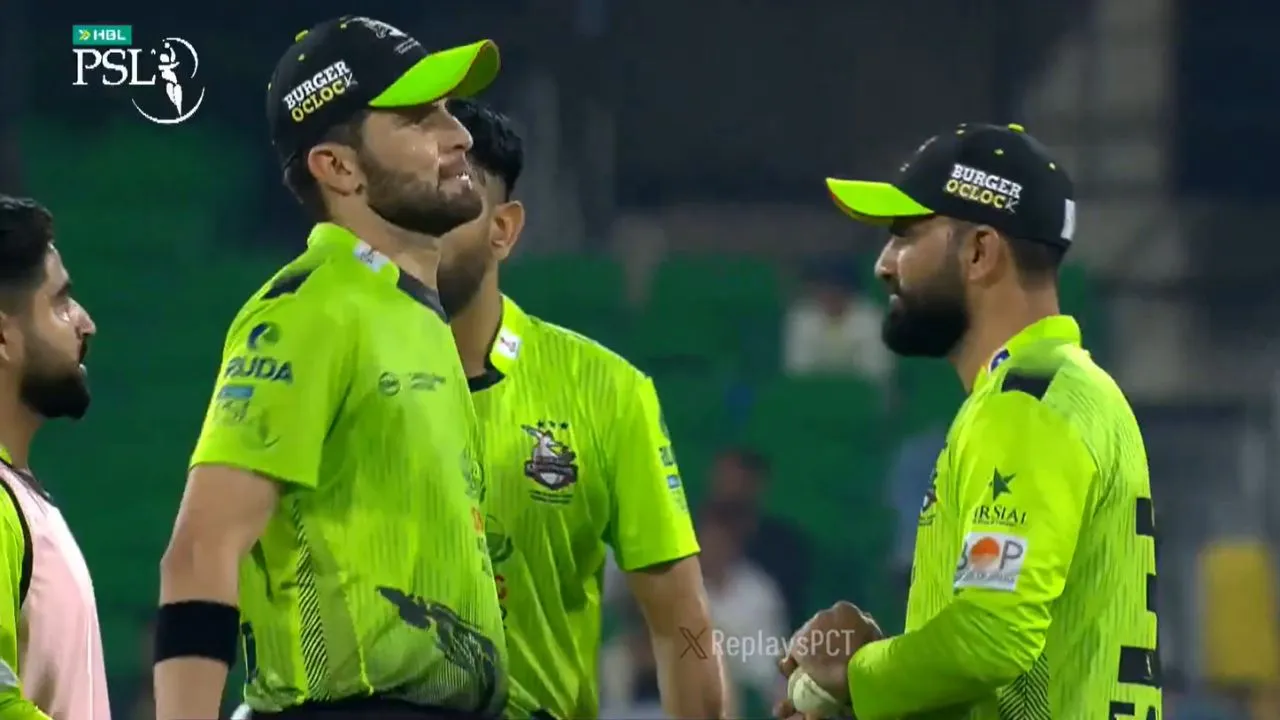
Fakhar Zaman officially handed cricket ban after PSL 2026 ball-tampering controversy
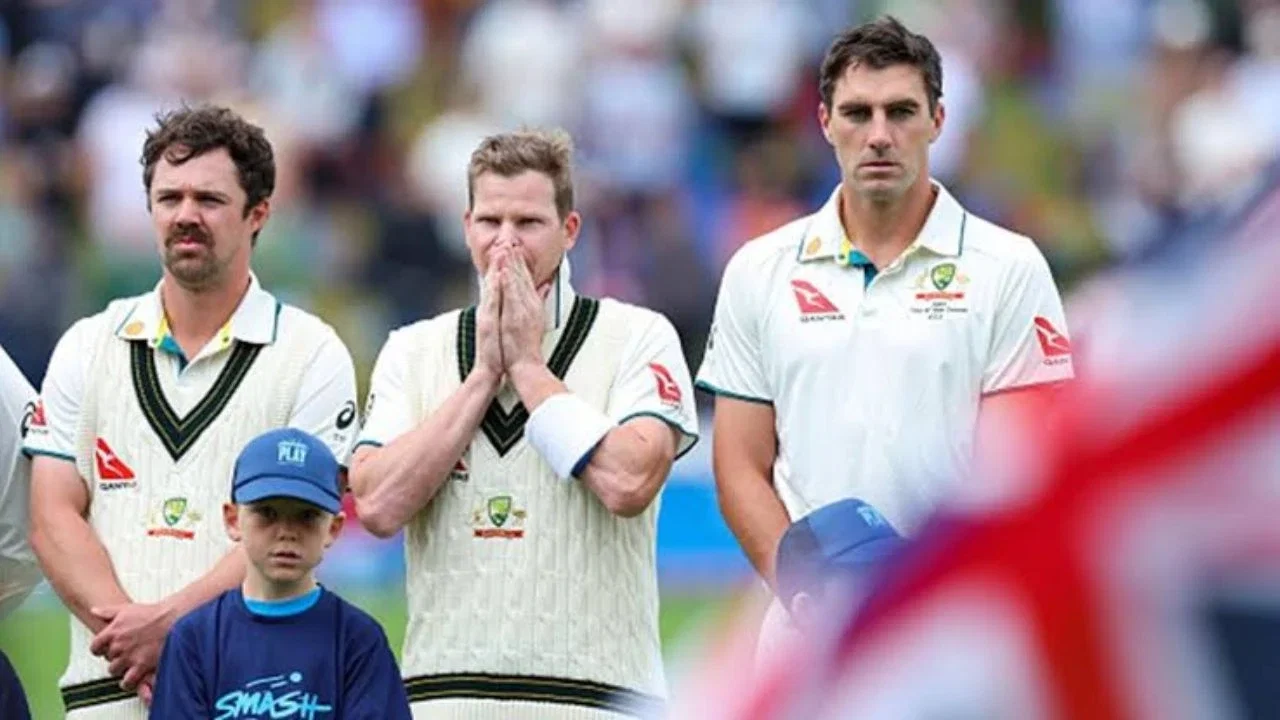
Pat Cummins forces Cricket Australia to slash central contracts list to secure premium deal
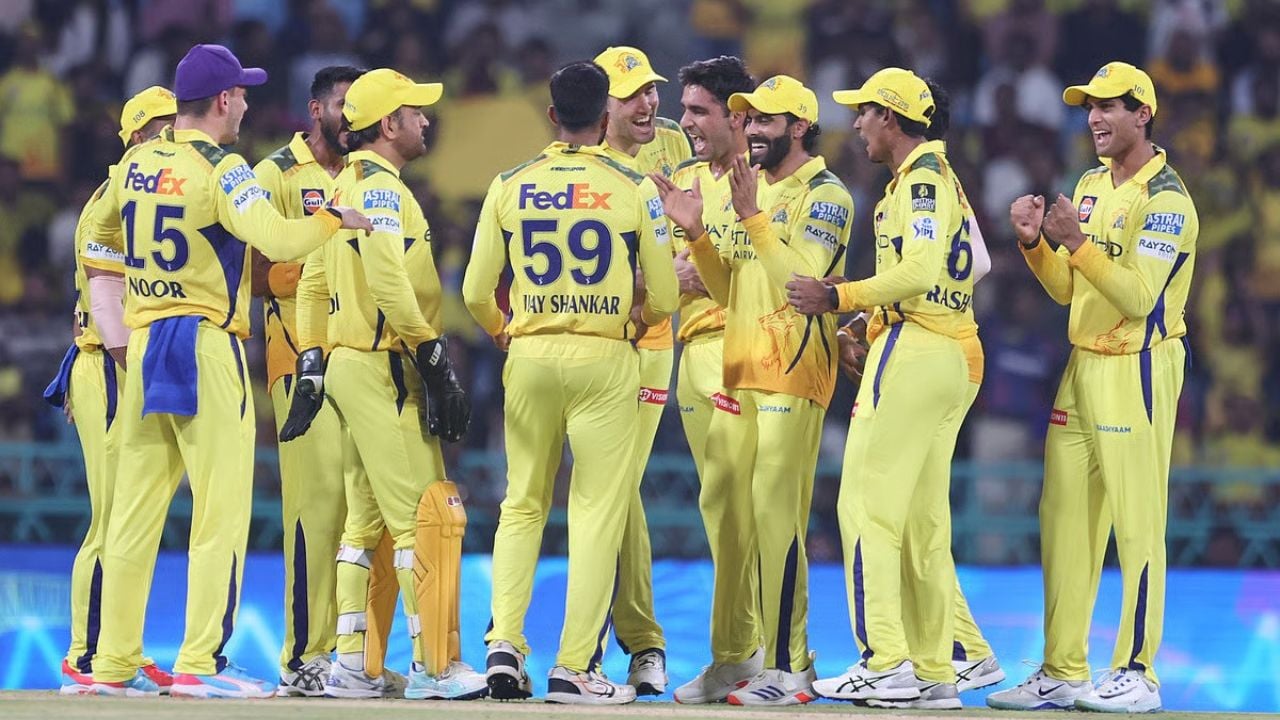
CSK’s big promise to players revealed amid IPL 2026: “Whatever BCCI offers, we’ll double it”
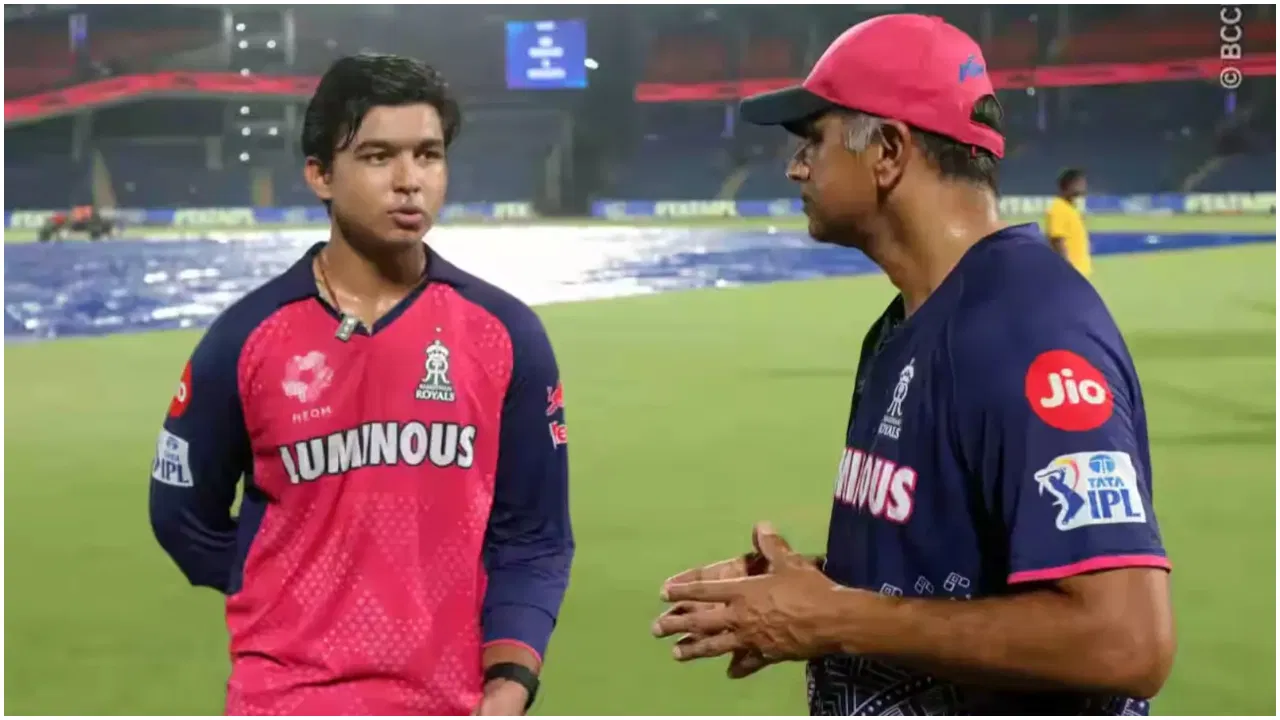
Ravichandran Ashwin rules out Vaibhav Sooryavanshi’s India call-up
Rashid Latif claims PSL ball-tampering row was deliberately created for attention amid IPL rivalry
Mohammed Shami breaks silence on retirement buzz after India snub; has special message for LSG
Mohammed Shami reveals IPL 2026 Top 4, leaves out five-time champions

