ICC still not done with Haris Rauf, Sahibzada Farhan, more action to come after Asia Cup final
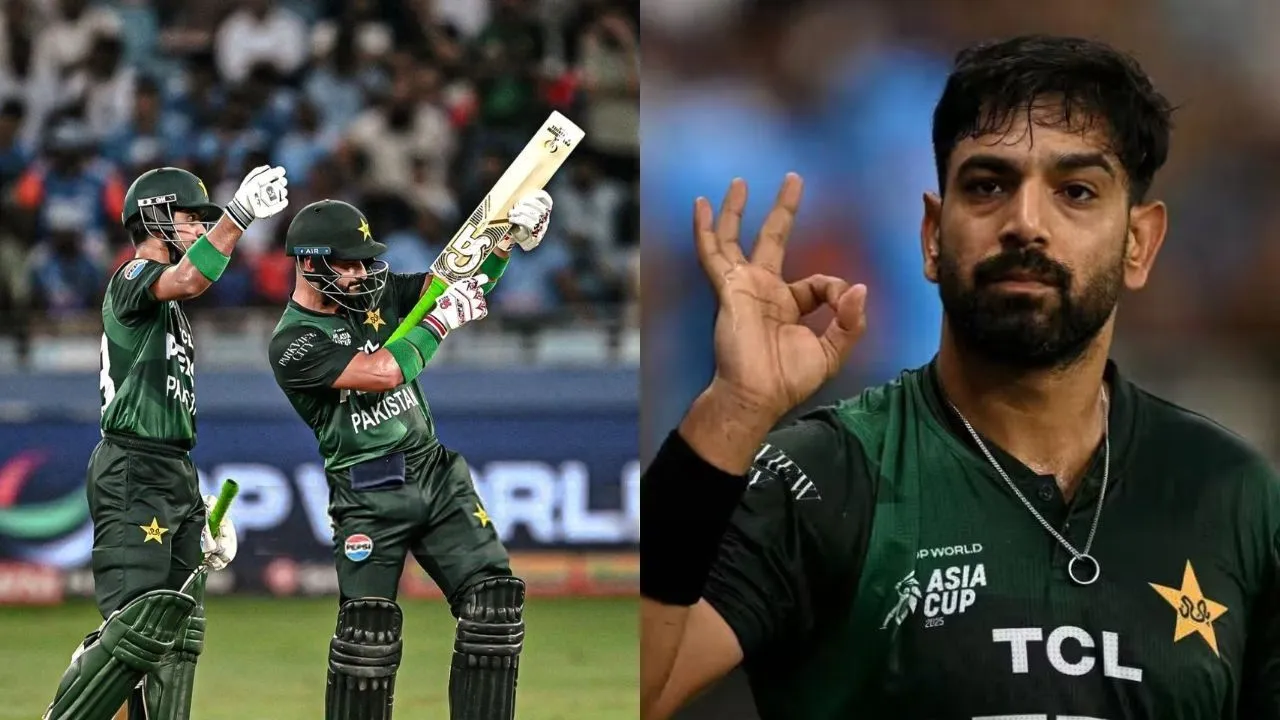
ICC Punishes Haris Rauf and Sahibzada Farhan for Controversial Gestures
Pakistan fast bowler Haris Rauf has faced disciplinary action from the ICC for his use of “abusive language and aggressive gestures” in the recent Super 4 clash against India. Additionally, opener Sahibzada Farhan, who celebrated his half-century with a controversial “gun-fire” gesture during the same match, received a warning from the international cricket governing body.
The match between India and Pakistan was highly anticipated as it was the first time the two teams faced each other since the Pahalgam terror attack in April. Ahead of the game, Indian cricketer Suryakumar Yadav and his team decided to refrain from handshakes with the Pakistani players both before and after the match.
ICC Responds to Complaints from PCB
Following the match, the Pakistan Cricket Board (PCB) filed a complaint with the ICC, alleging that match referee Andy Pycroft had mishandled the situation and requested his removal. However, the ICC dismissed the request, leading Pakistan to threaten withdrawal from future events. Subsequently, the referee issued an apology to the team for any potential miscommunication.
BCCI Lodges Formal Complaint
The Board of Control for Cricket in India (BCCI) lodged a formal complaint against both Haris Rauf and Sahibzada Farhan for their alleged provocative gestures during the India-Pakistan match in the Asia Cup. In response, match referee Richie Richardson conducted disciplinary hearings at the Pakistan team hotel, where statements from the players, along with their team manager Naveed Akram Cheema, were heard.
As a result of the hearings, Haris Rauf was fined 30% of his match fees for breaching the ICC Code of Conduct, while Sahibzada Farhan received a warning for his celebratory actions. Additionally, India captain Suryakumar Yadav was recommended a 30% fine for his comments made during the match. All three players pleaded not guilty during the disciplinary proceedings.
Asia Cup 2025 Final and India-Pakistan Showdown
Looking ahead to the Asia Cup 2025 final, where India is scheduled to take on Pakistan at the Dubai International Stadium on Sunday, September 28, the rivalry between the two teams intensifies. This will be the first time the arch-rivals meet in an Asia Cup final.
India, under the leadership of their captain, have a flawless record in the tournament, winning all six of their matches. They previously defeated Pakistan by 7 wickets in the group stage and claimed a 6-wicket victory in the Super Four match.
On the other hand, Pakistan secured wins over their opponents to reach the final and will be seeking to adjust their tactics for their third encounter with India in this edition of the Asia Cup. India has a total of eight Asia Cup titles under their belt, while Pakistan has won the tournament twice.
Key Players to Watch
Abhishek Sharma has been a standout performer for India throughout the Asia Cup, accumulating 309 runs in six innings at an impressive average of 51.50 and a striking strike rate of 204.64. Sharma has also notched three half-centuries in the tournament, making him a player to watch in the final showdown between India and Pakistan.
Impact of the ICC Punishments
The disciplinary actions taken against Haris Rauf and Sahibzada Farhan by the ICC have sparked debates within the cricket community. While some view the penalties as necessary to maintain the spirit of the game and prevent escalation of tensions between rival teams, others argue that such gestures and remarks are part of the competitive nature of cricket.
It is essential to consider the cultural context in which these players operate, as gestures and celebrations that may be deemed controversial in one country could be perfectly acceptable in another. The ICC’s role in regulating player behavior and enforcing codes of conduct becomes crucial in ensuring that matches are conducted in a fair and respectful manner.
The India-Pakistan Rivalry
The longstanding rivalry between India and Pakistan in cricket is one of the most intense and historic matchups in the sport. The political tensions between the two nations often spill over into the cricketing arena, adding an extra layer of competition and emotion to their encounters.
Matches between India and Pakistan are not just about cricket; they carry deep-rooted sentiments, national pride, and historical baggage. The Asia Cup final in 2025 holds special significance as both teams vie for supremacy in the tournament and bragging rights in the broader context of their rivalry.
The Role of Key Players
As the Asia Cup final approaches, all eyes will be on key players from both India and Pakistan who have the potential to sway the outcome of the match. Players like Abhishek Sharma, who have been in exceptional form throughout the tournament, will be instrumental in their team’s success.
Individual performances often play a crucial role in high-stakes matches, and the ability of key players to rise to the occasion can make a significant difference in the final result. The pressure of a final against a traditional rival like India or Pakistan can bring out the best in players, leading to memorable moments on the field.
Implications for Future Matches
The ICC’s handling of disciplinary issues and player conduct in high-profile matches like the India-Pakistan encounter sets a precedent for future games. The enforcement of codes of conduct and regulations governing player behavior is essential in maintaining the integrity and sportsmanship of cricket.
As teams prepare for future tournaments and series, they will have to consider the consequences of their actions on the field and the potential impact on their team’s reputation and standing in the cricketing community. The lessons learned from incidents like the ones involving Haris Rauf and Sahibzada Farhan serve as reminders of the responsibility that comes with representing one’s country in international cricket.
By exploring the broader implications of the ICC punishments, the significance of the India-Pakistan rivalry, the role of key players in high-stakes matches, and the lessons for future games, this expanded content adds depth and perspective to the original article.
Latest News
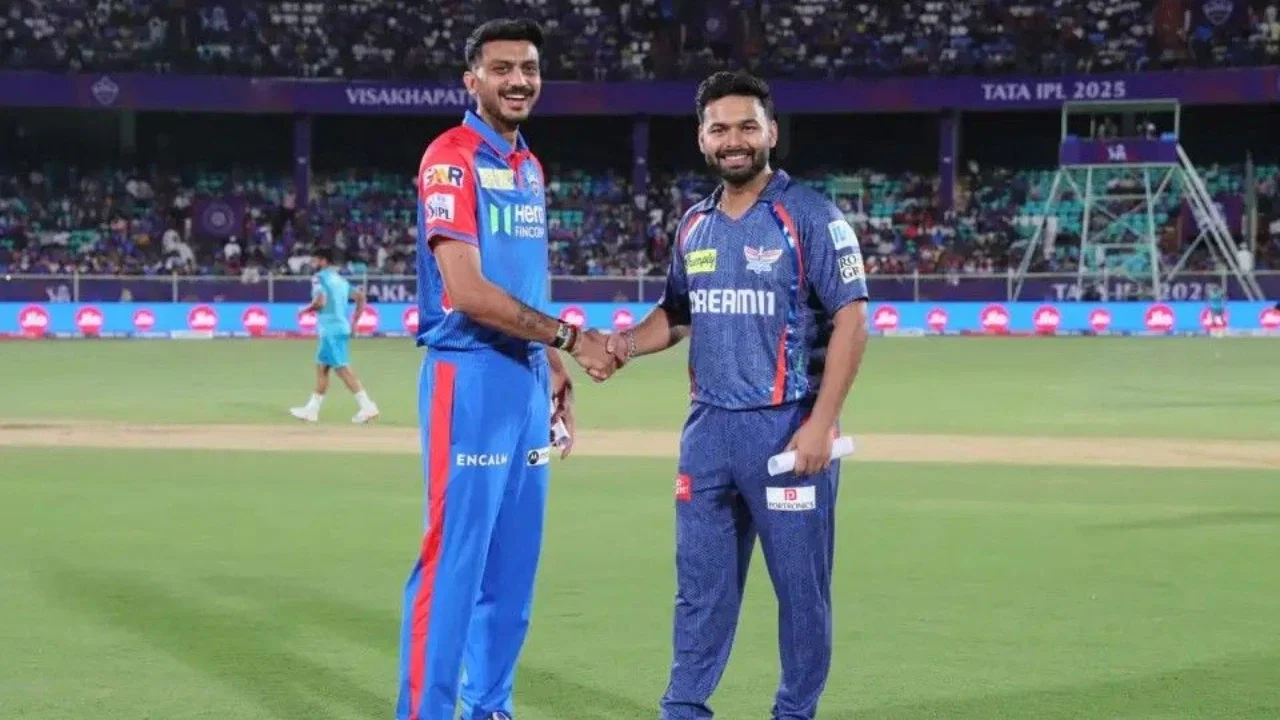
LSG vs DC Match No. 5 Preview: Free Live Streaming, Pitch & Weather Report, Head-to-Head | IPL 2026

LSG vs DC Match Prediction – Who Will Win Match No.5? | IPL 2026
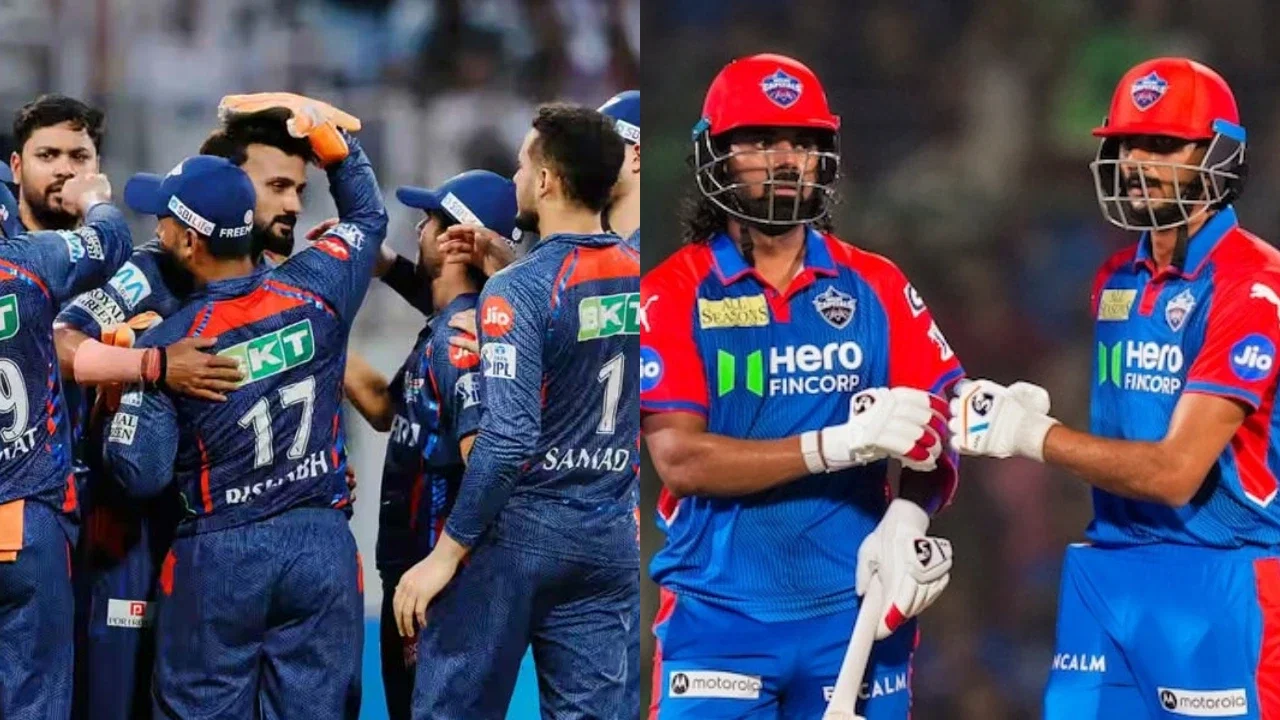
LSG Playing XI vs DC Playing XI – Match No. 5 | IPL 2026
Krunal Pandya breaks silence on India snub, opens up on Virat Kohli
Mohsin Naqvi enforces new social media rules for Pakistan players following Naseem Shah incident
Fakhar Zaman officially handed cricket ban after PSL 2026 ball-tampering controversy
Pat Cummins forces Cricket Australia to slash central contracts list to secure premium deal
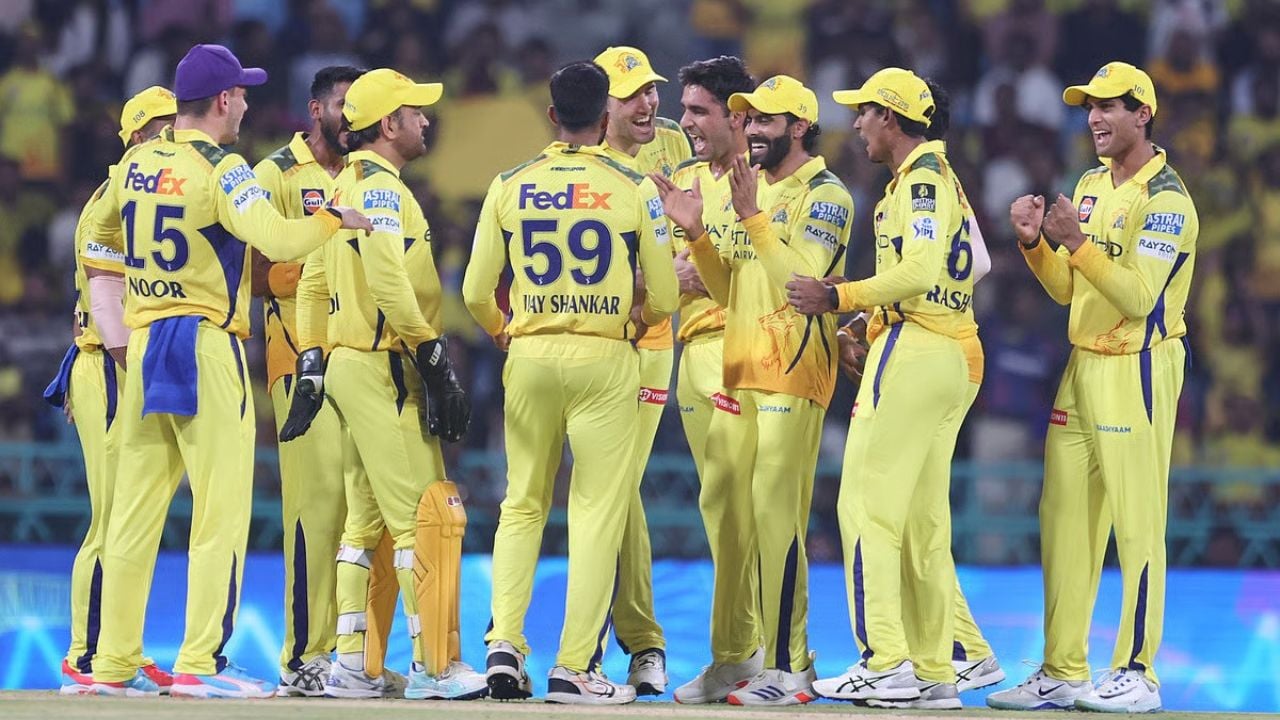
CSK’s big promise to players revealed amid IPL 2026: “Whatever BCCI offers, we’ll double it”
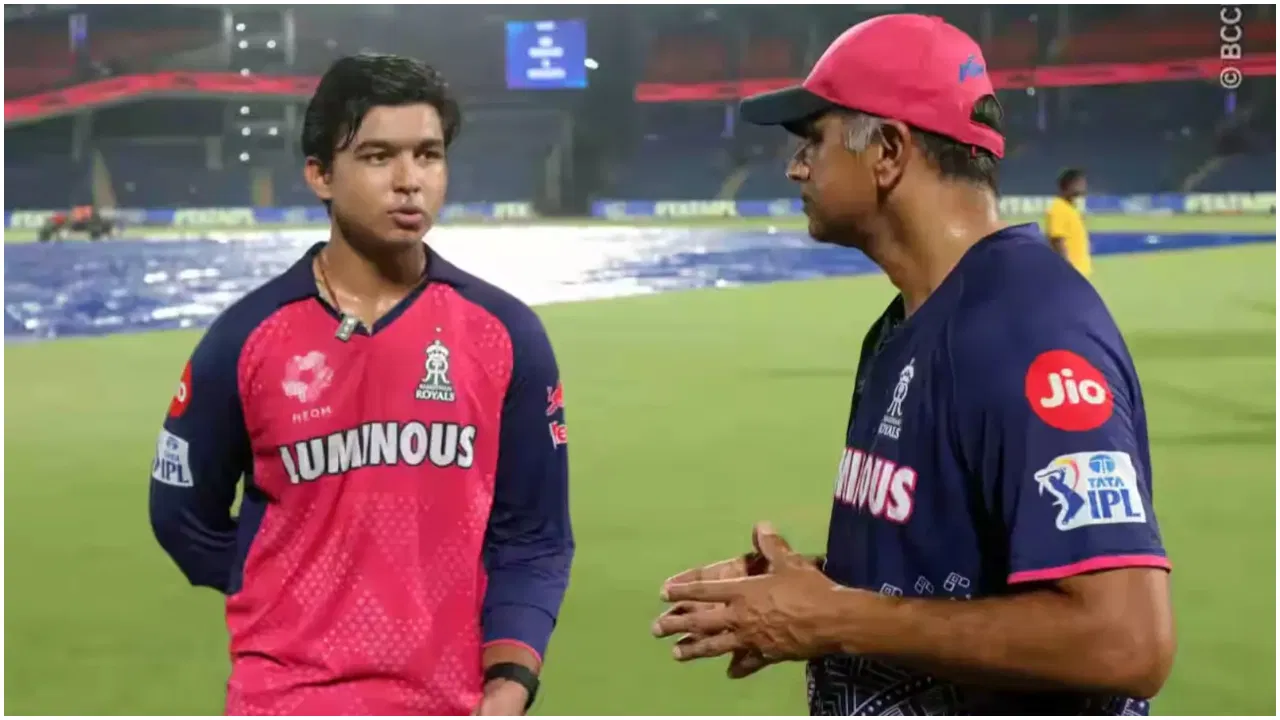
Ravichandran Ashwin rules out Vaibhav Sooryavanshi’s India call-up
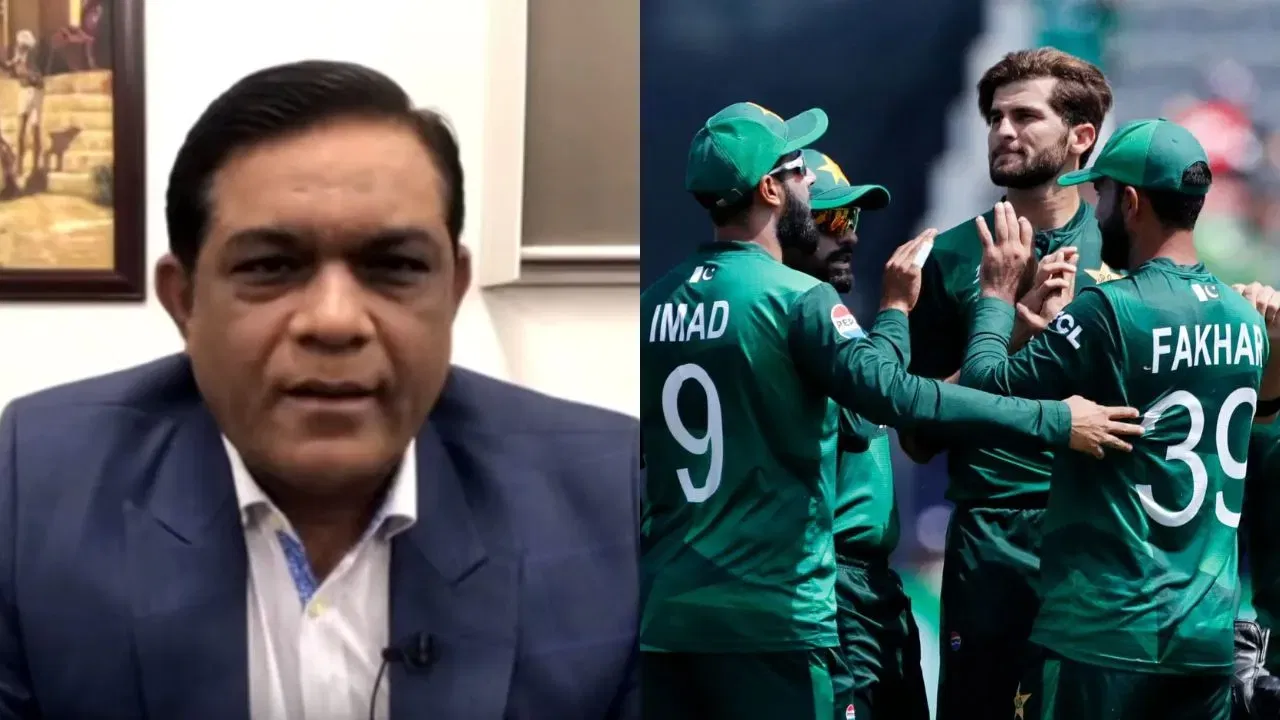
Rashid Latif claims PSL ball-tampering row was deliberately created for attention amid IPL rivalry
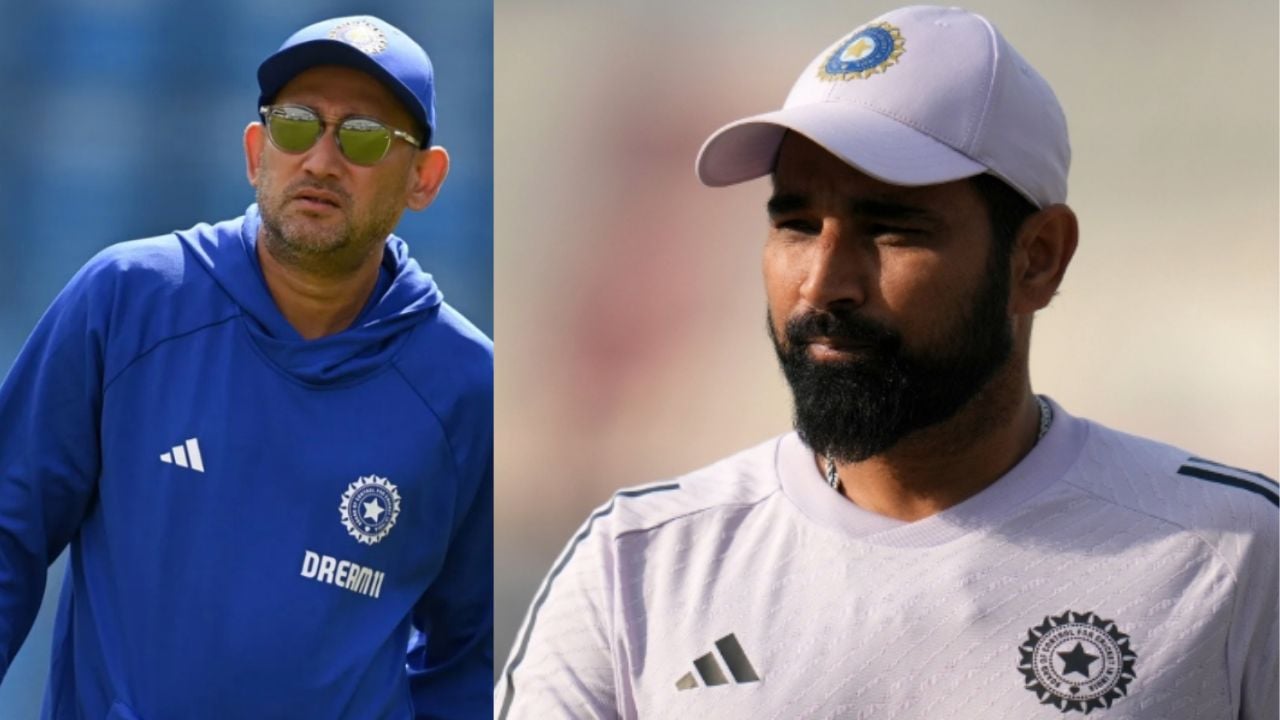
Mohammed Shami breaks silence on retirement buzz after India snub; has special message for LSG
Mohammed Shami reveals IPL 2026 Top 4, leaves out five-time champions
Mohammed Shami hits back at Ravichandran Ashwin over LSG’s poor IPL 2026 prediction
Riyan Parag mocked Sanju Samson? Batter’s muscle-flex celebration after sensational 6 vs CSK goes viral