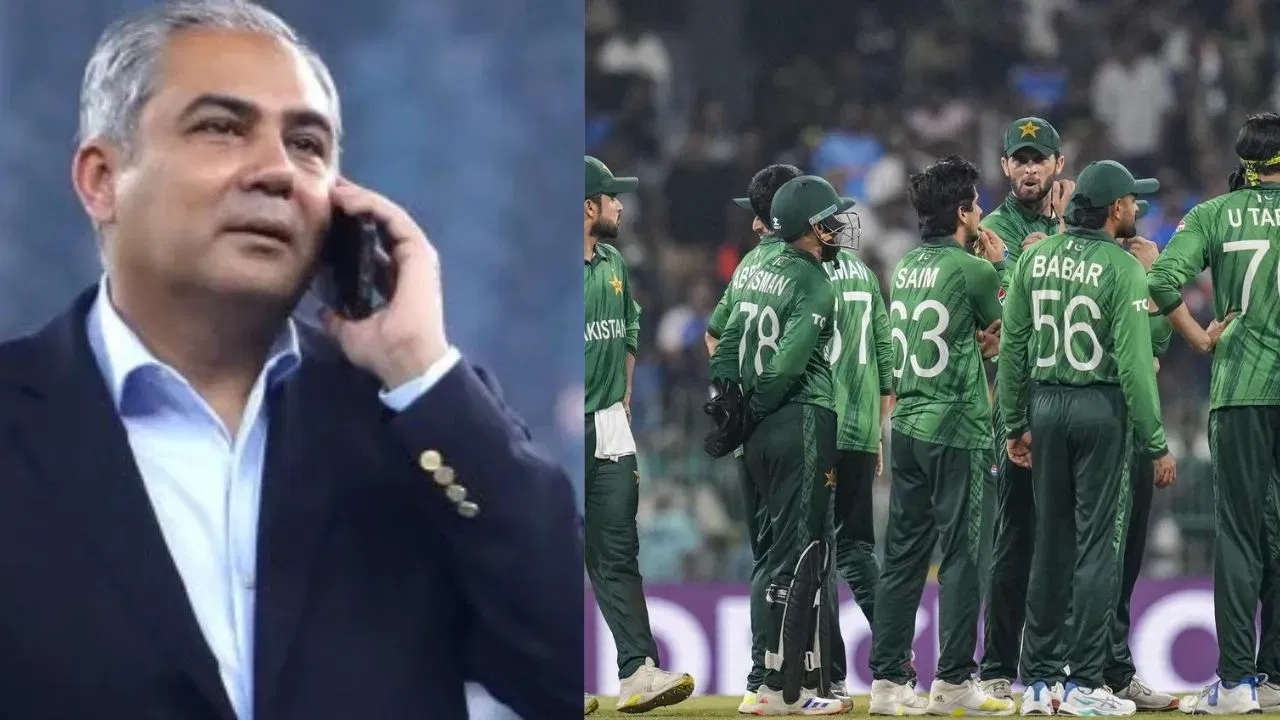
ICC takes strong action against Salman Ali Agha after run-out row involving Mehidy Hasan Miraz
ICC Reprimands Salman Ali Agha Over Misconduct During Second ODI
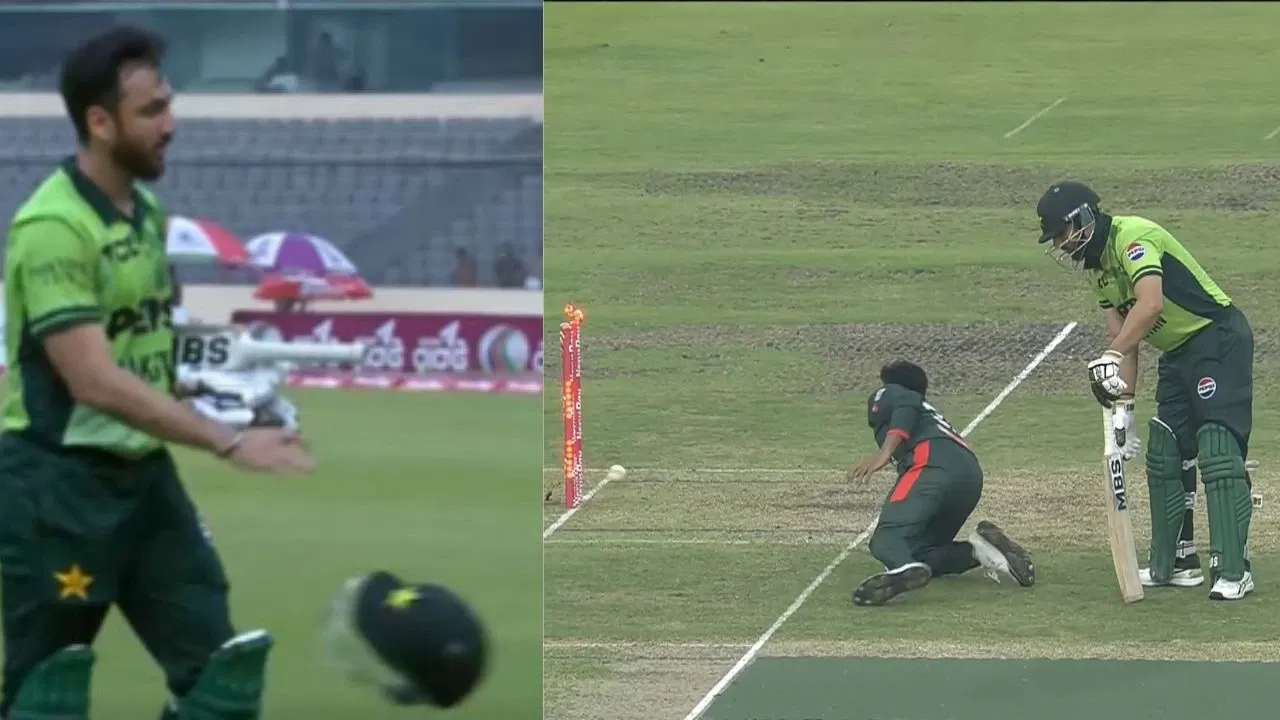
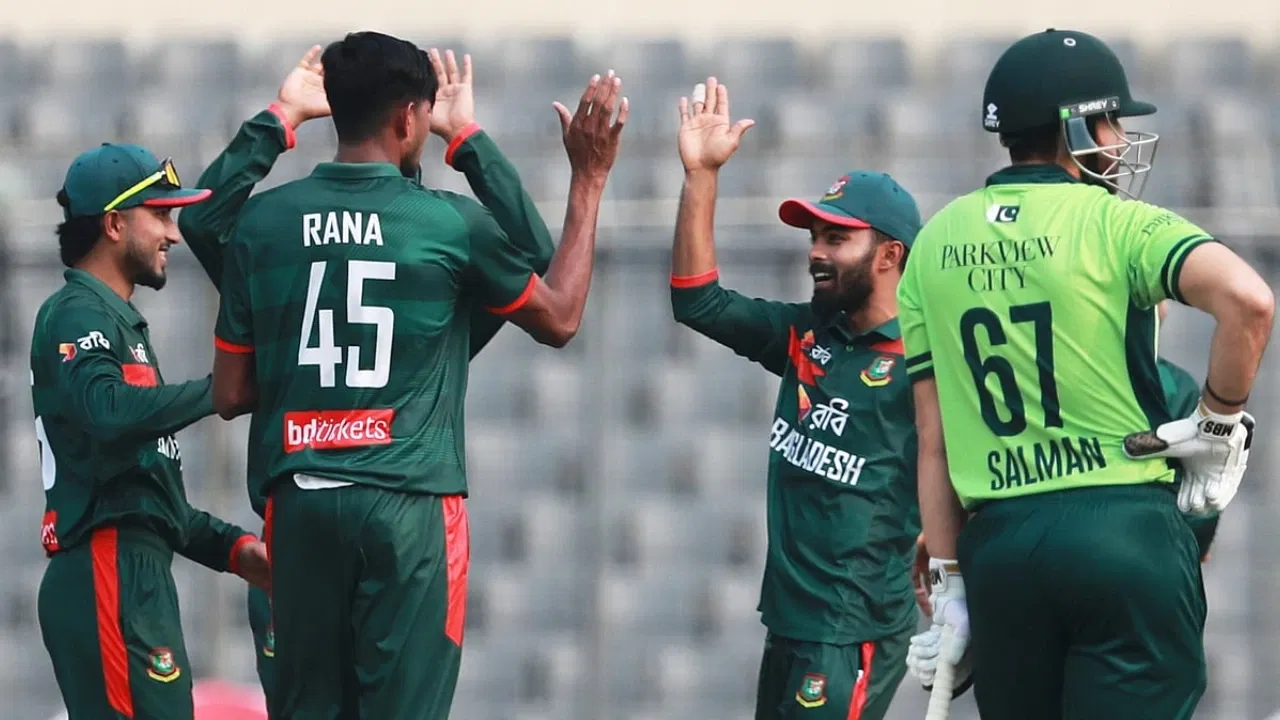
In a recent controversy during the second ODI between Bangladesh and Pakistan, Salman Ali Agha found himself in hot water with the ICC. After being controversially run out by Bangladesh skipper Mehidy Hasan Miraz, Agha displayed unsportsmanlike behavior by throwing his accessories to the ground. This led to him being charged with violating the ICC Code of Conduct.
Incident Details
The incident occurred when Mehidy Hasan Miraz dismissed Agha at the non-striker’s end, with the ball getting stuck between Agha’s legs. In an attempt to return the ball to the spinner, Agha’s actions led to his dismissal. Following this, Agha threw his gloves and helmet onto the ground, displaying frustration at the decision.
ICC Action
The ICC has reprimanded Agha for his misconduct and issued him with one demerit point for abusing equipment on the field. Match referee Neeyamur Rashid deemed Agha’s actions a Level 1 offence and a violation of Article 2.2 of the ICC Code of Conduct for Players and Player Support Personnel.
Neeyamur Rashid stated, “The specific incident involved abusing cricket equipment on the ground while leaving the field. Regarding Salman Agha, he has no previous history of such behavior. We have issued a reprimand and a demerit point to maintain neutrality in our judgment.”
No Further Action
Although Agha also had a heated exchange with Bangladesh wicket-keeper Litton Das, no disciplinary action was taken in this regard. Neeyamur explained that they treated the exchange as a major misunderstanding and decided not to take any action based on the circumstances.
Miraz’s Explanation
In a post-match conference, Mehidy Hasan Miraz explained his decision to run out Agha, stating that it was a tactical move to gain a legal advantage in the game. Miraz defended his actions, claiming they were within the rules of the game.
The debate surrounding this incident has sparked differing opinions, with some supporting Agha and criticizing Miraz, while others believe Miraz’s decision was justified based on the laws of the game.
Overall, the incident between Agha and Miraz has brought attention to the importance of sportsmanship and adherence to the rules of cricket, highlighting the need for players to maintain professionalism on the field.
Importance of Sportsmanship in Cricket
The incident involving Salman Ali Agha and Mehidy Hasan Miraz serves as a reminder of the significance of sportsmanship in cricket. Cricket is not just a game of skills and tactics but also a sport that values integrity, respect, and fair play. Players are expected to uphold the spirit of the game, even in moments of frustration or disappointment.
When players exhibit unsportsmanlike behavior, such as throwing equipment in anger, it not only reflects poorly on themselves but also tarnishes the reputation of the sport. The ICC’s swift action in reprimanding Agha sends a clear message that such conduct will not be tolerated at any level of cricket.
Understanding the Laws of the Game
Mehidy Hasan Miraz’s decision to run out Agha, albeit in a controversial manner, highlights the importance of understanding and adhering to the laws of the game. Cricket is a sport with intricate rules and regulations, and players must familiarize themselves with these laws to avoid misunderstandings and disputes on the field.
While Miraz’s move may have sparked debate and divided opinions, it ultimately underscores the strategic aspects of cricket. Players are constantly challenged to make quick decisions under pressure, and their ability to interpret and apply the rules can impact the outcome of the game.
Lessons in Conflict Resolution
The exchange between Agha and Litton Das serves as a lesson in conflict resolution on the cricket field. Emotions can run high during intense matches, leading to heated exchanges between players. In such instances, communication, understanding, and mutual respect are crucial in de-escalating tensions and preventing further conflicts.
By choosing not to penalize the players for their heated exchange, the ICC has shown a willingness to consider the context and intent behind the actions. This decision emphasizes the importance of fair judgment and the acknowledgment of human nature in competitive sports.
Predicting Future Conduct
As players continue to compete on the international stage, it is essential to consider how incidents like the one involving Salman Ali Agha can impact their future conduct. The ICC’s demerit point system not only serves as a disciplinary measure but also as a prediction tool for monitoring player behavior.
By tracking and penalizing players for code of conduct violations, the ICC aims to deter future misconduct and uphold the integrity of the game. Players must realize that their actions have consequences and that maintaining professionalism and sportsmanship is paramount in representing their teams and countries.
In conclusion, the incident during the second ODI between Bangladesh and Pakistan has sparked discussions on sportsmanship, rules interpretation, conflict resolution, and the consequences of misconduct. It serves as a valuable learning opportunity for players, officials, and fans alike, reinforcing the values and principles that define the game of cricket.
Latest News
BAN vs PAK 3rd ODI Preview: Free Live Streaming, Pitch & Weather Report, Head-to-Head | Pakistan tour of Bangladesh 2026
BAN vs PAK Match Prediction – Who Will Win 3rd ODI? | Pakistan tour of Bangladesh 2026
Kevin Pietersen ditches Delhi Capitals days before IPL 2026, quits mentor role
Bangladesh Playing XI vs Pakistan Playing XI – 3rd ODI | Pakistan tour of Bangladesh 2026
NZ vs SA 1st T20I Preview: Free Live Streaming, Pitch & Weather Report, Head-to-Head | South Africa tour of New Zealand 2026
“Our cricket is destroyed”: Aaqib Javed makes honest confession on Pakistan after T20 World Cup disaster
ICC takes strong action against Salman Ali Agha after run-out row involving Mehidy Hasan Miraz
Mark Wood all but confirms cricket retirement
Ex-PBKS all-rounder names Shreyas Iyer to win Orange Cap of IPL 2026
MS Dhoni set for shocking new role at CSK in IPL 2026! Ex-teammate leaks secret
Sanju Samson’s batting position in IPL 2026 revealed by CSK great
Babar Azam, Fakhar Zaman faked injuries? Investigation officially begins after T20 World Cup 2026
“Jasprit Bumrah is the Usman Tariq of fast bowlers” – Aaqib Javed makes bizarre remark
Why Babar Azam missed Bangladesh ODIs? PCB selector reveals shocking reason