ICC’s Andy Pycroft Banned From Entering Pakistan After India Handshake Row, Notification Issued
Pakistan Bans Match Referee Andy Pycroft Over ‘No Handshake’ Controversy
Pakistan’s Ministry of Interior has made a bold move by imposing a ban on match referee Andy Pycroft for his role in the recent ‘no handshake’ controversy during the high-stakes match between India and Pakistan in the ongoing Asia Cup 2025. The incident has stirred up a storm of emotions among cricket fans and officials alike.
The Controversy Unfolds
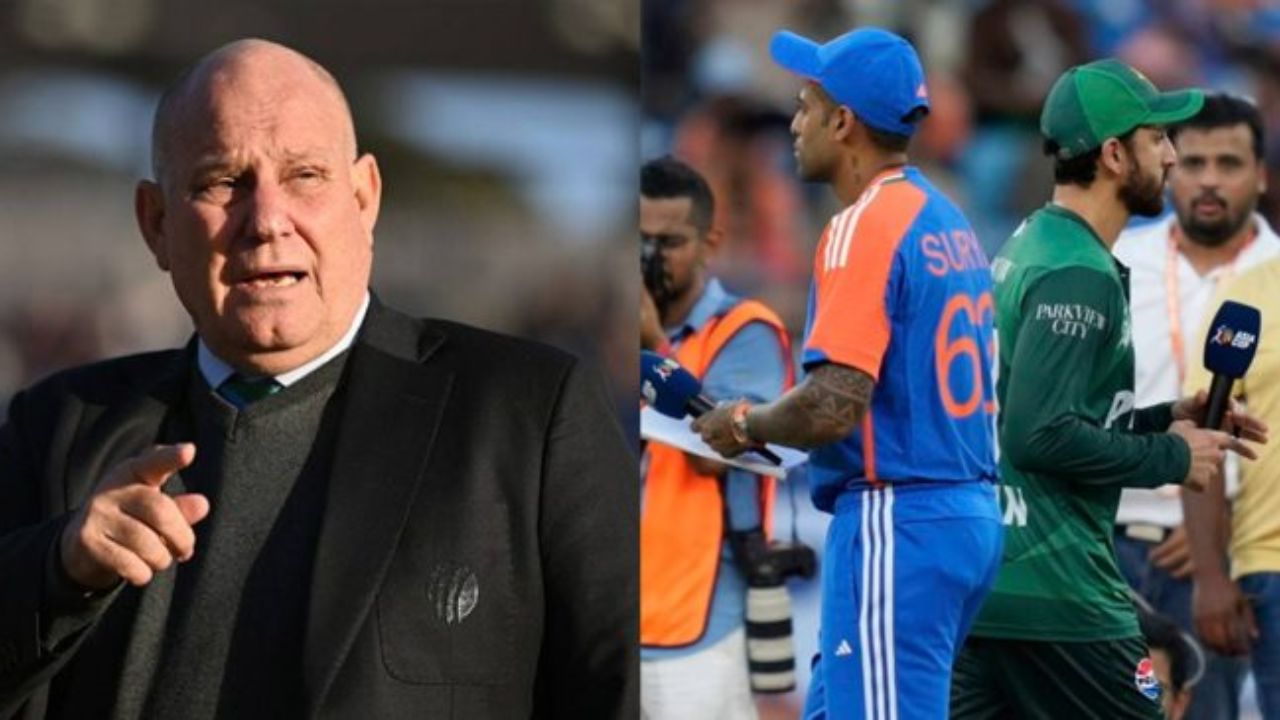
The match between the arch-rivals, India and Pakistan, was already tense due to the history of rivalry between the two nations. However, things took a surprising turn when the Indian team, led by Captain Suryakumar Yadav, decided to take a stand by refusing to shake hands with their Pakistani counterparts before and after the match.
Captain Suryakumar Yadav made a statement by opting out of the customary handshake with Pakistan captain Salman Ali Agha at the toss and after the match. As the Indian team celebrated their victory, they walked off the field without acknowledging the waiting Pakistan players. This snub led to a chain of events, with Salman Agha deciding not to participate in the post-match presentation.
PCB’s Response and Ban on Andy Pycroft
Following the controversial incident, the Pakistan Cricket Board (PCB) took a strict stance against match referee Andy Pycroft. PCB chairman Mohsin Naqvi demanded Pycroft’s immediate removal from the Asia Cup, citing violations of the ICC Code of Conduct and the MCC Laws regarding the Spirit of Cricket.
In a bold move, the Ministry of Interior in Pakistan, led by Naqvi, banned Andy Pycroft from entering the country. This decision puts Pycroft’s involvement in the upcoming series between Pakistan and South Africa in doubt, as he may not be able to travel to Pakistan for the matches in October.
Future Implications
As tensions run high between the cricket boards of India and Pakistan, the ban on Andy Pycroft serves as a stark reminder of the impact of sportsmanship and fair play on the game of cricket. The incident has sparked debate and discussions among fans and experts about the role of referees and the responsibilities of teams in upholding the spirit of the game.
Only time will tell how this controversy will shape the future of cricketing relations between the two nations and the role of match officials in maintaining the integrity of the sport.
Impact on Cricket Diplomacy
The ‘no handshake’ controversy between India and Pakistan goes beyond the boundaries of the cricket field and delves into the realm of diplomacy. Cricket has often been used as a platform for diplomatic relations between the two nations, with matches serving as opportunities for cultural exchange and people-to-people contact.
Instances of sportsmanship, or the lack thereof, can have far-reaching consequences on the political and social dynamics between India and Pakistan. The refusal to shake hands in a highly anticipated match like the Asia Cup not only reflects the tensions between the two countries but also influences public perceptions and narratives on both sides of the border.
With cricket being a shared passion among the people of India and Pakistan, controversies like this can either deepen existing divides or provide a catalyst for dialogue and reconciliation. The ban on Andy Pycroft underscores the need for sports officials to navigate the delicate balance between enforcing rules and fostering goodwill in a highly charged environment.
Role of Captains in Sportsmanship
The actions of Captain Suryakumar Yadav and Salman Ali Agha in the ‘no handshake’ controversy shed light on the pivotal role of team leaders in upholding sportsmanship and setting the tone for respectful competition. Captains serve as ambassadors of their teams and countries on the field, with their conduct influencing the behavior of their players and defining the spirit of the game.
In this case, Captain Yadav’s decision to forego the handshake may have been a strategic move to make a statement or assert his team’s stance. On the other hand, Captain Agha’s response to the snub highlighted the challenge of maintaining composure and dignity in the face of provocation. Both leaders faced scrutiny for their actions, sparking discussions on the expectations and responsibilities of captains in promoting fair play.
Evolving Standards in Cricket Officiating
The ban on match referee Andy Pycroft raises questions about the evolving standards and protocols in cricket officiating. As the game becomes more competitive and high-stakes matches draw global attention, the role of match officials in maintaining fairness and upholding the spirit of cricket becomes increasingly crucial.
Referees like Pycroft are tasked with enforcing the rules of the game and ensuring a level playing field for all teams. However, incidents like the ‘no handshake’ controversy challenge officials to navigate cultural sensitivities, political tensions, and emotional contexts that go beyond the technical aspects of the sport.
As cricket continues to evolve, the expectations placed on match officials to navigate complex scenarios and uphold the values of the game will likely increase. The ban on Andy Pycroft serves as a reminder of the nuanced challenges faced by referees in today’s cricket landscape and the need for clear guidelines on sportsmanship and conduct.
Conclusion
The ‘no handshake’ controversy in the India-Pakistan match during the Asia Cup 2025 has sparked widespread debate and reflection on the intersection of sports, diplomacy, and ethics in cricket. The ban on match referee Andy Pycroft underscores the ripple effects of sportsmanship lapses on the game’s integrity and the broader relations between nations.
As cricket enthusiasts and stakeholders grapple with the fallout from this incident, the incident serves as a cautionary tale on the power of gestures and actions in shaping perceptions and narratives in the world of sports. Moving forward, the lessons learned from this controversy can inform discussions on sportsmanship, leadership, and the evolving landscape of cricket officiating in a globalized and interconnected world.
Latest News
SRH suffer huge blow! Daniel Vettori confirms another overseas pacer injured amid crisis
IPL Points Table 2026: Updated Standings, Orange Cap, Purple Cap After RCB vs SRH Match 1
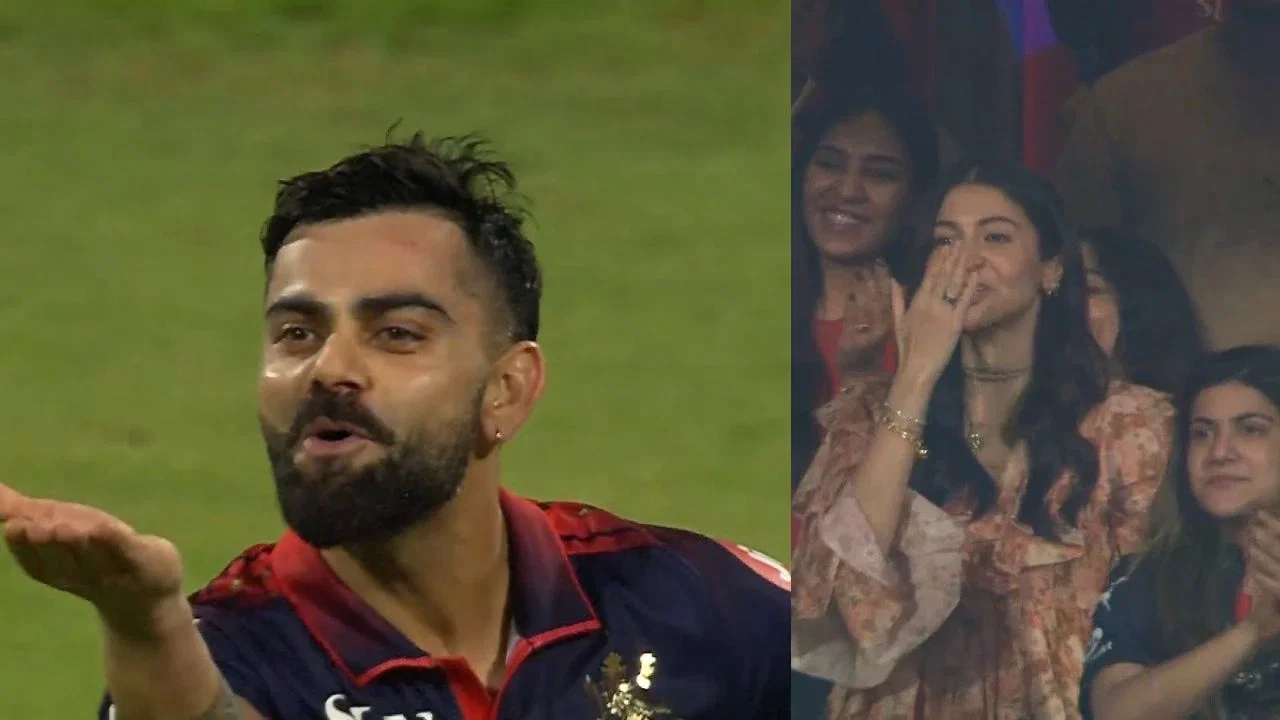
Virat Kohli, Anushka Sharma share adorable flying kiss moment after RCB vs SRH clash
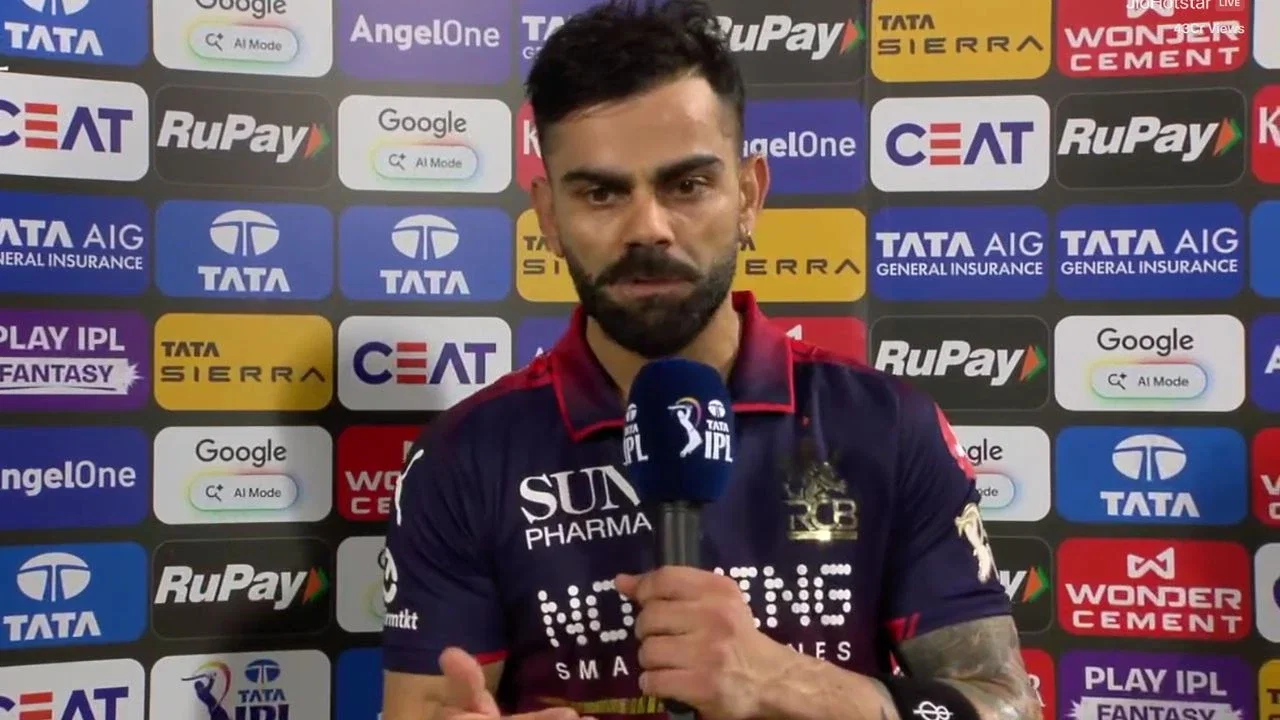
“Absolutely world-class”: Virat Kohli backs Devdutt Padikkal for permanent Team India spot
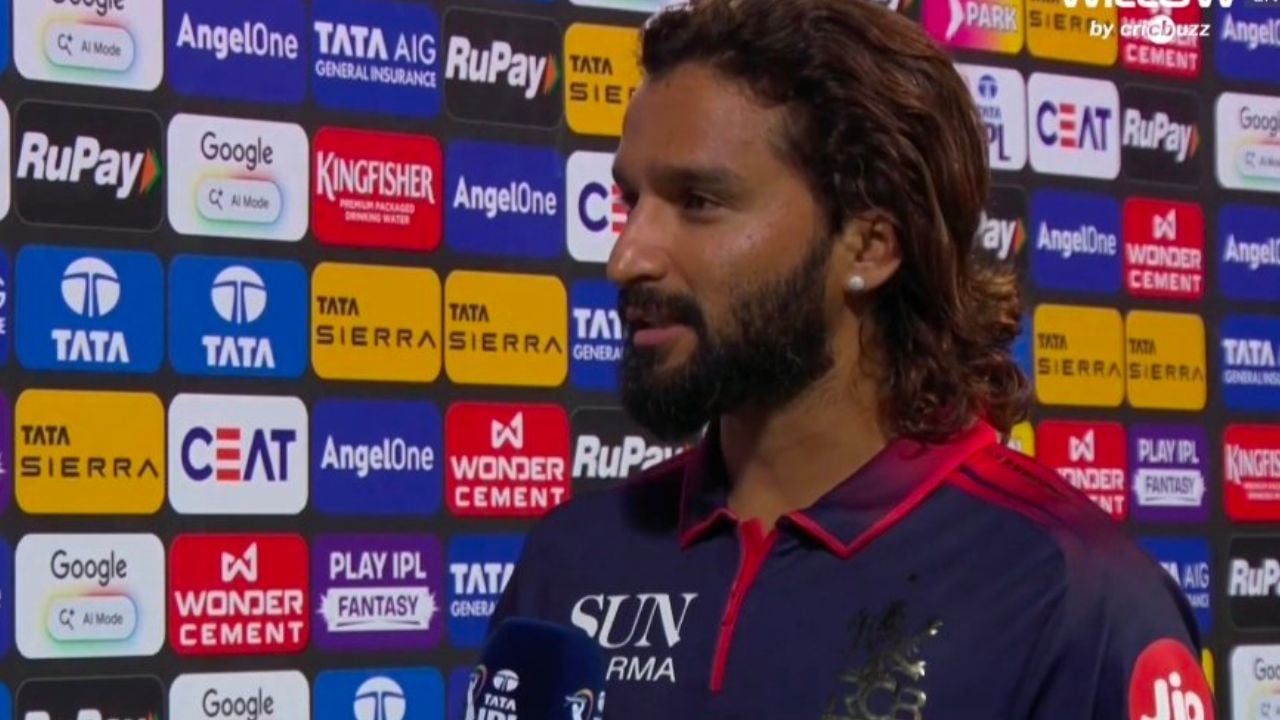
Rajat Patidar refuses to comment on Virat Kohli; Ishan Kishan admits enjoying after SRH’s loss to RCB
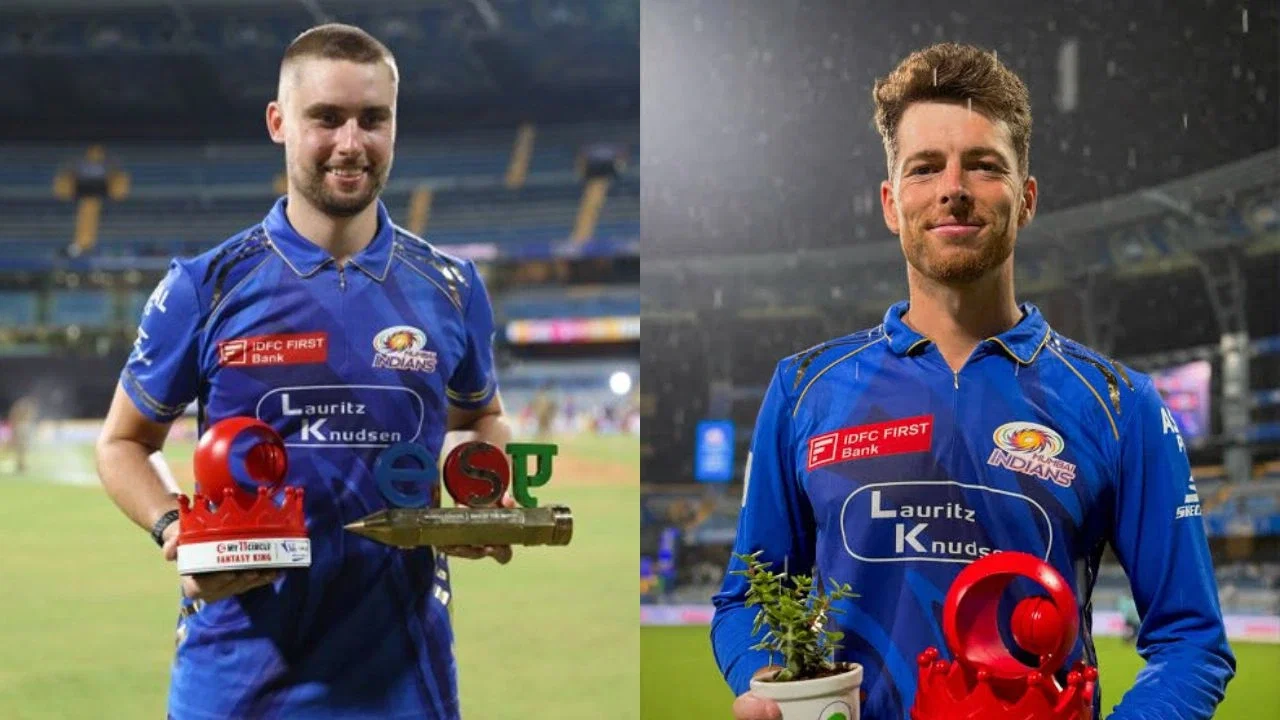
Mumbai Indians suffer blow! Mitchell Santner, Will Jacks ruled out of IPL 2026 games
MI vs KKR Match Prediction – Who Will Win Match No.2? | IPL 2026
Mumbai Indians Playing XI vs Kolkata Knight Riders Playing XI- Match No. 2 | IPL 2026
MI vs KKR Match 2 Preview: Free Live Streaming, Pitch & Weather Report, Head-to-Head | IPL 2026
Not English cricket! Jos Buttler credits IPL for his success as a cricketer
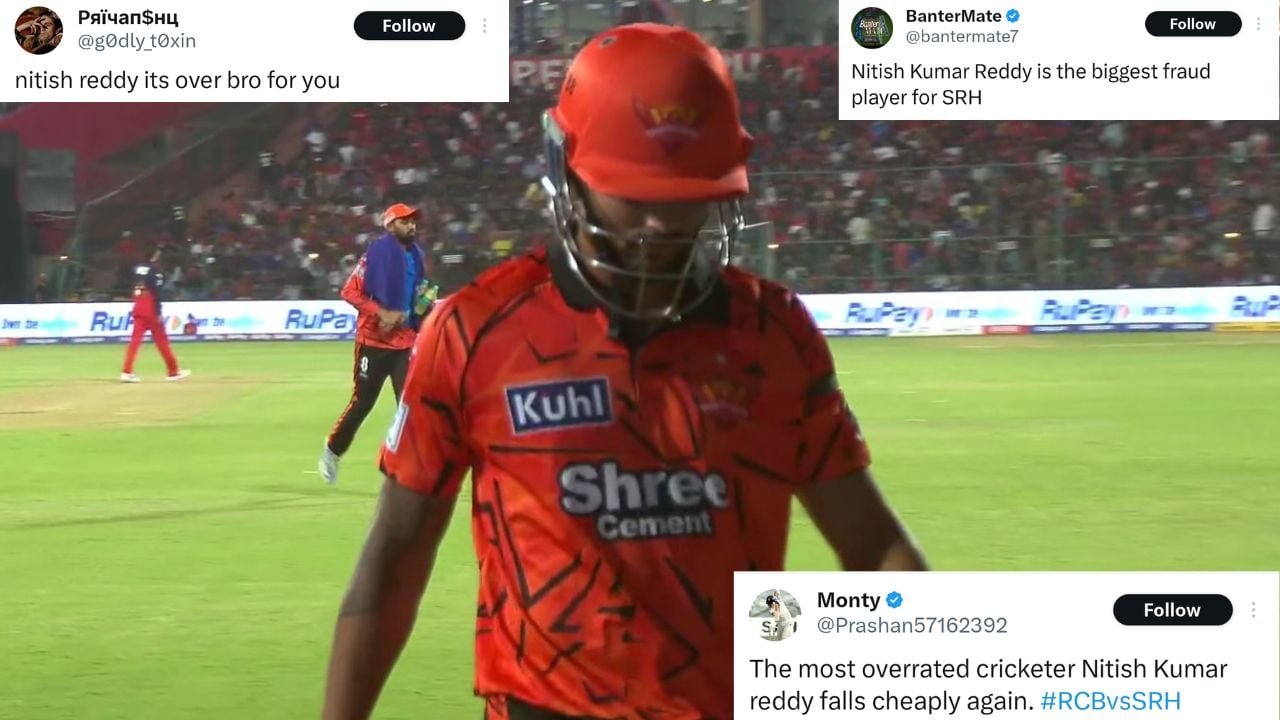
“Nitish Kumar Reddy is biggest fraud”: Fans fume as SRH star fails vs RCB in IPL 2026 opener
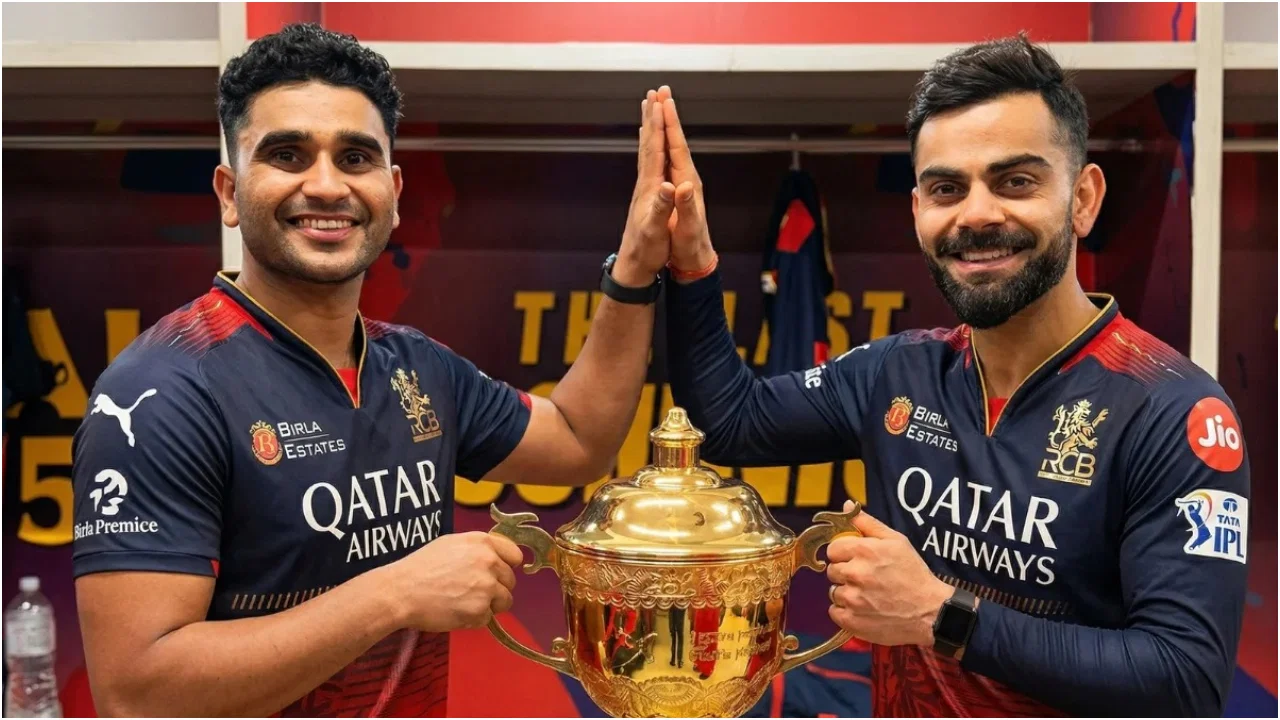
Who is Abhinandan Singh? The Virat Kohli troublemaker who made his IPL debut for RCB vs SRH
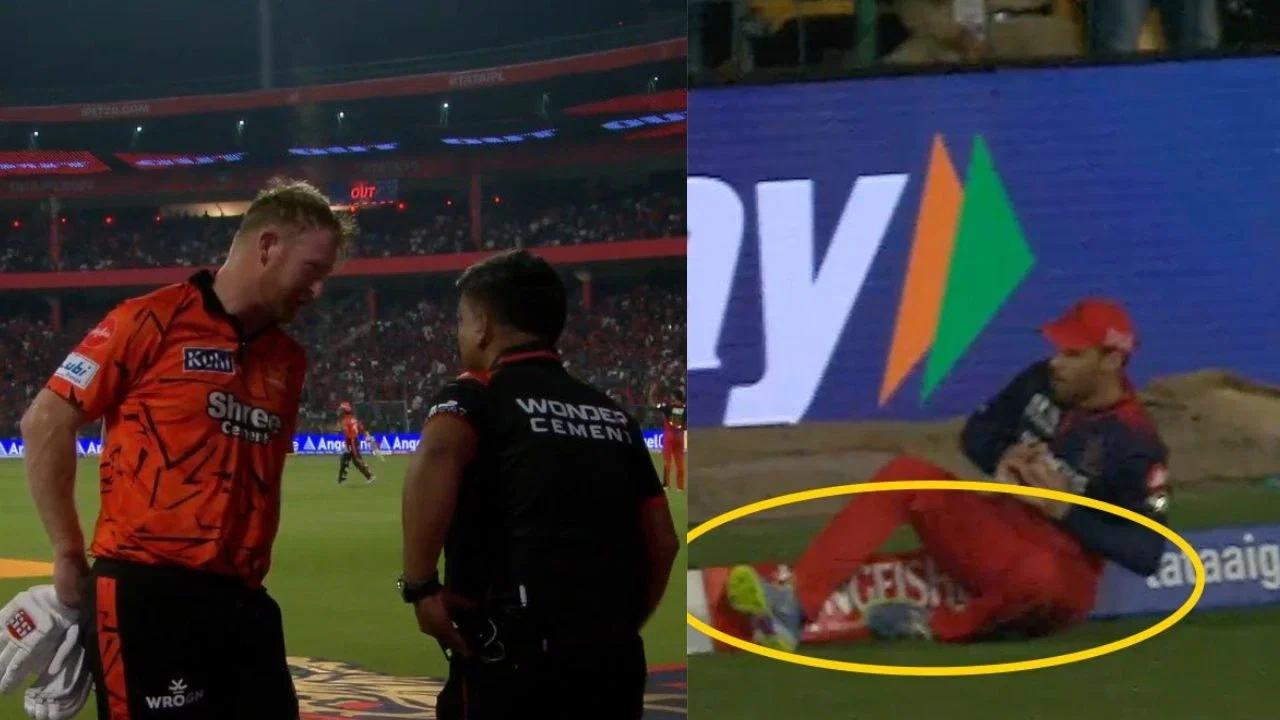
Heinrich Klaasen engages in heated chat with 4th umpire after Phil Salt’s controversial catch in IPL 2026
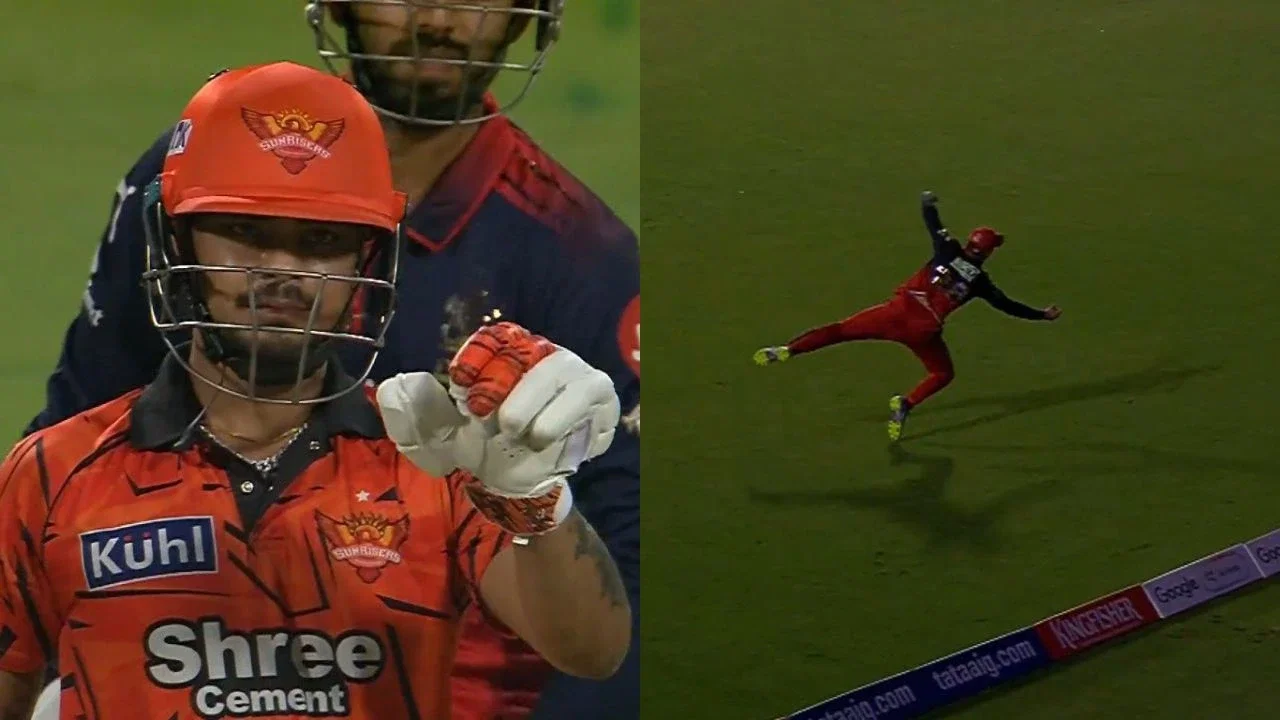
Phil Salt grabs one of the greatest catches in IPL history to dismiss Ishan Kishan