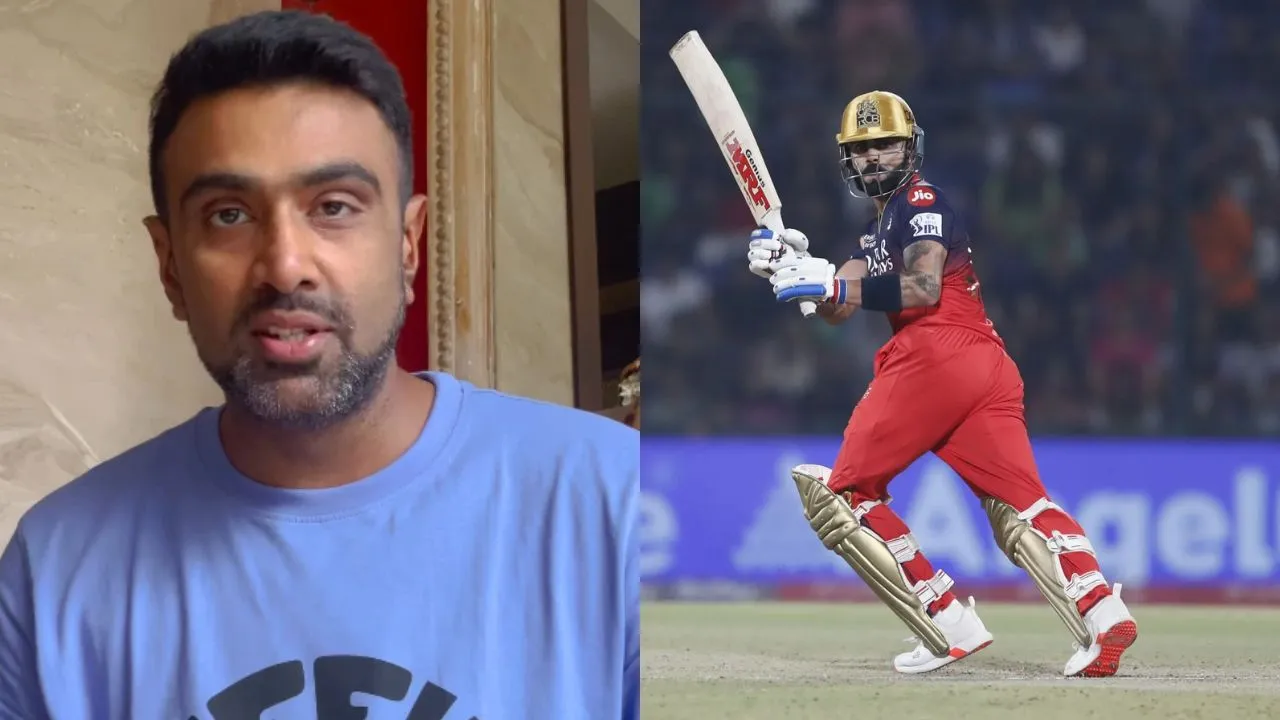
Ihsanullah lynched in Pakistan after open challenge to Abhishek Sharma
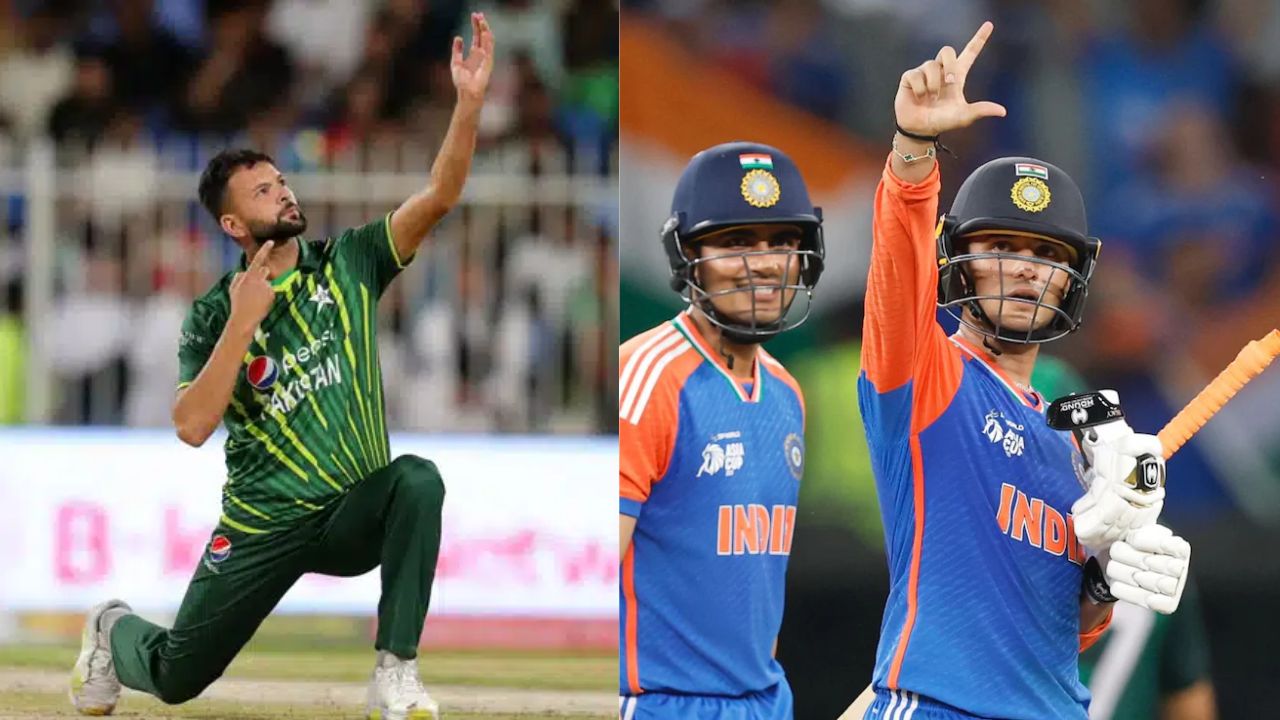
Pakistani Pacer Ihsanullah’s Bold Prediction Leads to Troll by Tanvir Ahmed
Ihsanullah, a forgotten Pakistani pacer, recently made headlines for claiming that he would dismiss Indian batter Abhishek Sharma within three balls of the very first over he bowled to the ICC’s No. 1 T20I batter. This audacious prediction sparked a response from former Pakistani pacer Tanvir Ahmed, who trolled Ihsanullah for his bold remarks.
Tanvir Ahmed’s Reaction
Tanvir Ahmed, a guest on a Pakistani show, did not take Ihsanullah’s claims seriously and criticized the pacer for making such outlandish statements. Ahmed pointed out that Ihsanullah is not currently playing domestic cricket and questioned the credibility of his prediction, especially given his lack of fitness.
“When you (Ihsanullah) are not even playing domestic cricket and are unfit for the game, what is the use of making such claims that can never be turned into reality?” Ahmed remarked on the show, delivering a reality check to the aspiring speedster.
Cricket is a Game of Implementation
Ahmed went on to compare Ihsanullah’s prediction to the legendary pacer Wasim Akram, stating that even someone of Akram’s caliber could not guarantee dismissing top batters within a specified number of deliveries. He emphasized that cricket is a game where outcomes cannot be predetermined, and challenges any cricketer, regardless of their reputation, to make such claims.
“Maybe once you bowl to him, he trashes you for runs. I am openly challenging any cricketer, be it even a legend in the world, to dismiss a batter by mentioning the number of deliveries beforehand,” Ahmed added.
Abhishek Sharma’s Weakness Revealed
During the show, the presenter speculated that Ihsanullah may have identified a weakness in Abhishek Sharma’s batting that could lead to his dismissal. Ahmed acknowledged that every cricketer has vulnerabilities, and highlighted that Sharma struggles with deliveries in the ‘good’ length region.
However, Ahmed cautioned that despite recognizing a weakness, predicting a dismissal is not as straightforward as it seems. He criticized Ihsanullah for potentially damaging his own reputation with baseless claims that could make him a target of ridicule on social media.
Overall, Tanvir Ahmed’s response to Ihsanullah’s prediction serves as a reminder that cricket is a sport where outcomes are determined by skill, strategy, and unpredictable factors. Making bold predictions may generate attention, but ultimately, performance on the field is what truly matters.
Analysis of Bold Predictions in Cricket
The phenomenon of cricketers making bold predictions is not new to the sport. Throughout history, players have occasionally made grand statements about their upcoming performances or their opponents, seeking to create hype or intimidate the opposition. While some predictions have come true and added to the drama of the game, many have fallen flat, leading to embarrassment and scrutiny.
One of the most famous instances of a successful prediction in cricket is Joe Root’s declaration that England would chase down a record target against Australia in the 2019 Ashes series. Root’s confidence and subsequent performance not only secured a remarkable victory for his team but also solidified his reputation as a leader and a skilled batsman.
On the other hand, there have been numerous cases where cricketers have faced backlash for their failed predictions. In 2018, West Indian all-rounder Andre Russell confidently claimed that he would dismiss every Indian batsman in a T20 match, only to be hit for 22 runs in a single over. Russell’s prediction not only backfired but also led to criticism from fans and fellow players, highlighting the risks of making unsubstantiated claims in a competitive sport.
The Psychology Behind Bold Predictions
Psychologically, making bold predictions in cricket can be a double-edged sword. On one hand, it can boost a player’s confidence and motivation, pushing them to strive for greater accomplishments on the field. By setting ambitious goals and publicly declaring their intentions, cricketers may feel a stronger sense of accountability and focus, driving them to perform at their best.
On the other hand, overly confident predictions can also create unrealistic expectations and added pressure on the player. If the outcome does not align with the prediction, the player risks facing ridicule, criticism, and damage to their reputation. In a sport as unpredictable as cricket, where momentum can shift rapidly, humility and adaptability are often more valuable traits than bravado and overconfidence.
The Importance of Humility and Respect in Cricket
While self-belief and determination are essential for success in cricket, it is equally important for players to approach the game with humility and respect for their opponents. The spirit of sportsmanship encompasses fair play, integrity, and graciousness in victory and defeat. By acknowledging the uncertainties and challenges inherent in cricket, players can cultivate a mindset of resilience, sportsmanship, and continuous improvement.
Ultimately, the true test of a cricketer’s skill and character lies in their actions on the field, not in their pre-match predictions or posturing. By focusing on their performance, teamwork, and dedication to the sport, players can earn the respect of fans, peers, and critics alike, regardless of the outcomes of individual matches or moments of bravado.
In conclusion, while bold predictions may generate buzz and excitement in cricket, they are not a substitute for talent, hard work, and sportsmanship. As Tanvir Ahmed’s response to Ihsanullah’s prediction demonstrates, humility, respect for the game, and a focus on consistent performance are essential for long-term success and credibility in the world of cricket.
Latest News

Saim Ayub pulls off un-Pakistani move, shows Superman effort to deny Tom Curran a boundary
Mumbai Indians gave India so many cricketers: Hardik Pandya flexes MI legacy amid IPL 2026
“Virat Kohli’s mentality has changed after retiring from Tests” – Dale Steyn makes huge claim
“Virat Kohli’s mentality has changed after retiring from Tests” – Dale Steyn makes huge claim

Auqib Nabi gets special praise from Narendra Modi ahead of IPL 2026
“Ajinkya Rahane is going to be a huge problem for KKR”: Ex-BCCI selector drops bombshell

Dewald Brevis out of IPL? CSK batter likely to miss 2-3 games for CSK

Hardik Pandya surprises Mahieka Sharma with luxurious Mercedes V-Class gift
MI vs KKR Impact Players Today: Toss Report, Playing XI, Latest Updates IPL 2026 Match 2

Daniel Vettori calls SRH a normal team, lashes out at the bowlers during dressing room speech after loss to RCB
RR vs CSK Match 3 Preview: Free Live Streaming, Pitch & Weather Report, Head-to-Head | IPL 2026
RR vs CSK Match Prediction – Who Will Win 3rd Match? | IPL 2026
Chennai Super Kings Playing XI vs Rajasthan Royals Playing XI – Match 3 | IPL 2026
“Only God can save them”: SRH’s bowling attack slammed as “fake” and “terrible” after RCB thrashing