

Imad Wasim’s ex-wife seeks PCB chief Mohsin Naqvi’s help after sharing emotional WhatsApp chats
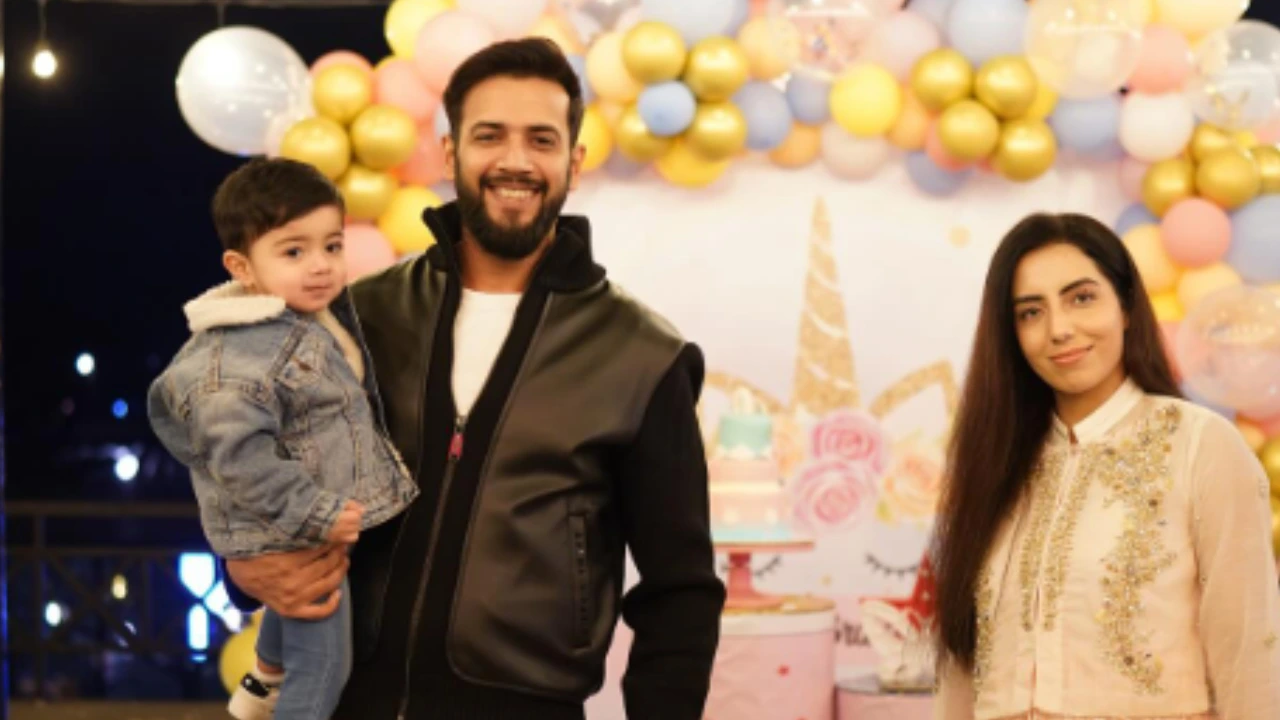
Former Pakistan Cricketer Imad Wasim’s Ex-Wife Makes Shocking Allegations and Calls for Justice
Former Pakistan all-rounder Imad Wasim’s ex-wife, Sannia Ashfaq, has taken to social media to share heartbreaking details of her past relationship with the cricketer. Sannia has accused Imad of forcing her to undergo an abortion and has called for justice and accountability in a series of emotional posts.
Allegations Against Imad Wasim
In her first public post, Sannia Ashfaq shared an image from the recent Pakistan Super League auction, where Islamabad United signed Imad Wasim for a significant amount. She alleged that Imad forced her to undergo an abortion in Lahore in December 2023, causing her immense physical and emotional trauma. Sannia called for a boycott of Islamabad United, stating that a player facing such serious allegations should not be given a platform.
Sannia Ashfaq did not stop there. She also appealed to fans to support her cause and urged influential figures such as Mohsin Naqvi and Shehbaz Sharif to intervene and ensure a proper investigation into her claims. Sannia emphasized that her actions are motivated by a desire for justice and accountability, rather than revenge.
Emotional Appeal for Support
In a video shared on social media, Sannia Ashfaq opened up about the challenges she faced during her relationship with Imad Wasim. She revealed that the forced abortion in 2023 left her traumatized and that she received no support from the cricketer during that difficult period. Sannia’s courage in speaking out about her experiences highlights the need for women to be heard and supported in cases of abuse and trauma.
Seeking Justice for Her Unborn Child
Sannia Ashfaq further detailed her interactions with Imad Wasim, sharing screenshots of WhatsApp messages where she pleaded with him to be there for their unborn child. Instead of receiving support and compassion, Sannia was met with threats of legal action from Imad. Her brave decision to share these private conversations sheds light on the challenges faced by women in abusive relationships.
In conclusion, Sannia Ashfaq’s public revelations have sparked a conversation about the importance of accountability and justice in cases of abuse and trauma. Her appeal for support and action from relevant authorities highlights the need for a more compassionate and understanding society. As the story continues to unfold, it is crucial for the voices of victims like Sannia to be heard and for perpetrators to be held accountable for their actions.
The Impact of Social Media on Allegations Against Public Figures
Sannia Ashfaq’s decision to take her allegations against Imad Wasim to social media has sparked a heated debate on the role of platforms in addressing sensitive issues involving public figures. The power of social media to amplify voices that may not have been heard otherwise is evident in Sannia’s case. By sharing her story online, she has reached a wide audience and garnered support from people around the world.
However, the use of social media in such situations also raises concerns about the potential for misinformation and the lack of due process. While Sannia’s allegations should be taken seriously and investigated thoroughly, there is a fine line between seeking justice and engaging in public shaming. As the story unfolds, it will be crucial for authorities to conduct a fair and impartial investigation to determine the truth behind Sannia’s claims.
The Long-lasting Effects of Trauma on Survivors
It is essential to recognize the long-lasting effects that trauma can have on survivors of abuse. Sannia Ashfaq’s courage in sharing her story sheds light on the emotional and psychological toll that abusive relationships can take on individuals. Survivors often face feelings of shame, guilt, and isolation, making it challenging for them to come forward and seek help.
By speaking out about her experiences, Sannia is not only seeking justice for herself but also highlighting the need for better support systems for survivors of abuse. It is crucial for society to listen to and believe survivors, provide them with the necessary resources and assistance, and hold perpetrators accountable for their actions. Only then can we work towards creating a safer and more empathetic environment for those who have experienced trauma.
Raising Awareness About Reproductive Coercion
Sannia Ashfaq’s allegations against Imad Wasim also shed light on the issue of reproductive coercion, where one partner exerts control over the other’s reproductive choices. Forced abortions, as alleged by Sannia, are a form of reproductive coercion that can have serious physical and emotional consequences for the individual involved. It is essential to recognize and address this form of abuse to protect individuals’ bodily autonomy and rights.
By sharing her story, Sannia is not only seeking justice for herself but also raising awareness about the prevalence of reproductive coercion in relationships. It is essential for individuals to have the freedom to make decisions about their own bodies without fear of coercion or manipulation. Sannia’s courage in speaking out about her experience helps break the silence surrounding this issue and empowers others to seek help if they find themselves in similar situations.
Conclusion
Sannia Ashfaq’s allegations against Imad Wasim have sparked a much-needed conversation about accountability, justice, and support for survivors of abuse. Her decision to share her story publicly has brought attention to important issues such as the impact of social media, the long-lasting effects of trauma, and reproductive coercion. As the story continues to unfold, it is crucial for society to listen to and support survivors, hold perpetrators accountable, and work towards creating a safer and more compassionate environment for all individuals.
Latest News
Rajasthan Royals held responsible for Vaibhav Sooryavanshi skipping Class 10 board exams
Mohammed Shami dragged deeper into legal war as wife seeks higher monthly payout; Supreme Court notice issued
Tilak Varma under fire as Irfan Pathan publicly questions his T20 World Cup impact
AUS vs OMN Match No.40 Preview: Free Live Streaming, Pitch & Weather Report, Head-to-Head, Playing XIs | ICC T20 World Cup 2026
AUS vs OMN Match Prediction: Who Will Win Game No.40? ICC T20 World Cup 2026
Australia Playing XI vs Oman Playing XI, Match 40 – ICC T20 World Cup 2026
Steve Smith humiliated!! Australia selector reveals shocking reason behind T20 WC disrespect
Abhishek Sharma to be dropped for Sanju Samson in the middle of T20 World Cup 2026? R Ashwin reveals

F**k off!! Matthew Forde gives Syed Naqvi explosive send-off in West Indies vs Italy T20 World Cup clash
World Record!! Harmanpreet Kaur becomes most-capped international player in women’s cricket history
“I am still not happy…” – India batting coach on Tilak Varma’s struggles in T20 World Cup 2026

Shamar Joseph does the unthinkable in T20 World Cup 2026, becomes first cricketer to…
Michael Vaughan’s ‘No one can beat India’ claim triggers jinx fears around Suryakumar Yadav’s team
Ryan ten Doeschate reveals how opposition teams can destroy India in T20 World Cup 2026

