India Built Bangladesh Cricket: The Forgotten History Behind Current BCCI-BCB Tensions
India-Bangladesh Cricket Relations Strained as BCCI Requests Mustafizur Rahman’s Release
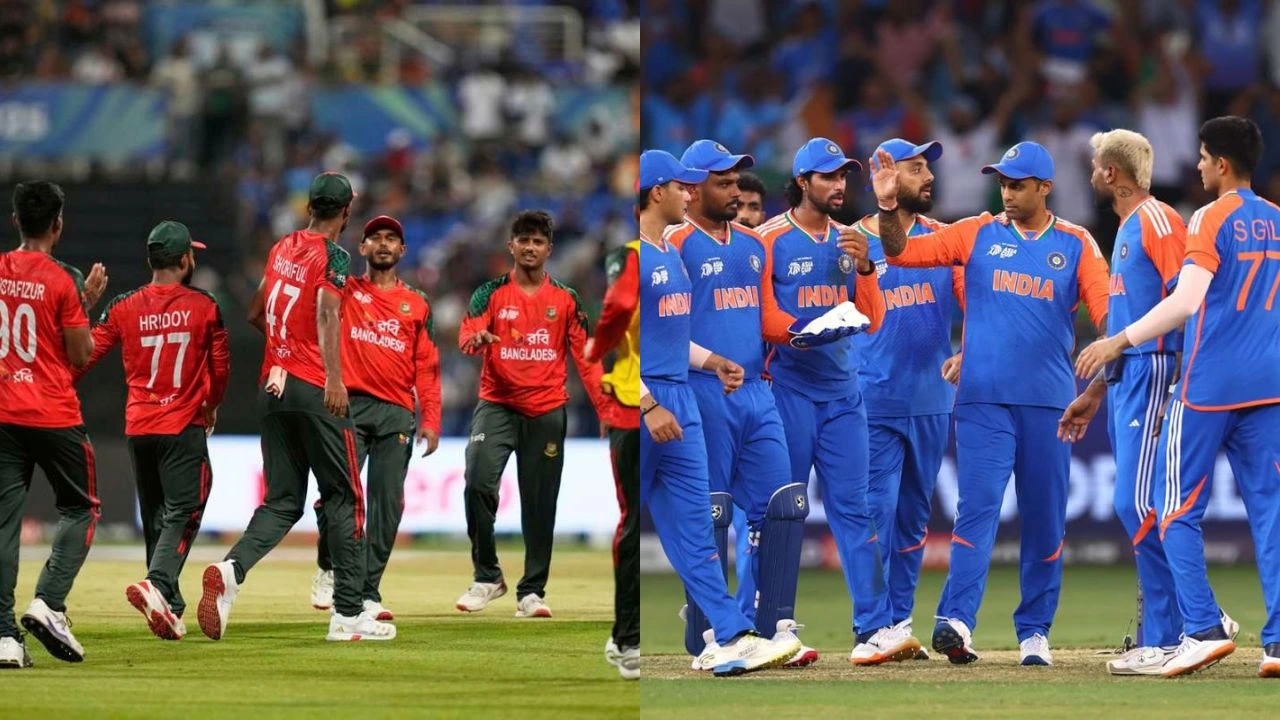
Cricket ties between India and Bangladesh have hit a rough patch following the recent decision by the Board of Control for Cricket in India (BCCI) to ask Kolkata Knight Riders (KKR) to release Bangladeshi pacer Mustafizur Rahman from their IPL 2026 squad. This move has led to tensions between the two cricketing nations, culminating in the Bangladesh Cricket Board (BCB) requesting the International Cricket Council (ICC) to consider relocating their matches in the upcoming 2026 T20 World Cup out of India.
The History of India’s Support for Bangladesh in Cricket
Back in November 2000, Bangladesh made their debut in Test cricket at the Bangabandhu Stadium in Dhaka. During this historic match, the Indian team, captained by Sourav Ganguly, emerged victorious by nine wickets. Despite the loss, Bangladesh put up a commendable total of 400 runs in their first innings, showcasing their potential in the sport.
India played a pivotal role in advocating for Bangladesh’s inclusion in Test cricket. The journey began during the 1999 ODI World Cup when Bangladesh’s impressive performances caught the attention of the cricketing world. With significant support from Jagmohan Dalmiya, the then ICC president, and other Asian cricketing boards, Bangladesh secured full Test status in June 2000, with India playing a crucial role in pushing their case forward.
Over the years, India has continued to support Bangladesh’s cricketing growth through bilateral series, hosting opportunities, and participation in major tournaments alongside India. The collaboration between the two nations has not only strengthened their cricketing ties but also provided Bangladesh players with valuable exposure and experience at the international level.
BCB’s Request to ICC and the Current Situation
The recent rift between India and Bangladesh surfaced when the BCCI instructed KKR to release Mustafizur Rahman, despite the franchise having acquired him for a significant amount at the Abu Dhabi auction. Following this development, the BCB convened an emergency meeting and subsequently approached the ICC with a request to move Bangladesh’s T20 World Cup 2026 matches out of India due to safety concerns.
As per the initial schedule, Bangladesh was set to play three group matches in Kolkata against West Indies, Italy, and England, with a final group game against Nepal scheduled in Mumbai. However, in light of the escalating tensions, the BCB is advocating for the relocation of these matches to Sri Lanka to ensure the safety and well-being of the players and officials involved.
As the cricketing world awaits a resolution to this conflict, the relationship between India and Bangladesh in the realm of cricket hangs in the balance. The outcome of these developments will not only impact the upcoming T20 World Cup but also the future of cricketing collaborations between the two nations.
Impact of Mustafizur Rahman’s Release on IPL and BCCI
Mustafizur Rahman’s release from the Kolkata Knight Riders squad has not only strained relations between India and Bangladesh but has also sparked discussions within the Indian Premier League (IPL) community. The BCCI’s decision to request the release of the talented pacer has raised questions about the autonomy of IPL franchises and the influence of national cricket boards on player availability. This incident has highlighted the complexities of balancing national and franchise commitments in the world of cricket.
While the BCCI’s primary concern may have been Mustafizur Rahman’s workload management and availability for national team duties, the repercussions of this move could have broader implications for player contracts, team dynamics, and the overall functioning of the IPL ecosystem. The issue of player release during international tournaments is not new in cricket, but the handling of such situations can set precedents for future interactions between boards, franchises, and players.
The Role of ICC in Mediating Cricket Conflicts
With the Bangladesh Cricket Board (BCB) reaching out to the International Cricket Council (ICC) for assistance in relocating their T20 World Cup matches, the spotlight is on the ICC’s role in mediating conflicts and ensuring a fair playing field for all member nations. The ICC’s involvement in resolving disputes between cricketing boards is crucial in maintaining the integrity and harmony of the sport globally.
As the governing body of international cricket, the ICC has protocols and mechanisms in place to address grievances, disputes, and issues that may arise between member boards. By seeking the ICC’s intervention, the BCB is looking to uphold the spirit of fair competition and prioritize the safety and well-being of its players amidst escalating tensions with the BCCI.
Future of India-Bangladesh Cricket Relations
The current impasse between India and Bangladesh in the cricketing realm underscores the delicate balance between sportsmanship, competition, and national interests. While cricket has historically served as a unifying force between nations, instances like the one involving Mustafizur Rahman’s release bring to light the complexities and challenges inherent in managing relationships within the sport.
Looking ahead, the resolution of this conflict will not only shape the dynamics of the upcoming T20 World Cup but also set the tone for future collaborations between India and Bangladesh in cricket. Both nations have a rich history of engagement on the cricket field, and finding common ground amidst disagreements is essential to fostering a sustainable and mutually beneficial cricketing relationship.
As cricket enthusiasts around the world await further developments in this saga, the enduring hope is for a constructive dialogue, respect for each other’s perspectives, and a shared commitment to the spirit of cricket that transcends borders and differences.
By delving into the complexities of player releases, the role of governing bodies like the ICC, and the broader implications for India-Bangladesh cricket relations, this expanded content provides a deeper understanding of the situation at hand and the implications for the future of cricket.
Latest News

Mumbai Indians suffer blow! Mitchell Santner, Will Jacks ruled out of IPL 2026 games
MI vs KKR Match Prediction – Who Will Win Match No.2? | IPL 2026
Mumbai Indians Playing XI vs Kolkata Knight Riders Playing XI- Match No. 2 | IPL 2026
MI vs KKR Match 2 Preview: Free Live Streaming, Pitch & Weather Report, Head-to-Head | IPL 2026
Not English cricket! Jos Buttler credits IPL for his success as a cricketer
“Nitish Kumar Reddy is biggest fraud”: Fans fume as SRH star fails vs RCB in IPL 2026 opener
Who is Abhinandan Singh? The Virat Kohli troublemaker who made his IPL debut for RCB vs SRH
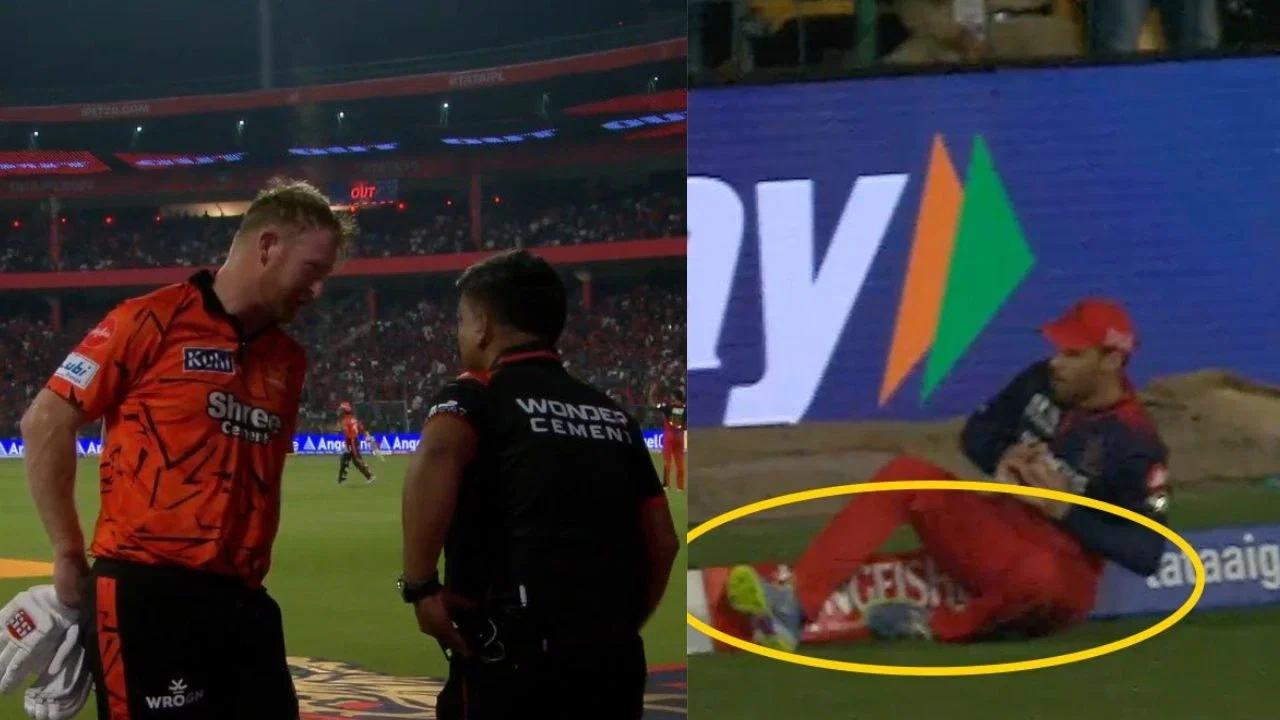
Heinrich Klaasen engages in heated chat with 4th umpire after Phil Salt’s controversial catch in IPL 2026
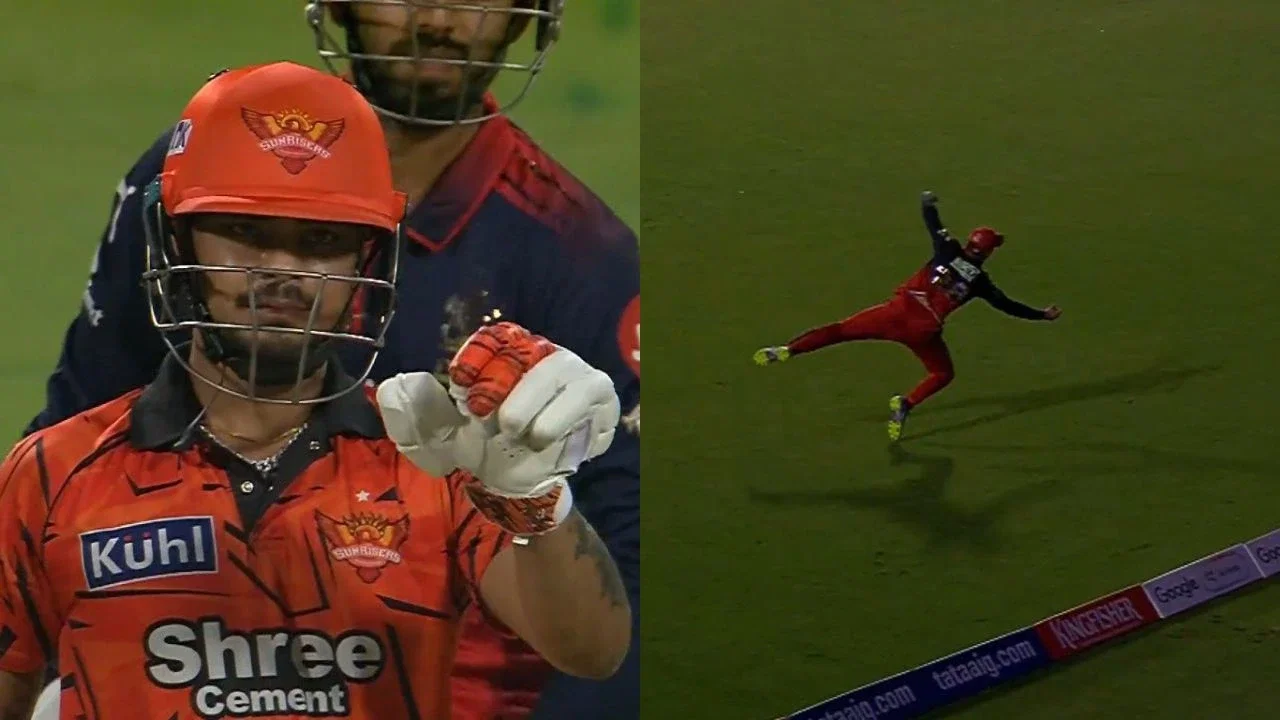
Phil Salt grabs one of the greatest catches in IPL history to dismiss Ishan Kishan
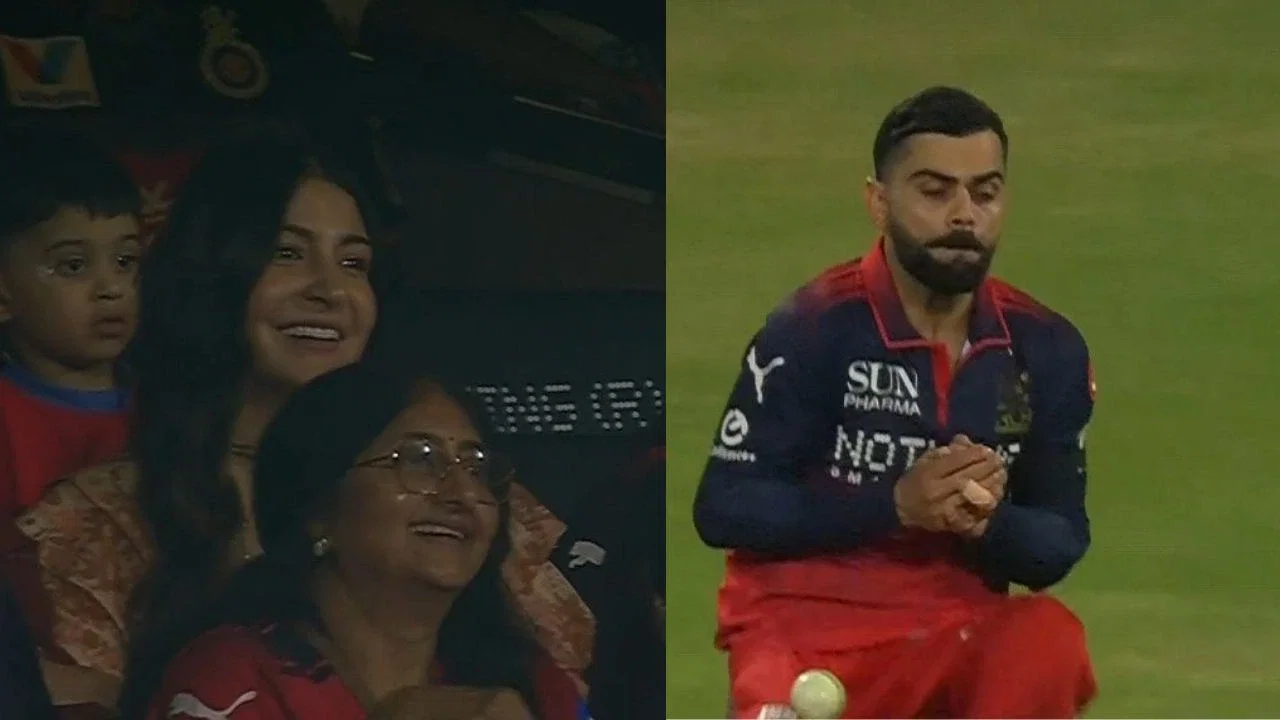
Anushka Sharma laughs as Virat Kohli drops a sitter in RCB vs SRH clash (Watch Video)
Anushka Sharma laughs as Virat Kohli drops a sitter in RCB vs SRH clash (Watch Video)
Anushka Sharma laughs as Virat Kohli drops a sitter in RCB vs SRH clash (Watch Video)
Anushka Sharma laughs as Virat Kohli drops a sitter in RCB vs SRH clash (Watch Video)
Anushka Sharma laughs as Virat Kohli drops a sitter in RCB vs SRH clash (Watch Video)