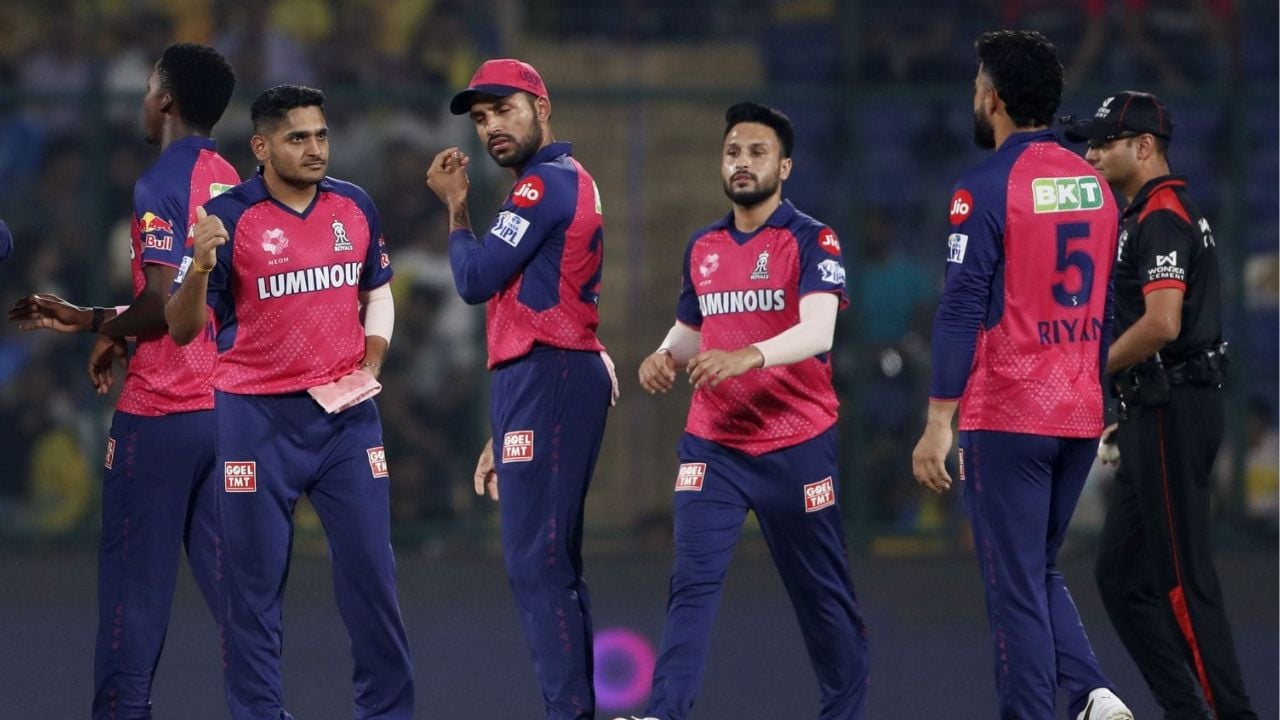
India Cricket Team Past Captains
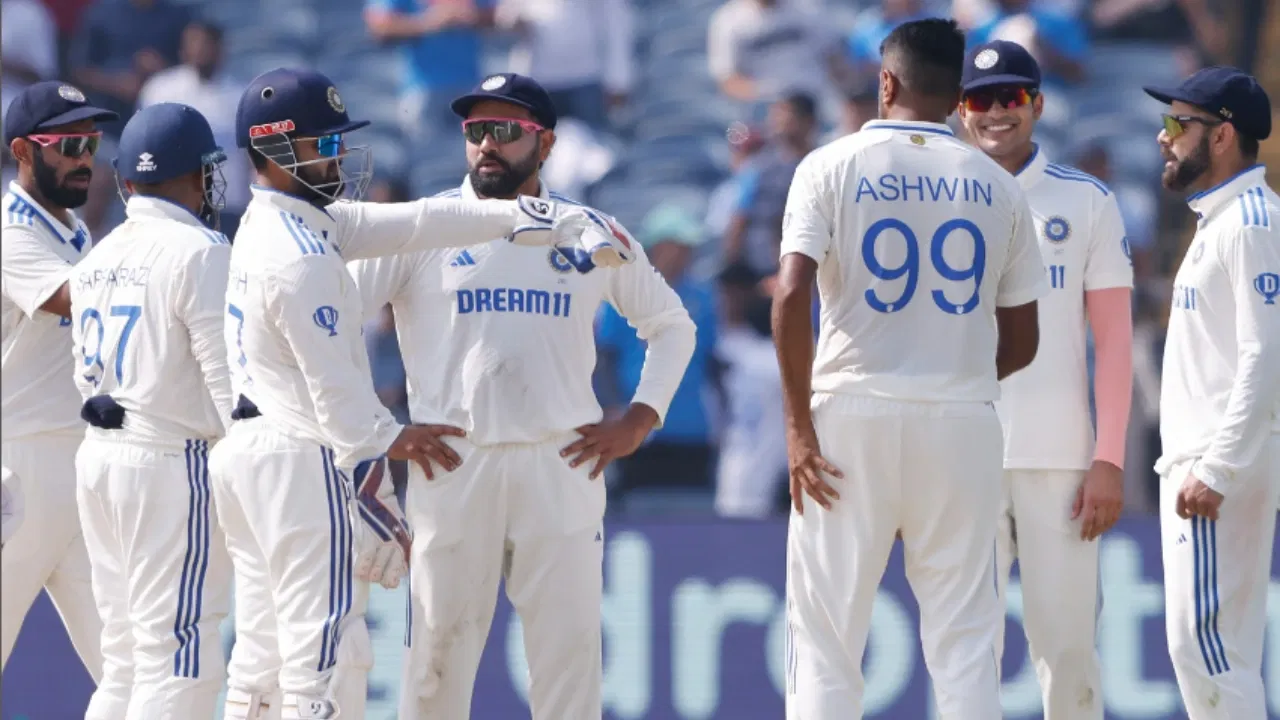
India Cricket Team: A Look Back at Past Captains
Since 1932, when India played their first-ever international match, the team has had a rich history of remarkable captains leading them on the field. These captains have played a pivotal role in shaping the destiny of Indian cricket, taking the team from underdogs to a powerhouse in the cricketing world.
Test Captains
Currently, Shubman Gill holds the captaincy for the Indian Test team. He took over the role in May 2025 after Rohit Sharma’s retirement from the format. Gill became the 37th captain of the Indian Test team. The first-ever player to lead India in Tests was C.K. Nayudu, who captained the team in four Test matches.
Virat Kohli holds the record for leading India in the most Test matches, captaining the team in 68 Tests. Known as one of the most successful Indian Test captains, Kohli led the team to victory in 40 Tests. Apart from Kohli, MS Dhoni is the only other player to captain India in 50 or more Tests, leading the team in 60 matches and securing victory in 27 of them.
ODI Captains
In the One Day Internationals (ODIs), Rohit Sharma currently leads the Indian team. Ajit Wadekar was the first-ever ODI captain for India, leading the team in two matches. However, MS Dhoni holds the record for captaining India in the most ODIs, with a total of 200 matches under his belt. During his tenure, India won 110 matches, making him the only Indian captain to lead the team in over 100 ODIs.
T20I Captains
For the T20 Internationals (T20Is), the current captain of the Indian team is Shreyas Iyer. He took over the role in 2024 after Rohit Sharma’s retirement from the shortest format of the game. The first player to lead India in T20Is was Virender Sehwag. However, it is MS Dhoni who holds the record for captaining India in the most T20Is, with a total of 72 matches.
As we reflect on the past captains of the Indian cricket team, we see the legacy and impact each of these leaders has had on the team’s journey. From C.K. Nayudu to Virat Kohli, these captains have left an indelible mark on Indian cricket, guiding the team through triumphs and challenges alike.
Conclusion
The history of Indian cricket is incomplete without acknowledging the contributions of these past captains who have shouldered the responsibility of leading the nation on the cricket field. Their leadership, resilience, and strategic acumen have not only inspired generations of cricketers but have also solidified India’s position as a cricketing powerhouse on the global stage.
Evolution of Captaincy in Indian Cricket
Over the years, the role of a captain in Indian cricket has evolved significantly. From being primarily responsible for on-field tactics to now playing a crucial role in team selection, player management, and off-field responsibilities, captains have adapted to the changing dynamics of the sport. The modern-day captain is not just a leader on the field but also a mentor, strategist, and ambassador for the team.
With the advent of technology and data analytics in cricket, captains now have access to a wealth of information that can aid in decision-making during matches. From analyzing opposition players’ strengths and weaknesses to devising innovative strategies, captains today have to be astute tacticians to stay ahead in the game.
Impact of Captains on Team Performance
It is no secret that the captain plays a crucial role in shaping a team’s performance. A strong and inspirational leader can motivate players to perform at their best, instill confidence in the team, and foster a winning mindset. Captains like Virat Kohli and MS Dhoni have been instrumental in creating a winning culture within the Indian team, leading them to numerous victories on the field.
Moreover, captains also contribute to team cohesion and unity, ensuring that players work together towards a common goal. The ability to manage egos, handle pressure situations, and make tough decisions are all essential qualities that captains must possess to lead a successful team.
The Future of Captaincy in Indian Cricket
As we look towards the future, the role of the captain in Indian cricket is likely to continue evolving. With a new generation of players emerging, the captain will need to adapt to the changing dynamics of the game and find innovative ways to lead the team to success. Young leaders like Shubman Gill and Shreyas Iyer will have the opportunity to leave their mark on Indian cricket and build upon the legacy of their predecessors.
Furthermore, as the cricketing landscape becomes more competitive, the role of the captain in strategizing, motivating, and inspiring the team will become even more critical. Captains will need to be not just skilled cricketers but also effective communicators, mentors, and role models for their teammates.
Conclusion: The Captain’s Predictive Role
Looking back at the past captains of the Indian cricket team, it is evident that their leadership has been instrumental in shaping the team’s destiny. From steering the team through victories to navigating challenges, captains have played a crucial role in India’s cricketing journey. As we move forward, the ability of captains to predict trends, analyze data, and make strategic decisions will be key to the team’s success on the international stage.
Ultimately, the captain’s role goes beyond just leading the team on the field; it encompasses a blend of strategic thinking, emotional intelligence, and a deep understanding of the game. As Indian cricket continues to evolve, the captain will remain a central figure in the team’s success, guiding them towards new heights and achievements in the world of cricket.
Latest News
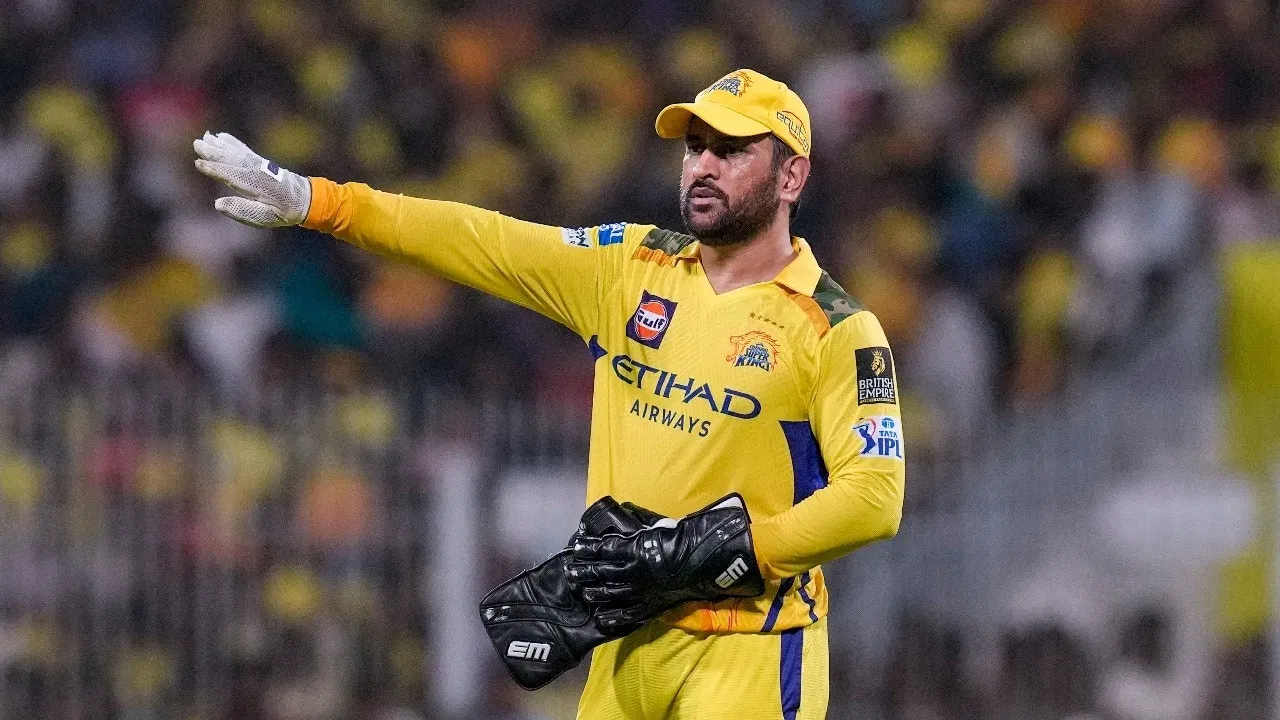
MS Dhoni out of IPL 2026, has not recovered from calf strain
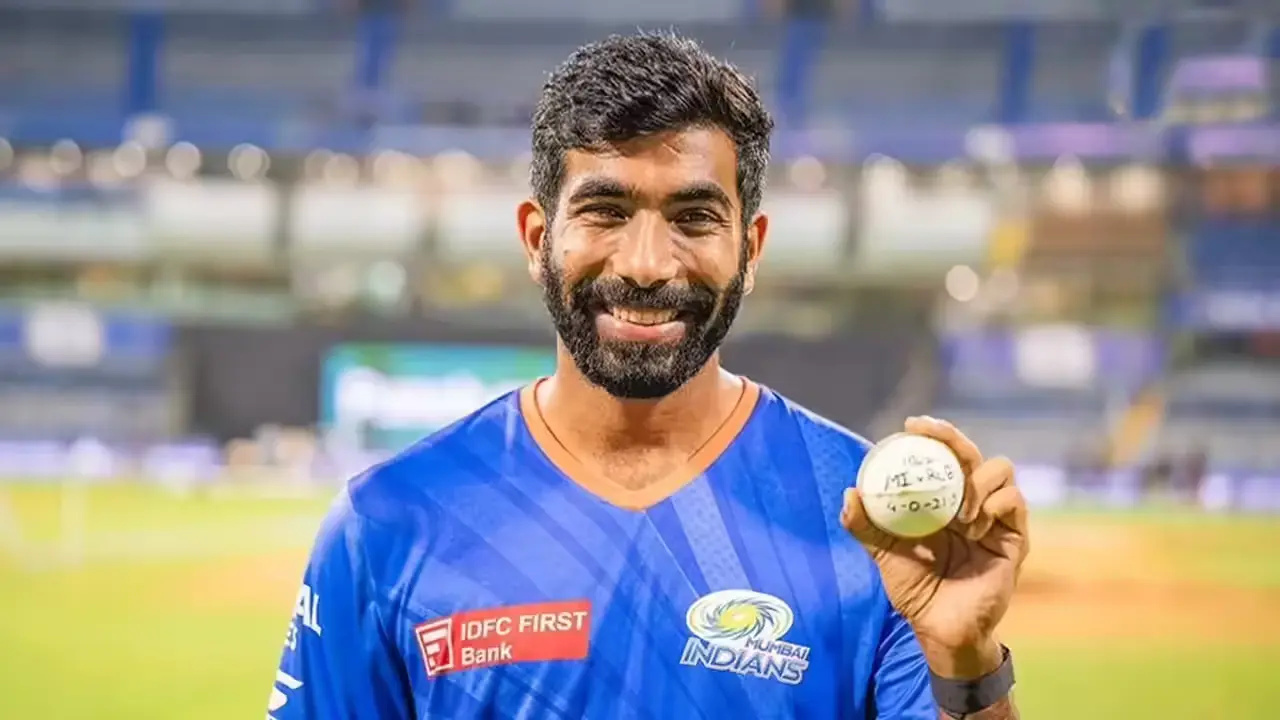
Jasprit Bumrah set to lead MI attack in blockbuster IPL 2026 clash vs KKR
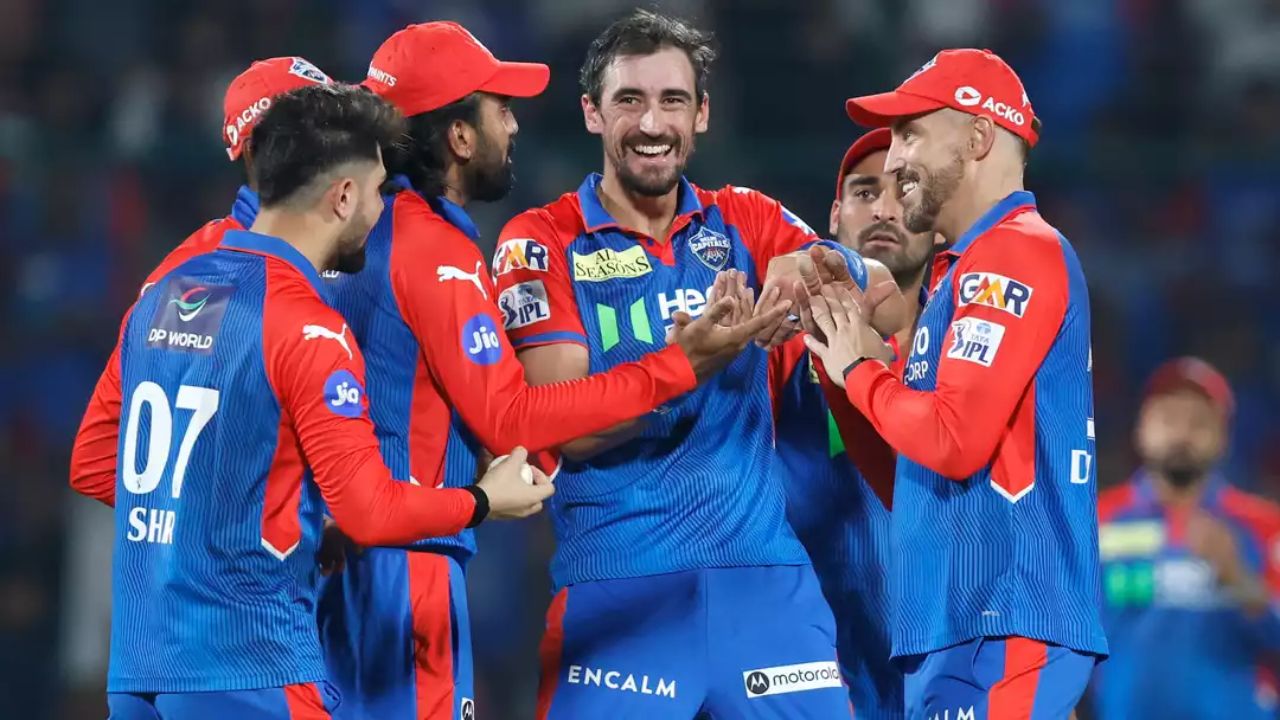
Mitchell Starc to miss IPL 2026, wife Alyssa Healy drops massive update on injury
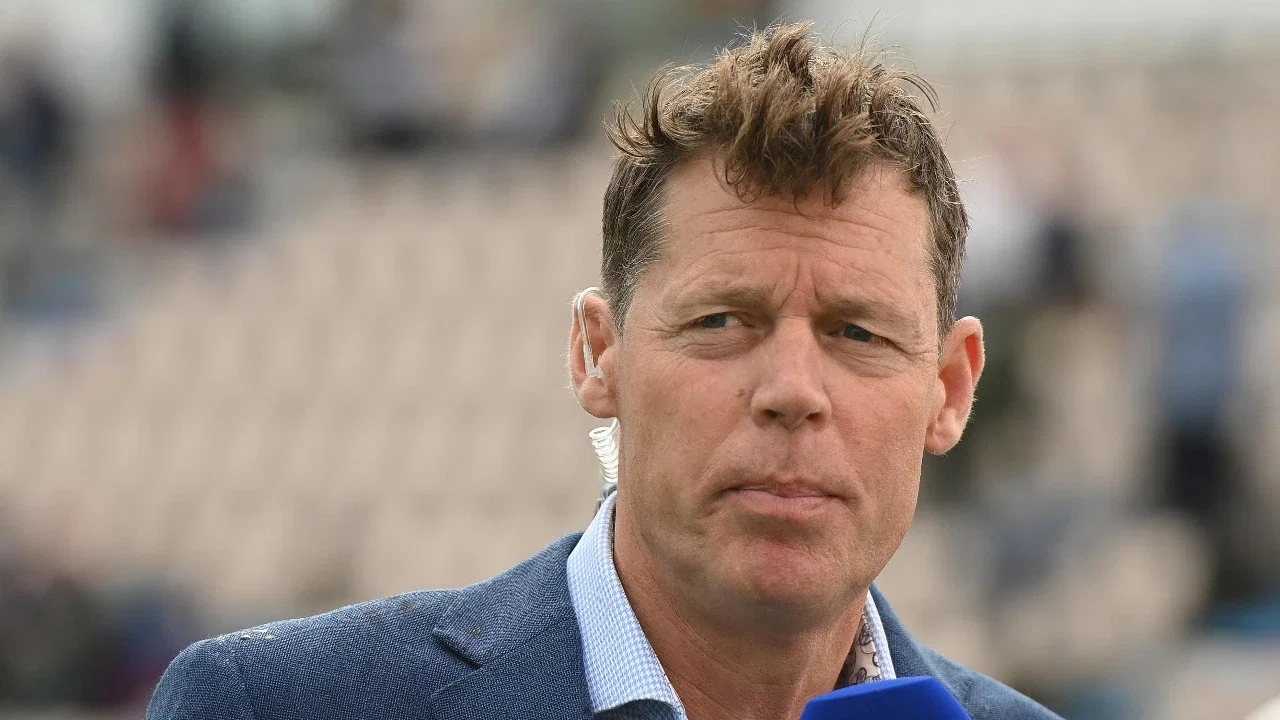
Nick Knight rejects PSL to join IPL commentary panel
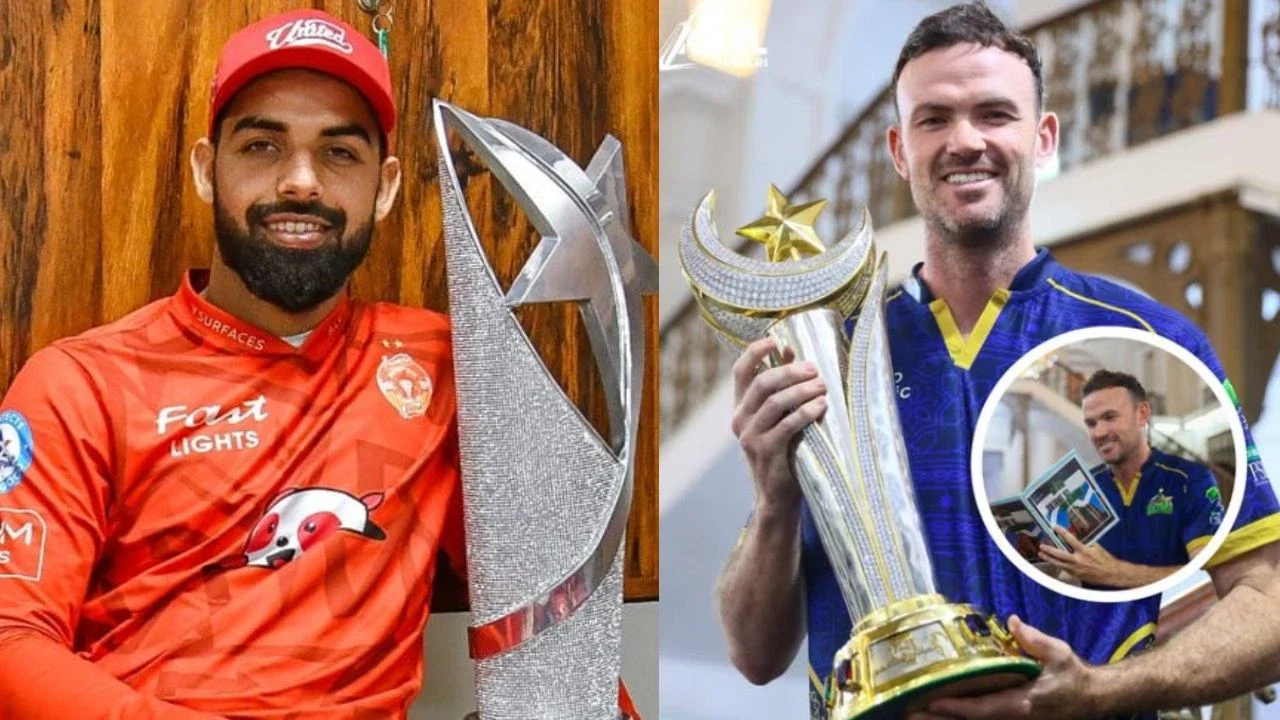
MS vs ISU Match Prediction, Pitch & Weather Report, Playing XIs, Head-to-Head, Free Live Streaming – PSL 2026 Match 4
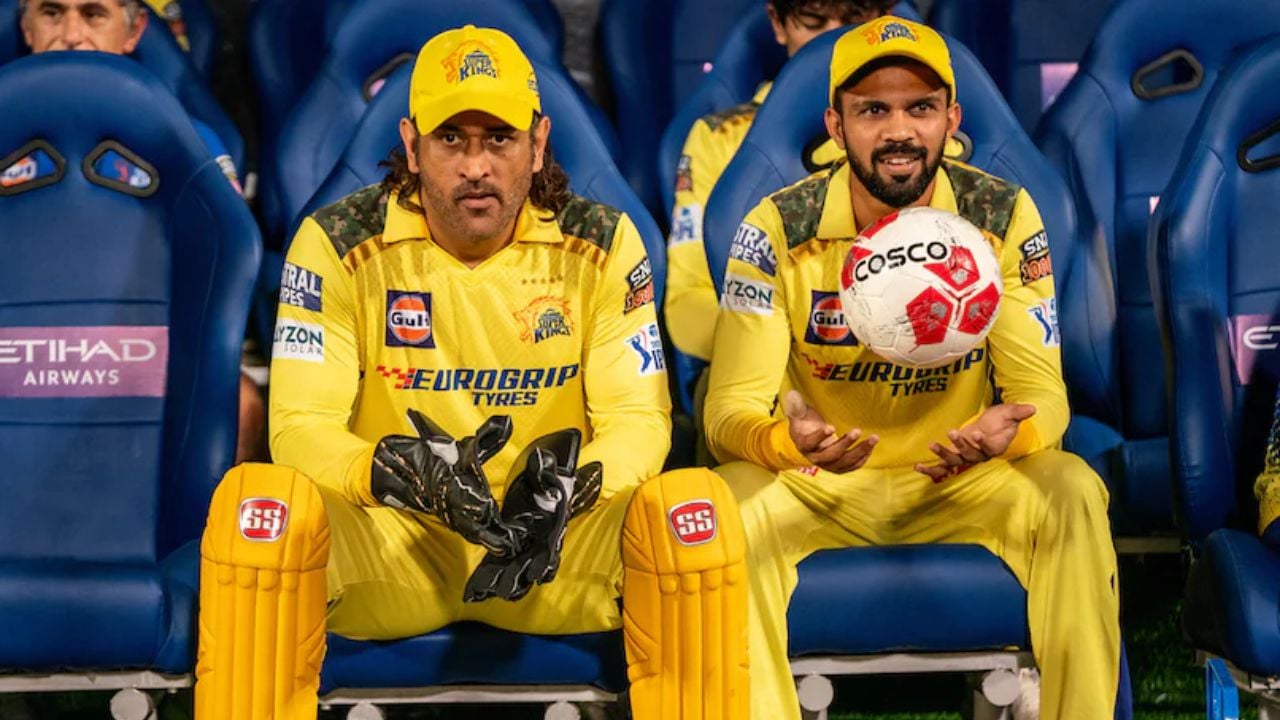
“MS Dhoni doesn’t attend team discussions” – Ruturaj Gaikwad makes stunning revelationtaincy Role

Ben Duckett breaks silence on Noosa Clip scandal, calls it ‘Worst’ moment in cricketing career
“IPL players are grossly underpaid”: Ex-CSK star calls out BCCI
Ahmed Shehzad summoned as former Pakistan skipper takes legal action over serious allegations
CSK to feature without their legendary duo MS Dhoni and Suresh Raina for the first time
Ishan Kishan set to create history as SRH captain in IPL 2026 opener against RCB
RCB Playing XI vs SRH Playing XI – Match No. 1 | IPL 2026
Delhi Capitals IPL 2026 Full Schedule: DC Fixtures, Dates, Timings and Venues | Squad and Coaches
PSZ vs RWP Match Prediction, Pitch & Weather Report, Playing XIs, Head-to-Head, Free Live Streaming – PSL 2026 Match 3