“India had become a Joke”: Shahid Afridi spits venom after Suryakumar Yadav & Co. humiliate Pakistan
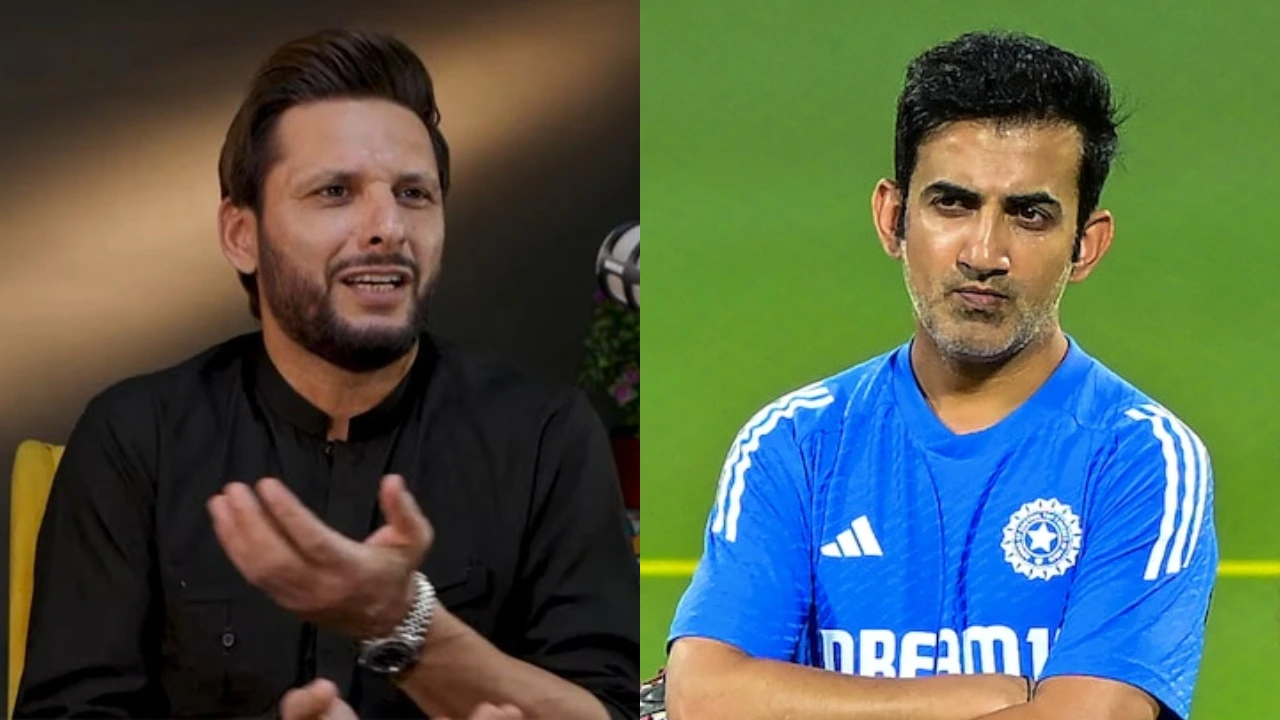
Shahid Afridi Sparks Controversy with Derogatory Comments Against India
After the recent no handshake controversy that overshadowed the India vs Pakistan match in the Asia Cup 2025, former Pakistani skipper Shahid Afridi has made disparaging remarks not only against the Indian cricket team but also the entire nation.
Political Tensions Escalate
Following the Pahalgam attacks, India launched a military operation targeting Pakistani militant groups, which resulted in the destruction of several militant camps. This operation, dubbed ‘Operation Sindoor,’ was met with retaliation from Pakistan through the Bunyan Marsoos operation on Indian military bases. These incidents further strained the already tense political relations between the two neighboring countries.
Controversy at the Asia Cup
The participation of the Indian cricket team in the Asia Cup was cast into doubt due to the escalating tensions between India and Pakistan. The contentious no handshake incident involving Indian skipper Suryakumar Yadav and Pakistan skipper Salman Agha further fueled the animosity between the teams.
Despite India’s comfortable victory over Pakistan in the match, the atmosphere at the Dubai International Stadium was tense, with fans from both sides engaging in heated debates and confrontations.
PCB’s Reaction and Threats
The Pakistan Cricket Board (PCB) expressed dissatisfaction with the handling of the no handshake controversy and lodged a complaint with the International Cricket Council (ICC) against the match referee. The PCB also hinted at a possible boycott of future games in the Asia Cup if action was not taken.
Shahid Afridi’s Provocative Comments
Shahid Afridi, known for his controversial statements, has once again courted controversy by making derogatory remarks against Indian players. Afridi cited India’s withdrawal from a semi-final match in the World Championship of Legends following the Pahalgam attack as a sign of humiliation for the Indian team.
In a television interview, Afridi stated, “After May 10, the world saw Pakistan’s power and saw India being humiliated. India had become a joke in front of the world. That was something India could not tolerate.”
History of Controversies
Prior to the Asia Cup 2025, Afridi had stirred controversy by questioning India’s decision not to participate in a scheduled match. He has a history of making inflammatory remarks against Indian players, both publicly and on social media.
As tensions between India and Pakistan continue to simmer, Afridi’s comments have added fuel to the fire, further exacerbating the already strained relations between the two cricketing nations.
Despite calls for restraint and sportsmanship, the bitter rivalry between India and Pakistan shows no signs of abating, with each side facing scrutiny for their actions both on and off the field.
Impact on Cricketing Diplomacy
The ongoing political tensions between India and Pakistan have spilled over into the realm of cricket, a sport that has often been used as a platform for cultural exchange and diplomacy between the two nations. The recent controversies surrounding the Asia Cup have underscored the challenges of maintaining sportsmanship and mutual respect in the face of deep-rooted political animosities.
Cricket has historically played a significant role in bridging the divide between India and Pakistan, with matches between the two countries drawing immense attention and passion from fans on both sides of the border. However, the recent incidents involving derogatory comments and hostile gestures have threatened to tarnish the spirit of sportsmanship that cricket is meant to embody.
International Response and Mediation
As tensions escalate between India and Pakistan, the international cricketing community has called for restraint and dialogue to defuse the situation. Organizations like the ICC have a vested interest in promoting peaceful resolutions and maintaining the integrity of the sport amidst political turmoil.
Efforts are being made by various stakeholders to facilitate communication and understanding between the cricket boards of India and Pakistan. Mediation and conflict resolution mechanisms are being explored to address the underlying grievances and prevent further deterioration of relations both on and off the field.
Role of Cricket Legends in Diplomatic Relations
Former cricketers like Shahid Afridi, despite their controversial remarks, have the potential to influence public opinion and shape perceptions on a broader scale. Their words and actions can either exacerbate tensions or pave the way for reconciliation and goodwill between nations.
It is crucial for cricketing legends to recognize the impact of their statements and conduct on diplomatic relations, especially in the context of the volatile India-Pakistan dynamic. By promoting messages of peace, unity, and mutual respect, these icons can contribute positively to fostering a more conducive environment for dialogue and cooperation.
Looking Towards the Future
As the fallout from the recent controversies continues to reverberate, it is imperative for both India and Pakistan to prioritize open communication, empathy, and a commitment to de-escalating tensions. Cricket, as a unifying force that transcends borders and ideologies, can serve as a catalyst for promoting understanding and harmony in the region.
It is hoped that the stakeholders involved will seize this opportunity to reflect on the power of sport in fostering goodwill and cooperation, setting aside differences for the greater good of the game and the people it represents.
Ultimately, the onus lies on all parties to rise above divisive rhetoric and work towards building a future where cricket can once again serve as a beacon of unity and friendship between India and Pakistan.
Latest News
Shubman Gill out? Virat Kohli’s Test comeback as captain suggested by CSK legend
Jason Gillespie gives major update on Glenn Maxwell’s availability for PSL 2026
‘I’m a big fan but…’: Ravichandran Ashwin criticises Abhishek Sharma after failure vs RCB.
LHQ vs KRK Match Prediction, Pitch & Weather Report, Playing XIs, Head-to-Head, Free Live Streaming – PSL 2026 Match 6
IPL teams on alert!: Sri Lanka fitness crisis sees almost 50% players fail tests
Ben Duckett in trouble? Sunil Gavaskar pushes BCCI for tougher punishment
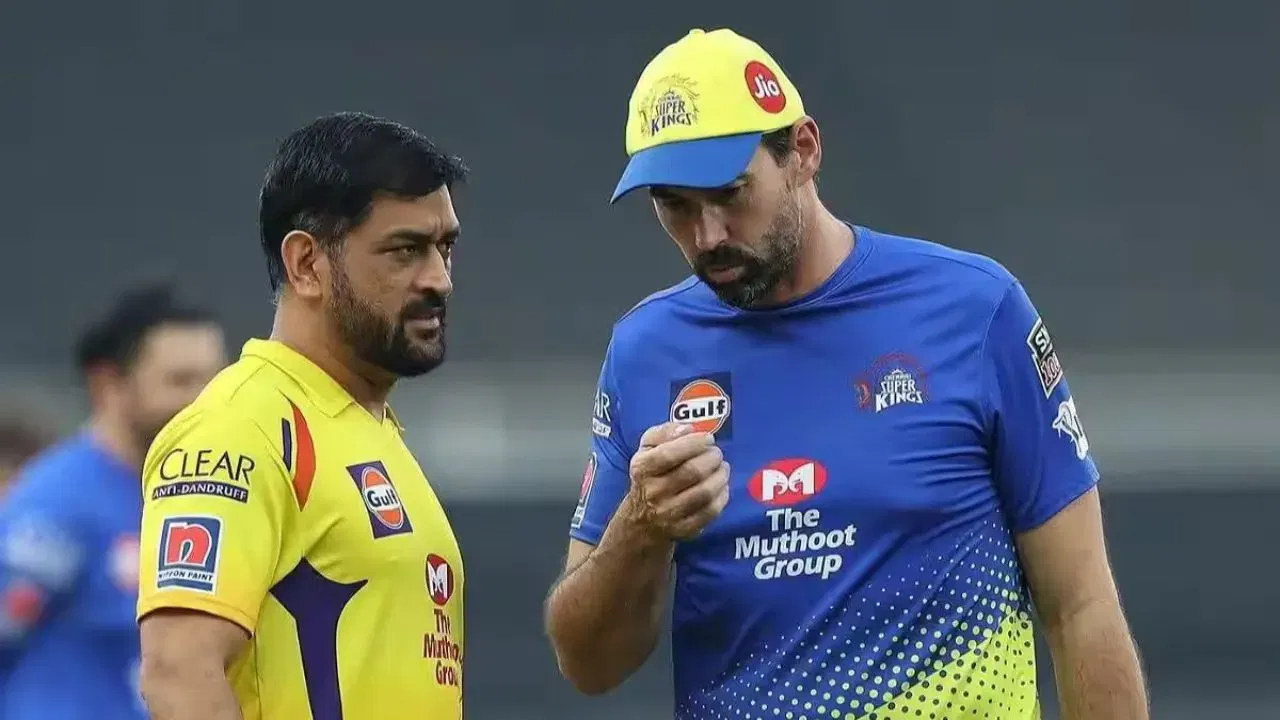
MS Dhoni faking injury? Michael Vaughan suspects ‘strategic manoeuvre’ in CSK camp for IPL 2026
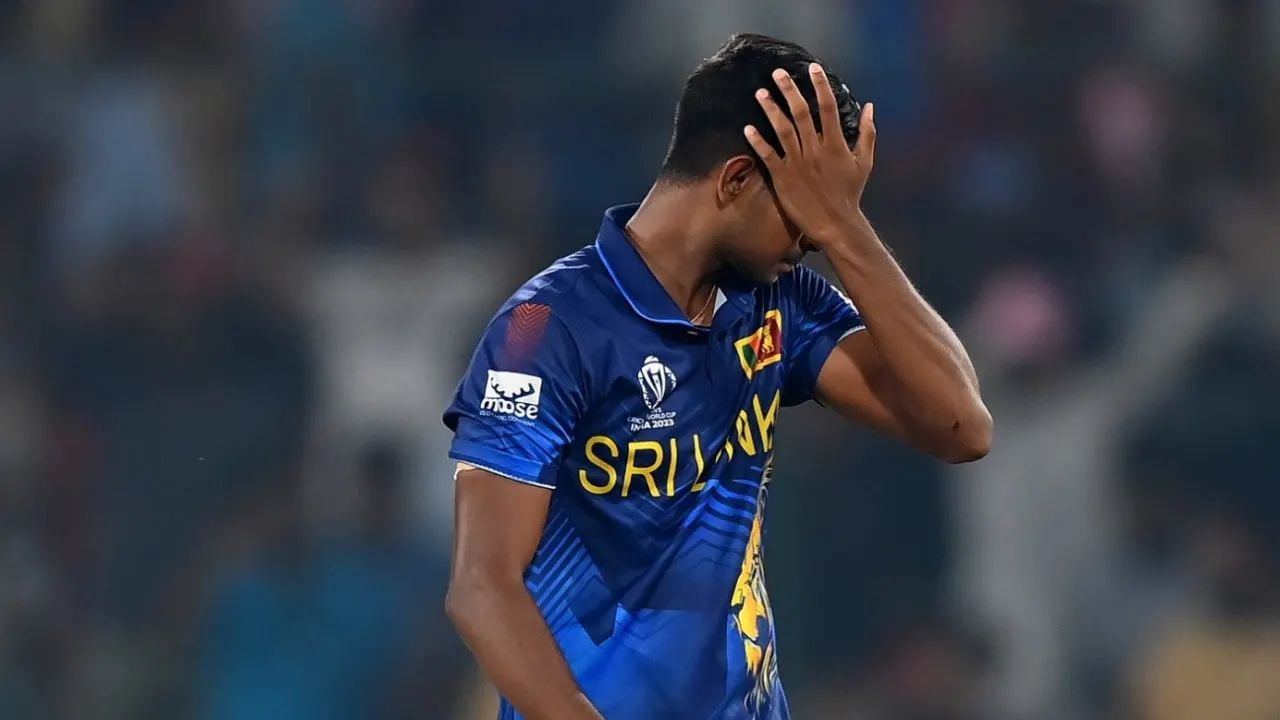
KKR coach criticises Impact Player rule, provides huge Matheesha Pathirana update
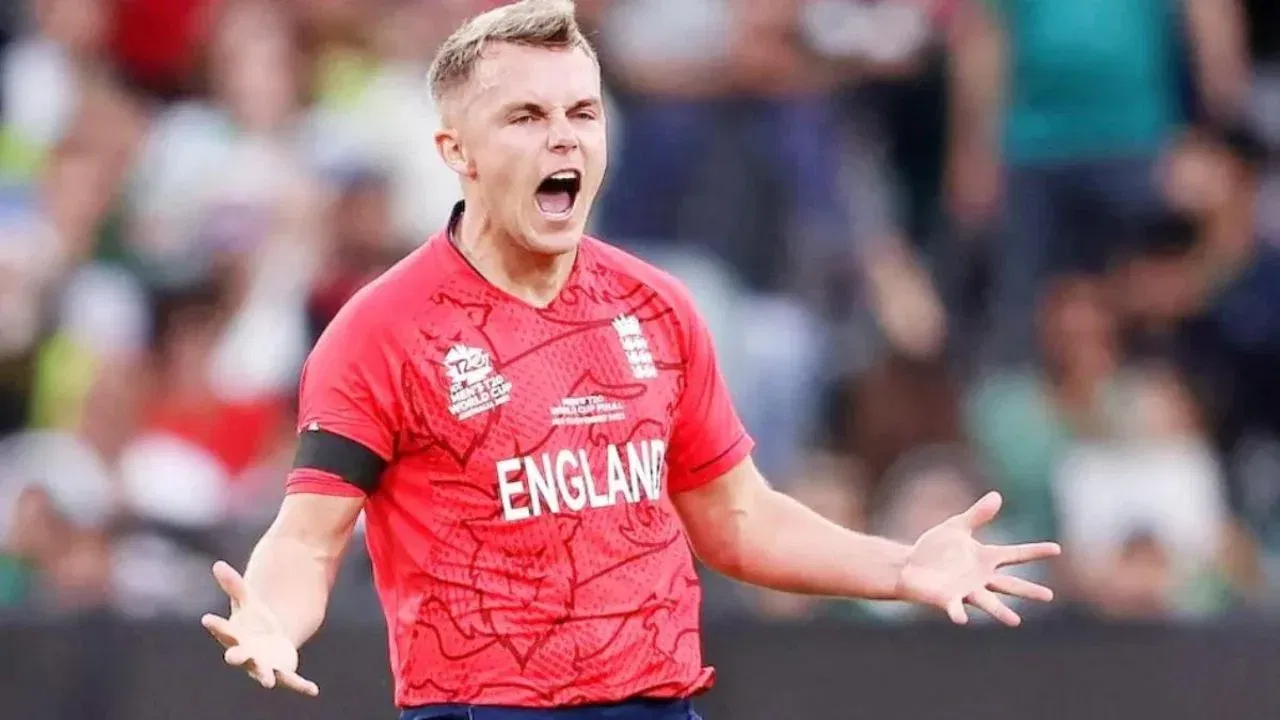
Sam Curran reveals private chat with Brendon McCullum after England axing
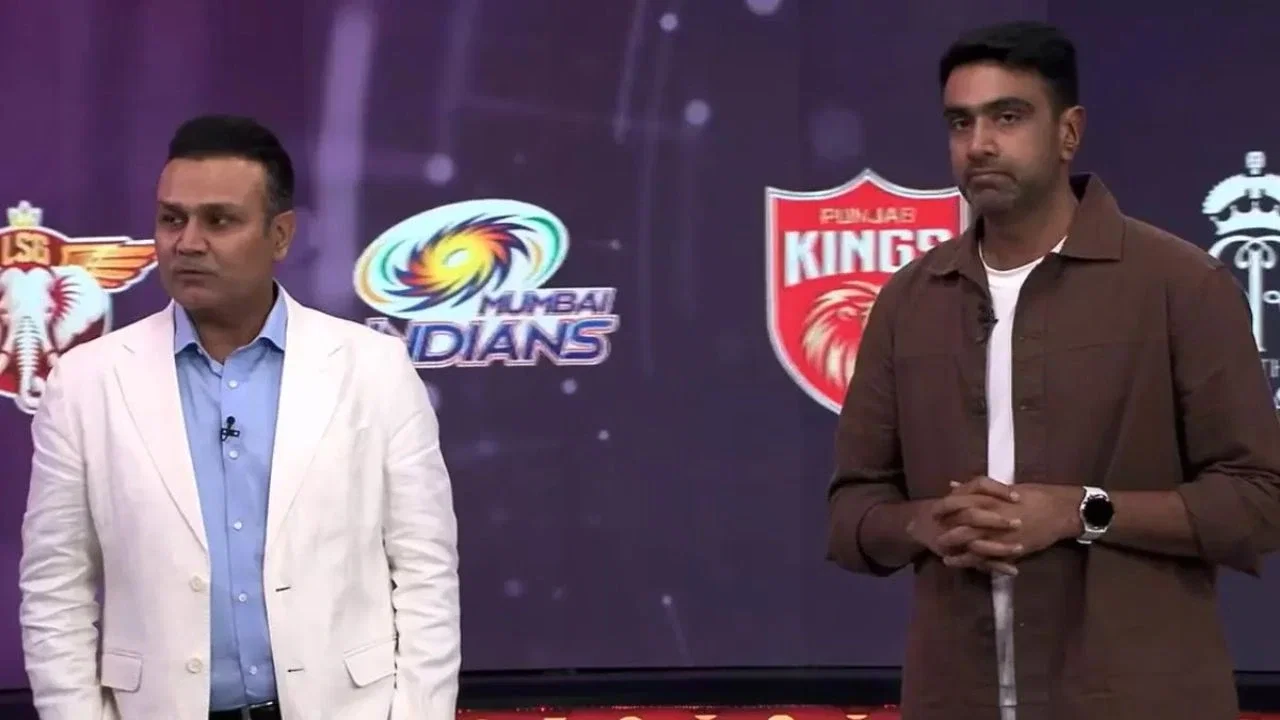
Ravichandran Ashwin brutally teased by Virender Sehwag on IPL 2026 debut
Virat Kohli’s ego under spotlight! Ex-KKR star makes bold claim after heroics vs SRH
Jay Shah rises to No. 22 among most powerful people in India in 2026; Virat Kohli, Gautam Gambhir included
SRH suffer huge blow! Daniel Vettori confirms another overseas pacer injured amid crisis
IPL Points Table 2026: Updated Standings, Orange Cap, Purple Cap After RCB vs SRH Match 1