

India in danger of losing hosting rights for 2029 Champions Trophy and 2031 World Cup due to Pakistan
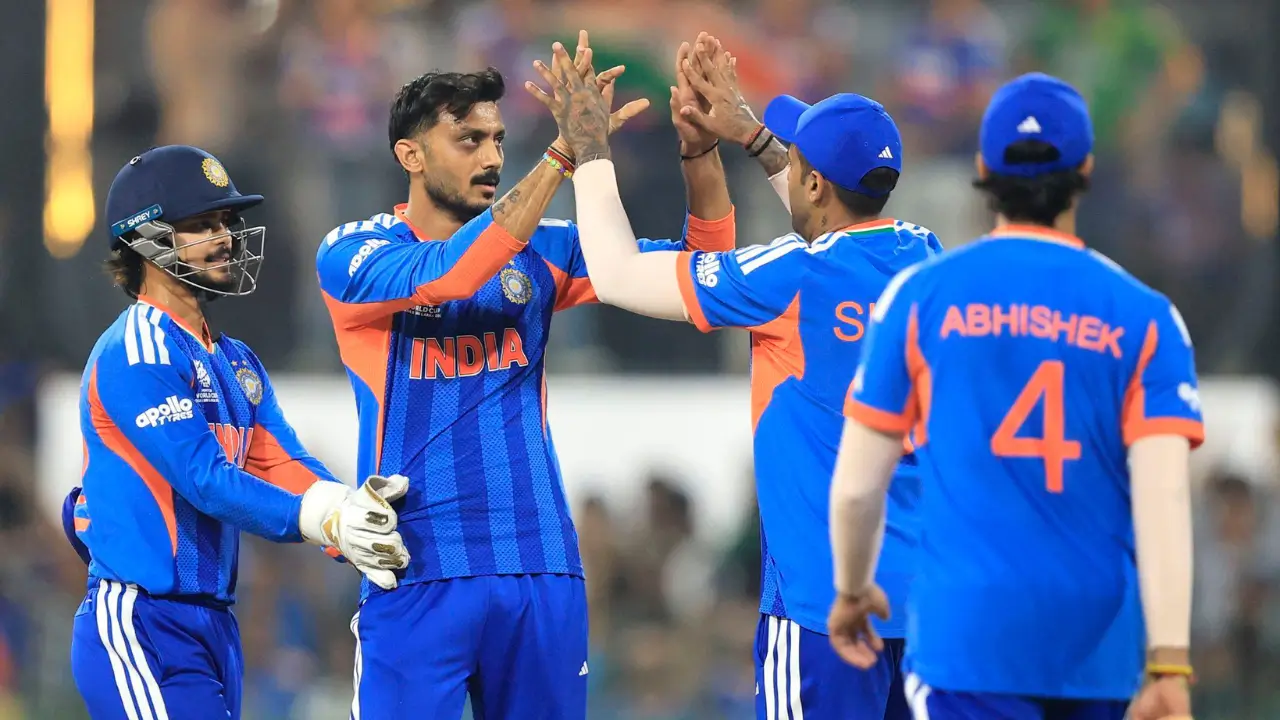
ICC Considering Shifting Future Global Competitions Out of India Due to Geopolitical Tensions
Background:
Amid ongoing geopolitical tensions between India and Pakistan, the International Cricket Council (ICC) is reportedly contemplating the possibility of relocating future global competitions out of India. The strained bilateral relations between the two neighboring countries have reached an all-time low, exacerbated by incidents such as the Pahalgam terror attack and subsequent military actions.
Recent Developments:
The friction between India and Pakistan was highlighted during the recent ICC T20 World Cup, where the Indian team notably refused to shake hands with Pakistani players. In the past, India declined to visit Pakistan for the Champions Trophy, leading the ICC to select the UAE as a neutral venue for India’s matches.
Furthermore, the ICC, in collaboration with the Boards of Control for Cricket in India (BCCI) and Pakistan Cricket Board (PCB), reached an agreement not to play matches in each other’s countries during global tournaments. This decision followed a series of bilateral tours between the two nations, with Pakistan visiting India for ICC tournaments while India has not played in Pakistan since 2008.
Challenges Faced by ICC:
Adding to the complexity, Bangladesh also declined to play in India during the ongoing T20 World Cup, citing security concerns. Despite Bangladesh’s preference to play in Sri Lanka, the ICC replaced them with Scotland. This situation has raised uncertainty regarding India’s future tours to Bangladesh for bilateral series.
Potential Relocation of ICC Tournaments:
Considering the geopolitical tensions in the region, the ICC is exploring the option of moving its upcoming tournaments out of India. The Australian news outlet, The Age, reported that India’s hosting rights for the 2029 Champions Trophy and the 2031 ODI World Cup may be transferred to Australia to avoid logistical complications.
Australia is emerging as the leading contender to host both prestigious events, offering a neutral ground for teams to compete without the burden of political tensions. If the relocation occurs, it would mark a significant shift in the tournament hosting landscape and could potentially impact the scheduling and planning of future cricket events.
India’s Dominant Performance Against Pakistan:
Despite the off-field tensions, India showcased their cricketing prowess by defeating Pakistan by 61 runs in a recent match during the T20 World Cup. Playing on a challenging pitch in Colombo, India secured their third consecutive victory in the tournament, advancing to the Super 8 stage.
The Men in Blue posted a formidable total of 175/7 in their innings, with Ishan Kishan delivering a stunning 77-run knock. In response, Pakistan faltered and were bowled out for just 114 runs, highlighting India’s dominant performance on the field.
In conclusion, as the ICC contemplates the potential relocation of future global competitions out of India due to geopolitical tensions, the world of cricket faces a period of uncertainty and strategic decision-making to ensure the sport’s continuity and integrity in a challenging environment.
Exploring Alternative Hosting Options:
With the possibility of ICC tournaments being relocated out of India, various countries are being considered as potential hosts. Apart from Australia, countries like England, South Africa, and the United Arab Emirates (UAE) have also expressed interest in hosting upcoming global cricket events. Each of these countries offers state-of-the-art cricket facilities, a strong fan base, and a track record of successfully hosting international matches.
England, known for its cricketing heritage and iconic venues like Lord’s and The Oval, could provide a picturesque backdrop for ICC tournaments. South Africa, with its modern stadiums and passionate cricket enthusiasts, has previously hosted successful ICC events such as the 2003 Cricket World Cup. The UAE, a neutral venue that has hosted numerous IPL matches, could offer a convenient location for teams from various regions to compete without geopolitical concerns.
Impact on Revenue and Sponsorship:
The potential relocation of future global competitions out of India could have significant financial implications for the ICC, member boards, and sponsors. India, being a cricket powerhouse with a massive fan base and lucrative market, plays a crucial role in generating revenue for the sport. The shift to a different host country may impact broadcasting rights, ticket sales, merchandise, and sponsorship deals associated with the tournaments.
Sponsors, who often invest millions in ICC events to reach Indian audiences, may need to reevaluate their marketing strategies if the tournaments move to a new location. The ICC will need to navigate these challenges carefully to ensure financial stability and continued growth in the sport, considering the economic impact of such decisions on various stakeholders.
Strategic Considerations for Future Tournament Planning:
As the ICC evaluates the possibility of relocating future global competitions, strategic planning becomes crucial to maintain the competitive integrity and global appeal of cricket. The governing body must consider factors such as venue infrastructure, travel logistics, fan engagement, and player safety while selecting alternate hosts for its events.
Additionally, the ICC may need to revisit its tournament scheduling and format to accommodate potential changes in hosting locations. This could involve adjusting match timings, considering climatic conditions in the new host country, and ensuring a fair and balanced competition for all participating teams. Collaboration with member boards, stakeholders, and government agencies will be essential to execute seamless transitions and uphold the spirit of international cricket.
Emphasizing Sportsmanship and Unity:
Amidst the geopolitical tensions and potential shifts in tournament hosting, it is imperative for cricketing nations to prioritize sportsmanship, mutual respect, and unity on and off the field. Cricket has historically served as a platform for cultural exchange, camaraderie, and friendly competition, transcending political boundaries and differences.
By upholding the spirit of fair play, promoting inclusivity, and fostering positive relationships among teams and fans, the cricketing community can overcome challenges posed by external factors. Regardless of where future ICC tournaments take place, the shared love for the game and the values it represents can serve as a unifying force in the global cricketing landscape.
Looking Ahead:
As the ICC navigates the complexities of geopolitical tensions and considers the relocation of future global competitions, the world of cricket stands at a crossroads. The decisions made in the coming months will shape the future of the sport, influencing not only tournament logistics but also the broader impact on cricketing culture, economics, and international relations.
By prioritizing collaboration, adaptability, and the core principles of cricket, stakeholders can work together to ensure that the spirit of the game remains resilient and transcendent, regardless of the challenges that may arise. As fans, players, and officials await further developments, the anticipation and excitement for the future of cricket continue to unite individuals across borders and boundaries, reaffirming the enduring power of the sport.
Latest News
Gautam Gambhir to become CEO of Rajasthan Royals? Bombshell drops amid T20 World Cup
“Win for pride”: Fans pouring love as Nepal confirms first T20 World Cup win in 12 years
IND vs NED Match 36 Preview: Free Live Streaming, Pitch & Weather Report, Head-to-Head, Playing XIs | ICC T20 World Cup 2026
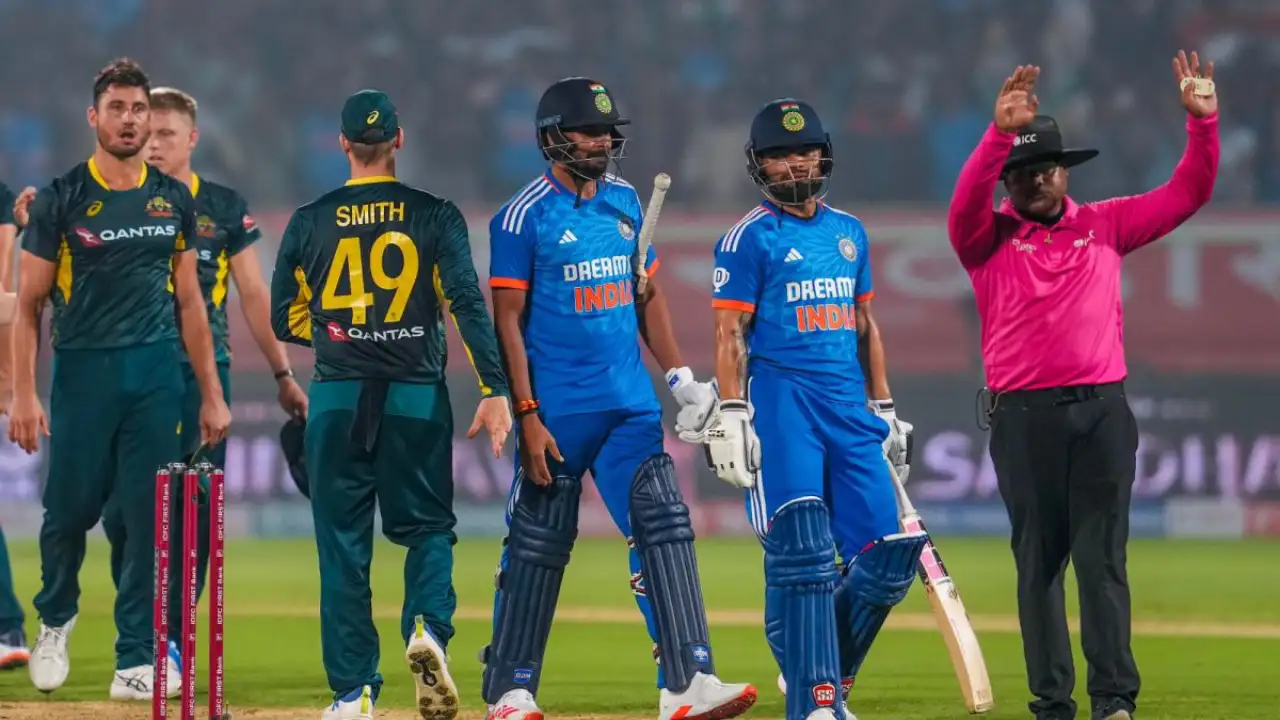
I don’t think we are bothered: India coach reacts after Australia’s elimination from T20 World Cup
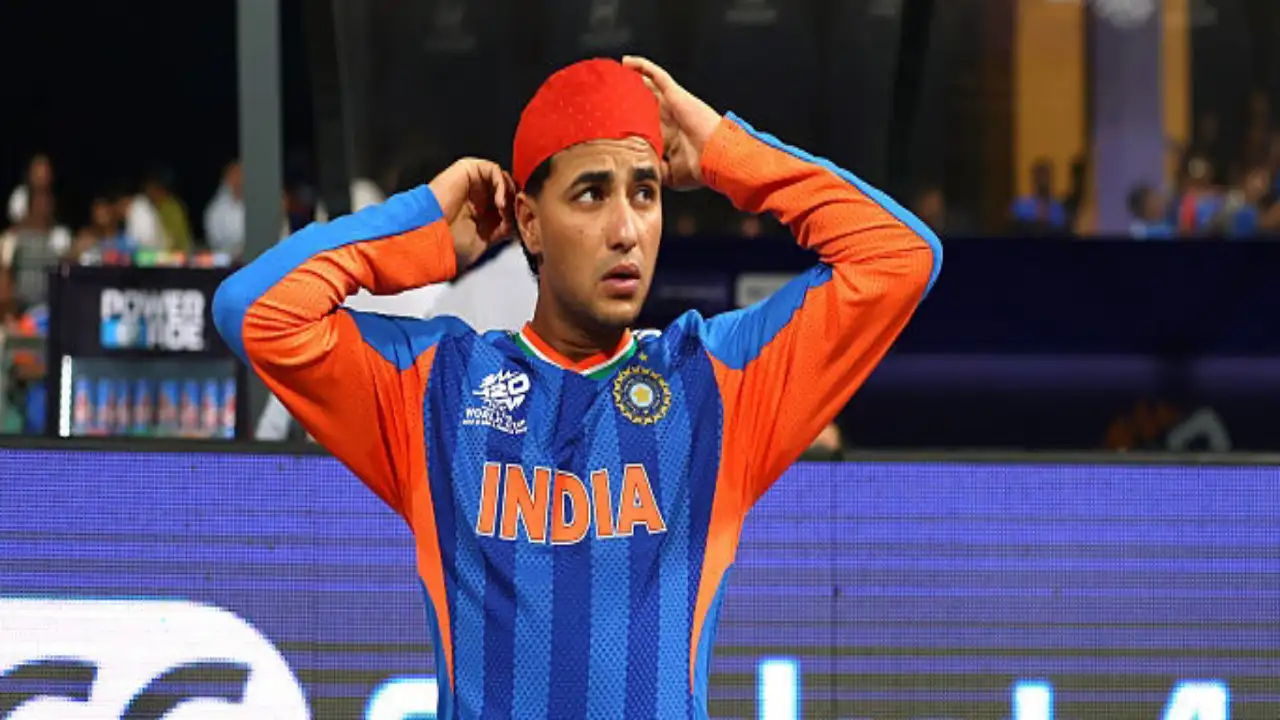
India coach defends Abhishek Sharma after his dismal performance
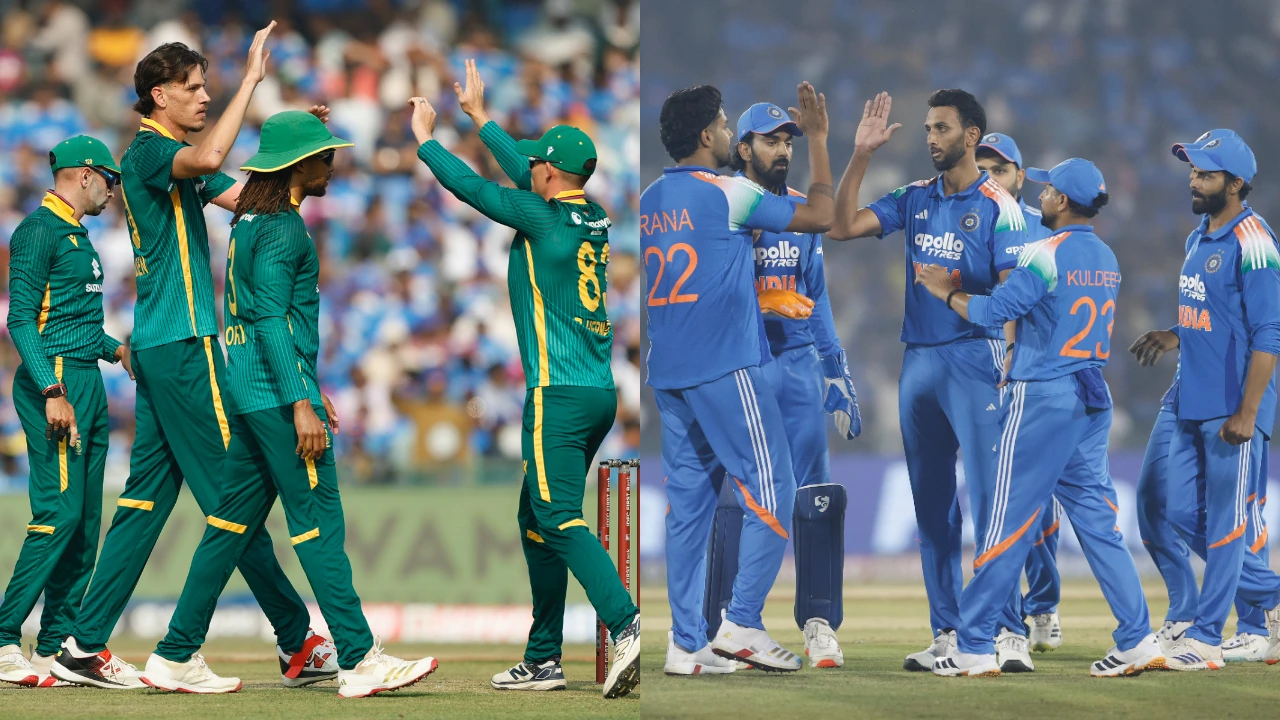
“We don’t talk to each other”: Morkel discloses family matters ahead of India vs South Africa 2026 T20 WC match
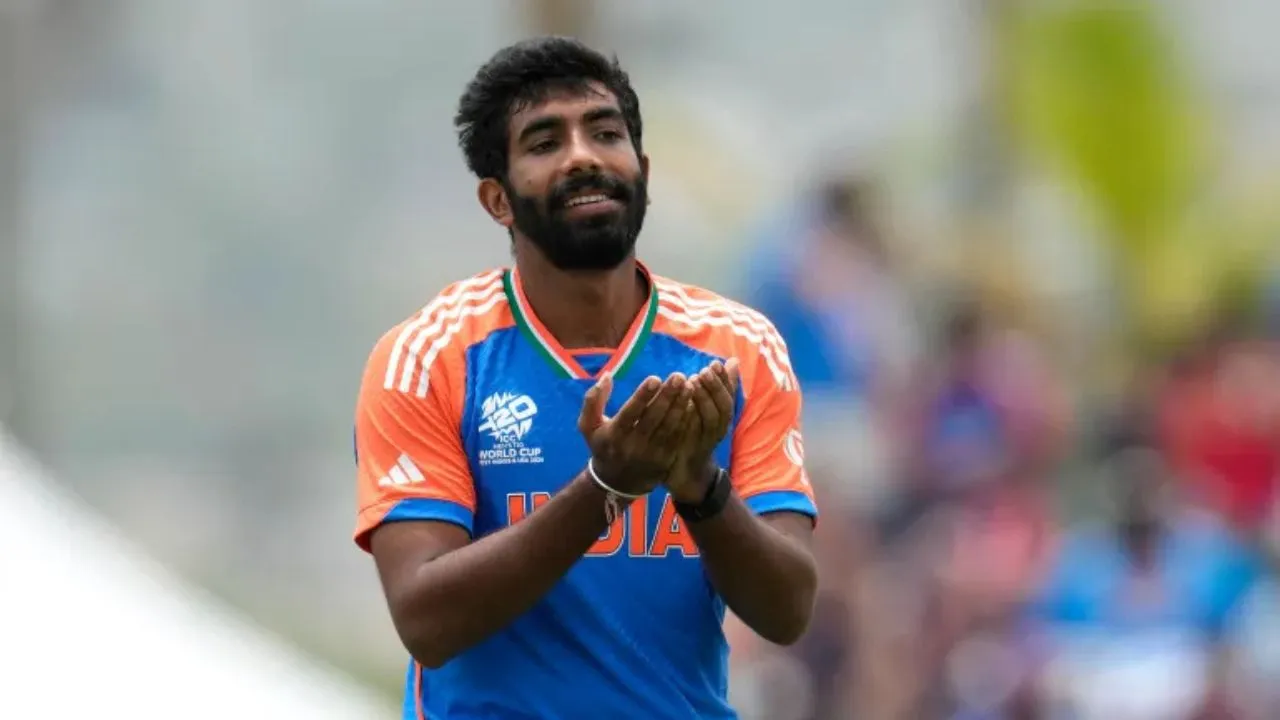
Jason Gillespie names Pakistan pacer ahead of Jasprit Bumrah in his greatest T20 bowlers list
Shadab Khan loses his mind after India defeat, claims Pakistan will play T20 World Cup 2026 final

SA vs UAE Match Prediction: Who Will Win Game No.34? ICC T20 World Cup 2026
South Africa Playing XI vs UAE Playing XI, Match No.34 – ICC T20 World Cup 2026
SA vs UAE Match 34 Preview: Free Live Streaming, Pitch & Weather Report, Head-to-Head, Playing XIs | ICC T20 World Cup 2026
Pakistan Playing XI vs Namibia Playing XI, Match No.35 – ICC T20 World Cup 2026
PAK vs NAM Match Prediction: Who Will Win Game No.35? ICC T20 World Cup 2026
PAK vs NAM Match No.35 Preview: Free Live Streaming, Pitch & Weather Report, Head-to-Head, Playing XIs | ICC T20 World Cup 2026

