India legend accuses Gautam Gambhir of shattering Sanju Samson’s confidence
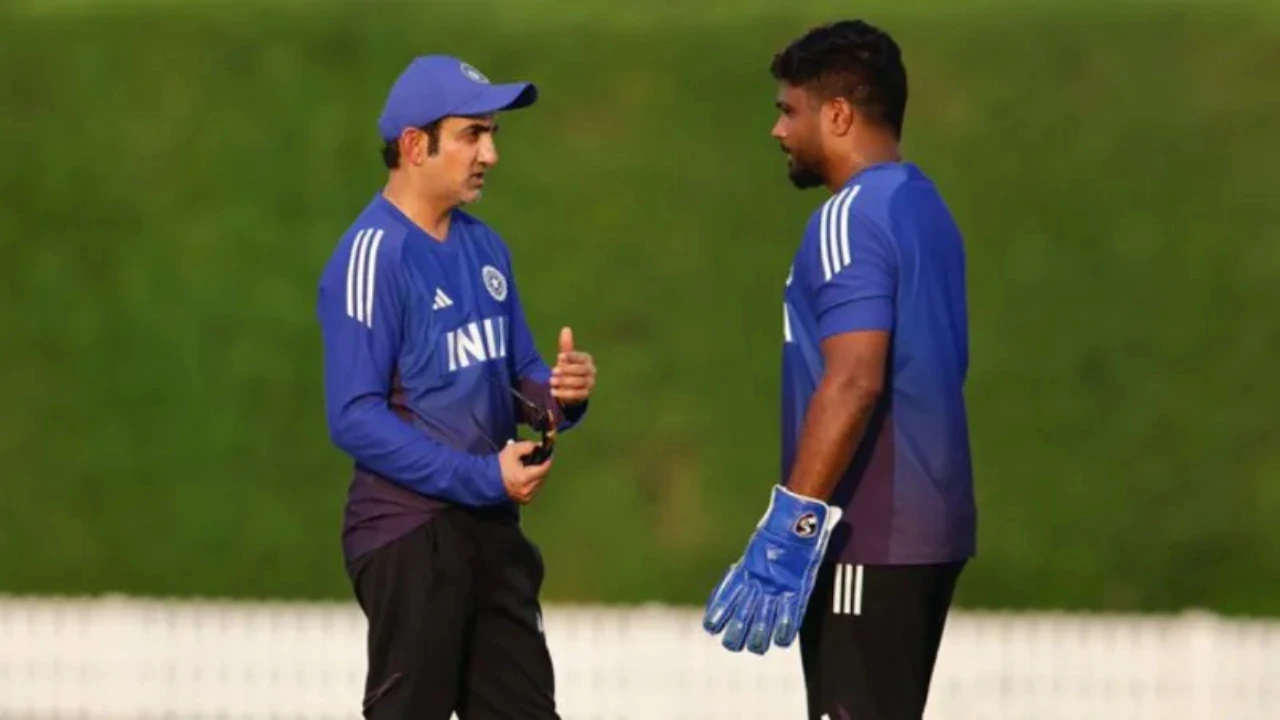
Former India Opener Criticizes Team Management’s Handling of Sanju Samson
Former India opener Kris Srikkanth has criticized head coach Gautam Gambhir for his handling of Sanju Samson during the second T20I match of the series in Australia. Srikkanth expressed his concerns regarding the constant changes in Samson’s batting position, which he believes are affecting the player’s mental state and ability to define his role within the team.
Confusion Surrounding Samson’s Batting Position
Throughout the series, India’s tactics of constantly tinkering with the batting order have faced backlash from fans and experts alike. In the recent match, Samson was promoted to No. 3 after Shubman Gill’s dismissal. The team management’s decision to shift Samson to different positions in each game has led to confusion and uncertainty regarding his role in the team.
Speaking on his YouTube channel after the Melbourne T20I, Srikkanth questioned the rationale behind constantly changing Samson’s position. He emphasized the importance of giving a player a fixed position to allow them to mentally prepare and perform effectively.
“I don’t understand what they are doing with Sanju Samson. He bats at 5 one game then suddenly at 4, 6, 7 or 8. And this match he bats at 3. That is not fair, you’ve to give a fixed position. Mentally, only then a batsman can make up his mind,” Srikkanth said.
Concerns Over Knee-Jerk Reactions
Srikkanth also criticized India’s decision to send Samson in at No. 3 as a knee-jerk reaction to the seaming conditions. He pointed out that the abrupt changes in the batting order not only affect individual players but also disrupt the team’s balance and performance.
“Sending him at No. 3 was a knee-jerk reaction. They sent him there once the ball was moving around and he also couldn’t do anything. You are spoiling the balance of the team, forget about the individual,” Srikkanth remarked.
Lack of Preparedness and Confidence
Srikkanth further highlighted that Samson was not mentally prepared to bat at No. 3, indicating that the sudden change in position caught him off guard. The former captain suggested that Samson was expecting other players to bat ahead of him, leading to a lack of mental readiness when he was called to bat at a higher position.
“He must have not even had his pads ready and thought Suryakumar Yadav will go out at 3, followed by Tilak Varma at 4 and himself at 5. As soon as they saw the ball move around, Sanju was told to go out at 3. How’s that possible, doesn’t a batter need a mental make up?” Srikkanth questioned.
Impact on India’s Performance
The continuous changes in the batting order proved costly for India as they collapsed for just 125 runs in the recent match. Australia capitalized on India’s instability and comfortably chased down the target, taking a 1-0 lead in the series.
As the debate over Samson’s position and India’s batting tactics continues, it remains to be seen how the team management will address the concerns raised by Srikkanth and work towards providing players with more clarity and stability in their roles.
Struggles of Young Talent in International Cricket
The handling of young talent like Sanju Samson in international cricket has long been a subject of debate. The transition from domestic cricket to the international stage can be daunting for many players, especially when faced with constant changes in roles and positions. In Samson’s case, the lack of consistency in his batting position has raised concerns not only about his performance but also about his overall development as a player.
It is crucial for team management to nurture young talent with care and provide them with a sense of stability and confidence in their roles. The pressure of performing at the highest level can already be overwhelming for young players, and the added uncertainty of constantly changing positions can further impact their mental state and performance on the field.
The Importance of Mental Preparation in Cricket
Cricket is as much a mental game as it is a physical one. Players need to be mentally prepared to face different situations and adapt to changing conditions on the field. For a batsman like Samson, who relies on timing and confidence to succeed, having a fixed position in the batting order can help him mentally prepare and approach his innings with clarity and focus.
By constantly shuffling Samson’s position, the team management not only disrupts his mental preparation but also sends a message of uncertainty and lack of trust in the player’s abilities. This can have a negative impact on Samson’s confidence and affect his performance in the long run.
Building a Strong Team Culture
One of the key aspects of a successful cricket team is a strong team culture built on trust, communication, and clarity of roles. When players know their roles and responsibilities within the team, they can focus on executing their skills without the added pressure of uncertainty. In the case of Samson, providing him with a fixed position in the batting order can help him settle into his role and contribute effectively to the team’s success.
Team management must prioritize building a cohesive team culture that supports the growth and development of young players like Samson. By fostering a positive environment where players feel valued and understood, the team can enhance its overall performance and create a sustainable pathway for the success of its players.
Looking Ahead
As India continues its series against Australia, the focus will be on how the team management addresses the concerns raised by former players like Kris Srikkanth regarding the handling of young talent like Sanju Samson. By providing players with more clarity and stability in their roles, the team can foster a sense of confidence and purpose among its players, ultimately leading to improved performance on the field.
It is essential for the team management to learn from the mistakes of the past and prioritize the development and well-being of its young players. By investing in their growth and providing them with the support they need, India can build a strong foundation for future success in international cricket.
Latest News
Harry Brook and Jacob Bethell punished after conduct probe by cricket regulator
Sanjiv Goenka engages in heated chat with LSG coaches after loss to DC
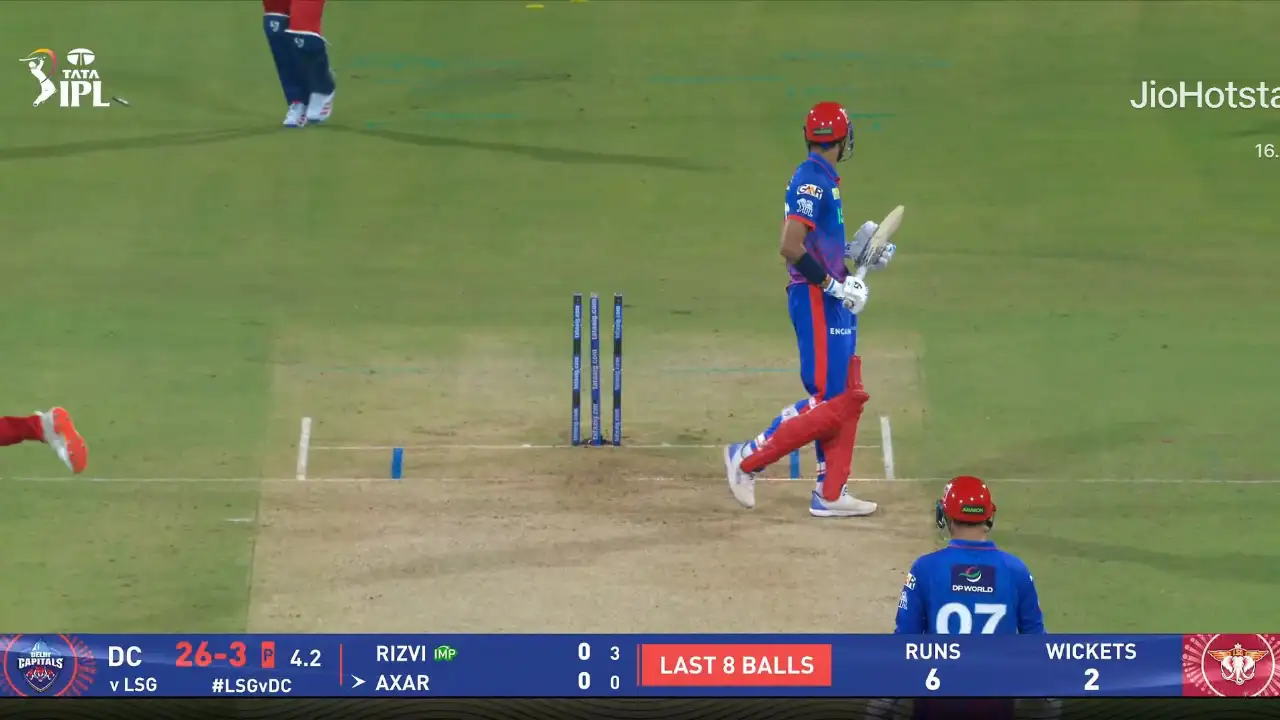
Axar Patel dismissed on ‘Golden Duck’ by Prince Yadav in LSG vs DC IPL 2026 clash
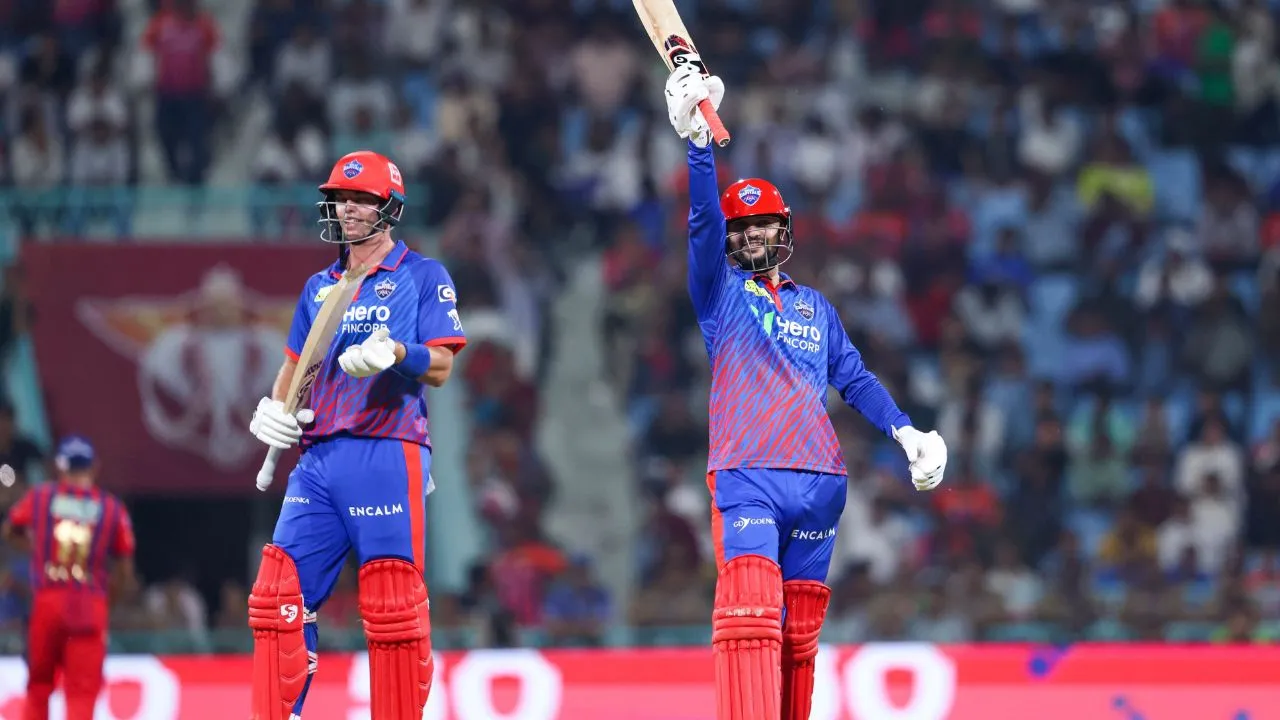
IPL Points Table 2026: Updated Standings, Orange Cap, Purple Cap After LSG vs DC Match 5
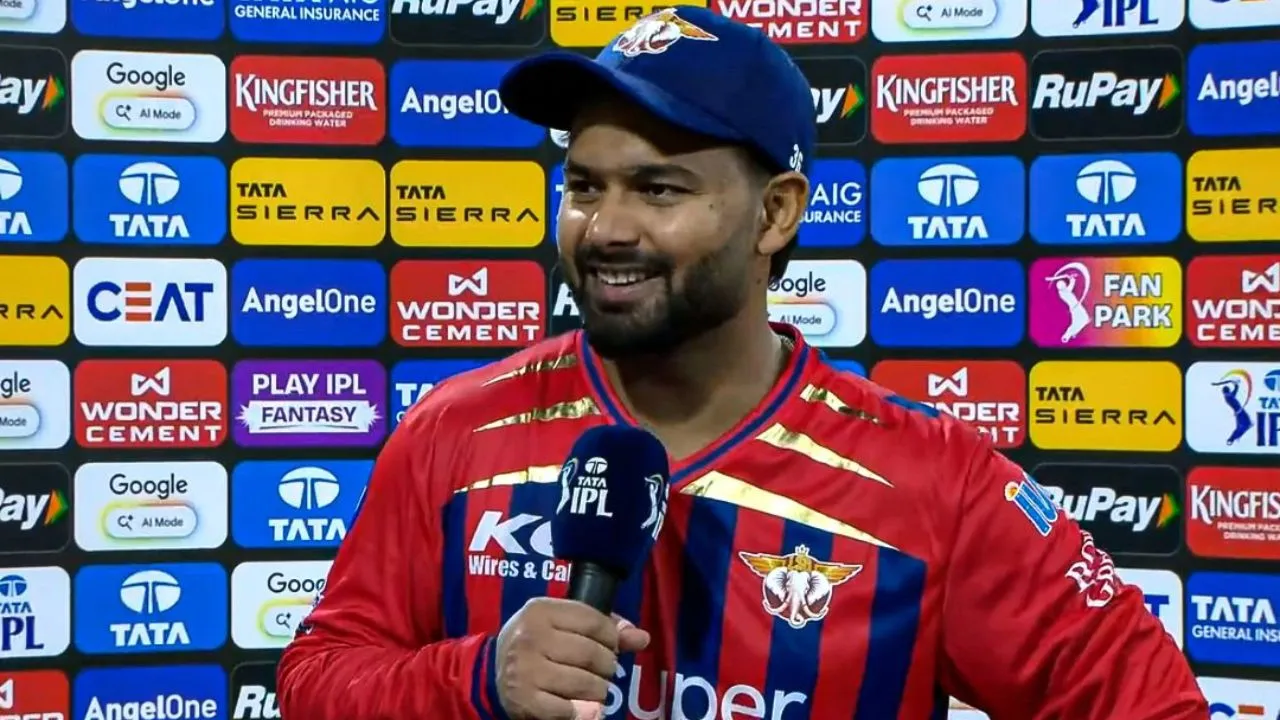
“We didn’t have enough”: Rishabh Pant takes responsibility after LSG’s batting failure in loss to DC in IPL 2026

“Works hard on his game”: Axar Patel lauds Sameer Rizvi after match winning knock vs LSG

KKR vs SRH Match No. 6 Preview: Free Live Streaming, Pitch & Weather Report, Head-to-Head | IPL 2026
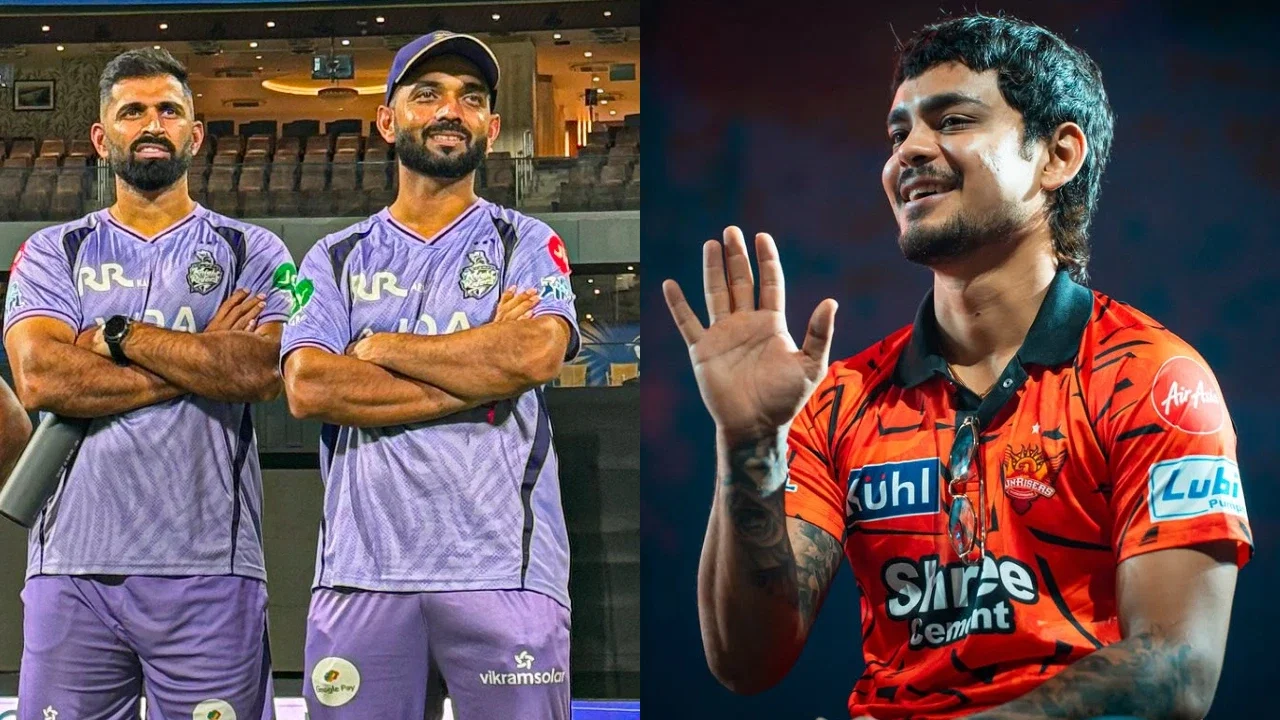
KKR Playing XI vs SRH Playing XI – Match No. 6 | IPL 2026
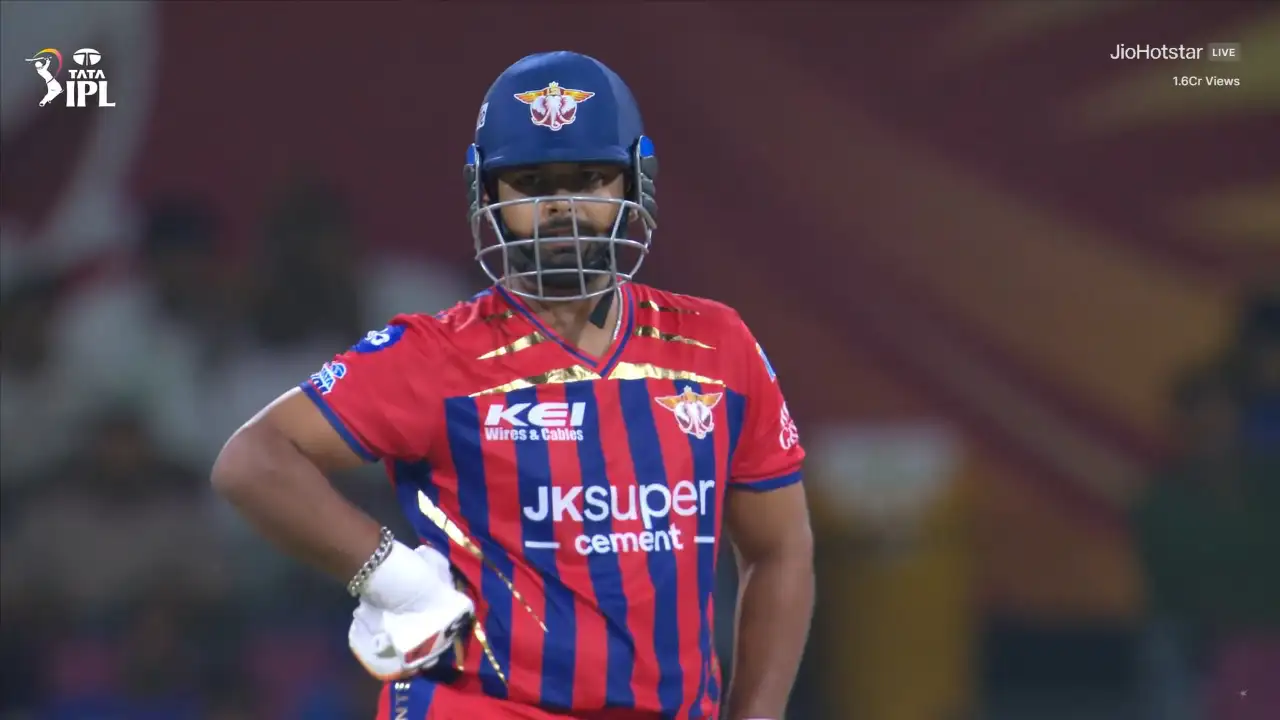
Rishabh Pant’s opening stint cut-short by run-out at non-striker’s end
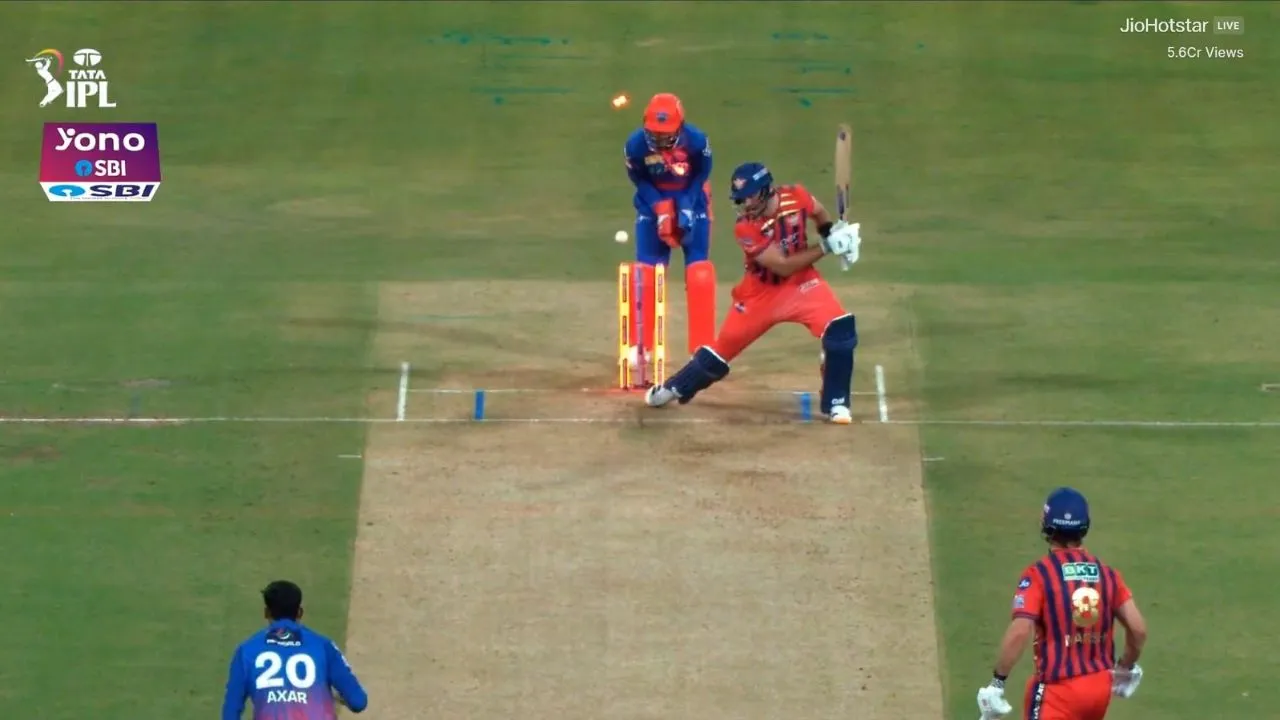
Axar Patel produces a peach to dismiss Aiden Markram in LSG vs DC IPL 2026 clash

Lungi Ngidi bamboozles Nicholas Pooran with stunning off-cutter in LSG vs DC IPL 2026 clash

Lungi Ngidi credits KKR mentor after amazing bowling display vs LSG in IPL 2026 clash

Mohammed Shami gets a dream start dismisses KL Rahul for a golden duck in LSG vs DC IPL 2026 clash
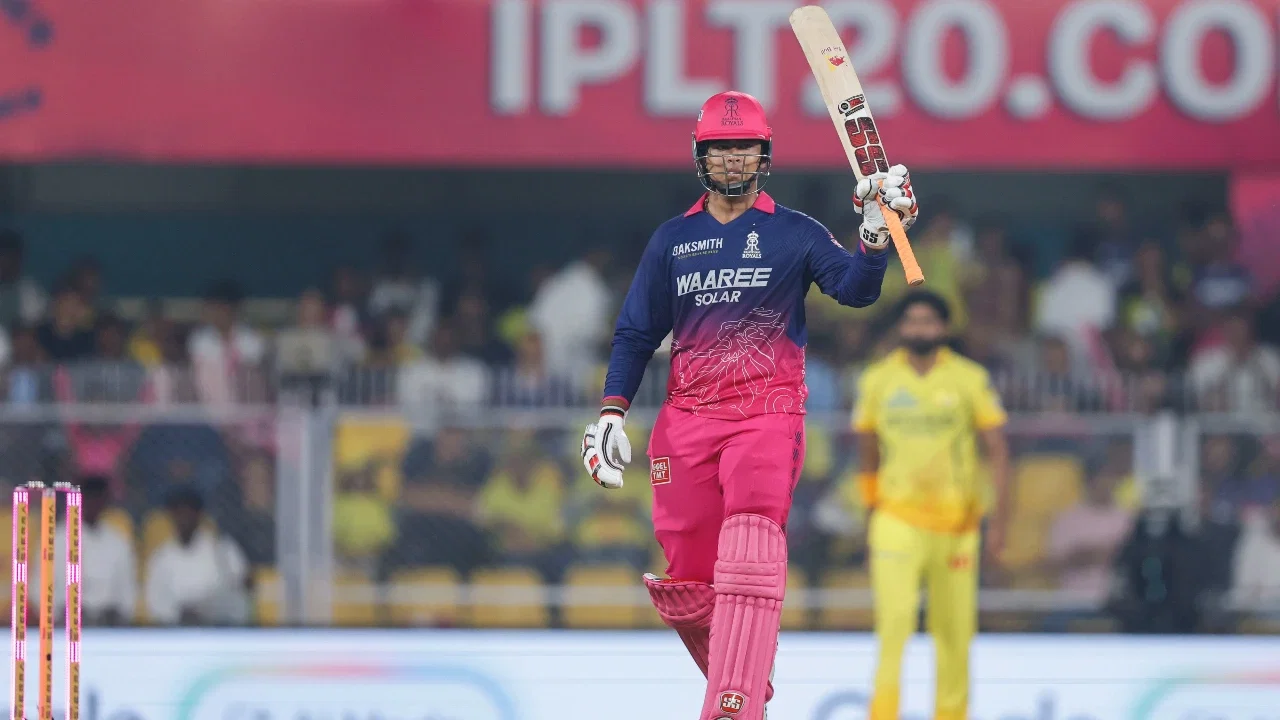
Vaibhav Sooryavanshi to share dressing room with Rohit-Kohli after IPL 2026, predicts ex-Pakistan star