India legend accuses Shreyas Iyer of fooling BCCI with red-ball cricket break
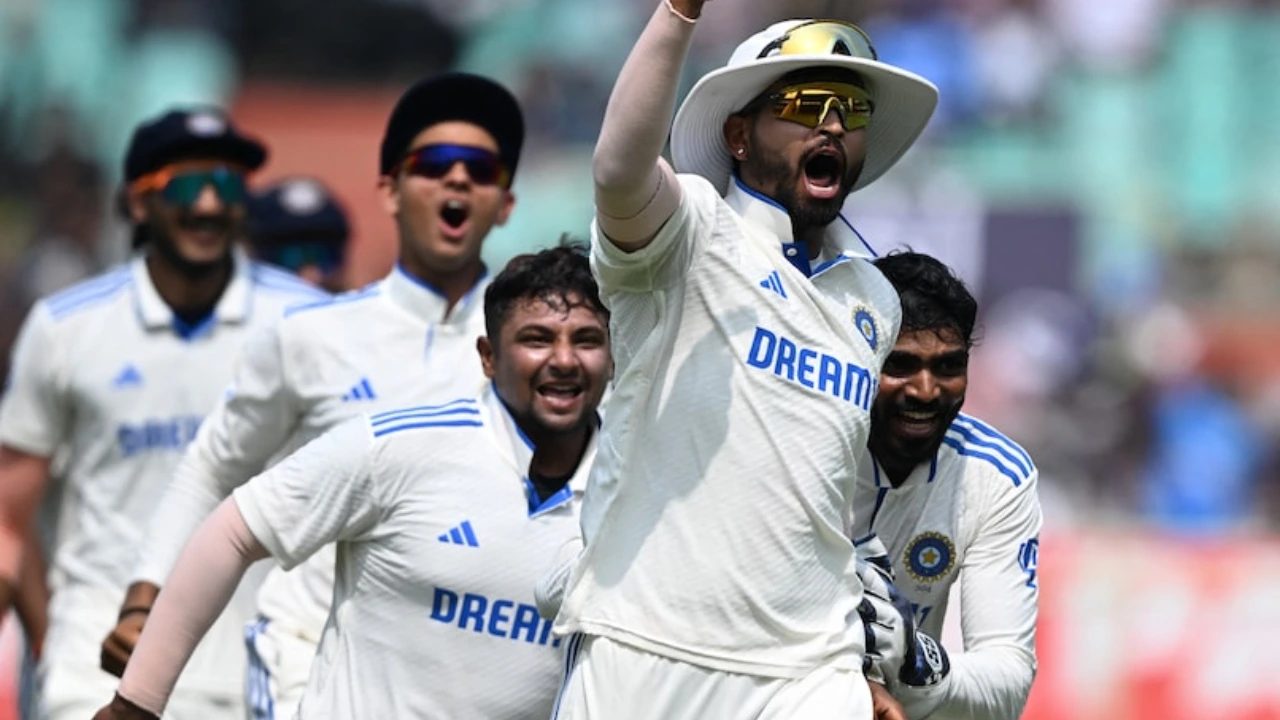
Former India Captain Criticizes Shreyas Iyer’s Decision to Take a Break from Red-Ball Cricket
Former India National Cricket Team skipper Dilip Vengsarkar has recently expressed his disappointment with star batsman Shreyas Iyer’s decision to step away from red-ball cricket for six months. Vengsarkar criticized Iyer for citing fitness issues as the reason for his break, while still being fit to play white-ball cricket.
Shreyas Iyer, a 30-year-old cricketer, has represented India in 14 Test matches, scoring 811 runs at an average of 36.86, with one century and five fifties to his name. However, his last appearance in a Test match was in February 2024, after which he was dropped from the side due to a combination of form and fitness concerns.
Iyer’s Recent Career Move
Despite playing in domestic red-ball matches and being named as the India A skipper for four-day games against Australia A, Shreyas Iyer decided to withdraw from the second match of the series. He was also expected to be included in the Rest of India squad for the Irani Cup and potentially make a comeback to the Indian Test team for the upcoming home series against West Indies.
However, citing back concerns, Iyer requested a six-month break from red-ball cricket, which was approved by the Board of Control for Cricket in India (BCCI). BCCI Secretary Devajit Saikia mentioned that the break would allow Iyer to focus on building endurance and improving his fitness levels.
Vengsarkar’s Criticism
Dilip Vengsarkar expressed his confusion over Iyer’s decision, stating that if a player is fit for white-ball cricket, they should also be fit for red-ball cricket. He emphasized that the distinction between the two formats should not impact a player’s fitness levels.
Vengsarkar’s statement to Mid-day highlighted his dilemma: “To be honest, it’s a dilemma for me, because he [Iyer] says that he is unfit for red-ball cricket, but is fit for the white-ball cricket. I don’t understand the difference between red-ball cricket and white-ball cricket.”
Support for Iyer
Despite the criticism, Shreyas Iyer has received support from former cricketers like Harbhajan Singh. Harbhajan praised Iyer’s impact on the team and expressed his happiness at seeing him back in a leadership role as the vice-captain for India.
Harbhajan remarked, “He’s one of those guys who hardly gets the credit he deserves. We talk about that World Cup in India — he scored back-to-back centuries, and with what pace! He’s an impact player; when he gets going, he makes things easy for the dressing room and the other batters.”
With contrasting opinions on Iyer’s decision, it remains to be seen how this break from red-ball cricket will impact his future performances and role within the Indian cricket team.
The Importance of Mental Health in Cricket
One aspect that often gets overlooked in the discussion surrounding a player’s decision to take a break from a particular format of the game is mental health. Cricket, like any other sport, can be mentally challenging, especially at the international level. The pressure to perform consistently, deal with expectations, cope with failures, and maintain a work-life balance can take a toll on even the most talented athletes.
It is crucial for players to prioritize their mental well-being along with their physical fitness. Taking a break to address any mental health concerns or simply to recharge and refocus can have long-term benefits for both the player and the team. In recent years, there has been a growing awareness and acceptance of mental health issues in cricket, with players feeling more comfortable seeking support and taking necessary breaks when needed.
Evolving Fitness Standards in Different Formats
While Dilip Vengsarkar’s criticism of Shreyas Iyer’s decision to prioritize white-ball cricket fitness over red-ball cricket fitness raises valid points, it is essential to acknowledge the differences in physical demands between the two formats. White-ball cricket, characterized by shorter matches, faster scoring rates, and intense fielding requirements, may prioritize different aspects of fitness compared to red-ball cricket, which typically involves longer playing durations and different strategic considerations.
Players often need to tailor their training regimes and fitness levels based on the specific format they are focusing on. While overall fitness is crucial for any cricketer, there may be nuances in preparation and conditioning that vary between red-ball and white-ball cricket. Understanding these differences and adapting training accordingly can help players perform at their best in each format.
The Impact of Leadership Roles on Players
Shreyas Iyer’s recent appointment as the vice-captain for the Indian cricket team adds another layer to the discussion surrounding his decision to step away from red-ball cricket. Leadership roles come with added responsibilities, both on and off the field. As a vice-captain, Iyer will be expected to lead by example, mentor younger players, and contribute to strategic decision-making within the team.
The pressure of leadership positions can be significant, and players in such roles must balance their own performance with the demands of guiding and motivating their teammates. Taking a break from a particular format may allow Iyer to focus on enhancing his leadership skills, building relationships within the team, and preparing for the responsibilities that come with being a vice-captain.
Looking Ahead: Future Prospects for Shreyas Iyer
As Shreyas Iyer navigates this period of rest and reflection from red-ball cricket, the cricketing world will be watching closely to see how he evolves as a player and leader. The break could provide him with the opportunity to work on specific aspects of his game, address any lingering fitness concerns, and come back stronger and more prepared for the challenges ahead.
With support from teammates, former players, and the cricketing community, Iyer has a strong foundation to build upon as he looks to make a successful return to red-ball cricket. His journey will be marked by resilience, determination, and a commitment to continual growth and improvement both on and off the field.
By considering the broader context of mental health, evolving fitness standards, the impact of leadership roles, and future prospects for Shreyas Iyer, we can gain a more comprehensive understanding of his decision to take a break from red-ball cricket and the potential implications for his cricketing career.
Latest News
Mohsin Naqvi enforces new social media rules for Pakistan players following Naseem Shah incident
Fakhar Zaman officially handed cricket ban after PSL 2026 ball-tampering controversy
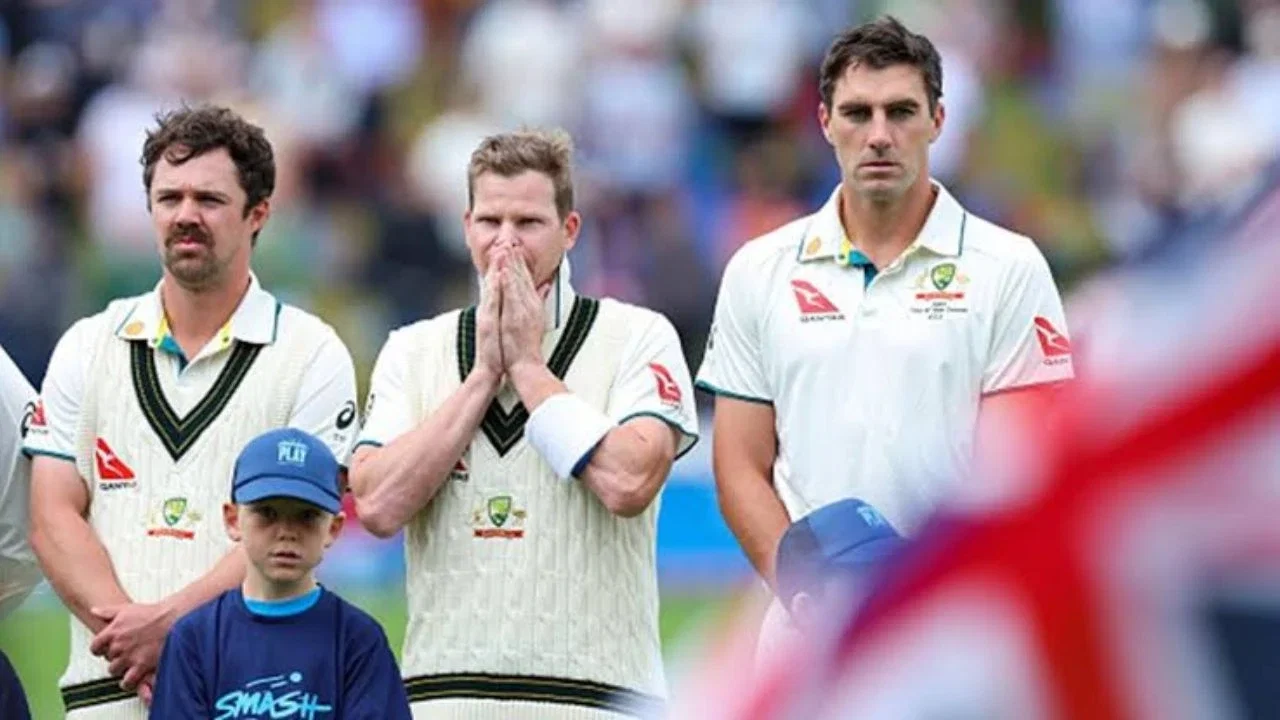
Pat Cummins forces Cricket Australia to slash central contracts list to secure premium deal
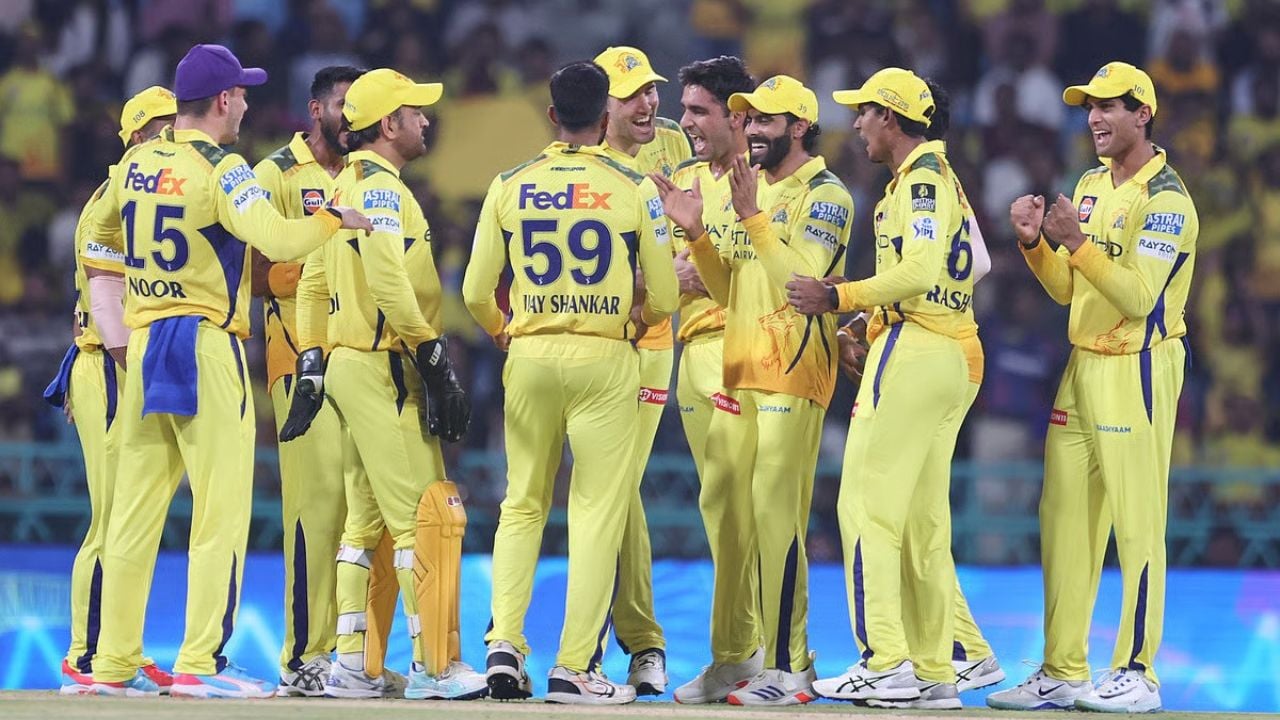
CSK’s big promise to players revealed amid IPL 2026: “Whatever BCCI offers, we’ll double it”
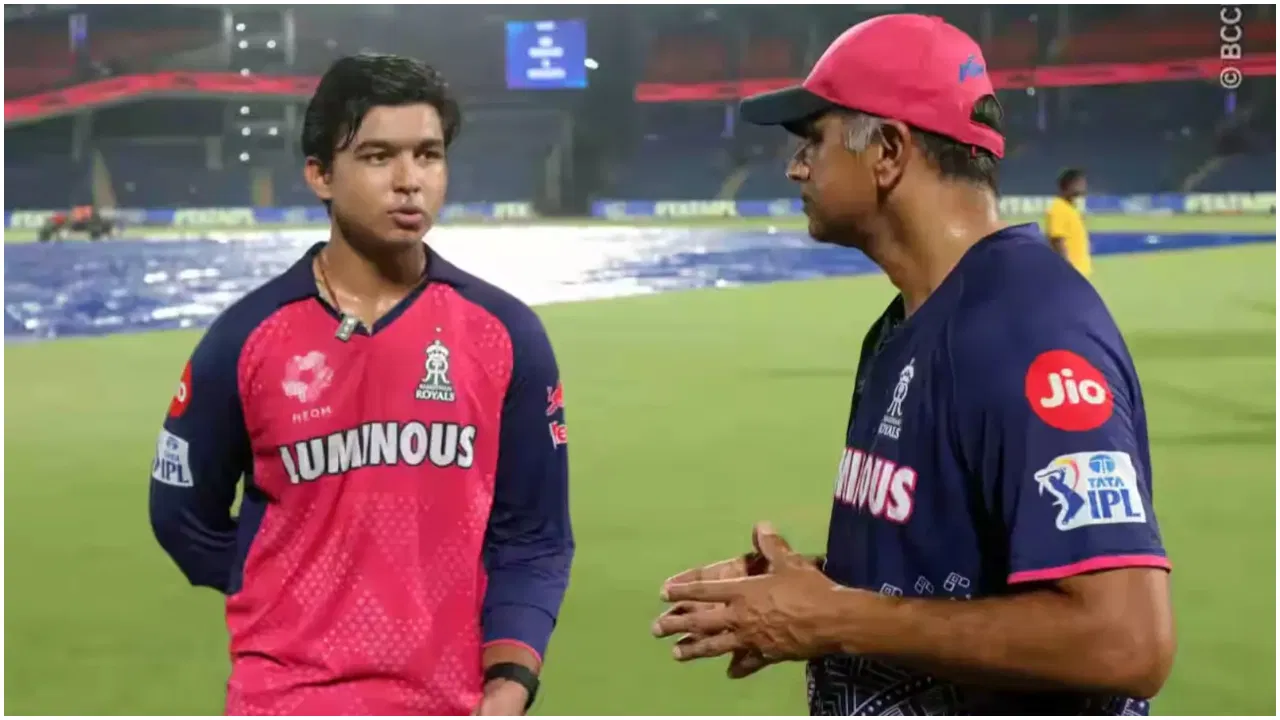
Ravichandran Ashwin rules out Vaibhav Sooryavanshi’s India call-up
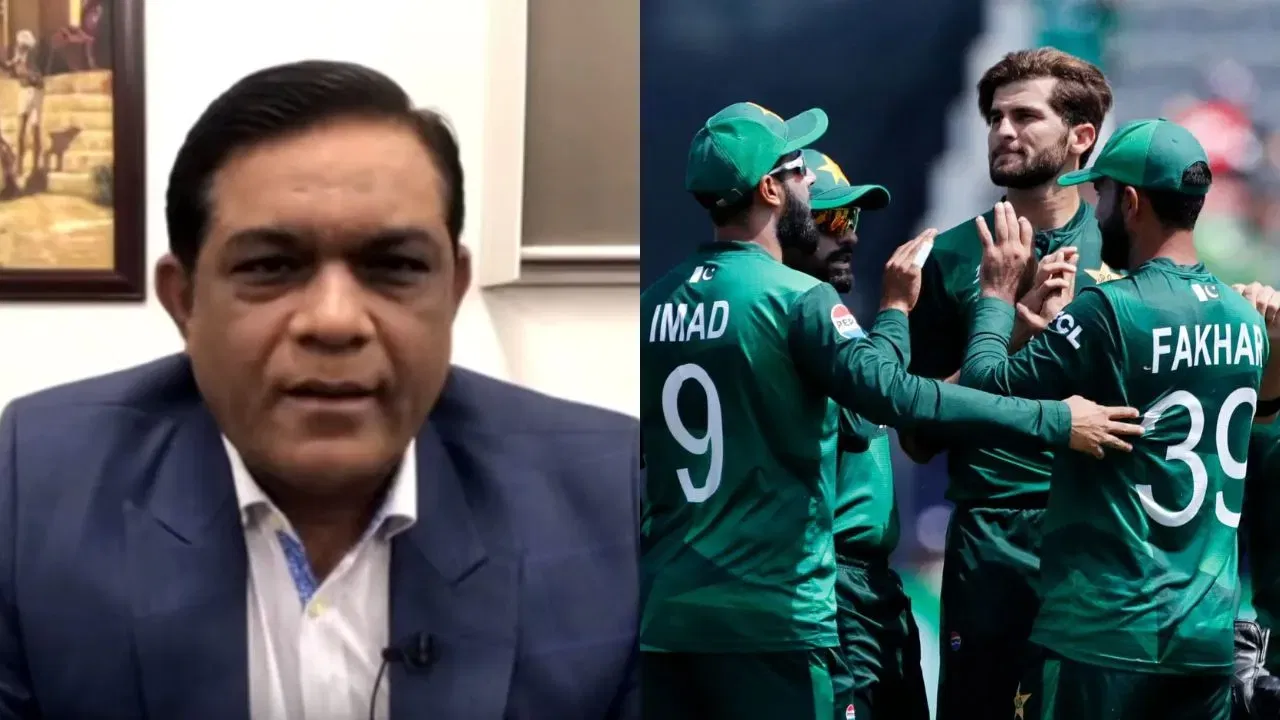
Rashid Latif claims PSL ball-tampering row was deliberately created for attention amid IPL rivalry
Mohammed Shami breaks silence on retirement buzz after India snub; has special message for LSG
Mohammed Shami reveals IPL 2026 Top 4, leaves out five-time champions
Mohammed Shami hits back at Ravichandran Ashwin over LSG’s poor IPL 2026 prediction
Riyan Parag mocked Sanju Samson? Batter’s muscle-flex celebration after sensational 6 vs CSK goes viral
IPL 2026 hit by tragedy! British broadcast engineer dies in Mumbai hotel room
Brad Haddin reveals reality of Shreyas Iyer as captain
Jos Buttler set to dominate IPL 2026, thanks to Ashish Nehra
Ravindra Jadeja says he had no conversation with MS Dhoni after RR move