India legend gets involved in Harbhajan Singh-S Sreesanth slapgate controversy after video leak
The Resurfacing of the Infamous “Slapgate” Incident: A Shocking Revelation
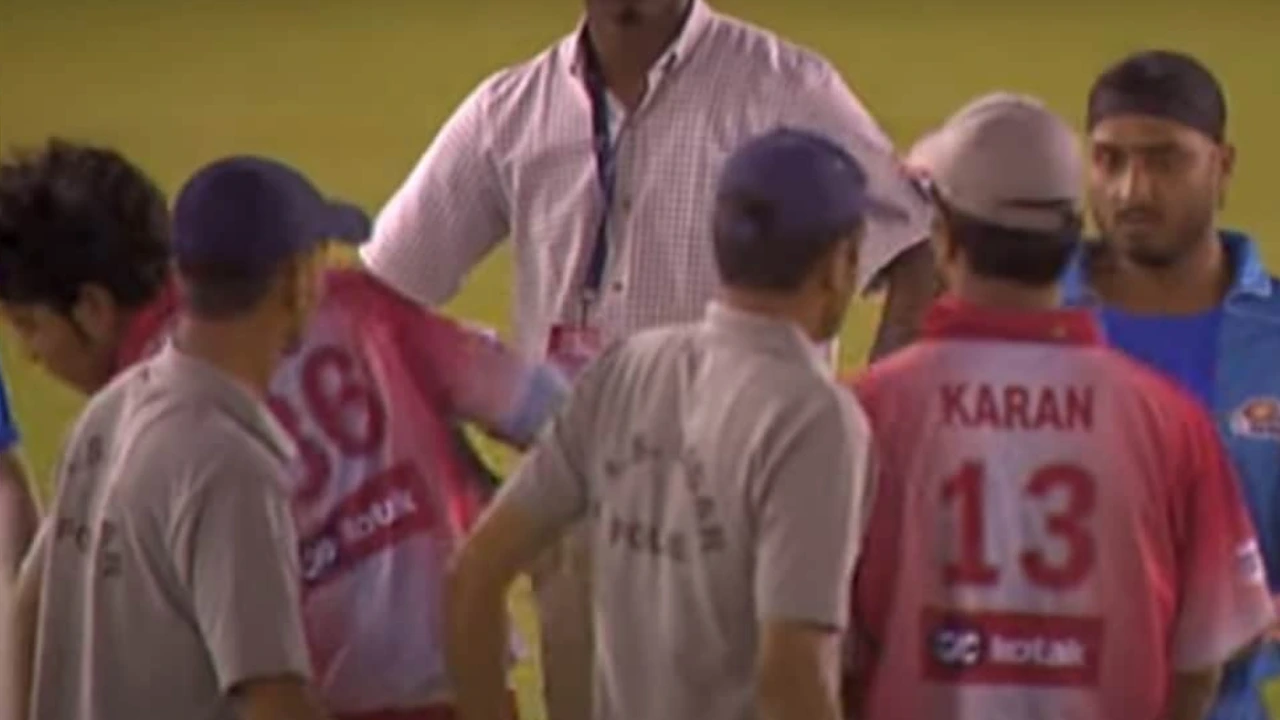
Over a decade after the infamous “slapgate” incident during the first season of the IPL, the cricketing world was rocked once again as unseen footage of the shocking altercation between Harbhajan Singh and S. Sreesanth resurfaced. The incident, which took place in 2008 during a match between the Mumbai Indians and Kings XI Punjab (now Punjab Kings), had remained a mystery for 17 years until former IPL chairman Lalit Modi shared the clip on Michael Clarke’s podcast.
A Blast from the Past
The video clip revealed Harbhajan Singh delivering a backhand slap to Sreesanth’s face, leaving the fast bowler and other players visibly shocked. The release of the footage has reopened old wounds, with Sreesanth’s wife publicly criticizing Lalit Modi and Michael Clarke for bringing the incident back into the spotlight after so many years.
Farokh Engineer Breaks His Silence
Adding to the drama, legendary Indian cricketer Farokh Engineer, who was the match referee on the night of the incident, has finally broken his silence. Engineer, who had kept the details of the incident confidential for nearly two decades, expressed his surprise at the emergence of the footage after all these years. He stated that as the match referee, he had maintained confidentiality and refrained from discussing the incident even with close friends in the media.
Engineer emphasized that the incident was a thing of the past, and both players involved had likely buried their differences long ago. He also commented on the nature of cricket, acknowledging that such incidents often occur in the heat of the moment.
Harbhajan Singh’s Response
Harbhajan Singh, the cricketer at the center of the “slapgate” controversy, admitted once again that he was at fault and expressed his continued remorse over the incident. However, he criticized Michael Clarke and Lalit Modi for releasing the video, stating that it was wrong to bring up the incident after so many years.
Harbhajan acknowledged that humans make mistakes and that he had asked for forgiveness for his actions. He expressed disappointment in the selfish motives behind the video’s release, emphasizing that the incident had long been forgotten by the public.
Lalit Modi’s Justification
In response to the backlash, Lalit Modi defended his decision to release the clip after 17 years, stating that he shared the truth when asked about it by Michael Clarke. Modi claimed that no one had questioned him on the matter previously and described Sreesanth as the victim in the incident.
Despite the controversy surrounding the resurfacing of the “slapgate” incident, it serves as a reminder of the intense emotions and rivalries that can unfold in the high-stakes world of cricket.
The Impact of the Resurfacing Incident
The resurfacing of the “slapgate” incident has reignited debates around sportsmanship, discipline, and the culture of cricket. It has sparked discussions on how such incidents reflect on the players, the teams, and the sport as a whole. The incident serves as a cautionary tale about the consequences of letting emotions get the better of athletes in high-pressure situations.
Moreover, the incident sheds light on the role of technology and social media in bringing past events back into the limelight. In today’s digital age, nothing remains hidden forever, and even long-forgotten controversies can resurface with the click of a button. This underscores the need for athletes to always conduct themselves with integrity and sportsmanship, knowing that their actions may come back to haunt them years later.
Lessons Learned and Moving Forward
While the “slapgate” incident may have been a dark chapter in cricket history, it also presents an opportunity for growth and learning. Both Harbhajan Singh and Sreesanth have matured as individuals and players since the incident, showcasing personal growth and a commitment to sportsmanship.
As fans and observers, it is essential to acknowledge that athletes are human and prone to making mistakes. What matters most is how they own up to those mistakes, learn from them, and strive to be better both on and off the field. The incident serves as a reminder that forgiveness and redemption are possible, even in the face of past misdeeds.
The Evolution of Conflict Resolution in Cricket
Cricket, like any competitive sport, has seen its fair share of heated moments and conflicts over the years. However, the resurfacing of the “slapgate” incident highlights a shift in how such incidents are perceived and addressed in the modern era. There is now greater emphasis on sportsmanship, respect, and fair play, with governing bodies and players alike striving to uphold the spirit of the game.
Conflict resolution mechanisms have also evolved, with players encouraged to resolve their differences through dialogue, mediation, and reconciliation. The incident serves as a reminder of the importance of communication, empathy, and understanding in resolving conflicts and moving forward as a united cricketing community.
Conclusion
In conclusion, the resurfacing of the “slapgate” incident has sparked controversy, reflection, and dialogue within the cricketing world. It serves as a powerful reminder of the complexities of human nature, the enduring impact of past actions, and the evolving dynamics of sportsmanship in a competitive environment.
As fans, players, and stakeholders in the game of cricket, it is essential to learn from the mistakes of the past, embrace growth and forgiveness, and strive to uphold the values of integrity, respect, and fair play. The “slapgate” incident may have been a shocking revelation, but it also presents an opportunity for reflection, reconciliation, and ultimately, redemption.
Latest News
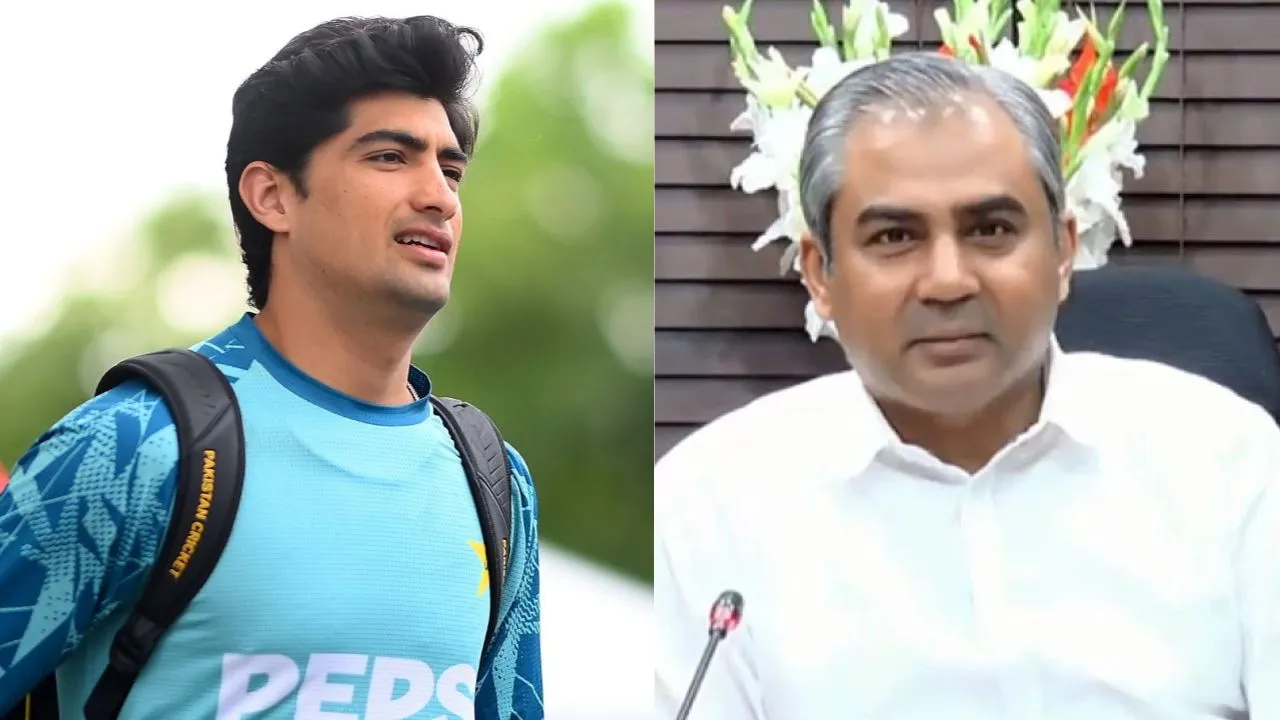
Mohsin Naqvi enforces new social media rules for Pakistan players following Naseem Shah incident
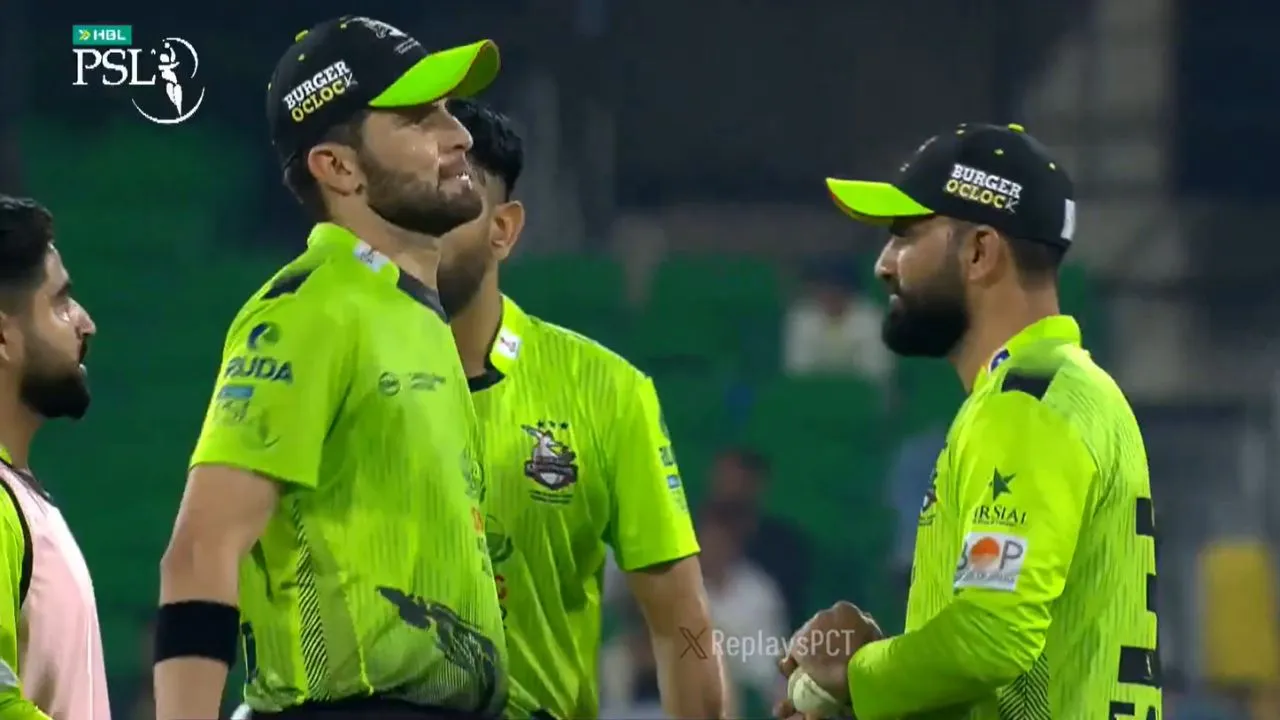
Fakhar Zaman officially handed cricket ban after PSL 2026 ball-tampering controversy
Pat Cummins forces Cricket Australia to slash central contracts list to secure premium deal
CSK’s big promise to players revealed amid IPL 2026: “Whatever BCCI offers, we’ll double it”
Ravichandran Ashwin rules out Vaibhav Sooryavanshi’s India call-up
Rashid Latif claims PSL ball-tampering row was deliberately created for attention amid IPL rivalry
Mohammed Shami breaks silence on retirement buzz after India snub; has special message for LSG
Mohammed Shami reveals IPL 2026 Top 4, leaves out five-time champions
Mohammed Shami hits back at Ravichandran Ashwin over LSG’s poor IPL 2026 prediction
Riyan Parag mocked Sanju Samson? Batter’s muscle-flex celebration after sensational 6 vs CSK goes viral
IPL 2026 hit by tragedy! British broadcast engineer dies in Mumbai hotel room
Brad Haddin reveals reality of Shreyas Iyer as captain
Jos Buttler set to dominate IPL 2026, thanks to Ashish Nehra
Ravindra Jadeja says he had no conversation with MS Dhoni after RR move