India missing Virat Kohli’s magic? Tilak Varma under fire after costly Super 8 blunder
India’s Crushing 76-Run Defeat in T20 World Cup 2026 Sparks Controversy
The recent Super 8 match between India and South Africa in the T20 World Cup 2026 left the cricketing world in shock as India suffered a heavy 76-run loss at the Narendra Modi Stadium in Ahmedabad. The defeat prompted former India captain Kris Srikkanth to openly criticize young batsman Tilak Varma for his poor shot selection.
**India’s Batting Woes**
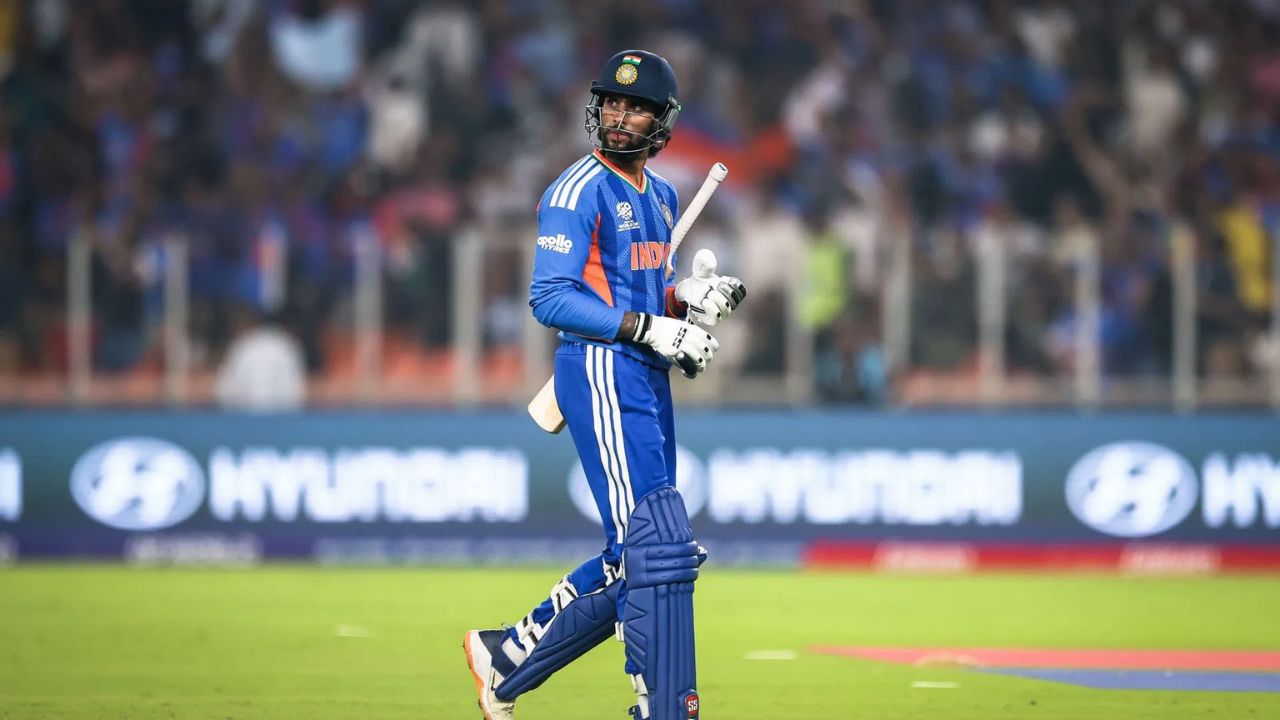
India’s chase of 188 runs got off to a disastrous start as opener Ishan Kishan was dismissed for a duck. The pressure mounted on Tilak Varma as he came to the crease with the team reeling at 5/2. However, Varma’s attempt to take on pacer Marco Jansen on just his second ball backfired as he was out for only one run. This early setback dealt a severe blow to India’s chances, as the team never recovered and was eventually bowled out for a mere 111 runs.
**Srikkanth Questions Varma’s Inclusion**
Following India’s crushing defeat, Kris Srikkanth expressed his disappointment over Varma’s shot selection and suggested that the young batsman could be dropped from the playing XI in favor of Sanju Samson. Srikkanth highlighted Varma’s lackluster performance in the ongoing tournament, where he has managed to score only 107 runs in five matches at an average of 21.40.
Srikkanth emphasized the absence of a big-match player like Virat Kohli, who retired from T20Is after the 2024 World Cup. According to Srikkanth, India is struggling in pressure chases without Kohli’s reliable presence in the lineup. Kohli’s ability to anchor innings and finish games under pressure is sorely missed by the Indian team.
**Nayar Criticizes Sharma and Kishan**
Former Indian batting coach Abhishek Nayar also weighed in on India’s poor shot choices, particularly criticizing Abhishek Sharma and Ishan Kishan for their dismissals against South Africa. Nayar pointed out the need for better decision-making under pressure situations and suggested that the team needs to address these issues moving forward.
The disappointing performance against South Africa has raised concerns about India’s batting lineup and their ability to chase down big totals in high-pressure matches. The absence of experienced players like Virat Kohli has left a void in the team’s middle order, making it difficult for the younger players to step up and deliver when it matters most.
As India regroups and prepares for their upcoming matches in the T20 World Cup 2026, the spotlight remains on the team’s batting woes and the need for a more consistent and composed approach at the crease. Only time will tell if India can bounce back from this setback and make a strong statement in the remainder of the tournament.
**India’s Struggles with Spin Bowling**
In addition to the batting collapses highlighted in the match against South Africa, India’s difficulties against spin bowling have also come under scrutiny. The likes of Tabraiz Shamsi and Keshav Maharaj troubled the Indian batsmen with their spin variations, exposing a vulnerability that teams may look to exploit in the remaining matches of the tournament.
The absence of a high-quality spinner in India’s lineup has been evident, with the team relying heavily on their pace attack to make inroads. The lack of a frontline spinner who can control the middle overs and pick up crucial wickets has been a concern for India, especially on slow and turning tracks where spinners play a significant role.
**The Role of Team Selection in India’s Defeat**
Critics have also pointed out the role of team selection in India’s defeat against South Africa. The decision to persist with certain players despite their inconsistent performances has raised questions about the selectors’ approach to picking the best XI for crucial matches. With a pool of talented players waiting in the wings, the pressure is on the team management to make bold decisions and back players who are in form and capable of delivering under pressure.
**The Mental Aspect of Chasing Big Totals**
The mental aspect of chasing big totals in high-stakes matches cannot be understated. The pressure of a massive target can lead to rushed shot selections, lack of composure, and an overall sense of panic within the batting lineup. India’s inability to handle the pressure of chasing down 188 runs against South Africa highlights the mental fortitude required to succeed in such situations.
Players like Sanju Samson, who have a reputation for remaining calm under pressure and playing match-winning innings, could provide the stability and assurance needed in India’s middle order. The inclusion of players with a proven track record of performing under pressure could be the key to India’s success in future matches.
**The Importance of Leadership in Tough Times**
Amidst the criticism and scrutiny following India’s defeat, the role of captaincy and leadership has also come into focus. Rohit Sharma, who took over the captaincy from Virat Kohli, faces the challenge of leading a relatively inexperienced team in high-pressure situations. The ability to inspire, motivate, and make tactical decisions under duress is crucial for a captain, especially in times of adversity.
The team management and coaching staff will play a vital role in guiding the players through this challenging phase and instilling confidence and belief in their abilities. Building a strong team culture, fostering resilience, and maintaining a positive mindset will be essential in overcoming the setbacks and bouncing back stronger in the remainder of the T20 World Cup 2026.
**Looking Ahead: Opportunities for Redemption**
As India looks ahead to their upcoming matches in the T20 World Cup 2026, there are opportunities for redemption and resurgence. The defeat against South Africa serves as a wake-up call for the team, highlighting areas that need improvement and adjustments that must be made to compete at the highest level.
With talented players capable of turning the tide, India has the potential to regroup, learn from their mistakes, and showcase their true capabilities on the global stage. The challenge now lies in translating potential into performance, seizing key moments, and executing game plans with precision and conviction.
In conclusion, India’s crushing defeat in the T20 World Cup 2026 has sparked controversy and raised important questions about the team’s batting woes, spin bowling challenges, team selection decisions, mental resilience, leadership, and opportunities for redemption. As the tournament progresses, all eyes will be on India as they strive to overcome obstacles, showcase their talent, and make a statement on the world stage.
Latest News
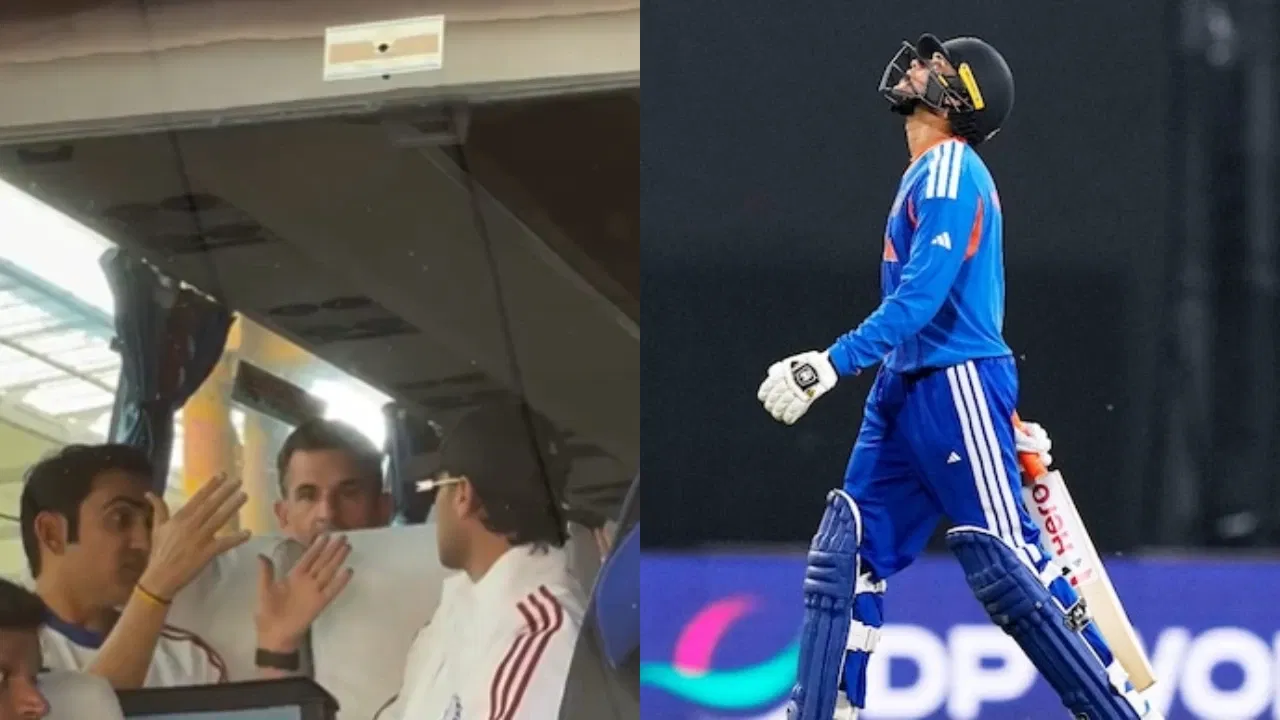
Gautam Gambhir caught scolding Abhishek Sharma inside team bus amid horror show in T20 World Cup 2026
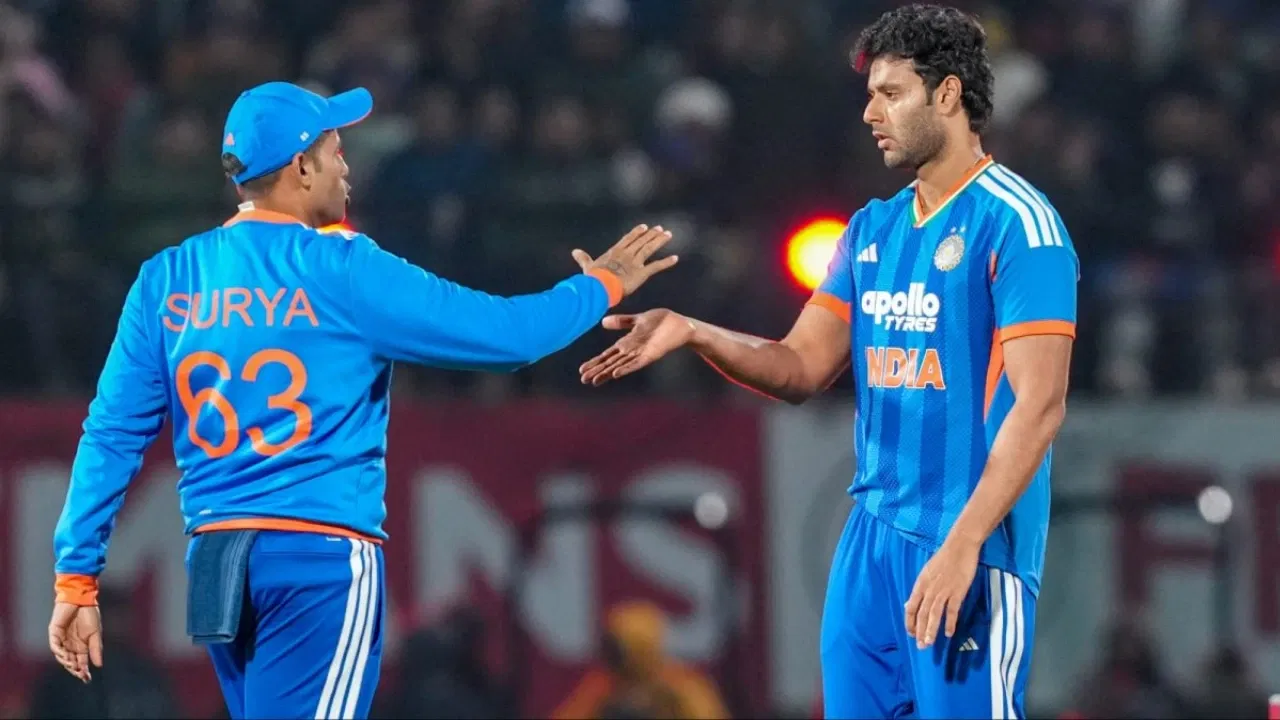
“Tune hi toh bola tha” – Suryakumar Yadav, Shivam Dube involved in heated exchange in loss to South Africa
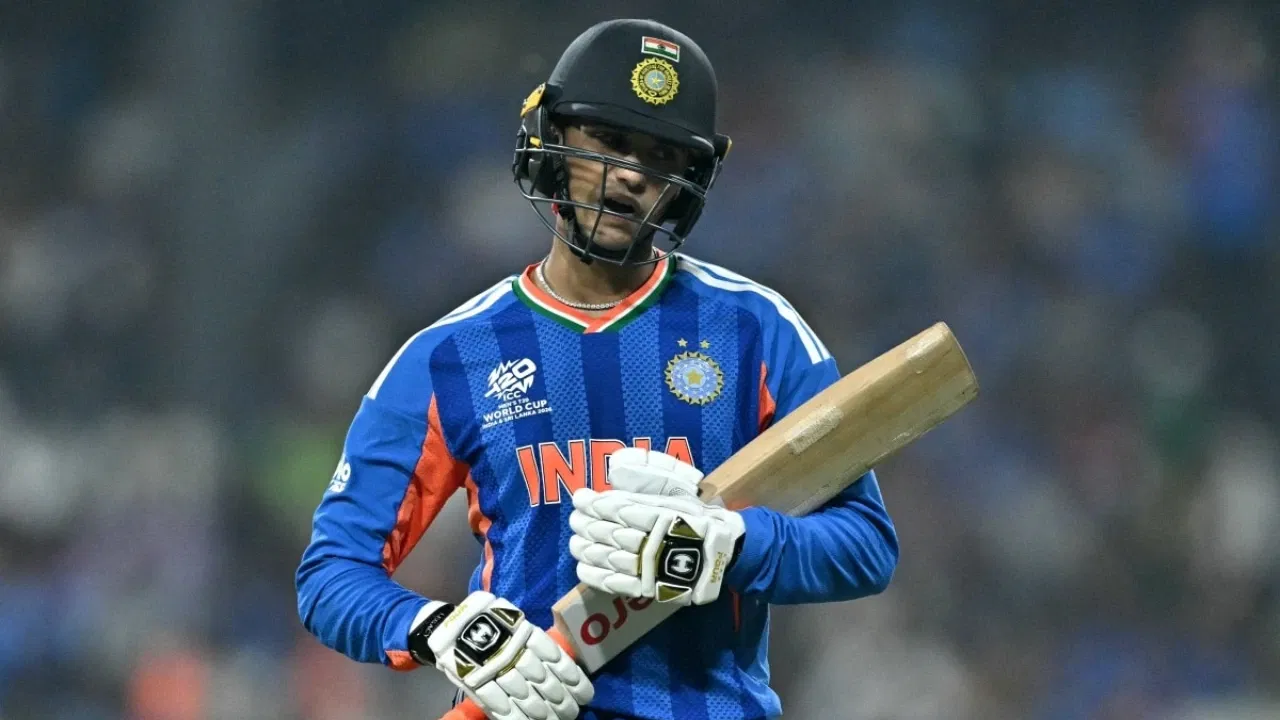
Abhishek Sharma hiding injury from team management? Shocking development emerges
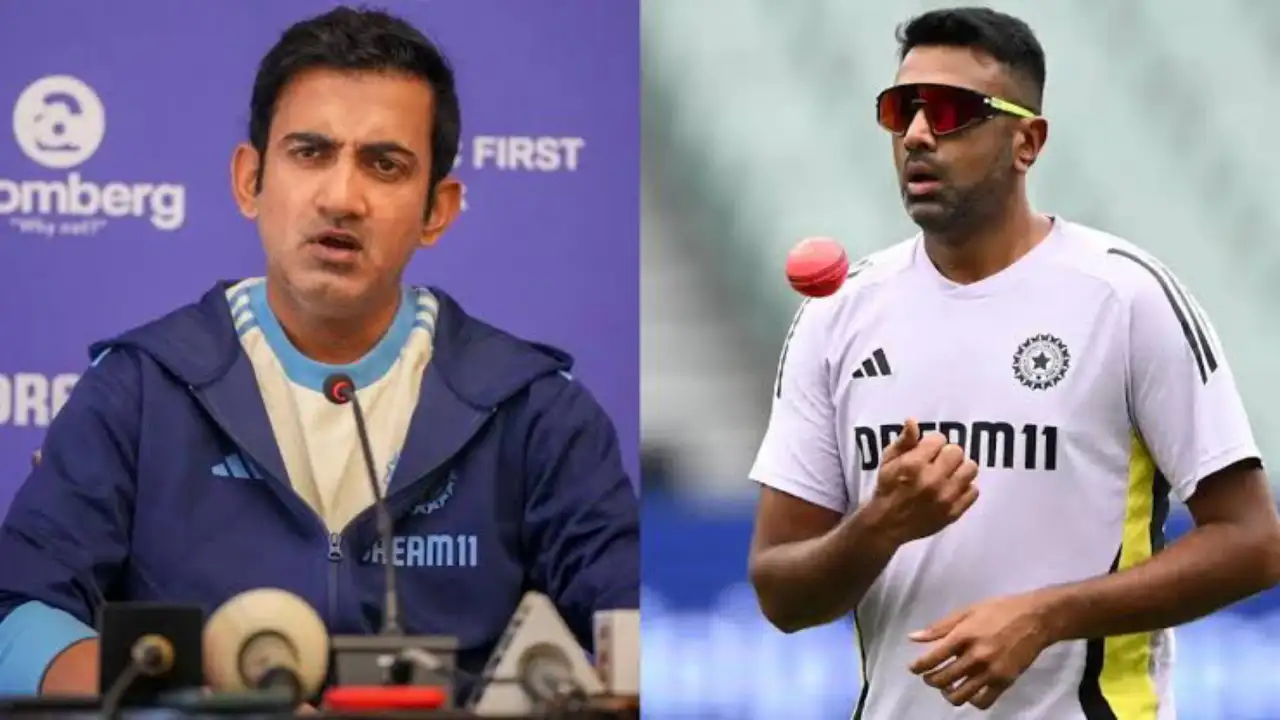
Gautam Gambhir’s experiments make Team India unstable! Ravichandran Ashwin makes shocking accusation
Gautam Gambhir’s experiments make Team India unstable! Ravichandran Ashwin makes shocking accusation
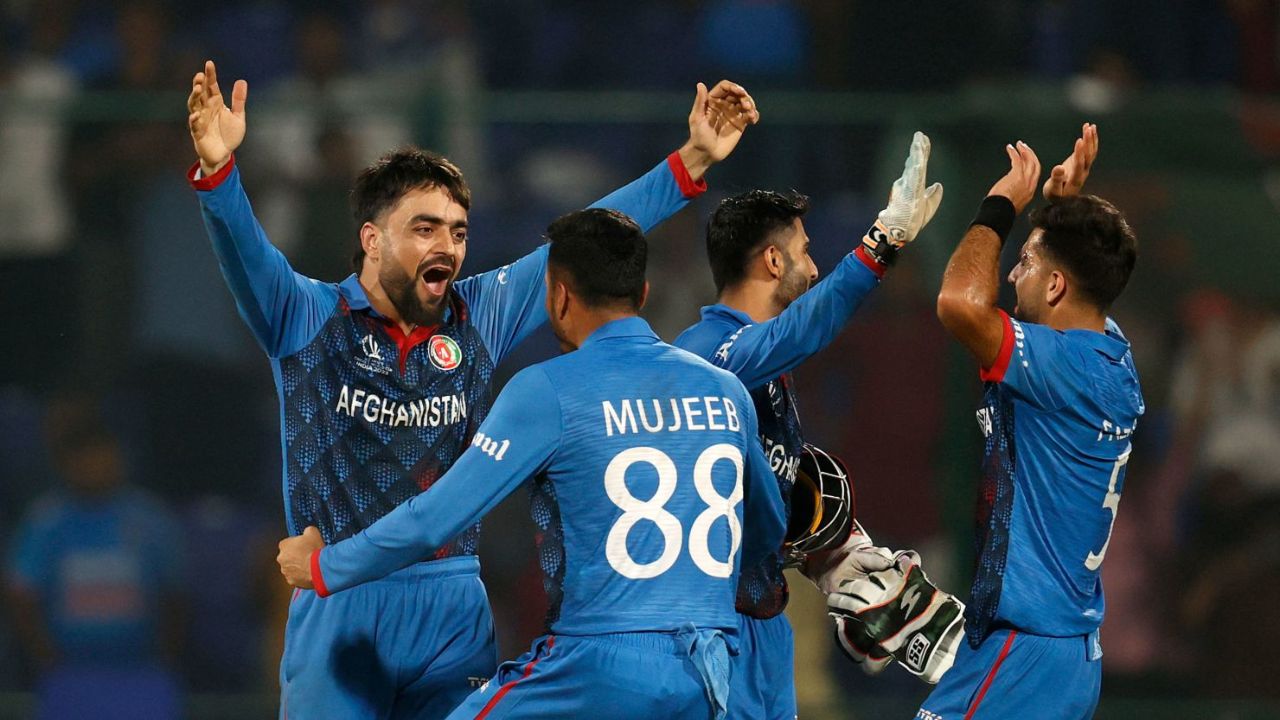
Afghanistan announce full schedule for white-ball series against Sri Lanka in March 2026
India missing Virat Kohli’s magic? Tilak Varma under fire after costly Super 8 blunder
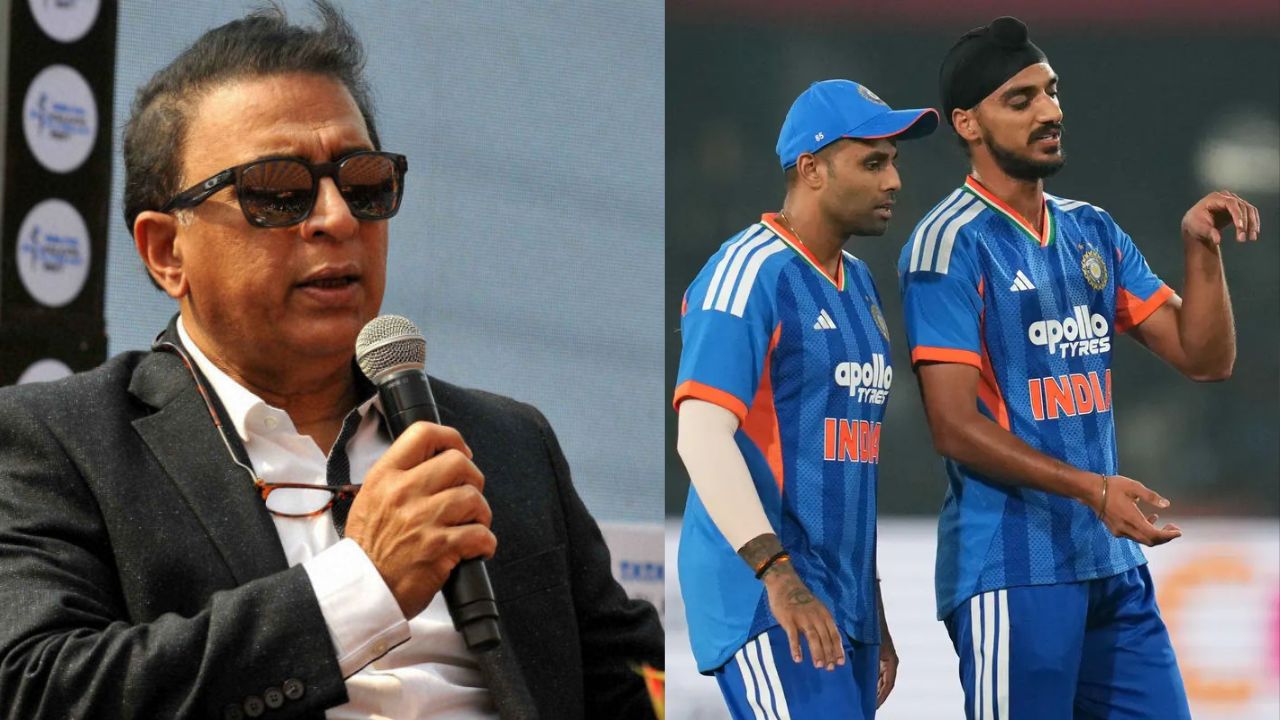
Sunil Gavaskar destroys ‘overconfident’ India batters after crushing loss vs South Africa in T20 World Cup
Sunil Gavaskar destroys ‘overconfident’ India batters after crushing loss vs South Africa in T20 World Cup
Sanjay Manjrekar exposes Suryakumar Yadav’s inability to lead from the front
KKR head coach brutally trolls Abhishek Sharma, Ishan Kishan after their ducks in T20 World Cup 2026
Babar Azam’s teammate issues official statement on The Hundred controversy involving Pakistan cricketers
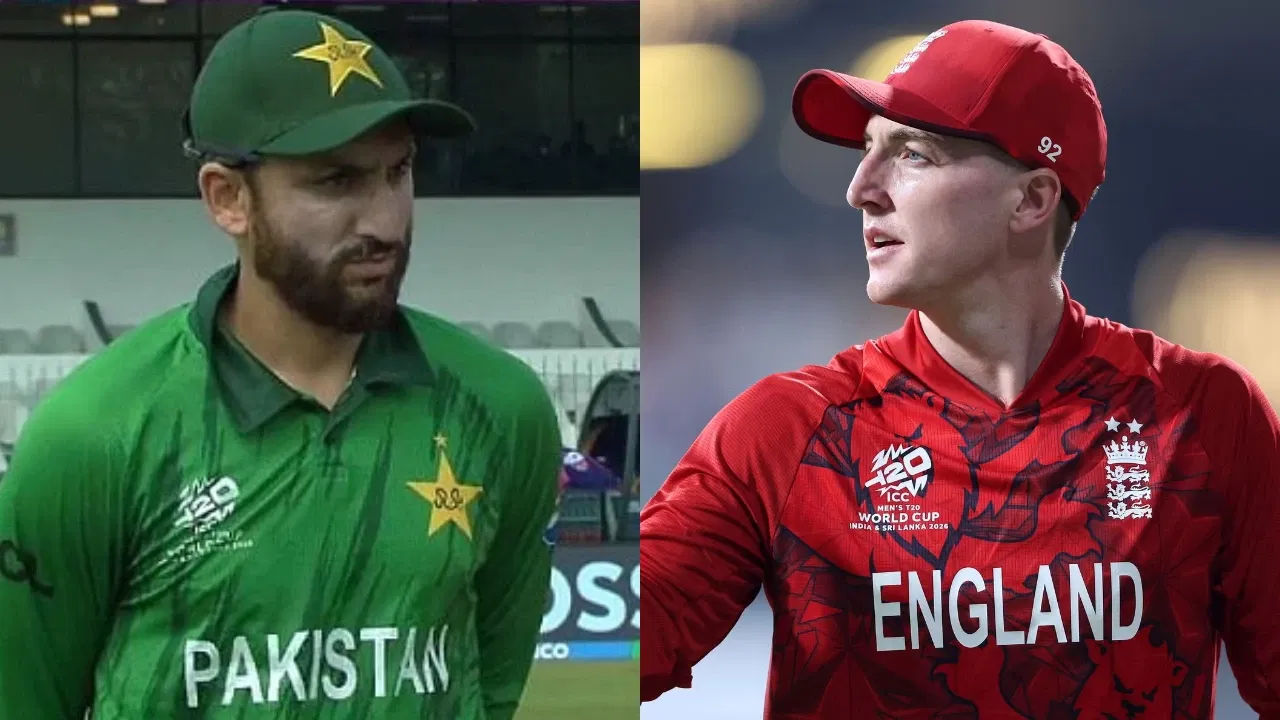
ENG vs PAK Preview – Match 45, Super 8 Group 2: Free Live Streaming, Pitch & Weather Report, Head-to-Head | T20 World Cup 2026
ENG vs PAK Match Prediction – Who Will Win Match 45, Super 8 Group 2? | T20 World Cup 2026