India stick to ‘No-Handshake’ stance despite ICC request ahead of U19 match vs Pakistan
India U19 Maintains No-Handshake Policy in U19 Asia Cup Clash with Pakistan
Background
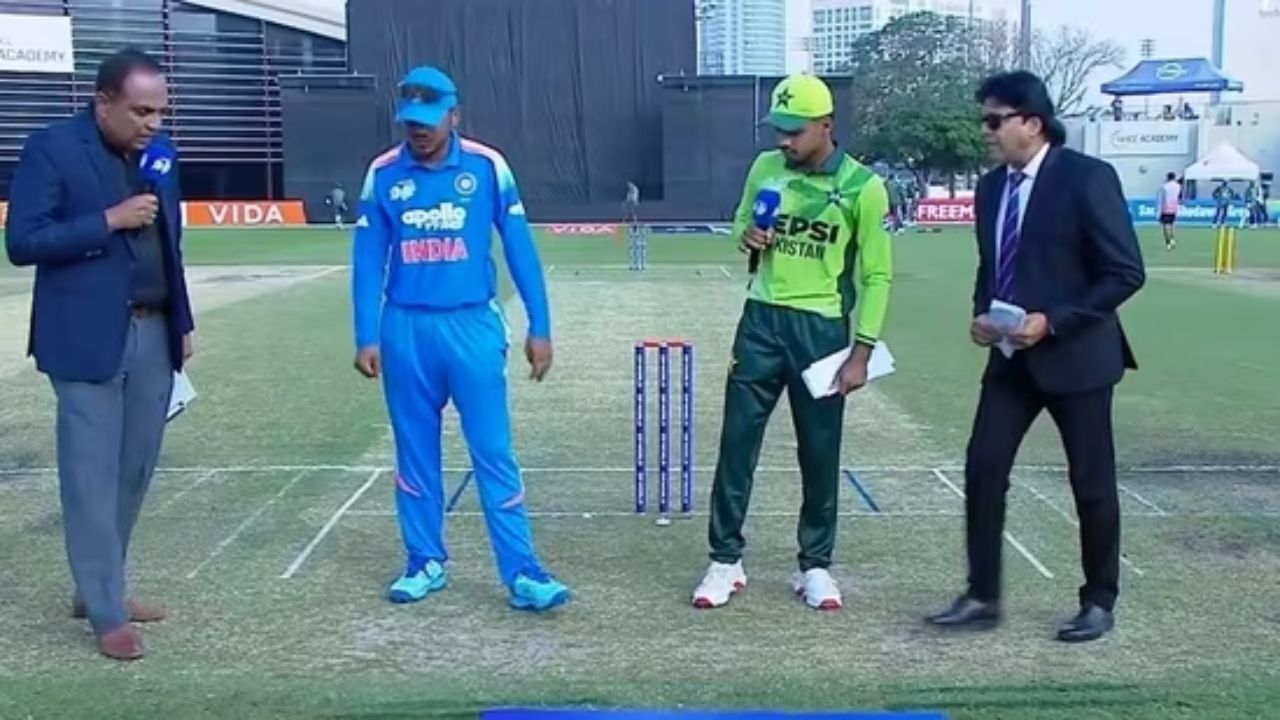
In a continuation of the no-handshake approach adopted by the senior Indian cricket team after the Pahalgam terror attack during the Asia Cup 2025, the U19 side led by Captain Ayush Mhatre chose not to shake hands with Pakistan skipper Farhan Yousaf at the toss during their match at the ICC Cricket Academy on Sunday, December 14.
Match Overview
India and Pakistan were facing each other in their second Group A match of the U19 Asia Cup. Both teams had started the tournament with massive victories – India defeating the UAE by 234 runs, and Pakistan overpowering Malaysia by 297 runs, setting the stage for a highly anticipated clash between the arch-rivals.
ICC’s Urges India to Reconsider Policy
Prior to the U19 match, the International Cricket Council (ICC) had urged India to reconsider their no-handshake policy, stating that youth cricket should remain free from political issues. This policy was initially adopted during the senior Asia Cup in Dubai as a gesture of support for the Indian Army and Pahalgam attack victims and continued in subsequent tournaments involving Pakistan.
The ICC shared its viewpoint with India but did not enforce any changes, leaving the final decision to the Board of Control for Cricket in India (BCCI). The only requirement was to inform the match referee beforehand if India intended to uphold the no-handshake policy.
Toss Decision and Captain’s Statements
During the U19 Asia Cup clash, Ayush Mhatre opted not to shake hands with Farhan Yousaf at the toss, following the established policy. Both captains proceeded directly to their respective duties without the usual exchange of pleasantries, maintaining a distance and minimal interaction before the match.
After winning the toss, Yousaf chose to bowl first, citing moisture on the pitch as a factor. He expressed confidence in his bowlers and aimed to restrict India to around 200 runs. Mhatre, on the other hand, mentioned that they would have bowled first as well due to the conditions but were prepared to bat well and stick to their strategies for a successful match.
Team Lineups
India U19: Ayush Mhatre(c), Vaibhav Suryavanshi, Aaron George, Vihaan Malhotra, Vedant Trivedi, Abhigyan Kundu(w), Kanishk Chouhan, Khilan Patel, Deepesh Devendran, Kishan Kumar Singh, Henil Patel
Pakistan U19: Usman Khan, Sameer Minhas, Ali Hassan Baloch, Ahmed Hussain, Farhan Yousaf(c), Hamza Zahoor(w), Huzaifa Ahsan, Niqab Shafiq, Abdul Subhan, Mohammad Sayyam, Ali Raza
In conclusion, the U19 clash between India and Pakistan not only showcased intense cricket rivalry but also highlighted the continuation of a significant policy decision that has been maintained by the Indian team across various ICC and ACC events. The match promises to be a thrilling encounter between two talented youth sides vying for victory.
Historical Context of India-Pakistan Cricket Rivalry
The intense rivalry between India and Pakistan on the cricket field dates back to their first Test match in 1952. Over the years, the matches between the two sides have been marked by fierce competition, high emotions, and a huge fan following. The political tensions between the two nations have often spilled over into cricket, making it more than just a sport.
Impact of No-Handshake Policy
The decision of the Indian cricket team, both senior and U19, to maintain a no-handshake policy with Pakistan has sparked debates among fans, experts, and officials. While some view it as a powerful gesture of solidarity and support for national causes, others believe that sports should remain apolitical and that such actions could hinder the spirit of sportsmanship and camaraderie.
By consistently upholding this policy across different tournaments, India is sending a clear message about its stance on certain issues, especially when it comes to relations with Pakistan. The decision not only reflects the team’s values and beliefs but also serves as a form of silent protest or statement on the global stage.
Controversies and Reactions
The no-handshake policy has not been without its share of controversies and mixed reactions. While some support India’s stand and commend their commitment to principles, others criticize it for potentially escalating tensions and politicizing cricket, which is meant to bring people together through the spirit of the game.
Amidst the ongoing debates, the ICC’s stance on urging India to reconsider the policy showcases the delicate balance between respecting individual team decisions and ensuring that cricket remains a platform for unity and sportsmanship.
Future of Indo-Pak Cricket Relations
As the India-Pakistan cricket rivalry continues to captivate fans around the world, the future of bilateral cricketing relations between the two nations remains uncertain. While cricket has often been seen as a bridge between the two countries, political tensions and security concerns have led to sporadic disruptions in scheduled matches.
Despite the challenges, there is hope that cricket diplomacy can prevail, allowing for more opportunities for India and Pakistan to compete on the field and foster goodwill among players and fans. The no-handshake policy, in its own way, adds another layer to the complex tapestry of Indo-Pak cricket relations, serving as a reminder of the broader context in which the sport is played.
Conclusion
In the world of cricket, where rivalries are fierce and emotions run high, every decision and action holds significance. The no-handshake policy adopted by India in matches against Pakistan is a testament to the multifaceted nature of sports, where boundaries between athletics, politics, and identity blur.
As the U19 teams of India and Pakistan continue to compete in the U19 Asia Cup and beyond, the echoes of history, politics, and sportsmanship will reverberate through every match, shaping the narrative of one of the most storied rivalries in cricket.
Latest News
Mumbai Indians suffer blow! Mitchell Santner, Will Jacks ruled out of IPL 2026 games
MI vs KKR Match Prediction – Who Will Win Match No.2? | IPL 2026
Mumbai Indians Playing XI vs Kolkata Knight Riders Playing XI- Match No. 2 | IPL 2026
MI vs KKR Match 2 Preview: Free Live Streaming, Pitch & Weather Report, Head-to-Head | IPL 2026
Not English cricket! Jos Buttler credits IPL for his success as a cricketer
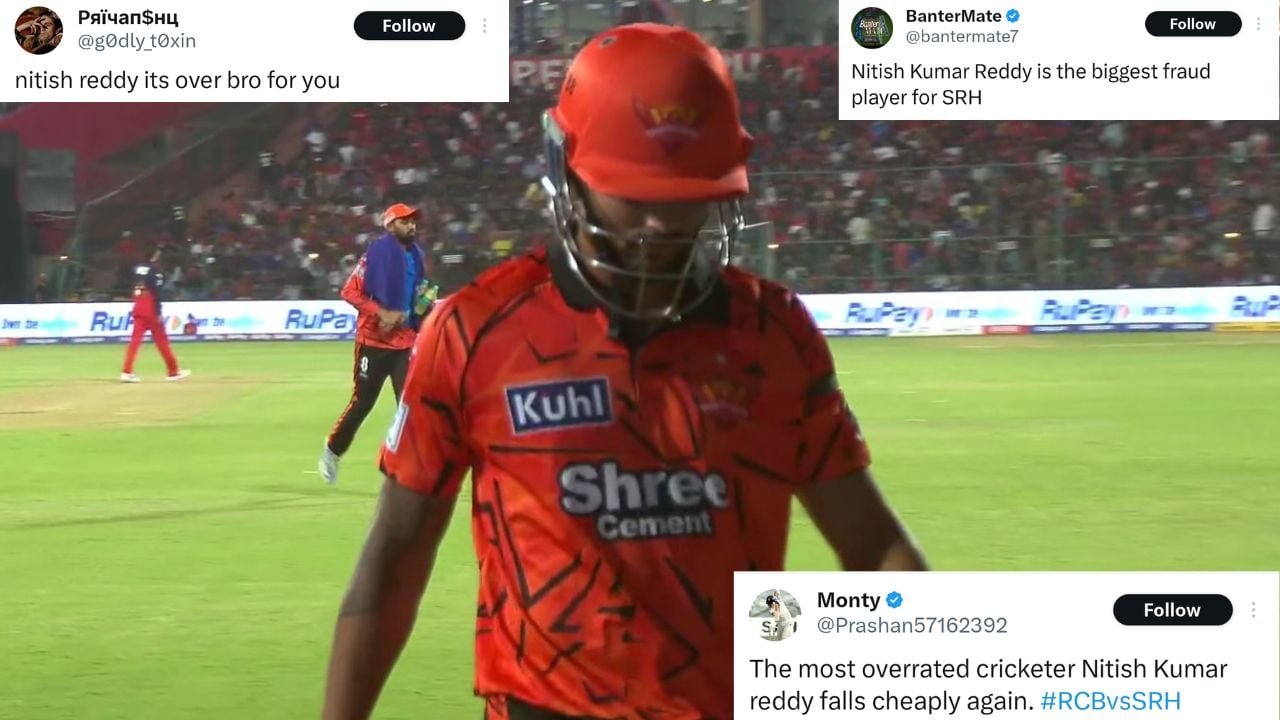
“Nitish Kumar Reddy is biggest fraud”: Fans fume as SRH star fails vs RCB in IPL 2026 opener
Who is Abhinandan Singh? The Virat Kohli troublemaker who made his IPL debut for RCB vs SRH
Heinrich Klaasen engages in heated chat with 4th umpire after Phil Salt’s controversial catch in IPL 2026
Phil Salt grabs one of the greatest catches in IPL history to dismiss Ishan Kishan
Anushka Sharma laughs as Virat Kohli drops a sitter in RCB vs SRH clash (Watch Video)
Anushka Sharma laughs as Virat Kohli drops a sitter in RCB vs SRH clash (Watch Video)
Anushka Sharma laughs as Virat Kohli drops a sitter in RCB vs SRH clash (Watch Video)
Anushka Sharma laughs as Virat Kohli drops a sitter in RCB vs SRH clash (Watch Video)
Anushka Sharma laughs as Virat Kohli drops a sitter in RCB vs SRH clash (Watch Video)