India vs Pakistan: Jay Shah’s ICC grills PCB over ‘force majeure’ excuse for dodging IND vs PAK clash
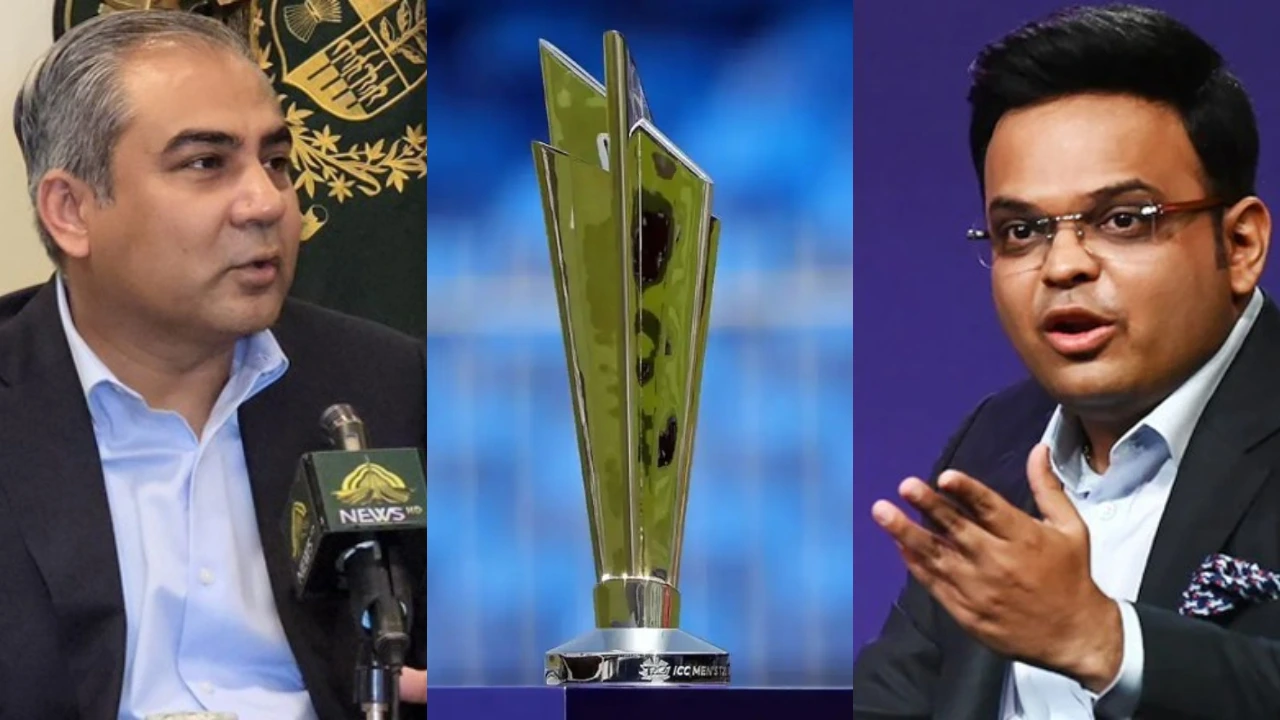
Pakistan Seeks Force Majeure to Skip India vs Pakistan Clash at T20 World Cup 2026
The much-anticipated India vs Pakistan Group A clash at the ongoing T20 World Cup 2026 has taken a controversial turn as the Pakistan Cricket Board (PCB) seeks to skip the match, sparking demands from the International Cricket Council (ICC) for clear answers.
Controversy Surrounding Force Majeure Request
The Pakistan Cricket Board (PCB) has requested the International Cricket Council (ICC) to invoke the Force Majeure rule to allow them to skip the India vs Pakistan match scheduled for February 15 at the R. Premadasa Stadium in Colombo. This decision comes following a tweet from the Pakistan government instructing PCB to avoid facing the Indian cricket team in the T20 World Cup 2026.
The PCB is aiming to activate the ‘Force Majeure’ clause, arguing that the situation is beyond their control based on the government’s directive. However, the ICC has raised questions regarding the justification for invoking this clause and how it applies to skipping only one match while participating in the rest of the tournament.
ICC’s Response and Call for Clarity
The ICC has responded to the PCB’s request by seeking clarification on the use of the Force Majeure clause. The governing body has expressed concerns about the potential consequences of allowing such a decision, highlighting the impact it could have on the tournament’s commercial and governance aspects.
Reports indicate that the ICC and PCB are engaged in discussions to address the sensitive issue surrounding the high-profile clash. The ICC has emphasized the importance of following fair processes and maintaining open dialogue to reach a resolution without compromising the tournament’s integrity.
Understanding Force Majeure in Cricket
Force majeure is a contractual provision that allows parties to skip or delay obligations in exceptional circumstances beyond their control, such as natural disasters, wars, government orders, or emergencies. To invoke this clause, the incident must be unforeseen and unavoidable, with efforts made to mitigate its impact. Ordinary issues or political decisions typically do not meet the criteria for Force Majeure.
In the midst of ongoing discussions between the ICC and PCB, the outcome remains uncertain as stakeholders strive to find a mutually agreeable solution that upholds the spirit of fair play and sportsmanship.
Stay tuned for further updates on the evolving situation surrounding the India vs Pakistan clash at the T20 World Cup 2026.
The Significance of India vs Pakistan Matches
India vs Pakistan cricket matches have always been highly anticipated events in the world of cricket, marked by intense rivalries and passionate fan bases on both sides. These encounters go beyond mere sporting contests and carry political, cultural, and historical significance, making them some of the most-watched and talked-about fixtures in the sport.
The rivalry between India and Pakistan dates back to their independence in 1947, with cricket serving as a battleground where national pride and supremacy are at stake. Matches between the two nations often transcend the boundaries of the cricket field, impacting diplomatic relations and public sentiment in both countries.
Given the historical context and emotional investment associated with India vs Pakistan games, any decision to skip or alter the schedule of such a match is bound to attract controversy and scrutiny from fans, officials, and the media alike.
The Impact on Tournament Dynamics
The request by the PCB to skip the India vs Pakistan clash at the T20 World Cup 2026 could have far-reaching implications for the tournament’s dynamics, integrity, and viewership. The absence of this high-profile match not only affects the competitive balance within the group but also alters the overall narrative and excitement surrounding the event.
Furthermore, the ICC’s response to Pakistan’s Force Majeure request sets a precedent for future instances where teams may seek to circumvent certain fixtures based on external factors. The governing body’s decision on how to handle this situation will shape the rules and regulations governing international cricket tournaments moving forward.
The Role of Political Interference in Sports
The involvement of the Pakistan government in instructing the PCB to skip the India vs Pakistan match raises questions about the influence of political entities in sports decisions. While it is not uncommon for governments to take an interest in sporting events, the extent to which such interference should be allowed in the realm of cricket governance remains a contentious issue.
The delicate balance between sports and politics is often tested when national pride and identity become intertwined with on-field performances. The ICC’s stance on maintaining the autonomy and impartiality of cricket as a global sport will be crucial in navigating the complexities of political interventions in the future.
Resolving the Conflict and Moving Forward
As the discussions between the ICC and PCB continue, finding a resolution that satisfies all stakeholders while upholding the principles of fairness, competition, and sportsmanship is paramount. The outcome of this situation will not only impact the immediate fate of the T20 World Cup 2026 but also set a precedent for handling similar disputes in the future.
Ultimately, the spirit of cricket lies in fostering healthy competition, mutual respect, and the celebration of the game itself. Regardless of the outcome of the India vs Pakistan clash at the T20 World Cup 2026, the lessons learned from this episode can contribute to strengthening the sport’s integrity and resilience against external pressures.
As cricket enthusiasts around the world await further developments in this unfolding saga, the spectacle of India vs Pakistan cricket matches continues to capture hearts and minds, reminding us of the enduring power and magic of sport.
Latest News
IPL 2026 second-half schedule announcement date revealed by BCCI secretary
LHQ vs HYDK Match Prediction, Pitch & Weather Report, Playing XIs, Head-to-Head, Free Live Streaming – PSL 2026 Match 1
Aditya Birla Group confirms NO NAME CHANGE plans after RCB takeover
Virat Kohli will win Orange Cap: Jitesh Sharma makes bold IPL 2026 predictions
David Warner tears into Shaheen Afridi and Mohammad Rizwan at PSL captains’ press conference
“Joker and Clueless”: Lalit Modi’s fiery attack on Sanjiv Goenka for his Jay Shah remark after RR–RCB mega sale
IPL 2026: BCCI scraps opening ceremony! Virat Kohli’s RCB linked to shocking decision
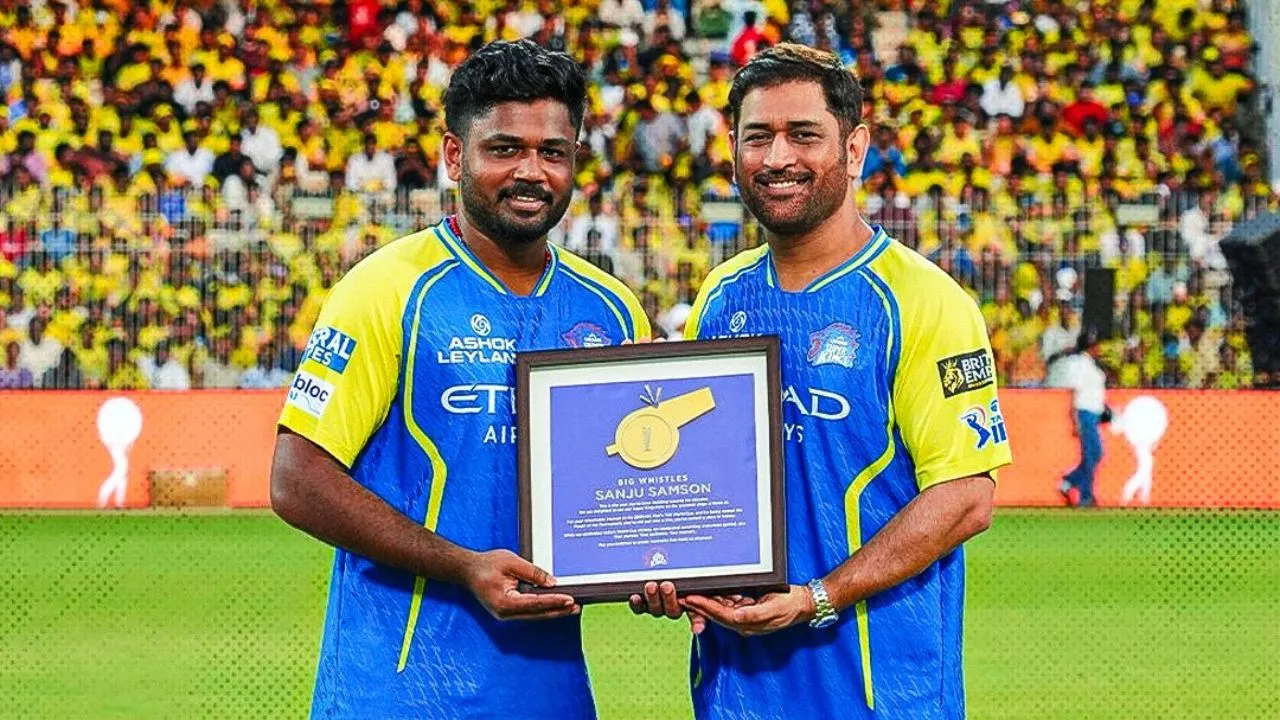
Sanju Samson gets huge role as Ruturaj Gaikwad confirms CSK openers for IPL 2026
Prithvi Shaw declares his mission to return to team India begins from IPL 2026
Irfan Pathan questions Arshdeep Singh’s bowling ahead of IPL 2026
“Mind is somewhere else”: Yuvraj’s Father exposes Abhishek Sharma’s indiscipline lifestyle
EX-RCB pacer joins KKR as replacement of Harshit Rana ahead of IPL 2026

“Win our first trophy”: Sanjiv Goenka crowns LSG as champions ahead of IPL 2026
New catching rule? Captains warned over ‘Incomplete’ catches ahead of IPL 2026