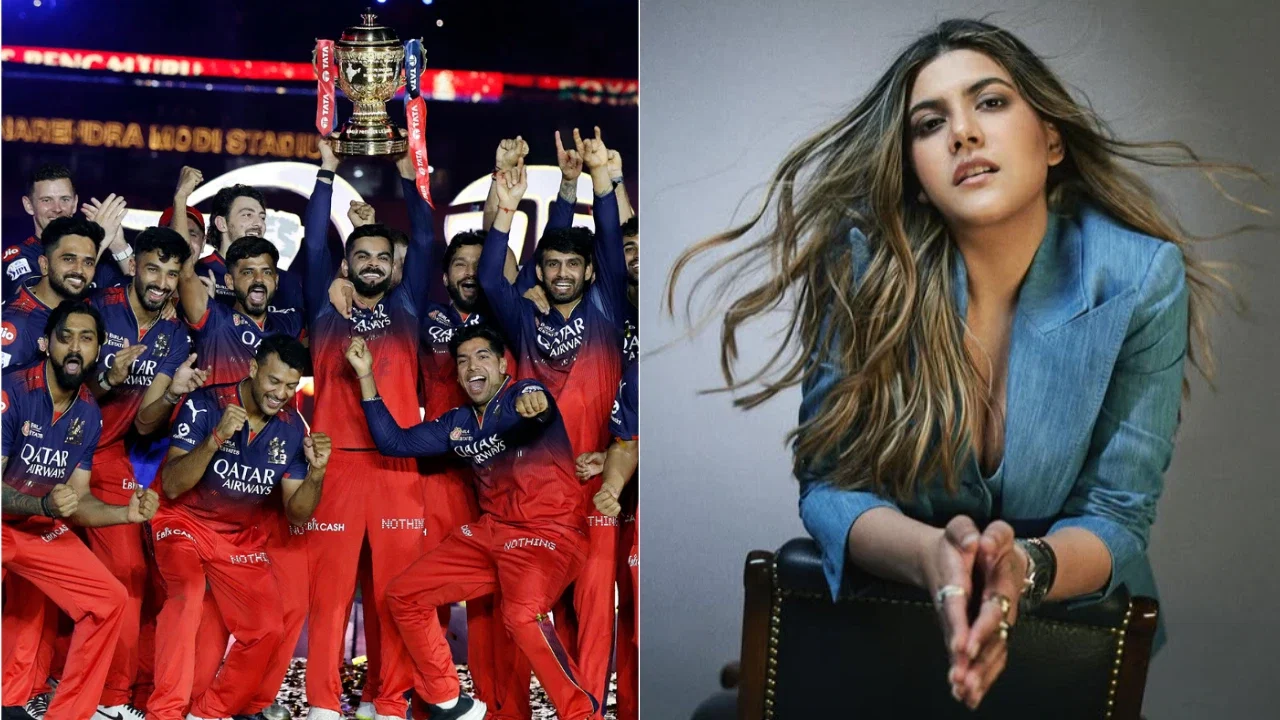
India vs Pakistan T20 World Cup match cancelled? PCB plan masterstroke to avoid ICC sanctions
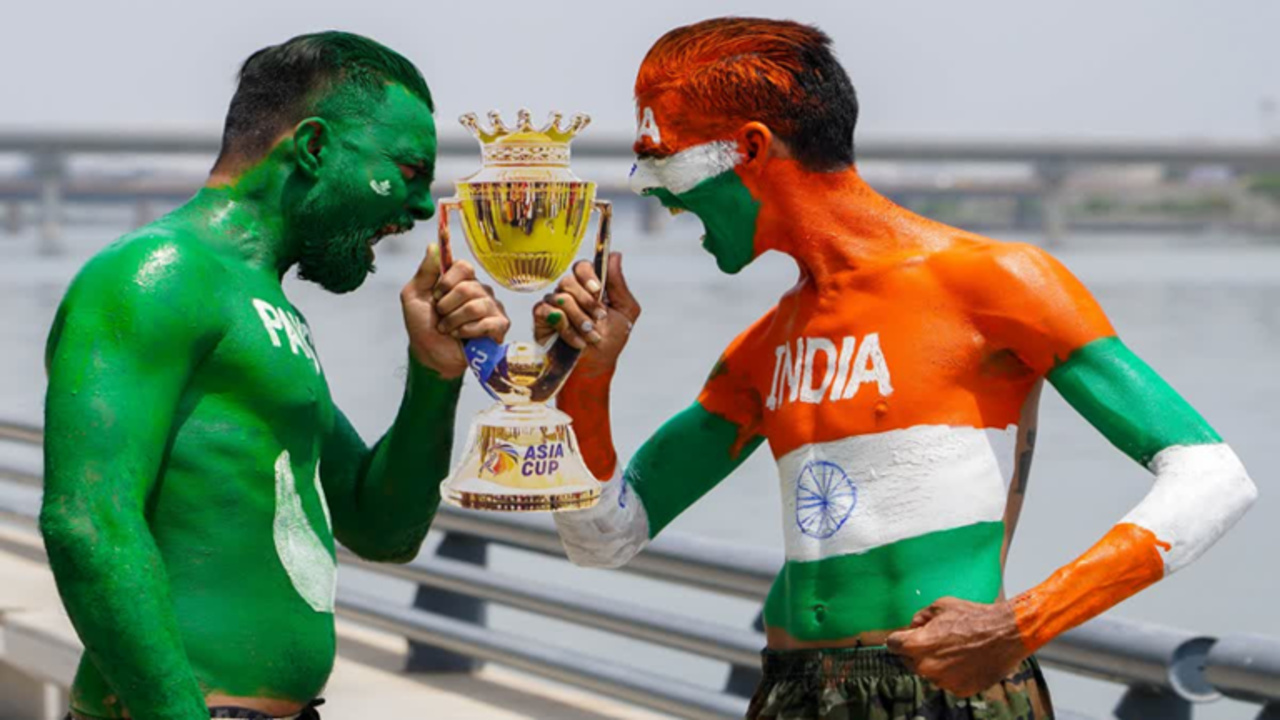
Pakistan Strategizes to Support Bangladesh Amid ICC Standoff
As tensions continue to rise between Bangladesh and the International Cricket Council (ICC) ahead of the T20 World Cup 2026, Pakistan is considering a strategic plan to show solidarity with their fellow cricket-playing nation. Reports from Pakistani media suggest that the Pakistan Cricket Board (PCB) is collaborating with the Government of Pakistan to challenge the council and stand strong with Bangladesh.
Boycotting the T20 World Cup 2026: An Option for Pakistan?
The PCB has stated that they are evaluating the situation and exploring all possible courses of action, including the option of boycotting the T20 World Cup 2026. Recent discussions between PCB Chairman Mohsin Naqvi and Prime Minister Shehbaz Sharif indicate that Pakistan is taking the matter seriously and weighing their next steps carefully.
While a complete boycott of the tournament may not be the primary focus, Pakistan is contemplating a different approach to convey their support for Bangladesh. One potential move involves skipping the highly anticipated India vs. Pakistan match, a fixture that garners significant attention and viewership.
Challenges and Consequences of Boycotting a Key Match
The India vs. Pakistan T20 World Cup 2026 match is scheduled to take place on February 15 in Colombo, Sri Lanka. Given the historical and political tensions between the two nations, the match is being held on neutral ground to mitigate any potential conflicts.
Boycotting a high-profile game like India vs. Pakistan poses challenges for the PCB, as it could have financial implications for the ICC. The board and the government are working together to navigate this delicate situation and find a resolution that aligns with their objectives.
Potential Legal Implications and Defense Strategy
Under ICC regulations, boards can face severe penalties for political interference in cricketing matters. However, the PCB is considering citing national security and government directives to make a case for force majeure, a legal concept that allows parties to be excused from fulfilling their obligations due to unforeseen circumstances.
According to a report in Dawn, “A total boycott of the event is not the top priority; however, Pakistan could forfeit the group match against India to be held on Feb 15. For this, solid grounds are available to the PCB, which could avoid any sanctions or penalty on it from the ICC.”
By claiming adherence to government orders and citing security concerns, Pakistan hopes to avoid financial penalties or sanctions from the ICC. This strategic move underscores the complexities involved in balancing political sensitivities with international sporting events.
Conclusion
While Pakistan is committed to supporting Bangladesh in their dispute with the ICC, the decision to boycott a crucial match in the T20 World Cup 2026 highlights the intricate dynamics at play in the world of cricket diplomacy. As the situation unfolds, stakeholders are closely monitoring developments to see how Pakistan’s strategic maneuvering will impact the broader cricketing landscape.
Supporting Bangladesh: A Strategic Move by Pakistan
Amidst the ICC standoff, Pakistan’s decision to support Bangladesh is a strategic move that goes beyond just cricket. The solidarity between the two nations not only showcases unity within the cricketing community but also sends a powerful message about standing up against perceived injustices.
By considering various options, including the possibility of boycotting the T20 World Cup 2026, Pakistan is demonstrating its willingness to take a stand on important issues. This move highlights the complexities of international sports diplomacy and the influence of political factors on sporting events.
Historical Context and Political Sensitivities
The longstanding rivalry between India and Pakistan adds a layer of complexity to the decision-making process. The India vs. Pakistan match holds immense significance for fans, players, and stakeholders on both sides. However, Pakistan’s willingness to potentially forego this match underscores the gravity of the situation with Bangladesh and the importance of supporting fellow cricketing nations.
Moreover, the historical context of political tensions in the region further complicates the dynamics of the situation. By navigating these sensitive issues delicately, Pakistan is showcasing its diplomatic prowess and ability to balance sports with geopolitics.
Impact on Cricketing Landscape
The repercussions of Pakistan’s strategic decisions will undoubtedly have a ripple effect on the cricketing landscape. As one of the key players in international cricket, Pakistan’s stance could set a precedent for how other nations navigate similar challenges in the future.
Furthermore, the potential legal implications and defense strategy employed by the PCB could shape how boards interact with the ICC on matters of political interference. By leveraging national security concerns and government directives, Pakistan is setting a precedent for how boards can protect their interests while engaging in international sports events.
Looking Ahead: Resolving the Standoff
As the situation continues to evolve, all eyes are on Pakistan and its strategic maneuvering in support of Bangladesh. The decision-making process surrounding the T20 World Cup 2026 boycott and the India vs. Pakistan match will be closely monitored by cricketing enthusiasts, policymakers, and sports analysts alike.
Ultimately, Pakistan’s approach to this standoff will not only impact its relationship with the ICC but also shape the future of cricket diplomacy. By standing with Bangladesh and navigating the complexities of international sports politics, Pakistan is setting a precedent for solidarity and support within the cricketing community.
In conclusion, the strategic moves made by Pakistan in response to the ICC standoff highlight the intricate dance between sports, politics, and diplomacy in the world of cricket. As the situation unfolds, the implications of these decisions will reverberate throughout the cricketing landscape, shaping relationships and policies within the international sporting community.
Latest News
Virat Kohli’s explosive threat during coach’s conspiracy revealed: “Will beat the living hell out of…”
Dinesh Karthik can become head coach of India, England or Australia: Jitesh Sharma makes bold claim
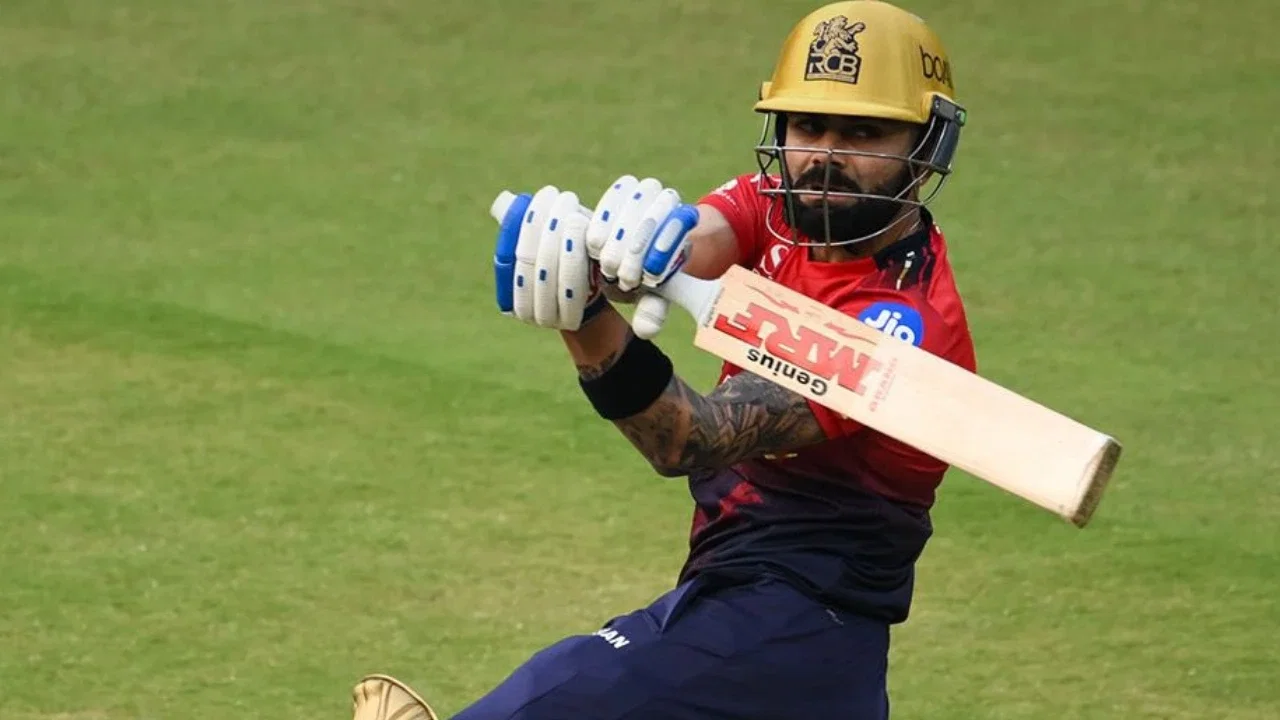
Virat Kohli turns Abhishek Sharma with explosive batting for RCB ahead of IPL 2026
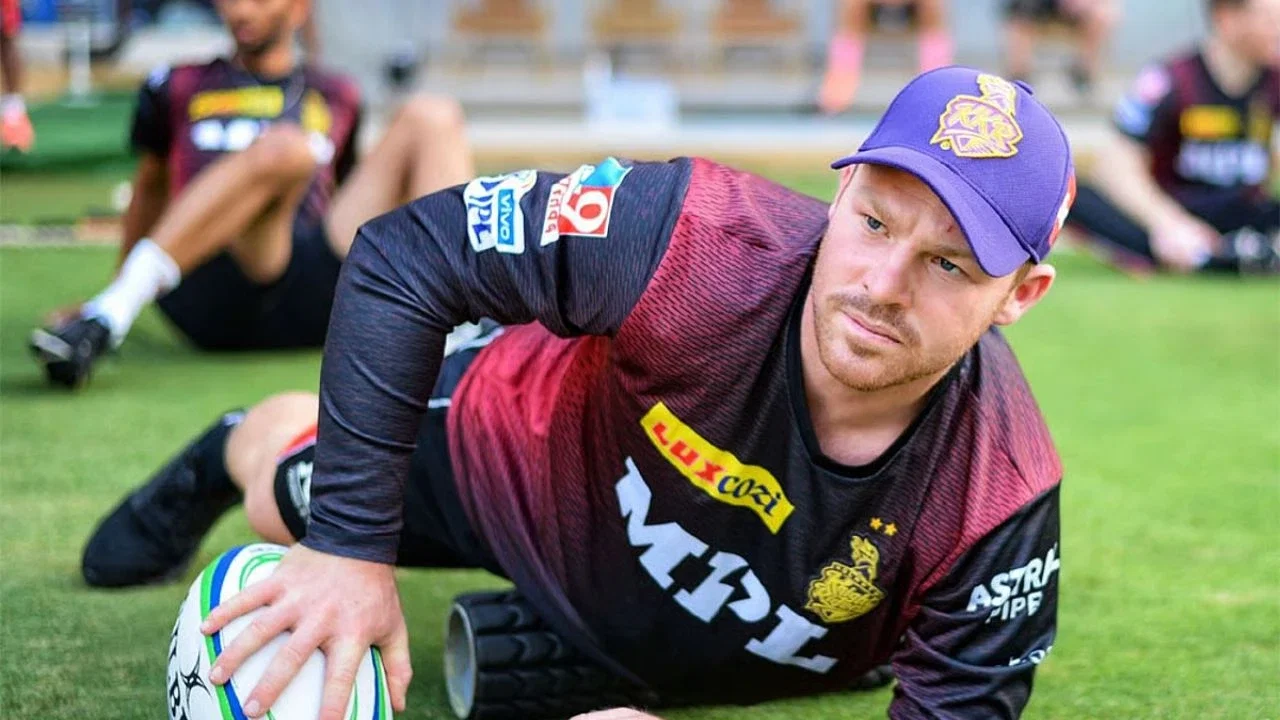
Not Tim Seifert! KKR eye 21-year-old Indian as wicketkeeper for IPL 2026
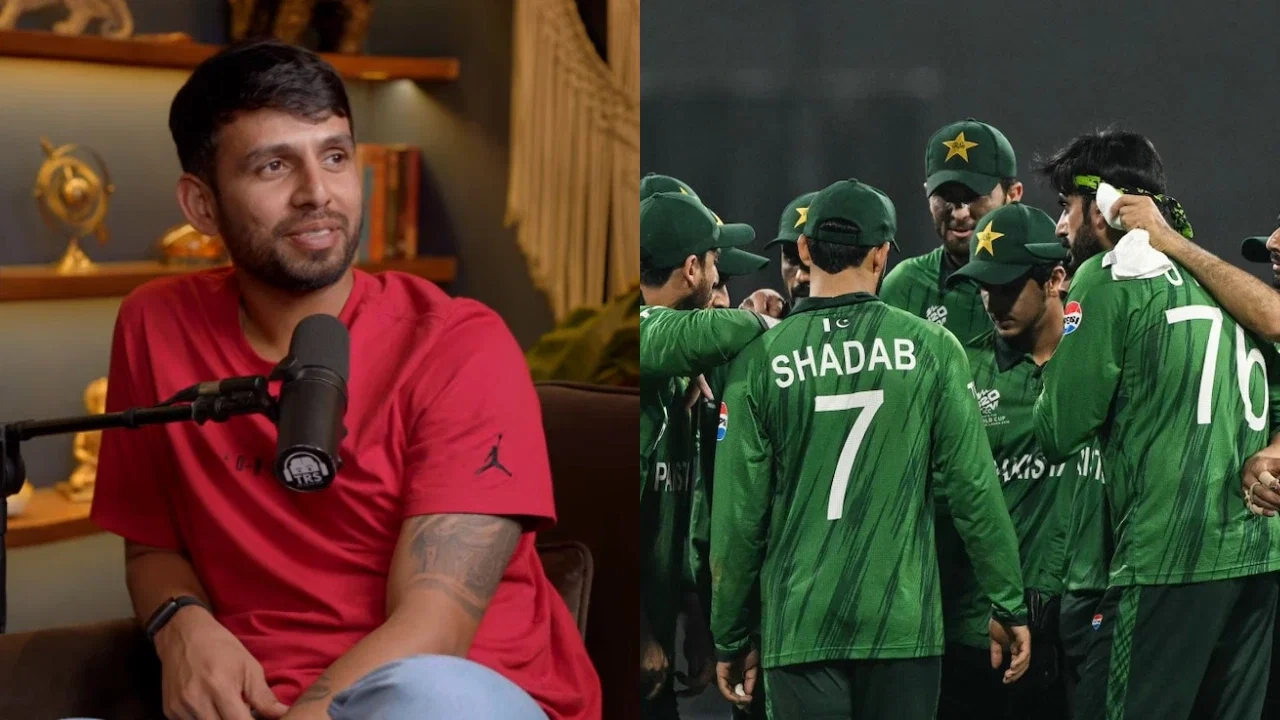
“Itna dete nahi importance inko”: Jitesh Sharma trolls Pakistan, reveals unheard story
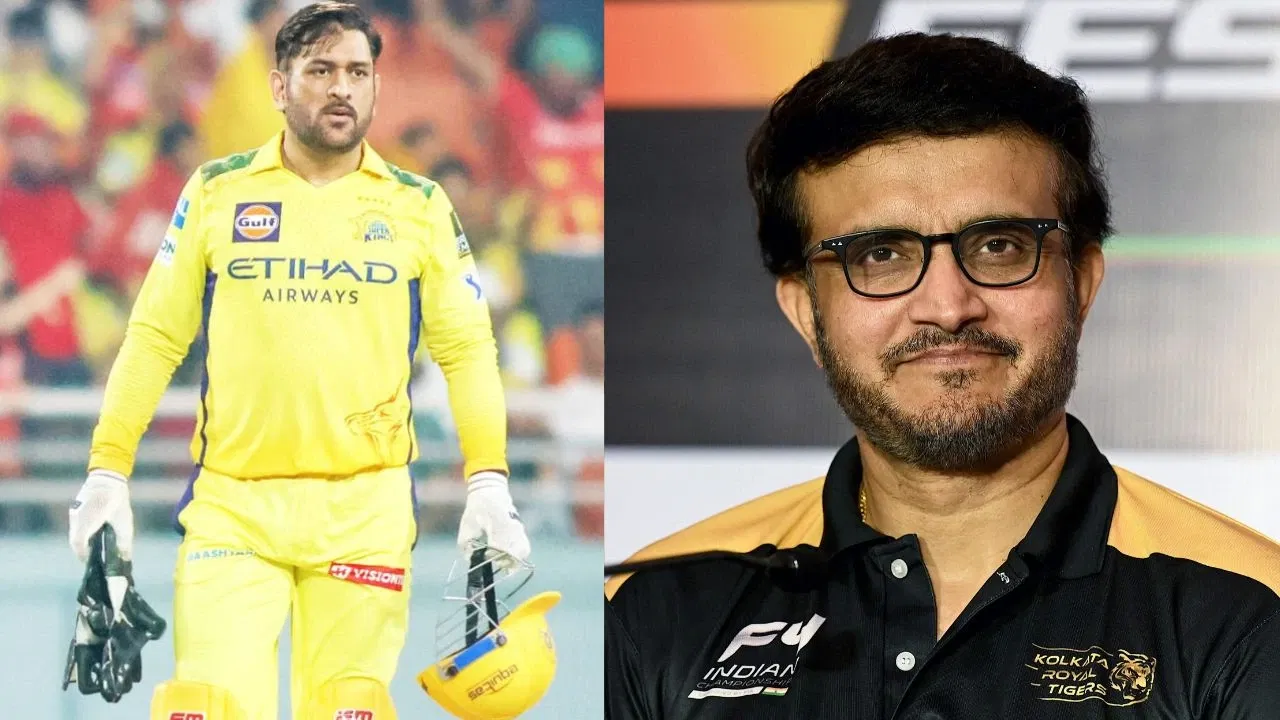
‘I liked young MS Dhoni more than the mature one’: Sourav Ganguly drops huge statement
RCB suffer huge blow! SLC blocks Nuwan Thushara’s IPL 2026 participation
Border-Gavaskar Trophy 2027 schedule announced; Ahmedabad among five venues selected
BCCI announces India’s 2026-27 international home season schedule; series vs AUS, WI, SL, ZIM finalized
Irfan Pathan reveals Yuvraj Singh’s secret method to train Rishabh Pant ahead of IPL 2026
Virat Kohli, Rohit Sharma ODI schedule: Full list of matches they will play in India’s 2026-27 home season
Days before RCB vs SRH IPL 2026 match, M. Chinnaswamy Stadium looks like a ‘construction side’
IPL 2026 second-half schedule announcement date revealed by BCCI secretary
LHQ vs HYDK Match Prediction, Pitch & Weather Report, Playing XIs, Head-to-Head, Free Live Streaming – PSL 2026 Match 1