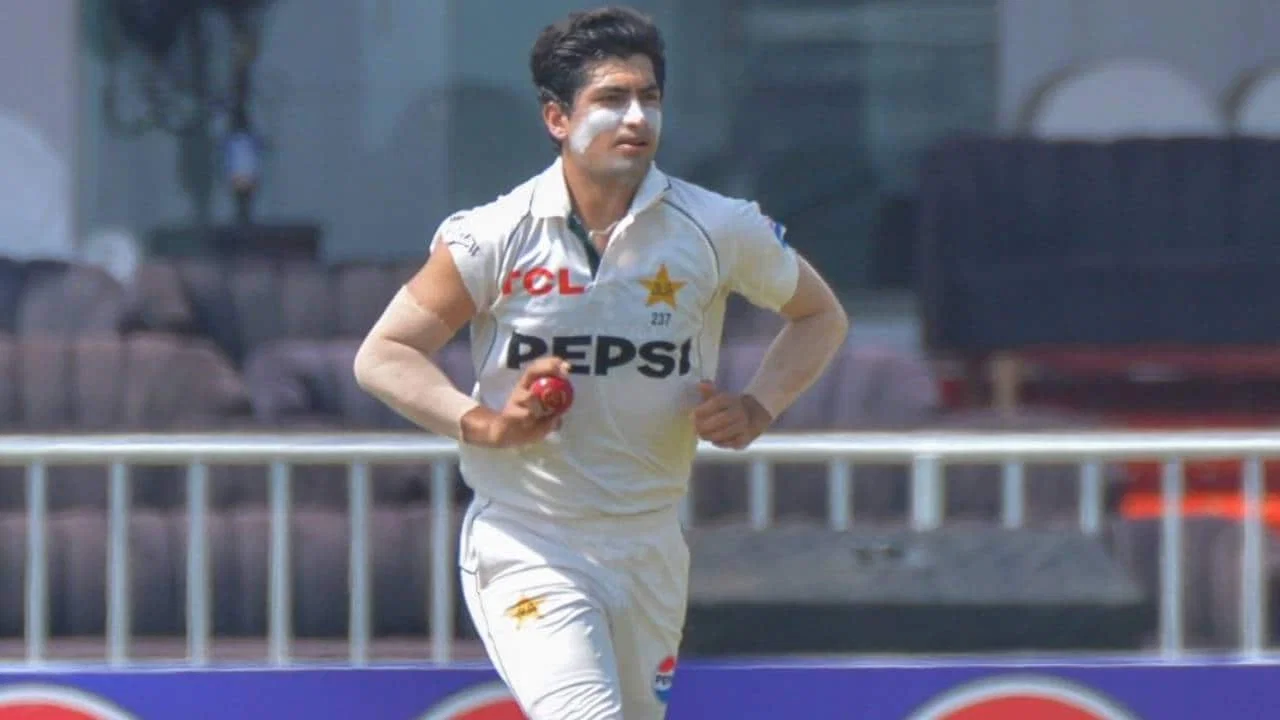
India vs South Africa Test in Guwahati to become the 1st ever to..
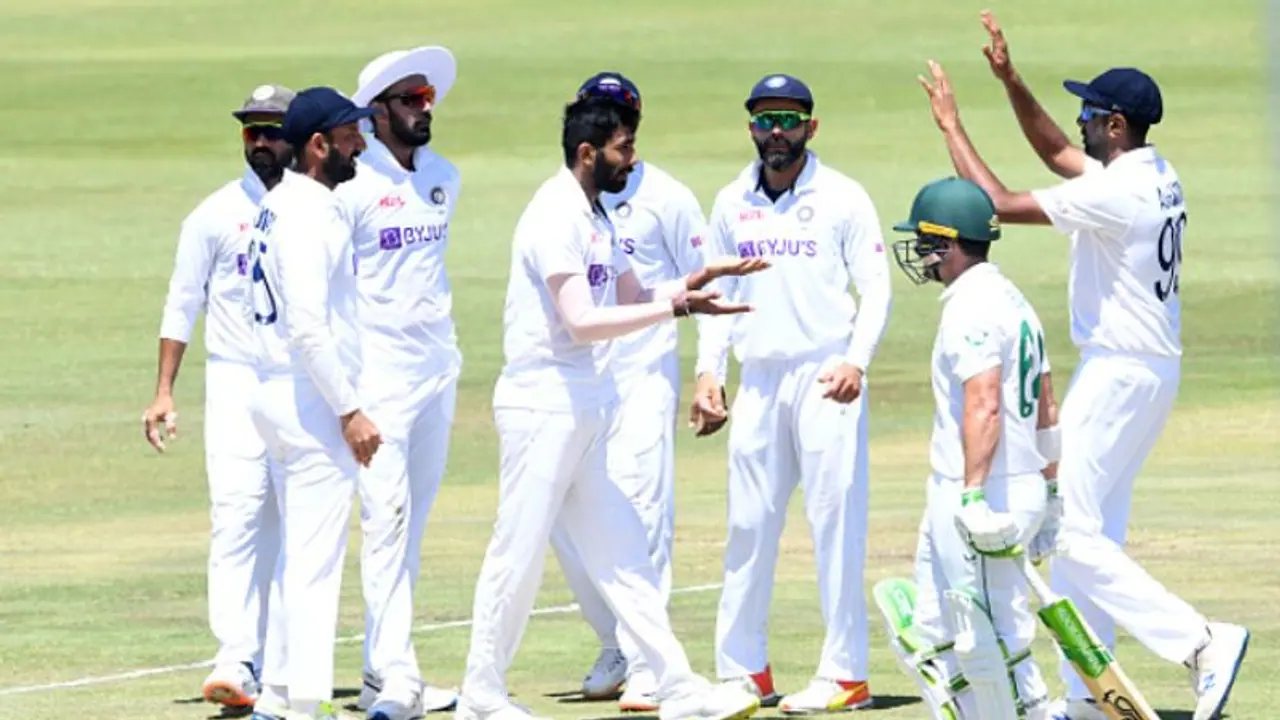
India vs South Africa Test Series: Changes in Session Timings for Guwahati Test
The Board of Control for Cricket in India (BCCI) has announced changes to the session timings for the second Test of the upcoming series against South Africa. The much-anticipated two-match series will kick off in Kolkata on November 14, followed by the historic second Test at the Barsapara Stadium in Guwahati starting from November 22.
What’s New for the Guwahati Test?
One of the most notable changes for the Guwahati Test is the introduction of a tea break before lunch. This adjustment in playing hours is due to the region’s early sunrise and sunset timings. With the match scheduled to start at 9:00 AM, half an hour earlier than usual, players will take the field for the first session from 9:00 to 11:00 AM. Following a 20-minute tea break, the action will resume in the second session from 11:20 AM to 1:20 PM.
After a 40-minute lunch break, the final session is set to take place from 2:00 to 4:00 PM, with a potential 30-minute extension to ensure completion of 90 overs in a day. This revised schedule has been approved by both the BCCI and Cricket South Africa, aiming to maximize game time and adapt to the unique daylight conditions in Guwahati.
Reasoning Behind the Changes
Traditionally, Test matches in India follow a format where players take tea and lunch breaks in between the three sessions of play. However, the decision to have tea before lunch in the Guwahati Test is a strategic move to optimize playing time and make the most of the early sunset in the region. This adjustment mirrors the format seen in day-night Tests held in countries like Australia.
With both India and South Africa vying for crucial points in the ongoing ICC World Test Championship cycle, every session of play becomes pivotal in their quest for the top position. Currently ranked third and fourth respectively, the teams will be looking to make the most of the altered session timings in the upcoming series.
Looking Ahead to the Series
The India vs South Africa series promises to be an exciting clash between two competitive sides, with the Barsapara Stadium set to host its first-ever Test match. As part of a full tour comprising two Tests, three ODIs, and five T20Is, the series holds significance in the context of the World Test Championship.
With the cricketing world watching closely, the revised session timings for the Guwahati Test add an interesting dimension to the series, setting the stage for an engaging battle between bat and ball. As the countdown to the series begins, fans can expect an action-packed contest filled with twists, turns, and the thrill of Test cricket at its best.
Impact of Daylight on Cricket Matches
One of the key factors influencing the changes in session timings for the Guwahati Test is the unique daylight conditions prevalent in the region. Guwahati, located in the northeastern part of India, experiences early sunrises and sunsets compared to other parts of the country. This can have a significant impact on the visibility of the players and the overall quality of the game.
By adjusting the session timings to accommodate the early sunrise and sunset, the BCCI is not only ensuring that players have optimal playing conditions but also taking into consideration the comfort and safety of both teams. Playing cricket under natural light is crucial for maintaining the integrity and spirit of the game, and these changes reflect a proactive approach to adapting to local conditions.
Strategic Considerations for Teams
For both India and South Africa, the changes in session timings present new strategic considerations to factor into their game plans. Captains and coaches will need to carefully manage their resources and tactics to maximize their performance during the revised sessions. This could involve tweaking batting orders, bowling rotations, and fielding placements to make the most of the altered playing hours.
Moreover, the teams will need to adjust their mental and physical preparation to align with the revised schedule. From meal timings to warm-up routines, every aspect of their pre-match rituals will need to be recalibrated to ensure peak performance during the Guwahati Test. This adaptability and flexibility will be crucial in determining the outcome of the match and the series as a whole.
Global Trends in Test Cricket
The introduction of changes in session timings for the Guwahati Test reflects a broader trend in Test cricket towards innovation and experimentation. While the traditional format of the game remains sacrosanct, cricketing boards around the world are exploring new ways to enhance the viewer experience, attract larger audiences, and adapt to changing environmental conditions.
From day-night Tests to pink-ball cricket, the sport is evolving to meet the demands of modern fans and players. By embracing these changes and incorporating them into established series like India vs South Africa, cricket authorities are demonstrating a willingness to evolve while preserving the essence of Test cricket. This progressive approach bodes well for the future of the sport and its enduring popularity across the globe.
Conclusion
As the countdown to the India vs South Africa Test series begins, cricket enthusiasts eagerly anticipate the thrill and drama that Test cricket never fails to deliver. With the revised session timings for the Guwahati Test adding a new twist to the proceedings, the stage is set for an enthralling battle between two formidable teams.
By adapting to the local conditions, considering strategic implications, and aligning with global trends, the BCCI and Cricket South Africa are shaping a memorable series that will captivate fans and players alike. As the cricketing world turns its gaze towards Guwahati, all eyes will be on the players as they step onto the field, ready to write a new chapter in the annals of Test cricket.
Latest News
Mohsin Naqvi totally angry and stressed as PSL 2026 controversies escalate
Mohsin Naqvi saves Naseem Shah from two-year ban, shocking claim emerges after controversy
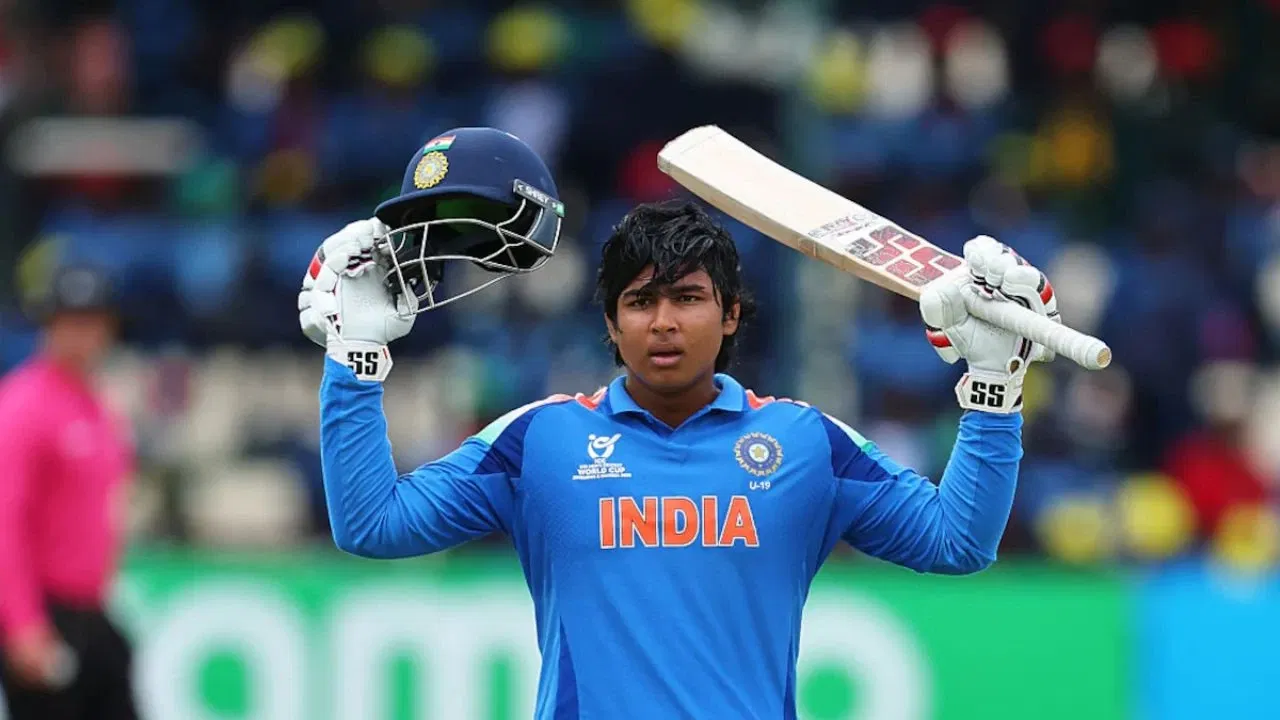
Michael Vaughan claims Vaibhav Sooryavanshi’s India call-up for England tour is confirmed
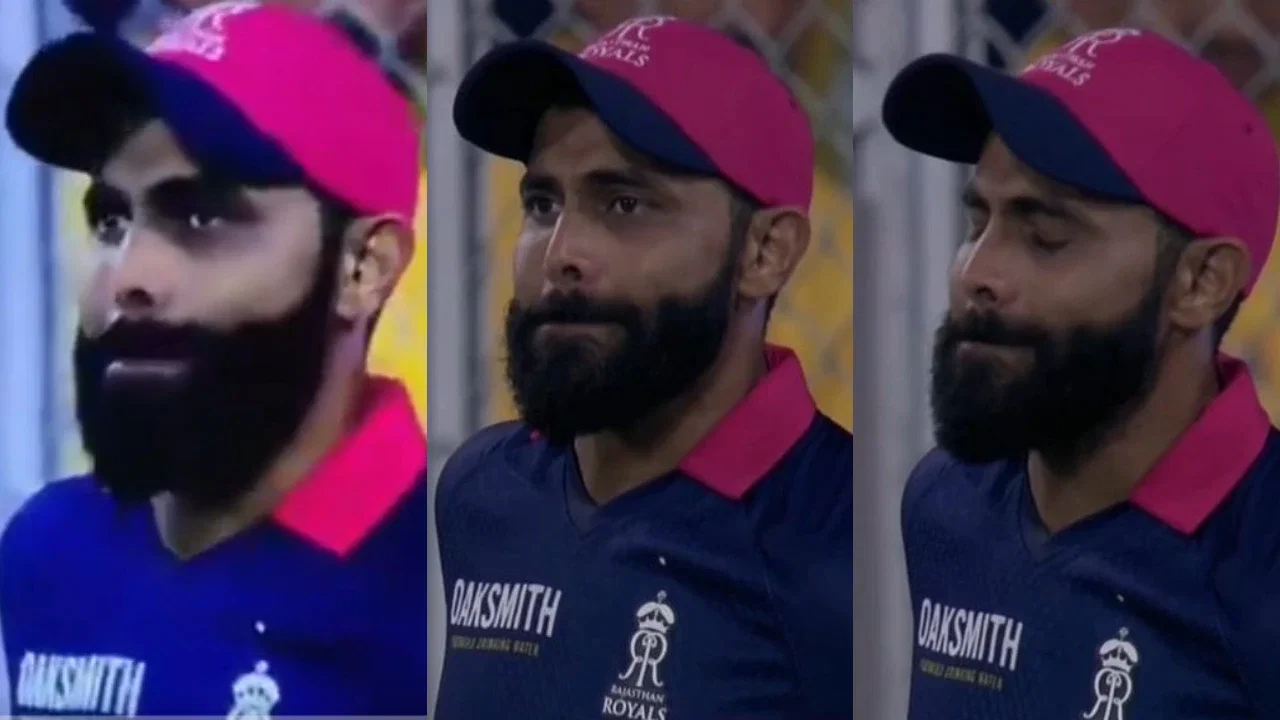
Ravindra Jadeja’s teary-eyed reaction goes viral after RR demolish CSK in IPL 2026 clash

New Zealand ODI and T20I squads for Bangladesh tour officially announced
Naseem Shah breaks silence on PCB punishment, issues public apology following massive controversy
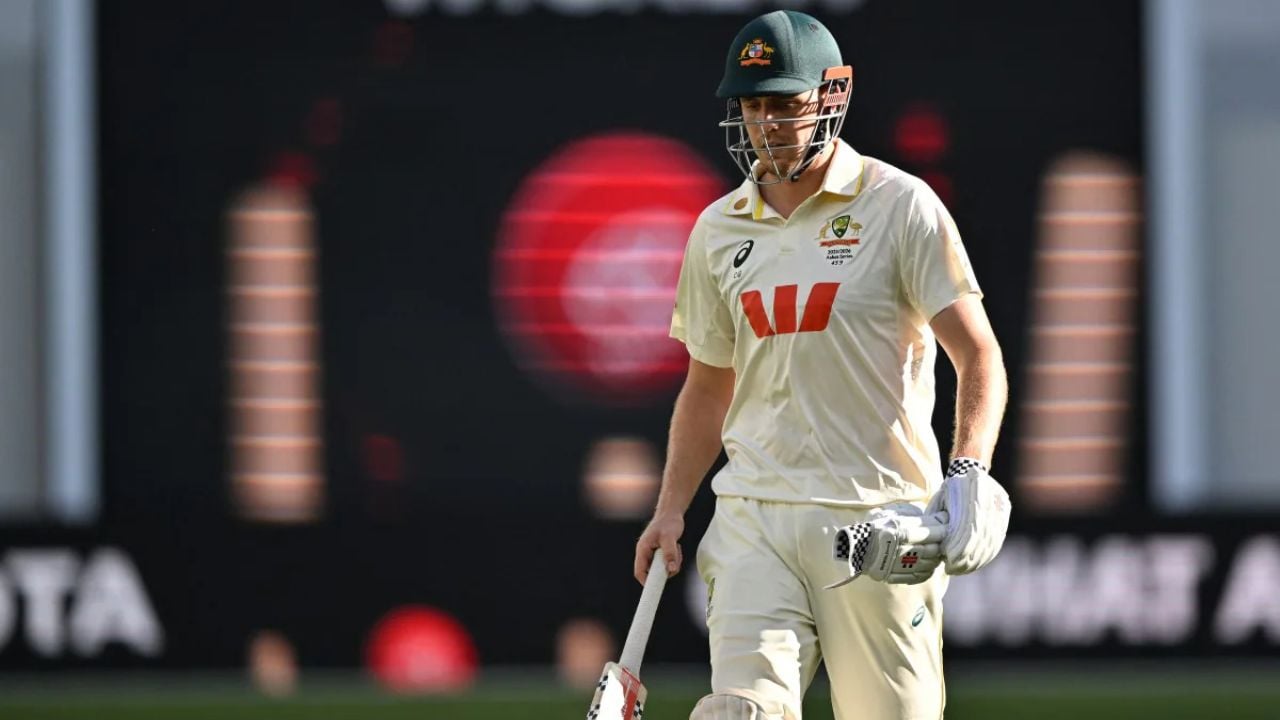
Australia coach drops big hint on Cameron Green’s Test future amid IPL 2026 drama
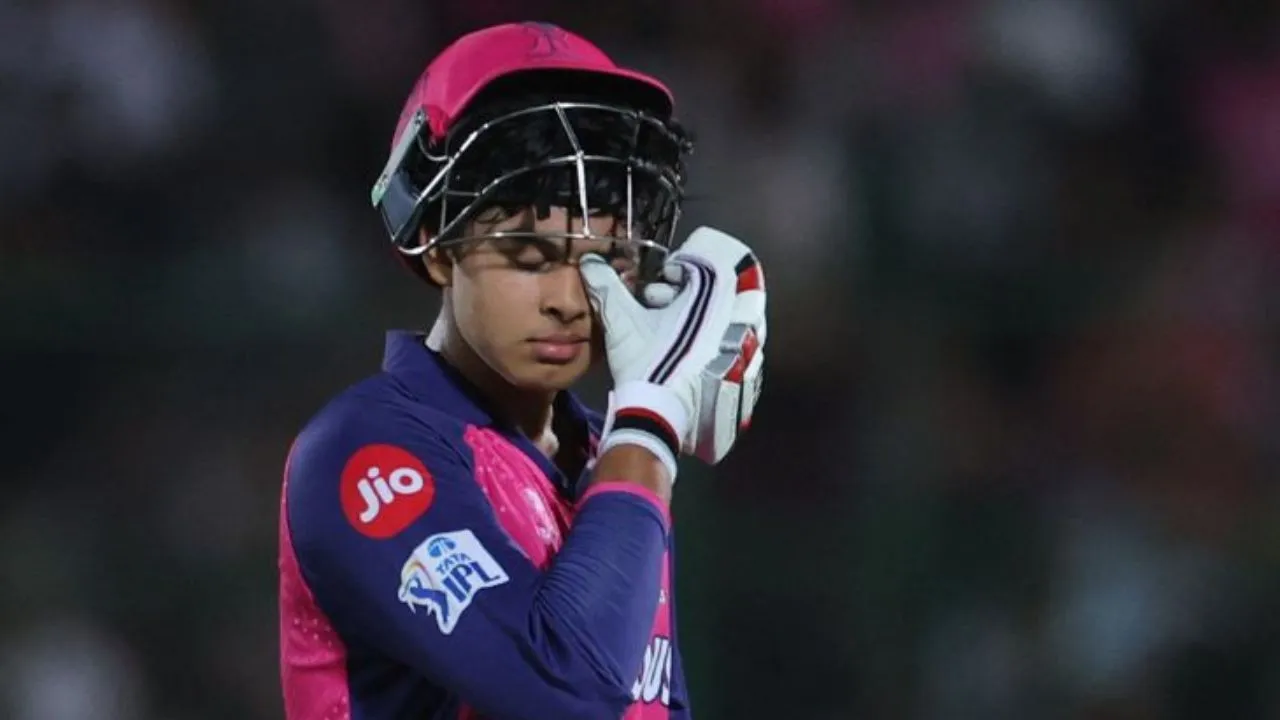
Ajit Agarkar told to fast-track Vaibhav Sooryavanshi into Indian Team
CSK declared useless without MS Dhoni by Ex-England captain
Shocking! Fakhar Zaman tampered with ball vs USA in T20 World Cup, ICC did not act
“Don’t get banned”: Digvesh Rathi reveals Sanjiv Goenka and Rishabh Pant’s warning over fiery celebrations

MS vs HYDK Match Prediction, Pitch & Weather Report, Playing XIs, Head-to-Head, Free Live Streaming – PSL 2026 Match 8

ISU vs PSZ Match Prediction, Pitch & Weather Report, Playing XIs, Head-to-Head, Free Live Streaming – PSL 2026 Match 7
Ravindra Jadeja breaks silence on fiery send-off to Shivam Dube in RR vs CSK IPL 2026 clash