India vs Zimbabwe match in Chepauk to stay dew-free – Here’s why
The T20 World Cup 2026: Battling the Dew Factor in Chennai
The T20 World Cup 2026 is currently in full swing, captivating cricket fans around the world with thrilling matches and unexpected outcomes. As the tournament progresses, teams are facing various challenges on the field, including the unpredictable dew factor that can significantly impact gameplay, especially during evening matches.
Chennai Takes Precautionary Measures
One such challenge was encountered by the Indian team during their Super 8 match against Zimbabwe in Chennai on February 26. With the match scheduled to start at 7.00 PM, the organizers were well aware of the potential influence of dew on the game. To combat this issue, the Tamil Nadu Cricket Association (TNCA) introduced a solution called ‘Dew Cure’ to prevent moisture on the ground.
The ‘Dew Cure’ chemical, imported from the United States, has been successfully used in Major League Baseball venues to eliminate dew formation on the grass. Groundsmen at the MA Chidambaram Stadium prepared a mixture of the chemical and water, which was then sprayed on the outfield before the match to ensure a dry playing surface.
Team India’s Response
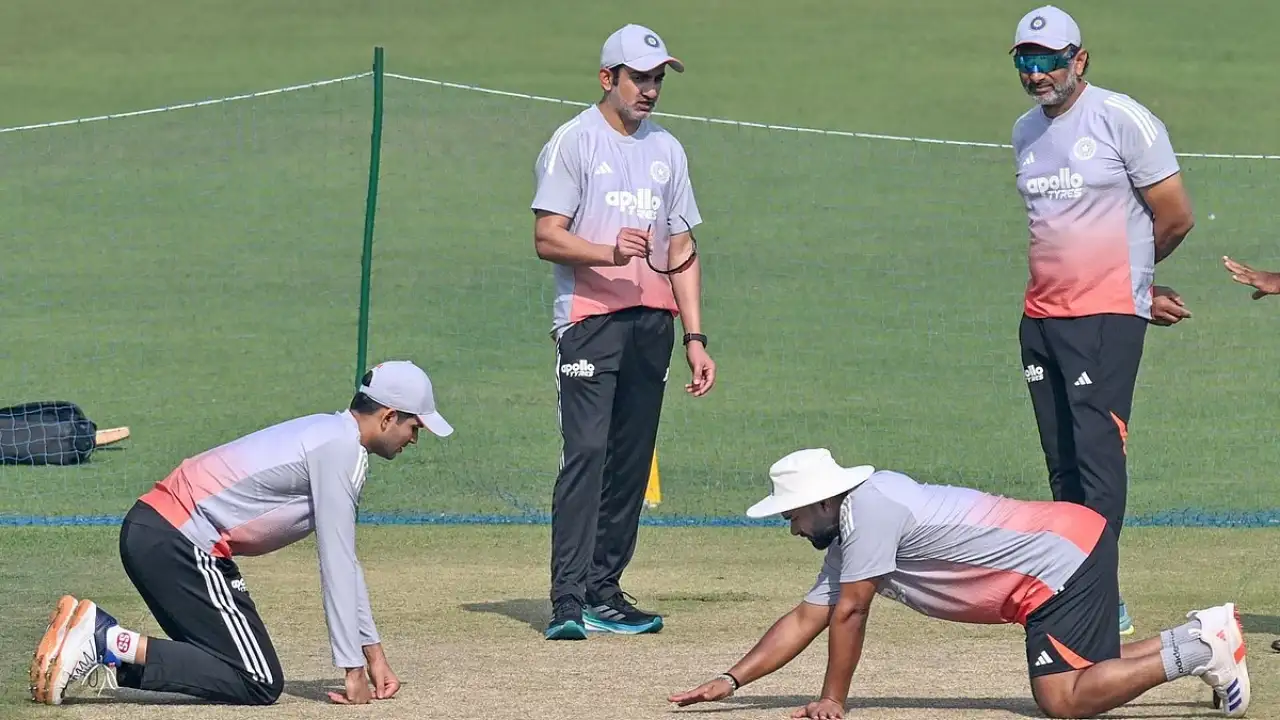
Team India, led by Suryakumar Yadav, expressed satisfaction with the ‘Dew Cure’ solution, as they conducted their training sessions at Chepauk without any concerns about moisture affecting the gameplay. The dew-free ground provided a sense of assurance to the players ahead of their crucial match against Zimbabwe, which they must win to keep their semi-final hopes alive.
Reports suggest that the BCCI may consider using the ‘Dew Cure’ solution in the upcoming semi-finals and final matches of the T20 World Cup 2026, although an official statement regarding this decision is yet to be made.
Must-Win Match for Team India
The match against Zimbabwe holds significant importance for Team India, as they aim to bounce back from their previous loss against South Africa and secure a spot in the semi-finals. With every team in the Super 8 phase scheduled to play three matches, India must win their remaining games to stay in contention.
Zimbabwe, despite showing glimpses of brilliance in their matches against Australia and Sri Lanka, faced a setback against the West Indies, making the clash against India a crucial encounter for both teams. With both sides eager to claim two crucial points, the match promises to be a thrilling contest filled with excitement and tension.
As cricket enthusiasts eagerly anticipate the outcome of this high-stakes match, the introduction of the ‘Dew Cure’ solution in Chennai adds an interesting dimension to the gameplay, ensuring fair conditions for both teams on the field.
Addressing the Challenges of Dew in Cricket
Cricket, being a sport heavily reliant on weather conditions, often faces challenges posed by elements like dew. The dew factor, primarily affecting evening matches, can alter the behavior of the ball, making it challenging for bowlers to grip and for fielders to maintain control. In such situations, teams and organizers must implement innovative solutions to ensure a fair and competitive environment for all players.
While the ‘Dew Cure’ solution utilized in Chennai during the T20 World Cup 2026 is a step in the right direction, it also raises questions about the broader application of such measures in cricket. As the sport continues to evolve, technologies and strategies to combat external factors like dew must also progress to maintain the integrity of the game.
Strategic Implications and Predictions for the T20 World Cup 2026
As the battle against dew unfolds in Chennai, the strategic implications for teams vying for a spot in the semi-finals become increasingly significant. The ability to adapt to varying playing conditions, such as dew, can be a determining factor in the success of a team. Teams that proactively address these challenges and adjust their gameplay accordingly are more likely to emerge victorious in crucial matches.
Looking ahead, predictions for the T20 World Cup 2026 are ripe with excitement and anticipation. With powerhouse teams like India, Australia, and England showcasing their skills on the global stage, fans can expect intense competition and nail-biting finishes in the remaining matches of the tournament. The unpredictable nature of T20 cricket adds an element of thrill, making every match a spectacle for viewers worldwide.
Global Impact of Innovations in Cricket
Innovations like the ‘Dew Cure’ solution not only benefit teams participating in the T20 World Cup but also have a broader impact on the future of cricket worldwide. By introducing advanced technologies and strategic approaches to mitigate external factors, cricket authorities set a precedent for addressing challenges in the sport proactively.
Furthermore, the collaboration between different cricketing nations in sharing best practices and solutions underscores the spirit of sportsmanship and camaraderie that defines the game. As cricket continues to expand its reach globally, initiatives like the ‘Dew Cure’ serve as a testament to the sport’s ability to evolve and adapt in an ever-changing landscape.
Embracing Innovation in Cricket
As the T20 World Cup 2026 progresses, teams and organizers must continue to embrace innovation and experimentation to enhance the overall experience for players and fans alike. Whether it involves addressing challenges like dew or exploring new formats and technologies, cricket remains a dynamic sport that thrives on adaptation and evolution.
By staying proactive and open to new ideas, cricket can continue to captivate audiences worldwide and maintain its status as one of the most popular sports globally. The T20 World Cup 2026 serves as a platform for showcasing not just cricketing talent but also the innovative spirit that drives the sport forward into a promising future.
By expanding on the original article with insights into the strategic implications of combating dew in cricket, predictions for the T20 World Cup 2026, the global impact of innovations, and the importance of embracing change in the sport, this enriched content provides a deeper understanding of the ongoing tournament and its significance in the world of cricket.
Latest News

“Mumbai Indians are winning it” – Ex-England captain makes bold prediction for IPL 2026

Mayank Yadav reveals real story behind his recovery and Sanjiv Goenka’s support
IPL 2026 ball change rule explained
Ottis Gibson reveals plan to revive Babar Azam’s confidence ahead of PSL 2026
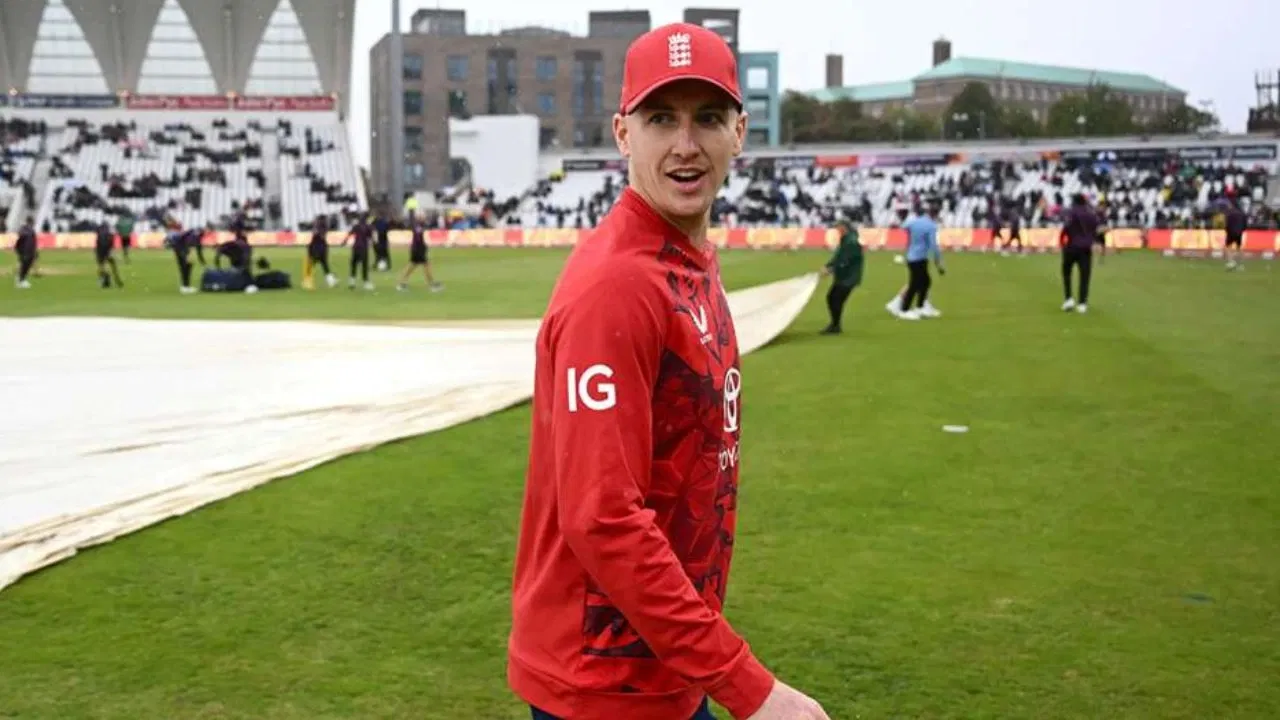
Liam Livingstone survives as Rob Key confirms England spot after shocking interview claims
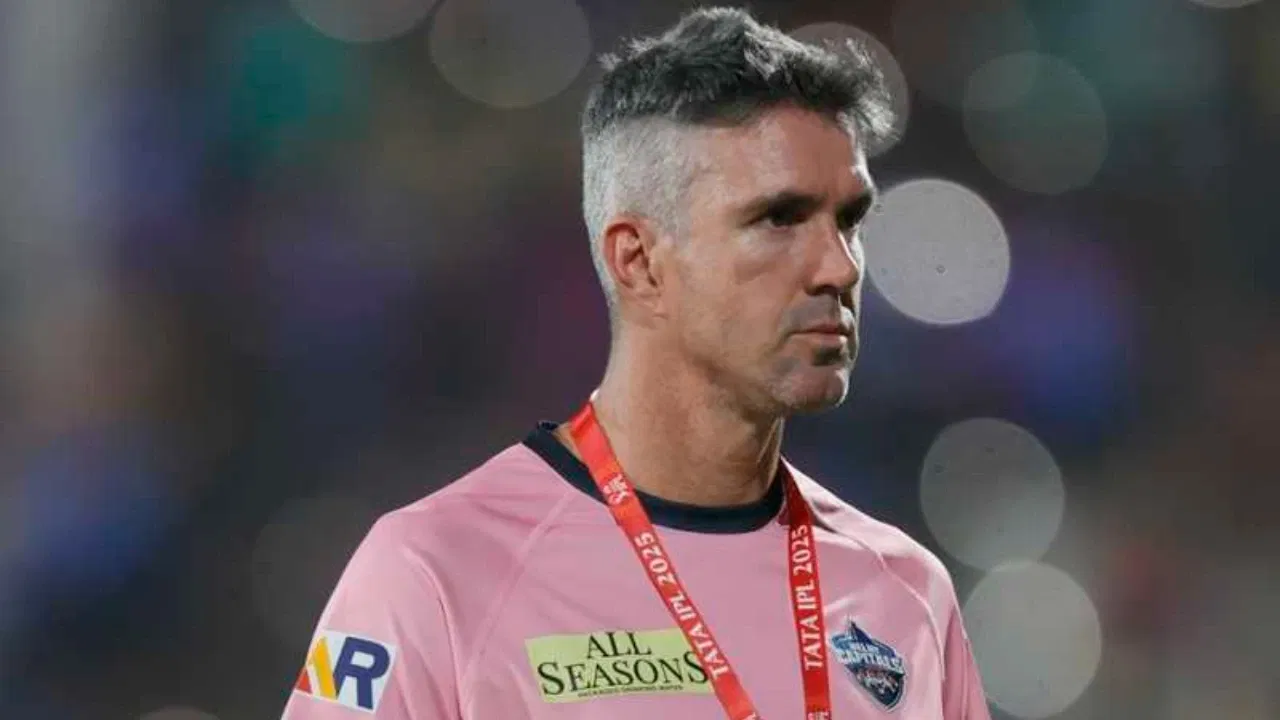
Kevin Pietersen credits RCB and IPL for career revival

Ottneil Baartman set to join CSK in IPL 2026 as replacement of….
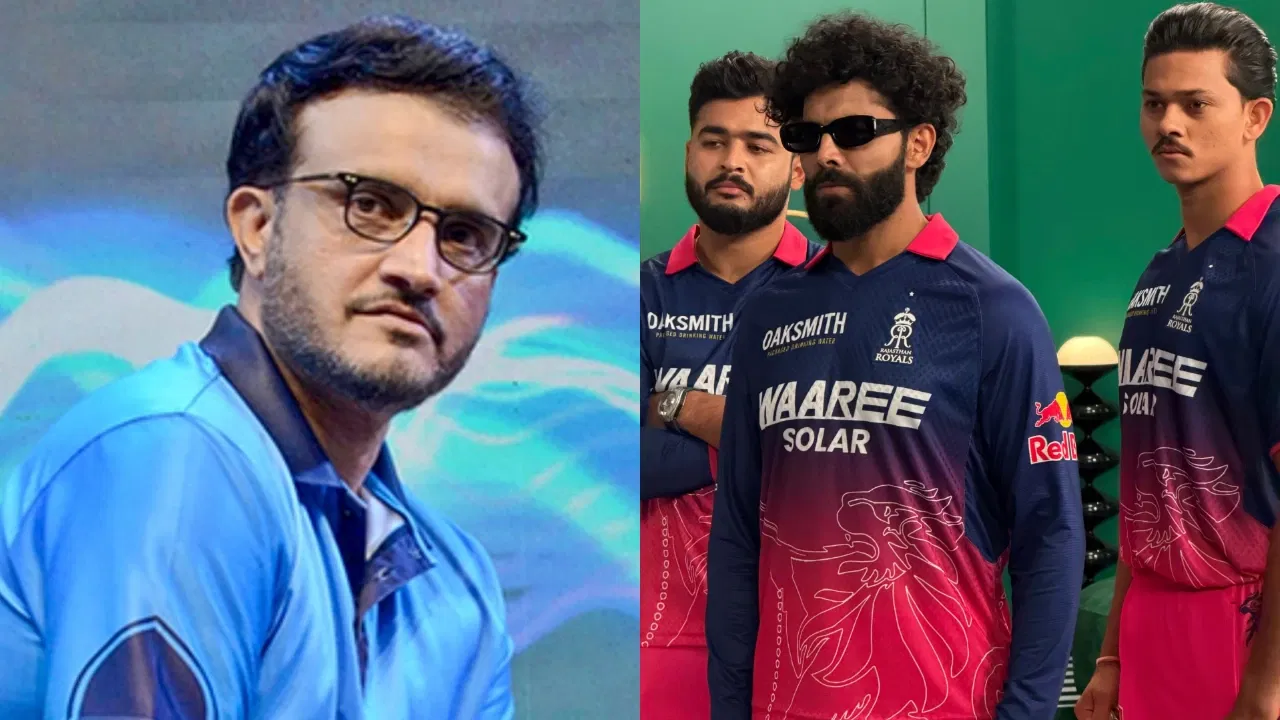
“Great news for IPL”: Sourav Ganguly reacts to Rajasthan Royals being sold for staggering $1.63 billion

NZ vs SA 5th T20I Preview: Free Live Streaming, Pitch & Weather Report, Head-to-Head | South Africa tour of New Zealand 2026
NZ vs SA Match Prediction – Who Will Win 5th T20I? | South Africa tour of New Zealand 2026

New Zealand Playing XI vs South Africa Playing XI – 5th T20I | South Africa tour of New Zealand 2026
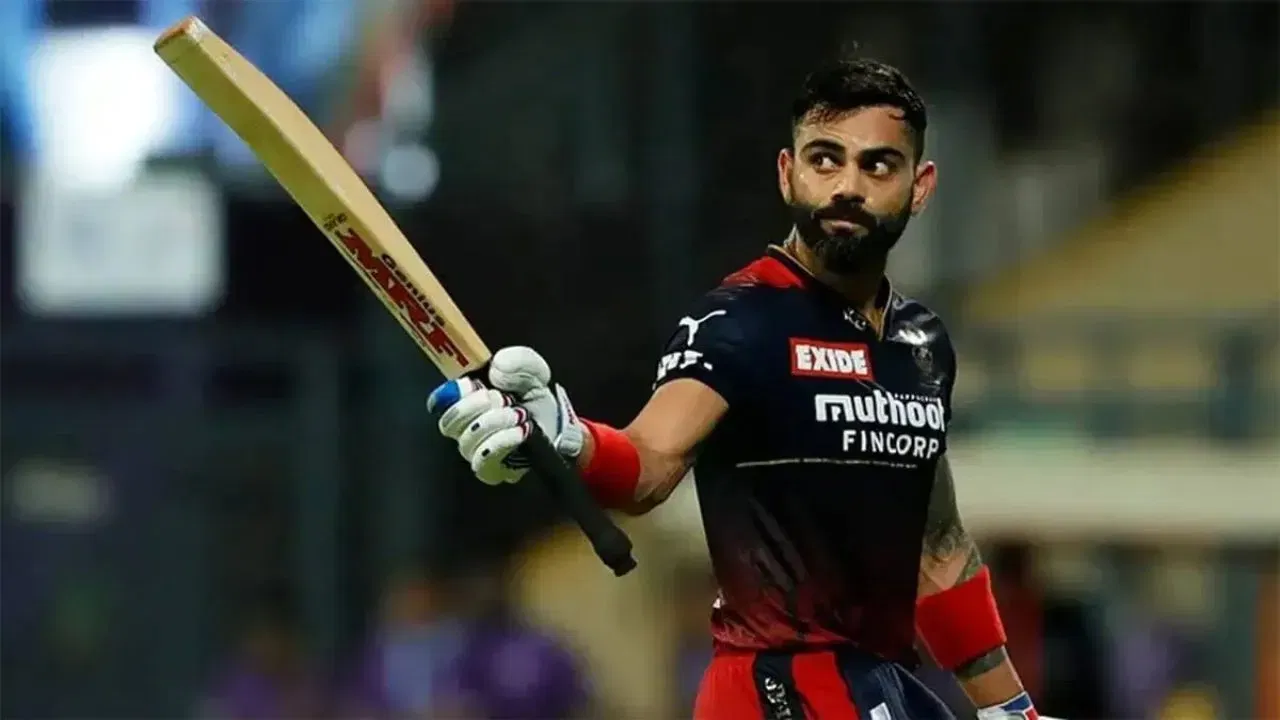
PBKS spinner calls Virat Kohli his idol, makes bold dismissal claim ahead of IPL 2026

“Not stupid”: Adam Gilchrist, Mark Waugh break silence on ECB not sacking Brendon McCullum

Revealed: Why RCB players will wear black armbands and No.11 jersey in IPL 2026?