Indian politician attacks Jay Shah for hosting T20 World Cup 2026 final in Ahmedabad
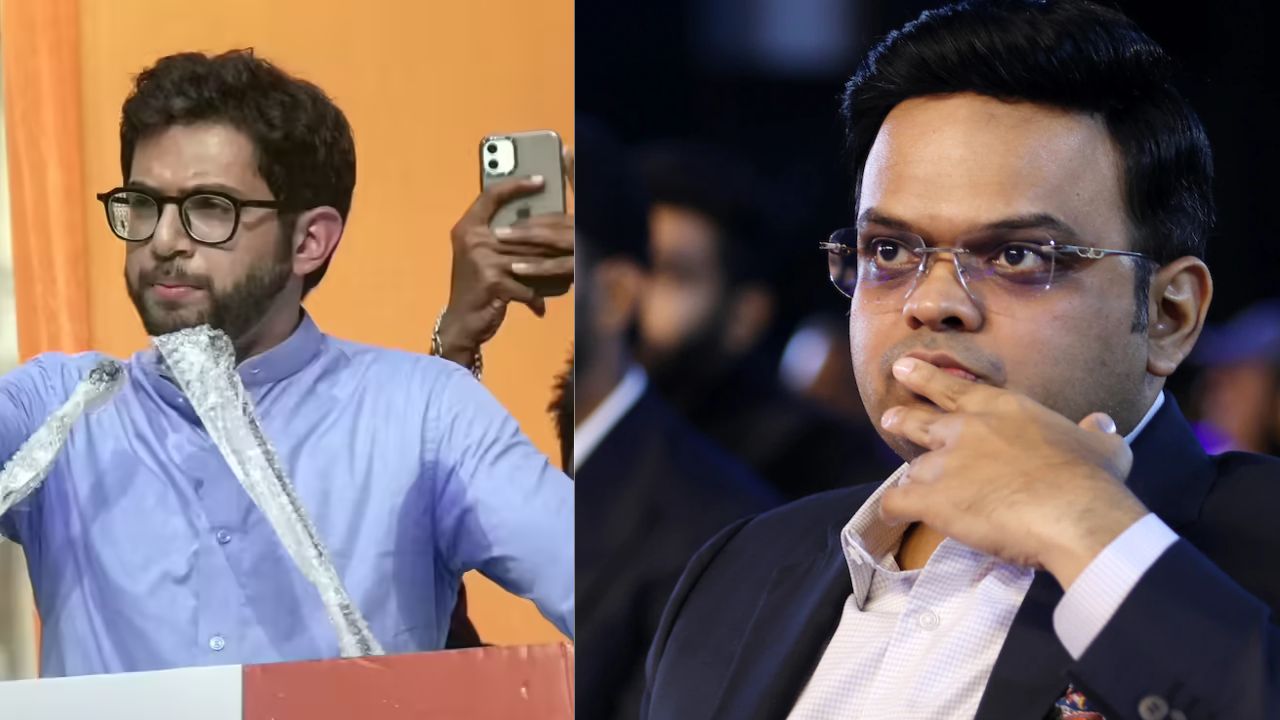
Indian Politician Aaditya Thackeray Criticizes ICC Chairman for T20 World Cup Venue Selection
Indian politician and Shiv Sena MLA Aaditya Thackeray has raised concerns over the International Cricket Council (ICC) Chairman Jay Shah’s decision to host the upcoming ICC T20 World Cup final only at the Narendra Modi Stadium in Ahmedabad. Thackeray expressed his disappointment with the venue selection, questioning the ICC’s choice and advocating for other iconic cricket stadiums in India to be considered.
Thackeray’s Criticism of Venue Selection
Aaditya Thackeray took to social media to share his dissatisfaction with the ICC’s decision to hold the T20 World Cup final in Ahmedabad. He raised questions about why the historic Wankhede Stadium in Mumbai, which had previously hosted the 2011 ICC World Cup Final, was not chosen as a potential venue for the tournament.
Thackeray emphasized the importance of fairness and impartiality in venue selection, urging the ICC to avoid playing favorites and ensure that all iconic cricket stadiums in India, such as Eden Gardens in Kolkata and MA Chidambaram Stadium in Chennai, are given equal opportunities to host major events like the T20 World Cup final.
ICC’s Choice of Venue
The decision to select the Narendra Modi Stadium in Ahmedabad as the venue for the T20 World Cup final was based on its grandeur and the fact that it is the largest cricket stadium in the world in terms of seating capacity. Despite the criticism from Thackeray and others, the ICC justified its choice by highlighting the stadium’s impressive facilities and capabilities to host a global event of this scale.
Indian Cricket Stars at the ICC Event
The announcement of the ICC T20 World Cup 2026 schedule was made during an event attended by ICC Chairman Jay Shah and former T20 World Cup-winning captain Rohit Sharma. Sharma was also unveiled as the ICC Brand Ambassador, further solidifying his connection to the global cricketing community.
Joining Sharma on stage were India’s T20 captain Suryakumar Yadav and women’s captain Harmanpreet Kaur, showcasing the country’s strong presence in international cricket and its commitment to promoting the sport on a global stage.
Conclusion
As preparations for the ICC T20 World Cup 2026 continue, the debate over venue selection and the role of politics in cricketing decisions remains a hot topic. Aaditya Thackeray’s criticisms have sparked discussions about the need for transparency and fairness in determining host venues for major cricket tournaments, emphasizing the importance of upholding the integrity of the sport.
While the Narendra Modi Stadium in Ahmedabad may have been chosen for its infrastructure and capacity, the voices of critics like Thackeray serve as a reminder of the diverse cricketing landscape in India and the significance of honoring the country’s rich cricketing history through venue selection.
Alternative Venues for Consideration
In response to Thackeray’s criticism of the venue selection for the ICC T20 World Cup final, it is essential to consider the unique characteristics and historical significance of other iconic cricket stadiums in India. The Wankhede Stadium in Mumbai, known for its electrifying atmosphere and memorable matches, could have been a compelling choice for hosting the final, given its rich cricketing heritage and capacity to accommodate a large audience.
Similarly, the Eden Gardens in Kolkata holds a special place in the hearts of cricket fans worldwide, having witnessed some of the most iconic moments in the history of the sport. With its vast seating capacity and storied past, Eden Gardens could have provided a captivating backdrop for the T20 World Cup final, offering players and spectators an unforgettable experience.
Furthermore, the MA Chidambaram Stadium in Chennai, renowned for its passionate cricket-loving crowds and impeccable facilities, could have been another worthy contender for hosting the prestigious final. By exploring diverse venue options across India, the ICC could showcase the country’s deep-rooted cricketing culture and engage fans from different regions in the excitement of the tournament.
Global Impact of Venue Selection
While the selection of the Narendra Modi Stadium in Ahmedabad for the T20 World Cup final reflects India’s commitment to hosting world-class sporting events, it also raises broader questions about the global impact of venue decisions in cricket. As cricket continues to expand its reach and popularity worldwide, the significance of representing different regions and communities through venue selection becomes increasingly important.
By diversifying the host venues for major tournaments like the ICC T20 World Cup, cricketing authorities can celebrate the sport’s global appeal and showcase the passion and dedication of fans from various backgrounds. This inclusive approach not only enriches the overall tournament experience but also fosters a sense of unity and camaraderie among cricket enthusiasts around the world.
Embracing Diversity and Tradition in Cricket
As the debate surrounding venue selection for the ICC T20 World Cup continues, it is crucial to recognize the value of embracing diversity and tradition in cricket. Each cricket stadium in India carries its unique legacy and significance, symbolizing the country’s deep-rooted love for the sport and the memories etched in the hearts of fans.
By honoring this diversity and tradition through thoughtful venue selection processes, cricketing authorities can pay homage to the rich history of the sport and create memorable experiences for players and spectators alike. Whether it is the iconic settings of Mumbai’s Wankhede Stadium, Kolkata’s Eden Gardens, or Chennai’s MA Chidambaram Stadium, each venue has a story to tell and a role to play in shaping the future of cricket.
Conclusion
As the countdown to the ICC T20 World Cup 2026 begins, the discussions sparked by Aaditya Thackeray’s criticism highlight the complex interplay between tradition, politics, and progress in cricket. By considering alternative venues, embracing diversity, and prioritizing fairness in venue selection, cricketing authorities can ensure that the spirit of the sport thrives and resonates with fans across the globe.
As cricket continues to evolve and capture the hearts of millions, the decisions made regarding venue selection for major tournaments serve as a reflection of the sport’s enduring legacy and its ability to unite people from diverse backgrounds in a shared passion for cricket.
Latest News

SRH suffer huge blow! Daniel Vettori confirms another overseas pacer injured amid crisis

IPL Points Table 2026: Updated Standings, Orange Cap, Purple Cap After RCB vs SRH Match 1
Virat Kohli, Anushka Sharma share adorable flying kiss moment after RCB vs SRH clash
“Absolutely world-class”: Virat Kohli backs Devdutt Padikkal for permanent Team India spot

Rajat Patidar refuses to comment on Virat Kohli; Ishan Kishan admits enjoying after SRH’s loss to RCB

Mumbai Indians suffer blow! Mitchell Santner, Will Jacks ruled out of IPL 2026 games

MI vs KKR Match Prediction – Who Will Win Match No.2? | IPL 2026
Mumbai Indians Playing XI vs Kolkata Knight Riders Playing XI- Match No. 2 | IPL 2026

MI vs KKR Match 2 Preview: Free Live Streaming, Pitch & Weather Report, Head-to-Head | IPL 2026
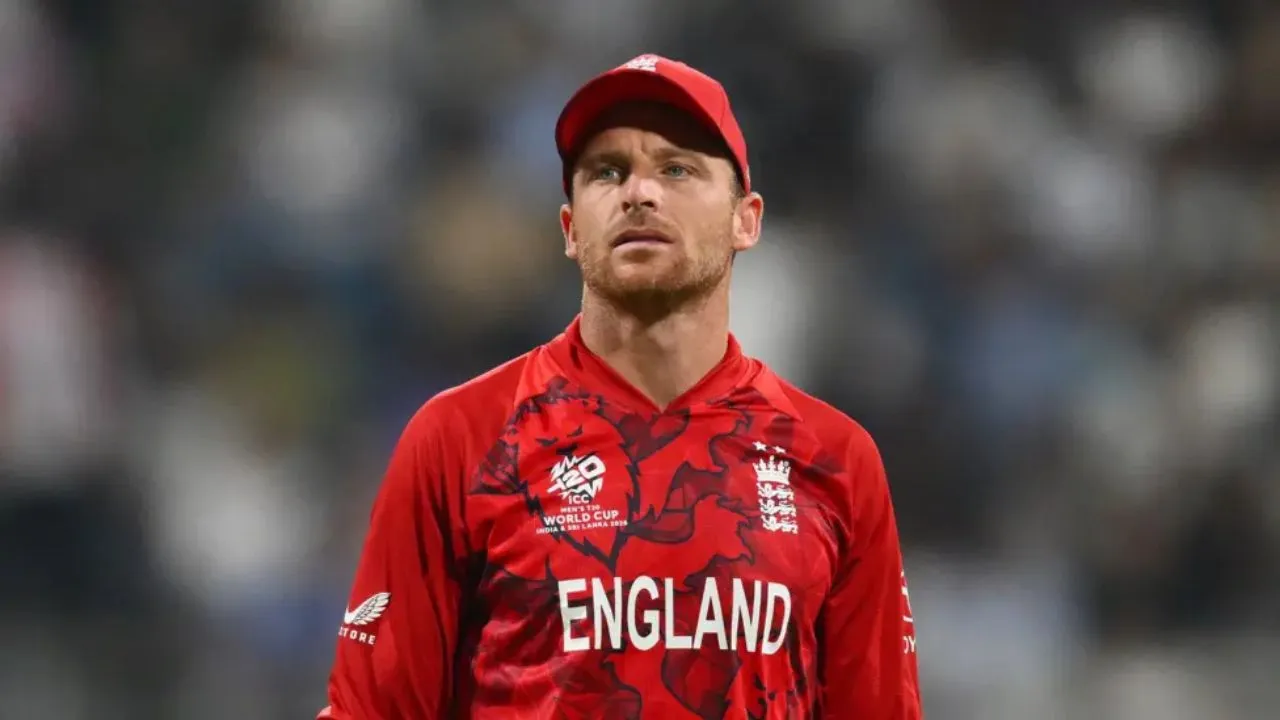
Not English cricket! Jos Buttler credits IPL for his success as a cricketer

“Nitish Kumar Reddy is biggest fraud”: Fans fume as SRH star fails vs RCB in IPL 2026 opener
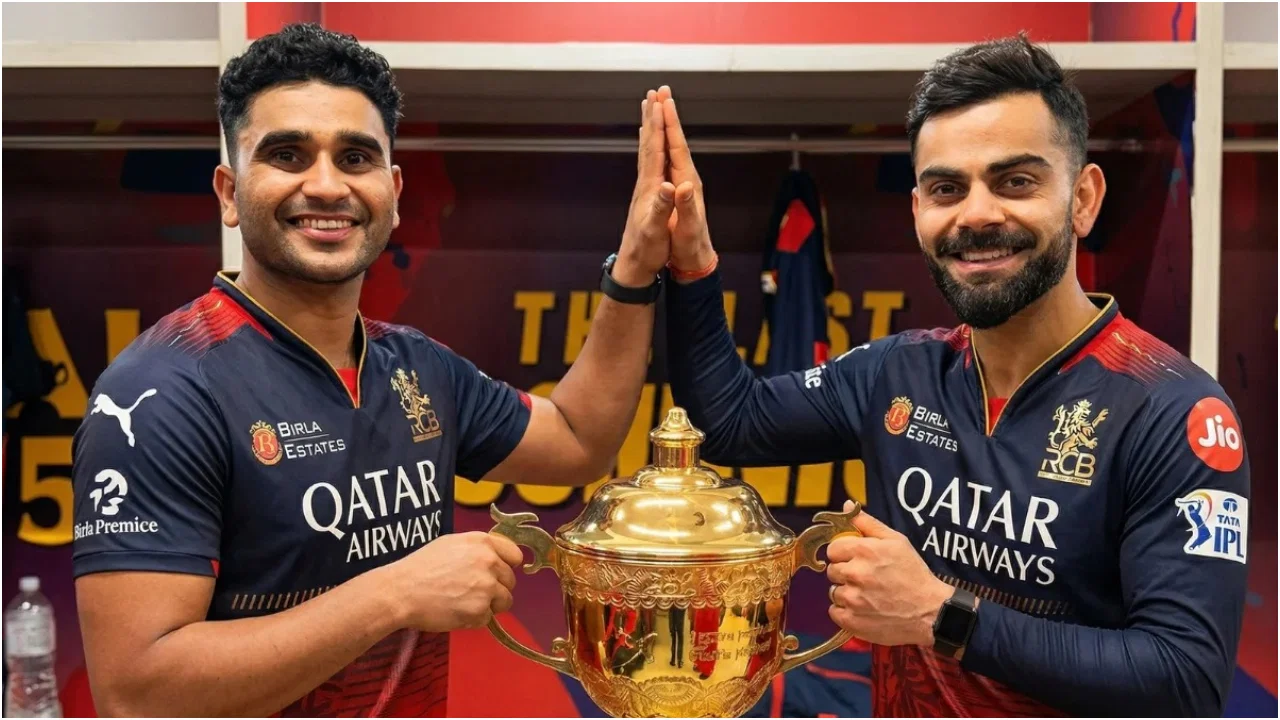
Who is Abhinandan Singh? The Virat Kohli troublemaker who made his IPL debut for RCB vs SRH
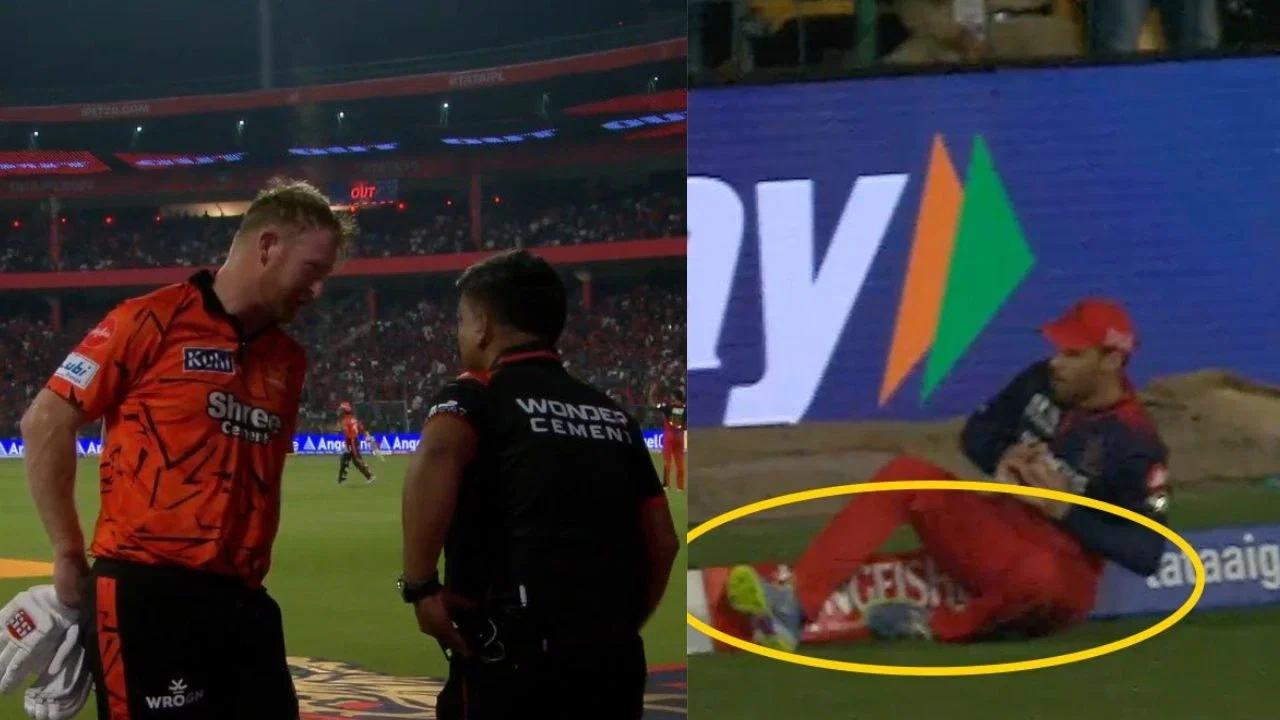
Heinrich Klaasen engages in heated chat with 4th umpire after Phil Salt’s controversial catch in IPL 2026
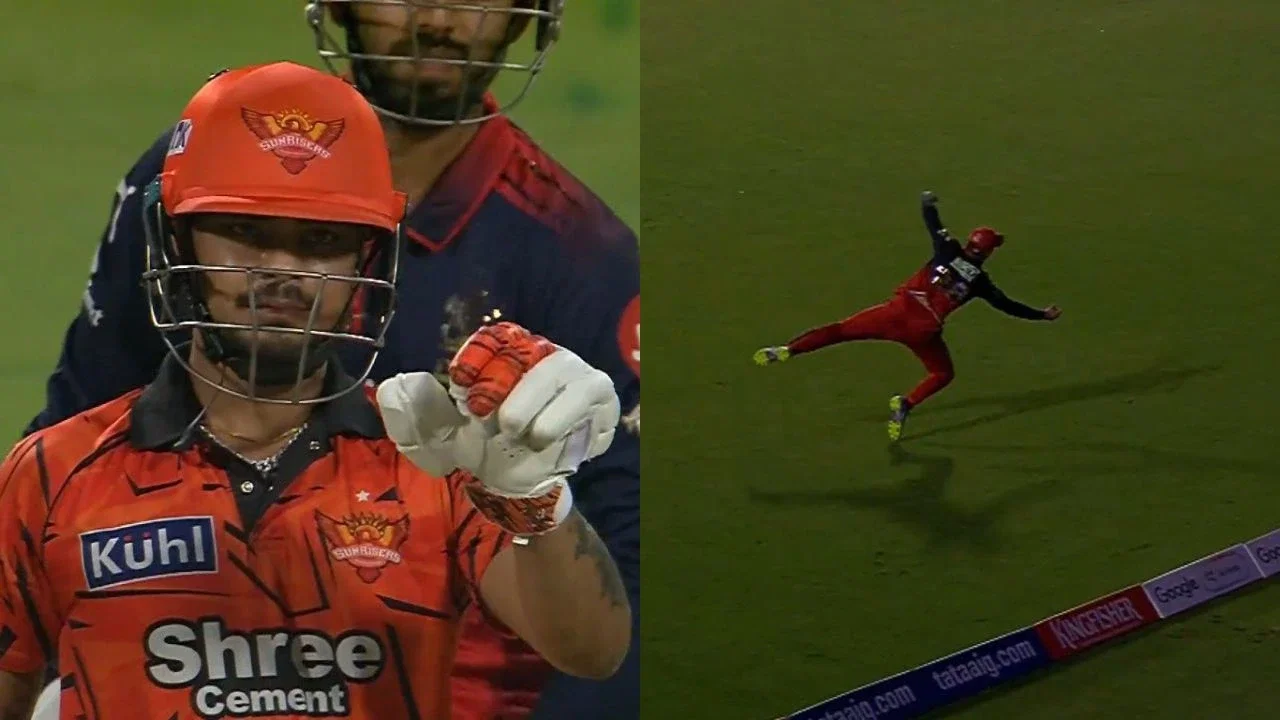
Phil Salt grabs one of the greatest catches in IPL history to dismiss Ishan Kishan