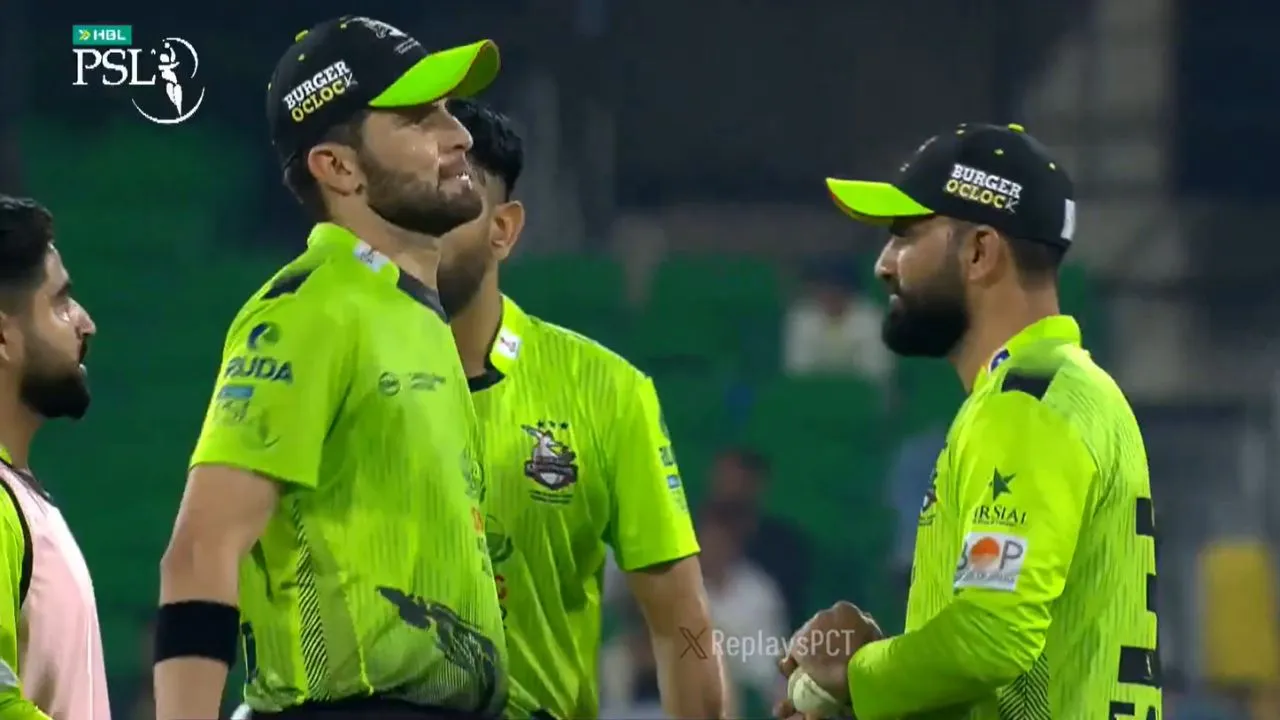
India’s secret plan to humiliate Mohsin Naqvi, Pakistan in Asia Cup 2025 final LEAKED
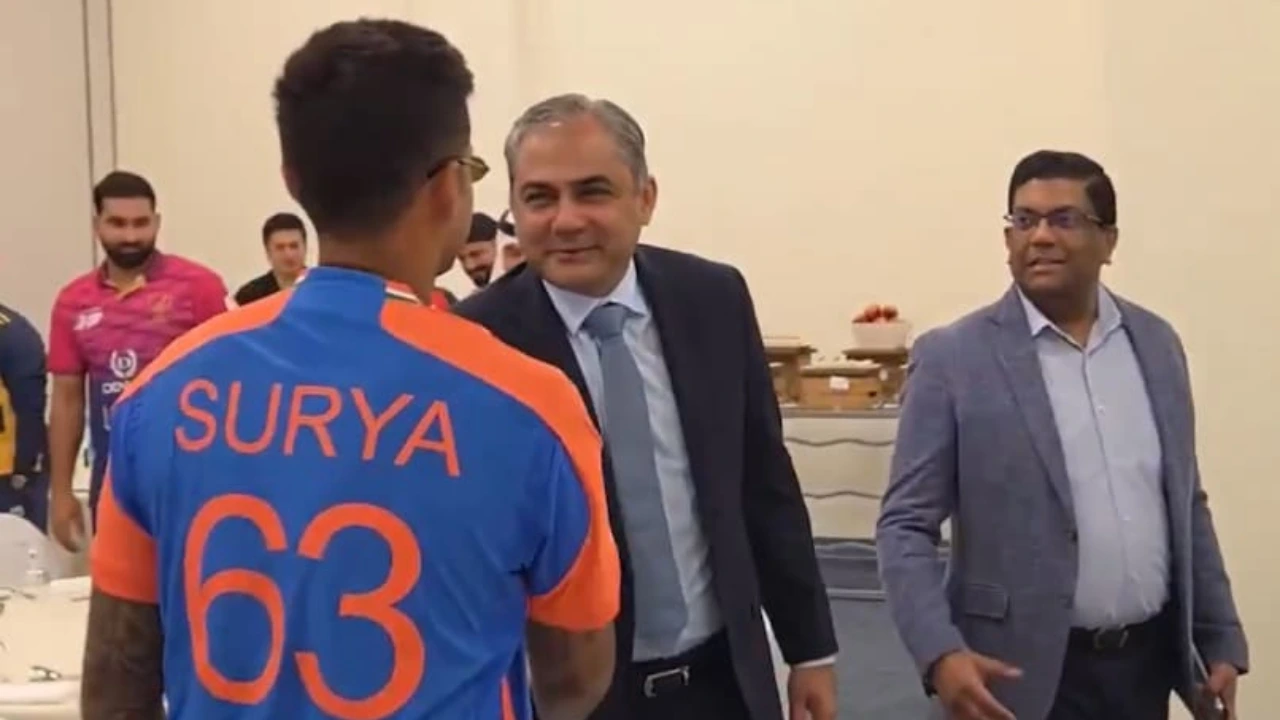
Tensions Rise in Asia Cup 2025 as Indian Cricket Team Takes Bold Stance Against Pakistan
The ongoing Asia Cup 2025 has been filled with drama and controversy, particularly surrounding the Indian cricket team and their relationship with Pakistan and the Asian Cricket Council (ACC). After a reported handshake snub against Pakistan, India is now making headlines once again with their plans for the final if they retain the trophy.
India’s Bold Decision
According to recent reports, the Indian cricket team has decided that they will not share the presentation dais with ACC president Mohsin Naqvi, who also serves as the chairman of the Pakistan Cricket Board (PCB), if they emerge victorious in the Asia Cup 2025 final on September 28 in Dubai.
The Asian Cricket Council president traditionally presents the winner’s trophy, but India has made it clear that they are not willing to accept the cup directly from Naqvi, who also holds a prominent position in the Pakistani government as the Minister of Interior and Narcotics Control.
India’s No-Handshake Stance
Furthermore, it has been reported that India’s decision to refrain from shaking hands with Pakistan will continue throughout the remainder of the Asia Cup 2025 in the UAE. This decision could potentially lead to two more showdowns between India and Pakistan, including a potential final clash, with their next meeting possibly taking place in the Super Four stage.
Currently, India is leading Group A in the tournament after securing victories over the UAE and Pakistan. Their upcoming group match is against Oman on Friday, September 19, where they are expected to solidify their spot in the Super Four round.
Controversy Off the Field
The tension between India and Pakistan has spilled off the field, with a recent incident at the toss during the Asia Cup 2025 clash. Indian captain Suryakumar Yadav refused to shake hands with Pakistan skipper Salman Ali Agha, and the tension continued even after the match, as the Indian team bypassed the traditional post-match handshake and went straight to their dressing room.
During the post-match press conference, Agha opted out of the media interaction, citing Indian host Sanjay Manjrekar, while Suryakumar dedicated the victory to the Indian armed forces and expressed solidarity with the victims of a recent terror attack.
PCB’s Response
Following the handshake scandal, the Pakistan Cricket Board (PCB) placed the blame on match referee Andy Pycroft and demanded his removal. The PCB also lodged complaints with the ACC and sought intervention from the International Cricket Council (ICC), citing India’s behavior as unsportsmanlike and pointing to the escalating political tensions between the two nations.
As the Asia Cup 2025 continues to unfold, all eyes will be on the Indian cricket team and their bold stance against Pakistan, adding an extra layer of drama and intensity to the tournament.
Implications of India’s Bold Stance
India’s decision to take a bold stance against Pakistan in the Asia Cup 2025 carries significant implications not just for the tournament but also for the broader geopolitical landscape of South Asia. The longstanding political tensions between India and Pakistan have often spilled over into the realm of sports, with cricket serving as a potent symbol of national pride and identity for both nations.
By refusing to share the presentation dais with ACC president Mohsin Naqvi, who also holds key positions in the Pakistani government and cricket board, India is making a strong statement about the current state of relations between the two countries. This move underscores the deep-rooted animosity and mistrust that continue to define Indo-Pakistani interactions on multiple fronts.
Historical Context
The history of cricketing rivalries between India and Pakistan is rich and complex, dating back to their first Test match in 1952. Over the decades, these encounters have transcended the boundaries of sport, becoming symbolic battlegrounds for larger political and cultural conflicts. The Asia Cup has often been a stage for these intense rivalries, with emotions running high on and off the field.
India’s decision to maintain a no-handshake policy with Pakistan throughout the tournament is not unprecedented. In the past, cricketing engagements between the two nations have been marred by controversies, boycotts, and diplomatic tensions. The current standoff in the Asia Cup 2025 is just the latest chapter in a long saga of cricketing conflicts between India and Pakistan.
Global Repercussions
As one of the powerhouses of international cricket, India wields considerable influence in shaping the dynamics of the sport globally. The Indian cricket team’s stance against Pakistan in the Asia Cup 2025 could set a precedent for how other cricketing nations navigate similar political minefields in the future. The ripple effects of this standoff may be felt across the cricketing world, with repercussions on scheduling, bilateral series, and multilateral tournaments.
Moreover, the involvement of the ACC and the ICC in mediating the conflict between India and Pakistan underscores the interconnected nature of cricket diplomacy and international relations. Sports have often served as a bridge between nations, facilitating dialogue and cooperation even in times of heightened tension. However, in the case of India and Pakistan, cricket has also been a mirror reflecting the deep-seated divisions and hostilities that persist between the two neighbors.
The Way Forward
As the Asia Cup 2025 unfolds, it remains to be seen how the standoff between India and Pakistan will evolve and whether efforts will be made to de-escalate the situation. The role of cricket administrators, players, and fans in promoting sportsmanship, mutual respect, and peace-building cannot be understated. Ultimately, the spirit of cricket lies in fostering camaraderie, fair play, and unity across borders, transcending the confines of politics and nationalism.
While the tensions in the Asia Cup 2025 may add drama and intrigue to the tournament, they also serve as a sobering reminder of the enduring challenges of reconciliation and cooperation in the complex tapestry of South Asian relations.
By delving into the historical context, global repercussions, and the way forward, this expansion provides a deeper understanding of the implications of India’s bold stance against Pakistan in the Asia Cup 2025.
Latest News
MS vs HYDK Match Prediction, Pitch & Weather Report, Playing XIs, Head-to-Head, Free Live Streaming – PSL 2026 Match 8
ISU vs PSZ Match Prediction, Pitch & Weather Report, Playing XIs, Head-to-Head, Free Live Streaming – PSL 2026 Match 7
Ravindra Jadeja breaks silence on fiery send-off to Shivam Dube in RR vs CSK IPL 2026 clash
Mohsin Naqvi and PCB fines Naseem Shah for criticizing Pakistan’s top politician
IPL Points Table 2026: Updated Standings, Orange Cap, Purple Cap After RR vs CSK Match 3
Lahore Qalandars fines Shaheen Shah Afridi over security concerns
“All bowlers did well”: Riyan Parag praises bowling unit after RR’s dominating win over CSK in IPL 2026
“A lot of mistakes”: Ruturaj Gaikwad points at batting collapse after humilating loss vs RR in IPL 2026
Aakash Chopra hits back at fan with sharp reply on social media
Sanju Samson castled for 6 by Nandre Burger, fails badly on CSK debut in IPL 2026
Jofra Archer strikes gold, sends Ruturaj Gaikwad packing for 6
“Is a big mistake”: Manvinder Bisla urges patience, backs KKR bowlers to bounce back
“Bas bhai ab aur nahi”: Fans trolls CSK after batting collapse vs RR in IPL 2026
‘Rohit Sharma will worry all IPL teams’ – Ex-RCB captain issues warning to CSK and others