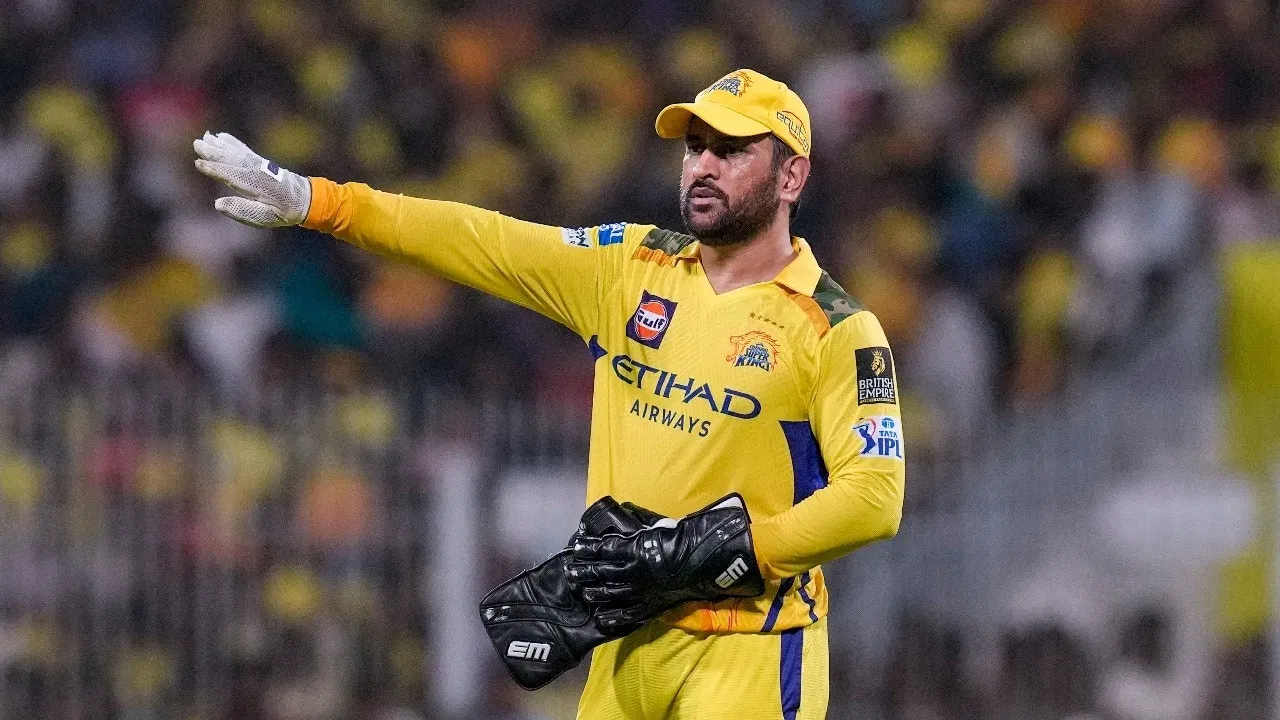
IPL 2025: Chennai veteran reveals why Virat Kohli didn’t become RCB captain
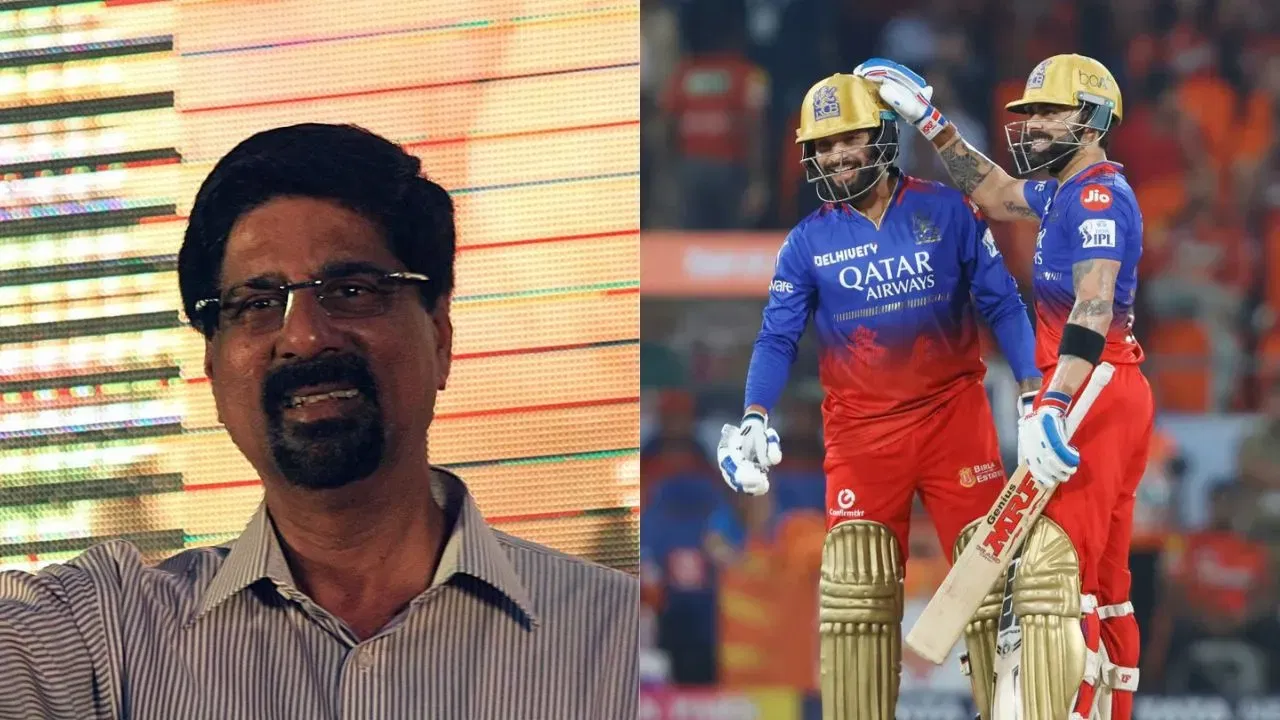
Veteran Cricketer Kris Srikkanth Shares Insights on Virat Kohli’s Decision Regarding RCB Captaincy
Prediction Shattered: Virat Kohli’s Possible Decline of RCB Captaincy
Former Team India cricketer Kris Srikkanth recently revealed his thoughts on the surprising appointment of Rajat Patidar as the captain of Royal Challengers Bengaluru (RCB) and speculated that star batter Virat Kohli might have personally declined the captaincy role. Srikkanth backed the decision to appoint Patidar, stating that it would bring a fresh leadership perspective with lower expectations to the team.
Many cricket enthusiasts and experts had predicted that Virat Kohli would make a comeback as the captain of RCB after stepping down from the role in 2021. However, the unexpected announcement of Rajat Patidar as the fourth Indian captain of RCB on February 13 left many fans and analysts surprised.
In a statement made on his YouTube channel Cheeky Cheeka, Srikkanth expressed his belief that Virat Kohli likely chose to prioritize his batting over the captaincy. He mentioned that the decision might have come after discussions between Kohli and the franchise. “I think Virat would have said no to the captaincy. He would have said ‘I want to focus on batting’. I think all this must have happened in consultation with Virat Kohli,” Srikkanth said, as quoted by India Today.
Rajat Patidar: A Surprising Yet Promising Choice
Kris Srikkanth also lauded RCB’s decision to name Rajat Patidar as captain, citing his consistent performances in the Indian Premier League (IPL) as a key factor. Drawing parallels to MS Dhoni’s unexpected captaincy in the 2007 T20 World Cup, Srikkanth mentioned that Patidar would face fewer expectations as a leader.
“Rajat Patidar is a good choice. He has been doing well in the IPL. The good thing is he will not have a lot of expectations. When we appointed Dhoni in 2007 as the T20 World Cup captain, not a lot was expected of him and the team. It’s a bit like that…Expectations from Rajat Patidar as a captain are not high. He will take his own calls. He will consult Virat Kohli, who will be a guiding force,” Srikkanth explained.
Virat Kohli’s Legacy and Rajat Patidar’s Opportunity
Despite leading RCB for a significant period from 2013 to 2021, Virat Kohli never managed to secure an IPL title as captain. However, his contribution to building RCB’s brand and leading the team in 143 matches, with 66 wins, 70 losses, three ties, and four no-results, is undeniable. The team reached the IPL final in 2016 but fell short of clinching the trophy.
Now, Rajat Patidar finds himself in a unique position as only the fourth Indian to captain RCB in the IPL, following the footsteps of Rahul Dravid, Anil Kumble, and Virat Kohli. Patidar, who was initially part of the squad in 2021 and returned in 2022 as a replacement after going unsold in the auction, has quickly established himself as a key player for the franchise.
As the IPL season unfolds, all eyes will be on Rajat Patidar as he leads RCB with a fresh perspective, backed by the support of his team and the guidance of Virat Kohli. The dynamics of RCB’s leadership have taken an unexpected turn, setting the stage for an exciting and unpredictable journey in the tournament.
The Importance of Team Dynamics in Leadership Decisions
One crucial aspect that Kris Srikkanth’s insights shed light on is the significance of team dynamics in making leadership decisions. While many may have expected Virat Kohli to resume his role as the RCB captain, the behind-the-scenes discussions and considerations between Kohli and the franchise management played a pivotal role in determining the outcome. This highlights the importance of open communication and alignment between key stakeholders when it comes to leadership transitions in a team setting.
Managing Expectations and Performance Pressure
By appointing Rajat Patidar as the captain of RCB, the franchise has strategically managed expectations and performance pressure on the new leader. Drawing parallels to MS Dhoni’s unexpected captaincy in the 2007 T20 World Cup, Srikkanth emphasizes the advantages of having lower expectations on a new captain, allowing them to lead with freedom and make decisions without the burden of intense scrutiny. This shift in leadership can provide Rajat Patidar with the space to grow into his role and showcase his leadership capabilities without the weight of past expectations.
Legacy Building and Transition of Leadership
The transition of leadership from Virat Kohli to Rajat Patidar signifies a crucial moment in the legacy building of RCB as a franchise. While Kohli’s tenure as captain brought immense visibility and recognition to the team, the opportunity for a new captain like Patidar to carve his path and leave his mark on the team presents a fresh chapter in RCB’s journey. This shift in leadership also highlights the importance of succession planning and the continuous evolution of leadership roles within a team to ensure sustainability and growth.
Unpredictability and Excitement in Cricket
Cricket, as a sport, thrives on unpredictability and excitement, and the decision-making process around team captaincy is no exception. The unexpected turn of events in RCB’s leadership announcement has added an element of intrigue and anticipation to the upcoming IPL season. Fans, analysts, and players alike will closely watch how Rajat Patidar leads the team and navigates the challenges and opportunities that come with being at the helm of one of the most followed franchises in the league.
Collaboration and Mentorship in Leadership
With Virat Kohli stepping back from the captaincy role but remaining an integral part of the team as a guiding force, the concept of collaboration and mentorship in leadership comes to the forefront. The relationship between Kohli and Patidar, where the former provides guidance and support to the new captain, showcases the importance of teamwork and collective wisdom in driving success on and off the field. This dynamic partnership between an experienced player and a rising leader exemplifies the essence of mentorship in grooming future leaders within a team.
As the IPL season progresses, the unfolding narrative of RCB’s leadership transition will offer valuable insights into the complexities of decision-making in cricket teams, the dynamics of leadership succession, and the impact of strategic choices on team performance and culture. The interplay of individual aspirations, team objectives, and organizational strategies in shaping leadership roles underscores the multifaceted nature of leadership in sports and beyond.
Latest News
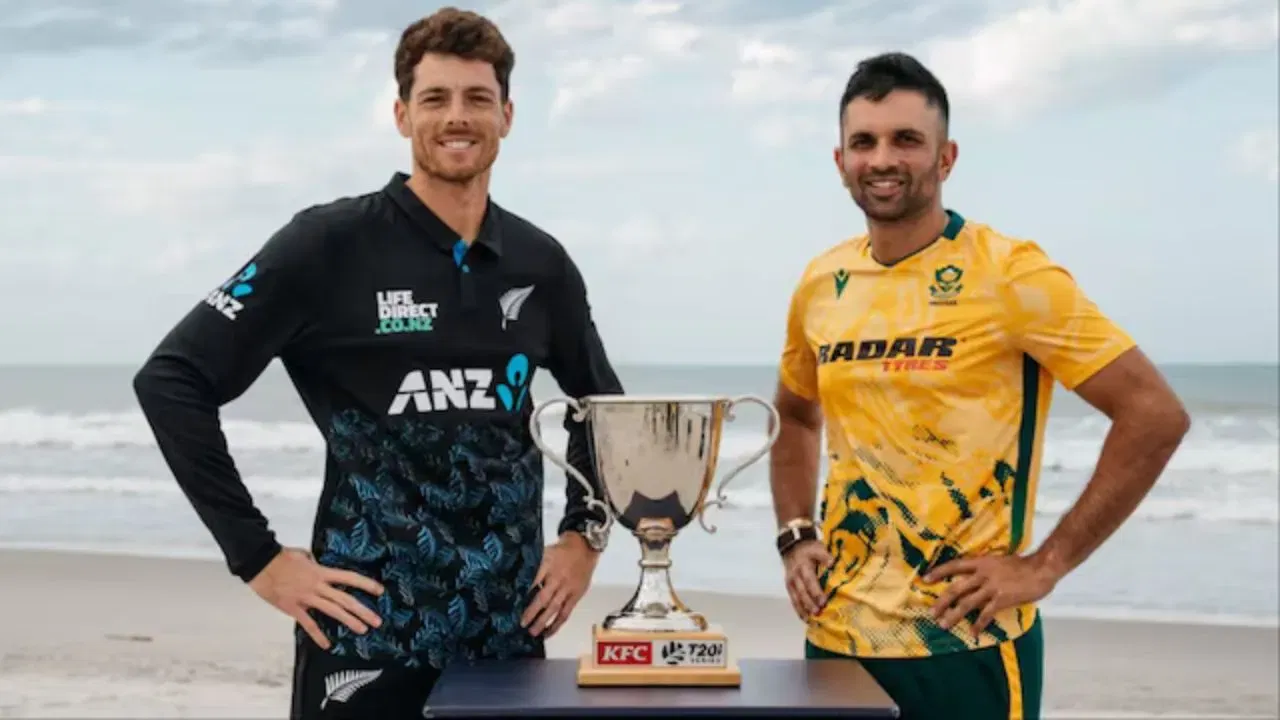
NZ vs SA 5th T20I Preview: Free Live Streaming, Pitch & Weather Report, Head-to-Head | South Africa tour of New Zealand 2026
NZ vs SA Match Prediction – Who Will Win 5th T20I? | South Africa tour of New Zealand 2026
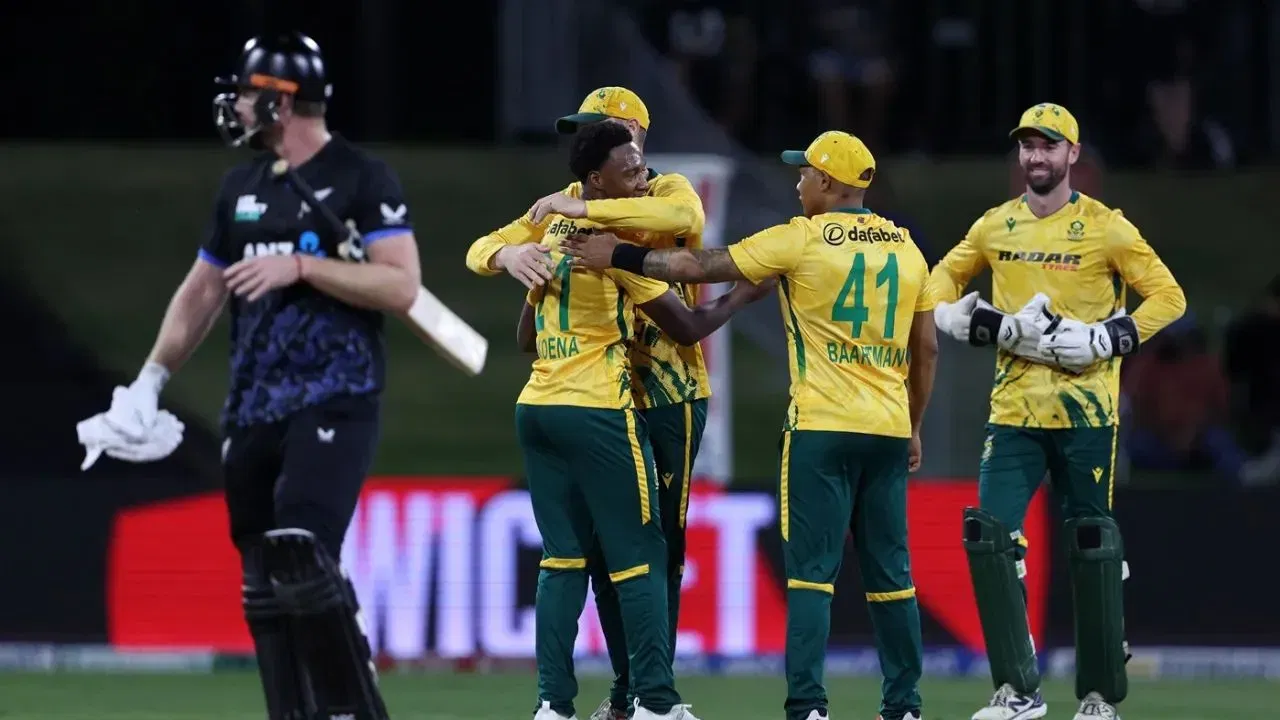
New Zealand Playing XI vs South Africa Playing XI – 5th T20I | South Africa tour of New Zealand 2026
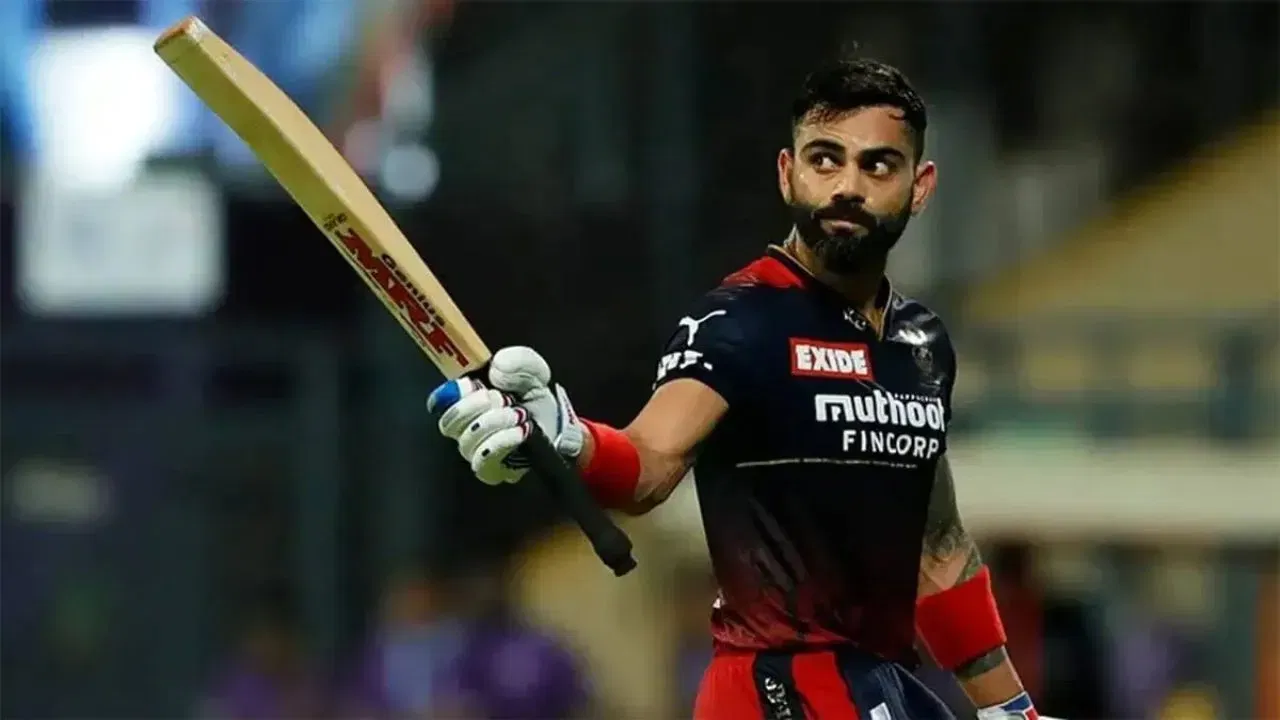
PBKS spinner calls Virat Kohli his idol, makes bold dismissal claim ahead of IPL 2026

“Not stupid”: Adam Gilchrist, Mark Waugh break silence on ECB not sacking Brendon McCullum
Revealed: Why RCB players will wear black armbands and No.11 jersey in IPL 2026?
RCB boss breaks silence on Josh Hazlewood’s IPL 2026 status, drops big remark on Venkatesh Iyer
Rajasthan Royals sold! Kal Somani’s $1.63 billion deal backed by Walmart and Ford powerhouses
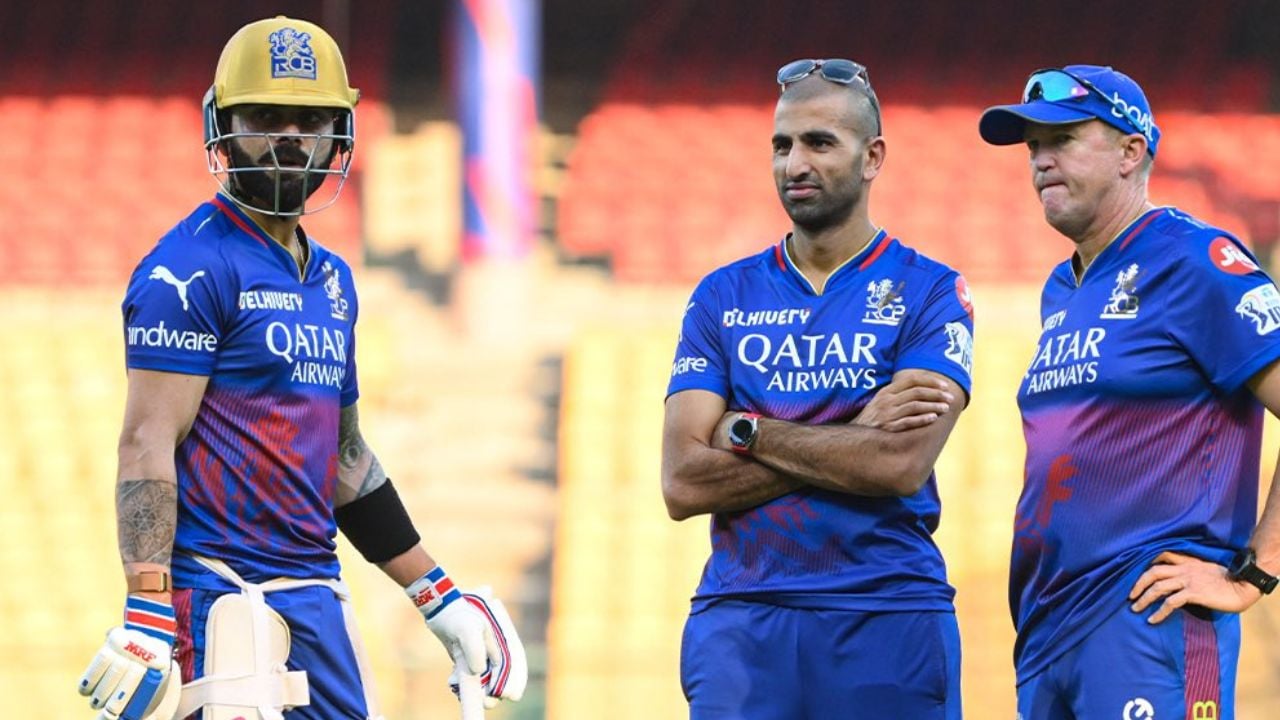
‘I’m not carrying that baggage, but Virat Kohli…’: RCB boss makes huge statement ahead of IPL 2026
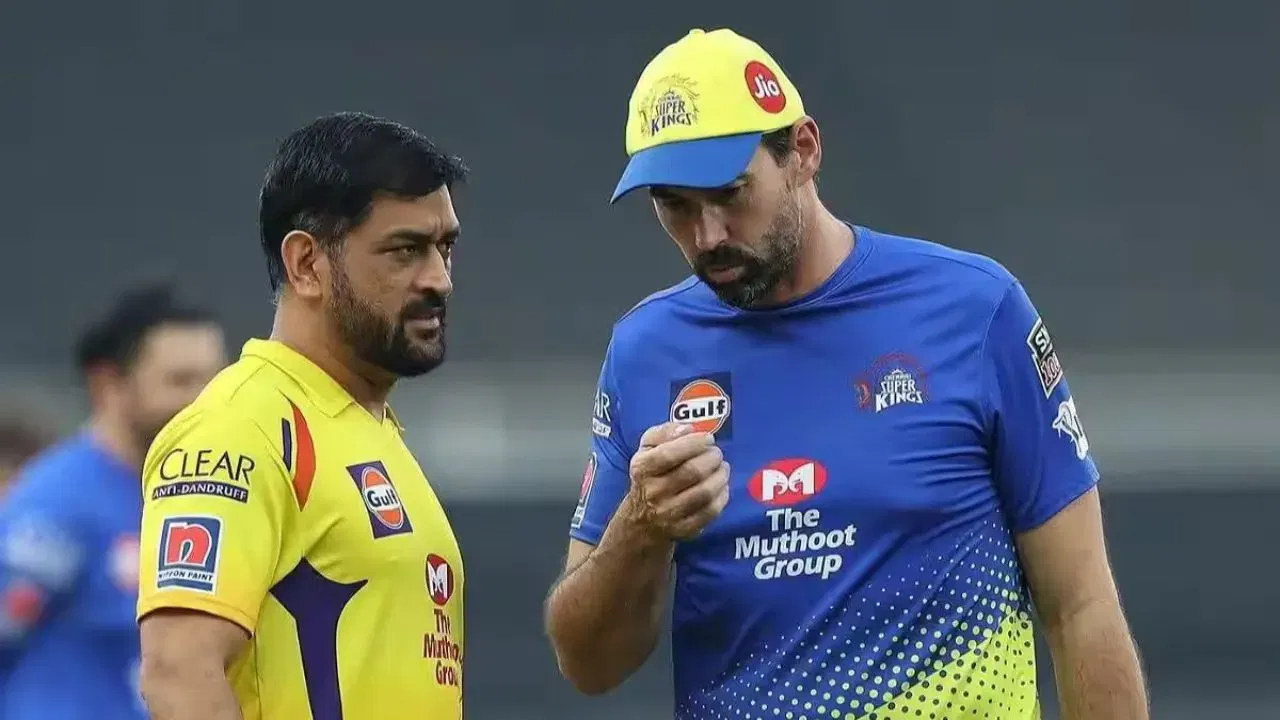
MS Dhoni set to return as CSK captain for his last IPL season?
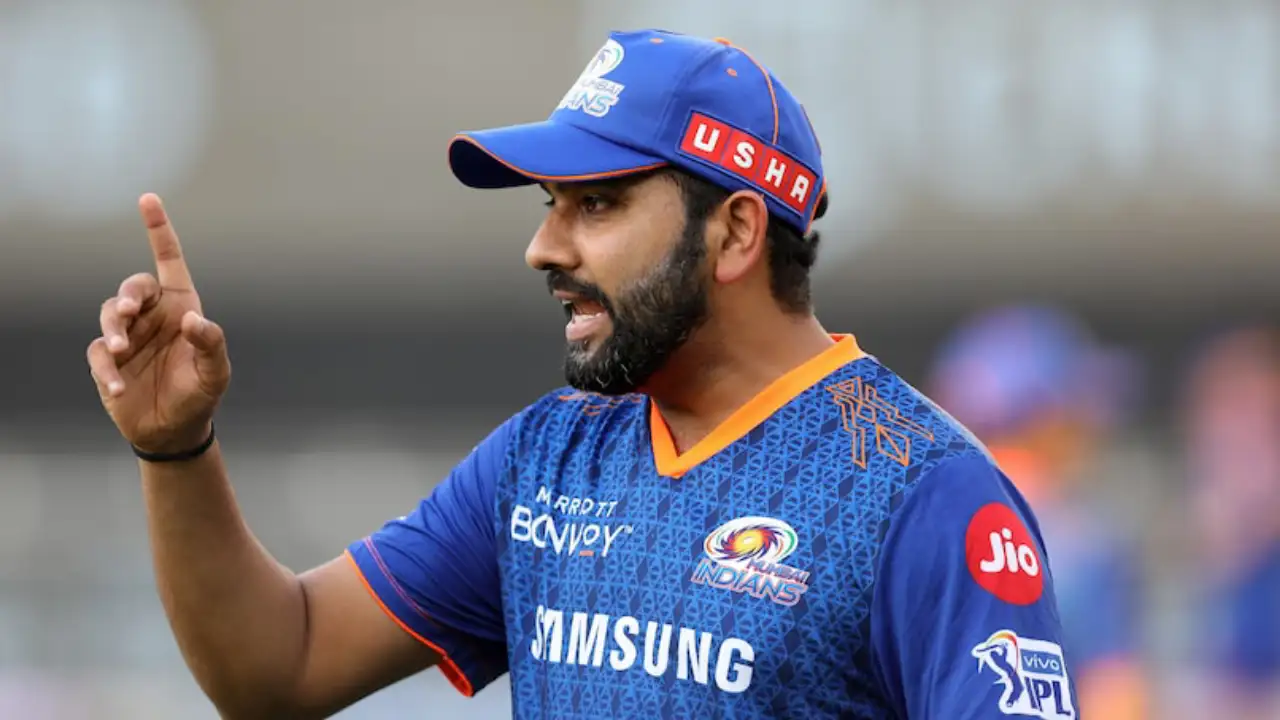
‘Rohit Sharma is good enough to be part of Indian T20I team’: MS Dhoni’s ex-teammate’s big remark
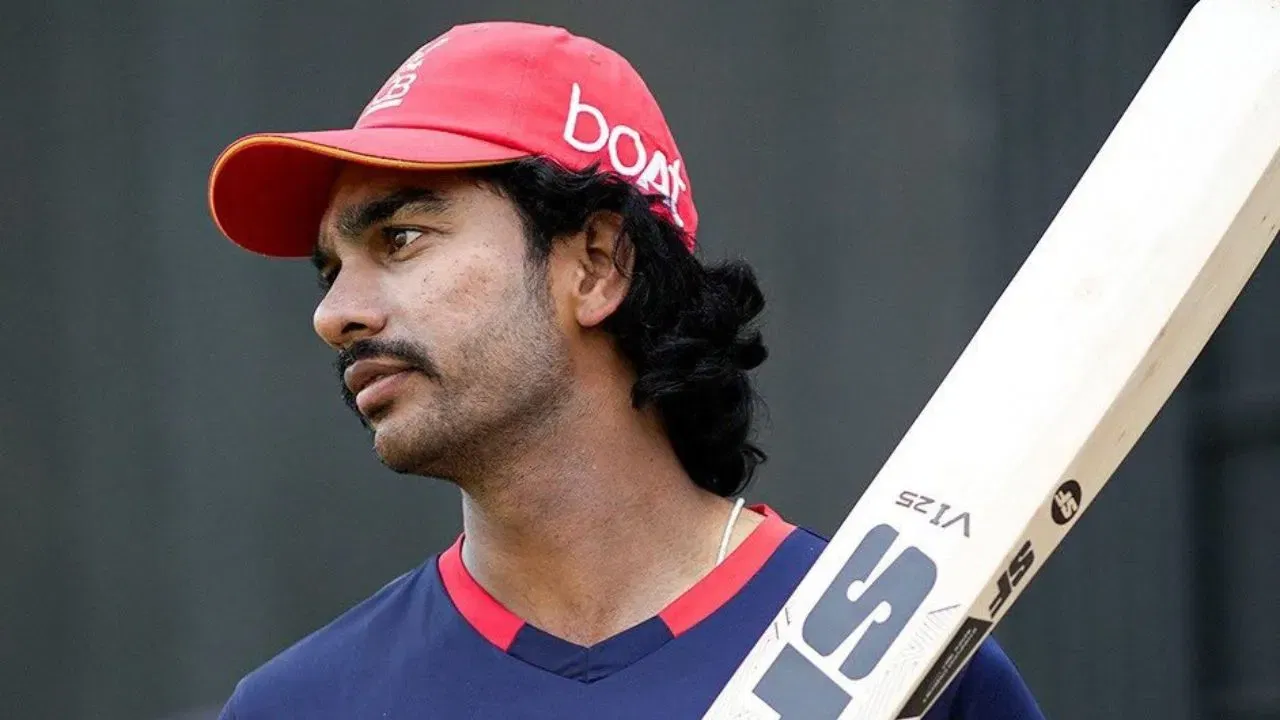
3 RCB players who could struggle in IPL 2026 – ft Venkatesh Iyer
3 RCB players who could struggle in IPL 2026 – ft Venkatesh Iyer
3 MI players who could struggle in IPL 2026 – ft Rohit Sharma