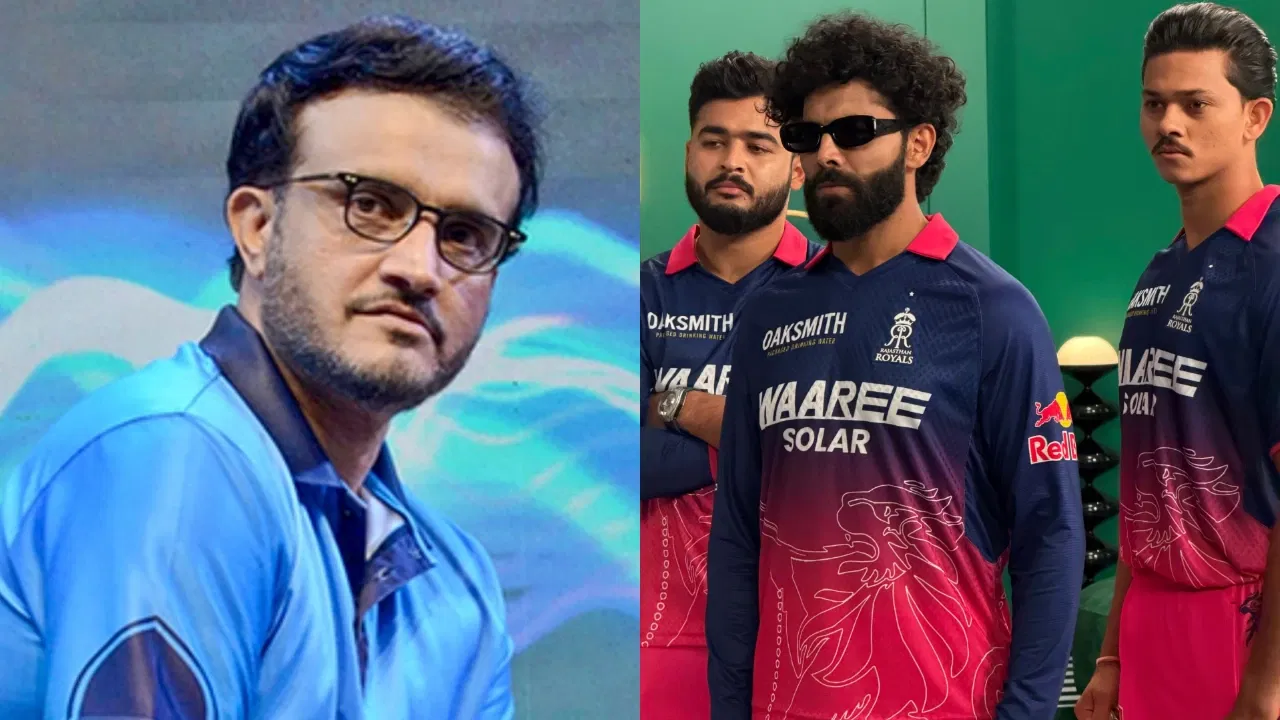
IPL 2025: RCB exposed as ex-CSK star leaks shocking dressing room details
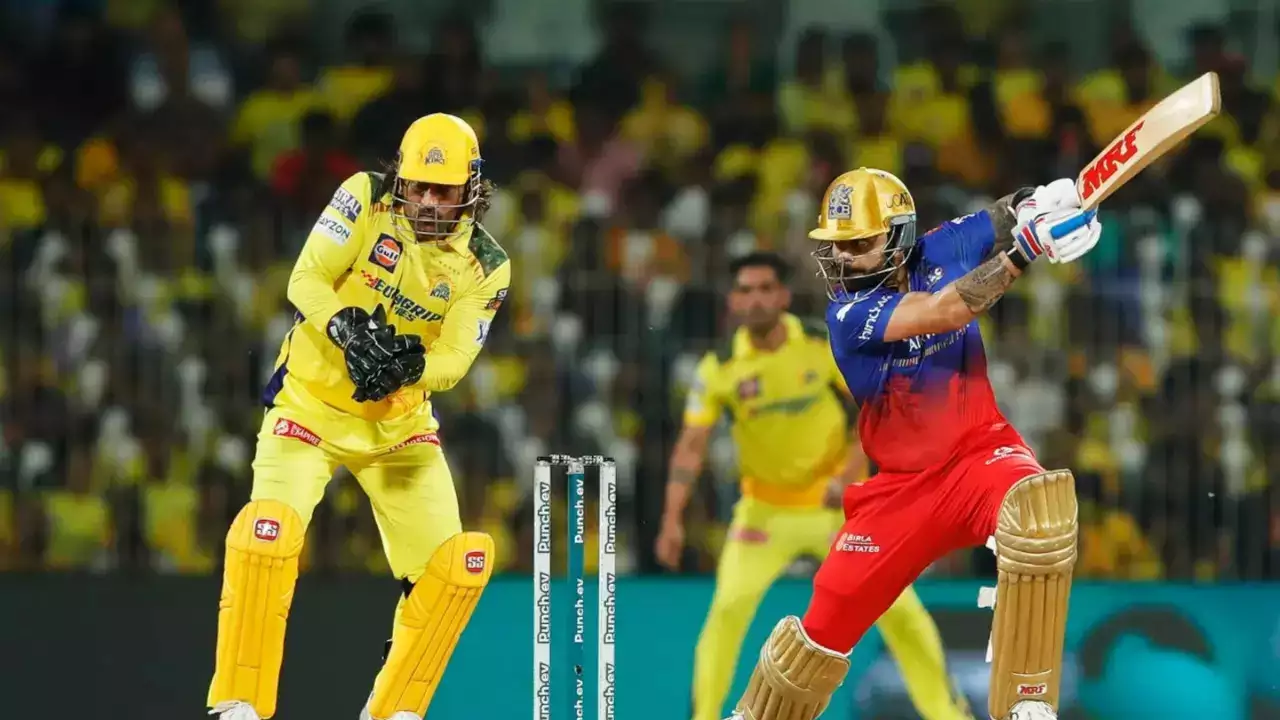
Former Spinner Shadab Jakati Analyzes RCB’s Team Environment
Former left-arm spinner Shadab Jakati recently shared his insights on the team dynamics of Royal Challengers Bangalore (RCB) and why they have struggled to clinch an IPL title. Having played for both RCB and Chennai Super Kings (CSK), Jakati compared the two franchises and highlighted the key differences that have impacted their performance in the tournament.
Contrasting Management Styles
Jakati pointed out that while CSK has maintained a consistent core of players over the years, RCB has often made significant changes to their squad. According to Jakati, the stability of CSK’s team, along with their emphasis on nurturing talent and providing players with extended opportunities, has been a key factor in their success. In contrast, RCB has tended to rely heavily on a few star players to deliver results.
“It’s a team game. If you want to win trophies, the team needs to play like a unit. 2-3 players cannot help you win the trophy,” Jakati emphasized. He noted that CSK’s strong group of Indian and foreign players have shared the responsibility evenly, reducing the pressure on any individual player.
Lack of Camaraderie in RCB
Jakati also highlighted the importance of team camaraderie and the role of team management in creating a positive atmosphere. He mentioned that while RCB had talented players, there was a lack of unity among the team members. In contrast, CSK’s management has been commended for fostering a supportive environment that allows players to thrive on the big stage.
“The role of team management is quite significant. Chennai’s management was very good actually. They looked after their players nicely. These are the small things which make a big difference,” Jakati explained.
Old Rivals Set to Clash in IPL 2025
RCB and CSK have a long-standing rivalry in the IPL, with matches between the two teams known for their intensity. The upcoming match between RCB and CSK on March 28 in Chennai is highly anticipated by fans, as it promises to be another thrilling encounter between the old rivals.
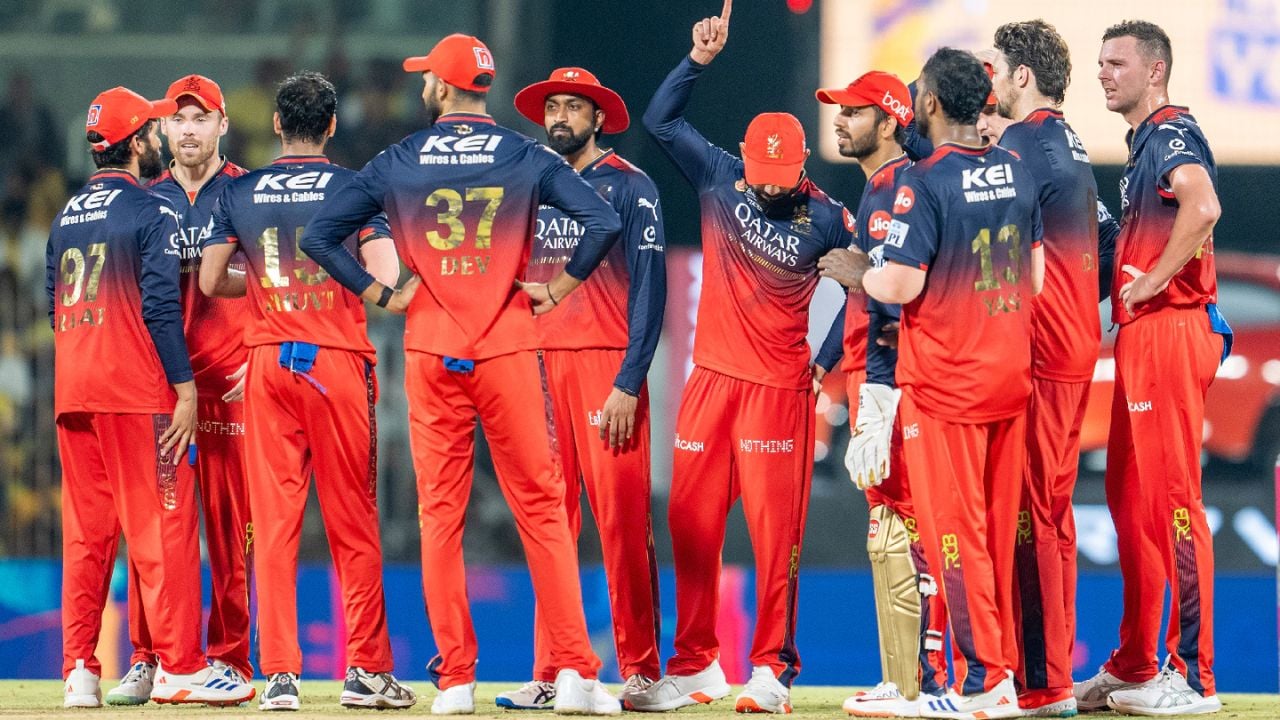
Despite boasting a lineup of top players like Virat Kohli, Chris Gayle, AB de Villiers, KL Rahul, and Yuzvendra Chahal, RCB is yet to secure an IPL title. The team’s reliance on individual brilliance rather than collective teamwork has been identified as a key factor holding them back from achieving championship success.
As cricket enthusiasts eagerly await the clash between RCB and CSK, the contrasting approaches of the two franchises in team management and player development continue to be a topic of discussion among fans and experts alike.
The Importance of Predictive Analytics in IPL
One aspect that plays a crucial role in the performance of IPL teams is the use of predictive analytics. With the increasing availability of data and advanced analytics tools, teams like CSK have been able to make informed decisions regarding player selection, strategy formulation, and game analysis. By leveraging data-driven insights, teams can identify patterns, trends, and player performances that contribute to their success.
CSK’s consistent performance over the years can be attributed to their strategic use of data analytics to optimize their team composition and gameplay. On the other hand, RCB’s reliance on individual brilliance without harnessing the power of predictive analytics might be hindering their ability to maximize their potential. By incorporating predictive analytics into their decision-making processes, RCB could potentially bridge the gap and enhance their chances of clinching an IPL title.
The Evolution of Team Dynamics in T20 Cricket
The dynamics of T20 cricket have evolved significantly since the inception of the IPL. Teams are now focusing not only on assembling a roster of talented players but also on building a cohesive unit that works together towards a common goal. The emphasis on team chemistry, camaraderie, and strategic planning has become paramount in the modern era of T20 cricket.
CSK’s success in the IPL can be attributed to their holistic approach towards team dynamics, where the management, coaching staff, and players work in harmony to achieve success. RCB, on the other hand, may need to reassess their team environment and adopt a more collaborative and unified approach to enhance their performance on the field.
The Impact of Leadership on Team Culture
Another crucial factor that influences team dynamics is leadership. Captains and coaches play a pivotal role in shaping the culture of a team, fostering unity, and instilling a winning mentality among players. CSK, under the guidance of MS Dhoni, has exemplified strong leadership that has translated into on-field success.
RCB, led by Virat Kohli, has shown moments of brilliance but has struggled to consistently deliver championship-winning performances. The leadership styles of Dhoni and Kohli differ significantly, with Dhoni’s calm demeanor and strategic acumen contrasting with Kohli’s fiery passion and aggressive approach. Finding the right balance between leadership styles and team dynamics is essential for any IPL team aspiring to lift the coveted trophy.
Looking Ahead: The Future of RCB
As RCB prepares to face off against CSK in the upcoming IPL match, the spotlight will once again be on their team dynamics, strategy, and performance. With a talented lineup and the potential to recalibrate their approach, RCB has the opportunity to turn the tide and rewrite their narrative in the IPL.
By incorporating lessons learned from their past experiences, embracing predictive analytics, fostering team camaraderie, and harnessing effective leadership, RCB can position themselves as strong contenders in future IPL seasons. The match against CSK serves as a litmus test for RCB’s ability to adapt, evolve, and ultimately realize their championship aspirations.
In conclusion, the analysis provided by former spinner Shadab Jakati sheds light on the intricate dynamics at play within IPL teams and underscores the importance of teamwork, management, and strategy in achieving success in the fiercely competitive T20 format.
Latest News
Ben Duckett opts out from IPL 2026, set to face ban
“Players will prevail”: Sourav Ganguly’s drops big verdict on ‘Impact Player’ rule ahead of IPL 2026
“Players will prevail”: Sourav Ganguly’s drops big verdict on ‘Impact Player’ rule ahead of IPL 2026
3 LSG players who could struggle in IPL 2026 – ft Rishabh Pant
Rinku Singh gets major role for KKR ahead of IPL 2026
RCB gets new buyer ahead of IPL 2026, sold to…..

KKR take massive step to honour Andre Russell forever
“Mumbai Indians are winning it” – Ex-England captain makes bold prediction for IPL 2026
Mayank Yadav reveals real story behind his recovery and Sanjiv Goenka’s support
IPL 2026 ball change rule explained
Ottis Gibson reveals plan to revive Babar Azam’s confidence ahead of PSL 2026
Liam Livingstone survives as Rob Key confirms England spot after shocking interview claims
Kevin Pietersen credits RCB and IPL for career revival

Ottneil Baartman set to join CSK in IPL 2026 as replacement of….