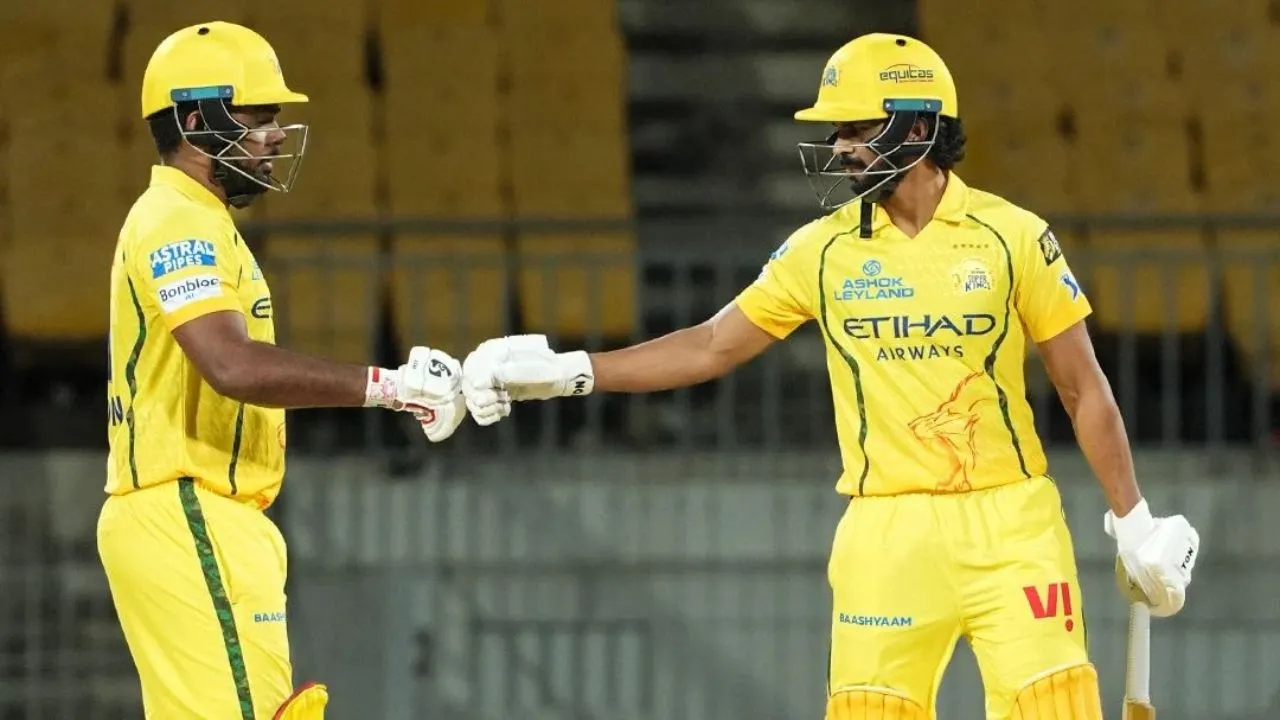
IPL BANNED in Bangladesh! BCB pulls NUCLEAR move amid Mustafizur Rahman controversy
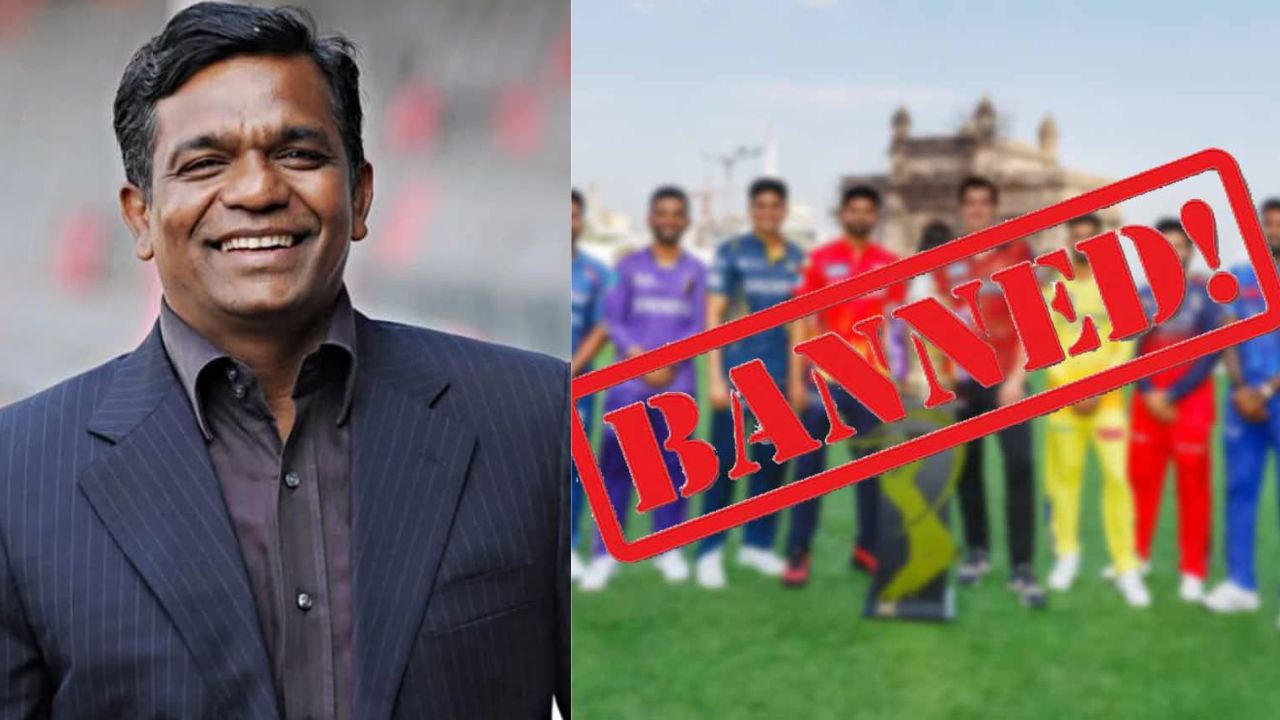
BCB Adviser Orders Halt on IPL Broadcast in Bangladesh Amidst Rising Tensions
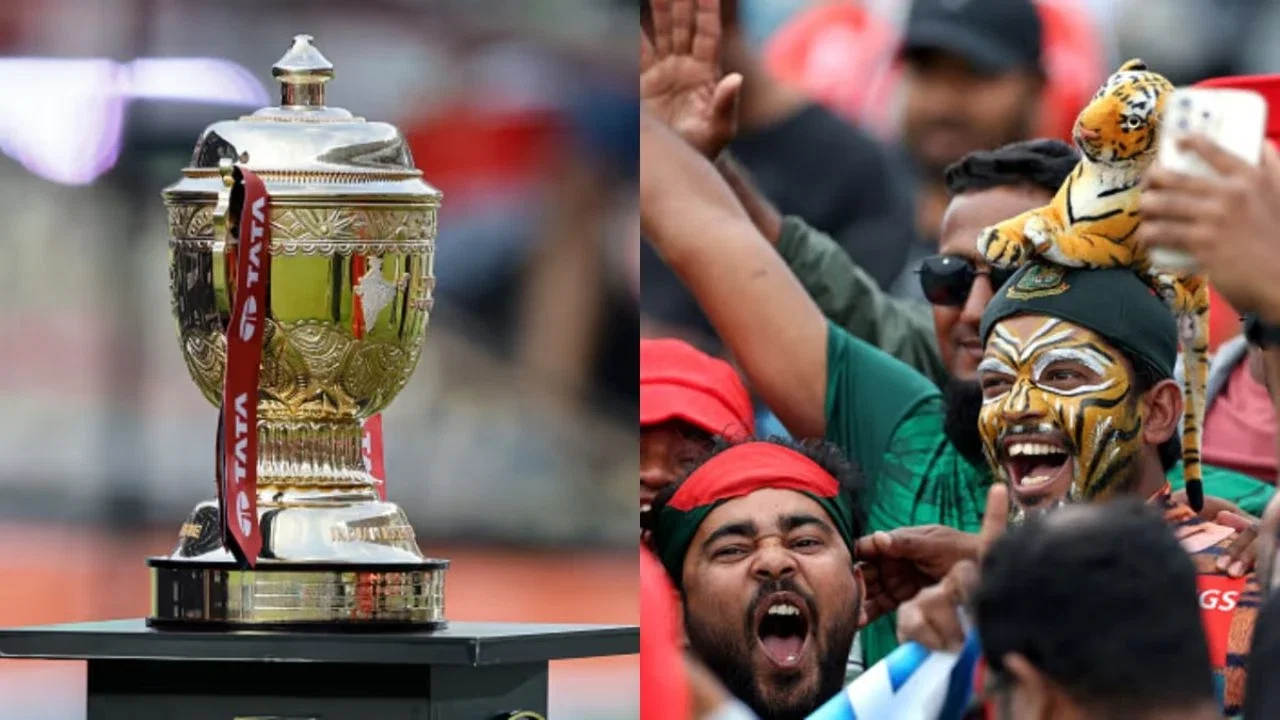
In a recent turn of events, Asif Nazrul, a government adviser in Bangladesh, has made the decision to halt the broadcast of IPL matches in the country. This move comes amidst escalating tensions between India and Bangladesh, fueled by political unrest and recent incidents involving cricketers.
Background of the Conflict
The deteriorating relations between India and Bangladesh can be traced back to the ousting of former Prime Minister Sheikh Hasina from Bangladesh after anti-government protests and her subsequent sentencing to death by a tribunal. Under the new interim government, religious conflicts have intensified, leading to targeted attacks on Hindus in Bangladesh.
While the BCCI has not explicitly linked political unrest as the reason for excluding cricketer Mustafizur Rahman from the IPL, it is speculated that protests from Indian groups and an ongoing anti-Bangladesh campaign in India could have influenced the decision.
BCB Takes a Stand Against IPL Broadcast
After Mustafizur Rahman was unexpectedly removed from the Kolkata Knight Riders IPL team, the Bangladesh Cricket Board (BCB) has decided to take a bold step by requesting the Information and Broadcasting Ministry to suspend the broadcast of IPL matches in Bangladesh.
Asif Nazrul emphasized the importance of not allowing any disrespect towards Bangladeshi cricket, cricketers, or the nation itself. He stated, “Under no circumstances will we tolerate any insult to Bangladeshi cricket, cricketers, or Bangladesh itself. The days of servitude are over.”
BCB Seeks ICC’s Intervention
Following the tensions with the BCCI over Mustafizur Rahman’s exclusion from the IPL, the BCB is now considering urging the ICC to relocate Bangladesh’s T20 World Cup group matches from India to Sri Lanka. The move aims to ensure the safety and well-being of the national team in light of recent events.
Nazrul, as the adviser overseeing the Ministry of Sports, has instructed the Cricket Control Board to formally communicate the situation to the ICC. The BCB is advocating for a change in venues to safeguard the interests of its players and maintain a conducive environment for the upcoming tournament.
Challenges and Reactions
Despite Bangladesh’s request for venue changes, the BCCI has pushed back against such demands, citing logistical challenges and the complexities involved in altering the tournament schedule. With just a month left until the T20 World Cup, implementing venue shifts poses significant hurdles for all stakeholders involved.
A source from the BCCI highlighted the practical difficulties of accommodating sudden changes in match venues, emphasizing the impact on teams, broadcast crews, and logistical arrangements. The source concluded that altering the tournament schedule at this stage would be far from straightforward.
As tensions between India and Bangladesh continue to rise in the realm of cricket, the future of bilateral relations and sporting engagements remains uncertain. The decisions made by both cricket boards will play a crucial role in shaping the dynamics of cricket diplomacy between the two nations.
Impact on Cricket Diplomacy
The decision to halt the broadcast of IPL matches in Bangladesh and the subsequent request to relocate Bangladesh’s T20 World Cup group matches from India to Sri Lanka have significant implications for cricket diplomacy between the two neighboring countries. Cricket has long been a unifying force in the region, transcending borders and serving as a common ground for shared passion and camaraderie among fans.
However, the recent tensions and conflicts surrounding the exclusion of Mustafizur Rahman and the subsequent actions taken by the BCB and Asif Nazrul have strained the traditional amicable relationship between Indian and Bangladeshi cricket. The geopolitical complexities intertwined with sporting events are now at the forefront, challenging the spirit of sportsmanship and camaraderie that cricket usually embodies.
Role of International Sporting Bodies
With the BCB seeking the intervention of the ICC in the venue change request for the T20 World Cup matches, the role of international sporting bodies in resolving conflicts and ensuring the smooth conduct of tournaments comes into focus. The ICC, as the global governing body for cricket, must navigate delicate political waters while upholding the integrity of the sport.
The decision on whether to relocate matches or maintain the status quo will have far-reaching consequences not only for the participating teams but also for the reputation of the ICC in managing such disputes. The ICC’s response to the BCB’s plea will be closely watched by cricketing nations and fans alike, as it sets a precedent for handling similar situations in the future.
Future of India-Bangladesh Cricket Relations
As tensions escalate and decisions are made that impact the cricketing landscape in both countries, the future of India-Bangladesh cricket relations hangs in the balance. The outcome of the current impasse will shape the trajectory of bilateral engagements, setting the tone for future interactions on and off the field.
It is imperative for both the BCCI and the BCB to engage in constructive dialogue, prioritize the well-being of players, and uphold the spirit of sportsmanship that is integral to cricket. Finding common ground and resolving differences through mutual respect and understanding will be crucial in navigating the challenges posed by political tensions and external influences.
Conclusion
As the saga of the IPL broadcast halt and the venue change request for T20 World Cup matches unfolds, the world of cricket is witnessing a unique intersection of sports, politics, and diplomacy. The decisions made by key stakeholders in the coming days will not only impact the immediate cricketing calendar but also set a precedent for handling similar conflicts in the future.
Cricket, known for its ability to bridge divides and foster friendships, faces a test of resilience in the face of geopolitical tensions. The true spirit of the game lies in unity, respect, and fair play, values that must guide all involved in resolving the current impasse and charting a path forward for harmonious cricketing relations between India and Bangladesh.
Latest News
Ben Stokes return date revealed after injury layoff, set to miss start of season

Mitchell Starc issues official statement on his IPL 2026 availability
Matheesha Pathirana IPL return date revealed, set to miss two matches

Living Like Prince: Shubman Gill Buys a Massive ₹20.7 Cr Luxury Home in Juhu.
Not Vaibhav Sooryavanshi! Shashank Singh points out the most exciting young batter in IPL 2026
Rohit Sharma will perform better than Virat Kohli in IPL 2026, claims South Africa GOAT
Ravichandran Ashwin set to team up with Haris Rauf for San Francisco Unicorns in MLC
Jasprit Bumrah, Matheesha Pathirana injury updates: MI, KKR coaches issue official medical bulletin
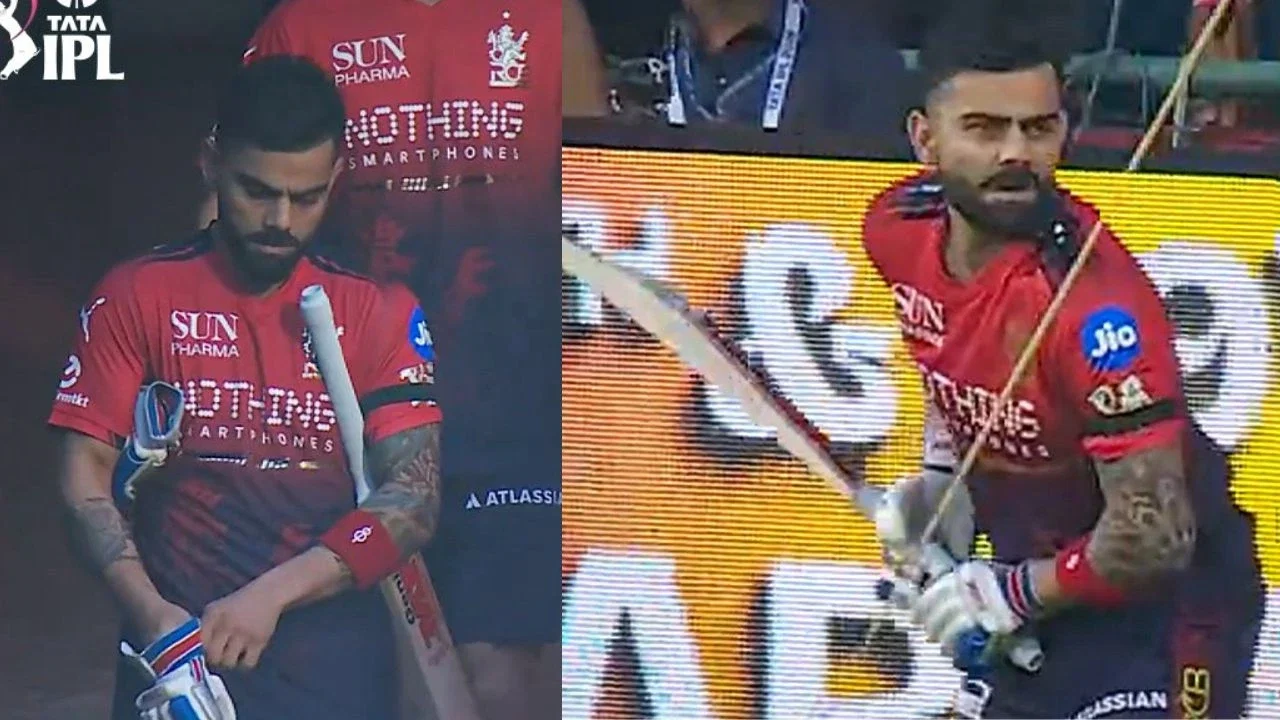
Why are RCB players wearing black armbands today vs SRH in IPL 2026 Match 1?
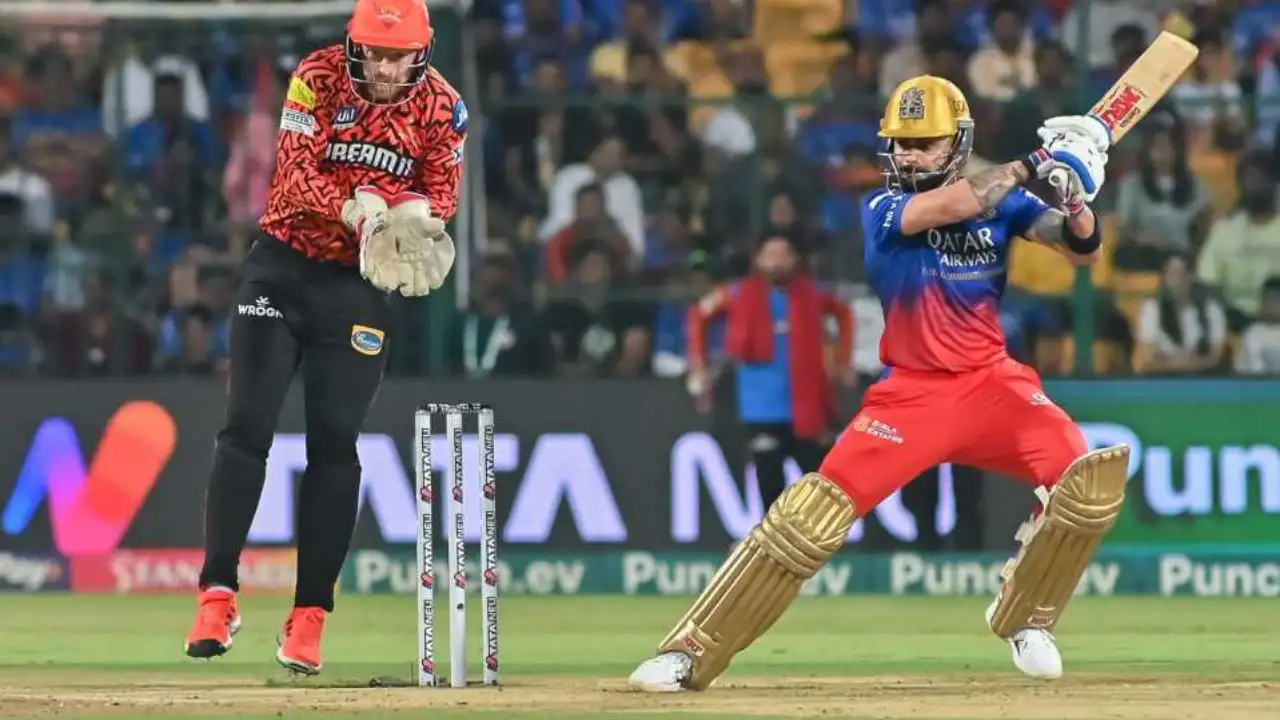
RCB vs SRH Impact Players Today: Toss Report, Playing XIs, Latest Updates IPL 2026 Match 1
Yograj Singh makes blunt remark at Virat Kohli and Rohit Sharma over early retirement calls
Bhuvneshwar Kumar on brink of IPL history, needs two wickets for massive milestone
IPL to be broadcasted? Bangladesh government drops massive update on IPL broadcast ban
SRH fans to boycott IPL? Former India cricketer shares insights on social media drama around Abrar Ahmed