

IPL Chairman drops FINAL VERDICT on Indian players playing overseas leagues

IPL Chairman Explains BCCI’s Firm Stance on Indian Players in Overseas Leagues
The ongoing debate around whether Indian players should be permitted to participate in overseas T20 leagues has reignited following the IPL 2026 Auction in Abu Dhabi on December 16. IPL chairman Arun Dhumal recently shed light on this controversial topic, providing insights into the Board of Control for Cricket in India’s (BCCI) strict policy.
For years, there has been a divide in opinions regarding the BCCI’s decision not to allow Indian players to showcase their talents in international T20 leagues. Critics argue that with the IPL’s established dominance and global reach, Indian cricketers should have the freedom to participate in foreign competitions without having to retire from Indian cricket entirely.
However, Arun Dhumal emphasized the importance of workload management as the primary reason behind the BCCI’s stance. Despite acknowledging the maturity and success of the IPL, Dhumal explained that the current calendar leaves no room for Indian players to engage in overseas leagues.
Workload Management and Calendar Constraints
Dhumal highlighted the extensive cricketing commitments that Indian players already have, including national duties, domestic tournaments like the Vijay Hazare Trophy and the Syed Mushtaq Ali Trophy, in addition to the rigorous IPL schedule. With players actively participating in all three formats of the game, managing their workload effectively becomes a major challenge.
Addressing concerns about potential burnout, fatigue, and injury risks, Dhumal underscored the need for strategic planning to ensure the players’ overall well-being. He pointed out that the BCCI implements rotation policies during Test series and limited-overs matches to safeguard players from excessive strain.
Protecting India’s Top Stars
While some suggest that allowing a select few top players to participate in foreign leagues could enhance their skills and exposure, Dhumal reiterated the BCCI’s commitment to safeguarding India’s cricketing assets. He emphasized the significance of preserving the uniqueness of the IPL and ensuring that players remain focused on their national duties.
Dhumal expressed reservations about the logistical challenges posed by overseas leagues, especially for fast bowlers who require specialized care and management. He pointed out that the packed cricketing calendar already leaves little room for additional commitments, making it challenging for players to juggle multiple responsibilities.
Future Considerations
Despite the current strict stance on Indian players participating in foreign leagues, Dhumal hinted at the possibility of revisiting this policy in the future. He acknowledged the evolving landscape of cricket and indicated that the BCCI would continue to evaluate the feasibility of allowing Indian cricketers to feature in international T20 leagues.
As the debate surrounding Indian players in overseas leagues rages on, Arun Dhumal’s insights shed light on the complexities and considerations that underpin the BCCI’s decision-making process. While the doors to foreign leagues remain closed for now, the future may hold new possibilities for Indian cricketers seeking to expand their horizons beyond the IPL.
Impact of Allowing Indian Players in Overseas Leagues
While the BCCI’s stance on Indian players participating in foreign T20 leagues is aimed at protecting their well-being and ensuring their focus on national duties, there are potential benefits to consider if this policy were to evolve in the future. Allowing Indian players to compete in overseas leagues could provide them with valuable exposure to different conditions, playing styles, and opposition, ultimately enhancing their skills and adaptability.
Moreover, participation in international leagues could open up new avenues for Indian cricketers to learn from top players around the world, gaining insights that could positively impact their performance on the international stage. Exposure to diverse cricketing cultures and environments could also contribute to the overall growth and development of Indian players, making them more well-rounded athletes.
Balancing Workload and Opportunities
As the cricketing landscape continues to evolve with the proliferation of T20 leagues worldwide, finding a balance between managing players’ workloads and providing them with opportunities for growth becomes increasingly crucial. While workload management remains a top priority for the BCCI, exploring ways to allow Indian players to participate in select overseas leagues without compromising their health and performance could be a viable solution.
Strategic planning, rotation policies, and collaborative efforts between the BCCI and foreign leagues could potentially create a framework that addresses the concerns surrounding player fatigue and injury risks while also unlocking new avenues for Indian cricketers to showcase their talents on a global stage.
Adapting to Changing Dynamics
As the dynamics of cricket continue to shift towards a more globalized landscape, the BCCI may need to adapt its policies to align with the evolving needs and opportunities presented by international T20 leagues. Embracing these changes could not only benefit Indian players individually but also contribute to the growth and competitiveness of Indian cricket on the world stage.
By exploring innovative approaches to managing player workloads, fostering collaborations with overseas leagues, and reassessing the criteria for participation, the BCCI can navigate the delicate balance between protecting Indian players and nurturing their potential on a broader scale. This adaptive approach could position Indian cricket for greater success and relevance in the global cricketing community.
Conclusion
While the debate over Indian players’ participation in overseas leagues remains contentious, it is clear that the BCCI’s firm stance is rooted in a commitment to safeguarding the interests of Indian cricket. However, as the landscape of cricket evolves and opportunities for growth expand, the BCCI may need to reevaluate its policies to ensure that Indian players can leverage international platforms for their development while maintaining a healthy balance between domestic and foreign commitments. By embracing change and innovation, the BCCI can navigate the complexities of modern cricket and pave the way for a more dynamic and competitive future for Indian players on the global stage.
Latest News
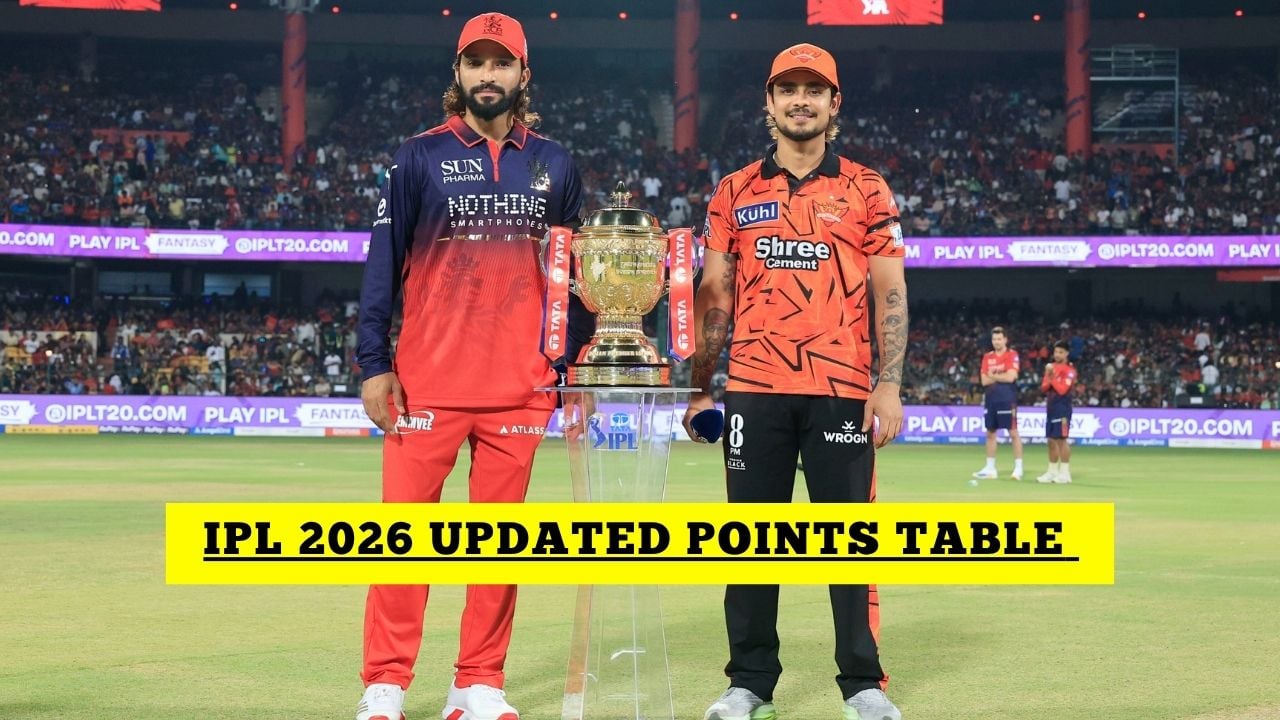
IPL Points Table 2026: Updated Standings, Orange Cap, Purple Cap After RCB vs SRH Match 1
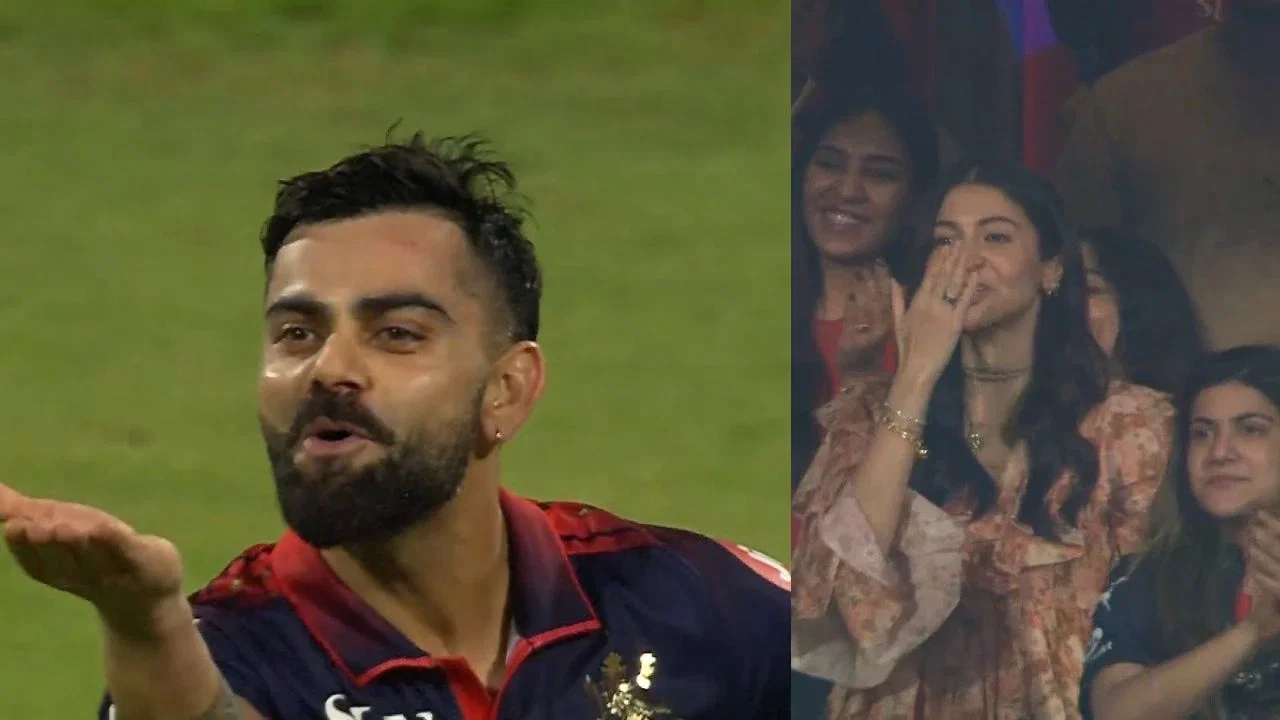
Virat Kohli, Anushka Sharma share adorable flying kiss moment after RCB vs SRH clash
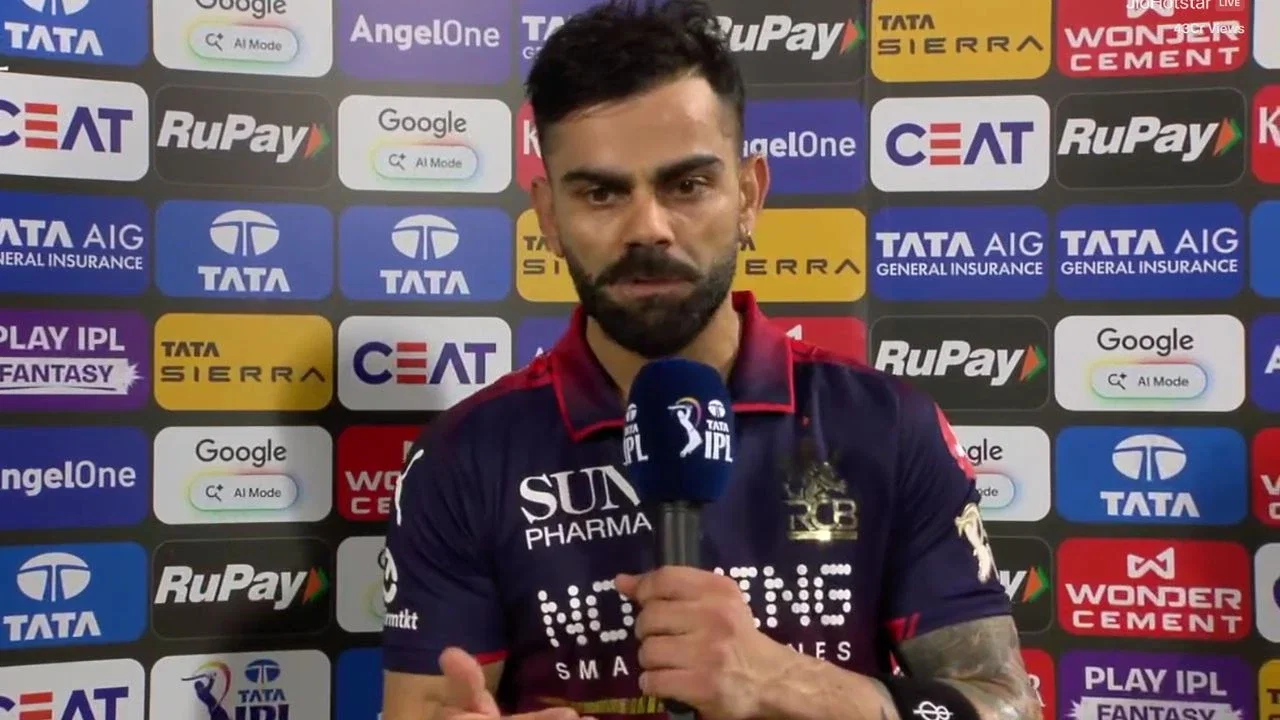
“Absolutely world-class”: Virat Kohli backs Devdutt Padikkal for permanent Team India spot

Rajat Patidar refuses to comment on Virat Kohli; Ishan Kishan admits enjoying after SRH’s loss to RCB

Mumbai Indians suffer blow! Mitchell Santner, Will Jacks ruled out of IPL 2026 games
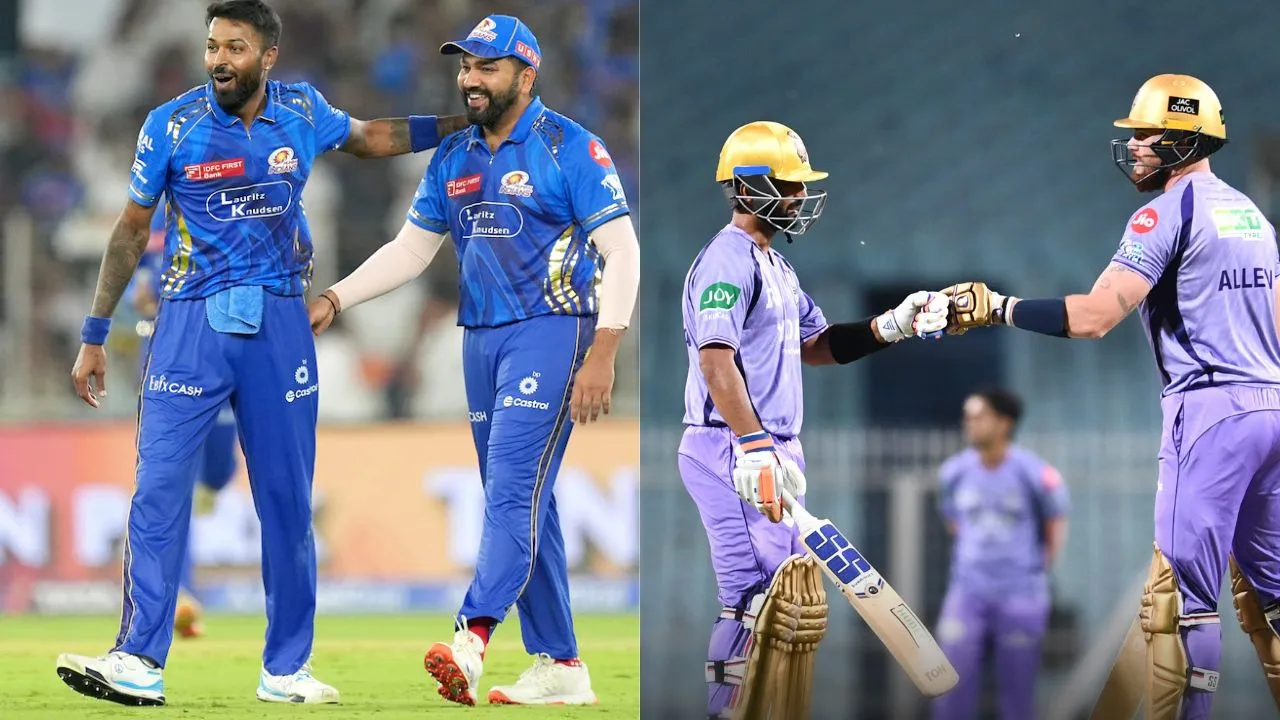
MI vs KKR Match Prediction – Who Will Win Match No.2? | IPL 2026
Mumbai Indians Playing XI vs Kolkata Knight Riders Playing XI- Match No. 2 | IPL 2026
MI vs KKR Match 2 Preview: Free Live Streaming, Pitch & Weather Report, Head-to-Head | IPL 2026

Not English cricket! Jos Buttler credits IPL for his success as a cricketer
“Nitish Kumar Reddy is biggest fraud”: Fans fume as SRH star fails vs RCB in IPL 2026 opener
Who is Abhinandan Singh? The Virat Kohli troublemaker who made his IPL debut for RCB vs SRH
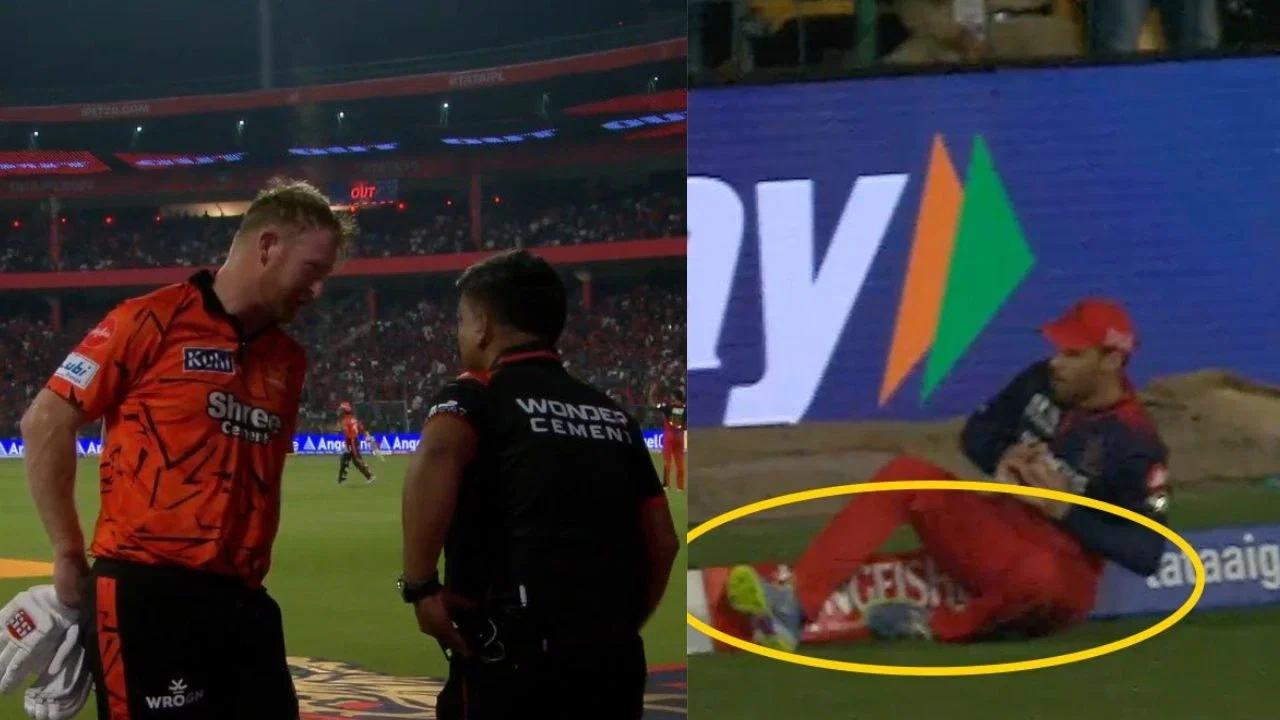
Heinrich Klaasen engages in heated chat with 4th umpire after Phil Salt’s controversial catch in IPL 2026
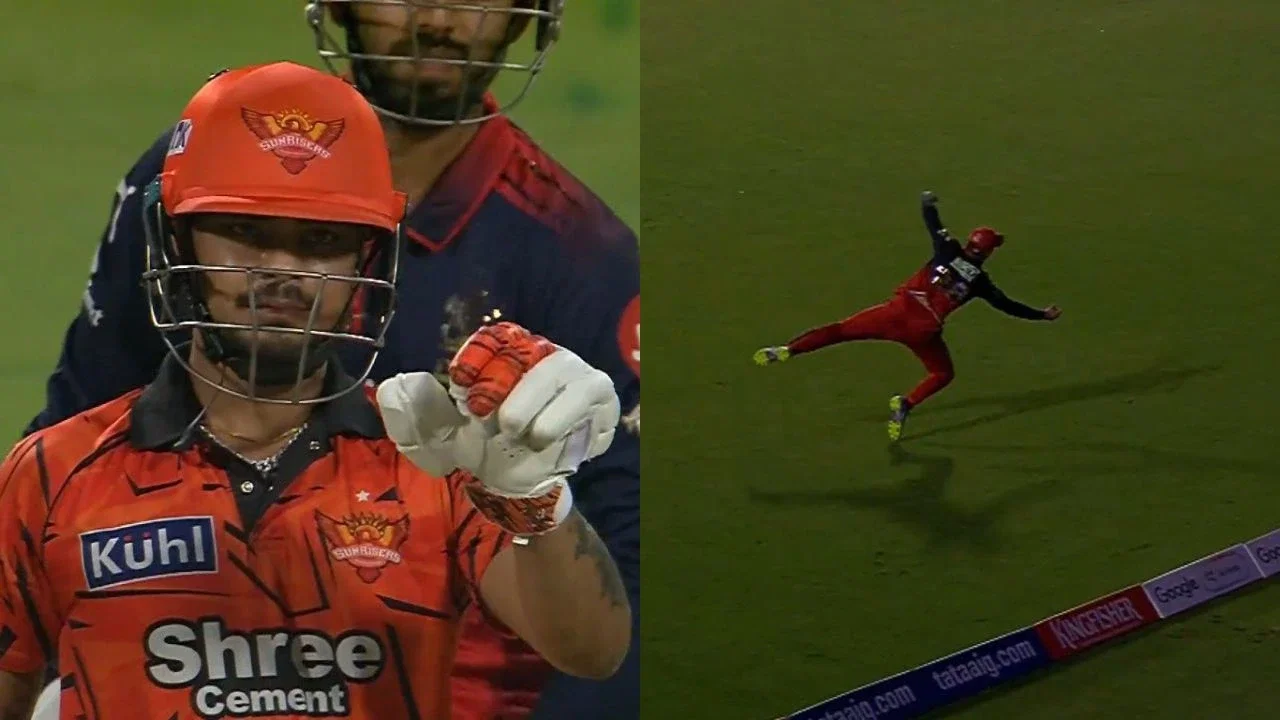
Phil Salt grabs one of the greatest catches in IPL history to dismiss Ishan Kishan
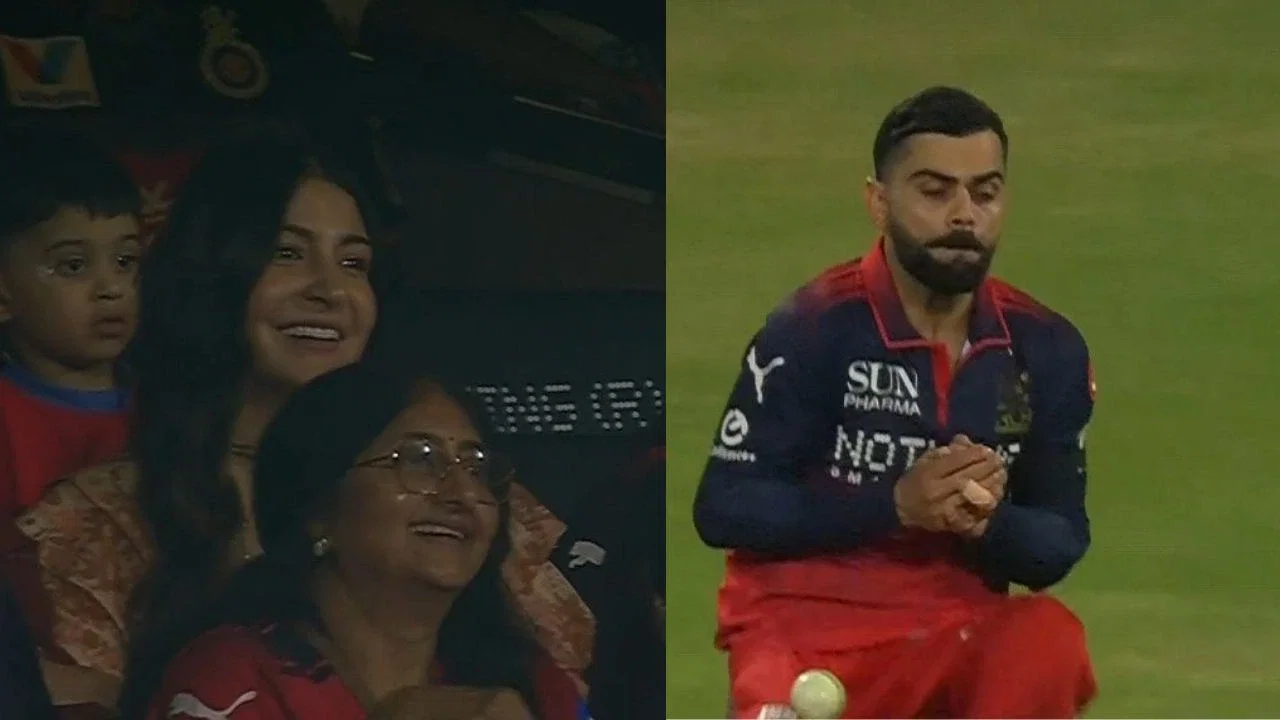
Anushka Sharma laughs as Virat Kohli drops a sitter in RCB vs SRH clash (Watch Video)

