IPL hits a Gigantic financial rock bottom, BCCI worried

IPL Valuation Faces Unprecedented Decline for Second Consecutive Year
Recent reports from D&P Advisory have revealed that the Indian Premier League (IPL), known as India’s top media and marketing powerhouse, has experienced a significant drop in valuation for the second year in a row. This decline marks a historic moment for the cash-rich tournament that has long been a pillar in India’s sports industry.
Factors Contributing to the Decline
The IPL’s overall valuation has plummeted from ₹92,500 crore ($11.2 billion) in 2023 to ₹82,700 crore ($9.9 billion) in 2024, and further down to ₹76,100 crore ($8.8 billion) in 2025. This steep decline of ₹16,400 crore is attributed to various factors such as media consolidation and the government’s ban on real-money gaming (RMG) sponsorships.
The merging of media assets by Reliance Industries and Walt Disney, forming JioStar, has impacted both television and digital rights under a single platform. The reduced competition in bidding for IPL broadcast and streaming rights has led to a slower growth trajectory for the league.
Additionally, the introduction of the Promotion & Regulation of Online Gaming Act, 2025, banning RMG advertising and sponsorship, has eliminated a significant portion of annual IPL sponsorship revenue. This has forced platforms like Dream11 to end major deals within the IPL ecosystem.
Outlook for IPL’s Future
Despite the decline in valuation, Santosh N, managing partner at D&P Advisory, remains optimistic about the IPL’s future. He believes that while advertising sales will remain possible, pricing pressure is expected to persist. The growth of media rights is also projected to continue at a slower pace compared to previous years.
With Royal Challengers Bangalore (RCB) securing the top spot in the IPL 2025 franchise brand rankings, followed by Mumbai Indians and Chennai Super Kings, the league is witnessing a shift towards a new phase where growth relies less on media rights and more on steady income and strong sponsorship deals.
Women’s Premier League Shows Stability
On the other hand, the Women’s Premier League (WPL) has demonstrated remarkable stability in its valuation. Despite a slight decrease in total value from ₹1,350 crore ($160 million) in 2024 to ₹1,275 crore ($148 million) in 2025, the league has seen substantial growth in TV viewership and digital engagement.
This period for the WPL is seen as a phase of consolidation rather than contraction, indicating a promising future for women’s cricket in India.
Overall, the IPL’s recent challenges in valuation and sponsorship highlight the need for adaptation and innovation in India’s cricket economy. While the league remains a powerhouse in the sports industry, it faces new hurdles that require strategic solutions to ensure long-term success.
Impact of COVID-19 on IPL Valuation
It is essential to consider the impact of the COVID-19 pandemic on the IPL’s valuation decline. The cancellation of the 2020 season and subsequent matches being held without spectators in 2021 and 2022 significantly affected the league’s revenue streams. With a significant portion of the IPL’s income coming from ticket sales, merchandise, and in-stadium advertising, the absence of fans had a substantial financial impact on the tournament.
Furthermore, the uncertainty and disruption caused by the pandemic led to challenges in securing sponsorships and advertising deals, further impacting the IPL’s financial health. As the league navigates through the aftermath of the pandemic, it will need to adapt its strategies to recover and rebuild its valuation.
Emerging Trends in IPL Sponsorship
One notable trend in IPL sponsorship is the increasing focus on sustainability and social responsibility. Companies are aligning their brands with causes and initiatives that resonate with the audience, such as environmental conservation, gender equality, and community development. Sponsors that demonstrate a commitment to social impact are likely to gain favor with fans and contribute to the positive image of the IPL.
Another emerging trend is the rise of digital-first sponsorship activations. With the growth of digital platforms and social media, sponsors are exploring innovative ways to engage with fans online. Virtual events, interactive campaigns, and influencer partnerships are becoming popular strategies for brands to connect with the IPL’s digital audience.
The Role of Technology in Revitalizing IPL’s Valuation
Technology is poised to play a crucial role in revitalizing the IPL’s valuation. By leveraging advanced data analytics, artificial intelligence, and immersive experiences, the league can enhance fan engagement, personalize content, and optimize revenue streams. Virtual reality, augmented reality, and interactive streaming platforms could revolutionize the fan experience and attract new audiences to the IPL.
Additionally, the adoption of blockchain technology for ticketing, merchandise authentication, and fan engagement could enhance transparency, security, and value for stakeholders in the IPL ecosystem. Embracing technological innovations will be key to driving growth, enhancing competitiveness, and securing the long-term success of the IPL.
Global Expansion and Brand Building
As the IPL faces challenges in its domestic market, exploring opportunities for global expansion and brand building could offer new avenues for growth and revenue generation. Initiatives such as hosting matches in international markets, partnering with foreign leagues, and engaging with a global fan base through digital platforms could expand the IPL’s reach and appeal.
Building a strong international presence could attract new sponsors, broadcasters, and investors, while also strengthening the league’s position as a global sports brand. By tapping into the immense potential of the international market, the IPL can diversify its revenue streams, increase its valuation, and solidify its status as a leading cricket league worldwide.
In conclusion, the IPL’s journey to navigate through declining valuation and sponsorship challenges requires a strategic and forward-thinking approach. By embracing innovation, adapting to changing market dynamics, and exploring new growth opportunities, the IPL can overcome its current hurdles and emerge stronger and more resilient in the evolving sports landscape.
Latest News
New Zealand suffer blow as William O’Rourke misses India ODIs and Tests
Top 10 highest run-chases in T20 cricket history, ft. West Indies’ Ranchi win vs India
Aaryavir Sehwag and Anvay Dravid set to make headlines at U19 Asia Cup 2026

Longest ducks in Test cricket history ft. Nic Maddinson, Shoaib Akhtar
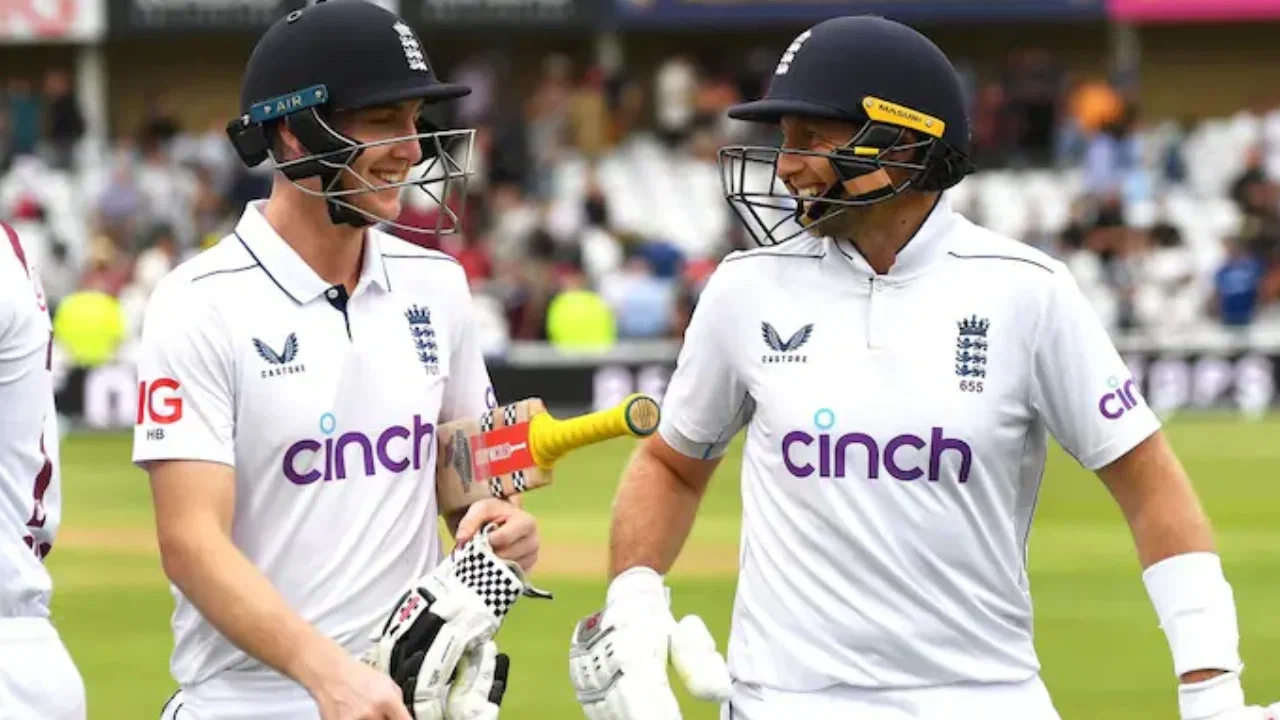
ECB to offer 39 central contracts to England players after Ben Stokes, Mark Wood’s retirement
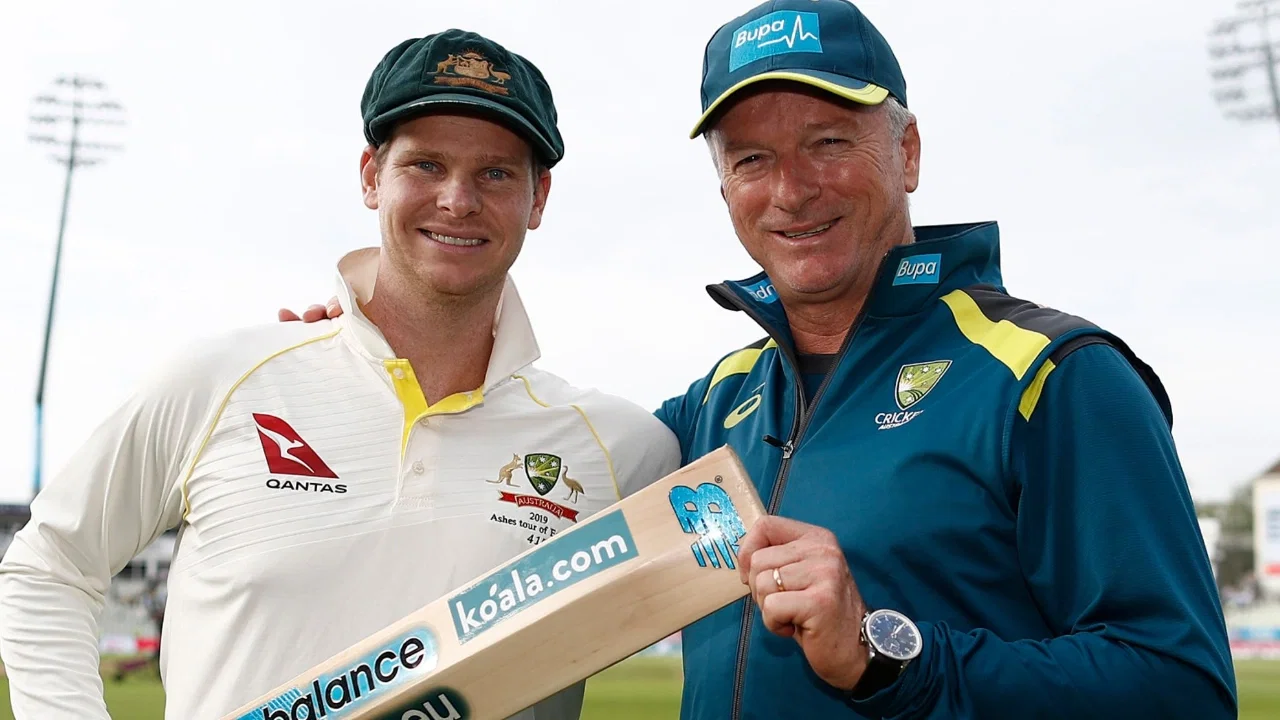
Steve Smith surpasses Steve Waugh in all-time Test run-scorers’ list

Shane Watson identifies Gautam Gambhir’s biggest problem as India struggle for consistency
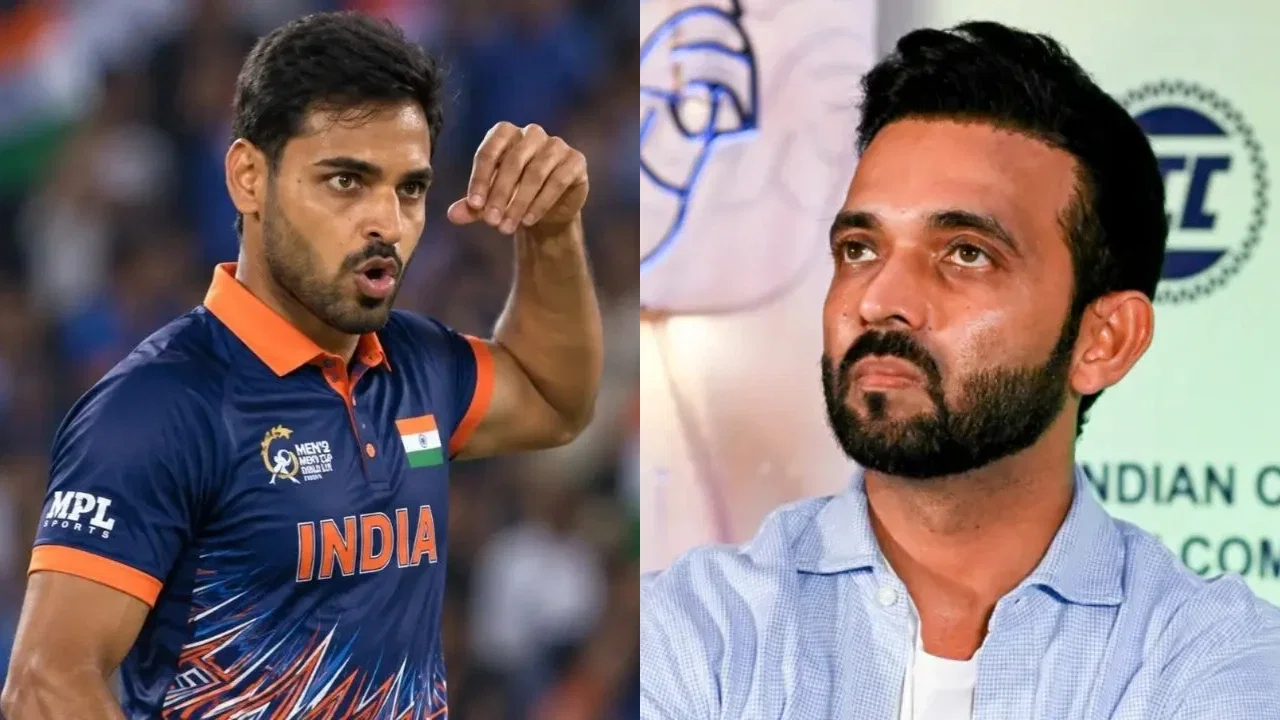
Is Bhuvneshwar Kumar in India’s 2027 World Cup plans? Ajinkya Rahane makes revelation
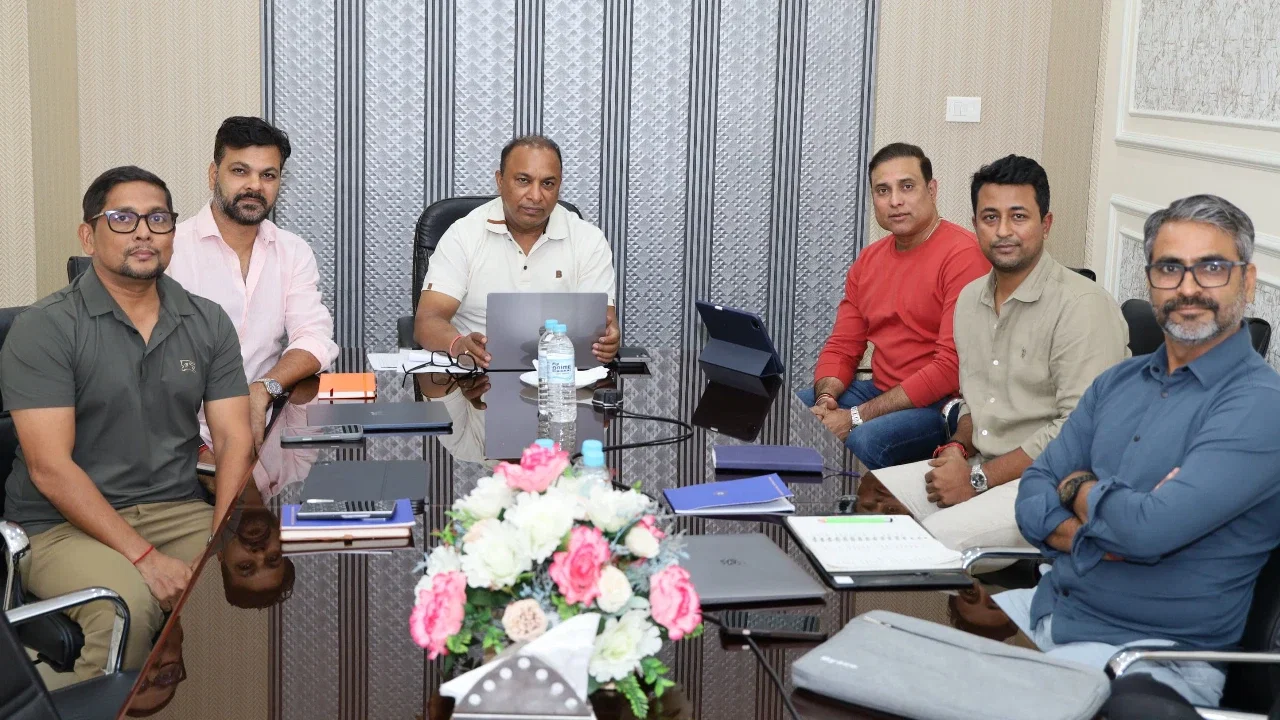
BCCI’s big ₹127 Crore move after injury crisis raises concerns over Team India

Parthiv Patel reveals RCB ignored his Jasprit Bumrah recommendation in IPL 2014 Auction

“Never spoke ill of any faith”: Irfan Pathan hits back at fake news using his name
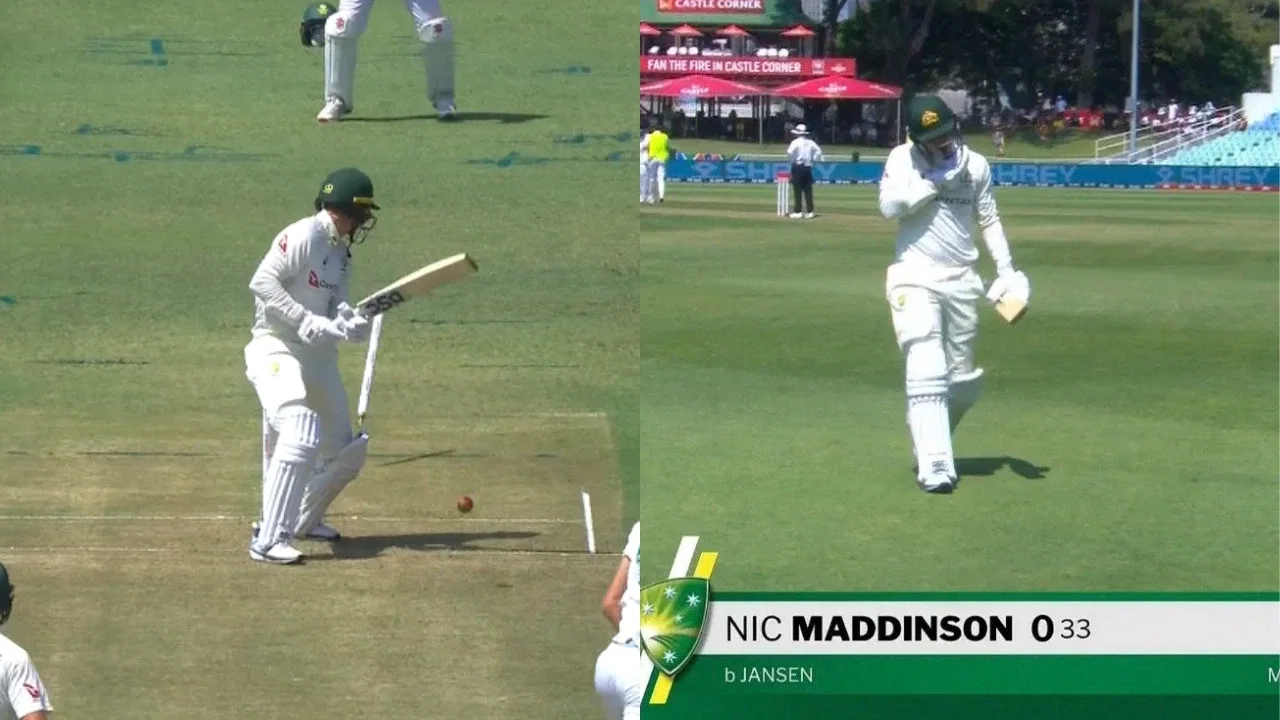
Nic Maddinson bags 33-ball duck on Test comeback, disappoints George Bailey

Imran Tahir predicts 2027 ICC ODI World Cup Semi-Finalists, snubs India for title
Australia create unwanted history with first all-30-plus Test XI