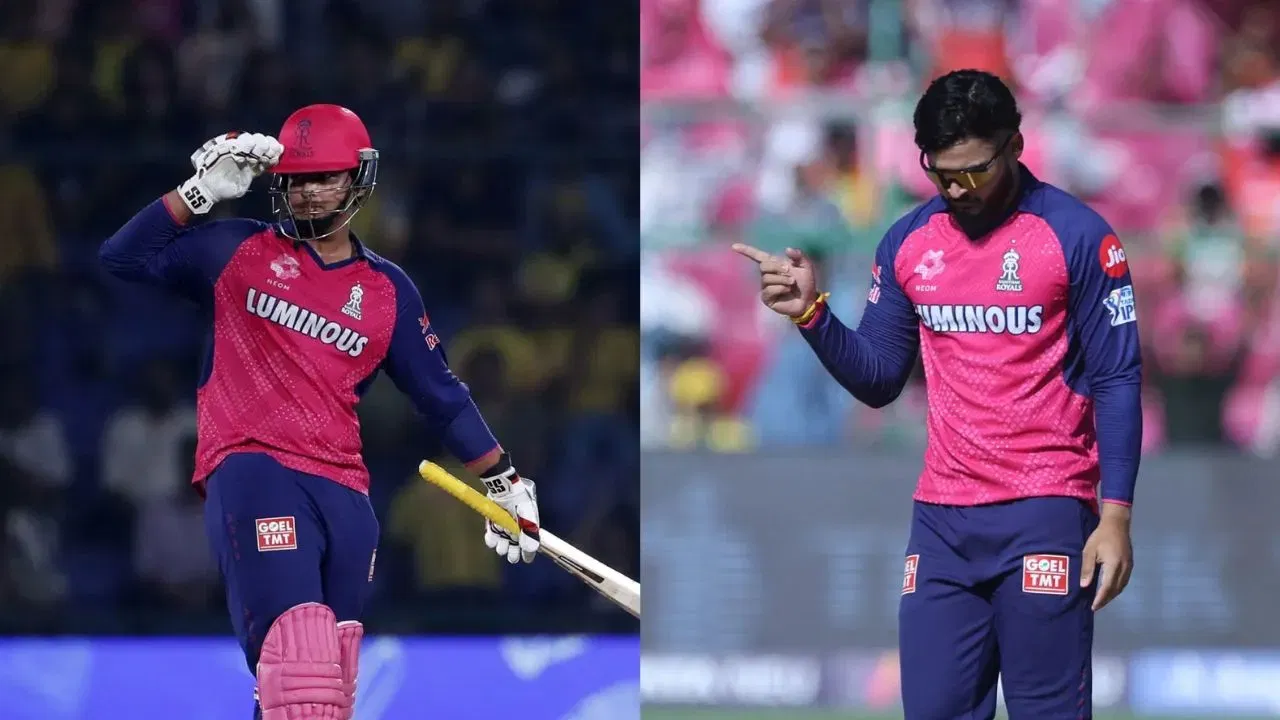
IPL owners’ BBL takeover hits roadblock as partial privatisation option emerges

Cricket Australia Considers Privatization of Big Bash League
Cricket Australia is considering following in the footsteps of the England and Wales Cricket Board (ECB) by privatizing the Big Bash League (BBL). The ECB’s The Hundred tournament has already made the transition to a franchise model, with some county sides retaining shares. Now, Cricket Australia is exploring the possibility of privatizing the popular T20 league.
Discussions and Decision Making
Recently, Cricket Australia and state associations gathered in Melbourne to discuss the future of the BBL. While a final decision on privatization is expected by mid-April, talks are not limited to selling all the teams. There is a proposal for some teams to take private investment while others may choose to remain as they are, providing a mix of ownership structures within the league.
These discussions have been ongoing for approximately nine months, with Cricket Australia sharing detailed plans with the states regarding potential revenue from future sales and how funds could be distributed. State associations now have about a month to review these proposals and engage with Cricket Australia before moving forward with the privatization process.
State Associations’ Stance
The six state associations, which oversee the eight BBL teams, seem to be generally receptive to the privatization plans, with Victoria and New South Wales reportedly considering either fully selling or retaining their teams. However, there are concerns surrounding the impact of privatization on the current payment agreement between Cricket Australia and the Australian Cricketers Association (ACA) that is in place until 2028.
While informal discussions have taken place between Cricket Australia and the ACA, no agreement has been reached regarding potential changes to the payment structure if private owners or investors are introduced to the league. The focus remains on the need for increased financial support to ensure the BBL remains competitive against other top T20 leagues worldwide.
Looking Ahead
Lee Germon, the CEO of New South Wales, emphasized the importance of exploring alternative proposals before making a decision on selling all the clubs. The goal is to invest in the BBL, enhance its appeal, and attract the best players without immediately resorting to full privatization.
As Cricket Australia continues to navigate the complexities of potentially privatizing the Big Bash League, stakeholders are weighing the benefits and challenges of such a move. The future of the BBL hangs in the balance as discussions progress towards a definitive outcome in the coming weeks.
Stay tuned for more updates on the privatization process and its implications for Australia’s premier T20 cricket league.
Impact of Privatization on Big Bash League
If Cricket Australia decides to privatize the Big Bash League, it could have significant implications for the future of the tournament. One potential benefit of privatization is the injection of private capital that could help elevate the league to new heights. Private owners or investors may bring in additional resources, expertise, and marketing capabilities that can enhance the overall quality of the competition and attract top talent from around the world.
On the flip side, some critics argue that privatization could lead to a shift in the league’s focus from promoting domestic talent to prioritizing profit and commercial interests. There may be concerns about the potential loss of the league’s community-focused initiatives and grassroots development programs if private owners prioritize returns on investment over long-term sustainability and growth.
Global T20 Landscape
With the rise of various T20 leagues around the world, including the Indian Premier League (IPL), the Caribbean Premier League (CPL), and the Pakistan Super League (PSL), the competition for top players and viewership is fierce. Privatizing the Big Bash League could be a strategic move by Cricket Australia to remain competitive and secure its position as one of the premier T20 leagues globally.
By exploring privatization, Cricket Australia is acknowledging the need to adapt to the evolving landscape of professional cricket and ensure that the BBL stays relevant and attractive to players, fans, and broadcasters alike. International players are increasingly looking to participate in multiple T20 leagues, and the BBL must continue to innovate and offer compelling opportunities to maintain its status as a sought-after destination for top cricketing talent.
Enhancing Fan Engagement and Commercial Opportunities
Privatization could also open up new avenues for fan engagement and commercial partnerships within the Big Bash League. Private owners may bring fresh perspectives on marketing strategies, digital innovation, and fan experiences that can help expand the league’s reach and appeal to a broader audience both domestically and internationally.
Furthermore, increased commercial opportunities through privatization could lead to greater revenue generation for the BBL, allowing for further investment in player development, infrastructure, and overall growth of the competition. By leveraging private capital and expertise, the league could explore new revenue streams, such as merchandise sales, broadcasting rights, and sponsorships, to drive its financial sustainability and long-term success.
Conclusion
As Cricket Australia weighs the pros and cons of privatizing the Big Bash League, stakeholders across the cricketing community are eagerly awaiting the final decision and its potential impact on the future of T20 cricket in Australia. The discussions surrounding privatization are a testament to the league’s commitment to innovation, growth, and competitiveness in a rapidly evolving sports landscape.
Regardless of the outcome, the privatization of the BBL represents a pivotal moment in the league’s history, with the potential to shape its trajectory for years to come. Stay tuned for further developments as Cricket Australia moves closer to a definitive decision on the future ownership structure of the Big Bash League.
Latest News
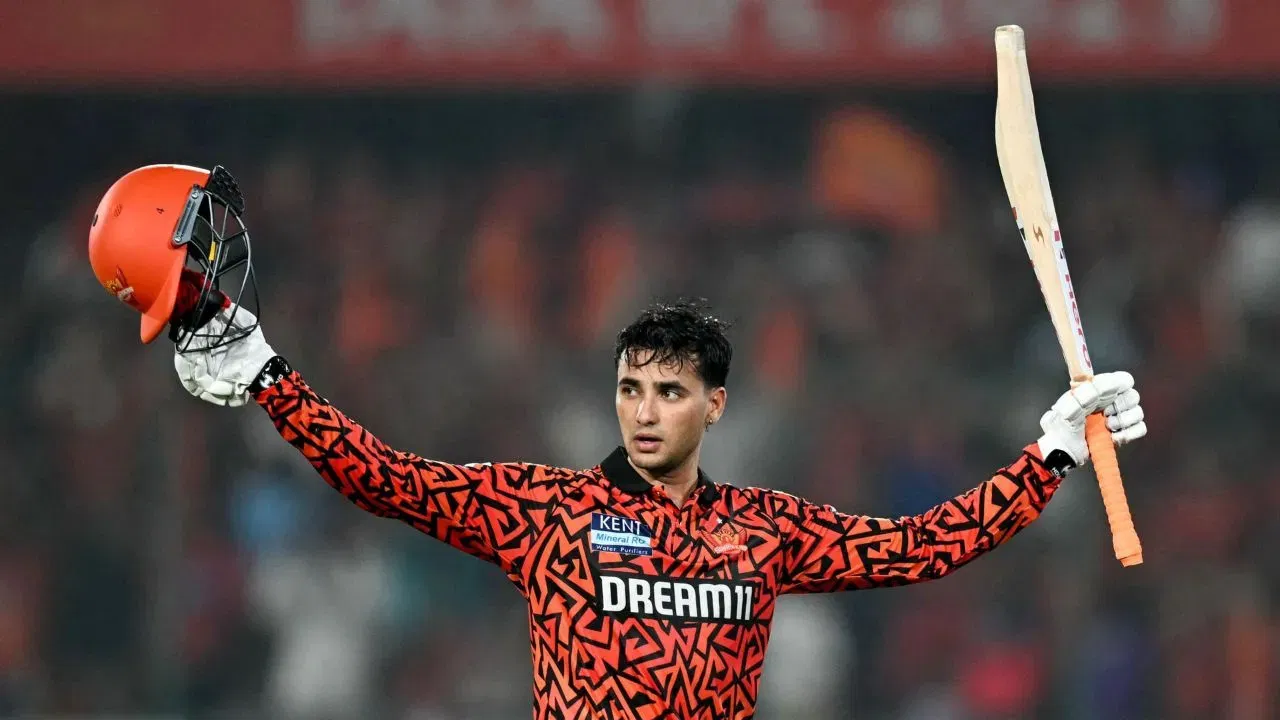
“Abhishek Sharma has not had a proper breakout season” – Ex-India opener’s huge statement ahead of IPL 2026
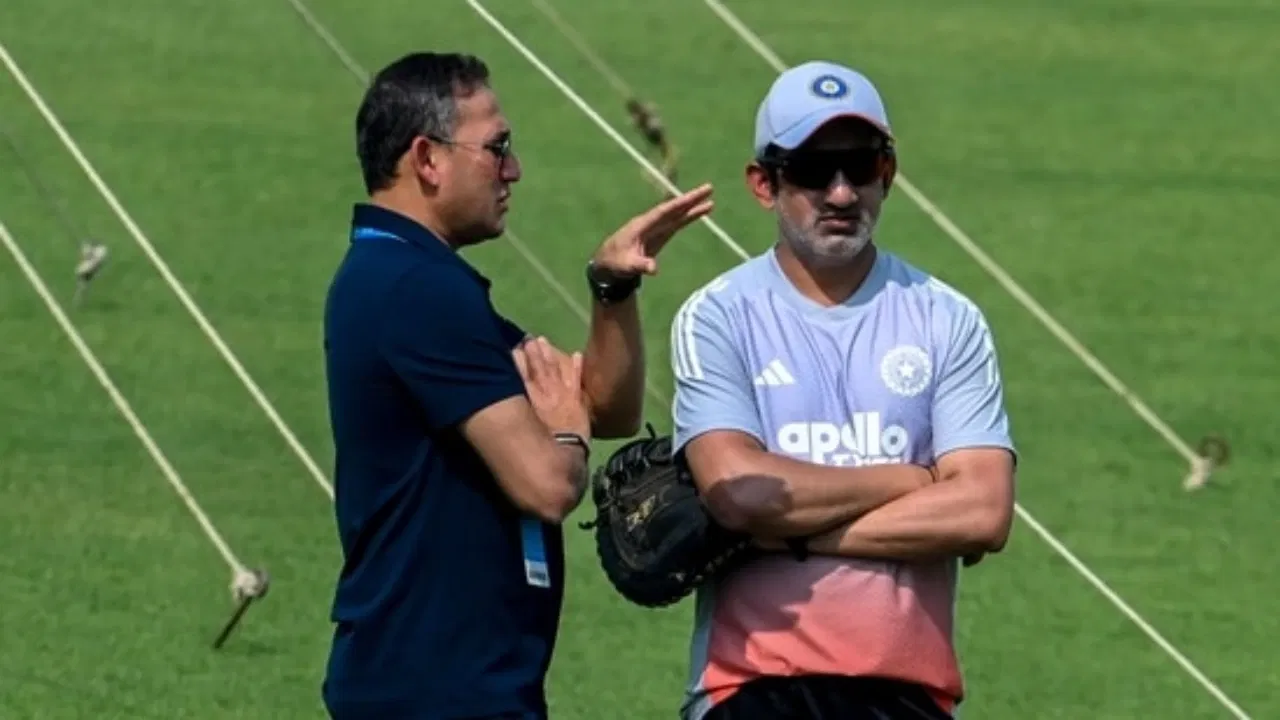
No extension: Ajit Agarkar’s future to be decided after September 2026
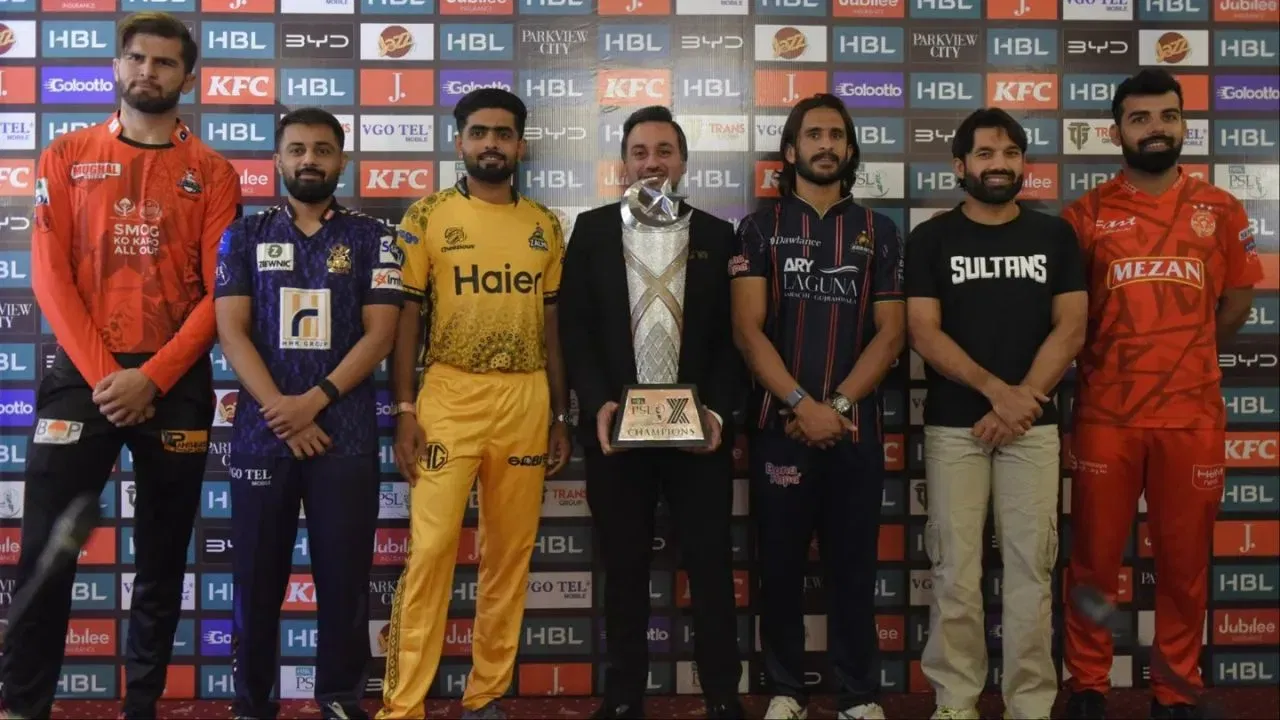
PSL 2026 in jeopardy amid West Asia war? Mohsin Naqvi’s PCB makes things crystal clear
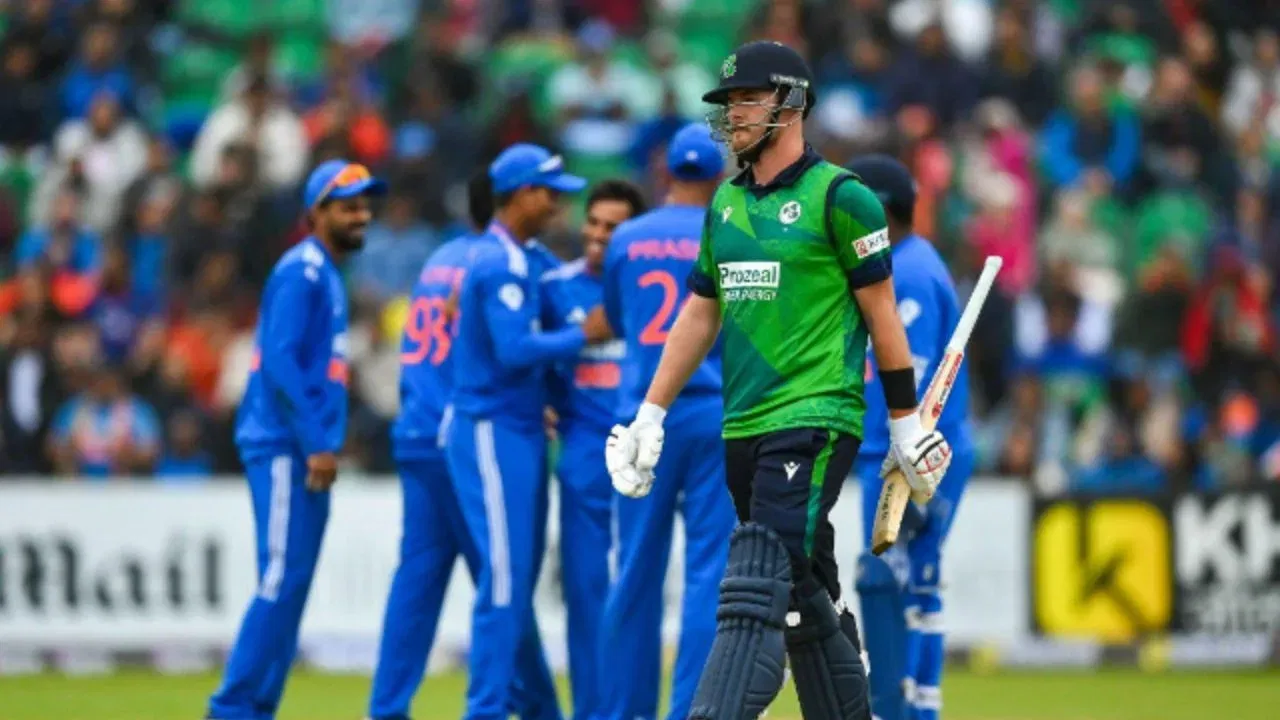
India tour of Ireland 2026 schedule revealed
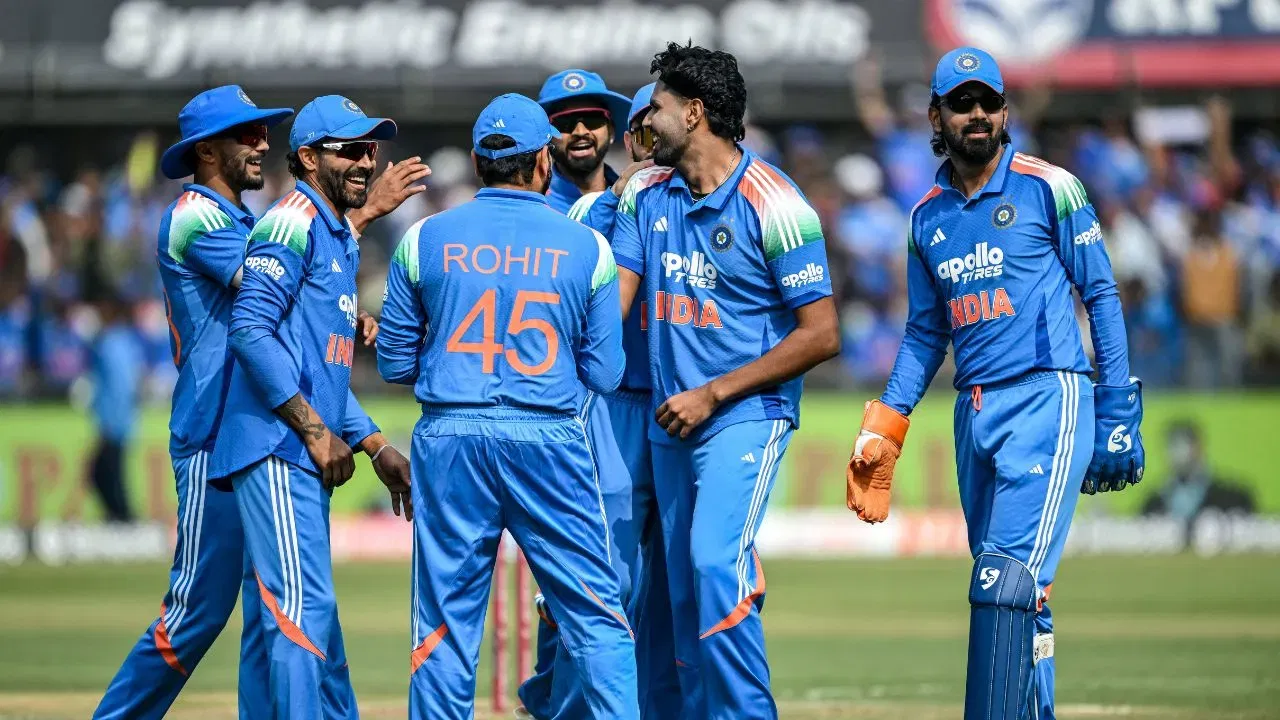
BCCI names tentative list for 2027 ODI World Cup, no place for Mohammed Shami
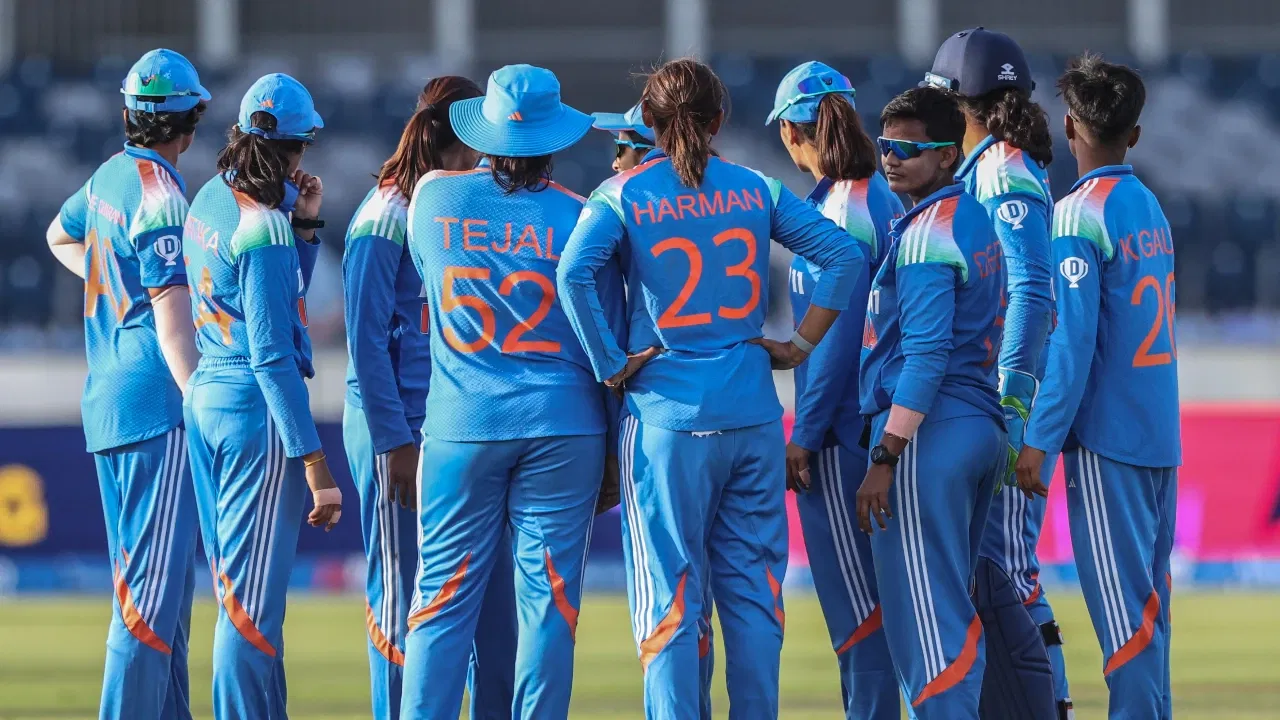
India Women set to play three ODIs and one-off Test in South Africa in December 2026
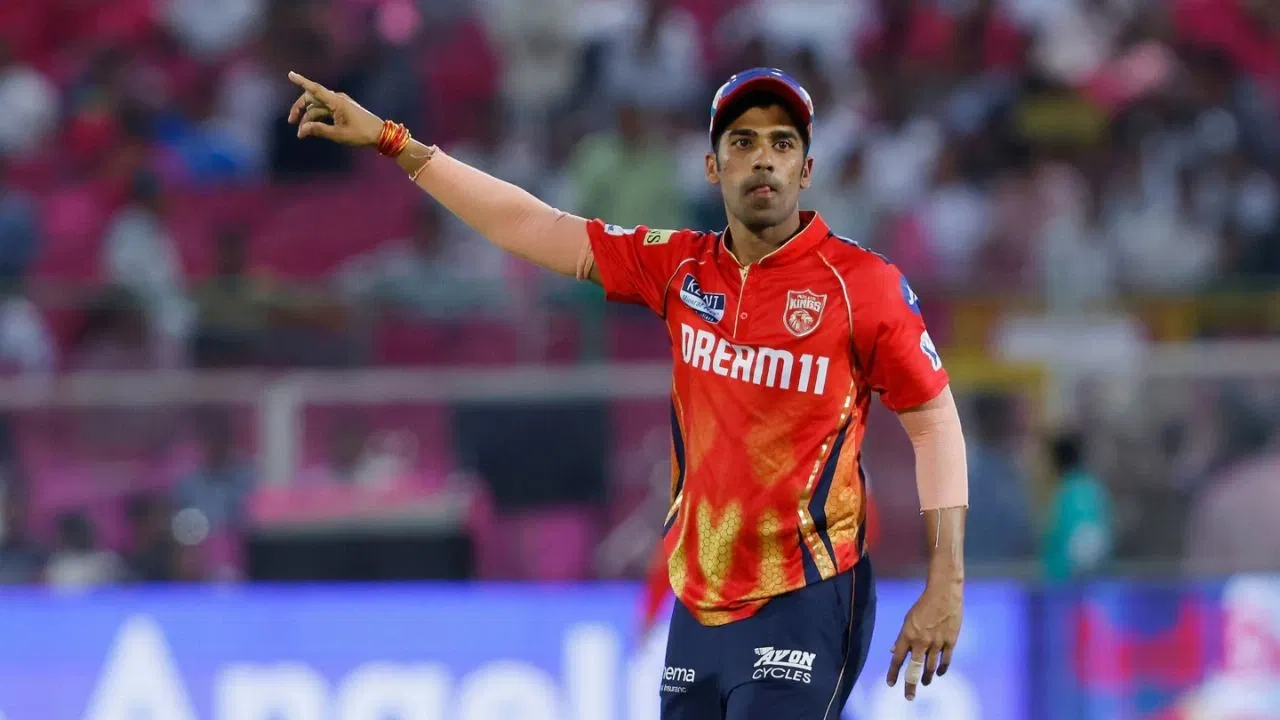
Shashank Singh crowns PBKS as winners ahead of IPL 2026
IPL owners’ BBL takeover hits roadblock as partial privatisation option emerges
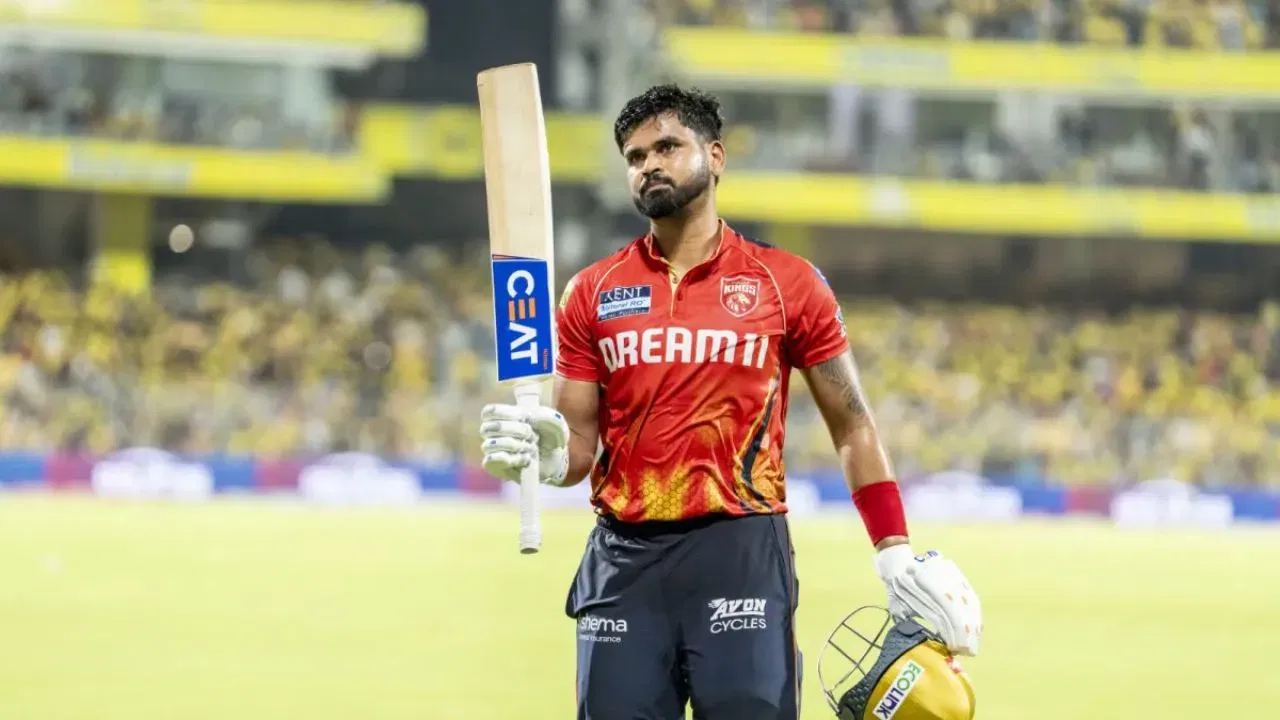
Shreyas Iyer not placed on the same pedestal as MS Dhoni and Rohit Sharma
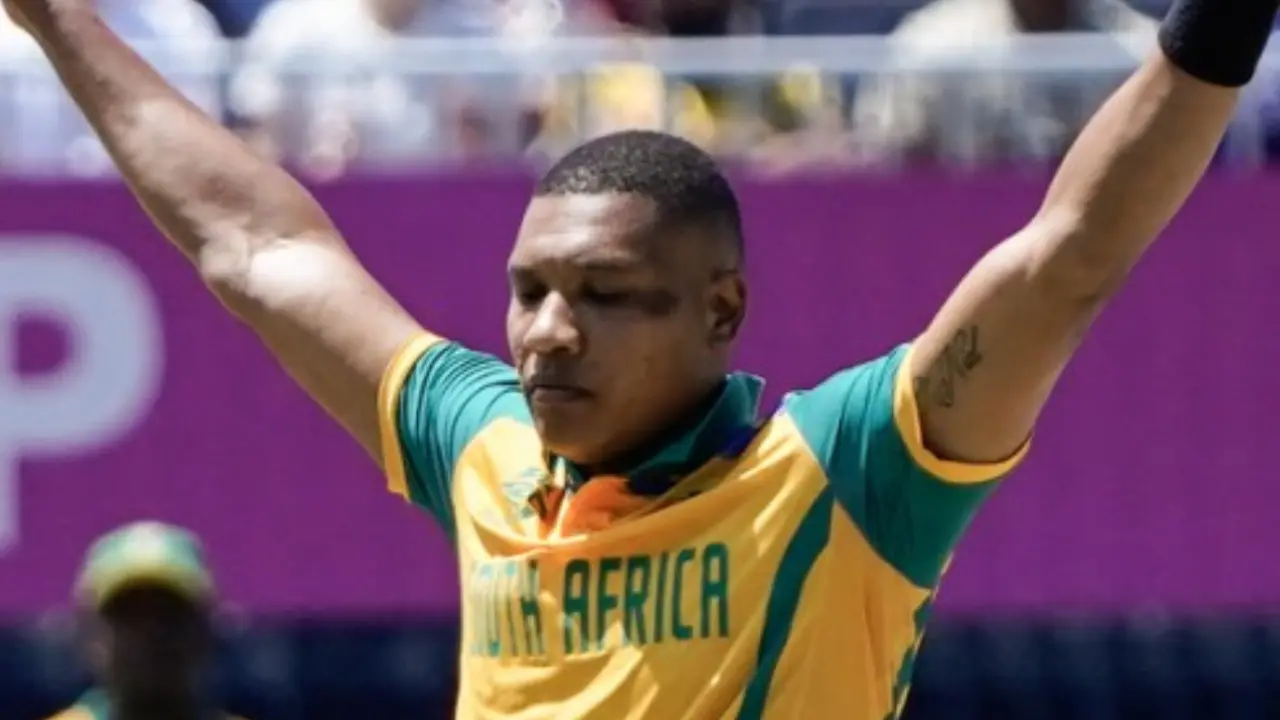
Ottniel Baartman set to ditch PSL team as lucrative IPL deal shakes things up

Sam Curran, Jack Edwards ruled out of IPL 2026; RR and SRH in shock
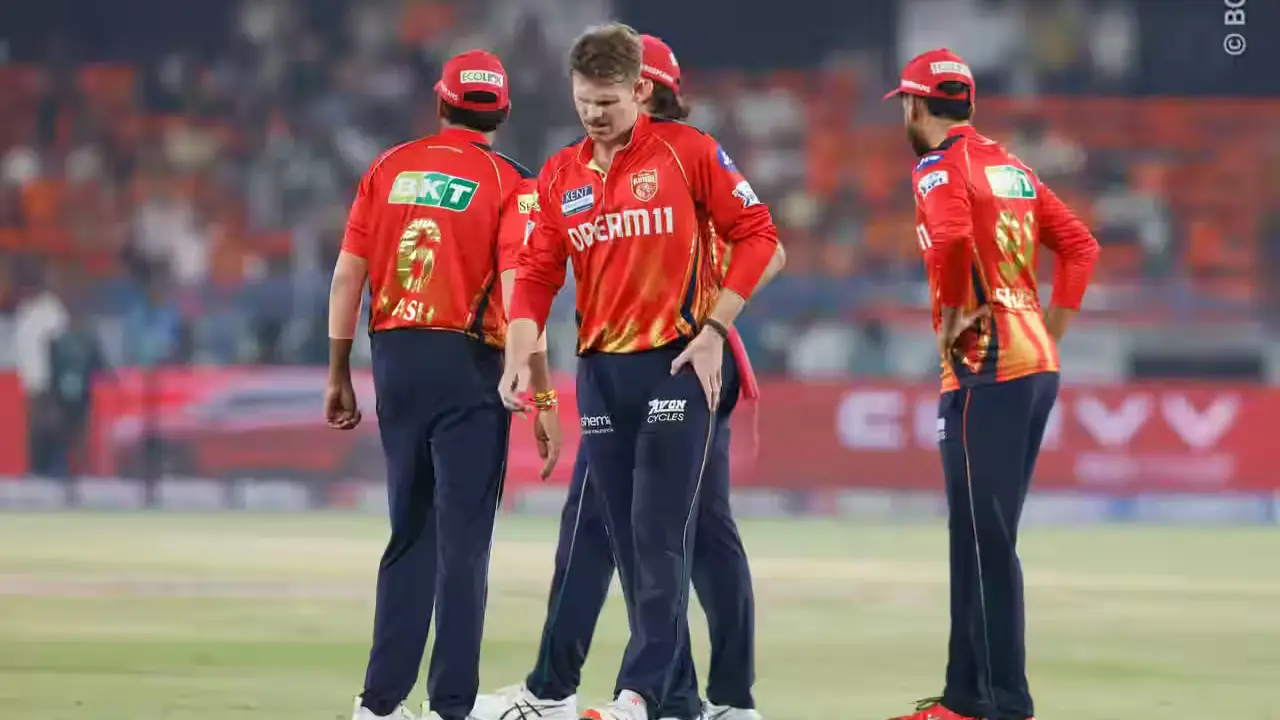
Lockie Ferguson shows disloyalty to Ricky Ponting, pulls out of IPL 2026 matches
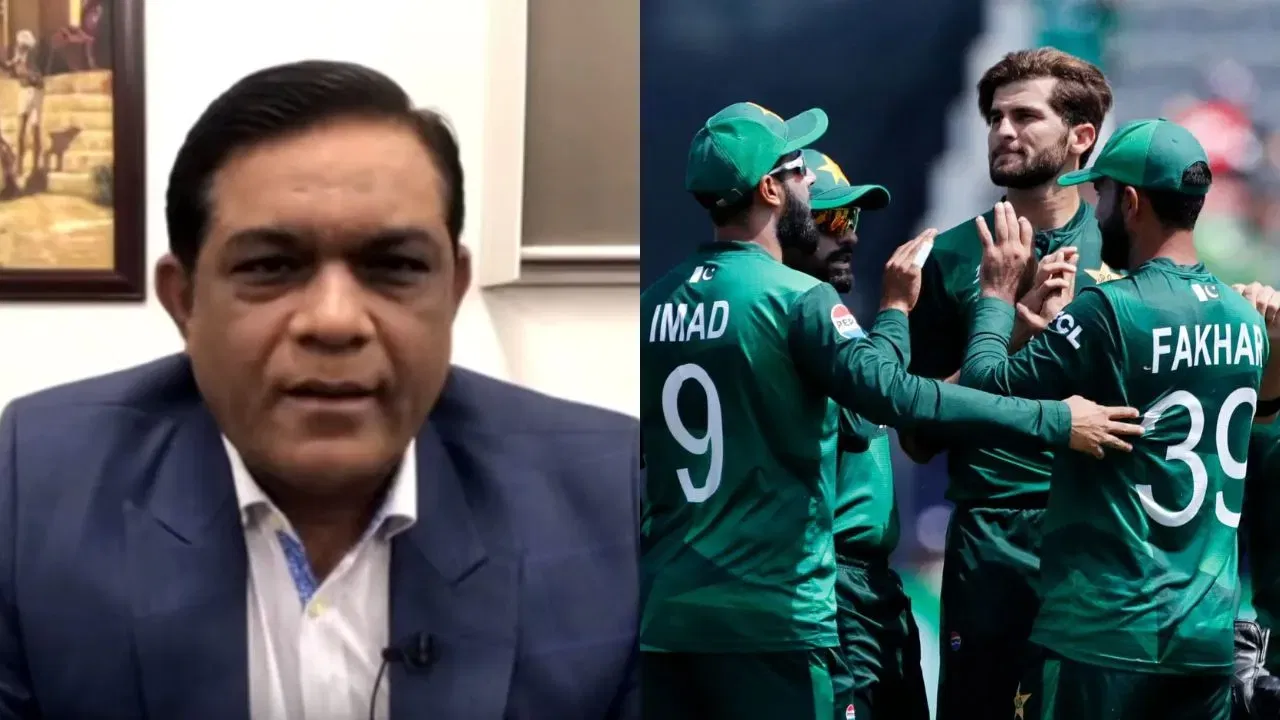
‘Shaheen Afridi doesn’t deserve a place in the T20I team’ – Rashid Latif makes huge claim
Matheesha Pathirana cleared for IPL 2026 as CSK made to regret releasing him