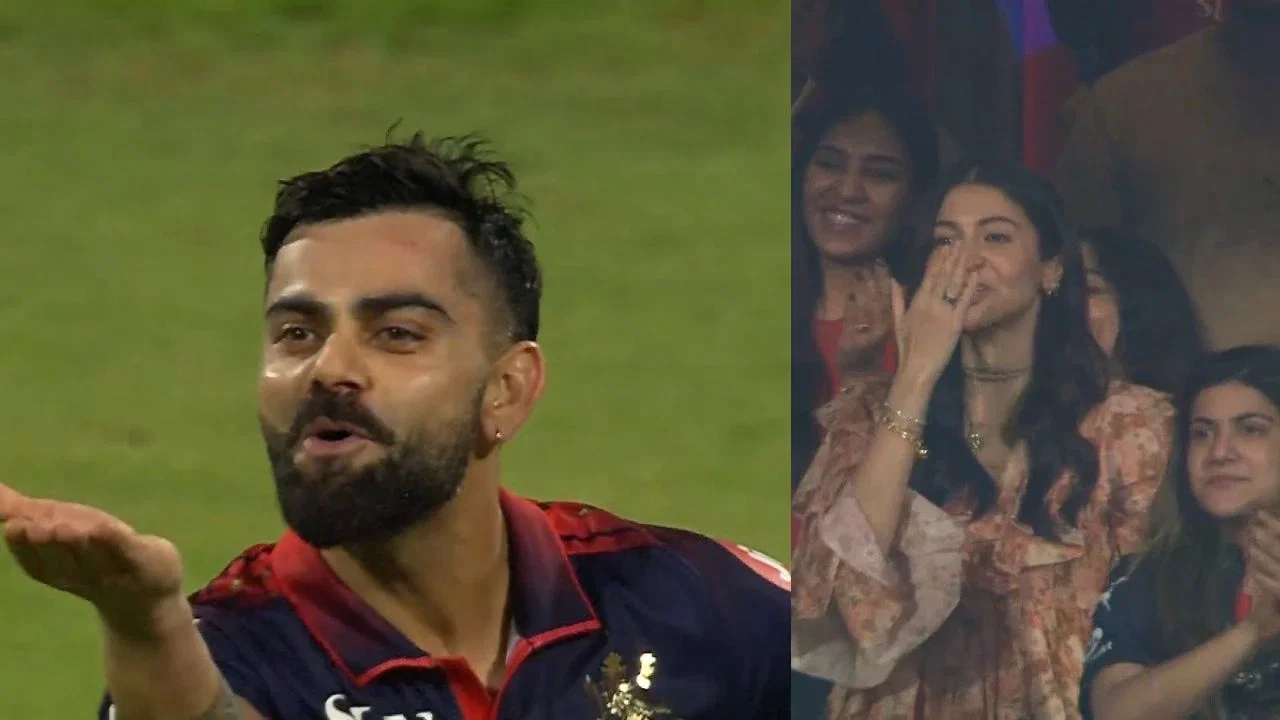
IPL teams on alert!: Sri Lanka fitness crisis sees almost 50% players fail tests
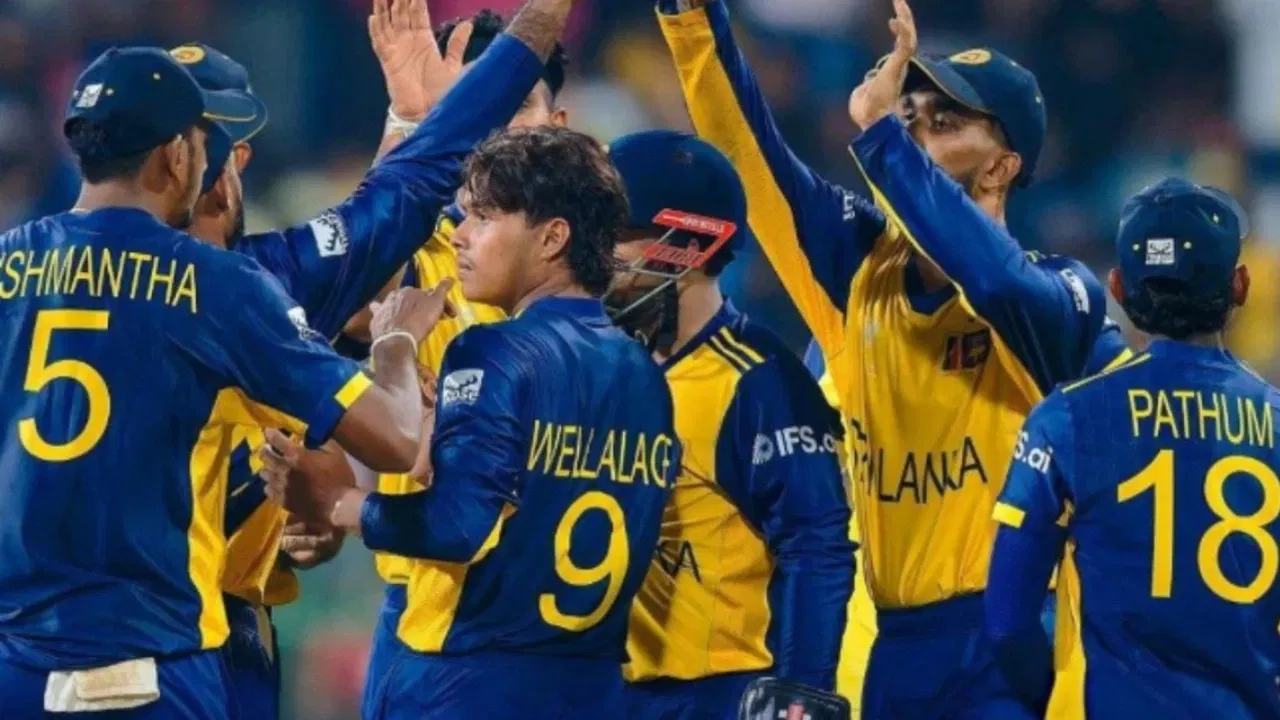
Sri Lanka Cricketers Struggle to Meet Fitness Standards
Recent reports have revealed that half of the Sri Lanka cricketers have failed the latest mandatory physical performance test, raising concerns about the overall fitness standards within Sri Lanka Cricket. Out of 46 players assessed, only 27 managed to achieve the minimum benchmark of 17 points across five assessments. This failure to meet the required professional standards set by Sri Lanka Cricket comes after the ICC T20 World Cup 2026.
Stricter Fitness Requirements for Overseas Tournaments
Sri Lanka Cricket has made passing these physical performance tests mandatory for any international player seeking a No Objection Certificate to participate in overseas franchise tournaments. This move shows the board’s commitment to prioritizing player fitness and national standards over franchise commitments, particularly in the context of the upcoming Indian Premier League 2026 season.
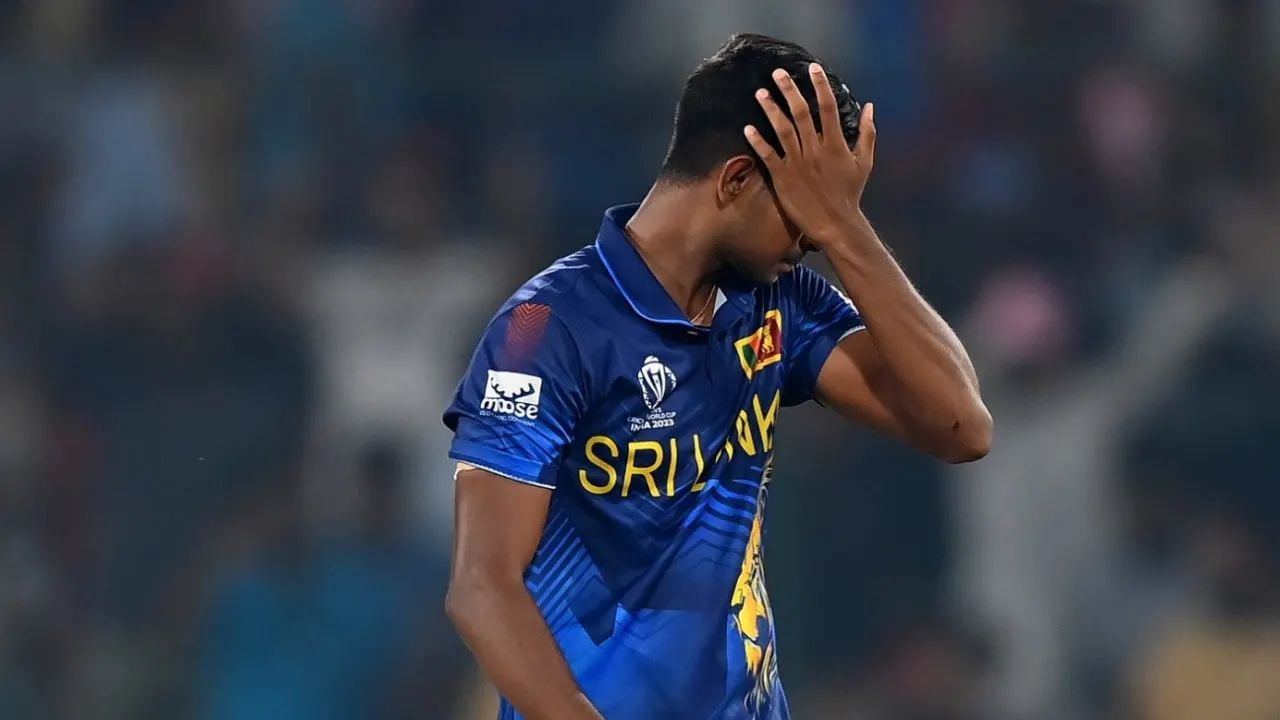
In a setback for defending champions Royal Challengers Bangalore, Sri Lankan fast bowler Nuwan Thushara has been denied clearance to participate in the IPL 2026 season. Thushara failed to meet the mandatory fitness standards required for overseas tournaments, prompting Sri Lanka Cricket to withhold his No Objection Certificate.
Players Working Hard to Meet Standards
While some players have struggled to meet the fitness requirements, others have shown dedication and improvement. Maheesh Theekshana, for example, achieved an impressive score of 22 after losing nearly six kilograms before joining his franchise for the Pakistan Super League. Additionally, players like Dushmantha Chameera, Pathum Nissanka, Dasun Shanaka, Kamindu Mendis, and Eshan Malinga have all successfully cleared the fitness tests ahead of IPL 2026.
Officials believe that these stricter fitness rules are necessary to enhance standards and ensure that players are adequately prepared for both international and franchise cricket competitions.
Injuries and Availability Concerns in IPL 2026
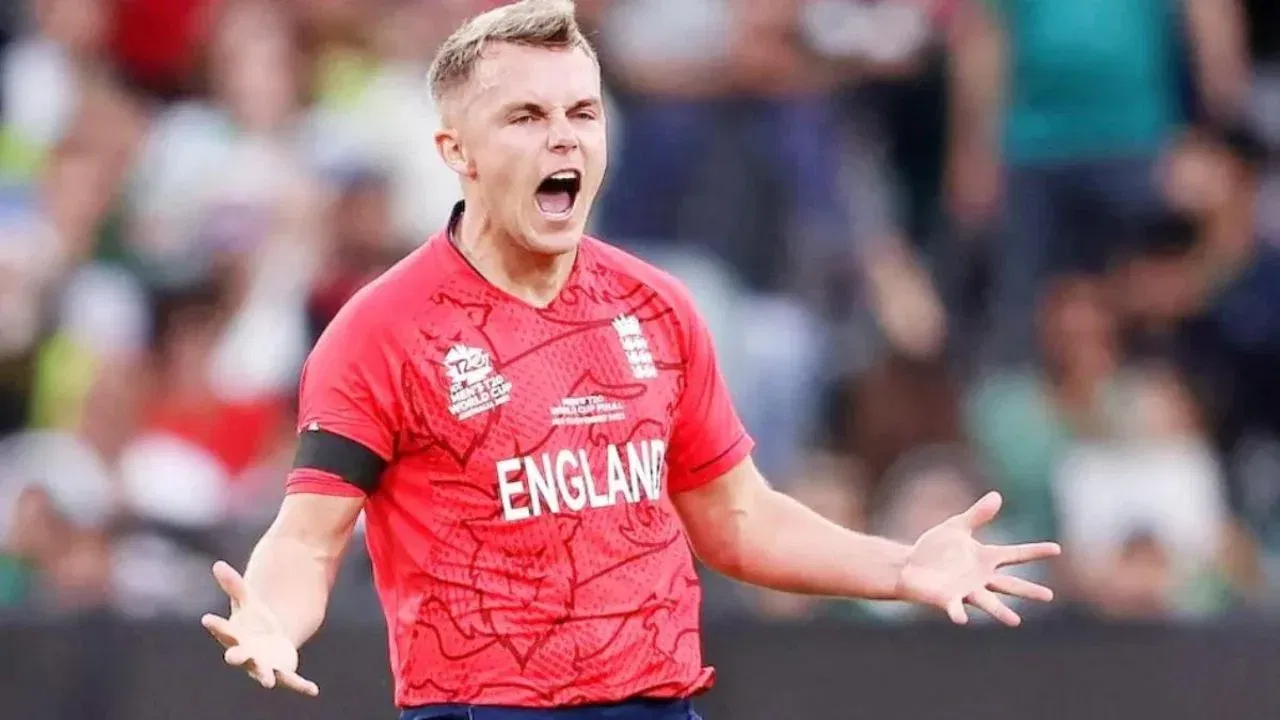
As the IPL 2026 season kicks off, several key players have already been ruled out due to injuries. Players like Josh Hazlewood, Mitchell Starc, Lockie Ferguson, Sam Curran, Akash Deep, and Nathan Ellis will miss the start of the tournament. Despite these challenges, teams are working hard to overcome obstacles and put forth competitive performances.
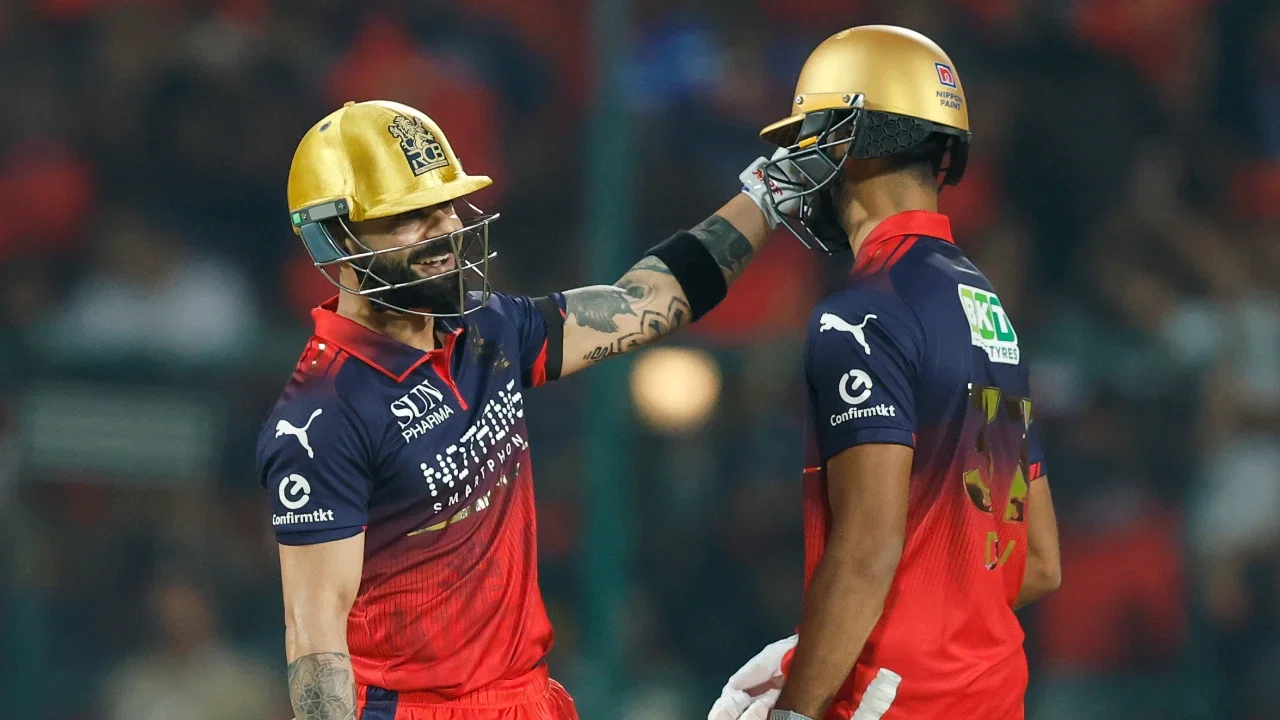
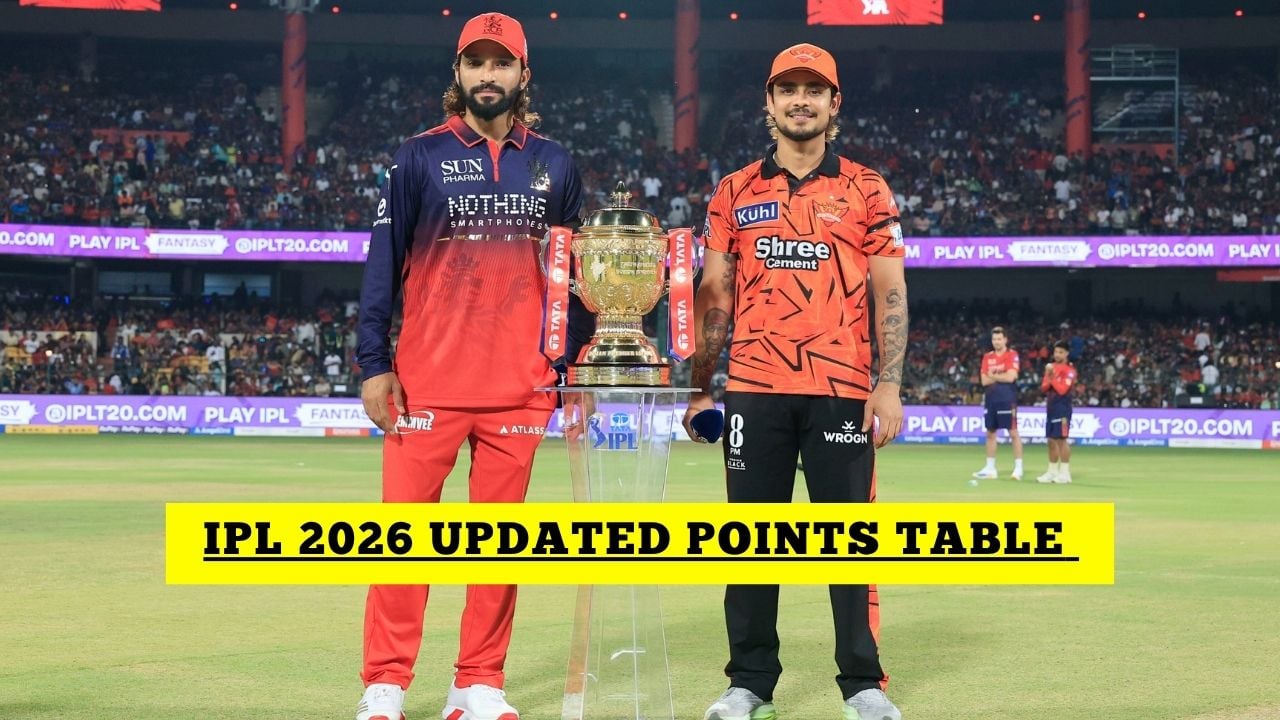
The season began with Royal Challengers Bangalore facing off against Sunrisers Hyderabad in the opener, with RCB securing a six-wicket victory. The tournament promises to be exciting, with teams vying for the coveted title and fans eagerly anticipating thrilling matches.
Player Rehabilitation and Hopeful Prospects
One player facing uncertainty is Lucknow Super Giants spinner Wanindu Hasaranga, who sustained a hamstring injury during the ICC Men’s T20 World Cup 2026. Hasaranga is currently undergoing rehabilitation and is awaiting final medical clearance from Sri Lanka Cricket’s medical staff. The Lucknow Super Giants management remains hopeful that he will recover in time to secure his No Objection Certificate for the IPL 2026 season.
As players continue to strive for fitness and readiness, the cricketing world eagerly awaits the unfolding drama and excitement of the IPL 2026 season.
Impact of Fitness Standards on Player Performance
The failure of several Sri Lankan cricketers to meet the fitness standards set by Sri Lanka Cricket has raised concerns about the impact of physical conditioning on player performance. Fitness plays a crucial role in a player’s ability to sustain high-intensity performances, recover quickly between matches, and reduce the risk of injuries. By enforcing strict fitness requirements, cricket boards aim to ensure that players are not only physically prepared for the demands of the game but also able to compete at the highest level consistently.
Research has shown that there is a strong correlation between an athlete’s fitness levels and their on-field performance. Players who meet the required fitness standards tend to exhibit better endurance, agility, speed, and overall physical capabilities compared to those who fall short. In cricket, where matches can be physically demanding and require players to perform at their peak for extended periods, maintaining optimal fitness levels is essential for success.
Professionalism and Accountability in Cricket
The enforcement of fitness standards for international players participating in overseas tournaments reflects a growing emphasis on professionalism and accountability in cricket. By holding players to a set standard of physical performance, cricket boards send a clear message about the expectations placed on professional athletes. This shift towards prioritizing fitness not only benefits individual players but also contributes to raising the overall standards of the sport.
Moreover, by linking fitness requirements to opportunities to compete in lucrative franchise tournaments like the Indian Premier League, cricket boards incentivize players to prioritize their physical conditioning and invest in their long-term athletic development. This focus on professionalism and accountability ultimately benefits the players, the teams they represent, and the sport as a whole.
Challenges and Opportunities in Player Rehabilitation
As the IPL 2026 season unfolds, injuries continue to be a significant concern for players and teams alike. Injuries not only impact individual players’ availability but can also disrupt team dynamics and performance. Player rehabilitation plays a crucial role in helping injured athletes recover effectively and return to play at their full potential.
Through structured rehabilitation programs, players undergo targeted exercises, physiotherapy, and conditioning to address their specific injuries and regain strength and mobility. Player rehabilitation requires a combination of medical expertise, personalized treatment plans, and dedicated effort from the players themselves. Successfully rehabilitating injured players can not only restore their physical health but also boost their confidence and performance on the field.
Looking Ahead: The Future of Fitness in Cricket
As cricket continues to evolve as a highly competitive and physically demanding sport, the importance of fitness in player development and performance remains paramount. The emphasis on meeting strict fitness standards serves as a reminder to players of the professional expectations placed upon them and the need to prioritize their physical well-being.
Moving forward, cricket boards, coaches, and players must work together to maintain high fitness standards, implement effective injury prevention strategies, and ensure that players are adequately prepared for the rigors of international and franchise cricket. By fostering a culture of fitness, professionalism, and accountability, cricket can continue to thrive as a dynamic and exciting sport that captivates fans around the world.
By focusing on the interplay between fitness, performance, professionalism, and player rehabilitation, cricket can pave the way for a bright future filled with talented and resilient athletes who are ready to take on the challenges of the game.
Latest News
Shubman Gill out? Virat Kohli’s Test comeback as captain suggested by CSK legend
Jason Gillespie gives major update on Glenn Maxwell’s availability for PSL 2026
‘I’m a big fan but…’: Ravichandran Ashwin criticises Abhishek Sharma after failure vs RCB.
LHQ vs KRK Match Prediction, Pitch & Weather Report, Playing XIs, Head-to-Head, Free Live Streaming – PSL 2026 Match 6
IPL teams on alert!: Sri Lanka fitness crisis sees almost 50% players fail tests
Ben Duckett in trouble? Sunil Gavaskar pushes BCCI for tougher punishment
MS Dhoni faking injury? Michael Vaughan suspects ‘strategic manoeuvre’ in CSK camp for IPL 2026
KKR coach criticises Impact Player rule, provides huge Matheesha Pathirana update
Sam Curran reveals private chat with Brendon McCullum after England axing
Ravichandran Ashwin brutally teased by Virender Sehwag on IPL 2026 debut
Virat Kohli’s ego under spotlight! Ex-KKR star makes bold claim after heroics vs SRH
Jay Shah rises to No. 22 among most powerful people in India in 2026; Virat Kohli, Gautam Gambhir included
SRH suffer huge blow! Daniel Vettori confirms another overseas pacer injured amid crisis
IPL Points Table 2026: Updated Standings, Orange Cap, Purple Cap After RCB vs SRH Match 1