Irfan Pathan blames Ravindra Jadeja’s lack of urgency for India’s 4-wicket loss to South Africa

Former Indian all-rounder Irfan Pathan Criticizes Ravindra Jadeja’s Slow Batting in ODI Match Against South Africa
Former Indian cricketer Irfan Pathan recently criticized Ravindra Jadeja’s slow batting performance during the second ODI match between India and South Africa in Raipur. Pathan blamed Jadeja’s lack of urgency in his innings for India’s dramatic four-wicket loss to South Africa on December 3.
India’s Strong Start Falters in Final Overs
India had a strong start in the match, with Virat Kohli and Ruturaj Gaikwad scoring stunning centuries. However, the team’s momentum faltered in the final ten overs as they could only manage to score 74 runs. Despite KL Rahul’s quick 66 not out off 43 balls, the lower order struggled to keep up the pace.
Ravindra Jadeja, who returned to the ODI team for the ongoing series, came in to bat in the 42nd over. His slow innings of 24 off 27 balls, with just two boundaries, at a strike rate of 88.89, was criticized by Pathan for lacking urgency in a crucial phase of the match.
South Africa Levels Series
India posted a total of 358/5 in their 50 overs, but South Africa successfully chased down the target in 49.2 overs, leveling the three-match ODI series 1-1. The series decider is set to take place in Vishakhapatnam on December 6.
Irfan Pathan’s Critique of Jadeja’s Batting
In a video on his YouTube channel, Pathan expressed his disappointment with Jadeja’s slow innings, emphasizing the importance of lower-order finishing in tight matches. Pathan highlighted the lack of intent shown by Jadeja when the team needed quick runs, especially considering the dew factor that would make chasing easier for South Africa.
Pathan mentioned, “The intent could have been better. And I am not saying this in hindsight. We said it during commentary as well. It looked like the ball would get wet, which always causes problems for the fielding side. South Africa’s plan was to start carefully. But Jadeja not pulling his weight with the bat became a disappointing factor for India.”
Challenges of Death-Overs Batting in New ODI Rule
It is important to note that the new ODI rules have made death-overs batting more challenging. With only one ball used after the 34th over, the ball quickly becomes old and soft, making it harder for batters to hit big shots. Previously, two balls were used, providing batters with an advantage as the ball remained hard.
Overall, Pathan’s critique of Jadeja’s slow batting in the crucial phase of the match highlights the importance of intent and urgency in modern-day cricket, especially in high-pressure situations where every run counts.
The Impact of Jadeja’s Slow Batting on the Outcome
While India’s strong start laid a solid foundation, the inability to accelerate in the final overs ultimately cost them the match against South Africa. Jadeja’s slow innings not only deprived India of valuable quick runs but also put additional pressure on the lower order batsmen to make up for lost time. In tight matches, every run becomes crucial, and the failure to capitalize on the momentum created by the top order can have significant consequences.
Strategic Considerations for Lower-Order Batsmen
Pathan’s critique of Jadeja’s lack of intent underscores the strategic importance of lower-order batsmen in modern cricket. In the death overs, when every run matters, it is essential for players like Jadeja to showcase aggressive intent and push the scoring rate. By rotating the strike, finding the boundaries, and taking calculated risks, lower-order batsmen can not only accelerate the run rate but also build partnerships that can prove decisive in the outcome of the match.
Adapting to New ODI Rules
The shift to using only one ball after the 34th over in ODI matches presents a new challenge for batsmen during the death overs. With the ball quickly losing its hardness and becoming less conducive to big hitting, batsmen need to adapt their approach to scoring quick runs in the latter stages of the innings. This change in the rules adds another layer of complexity to the game, requiring batsmen to innovate and find new ways to score runs effectively in challenging conditions.
Learning from Setbacks for Future Matches
As India prepares for the series decider against South Africa, the team can use the lessons from the second ODI match to refine their strategies and improve their performance. Analyzing the shortcomings in the batting order, especially in the death overs, can help the team identify areas for improvement and make necessary adjustments to avoid similar pitfalls in future matches.
The Importance of Adaptability and Resilience in Cricket
Cricket is a game of uncertainties and ever-evolving challenges, requiring players to be adaptable and resilient in the face of setbacks. The ability to learn from mistakes, make quick adjustments, and maintain composure under pressure is essential for success in the sport. By taking Irfan Pathan’s critique of Ravindra Jadeja’s batting as a learning opportunity, both the individual player and the team as a whole can grow and evolve for future encounters.
In conclusion, the criticism of Jadeja’s slow batting by Irfan Pathan sheds light on the critical role of intent, urgency, and strategic decision-making in high-stakes cricket matches. As India looks to bounce back in the series decider, the team’s ability to learn from past performances, adapt to new challenges, and execute their game plan effectively will be paramount in securing a favorable outcome.
Latest News

SRH suffer huge blow! Daniel Vettori confirms another overseas pacer injured amid crisis

IPL Points Table 2026: Updated Standings, Orange Cap, Purple Cap After RCB vs SRH Match 1
Virat Kohli, Anushka Sharma share adorable flying kiss moment after RCB vs SRH clash
“Absolutely world-class”: Virat Kohli backs Devdutt Padikkal for permanent Team India spot

Rajat Patidar refuses to comment on Virat Kohli; Ishan Kishan admits enjoying after SRH’s loss to RCB

Mumbai Indians suffer blow! Mitchell Santner, Will Jacks ruled out of IPL 2026 games

MI vs KKR Match Prediction – Who Will Win Match No.2? | IPL 2026

Mumbai Indians Playing XI vs Kolkata Knight Riders Playing XI- Match No. 2 | IPL 2026

MI vs KKR Match 2 Preview: Free Live Streaming, Pitch & Weather Report, Head-to-Head | IPL 2026

Not English cricket! Jos Buttler credits IPL for his success as a cricketer

“Nitish Kumar Reddy is biggest fraud”: Fans fume as SRH star fails vs RCB in IPL 2026 opener
Who is Abhinandan Singh? The Virat Kohli troublemaker who made his IPL debut for RCB vs SRH
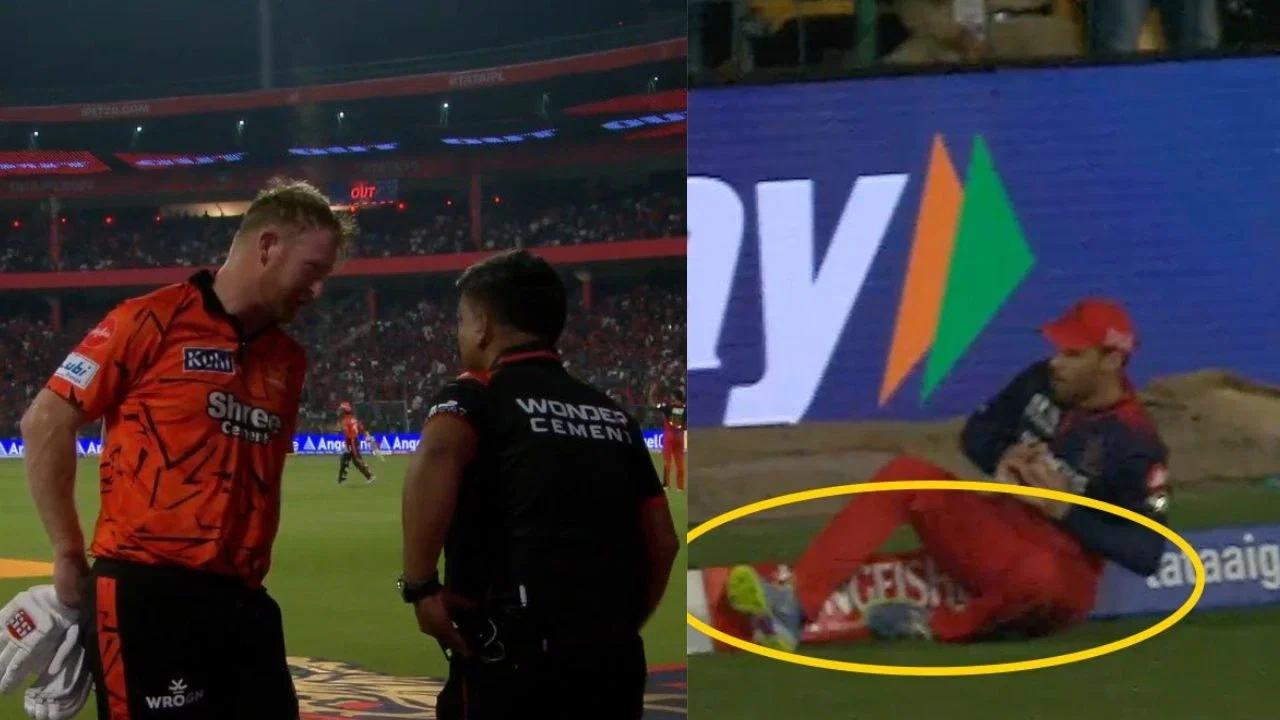
Heinrich Klaasen engages in heated chat with 4th umpire after Phil Salt’s controversial catch in IPL 2026
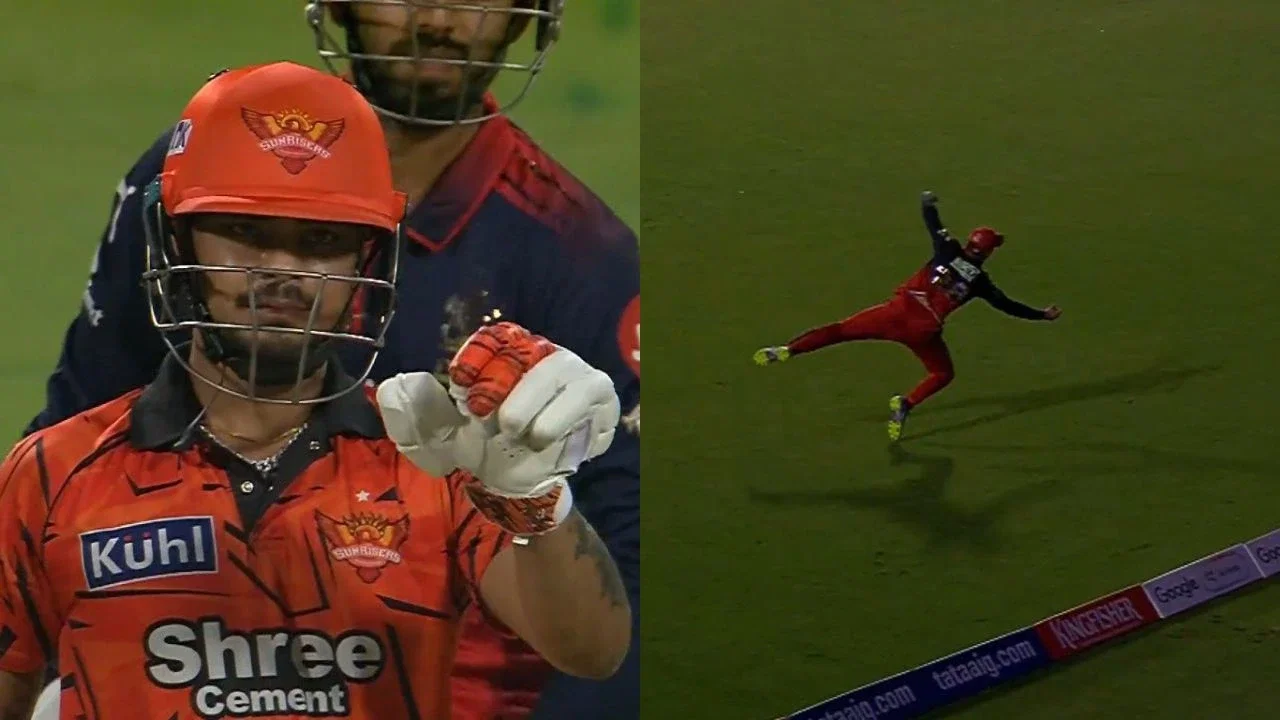
Phil Salt grabs one of the greatest catches in IPL history to dismiss Ishan Kishan