“It was horrible”: Kris Srikkanth attacks Gautam Gambhir over ‘no demons’ remarks on Kolkata pitch
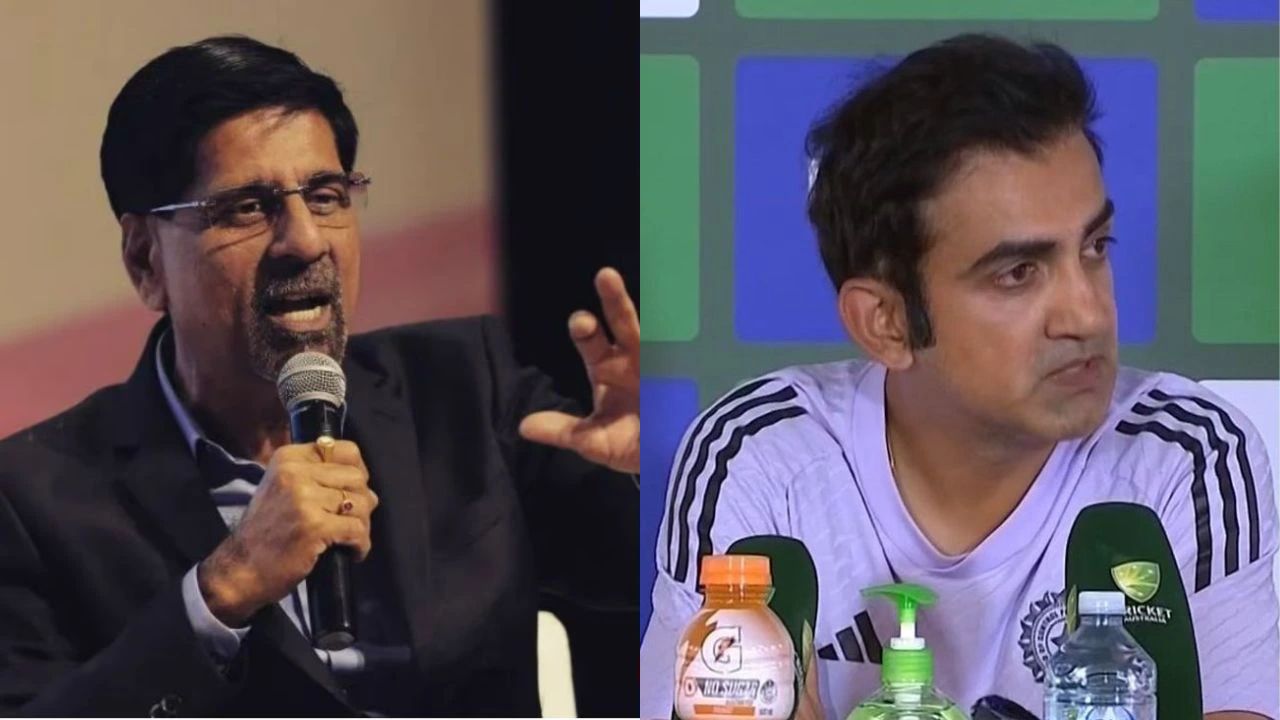
Kris Srikkanth Criticizes India’s Poor Performance in First Test Against South Africa
India suffered a crushing 30-run defeat to South Africa in the first Test at Eden Gardens in Kolkata, sparking strong reactions from cricket pundits and fans alike. Former Indian captain Kris Srikkanth has come down heavily on the home side for their dismal performance in the match. The Indian team was bowled out for a mere 93 runs while chasing a modest target of 124 set by South Africa on November 16.
Wicket Controversy
Following the embarrassing defeat, Srikkanth criticized the pitch prepared for the Test match. The surface, supposedly tailored to assist India’s spinners, behaved unpredictably right from the first session. Some balls stayed low, some shot up unexpectedly, and others spun sharply, making it difficult for the batsmen to adjust to the conditions at Eden Gardens.
Srikkanth expressed his disappointment with the quality of the pitch, stating that a Test match finishing in just two and a half days is a clear indication of issues with the wicket. He highlighted the low scores on both sides—159, 189, 153, and 93—as evidence of the challenging conditions faced by the batters.
Selection Blunder
Moreover, Srikkanth raised concerns about India’s team selection for the match. The decision to go in with four spinners—Ravindra Jadeja, Kuldeep Yadav, Axar Patel, and Washington Sundar—raised eyebrows, especially when Sundar did not even bowl a single delivery in the second innings.
Srikkanth questioned the logic behind selecting an extra spinner and then not utilizing him, particularly on a pitch favoring turn. While Jadeja managed to pick up four wickets in South Africa’s second innings, it was Simon Harmer’s seven-wicket haul that proved to be the game-changer.
Struggles on Spinning Tracks
The former Indian opener also pointed out India’s recurring struggles on spinning tracks in recent years. He cited instances where bowlers like Steve O’Keefe, Ajaz Patel, Matthew Kuhnemann, and now Simon Harmer have dominated India’s batting lineup on turning surfaces.
Srikkanth concluded by questioning the team’s strategy of loading the attack with spinners, emphasizing the need for a more balanced approach in team selection. He criticized the decision to include Washington Sundar in the playing XI but not utilize him effectively, especially in a match where spin played a crucial role.
Overall, Kris Srikkanth’s scathing remarks shed light on the shortcomings of the Indian team in the first Test against South Africa and raised important questions about pitch preparation and team selection moving forward.
India’s Struggles in Overseas Tests
India’s loss in the first Test against South Africa not only highlighted their difficulties on spinning tracks but also showcased their ongoing struggles in overseas Test matches. The team’s performance away from home has been a cause for concern for fans and experts alike, with a pattern emerging of India’s batting lineup faltering in challenging conditions.
While India has been dominant in Test matches played in familiar subcontinental conditions, their record in countries like England, Australia, South Africa, and New Zealand has been less impressive. The inability of Indian batsmen to consistently perform in seaming or fast-bowling friendly conditions has been a recurring issue, leading to defeats in crucial overseas series.
Impact of Toss and First Innings Performance
The toss has often played a significant role in determining the outcome of Test matches, especially in countries where conditions heavily favor the team batting first. In the first Test against South Africa, India’s decision to bowl first after winning the toss backfired as the visitors managed to put up a competitive total in their first innings.
India’s poor first innings performance, where they were bowled out for 187 runs, set the tone for the match and put them on the backfoot early on. The pressure of chasing a modest target in the fourth innings on a deteriorating pitch proved to be too much for India’s batsmen, resulting in a collapse and ultimately the defeat.
Need for Consistency in Team Selection
One of the key aspects highlighted by Kris Srikkanth was the need for consistency and logic in team selection. The inclusion of Washington Sundar as an extra spinner in the playing XI raised eyebrows, especially when his services were not utilized effectively during the match. This inconsistency in team selection and utilization of resources has been a recurring issue for the Indian team.
Going forward, India will need to address these selection blunders and ensure that the best combination of players is chosen based on the conditions and opposition. A more balanced approach that takes into account the strengths and weaknesses of both the team and the pitch will be crucial in improving India’s performances in Test matches, especially overseas.
Learning from Defeats and Moving Forward
While defeats like the one against South Africa can be disheartening, they also provide valuable learning opportunities for the team. Analyzing the reasons behind the loss, addressing the shortcomings in batting, bowling, and fielding, and making strategic adjustments will be essential for India to bounce back in the series.
The Indian team has shown resilience and the ability to learn from past mistakes in the past, and with the right mindset and preparation, they can turn their performance around in the upcoming Tests. The challenges posed by tough overseas conditions should be viewed as opportunities for growth and improvement, pushing the team to strive for excellence in all aspects of the game.
Ultimately, while criticism from former players like Kris Srikkanth may sting, it can also serve as a wake-up call for the Indian team to reassess their strategies, address their weaknesses, and come back stronger in future matches.
Latest News
LSG vs DC Match No. 5 Preview: Free Live Streaming, Pitch & Weather Report, Head-to-Head | IPL 2026

LSG vs DC Match Prediction – Who Will Win Match No.5? | IPL 2026
LSG Playing XI vs DC Playing XI – Match No. 5 | IPL 2026
Krunal Pandya breaks silence on India snub, opens up on Virat Kohli
Mohsin Naqvi enforces new social media rules for Pakistan players following Naseem Shah incident
Fakhar Zaman officially handed cricket ban after PSL 2026 ball-tampering controversy
Pat Cummins forces Cricket Australia to slash central contracts list to secure premium deal
CSK’s big promise to players revealed amid IPL 2026: “Whatever BCCI offers, we’ll double it”
Ravichandran Ashwin rules out Vaibhav Sooryavanshi’s India call-up
Rashid Latif claims PSL ball-tampering row was deliberately created for attention amid IPL rivalry
Mohammed Shami breaks silence on retirement buzz after India snub; has special message for LSG
Mohammed Shami reveals IPL 2026 Top 4, leaves out five-time champions
Mohammed Shami hits back at Ravichandran Ashwin over LSG’s poor IPL 2026 prediction
Riyan Parag mocked Sanju Samson? Batter’s muscle-flex celebration after sensational 6 vs CSK goes viral