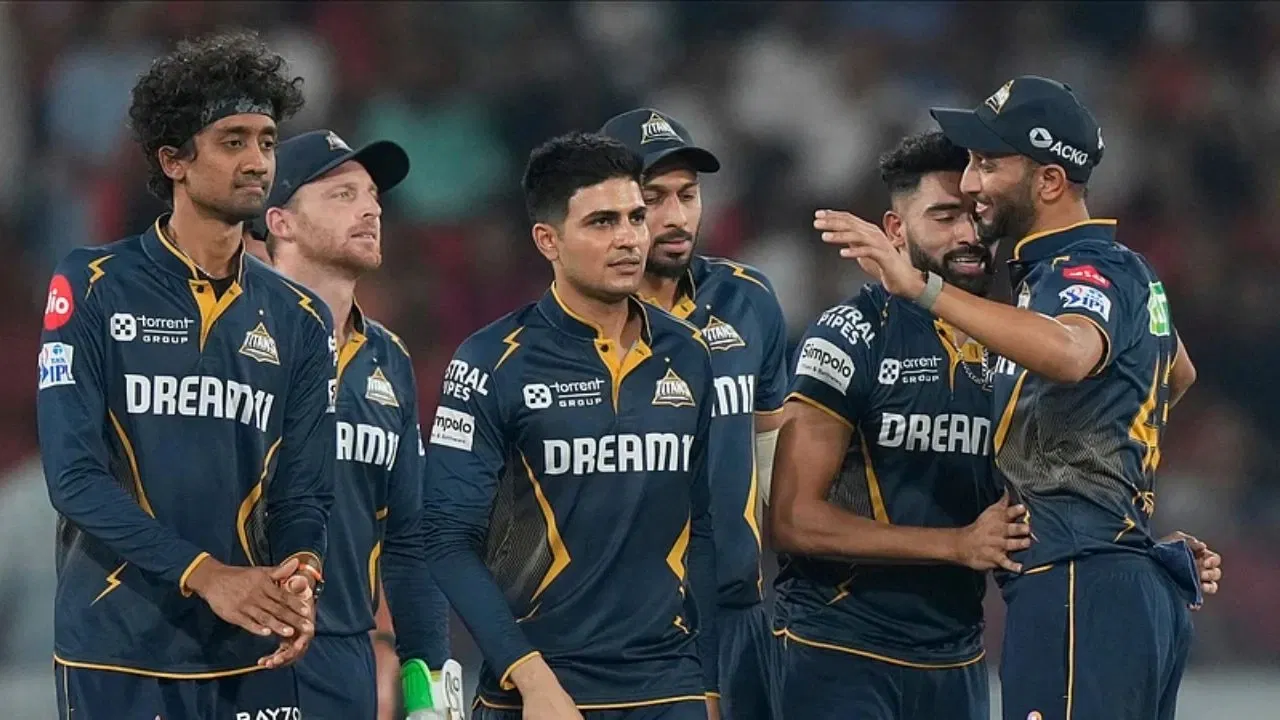
Jasprit Bumrah, Mohammed Shami’s Test retirement incoming? Shubman Gill told to build team without star pacers
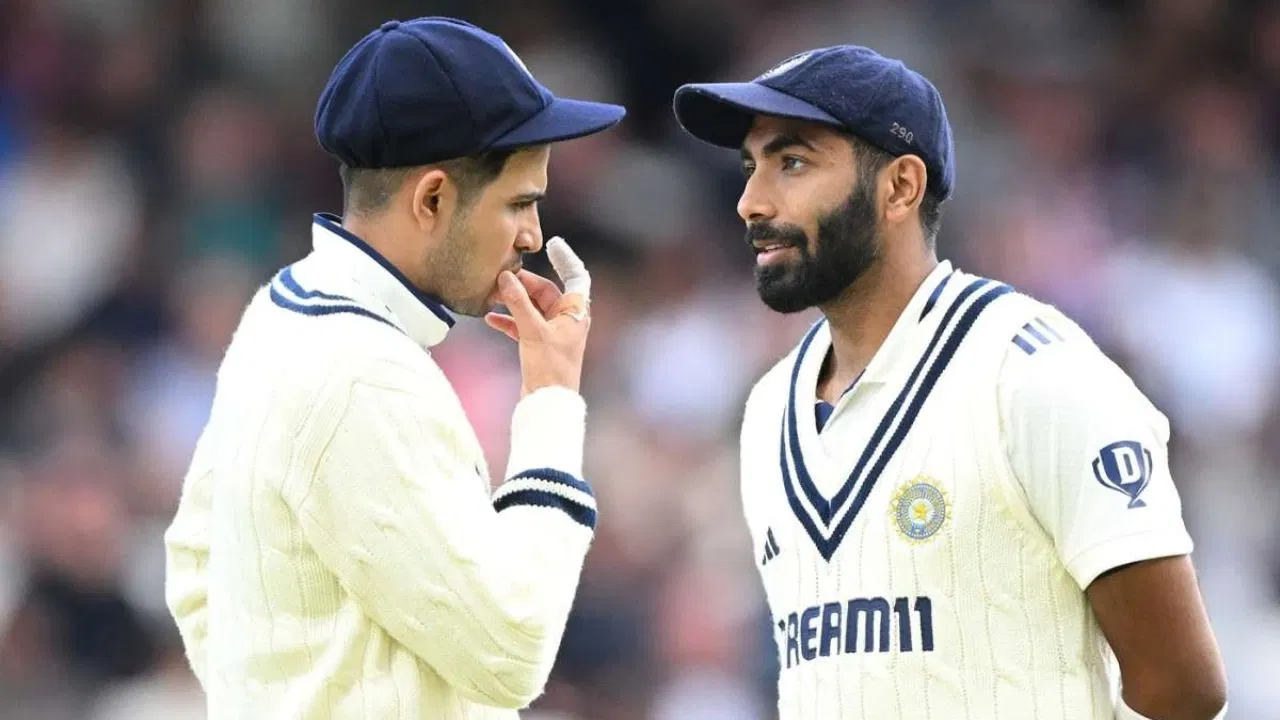
Former Indian Cricketer Irfan Pathan Calls for Building a Team Without Bumrah and Shami
Former Indian National Cricket Team all-rounder, Irfan Pathan, has sparked a debate by urging Test captain Shubman Gill to consider building a team without the services of veteran pacers Mohammed Shami and Jasprit Bumrah. Pathan criticized Bumrah for selectively choosing the Test matches he wants to play for the Indian team, raising concerns about the stability of the bowling unit.
The Resting of Jasprit Bumrah
Jasprit Bumrah, widely regarded as one of the best bowlers in world cricket, had limited availability for India’s first Test series against England in the new ICC World Test Championship Cycle. Despite delivering exceptional performances in the previous World Test Championship cycle, Bumrah was rested for workload management after sustaining a severe back injury during the Border-Gavaskar Trophy 2024-25.
Bumrah played the first Test against England at Headingley, picking up five wickets in the first innings. However, he was surprisingly rested for the second Test at Edgbaston, leaving fans and experts puzzled by the decision.
Mohammed Shami’s Fitness Concerns
On the other hand, Mohammed Shami’s absence in the ongoing series against England is due to fitness concerns and his inability to bowl long spells required in red-ball cricket. Pathan emphasized the need for Team India to look beyond Bumrah and Shami and start planning for Test matches without their services.
Irfan Pathan’s Critique
Speaking on Sony Sports, Irfan Pathan expressed his frustration with Bumrah’s approach to workload management, suggesting that the Indian team cannot afford to have players pick and choose matches. Pathan highlighted the importance of continuity in the bowling unit and stressed the need for planning for scenarios where key players are unavailable.
Pathan further emphasized that the overseas five-match series against England was where Bumrah’s presence was crucial, and his absence due to workload management could potentially impact India’s performance. He questioned the decision to rest Bumrah solely for managing his workload, stating that it may not be in the team’s best interest.
Looking Ahead
As the debate surrounding the exclusion of key pacers like Bumrah and Shami continues, the Indian team faces the challenge of building a stable and reliable bowling unit for future Test matches. It remains to be seen how the team management addresses these concerns and ensures that the bowling department remains strong in the absence of experienced campaigners like Bumrah and Shami.
In conclusion, Irfan Pathan’s call for building a team without Bumrah and Shami raises important questions about workload management and the long-term sustainability of the Indian bowling unit. As the team navigates through the ongoing series against England and prepares for future challenges, decisions regarding player availability and rotation will play a crucial role in shaping India’s success in Test cricket.
The Importance of Rotation Policy
One aspect that is crucial to consider when discussing the absence of key players like Bumrah and Shami is the implementation of a rotation policy. With the modern cricket calendar being packed with various formats of the game, it becomes imperative for teams to manage the workload of their players effectively to prevent injuries and burnout.
Rotation policies have been adopted by many cricketing nations to ensure that their players remain fresh and at the peak of their performance levels. By rotating players strategically, teams can not only prevent injuries but also provide opportunities for younger players to gain experience and showcase their talent at the international level.
Developing Bench Strength
One of the benefits of building a team without relying solely on Bumrah and Shami is the opportunity to develop bench strength. By giving other bowlers the chance to step up and take on the responsibility of leading the attack, Team India can nurture a pool of talented pacers who can fill in when needed.
Building depth in the bowling department is essential for any team looking to sustain success in the long run. It allows for seamless transitions when key players are unavailable and ensures that the team remains competitive even in the absence of star performers.
The Evolution of Indian Pace Bowling
Another angle to consider when discussing the exclusion of Bumrah and Shami is the evolution of Indian pace bowling over the years. Traditionally known for their spin bowlers, India has seen a resurgence in their fast bowling department in recent years, thanks to the emergence of talents like Bumrah, Shami, Ishant Sharma, and others.
By focusing on building a team that is not solely reliant on a few key pacers, India can continue to nurture young fast bowlers and maintain the momentum gained in this aspect of the game. The depth and quality of fast bowlers in Indian cricket have improved significantly, and it is essential to capitalize on this trend by giving opportunities to a diverse range of bowlers.
The Balance of Experience and Youth
When creating a team without Bumrah and Shami, it also opens up the possibility of striking a balance between experienced campaigners and young talents. While the absence of seasoned bowlers may seem daunting, it paves the way for younger players to step up and learn from the more experienced members of the team.
This balance between experience and youth is vital for the overall development of the team and ensures that there is a healthy mix of skills, knowledge, and enthusiasm within the squad. It also fosters a competitive environment where players are constantly pushing each other to improve and excel on the field.
Conclusion
In conclusion, the debate sparked by Irfan Pathan’s comments sheds light on the complexities of team selection, workload management, and the evolution of Indian cricket. By considering the broader implications of building a team without key pacers like Bumrah and Shami, Team India has the opportunity to strengthen its bowling unit, develop bench strength, and strike a balance between experience and youth.
As the team navigates through the challenges of international cricket, the decisions made regarding player rotation, building depth in the squad, and fostering a competitive environment will play a crucial role in shaping India’s success in the Test arena.
Latest News

RCB Playing XI vs SRH Playing XI – Match No. 1 | IPL 2026
Delhi Capitals IPL 2026 Full Schedule: DC Fixtures, Dates, Timings and Venues | Squad and Coaches
PSZ vs RWP Match Prediction, Pitch & Weather Report, Playing XIs, Head-to-Head, Free Live Streaming – PSL 2026 Match 3
Rajasthan Royals IPL 2026 Full Schedule: RR Fixtures, Dates, Timings and Venues | Squad and Coaches
Mumbai Indians add Akash Madhwal for IPL 2026 amid suspense over Jasprit Bumrah’s availability
Kolkata Knight Riders IPL 2026 Full Schedule: KKR Fixtures, Dates, Timings and Venues | Squad and Coaches
Sunrisers Hyderabad IPL 2026 Full Schedule: SRH Fixtures, Dates, Timings and Venues | Squad and Coaches
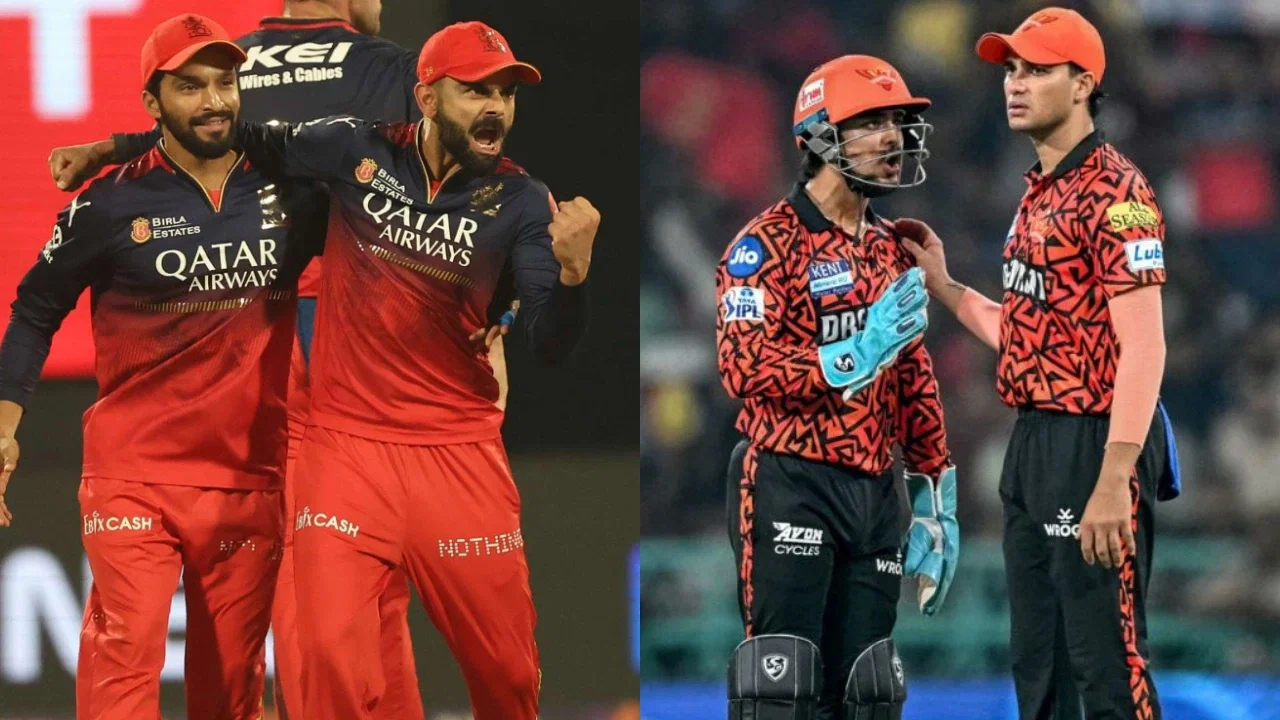
RCB vs SRH Match Prediction – Who Will Win Match No.1? | IPL 2026
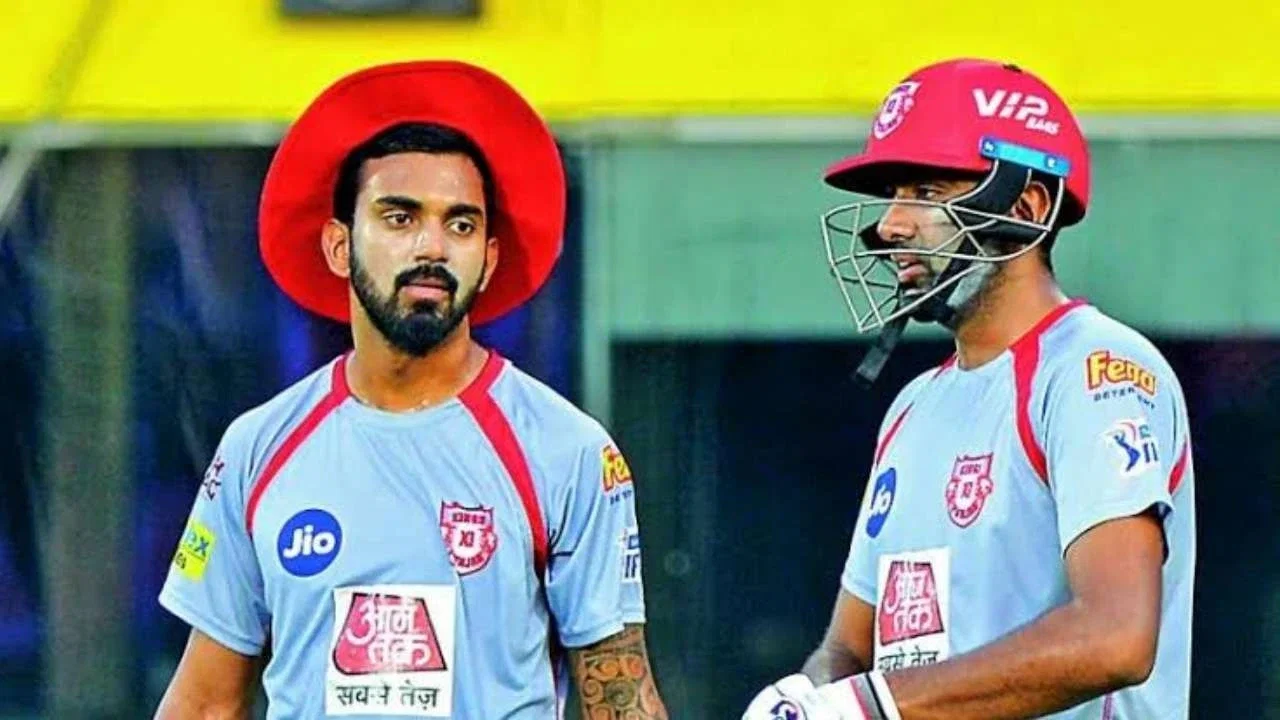
KL Rahul will win the Orange Cap in IPL 2026 if…: Ravichandran Ashwin makes bold claim
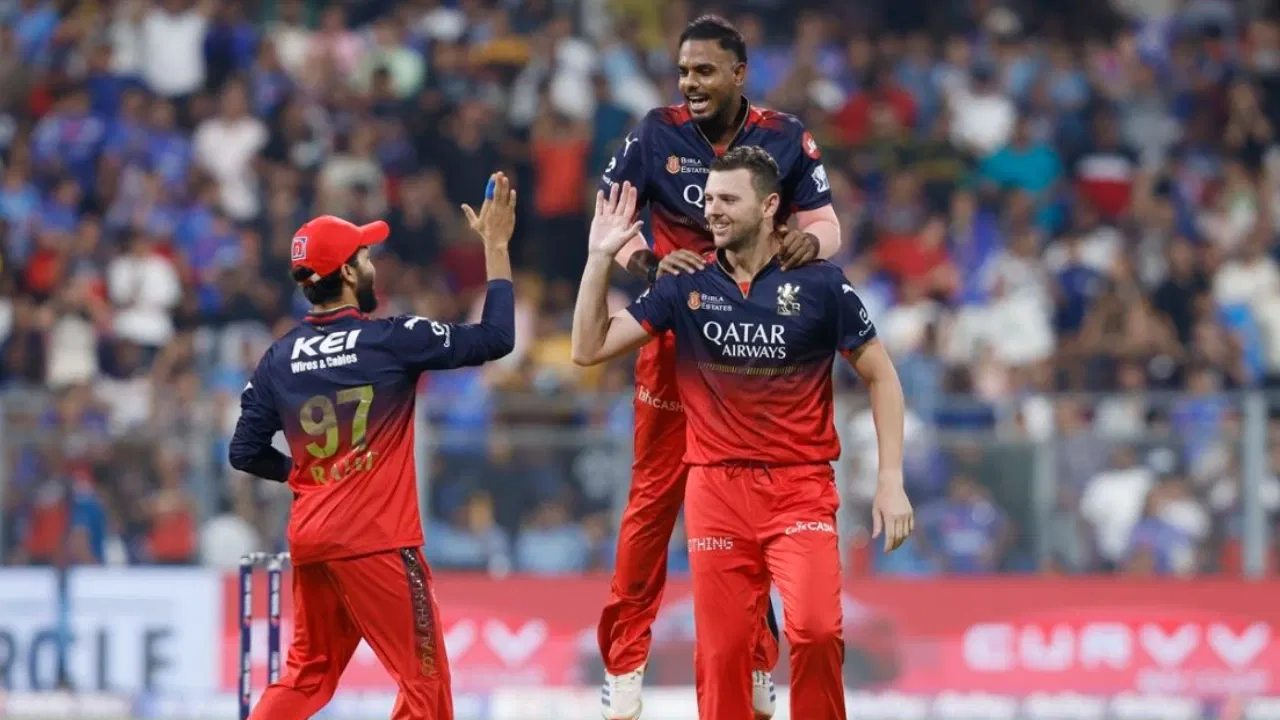
RCB coach rules Josh Hazlewood out of IPL 2026 opener, Pat Cummins update arrives
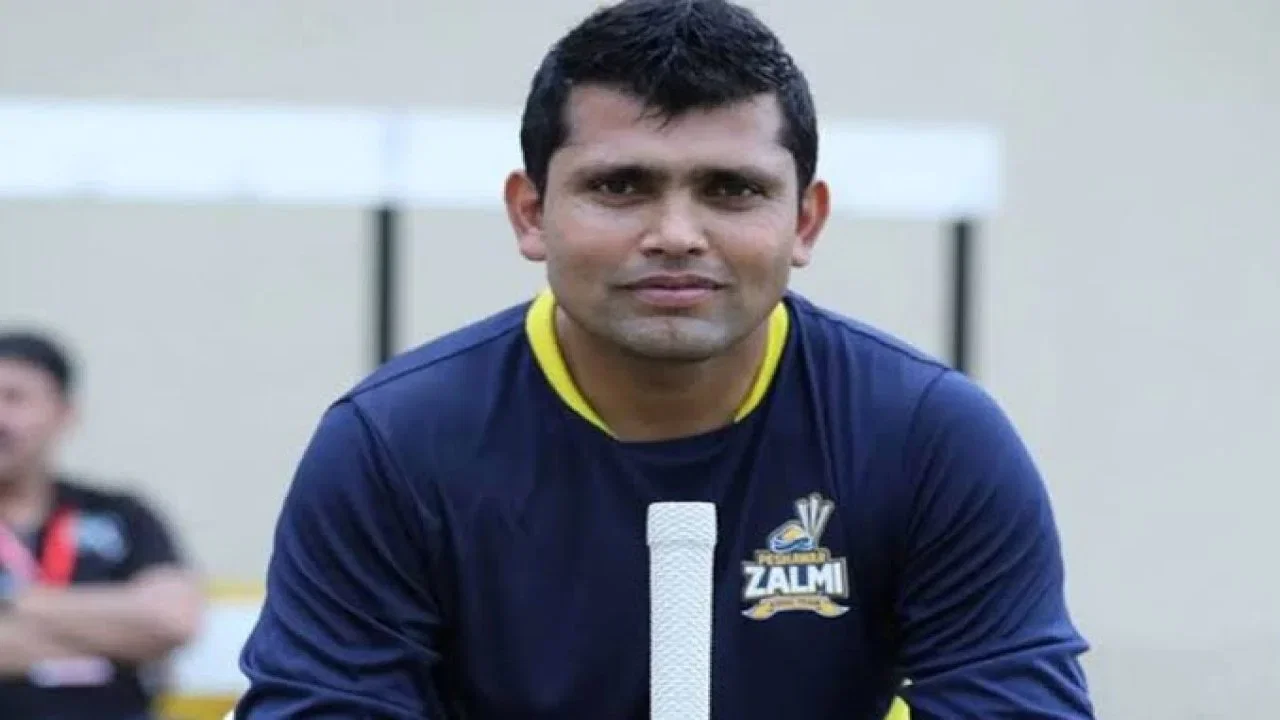
Kamran Akmal trolls Pakistan Super League after Hyderabad Kingsmen jersey turns ball pink
Prithvi Shaw backed to dominate IPL 2026 by Irfan Pathan
Rohit Sharma loses cool! Hits car, ignores fans in shocking moment before IPL 2026
RCB vs SRH Match No. 1 Preview: Free Live Streaming, Pitch & Weather Report, Head-to-Head | IPL 2026