Jasprit Bumrah takes a brutal swipe at 3rd umpire and broadcaster as DRS falters
Jasprit Bumrah expresses frustration over DRS call in India vs. West Indies Test
Indian fast bowler Jasprit Bumrah was left visibly frustrated during the ongoing second and final Test between India and the West Indies in Delhi. The incident occurred on Day 4 of the match at the Arun Jaitley Stadium when Bumrah almost dismissed West Indies opener John Campbell in a thrilling moment.
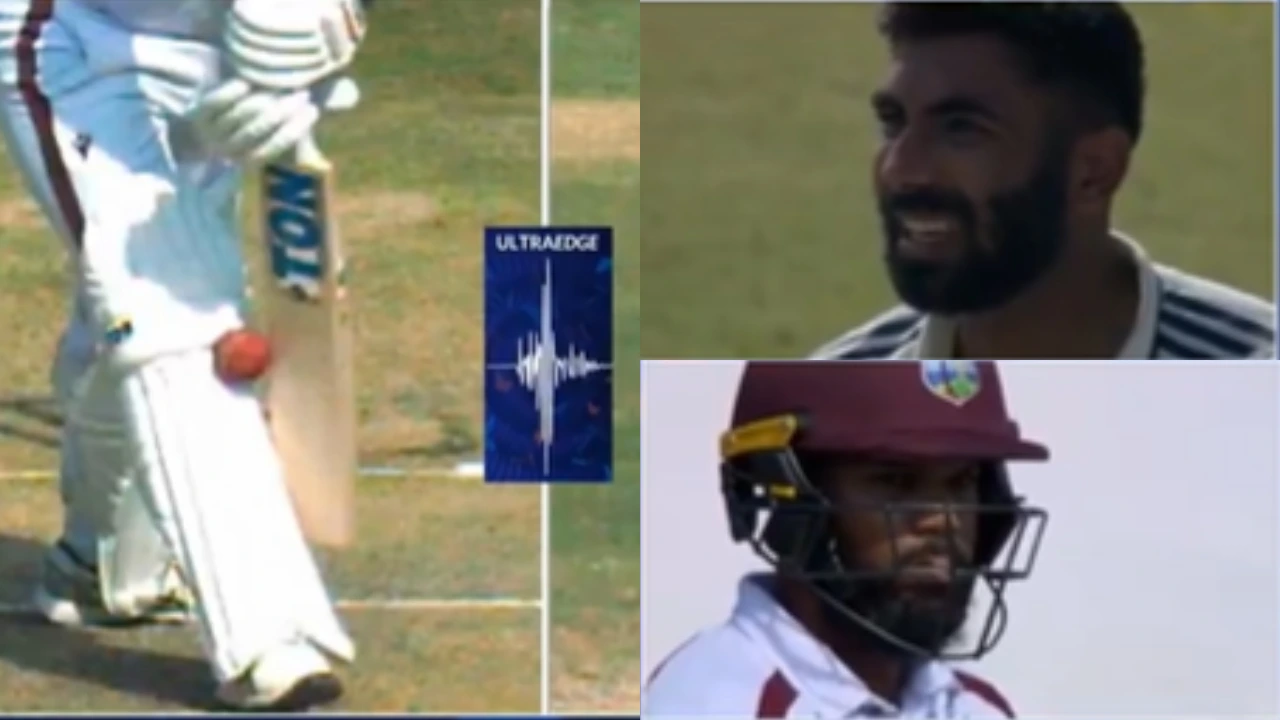
Bumrah delivered a sharp ball that moved back into the left-hander and stayed very low, catching Campbell off guard as he tried to play a drive. The Indian team, including Bumrah, went up in a loud appeal for leg-before-wicket, confident they had secured the wicket. However, the on-field umpire Richard Illingworth turned down the appeal, leading to the Indian players opting for a review.
Technology controversy
As the third umpire Alex Wharf reviewed the footage, it showed the ball hitting Campbell’s pad and appearing close to hitting the stumps. The UltraEdge technology also indicated a small spike as the ball passed near the bat and pad, suggesting a possible inside edge before hitting the pad.
After a thorough check, Wharf upheld the on-field umpire’s decision, ruling Campbell not out due to the presence of an inside edge. This decision left the Indian camp disappointed, with Bumrah questioning the accuracy of the technology used in the Decision Review System (DRS).
Bumrah was overheard expressing his frustration, stating, “You know it as well. It’s out, but the technology cannot prove it.” This incident sparked a debate on the reliability and precision of technology in cricket, with even commentators echoing Bumrah’s sentiments.
John Campbell’s milestone
Despite the controversy, John Campbell capitalized on the reprieve and went on to achieve a milestone by scoring his maiden Test century. The West Indies opener reached the landmark with a six off Ravindra Jadeja, sending the ball into the stands at wide long-on, much to the delight of his teammates.
Campbell’s century was a significant achievement, as he became the first West Indies opener in nearly two years to score a Test century against India. His innings marked the end of a long drought for West Indies openers against the Indian team, with the last century being scored by Daren Ganga in 2006.
Furthermore, Campbell’s century in India also set him apart as he became only the fifth West Indies batter to reach their maiden Test century with a six. This historic feat solidified Campbell’s position as a promising talent in West Indies cricket, breaking records and making a mark against a formidable opponent like India.
In conclusion, the DRS controversy and Campbell’s milestone century added excitement and drama to the ongoing Test match, showcasing the competitive spirit and talent of both teams. The turn of events highlighted the unpredictability and thrill of Test cricket, leaving fans eagerly anticipating the next chapter in this gripping series.
Impact of the DRS Call on the Match
The DRS call involving Jasprit Bumrah and John Campbell had a significant impact on the course of the match. Had Campbell been given out, the West Indies’ innings could have taken a different turn, potentially affecting the final outcome of the Test. The controversial decision not only frustrated the Indian team but also raised questions about the effectiveness of technology in decision-making in cricket.
Technological Advancements in Cricket
The use of technology in cricket, including tools like Hawk-Eye, UltraEdge, and Snickometer, has revolutionized the sport and added a new dimension to decision-making. While these tools aim to provide more accurate and fair outcomes, incidents like the one involving Bumrah and Campbell highlight the challenges and limitations of technology in certain situations. It underscores the ongoing debate within the cricketing community about striking a balance between relying on technology and maintaining the human element in umpiring decisions.
Psychological Impact on Players
The DRS call and subsequent events also shed light on the psychological aspect of the game. For players like Bumrah, who put in tremendous effort to create a wicket-taking opportunity, a decision like this can be disheartening. It tests a player’s mental resilience and ability to refocus after a setback, showcasing the mental strength required to excel in high-pressure situations in cricket.
Historical Significance of Milestone Centuries
John Campbell’s maiden Test century against India holds historical significance not only for him but also for West Indies cricket. The drought-breaking century by a West Indies opener against India after nearly two years signifies a positive shift in the team’s performance. It also highlights the importance of individual milestones in shaping a player’s career and boosting team morale.
Rise of Young Talents in International Cricket
Campbell’s achievement of scoring his maiden Test century with a six exemplifies the fearless approach of young talents in modern cricket. The willingness to take risks and play aggressive cricket reflects the changing dynamics of the sport, where players are embracing innovation and adaptability to succeed at the highest level. Campbell’s innings serves as a testament to the talent pool in West Indies cricket and the promising future that lies ahead for the team.
The Thrill of Test Cricket
The unfolding events in the India vs. West Indies Test match capture the essence of Test cricket, known for its unpredictability and drama. Moments like the DRS controversy and Campbell’s milestone century add layers of excitement and intrigue to the game, keeping fans on the edge of their seats. It is these twists and turns that make Test cricket a unique and captivating format, showcasing the enduring charm of the sport.
In conclusion, the incidents involving Jasprit Bumrah’s frustration over the DRS call and John Campbell’s milestone century not only shaped the narrative of the ongoing Test match but also provided valuable insights into the nuances of cricketing dynamics. As the match unfolds, the competitive spirit and talent displayed by both teams continue to captivate audiences and reinforce the timeless appeal of Test cricket.
Latest News
“Only God can save them”: SRH’s bowling attack slammed as “fake” and “terrible” after RCB thrashing
“I find him quite bizarre”: Ravichandran Ashwin’s no-nonsense verdict on Virat Kohli
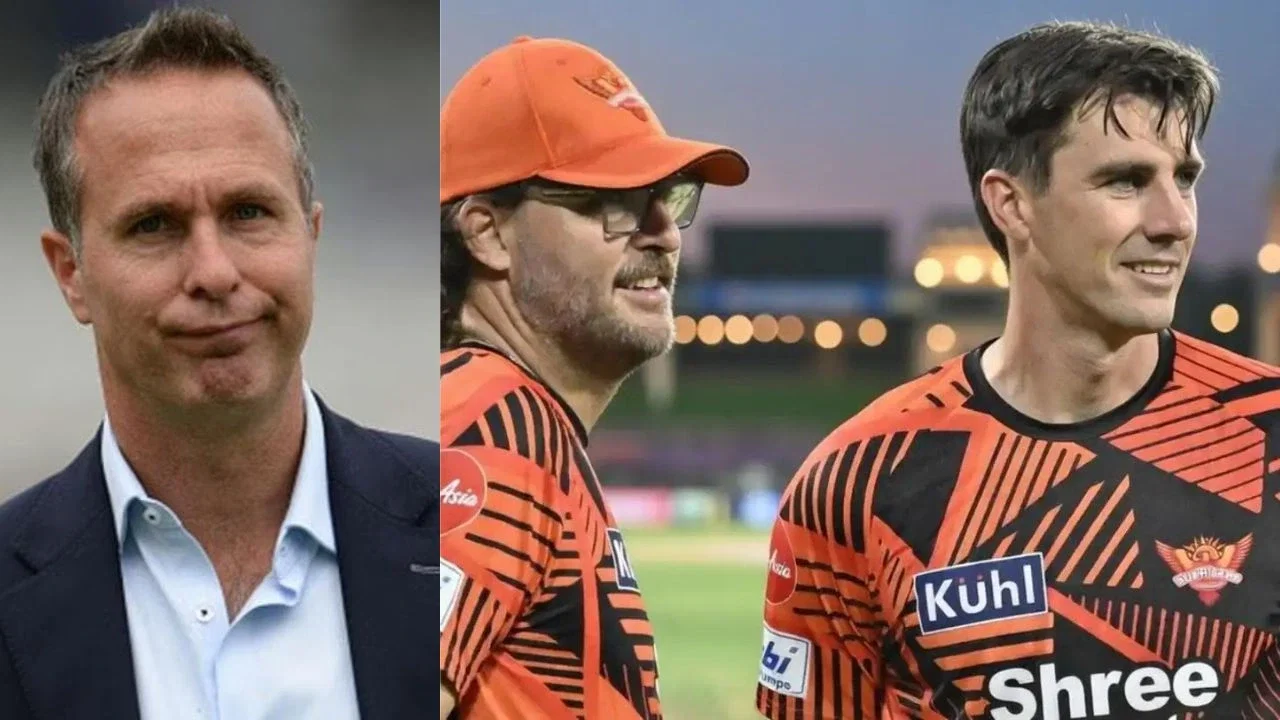
Michael Vaughan makes a bold declaration on IPL 2026, hands SRH no chance for the playoffs
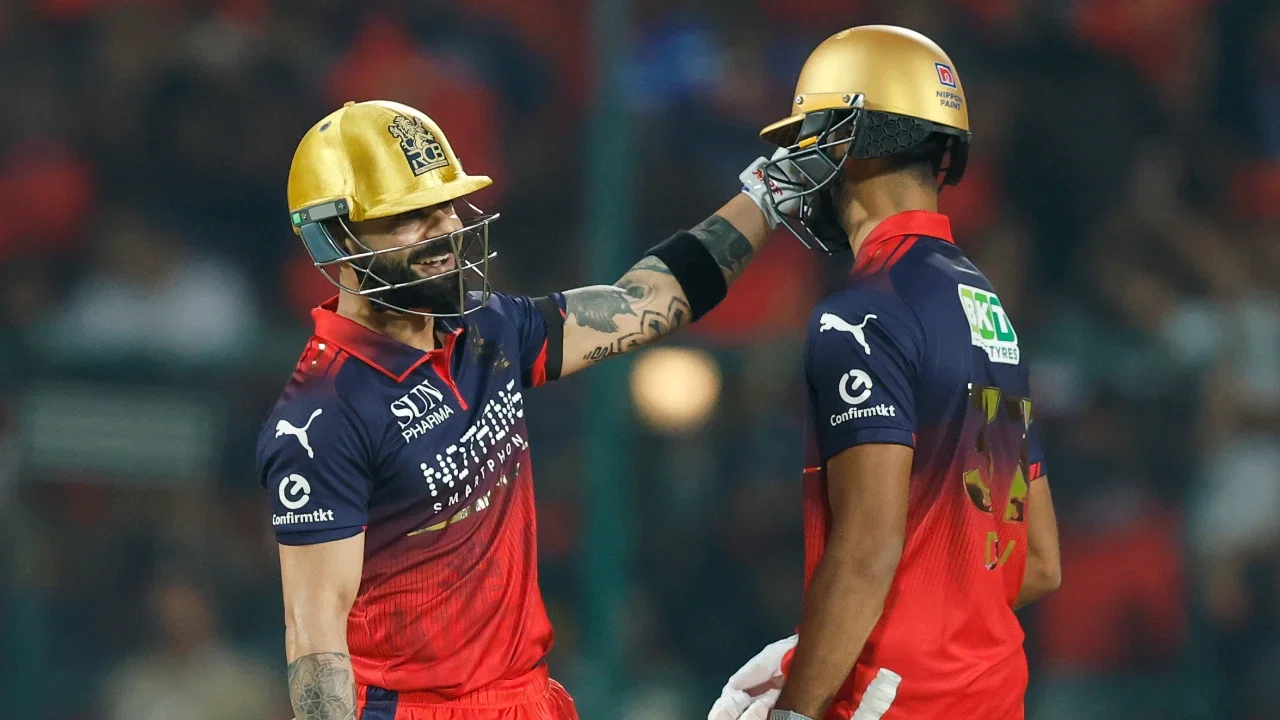
‘Virat Kohli made my job easier’: Devdutt Padikkal bows down to King after heroics vs SRH

“We dedicate this win to 11 fans”: RCB captain Rajat Patidar pays tribute to stampede victims
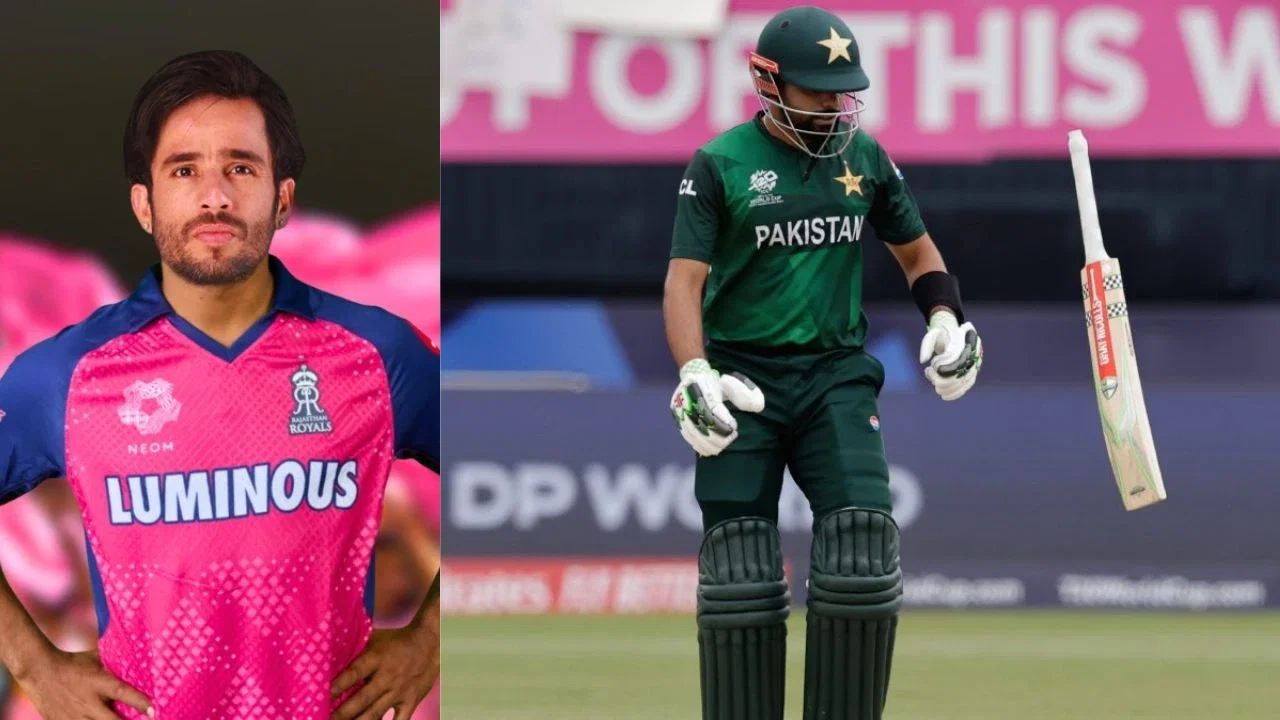
Ravi Bishnoi trolls Babar Azam from the Rajasthan Royals training camp
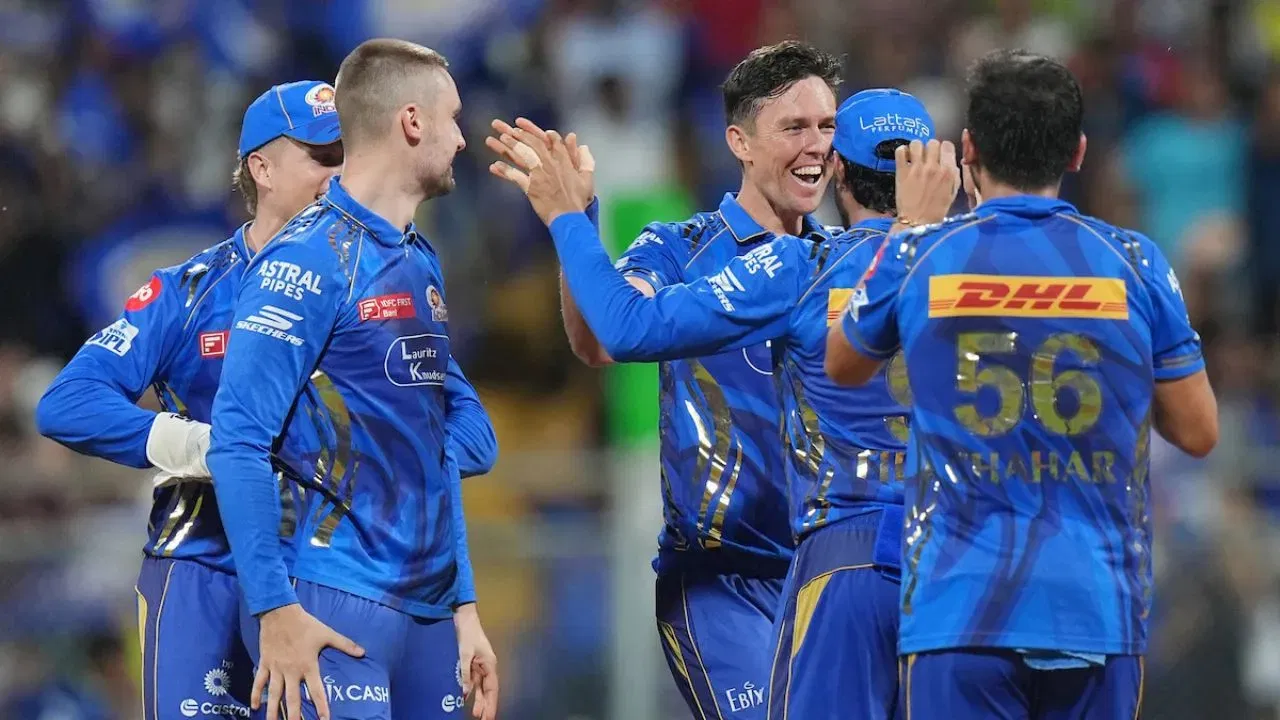
Mumbai Indians on the verge of history ahead of IPL 2026 clash against KKR
Jofra Archer imitates Ravindra Jadeja’s bowling action in nets amid IPL 2026 (Watch video)

‘Tommy, Ek ko papa chun le’: Harbhajan Singh delivers abusive responses to commentary critics
Huge blow for CSK! MS Dhoni likely out for six matches in IPL 2026
Rohit Sharma to wreak havoc at Wankhede! Ex-BCCI selector’s massive warning for KKR bowlers
‘Shreyas Iyer is one of the strongest captains in IPL’ – Australia star in awe of PBKS skipper
Shubman Gill out? Virat Kohli’s Test comeback as captain suggested by CSK legend
Jason Gillespie gives major update on Glenn Maxwell’s availability for PSL 2026