Jay Shah gives Bangladesh ‘ICC event’ lollipop after T20 World Cup boycott, promises no action
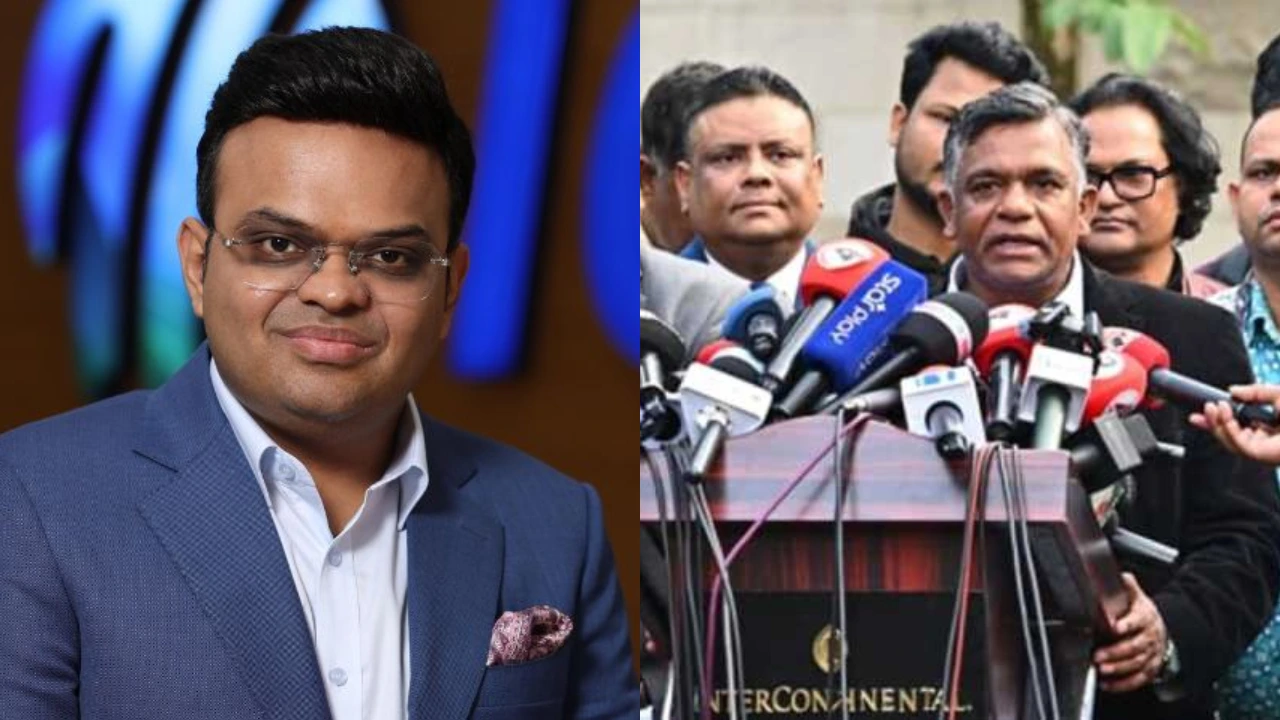
ICC Confirms No Punishment for Bangladesh, Announces Hosting Rights
The International Cricket Council (ICC) has officially stated that the Bangladesh Cricket Board (BCB) will not face any sanctions for refusing to participate in the 2026 T20 World Cup matches in India. This decision comes after the Bangladesh government prevented the team from traveling to India for the tournament, leading to their exclusion from the ongoing World Cup.
No Financial or Sporting Penalties
On Monday, the ICC released a statement confirming that no financial, sporting, or administrative penalty will be imposed on the BCB for their decision. The discussions involved the BCB and the Pakistan Cricket Board, which had initially considered boycotting a match against India. The ICC emphasized their commitment to neutrality and fairness, opting for facilitative support over punishment.
The ICC’s statement read, “It is agreed that no financial, sporting or administrative penalty will be imposed on Bangladesh Cricket Board in relation to the current matter. It is acknowledged that BCB retains the right to approach the Dispute Resolution Committee (DRC) if it chooses to do so.”
Future Hosting Opportunities for Bangladesh
In a significant development, the ICC announced that Bangladesh will have the opportunity to host a major ICC tournament between 2028 and 2031. This hosting plan is subject to standard approval processes, timelines, and operational conditions set by the global body. The decision reflects the ICC’s confidence in Bangladesh’s hosting capabilities and its commitment to promoting cricket development in the country.
The statement emphasized, “An agreement has been reached that Bangladesh will host an ICC event prior to the ICC Men’s Cricket World Cup 2031, subject to the usual ICC hosting processes, timelines and operational requirements.”
Commitment to Dialogue and Unity
Following the tensions surrounding the participation of teams in the T20 World Cup, the ICC, Pakistan Cricket Board, Bangladesh Cricket Board, and other member boards reiterated their commitment to dialogue, cooperation, and unity within the cricket community. Despite initial concerns about boycotting matches, all parties agreed to work together in the best interests of the sport.
The ICC, PCB, and BCB jointly stated, “All stakeholders acknowledge that the spirit of this understanding is to protect the integrity of the game and preserve unity within the cricket fraternity. The shared aim of this understanding is to safeguard the integrity of cricket and maintain unity across the global cricket community.”
Conclusion
The ICC’s decision to exempt Bangladesh from sanctions and grant them future hosting opportunities signifies a positive step towards resolving conflicts and promoting unity within the cricketing world. As Bangladesh prepares to showcase its hosting capabilities in upcoming ICC events, the cricket community looks forward to fostering a spirit of cooperation and mutual respect.
Impact of Prediction Models on Cricket
One interesting aspect to consider in the context of the recent events involving the ICC, BCB, and other cricket boards is the role of prediction models in modern cricket. With the advancement of technology and data analytics, teams and organizations are increasingly relying on predictive algorithms to forecast outcomes of matches, player performances, and even off-field decisions.
These prediction models take into account various factors such as player statistics, pitch conditions, weather forecasts, and historical data to generate forecasts with a high level of accuracy. In the case of the T20 World Cup matches, such models could have potentially predicted the likelihood of teams participating or boycotting matches based on past behavior, geopolitical tensions, and other variables.
As the cricketing landscape continues to evolve, the use of prediction models not only impacts strategic decisions on the field but also influences administrative and governance decisions off the field. By leveraging data-driven insights, cricket boards and governing bodies can make more informed choices, anticipate potential conflicts, and navigate complex situations with greater clarity.
Future of Cricket Diplomacy
The recent episode involving Bangladesh’s decision not to participate in the T20 World Cup in India sheds light on the interconnected nature of sports, politics, and diplomacy. Cricket has often been used as a tool for diplomacy, fostering relationships between nations, bridging cultural divides, and promoting goodwill on the global stage.
In this case, the tensions surrounding the tournament highlighted the delicate balance between sportsmanship and national interests. While cricket has the power to unite nations and transcend boundaries, it can also become entangled in geopolitical complexities and external pressures that influence decision-making at the highest levels.
Looking ahead, the future of cricket diplomacy will likely be shaped by how stakeholders navigate these intricate dynamics, uphold the spirit of the game, and prioritize unity and collaboration over individual interests. By fostering open dialogue, mutual respect, and a shared commitment to the integrity of cricket, the sport can continue to serve as a platform for diplomacy and cultural exchange.
Embracing Diversity and Inclusivity
Another key theme that emerges from the recent developments in international cricket is the importance of embracing diversity and inclusivity within the sport. Cricket is a global game that brings together players and fans from diverse backgrounds, cultures, and regions, creating a rich tapestry of talent and passion.
By promoting inclusivity and providing opportunities for all cricket-playing nations to participate in major tournaments, the ICC reaffirms its commitment to the growth and development of the sport worldwide. Hosting events in countries like Bangladesh not only showcases their hosting capabilities but also celebrates the diversity of cricket and highlights the talent and potential that exist across different regions.
As cricket continues to evolve and expand its reach, embracing diversity and inclusivity will be crucial in ensuring the sustainability and relevance of the sport in a rapidly changing world. By fostering a culture of openness, respect, and acceptance, cricket can continue to inspire millions of fans and players around the globe, uniting them in their love for the game.
Overall, the recent decisions by the ICC, the exemption of Bangladesh from sanctions, and the announcement of future hosting opportunities underscore the complex interplay of factors that shape the world of cricket. As the sport navigates challenges, embraces technological advancements, and champions diversity, it remains a powerful force for unity, diplomacy, and sporting excellence on the global stage.
Latest News
IPL 2026 second-half schedule announcement date revealed by BCCI secretary
LHQ vs HYDK Match Prediction, Pitch & Weather Report, Playing XIs, Head-to-Head, Free Live Streaming – PSL 2026 Match 1
Aditya Birla Group confirms NO NAME CHANGE plans after RCB takeover
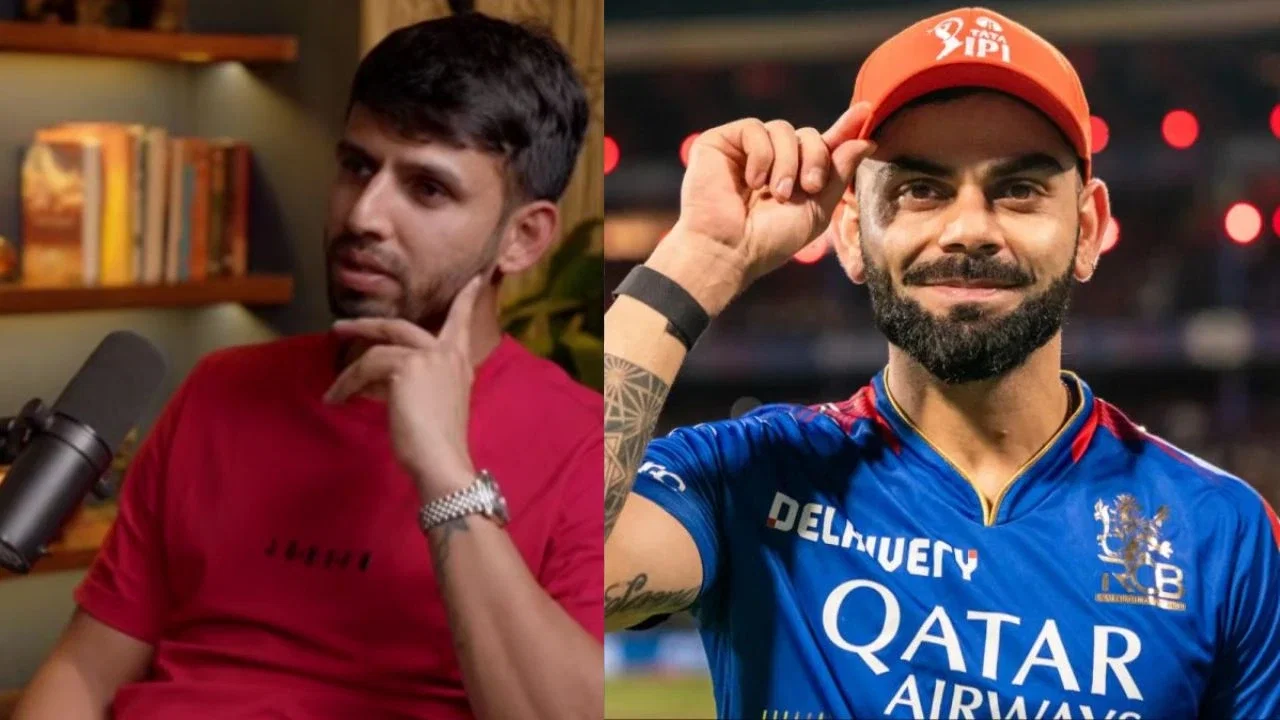
Virat Kohli will win Orange Cap: Jitesh Sharma makes bold IPL 2026 predictions

David Warner tears into Shaheen Afridi and Mohammad Rizwan at PSL captains’ press conference
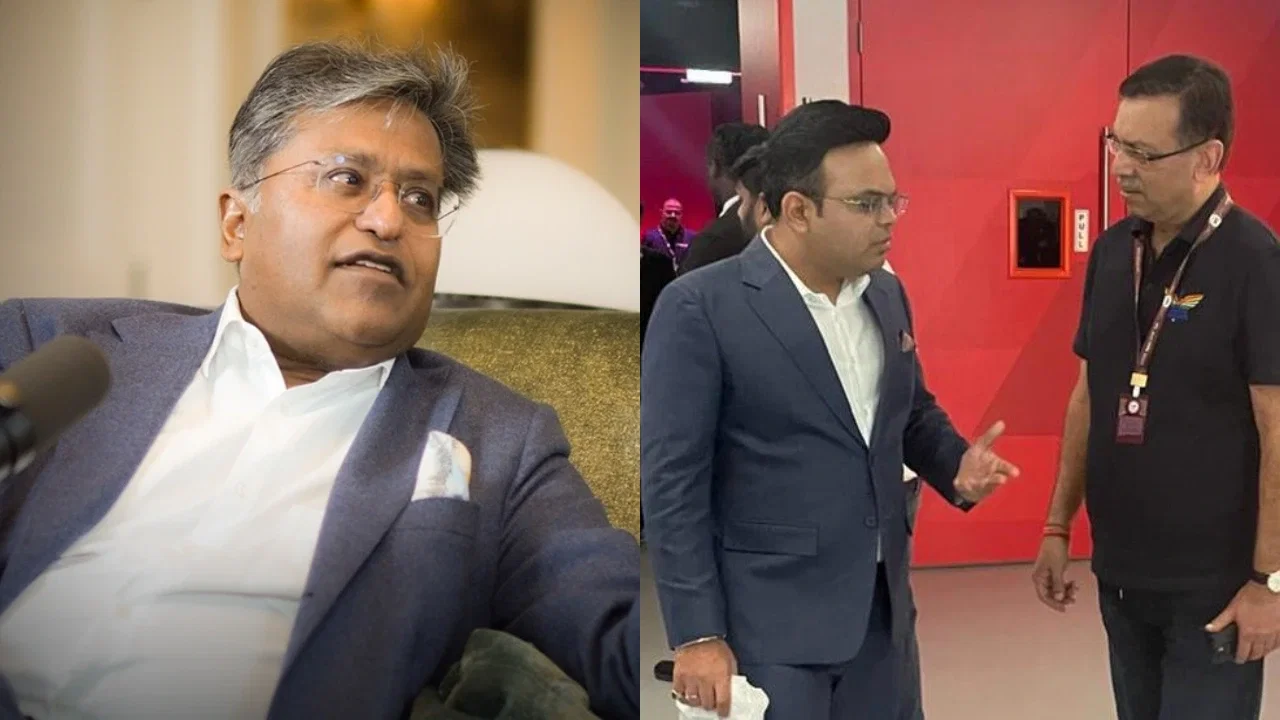
“Joker and Clueless”: Lalit Modi’s fiery attack on Sanjiv Goenka for his Jay Shah remark after RR–RCB mega sale
IPL 2026: BCCI scraps opening ceremony! Virat Kohli’s RCB linked to shocking decision
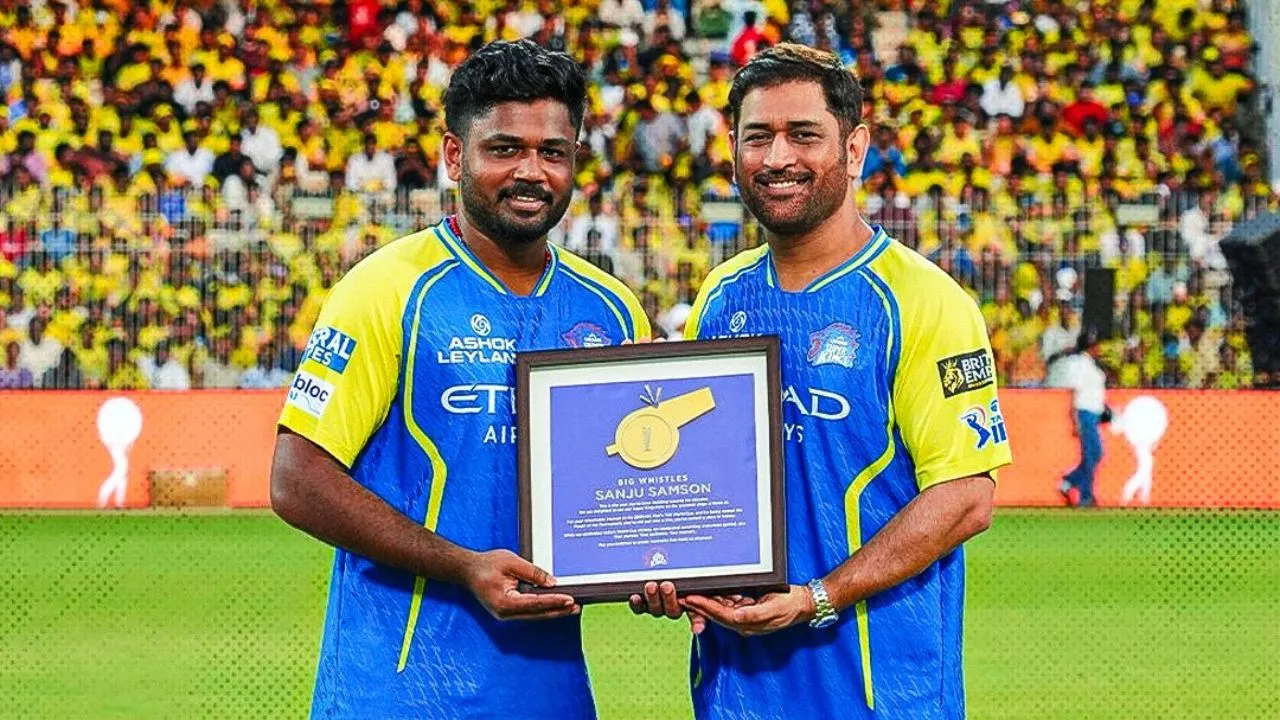
Sanju Samson gets huge role as Ruturaj Gaikwad confirms CSK openers for IPL 2026
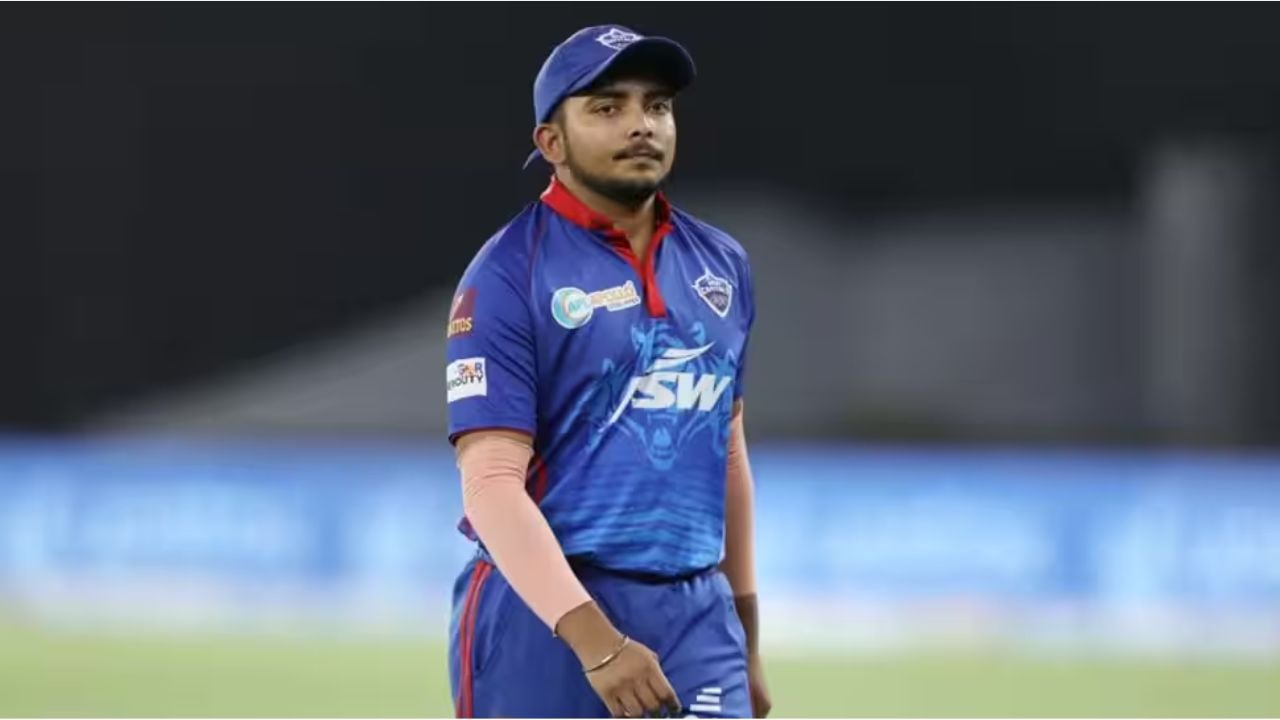
Prithvi Shaw declares his mission to return to team India begins from IPL 2026
Irfan Pathan questions Arshdeep Singh’s bowling ahead of IPL 2026
“Mind is somewhere else”: Yuvraj’s Father exposes Abhishek Sharma’s indiscipline lifestyle
EX-RCB pacer joins KKR as replacement of Harshit Rana ahead of IPL 2026

“Win our first trophy”: Sanjiv Goenka crowns LSG as champions ahead of IPL 2026
New catching rule? Captains warned over ‘Incomplete’ catches ahead of IPL 2026