Jay Shah shows Bangladesh its place, maintains silence on T20 World Cup row as emergency meeting called
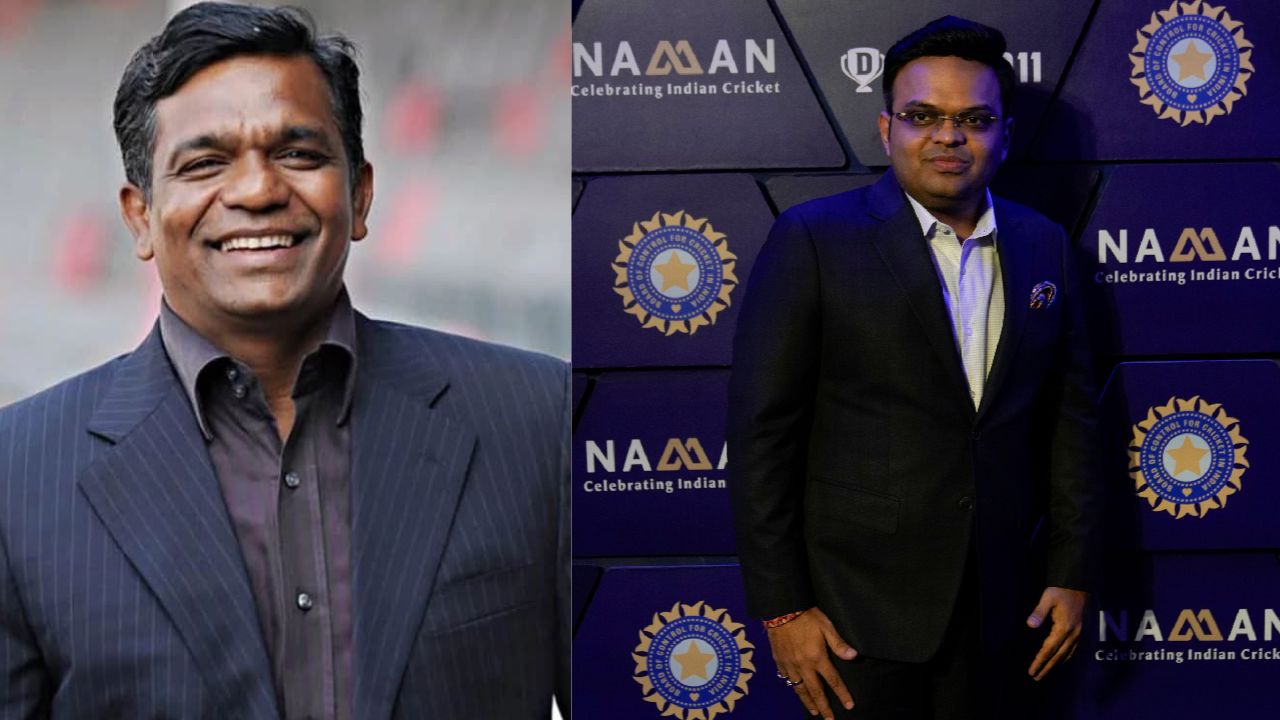
**Emergency Meeting Called by ICC Chairman Jay Shah as Bangladesh Seeks Venue Change for ICC T20 World Cup 2026**
The upcoming ICC T20 World Cup 2026 is facing a major scheduling crisis as Bangladesh stubbornly refuses to play their matches in India, citing security concerns. All eyes are now on the International Cricket Council chairman, Jay Shah, who has called for an emergency meeting with top BCCI officials to address the escalating situation.
**The Scheduling Crisis Unfolds**
With the ICC T20 World Cup 2026 just around the corner, the Bangladesh Cricket Board (BCB) has formally requested to relocate their group stage matches from India to the co-host Sri Lanka. The BCB’s concerns stem from security issues following the ouster of Mustafizur Rahman from the IPL 2026 by KKR due to violence against Hindu minorities in Bangladesh.
**Jay Shah Takes Charge**
In response to Bangladesh’s plea for a venue change, Jay Shah has taken a quiet but firm stance on the matter. He has scheduled an emergency meeting with top BCCI officials in Vadodara to discuss the growing controversy. The meeting is set to take place on the same day as the first ODI between India and New Zealand, where Shah will address the pressing issue at hand.
**Bangladesh’s Firm Stand**
The BCB’s request to move their ICC T20 World Cup 2026 matches out of India has escalated into a sensitive and tense situation. In a second letter to the ICC, the BCB highlighted the need for personal security for all members of their World Cup group, emphasizing the importance of safety, respect, and dignity.
**No Response from ICC**
Despite sending all necessary documents and explanations to the ICC, the BCB has yet to receive a reply. BCB president, Aminul Islam Bulbul, expressed frustration over the lack of communication, stating that they are standing firm on their decision. The current schedule has Bangladesh slated to play matches in Kolkata and Mumbai, with reports of alternative venues in Hyderabad and Chennai circulating.
**Looking Ahead**
As the standoff continues, the BCB remains resolute in their stance, awaiting a response from the ICC before considering any changes. The outcome of the emergency meeting called by Jay Shah will be crucial in determining the future of Bangladesh’s participation in the ICC T20 World Cup 2026.
In conclusion, the crisis surrounding Bangladesh’s refusal to play in India has put the ICC T20 World Cup 2026 in jeopardy. As stakeholders come together to find a resolution, the cricketing world holds its breath in anticipation of a decision that could shape the outcome of the tournament.
**Exploring Possible Solutions**
One potential solution that could be discussed during the emergency meeting is the option of providing enhanced security measures for the Bangladeshi team during their matches in India. This could involve working closely with local authorities to ensure the safety of players, officials, and spectators. By addressing these concerns head-on, it may be possible to alleviate Bangladesh’s apprehensions and reach a compromise that allows the tournament to proceed as planned.
**Implications of Venue Change**
If Bangladesh’s request for a venue change is granted, it could have significant implications for the ICC T20 World Cup 2026. Not only would it require logistical adjustments in terms of scheduling and travel arrangements, but it could also impact the overall atmosphere and fan engagement at the tournament. Moving matches to a different host country may lead to changes in ticket sales, broadcasting rights, and the overall dynamics of the event.
**The Importance of Communication**
Effective communication between the BCB, ICC, and BCCI will be crucial in resolving the current crisis. Clear and transparent dialogue is essential for all parties to express their concerns, preferences, and potential solutions. By fostering open communication channels, it may be possible to find common ground and work towards a mutually beneficial outcome that upholds the integrity of the tournament while addressing Bangladesh’s security considerations.
**Balancing Competing Interests**
As discussions unfold, it is essential for all stakeholders to consider the competing interests at play. While the safety and well-being of players and officials are paramount, the tournament’s integrity and schedule must also be upheld. Finding a balance between these priorities will require careful deliberation, compromise, and a willingness to explore creative solutions that meet the needs of all parties involved.
**The Global Impact**
The outcome of the emergency meeting and the resolution of the venue change request could have far-reaching implications for international cricket and the ICC as a governing body. How this situation is managed will not only shape the immediate future of the T20 World Cup but could also set a precedent for how similar issues are addressed in future tournaments. As such, the decisions made in the coming days will reverberate throughout the cricketing world and may influence how security concerns are handled in major sporting events moving forward.
In conclusion, the emergency meeting called by ICC Chairman Jay Shah represents a critical juncture in the lead-up to the ICC T20 World Cup 2026. As stakeholders grapple with the complex issues at hand, the importance of collaboration, communication, and creativity in finding a resolution cannot be overstated. The decisions made in the coming days will not only impact the tournament itself but will also shape the broader landscape of international cricket in the years to come.
Latest News
Yograj Singh makes blunt remark at Virat Kohli and Rohit Sharma over early retirement calls
Bhuvneshwar Kumar on brink of IPL history, needs two wickets for massive milestone
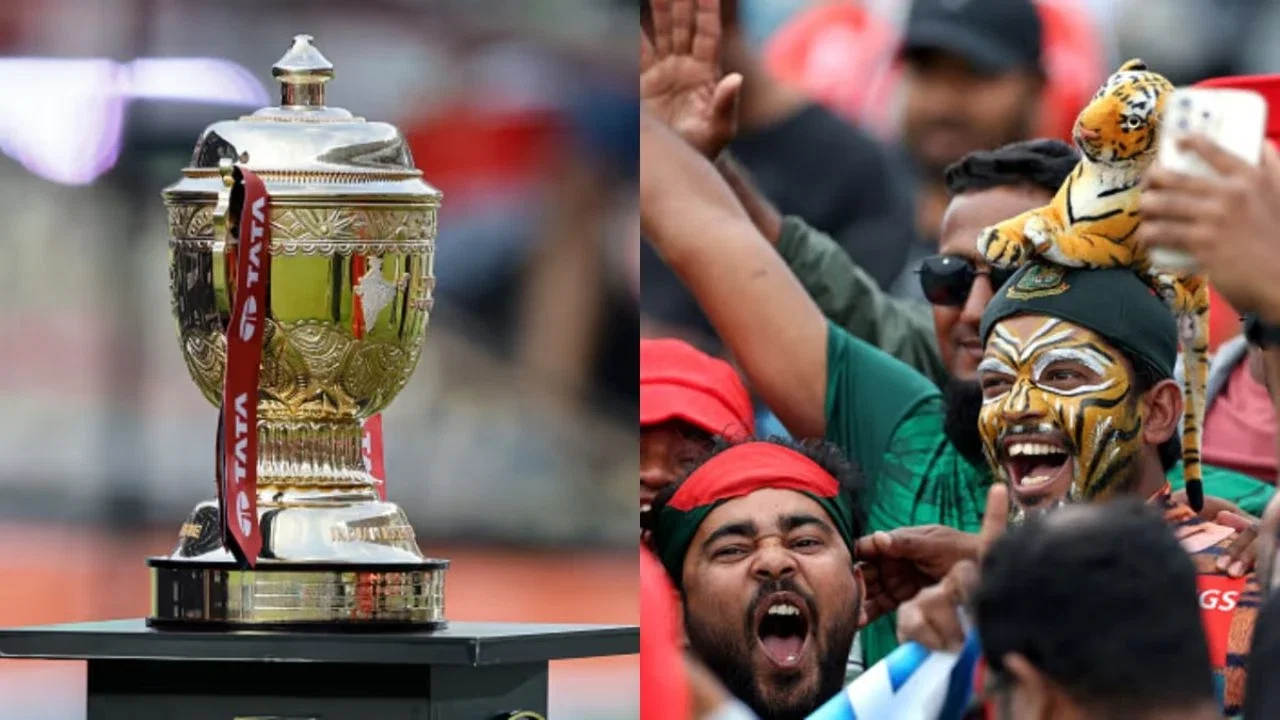
IPL to be broadcasted? Bangladesh government drops massive update on IPL broadcast ban
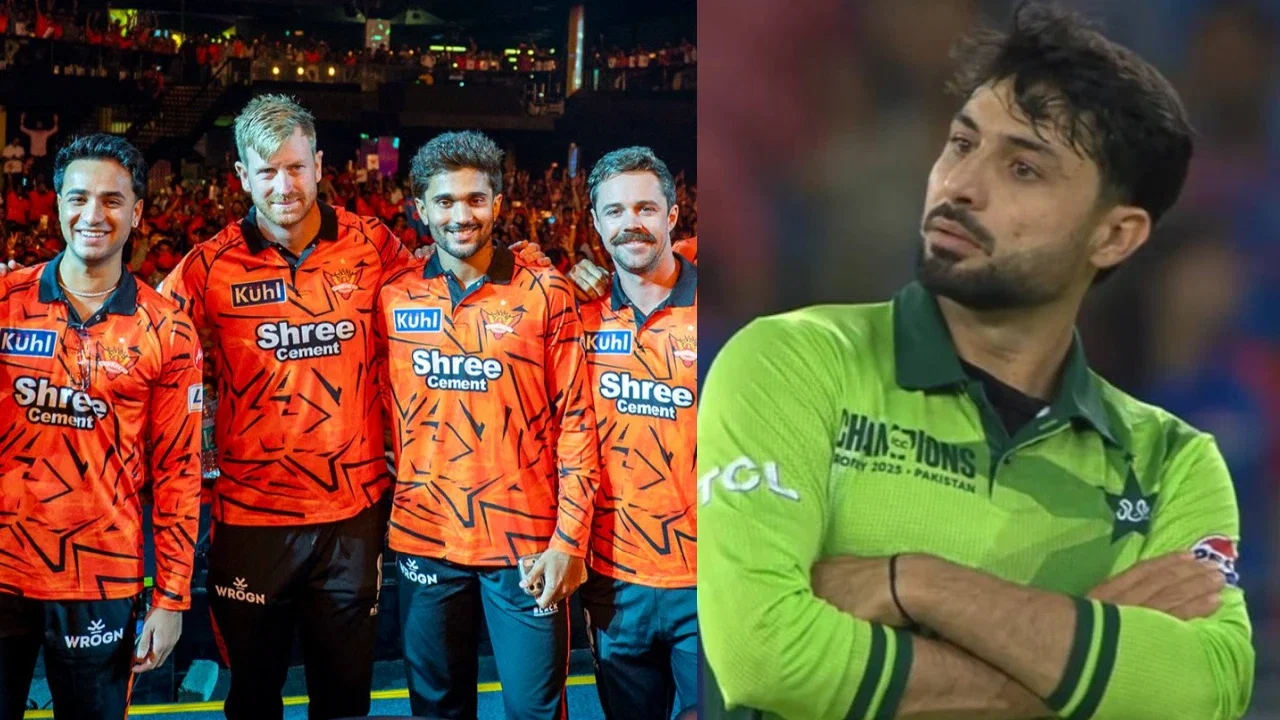
SRH fans to boycott IPL? Former India cricketer shares insights on social media drama around Abrar Ahmed
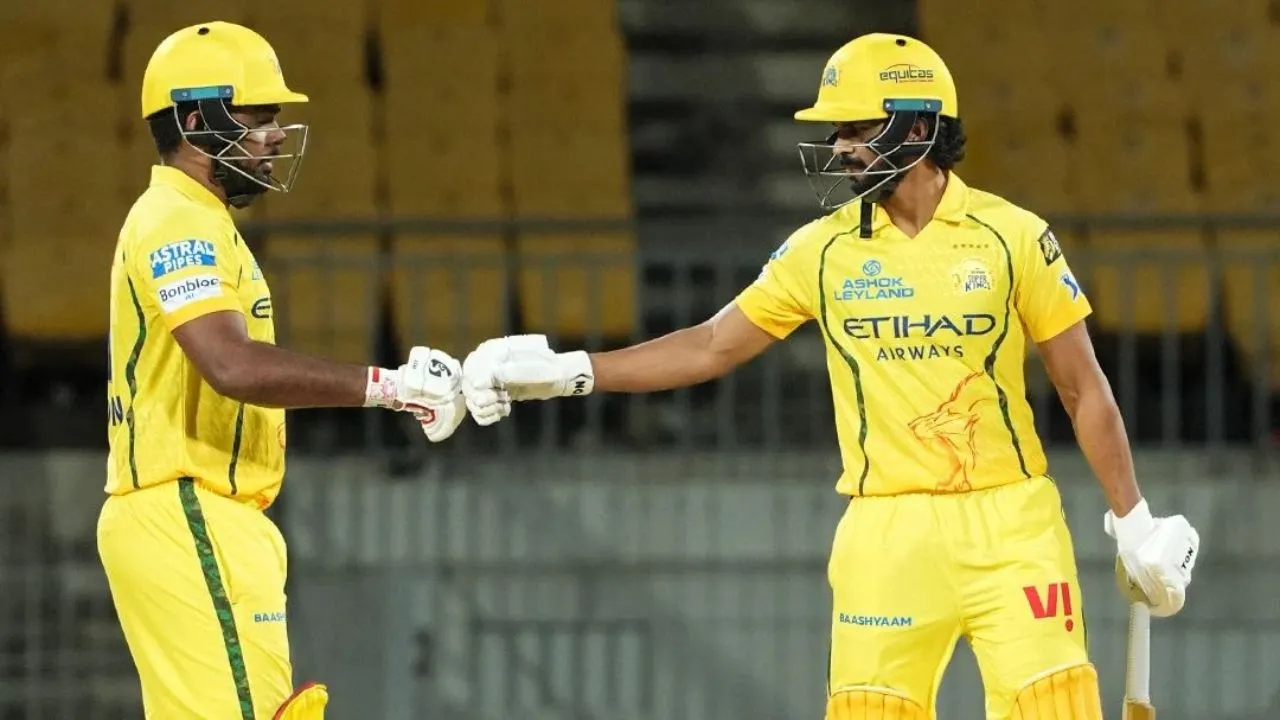
“Explore this opportunity”: Ruturaj Gaikwad shares inside story of convincing Sanju Samson to join CSK
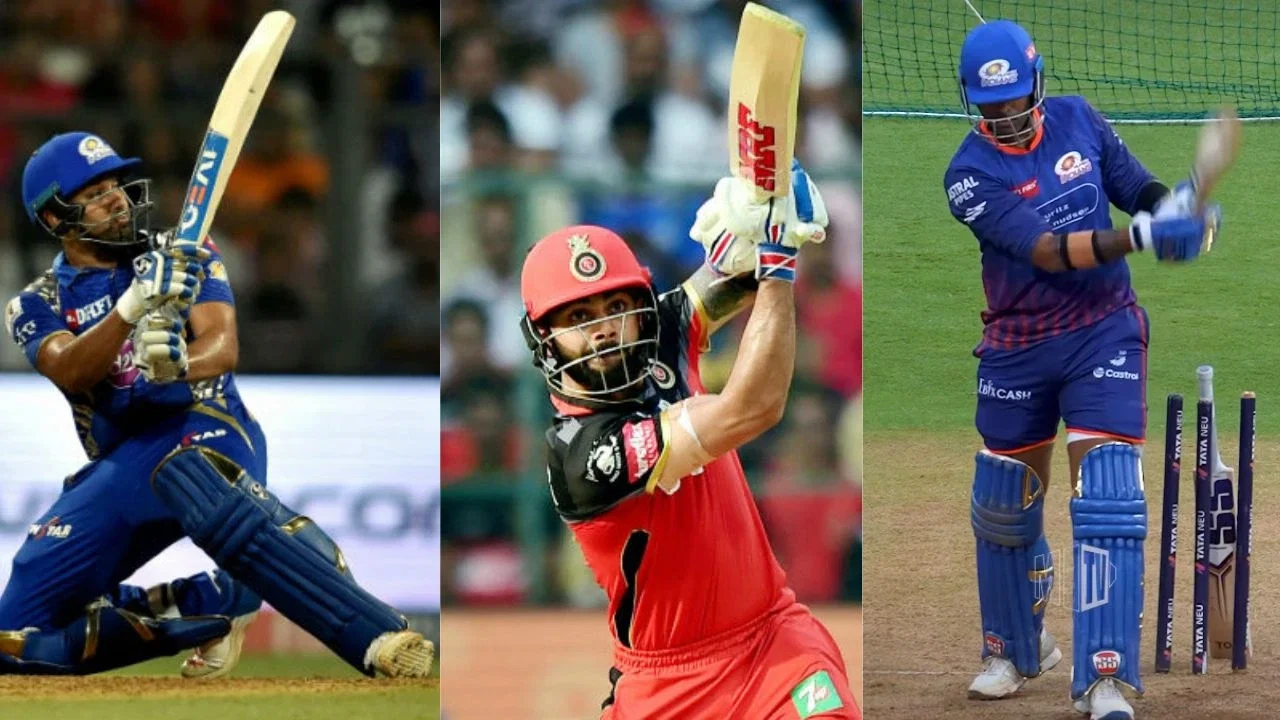
KKR pacer snubs Rohit Sharma, Virat Kohli, picks MI star as most difficult batter he’s bowled to
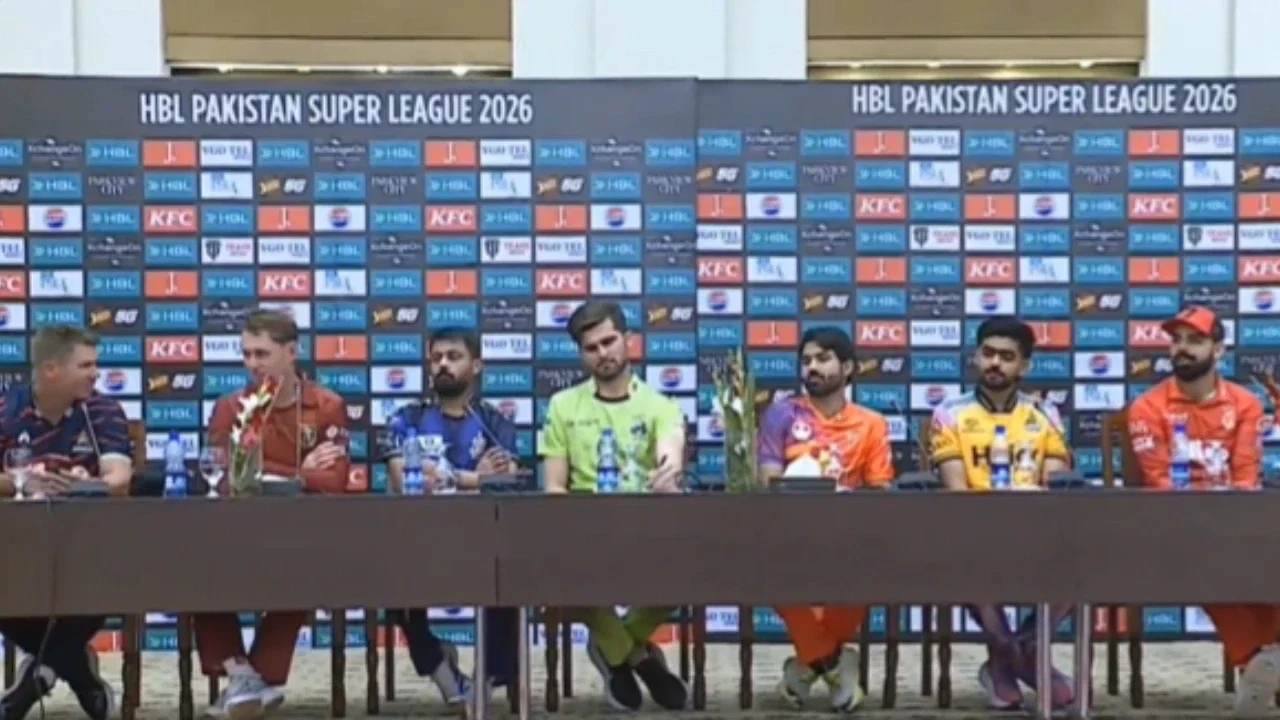
PSL drama erupts! Pakistan great blasted for “lack of manners” after embarrassing ex-England star
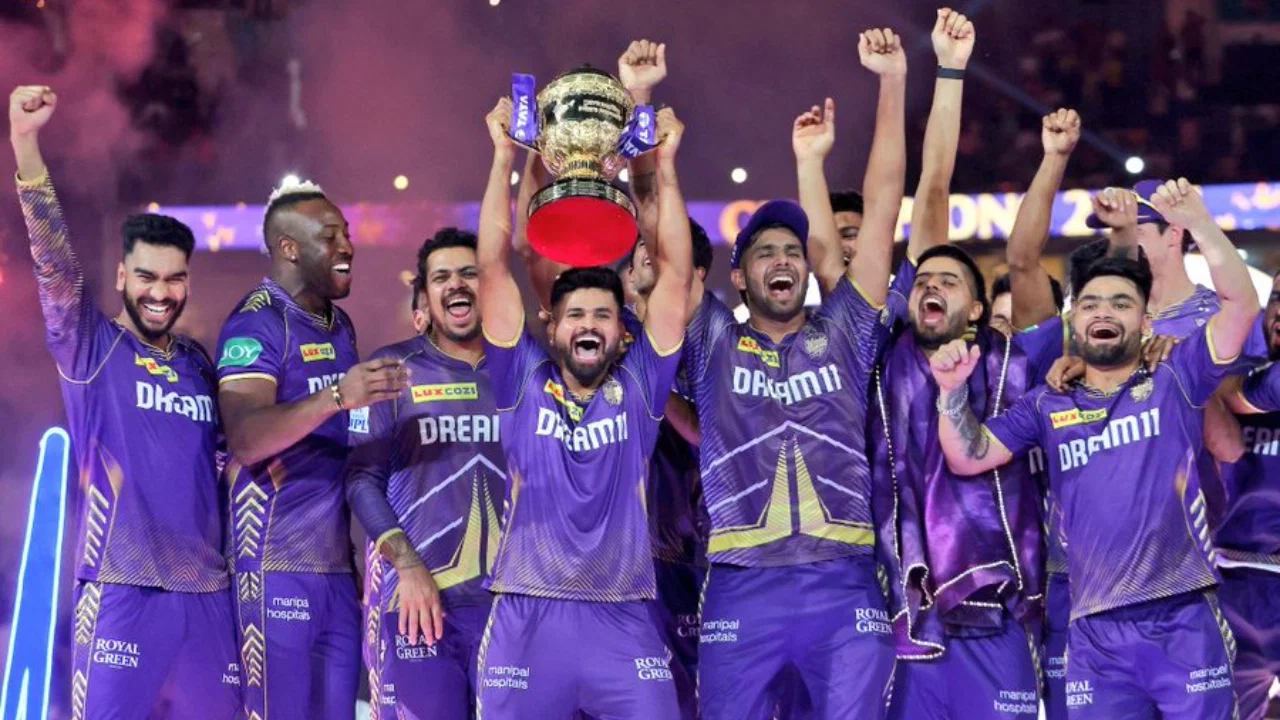
“2024 mein woh underrated the” – Vaibhav Arora on Shreyas Iyer not getting credit for KKR title win
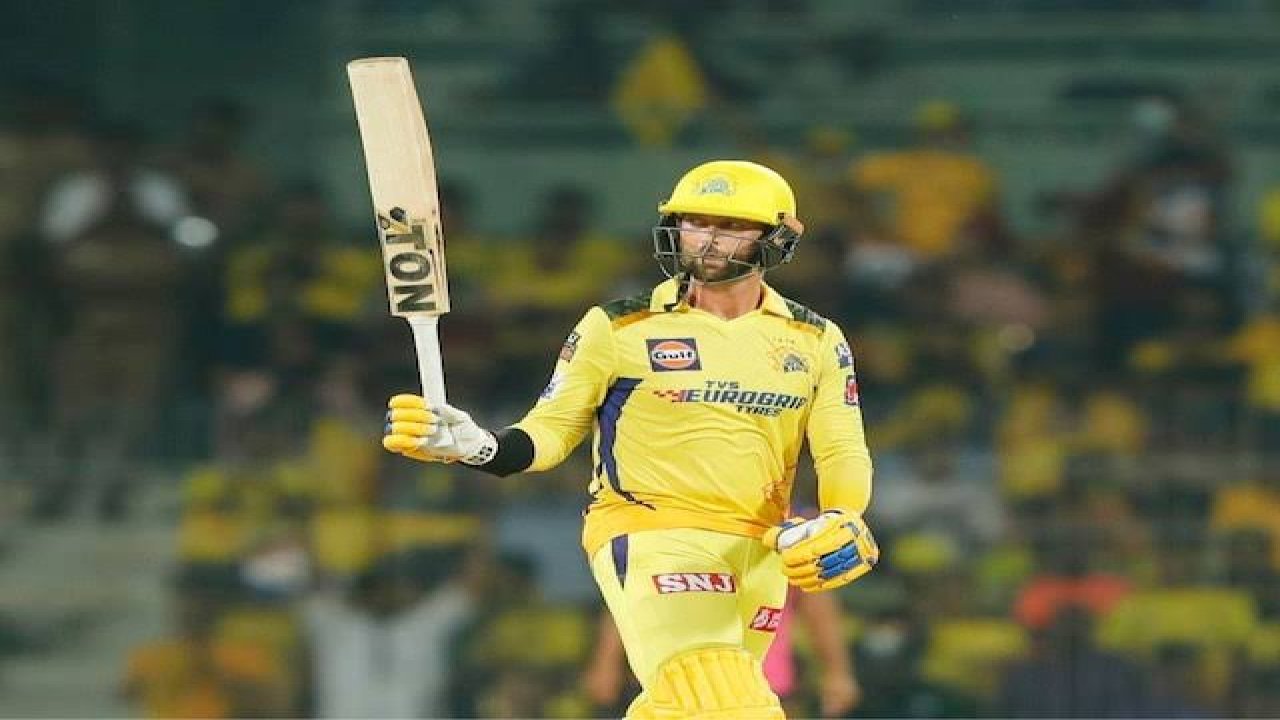
Devon Conway settles IPL vs PSL debate once and for all
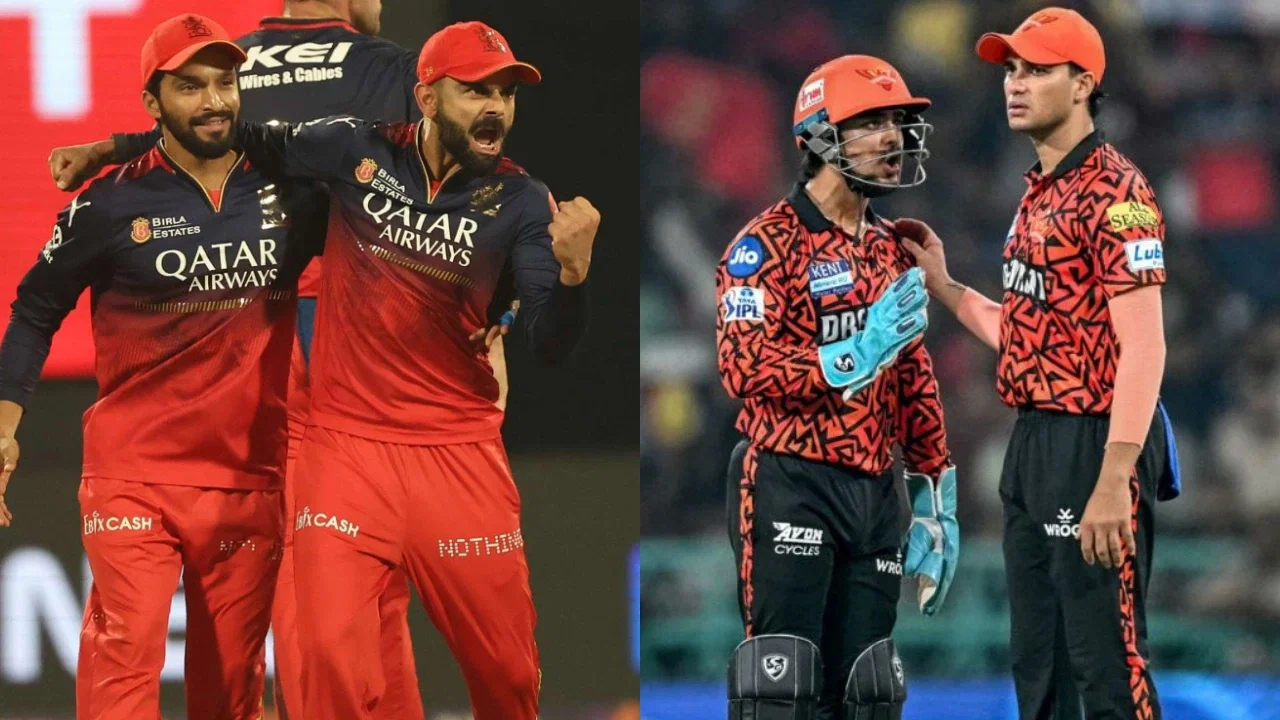
Ex-CSK star’s shocking claim on RCB vs SRH match ahead of IPL 2026
Misbah-ul-Haq takes legal action against Ahmed Shehzad over defamation claims
Naseem Shah charged with central contract violation during PSL 2026
MS Dhoni out of IPL 2026, has not recovered from calf strain
Jasprit Bumrah set to lead MI attack in blockbuster IPL 2026 clash vs KKR