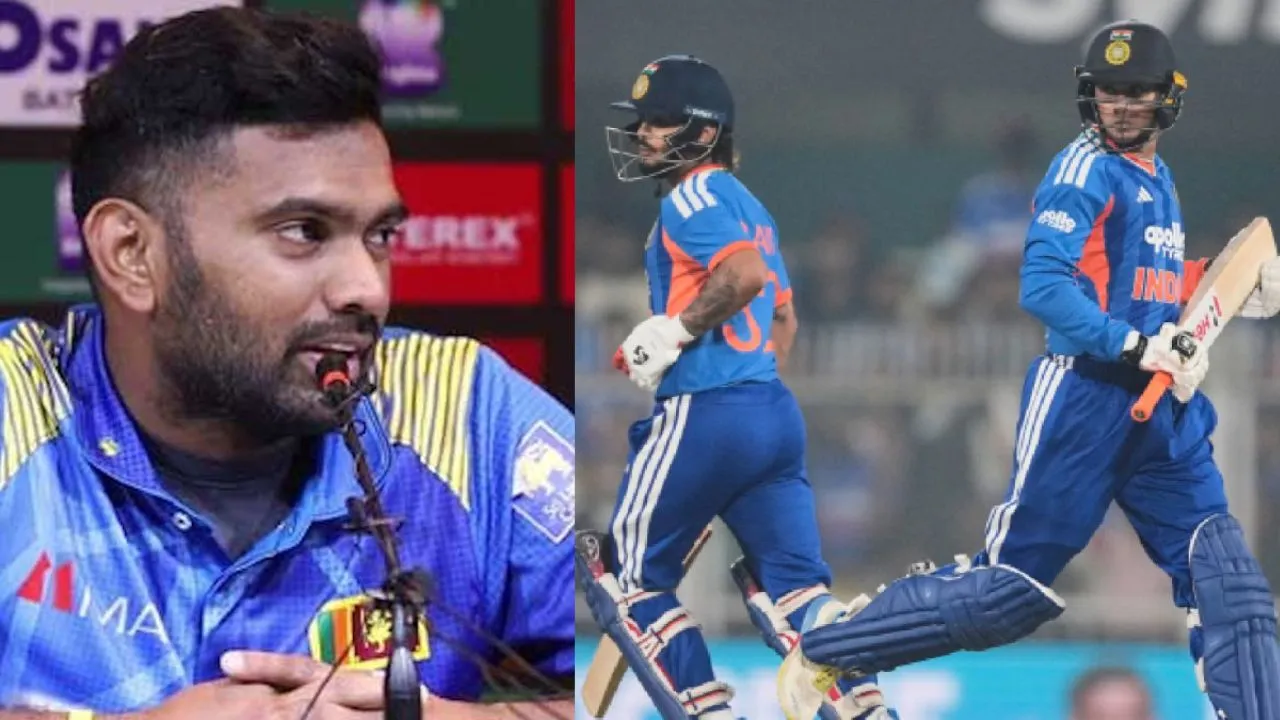
Jay Shah Shows Pakistan Their Place: Full Timeline of IND vs PAK Controversy From Boycott Threat to U-Turn in T20 World Cup 2026
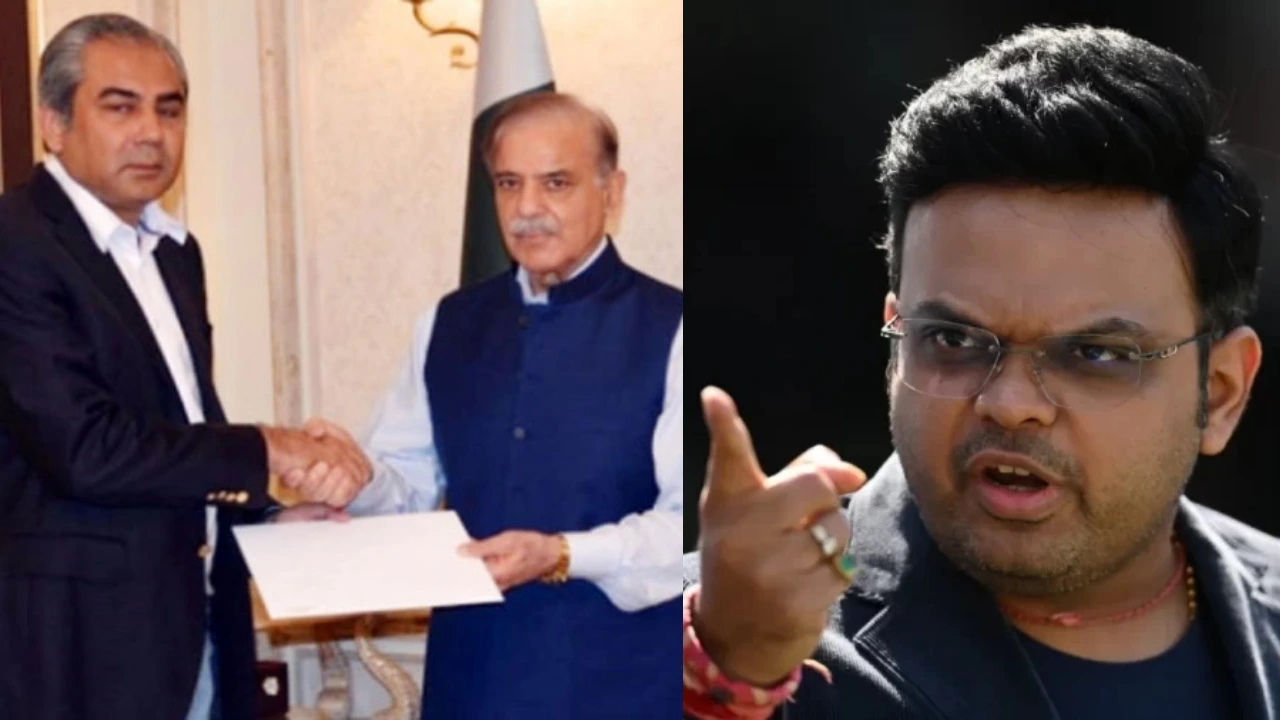
ICC T20 World Cup 2026: India-Pakistan Match Drama Unfolds
The ongoing ICC T20 World Cup 2026 has been a rollercoaster of emotions for cricket fans around the world. However, the spotlight was on the India-Pakistan match, which almost faced cancellation due to a diplomatic crisis. Let’s take a closer look at how the events unfolded, leading to the much-anticipated clash between the arch-rivals.
India-Pakistan Fixture Sparks Controversy
The announcement of the schedule for the T20 World Cup 2026 by the ICC placed India and Pakistan in Group A, setting the stage for a highly anticipated match. Fans eagerly booked tickets and broadcasters predicted record-breaking viewership. However, the excitement quickly turned into tension when the Bangladesh Cricket Board (BCB) raised concerns about playing in India.
Issues arose after Mustafizur Rahman was removed from IPL 2026, leading to Bangladesh expressing their apprehension. The BCB’s response came following Rahman’s removal from Kolkata Knight Riders, a three-time IPL champion. Mustafizur’s impressive track record in various IPL teams highlighted his significance in the tournament.
Bangladesh Exit Leads to Pakistan Boycott Threat
Despite the ICC’s dismissal of Bangladesh’s concerns, the BCB officially withdrew from the tournament, creating a domino effect. The Pakistan Cricket Board stood in solidarity with Bangladesh, questioning the integrity of the event. This stance led to speculations of Pakistan boycotting the India clash, sending shockwaves through the cricketing world.
The potential boycott raised financial alarms, with broadcasters and sponsors fearing heavy revenue losses. The commercial viability of the T20 World Cup was at risk without the high-profile India-Pakistan match. The PCB attempted to leverage the situation by presenting a list of demands to the ICC, aiming to secure various benefits.
ICC Takes Firm Stand Under Jay Shah’s Leadership
Jay Shah’s leadership at the ICC played a pivotal role in navigating the crisis. Instead of succumbing to demands, the ICC maintained its stance, emphasizing the participation of full members in events. Talks of sanctions and financial penalties loomed, urging the PCB to reconsider their position.
Interventions from the Emirates Cricket Board and Sri Lanka Cricket highlighted the repercussions of a boycott, urging Pakistan to rethink their decision. The pressure from multiple stakeholders eventually led to Pakistan withdrawing the boycott threat, ensuring the continuation of the tournament.
Pakistan Government Clears Team for India Match
After extensive discussions and diplomatic efforts, the Pakistan government approved the national team’s participation in the India match. The decision aimed to uphold the spirit of cricket and ensure the smooth progress of the tournament. With the match scheduled to take place in Colombo, cricket enthusiasts can finally look forward to the much-anticipated showdown.
No Sanctions for Bangladesh as ICC Assures Future Events
Despite Bangladesh’s absence from the T20 World Cup, the ICC assured no sanctions against the team. Bangladesh has been guaranteed the hosting of an ICC event before the 2031 men’s ODI World Cup, emphasizing the commitment to support cricket growth in the country.
Jay Shah’s Calm Leadership Prevails
Through strategic governance and diplomatic efforts, Jay Shah’s calm leadership ensured the India-Pakistan match remained on track. By adhering to ICC rules and agreements, Shah successfully resolved the crisis without compromising India’s position. The match between the arch-rivals stands as a testament to strong administration and effective decision-making.
As the T20 World Cup 2026 continues, cricket fans can now look forward to an intense showdown between India and Pakistan, thanks to the collaborative efforts and diplomatic resolutions that preserved the spirit of the game.
India-Pakistan Rivalry: A Historical Perspective
The India-Pakistan cricket rivalry is one of the most intense and storied matchups in the world of sports. Rooted in the turbulent history between the two nations, each encounter on the cricket field carries a weight of political, cultural, and emotional significance. From the early days of cricketing battles to the modern era of high-stakes T20 clashes, the rivalry has only intensified over the years.
Both countries have produced legendary cricketers who have become icons in their respective nations. The likes of Sachin Tendulkar, Virat Kohli, Wasim Akram, and Imran Khan have left an indelible mark on the cricketing world, adding to the allure of the India-Pakistan contests. The passion and fervor of the fans further elevate the matches, creating an electric atmosphere unmatched by any other rivalry.
The Impact of Political Relations on Sports
The intersection of politics and sports is often unavoidable when it comes to India-Pakistan matches. Diplomatic tensions, border disputes, and historical conflicts have spilled over into the realm of cricket, affecting scheduling, venue choices, and player participation. The 2026 T20 World Cup was just the latest chapter in a long history of political interference in cricketing events between the two nations.
While sports are meant to be a unifying force, they can also become a battleground for political posturing and national pride. The delicate balance between honoring the spirit of competition and navigating geopolitical minefields is a challenge that cricket administrators and players often face when it comes to India-Pakistan fixtures.
The Role of Cricket in Diplomacy
Despite the tensions and controversies surrounding India-Pakistan matches, cricket has also served as a platform for diplomacy and peacebuilding. The cricket field has witnessed moments of camaraderie, respect, and sportsmanship between players from both nations, transcending political differences and fostering goodwill.
Initiatives like cricketing exchanges, joint training camps, and cultural exchanges have been instrumental in bridging the divide between India and Pakistan, even if only temporarily. The power of sports to bring people together and promote understanding cannot be underestimated, especially in the context of such a deeply entrenched rivalry.
Looking Ahead: The Future of India-Pakistan Cricket
As the T20 World Cup 2026 unfolds and the India-Pakistan match takes center stage, it serves as a reminder of the enduring appeal and significance of this rivalry. While challenges and controversies may continue to arise, the passion and excitement that these matches generate are a testament to the timeless allure of cricket.
With both nations boasting talented players and dedicated fan bases, the future of India-Pakistan cricket remains bright. As long as the spirit of competition is upheld, and the intrinsic value of sportsmanship is honored, the rivalry will continue to captivate audiences and inspire generations of cricket lovers.
Ultimately, the India-Pakistan clash in the T20 World Cup 2026 is not just a match between two cricketing giants; it is a reflection of the shared history, complex dynamics, and enduring legacy of one of the most compelling rivalries in the world of sports.
Latest News
Michael Bracewell ruled out of T20 World Cup 2026, replacement named
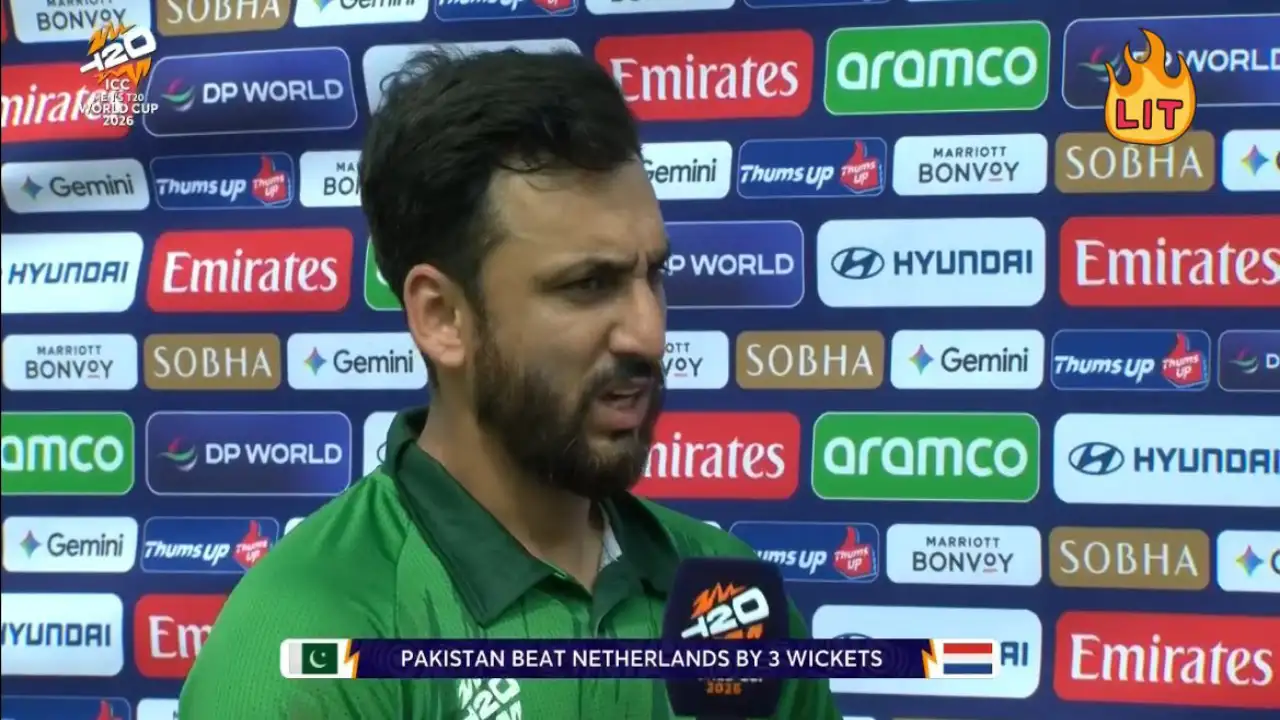
We are Pakistan, we do things differently: Salman Ali Agha after win over USA

IPL 2026: Delhi Capitals Rope In Ex-England Star As Their Assistant Coach
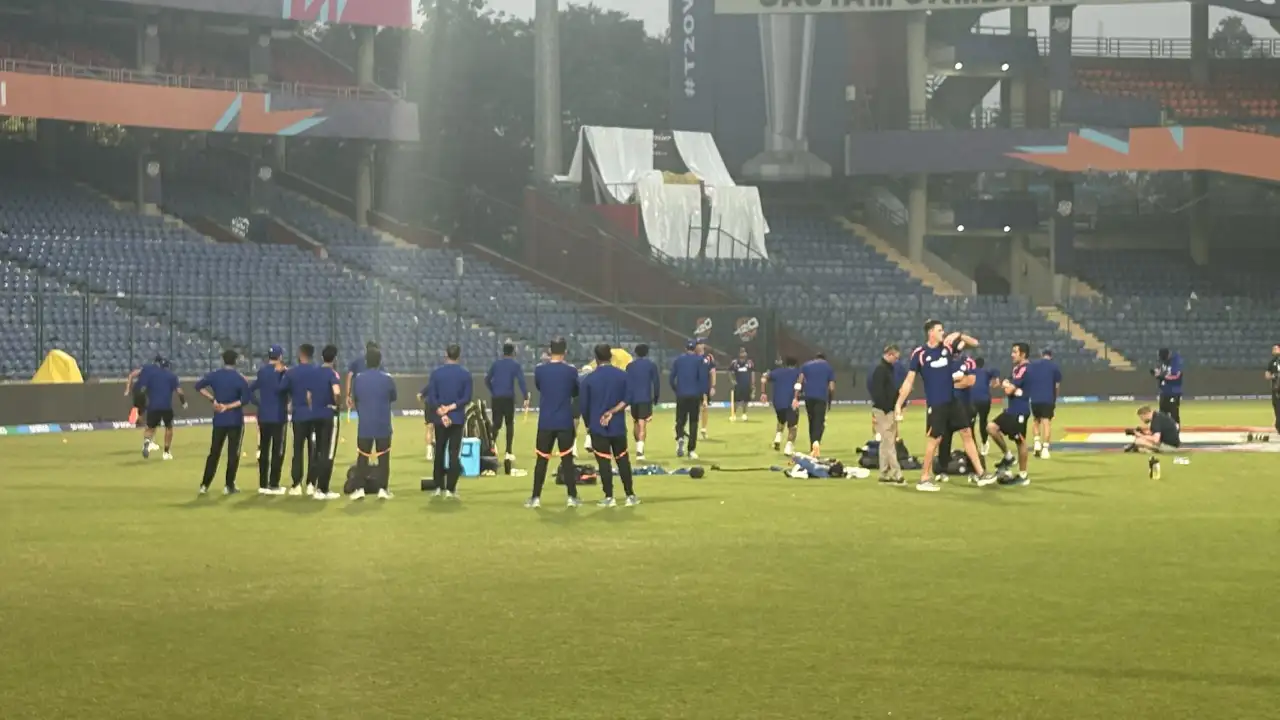
Team India in major trouble as Abhishek Sharma missed training season in Delhi
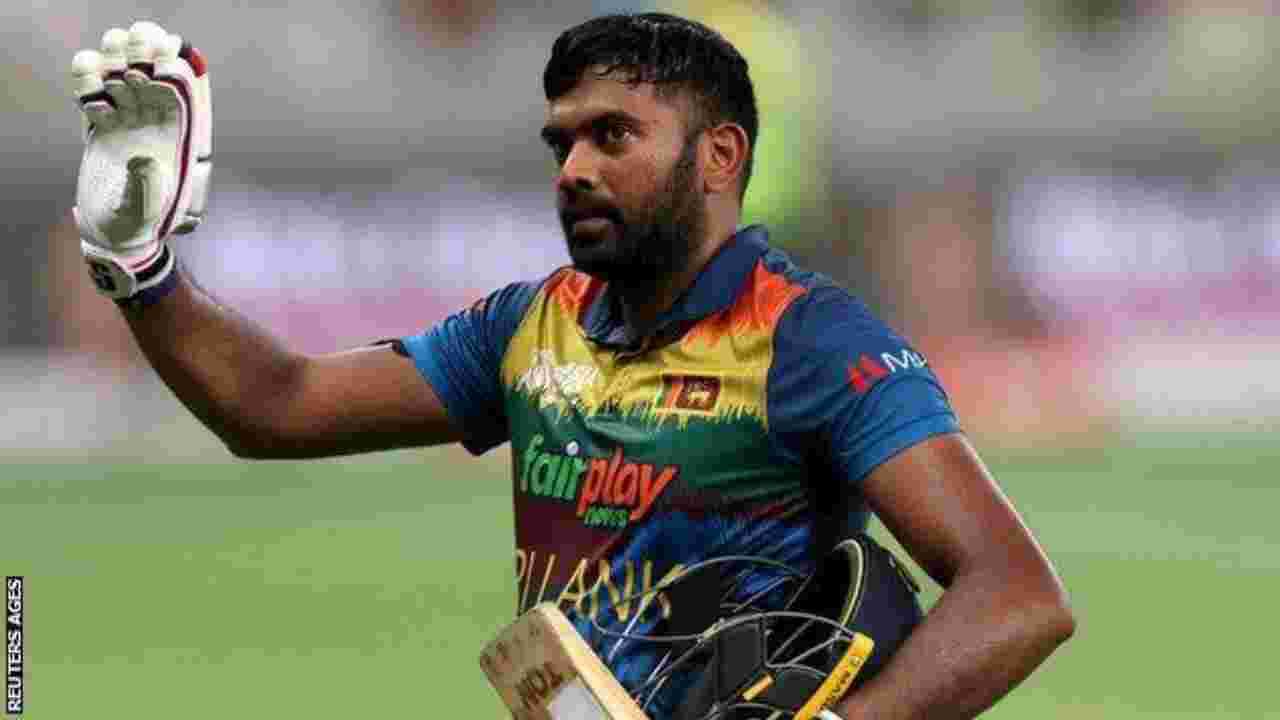
Bhanuka Rajapaksa issues clarification over controversial remark about Indian bats
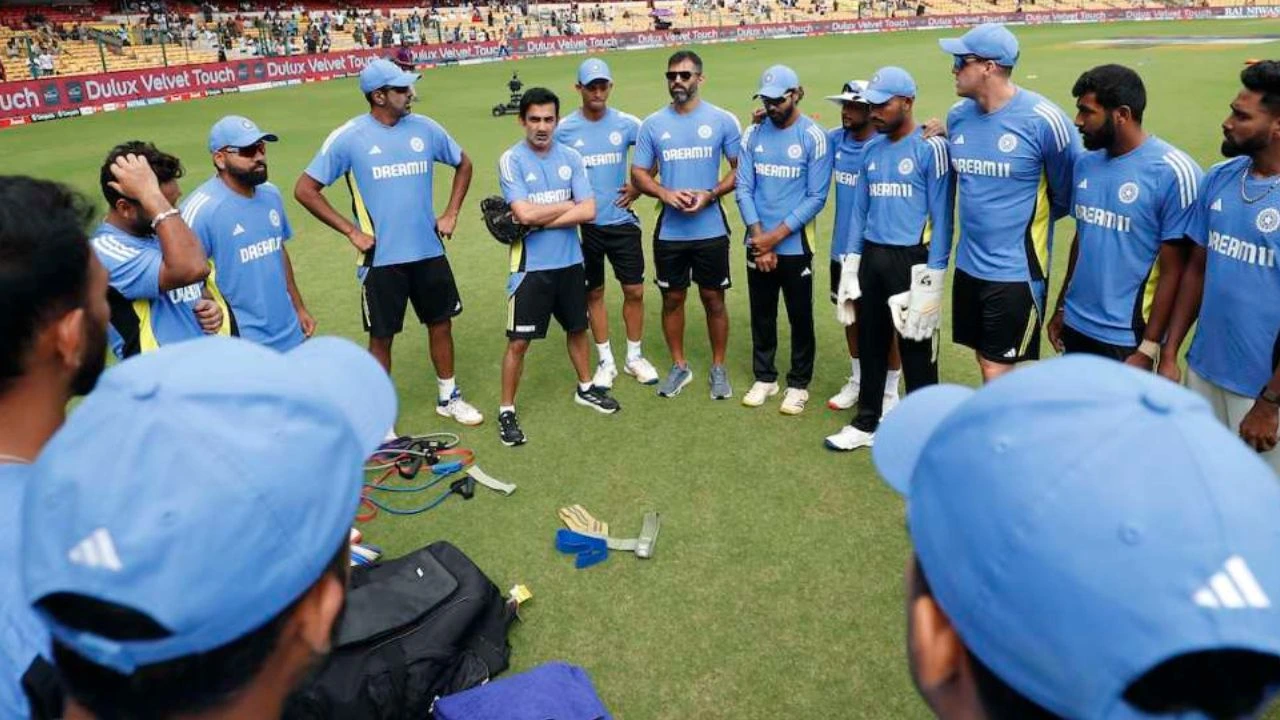
We never changed our preparation: Team India reacts after Pakistan’s u-turn on World Cup fixture
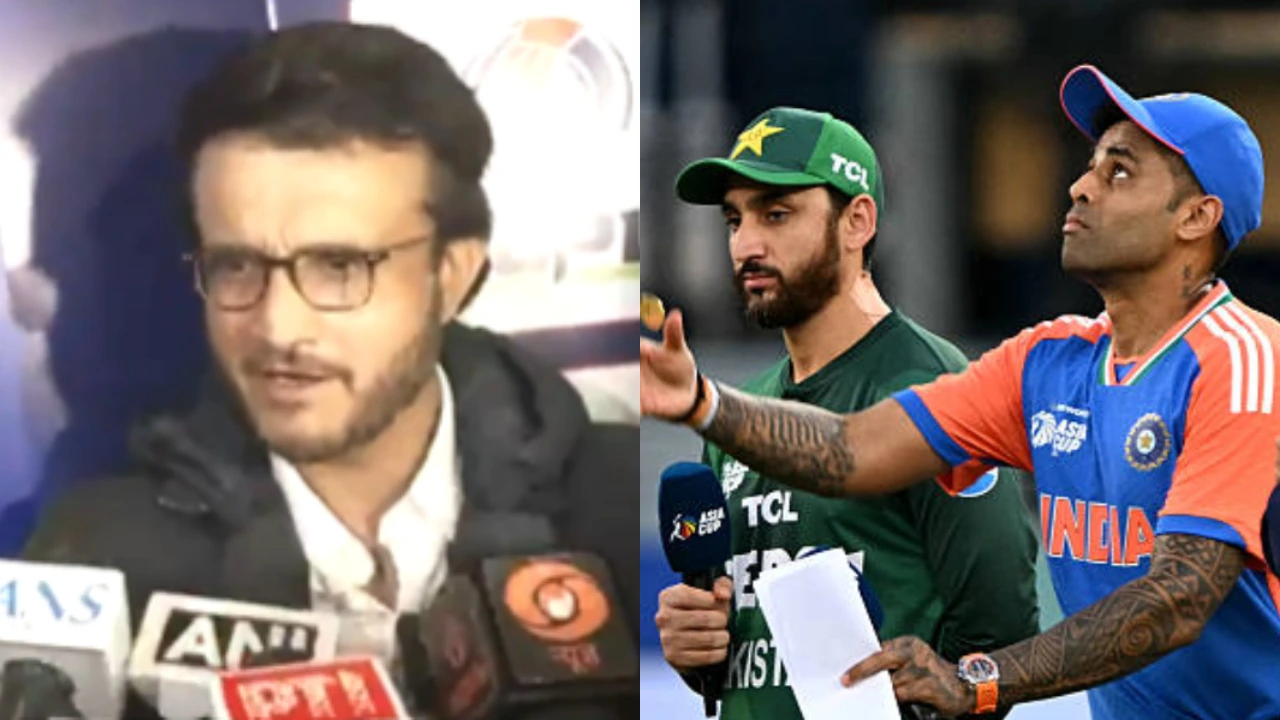
Sourav Ganguly drops bombshell on India vs Pakistan clash, reveals his favourite Indian cricketers
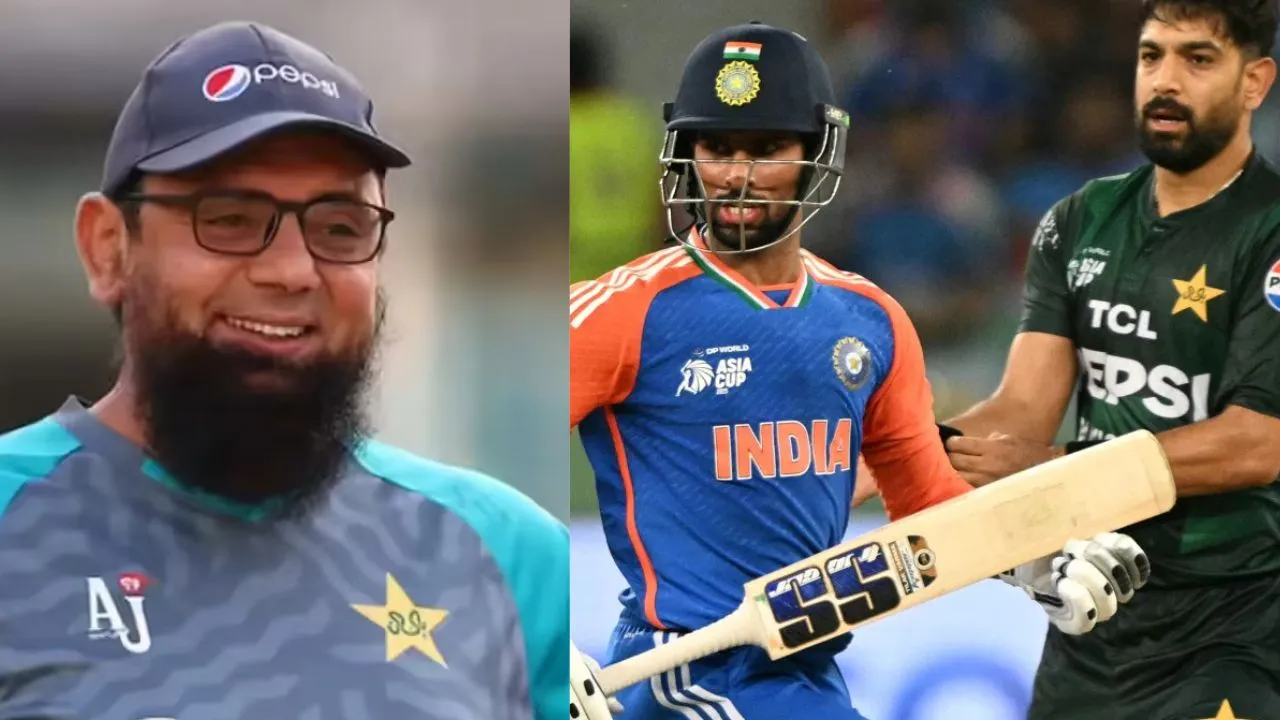
Saqlain Mushtaq declares India vs Pakistan rivalry is ‘finished’
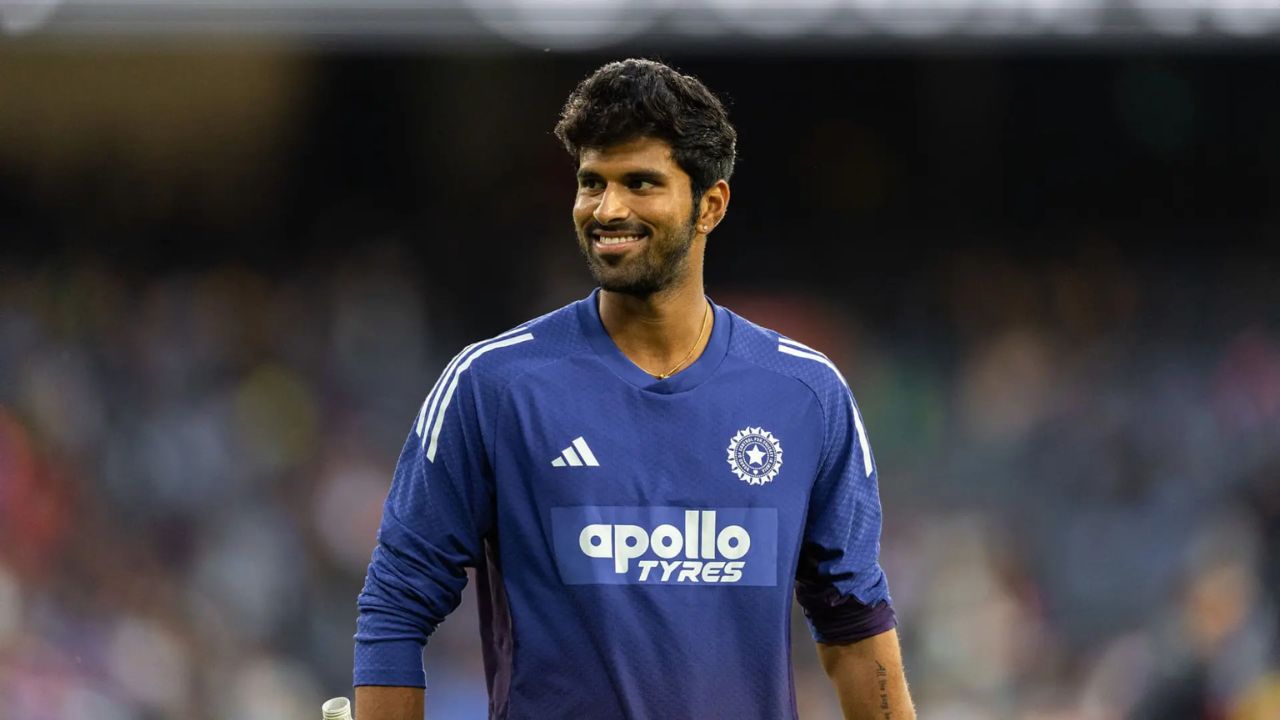
Washington Sundar joins team, India coach delivers huge update on Jasprit Bumrah
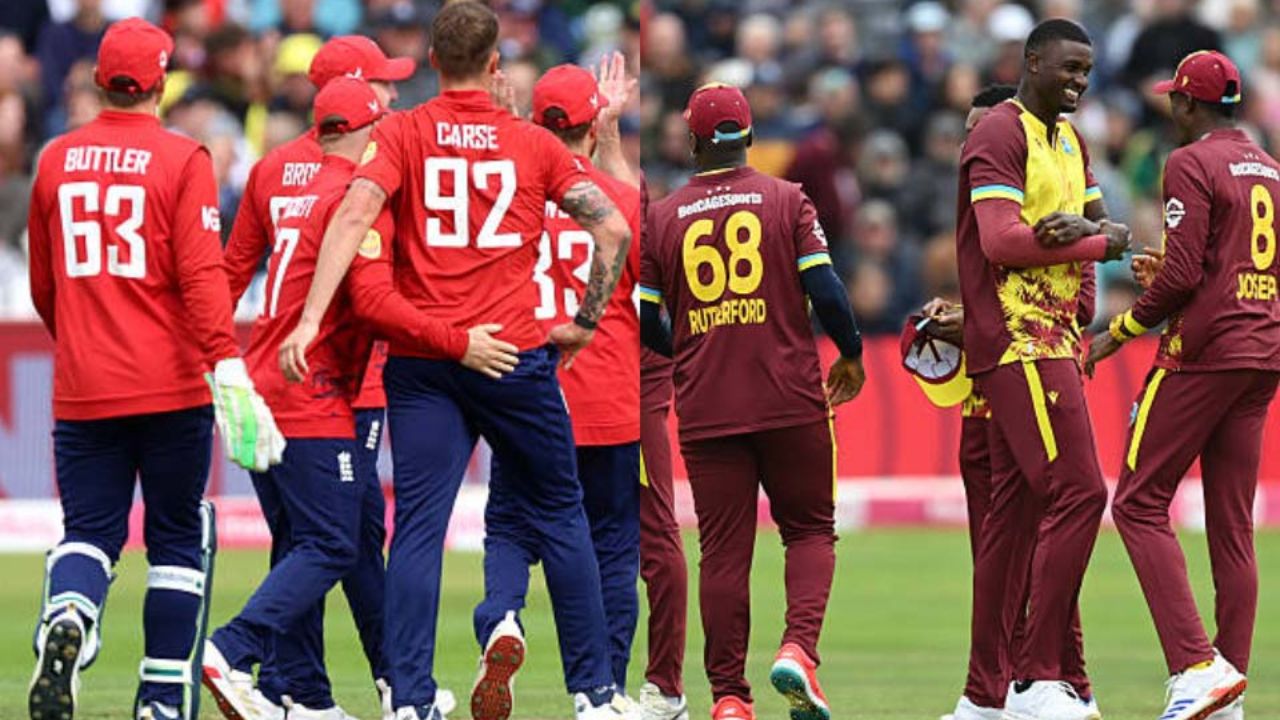
ENG vs WI Match No. 15 Preview: Free Live Streaming, Pitch & Weather Report, Head-to-Head, Playing XIs | ICC T20 World Cup 2026
ENG vs WI Match Prediction: Who Will Win Game No.15? ICC T20 World Cup 2026
England Playing XI vs West Indies Playing XI, Match No. 15 – ICC T20 World Cup 2026
Jay Shah Shows Pakistan Their Place: Full Timeline of IND vs PAK Controversy From Boycott Threat to U-Turn in T20 World Cup 2026
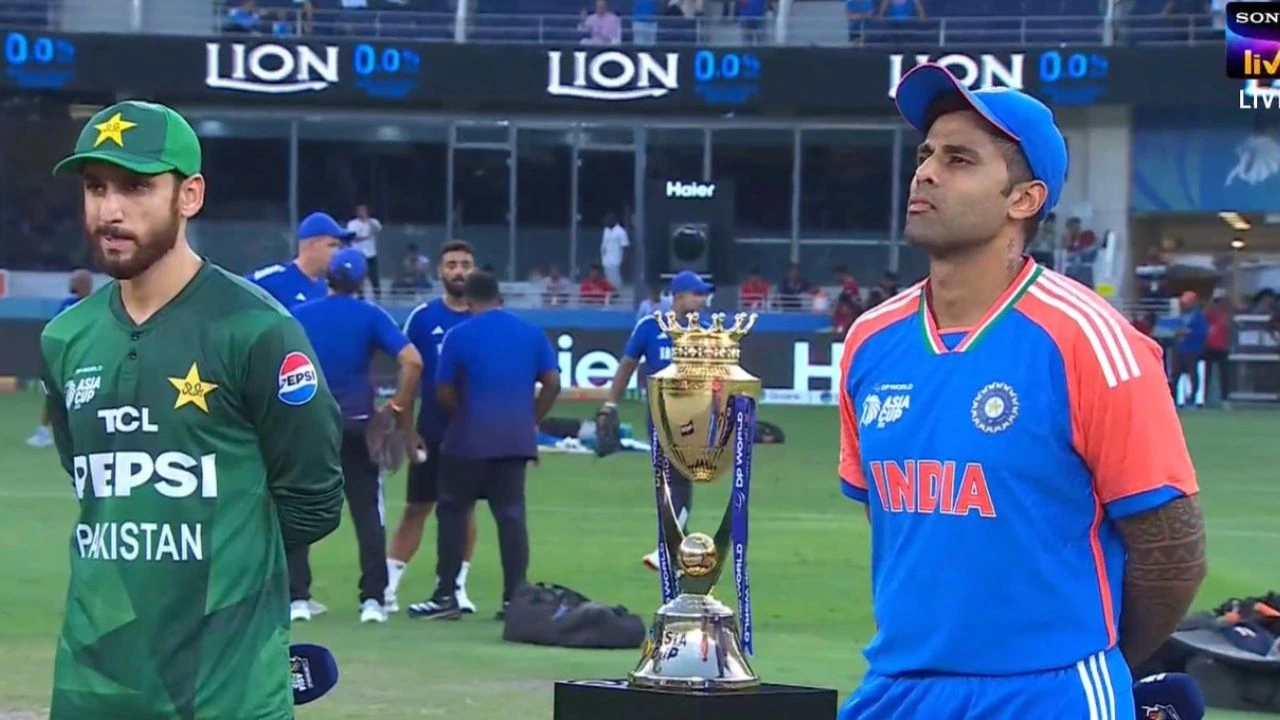
PCB’s India match U-turn sparks fresh boycott revolt inside Pakistan amid T20 World Cup