Jay Shah SLAPS Michael Vaughan after bias claims over SA, WI, ENG travel plans amid West Asia war

ICC Chairman Responds to Allegations of Bias in Travel Plans
After former England captain Michael Vaughan made serious bias claims regarding recent travel plans following the T20 World Cup, ICC Chairman Jay Shah has issued an official statement addressing the situation. Vaughan accused the ICC of unfairly favoring England over South Africa and the West Indies amid the ongoing war, but Shah has rejected these allegations.
Unforeseen Delays and Aviation Crisis
Despite the conclusion of the tournament, many players, coaches, support staff, and their families are currently facing unexpected delays returning home. The aviation crisis and tensions in the Middle East have impacted international travel arrangements for participating teams stranded in India, leading to a difficult situation for everyone involved.
Rejection of Bias Claims
In response to Vaughan’s accusations, the ICC released a statement denying any bias in the decision-making process regarding travel arrangements. The governing body emphasized that all decisions were made based on safety, feasibility, and the welfare of everyone involved, with no favoritism shown towards any specific team.
The ICC stated, “There is no link between arrangements made for South Africa and the West Indies and those made previously for England or any other nation. These decisions were made based on separate circumstances, routing options, and different travel conditions.”
Challenges Beyond Control
The delays in travel for the West Indies and South Africa teams were attributed to the ongoing crisis across the Gulf region, causing disruptions in international air travel. The ICC expressed frustration over the situation, highlighting the complexity and time-consuming nature of finding travel solutions under such challenging conditions.
The statement read, “These are conditions entirely outside the ICC’s control, and they have made each travel solution significantly more complex and time-consuming than under normal circumstances.”
Official Travel Updates for Stranded Teams
Cricket West Indies announced that their players and staff would be leaving India on commercial flights in different batches. The ICC provided a detailed schedule for the immediate departures of all remaining stranded cricket contingents, ensuring that arrangements were made to get everyone home safely.
As per the updates, the South Africa contingent was set to begin departing for home within the next 36 hours, while the West Indies players were also scheduled to depart India within the next 24 hours. The ICC promised to provide further updates as confirmed arrangements were put in place for the remaining players.
In conclusion, while challenges and delays have impacted the travel plans of teams post-T20 World Cup, the ICC remains committed to ensuring the safe return of all players, coaches, and support staff. The situation serves as a reminder of the complexities involved in international travel during times of crisis, underscoring the need for cooperation and understanding among all parties involved.
Impact of Travel Challenges on Players and Staff
It is crucial to consider the human aspect of the travel delays faced by the teams post-T20 World Cup. Beyond the logistical challenges, the prolonged stays in India can take a toll on the mental and physical well-being of the players, coaches, and support staff. Extended periods away from home can lead to feelings of homesickness, fatigue, and overall stress, affecting their performance and morale.
Furthermore, the uncertainty surrounding travel arrangements can add to the anxiety and frustration experienced by those stranded. Not knowing when they will be able to reunite with their families and loved ones can exacerbate the already challenging situation. It is essential for organizations like the ICC and Cricket West Indies to provide adequate support and communication to alleviate the concerns of those affected.
Lessons Learned for Future International Events
The travel disruptions following the T20 World Cup serve as a valuable learning experience for all stakeholders involved in organizing international sporting events. It highlights the importance of having contingency plans in place to address unforeseen circumstances that may impact travel arrangements for teams.
Moving forward, event organizers may consider exploring alternative travel routes, establishing clearer communication channels with airlines and authorities, and enhancing crisis management protocols to better navigate similar challenges in the future. By proactively addressing potential travel issues, they can minimize disruptions and ensure a smoother experience for all participants.
Collaboration and Solidarity in Times of Crisis
The travel delays post-T20 World Cup also underscore the significance of collaboration and solidarity among cricketing nations during times of crisis. While each team may have its own interests and priorities, it is essential to come together to support one another in challenging situations like the current aviation crisis.
By fostering a spirit of unity and cooperation, cricketing bodies can work hand in hand to find solutions that benefit all parties involved. This includes sharing resources, information, and expertise to facilitate the safe return of players and staff to their respective countries. Such collaborative efforts can strengthen the bonds within the cricketing community and demonstrate a collective commitment to the well-being of all individuals involved.
Looking Ahead: Future Predictions for International Travel
As the world continues to navigate the challenges brought about by the ongoing aviation crisis and geopolitical tensions, it is essential to consider the implications for future international travel in the realm of sports. Predicting and preparing for potential disruptions in air travel is crucial for ensuring the smooth operation of major sporting events like the T20 World Cup.
Organizations like the ICC may need to reassess their travel policies, explore new risk mitigation strategies, and stay informed about global developments that could impact travel arrangements for teams. By staying proactive and adaptable, they can better respond to unforeseen events and safeguard the well-being of participants in upcoming tournaments.
In conclusion, while the recent travel challenges post-T20 World Cup have presented significant obstacles, they also offer valuable insights and opportunities for growth in the realm of international sports. By learning from these experiences, fostering collaboration, and embracing proactive measures, the cricketing community can navigate future travel uncertainties with resilience and unity.
Latest News
Babar Azam officially quits cricket! Shocking reason revealed
Jay Shah SLAPS Michael Vaughan after bias claims over SA, WI, ENG travel plans amid West Asia war
Ex-India star launches brutal attack on Suryakumar Yadav and Gautam Gambhir for mishandling Sanju Samson
Former India World Cup winner says Sanju Samson has shades of Viv Richards

IPL 2026 fixtures revealed; RCB to play……
Gautam Gambhir praised as ex-England star blasts Babar Azam and Pakistan’s ‘personal milestones’ obsession
Ex-CSK spinner BLASTS at Kirti Azad over ‘temple’ visit comments after India’s T20WC win
Ex-England captain reveals the winner of 2027 ODI World Cup
Jay Shah punishes Arshdeep Singh for dangerous act in T20 World Cup 2026 final
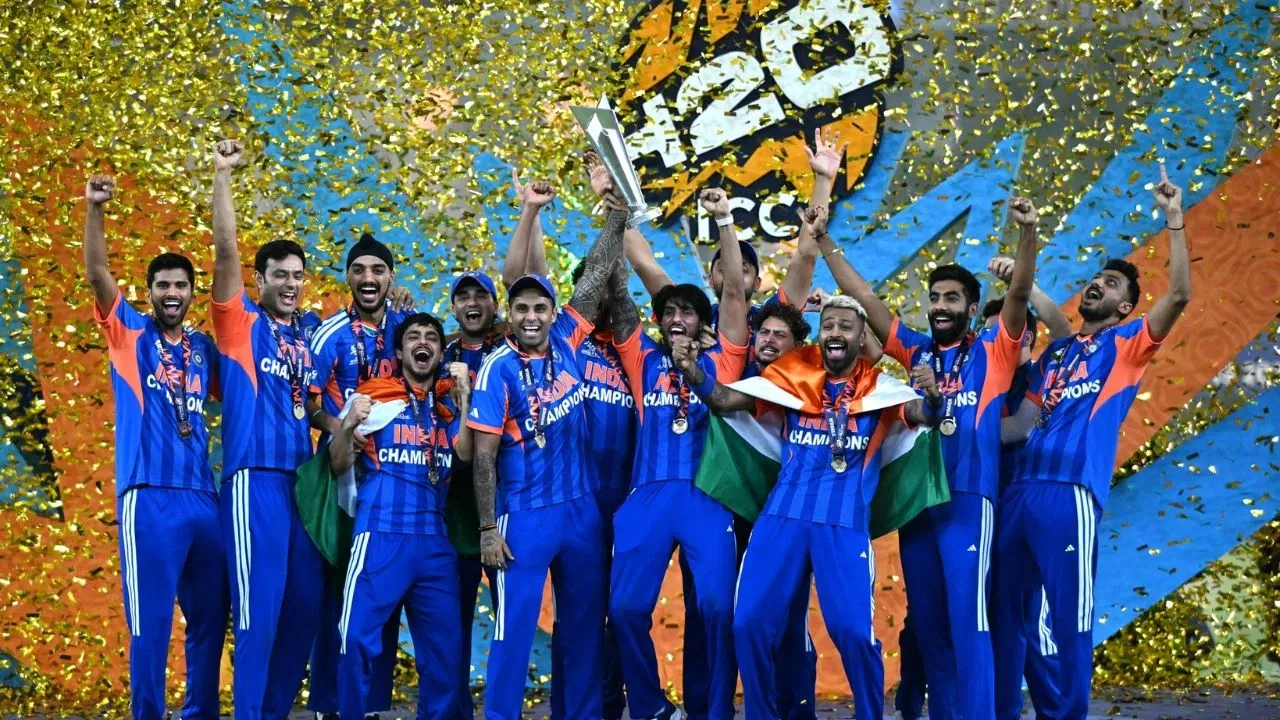
Not India! Kevin Pietersen’s ex-teammate claims South Africa were best team at T20 WC 2026
Sanju Samson named new India T20I captain by…
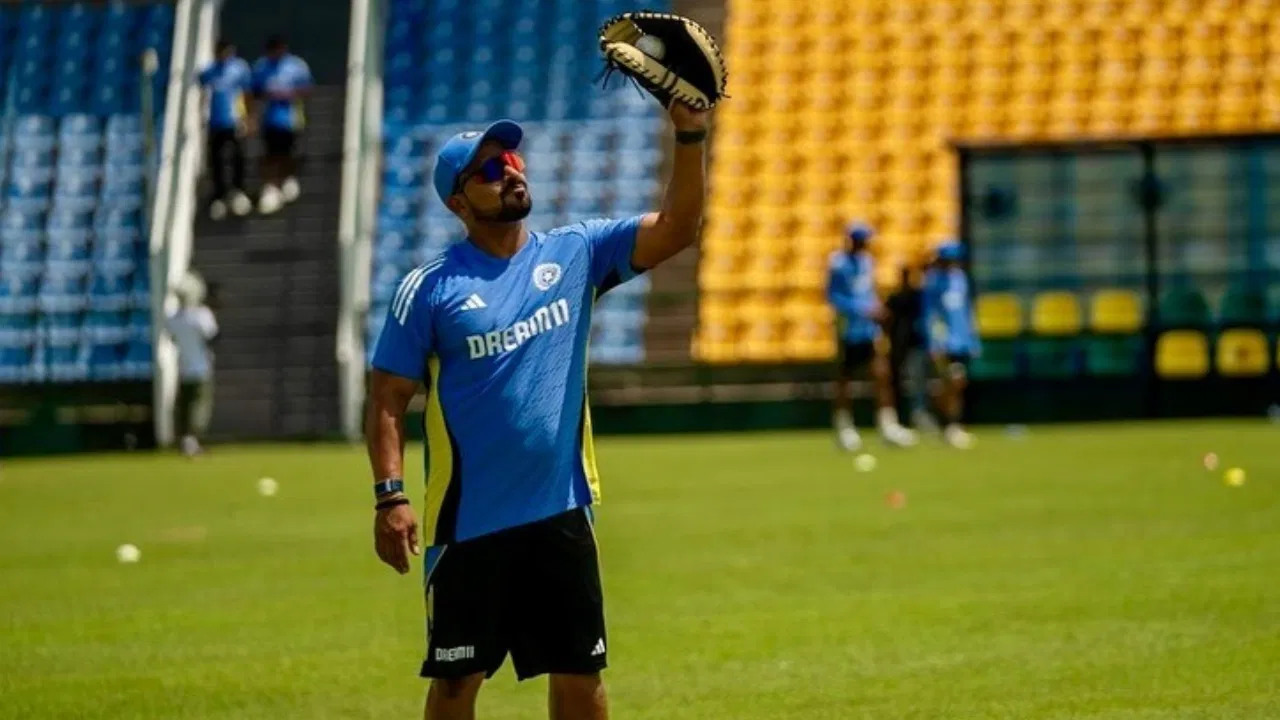
“It was the best effort” – T Dilip picks Team India’s ‘Jonty Rhodes’ after T20 World Cup 2026 win
IPL behind India’s T20 World Cup 2026 win, says Australia legend while mocking BBL
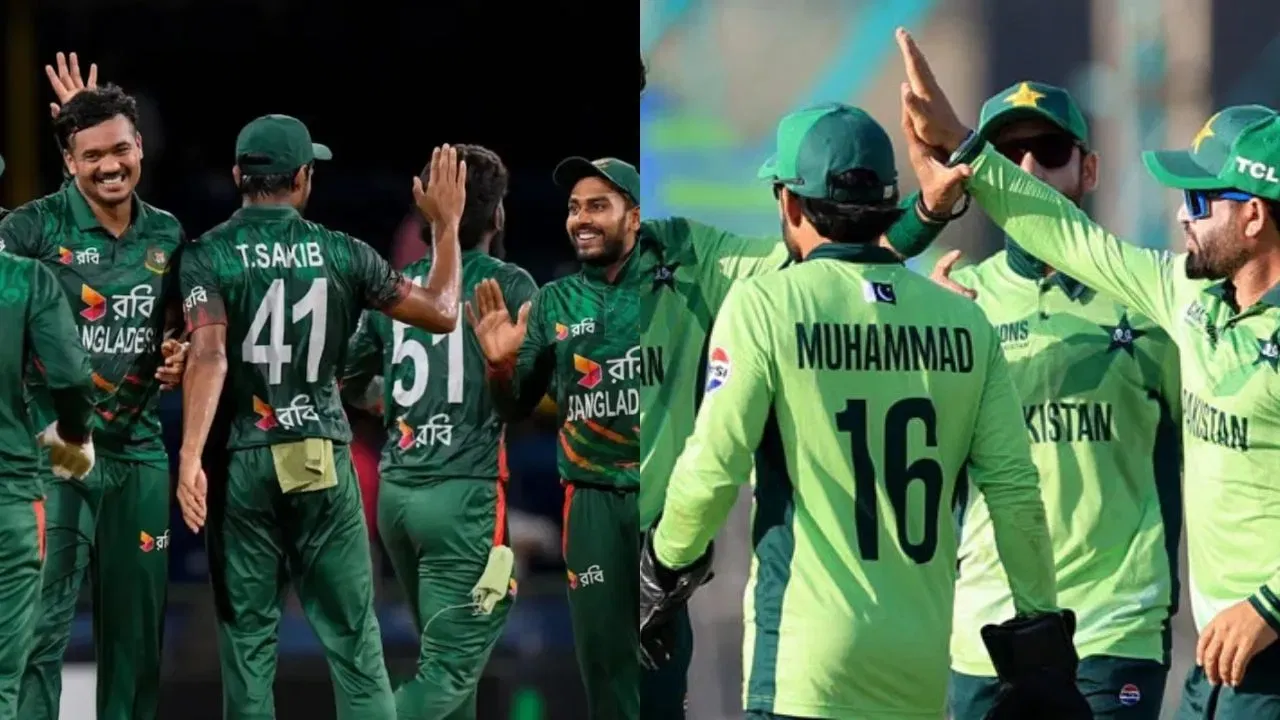
Bangladesh Playing XI vs Pakistan Playing XI – 1st ODI | Pakistan tour of Bangladesh 2026