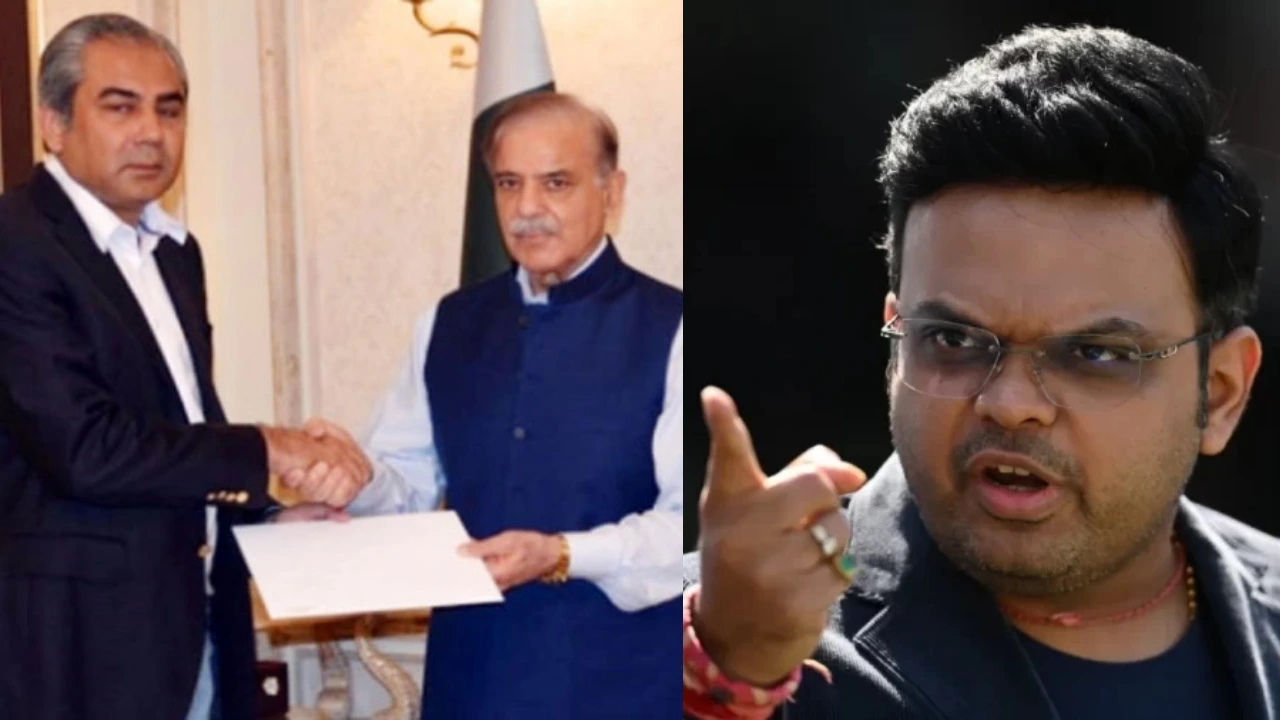
Jay Shah summoned by Pakistan for discussions with Shehbaz Sharif amid India-Pakistan controversy
The T20 World Cup 2026 Controversy: Cricket Caught in the Middle of Politics and Power
The upcoming T20 World Cup 2026 has become embroiled in a major controversy, with cricket finding itself at the intersection of politics, money, and power dynamics. At the heart of the storm is the International Cricket Council (ICC) chairman Jay Shah, who is facing allegations of unfair treatment towards Pakistan and Bangladesh.
Former ICC Chief Urges Direct Talks Between Jay Shah and Pakistan
Amidst the escalating T20 World Cup 2026 controversy, former ICC and Pakistan Cricket Board (PCB) chief Ehsan Mani has emphasized the importance of resolving the issue through open dialogue. Mani has called for Jay Shah to personally visit Pakistan and engage in direct discussions with the Pakistani government.
Mani’s primary objective is for the ICC chairman to persuade Pakistan to reconsider its decision to boycott the highly anticipated India vs. Pakistan match scheduled for February 15 in Colombo. He stresses the need for Shah to actively listen to Pakistan’s concerns and grievances instead of sidelining them or delegating the matter to others.
Political Drama Unfolds: Bangladesh’s Stand Triggers Fallout
The political turmoil surrounding the T20 World Cup 2026 initially unfolded when Bangladesh refused to travel to India, citing safety concerns. Despite reassurances of adequate security measures, Bangladesh stood firm on its decision. Subsequently, the ICC replaced Bangladesh with Scotland after their non-participation.
This move sparked outrage in Pakistan, with PCB chairman Mohsin Naqvi, who also serves as the country’s interior minister, labeling the decision as unjust. In response, the Pakistani government directed the PCB to abstain from playing against India in solidarity with Bangladesh.
Call for Resolution: Jay Shah Urged to Intervene Personally
While ICC deputy chairman Imran Khawaja has been tasked with mediating between the PCB and the ICC, Ehsan Mani believes that only Jay Shah can effectively address this sensitive government-level issue. Mani insists that direct engagement by Shah in Pakistan is crucial to navigate the current standoff.
In a statement to The Dawn, Mani asserted, “He should go to Pakistan to convince the government to end the boycott and also listen to their grievances. It is better for the ICC chairman to deal with the government of Pakistan on his own.”
Stakes Rise as India vs. Pakistan Match Hangs in the Balance
The refusal to play the India vs. Pakistan match not only carries significant political implications but also poses a substantial financial risk. If the match does not take place, the ICC, BCCI, PCB, and other cricket boards stand to incur substantial monetary losses. Broadcasters and sponsors are also at risk of facing severe financial setbacks.
Additionally, Pakistan faces a legal jeopardy as the PCB has already signed the Members Participation Agreement for the World Cup. Failure to participate could potentially result in legal repercussions from the global governing body and broadcasters.
Evaluating Pakistan’s Legal Position
Ehsan Mani acknowledges the challenges in Pakistan’s case, as the ICC had relocated their matches from India to Sri Lanka under a hybrid model to address safety concerns. Despite this, Mani believes that Pakistan can present a strong legal defense with a competent legal team.
He concluded by stating, “There may be some weakness in Pakistan’s case because the ICC shifted Pakistan’s matches from India to Sri Lanka (under the hybrid model), but a competent legal team can argue it effectively… The boycott of the India-Pakistan match may be a violation of members’ participating agreement (signed between PCB and the ICC), but the negative attitude of the BCCI is to blame, which forced Pakistan to take such a big decision.”
Impact of the T20 World Cup 2026 Controversy on Cricket Diplomacy
The ongoing controversy surrounding the T20 World Cup 2026 has not only highlighted the power struggles within cricket’s governing bodies but also underscored the intricate relationship between sports and diplomacy. In the past, cricket has been used as a tool for diplomacy, fostering relations between nations and bridging political divides. The refusal of teams to participate in matches due to political tensions sets a concerning precedent that could have long-lasting implications for future sporting events.
Cricket diplomacy, a term coined to describe the use of cricket matches as a means to improve bilateral relations between countries, has been a significant aspect of international diplomacy, particularly in South Asia. The India vs. Pakistan cricket matches, known for their intense rivalry, have often been seen as opportunities to ease tensions and promote goodwill between the two nations. However, the current standoff threatens to disrupt this delicate balance and further strain diplomatic relations.
Broader Ramifications for Global Cricket
As the T20 World Cup 2026 controversy continues to escalate, the repercussions are not limited to the teams directly involved. The integrity of the sport itself is at stake, with fans and stakeholders expressing concern over the politicization of cricket. The ICC, as the global governing body of cricket, faces mounting pressure to address the situation swiftly and impartially to safeguard the reputation of the sport.
Furthermore, the financial implications of the standoff cannot be understated. Cricket is a multi-billion dollar industry, with broadcasting rights, sponsorships, and ticket sales forming a significant portion of revenue for cricket boards and tournament organizers. Any disruptions to scheduled matches, especially high-profile fixtures like India vs. Pakistan, can have far-reaching financial consequences for all parties involved.
The Role of Media and Public Opinion
Media coverage and public opinion play a crucial role in shaping the narrative surrounding the T20 World Cup 2026 controversy. With social media platforms amplifying voices and opinions from around the world, the pressure on cricket administrators to find a resolution is mounting. Fans, commentators, and former players are actively participating in the discourse, urging for a fair and equitable outcome that upholds the spirit of the game.
While the controversy has undoubtedly cast a shadow over the upcoming T20 World Cup, it also presents an opportunity for cricket’s stakeholders to come together and demonstrate the resilience and unity of the sport. By finding common ground and prioritizing the interests of the game above all else, cricket can emerge stronger from this crisis and reaffirm its status as a unifying force in a divided world.
Conclusion
In conclusion, the T20 World Cup 2026 controversy serves as a stark reminder of the complex interplay between sports, politics, and power dynamics. As cricket grapples with the fallout from the standoff between teams and governing bodies, the need for dialogue, diplomacy, and a commitment to the principles of fair play has never been more apparent. The ultimate resolution to the crisis will not only shape the outcome of the tournament but also test the resilience and integrity of cricket as a global sport.
Latest News
Virat Kohli’s explosive threat during coach’s conspiracy revealed: “Will beat the living hell out of…”
Dinesh Karthik can become head coach of India, England or Australia: Jitesh Sharma makes bold claim
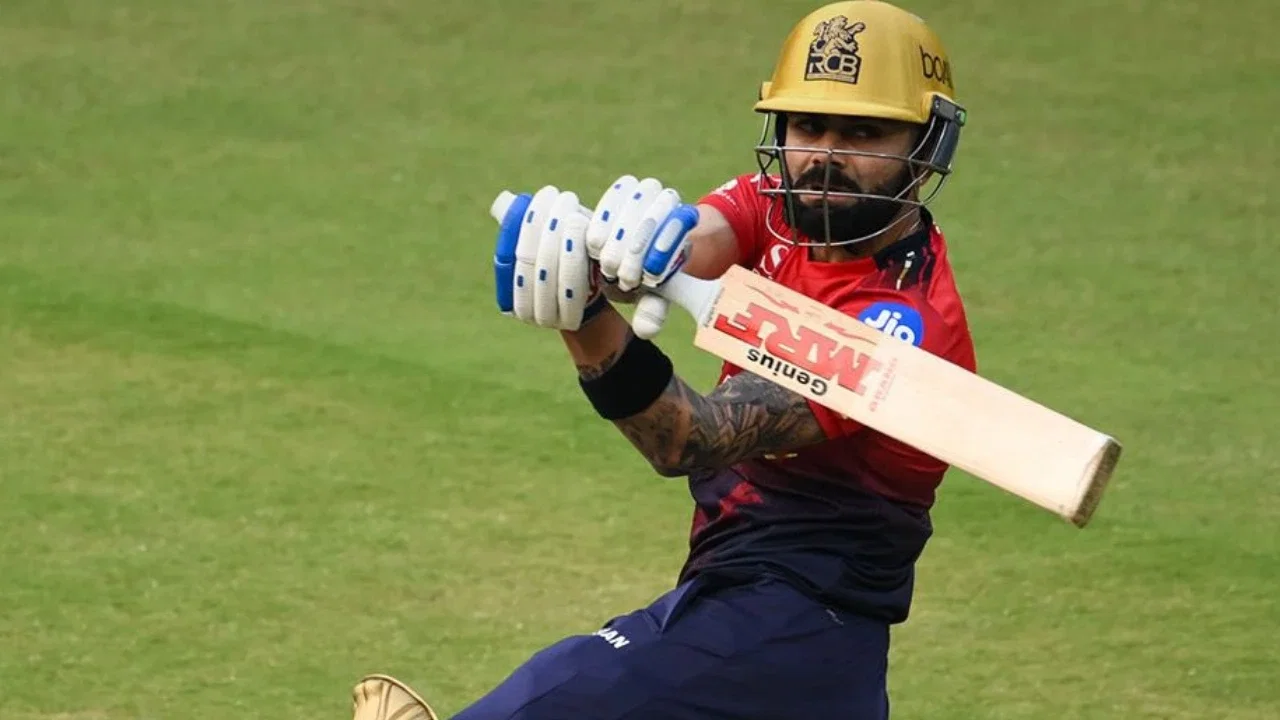
Virat Kohli turns Abhishek Sharma with explosive batting for RCB ahead of IPL 2026
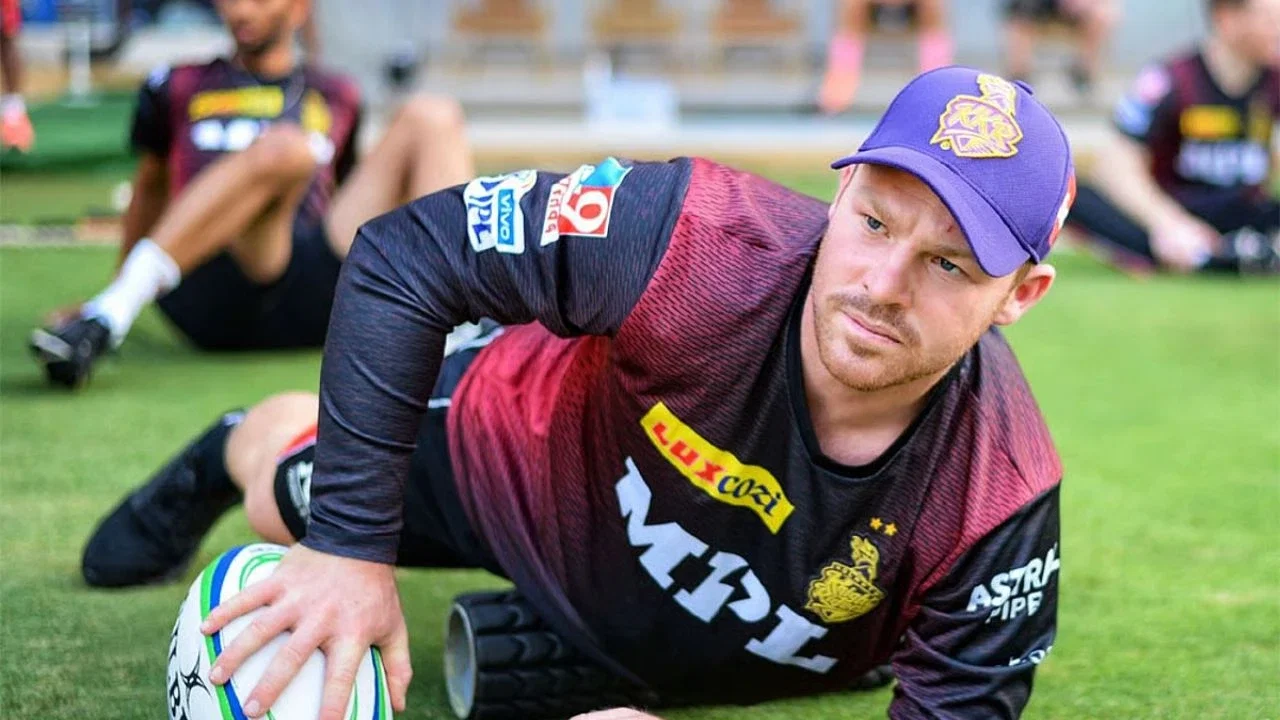
Not Tim Seifert! KKR eye 21-year-old Indian as wicketkeeper for IPL 2026
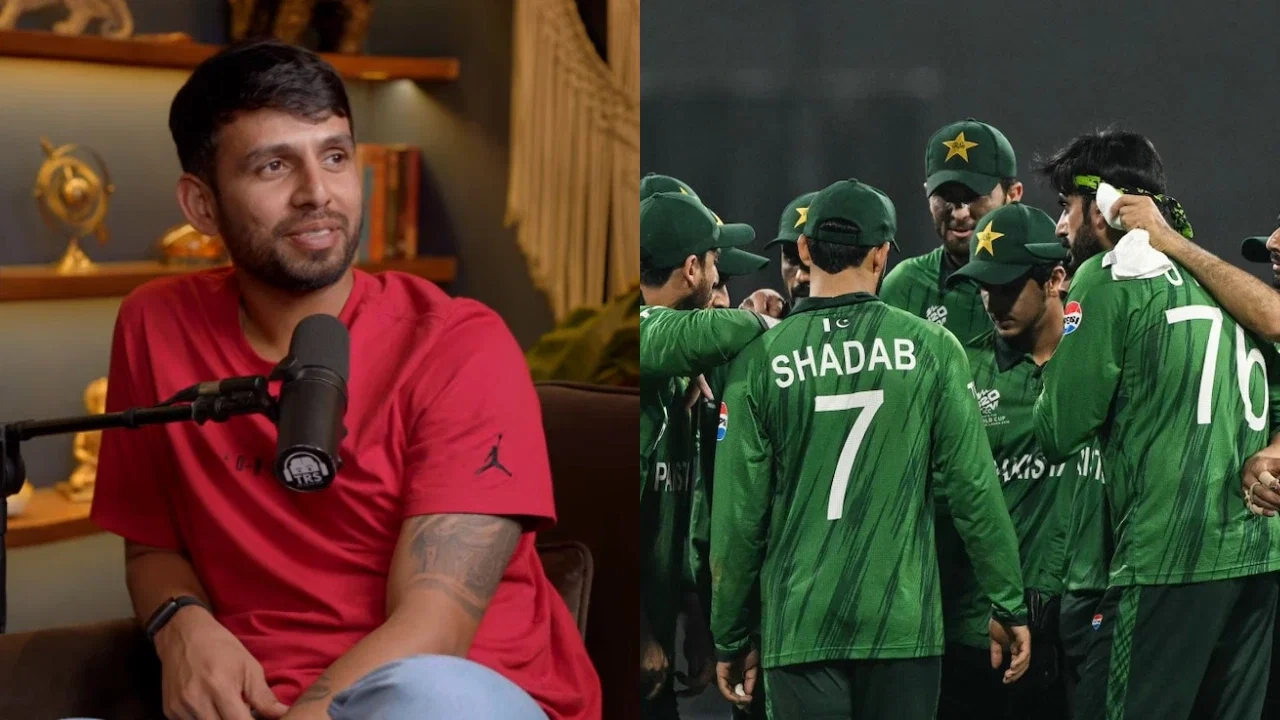
“Itna dete nahi importance inko”: Jitesh Sharma trolls Pakistan, reveals unheard story
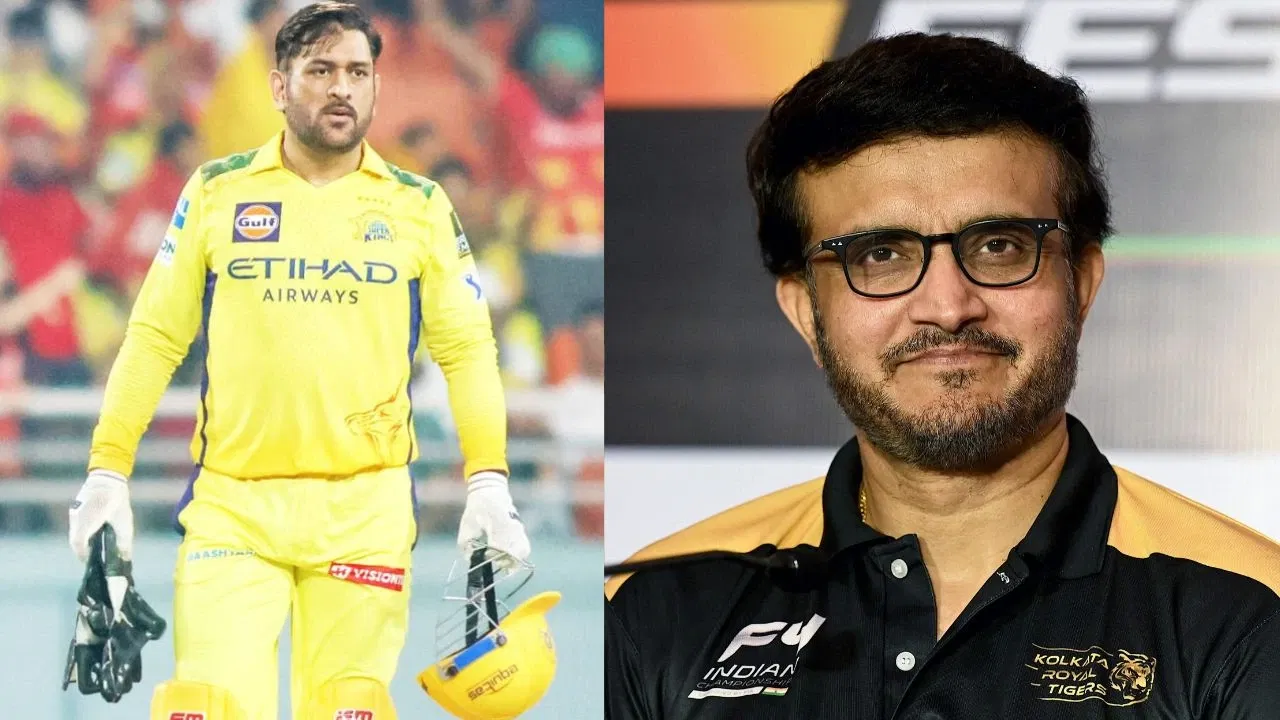
‘I liked young MS Dhoni more than the mature one’: Sourav Ganguly drops huge statement
RCB suffer huge blow! SLC blocks Nuwan Thushara’s IPL 2026 participation
Border-Gavaskar Trophy 2027 schedule announced; Ahmedabad among five venues selected
BCCI announces India’s 2026-27 international home season schedule; series vs AUS, WI, SL, ZIM finalized
Irfan Pathan reveals Yuvraj Singh’s secret method to train Rishabh Pant ahead of IPL 2026
Virat Kohli, Rohit Sharma ODI schedule: Full list of matches they will play in India’s 2026-27 home season
Days before RCB vs SRH IPL 2026 match, M. Chinnaswamy Stadium looks like a ‘construction side’
IPL 2026 second-half schedule announcement date revealed by BCCI secretary
LHQ vs HYDK Match Prediction, Pitch & Weather Report, Playing XIs, Head-to-Head, Free Live Streaming – PSL 2026 Match 1