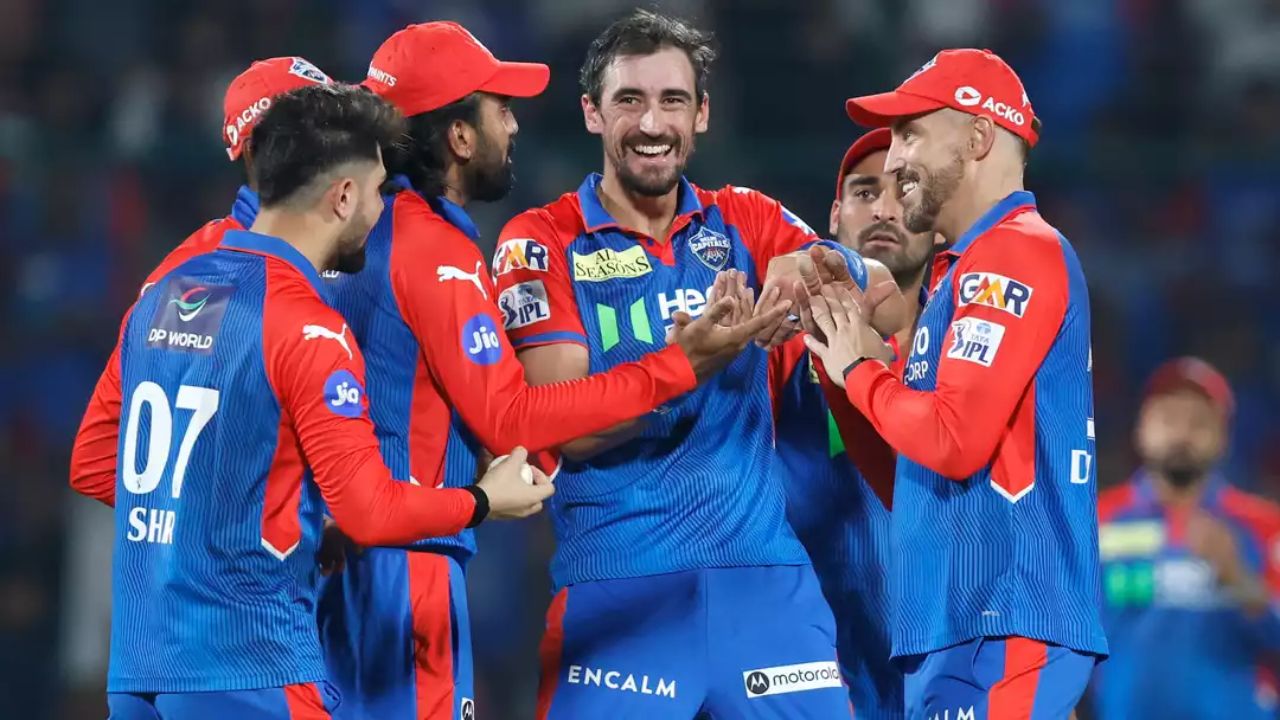
Jay Shah’s men visit Pakistan to convince Mohsin Naqvi to end India clash boycott
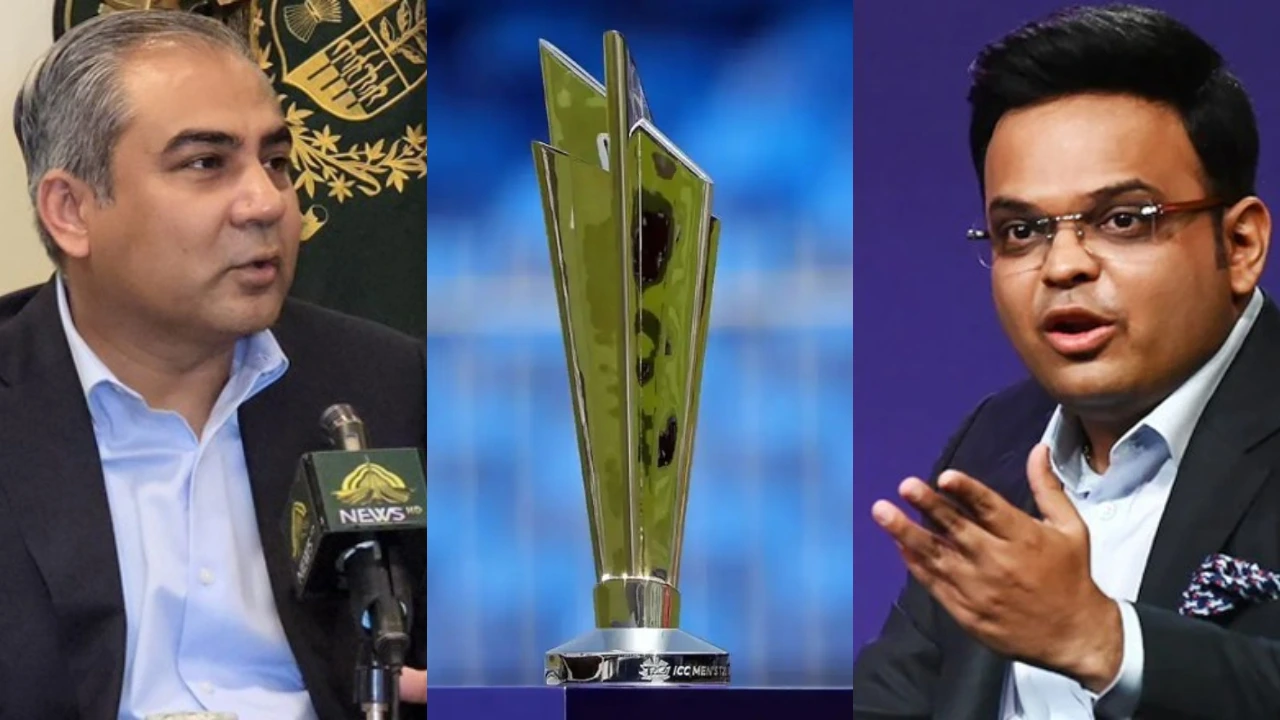
ICC Delegation Visits Pakistan to Resolve India Match Boycott
Prediction of High-Stakes Talks During T20 World Cup 2026
An upcoming high-stakes meeting between the International Cricket Council (ICC) and the Pakistan Cricket Board (PCB) is set to take place during the T20 World Cup 2026. The ICC delegation, led by the governing body’s Deputy Chairman, aims to address the escalating tensions surrounding the much-anticipated match between Pakistan and Team India in Colombo on February 15.
The situation took a dramatic turn when the Government of Pakistan announced a boycott of the World Cup fixture, accusing the ICC of bias in removing Bangladesh from the tournament. Despite the controversy, the Board of Control for Cricket in India (BCCI) chose to remain silent and adhere to ICC guidelines, while the PCB stood firm on boycotting the match against India.
India-Pakistan matches are known to be the most lucrative fixtures in cricket, attracting massive interest from broadcasters, sponsors, and advertisers. The anticipated clash between the two rivals holds significant financial value, with reports suggesting a single T20 match between India and Pakistan is worth approximately $500 million.
With tensions running high, the ICC stepped in to address the boycott issue. The arrival of BCB President Aminul Islam in Pakistan signaled the urgency of the situation. An emergency meeting called by the ICC, with representatives from various cricket boards expected to participate, aims to find a resolution to the ongoing standoff between Pakistan and India.
Efforts to Salvage the India-Pakistan Match
The ICC delegation, scheduled to meet with Pakistani officials, is determined to convince Pakistan to play the match against India in Colombo. The presence of key figures from the ICC and various cricket boards highlights the significance of the situation and the efforts being made to salvage the much-anticipated fixture.
According to reports, the revenue generated from an India-Pakistan match is substantial, with advertising rates reaching up to INR 40 lakh for a 10-second slot during the game. The estimated advertising revenue from this single match alone is around INR 300 crore, underscoring the financial impact of the fixture on the cricketing world.
Anticipation Builds as Talks Begin
As the ICC delegation arrives in Pakistan and discussions get underway, the cricketing world eagerly anticipates the outcome of the talks. The fate of the India-Pakistan match hangs in the balance, with stakeholders closely monitoring the developments.
With billions of fans across the globe eagerly awaiting the showdown between the two cricketing giants, the resolution of the boycott issue is crucial not only for the teams involved but also for the financial stakeholders in the sport. The upcoming meetings are poised to be a turning point in the lead-up to the T20 World Cup 2026, setting the stage for a potential historic match between India and Pakistan.
Historical Context of India-Pakistan Cricket Matches
The rivalry between India and Pakistan in cricket dates back to the 1950s when the two nations first faced off on the cricket field. Over the years, these matches have transcended sports, becoming emblematic of the political tensions and historical animosity between the two countries. Each encounter is not just a game but a reflection of the larger geopolitical landscape in South Asia.
India-Pakistan cricket matches have witnessed some of the most intense and emotionally charged moments in the sport’s history. From iconic performances by legendary players to nail-biting finishes that keep fans on the edge of their seats, these matches have a unique ability to captivate audiences like no other fixture in cricket.
Impact of Technology on Predicting Match Outcomes
Advancements in technology have revolutionized the way cricket matches are analyzed and predicted. With the advent of data analytics, machine learning algorithms, and predictive modeling, experts can now forecast match outcomes with a higher degree of accuracy. Factors such as player performance, pitch conditions, weather forecasts, and historical data are all taken into account to generate predictions that can guide betting trends and inform viewers’ expectations.
These predictions not only add an element of excitement to the game but also serve as valuable insights for coaches, players, and cricket enthusiasts looking to understand the dynamics of the sport better. As the T20 World Cup 2026 approaches, the use of predictive technologies is expected to play a significant role in shaping strategies, analyzing matchups, and forecasting results for key fixtures, including the highly anticipated India-Pakistan clash.
Social Media Buzz and Fan Engagement
Social media platforms have become integral to the cricketing experience, enabling fans to connect, engage, and share their passion for the sport in real-time. The buildup to the India-Pakistan match has generated a massive buzz on social media, with fans from both sides eagerly expressing their anticipation and support for their respective teams.
From hashtags trending worldwide to memes, videos, and fan polls, social media has become a virtual stadium where fans can rally behind their teams, engage in friendly banter, and build excitement leading up to the game. The digital sphere has transformed the way cricket is consumed, allowing fans to be part of the action regardless of their physical location.
Looking Ahead: Potential Outcomes of the ICC Delegation’s Visit
As the ICC delegation engages in talks with Pakistani officials to resolve the India match boycott, several potential outcomes could shape the future of cricket diplomacy between the two nations. A successful resolution that paves the way for the India-Pakistan match to proceed as scheduled would not only delight fans but also underscore the power of sports in bridging divides and fostering goodwill.
On the other hand, if a compromise cannot be reached, it could have far-reaching implications for future cricketing relations and the financial landscape of the sport. The decision made during these high-stakes talks will undoubtedly have repercussions that extend beyond the T20 World Cup 2026, influencing the dynamics of India-Pakistan cricket matches for years to come.
Conclusion
As the cricketing world holds its breath in anticipation of the outcome of the ICC delegation’s visit to Pakistan, the stage is set for a pivotal moment in the sport’s history. The resolution of the India match boycott will not only determine the fate of a single fixture but also carry implications for the broader landscape of international cricket, highlighting the delicate balance between sports, politics, and economics in the modern era.
Regardless of the outcome, one thing remains certain: the India-Pakistan rivalry transcends boundaries, uniting fans in a shared love for the game while reflecting the complexities of the relationship between two nations divided by history but connected by cricket.
Latest News
Yograj Singh makes blunt remark at Virat Kohli and Rohit Sharma over early retirement calls
Bhuvneshwar Kumar on brink of IPL history, needs two wickets for massive milestone
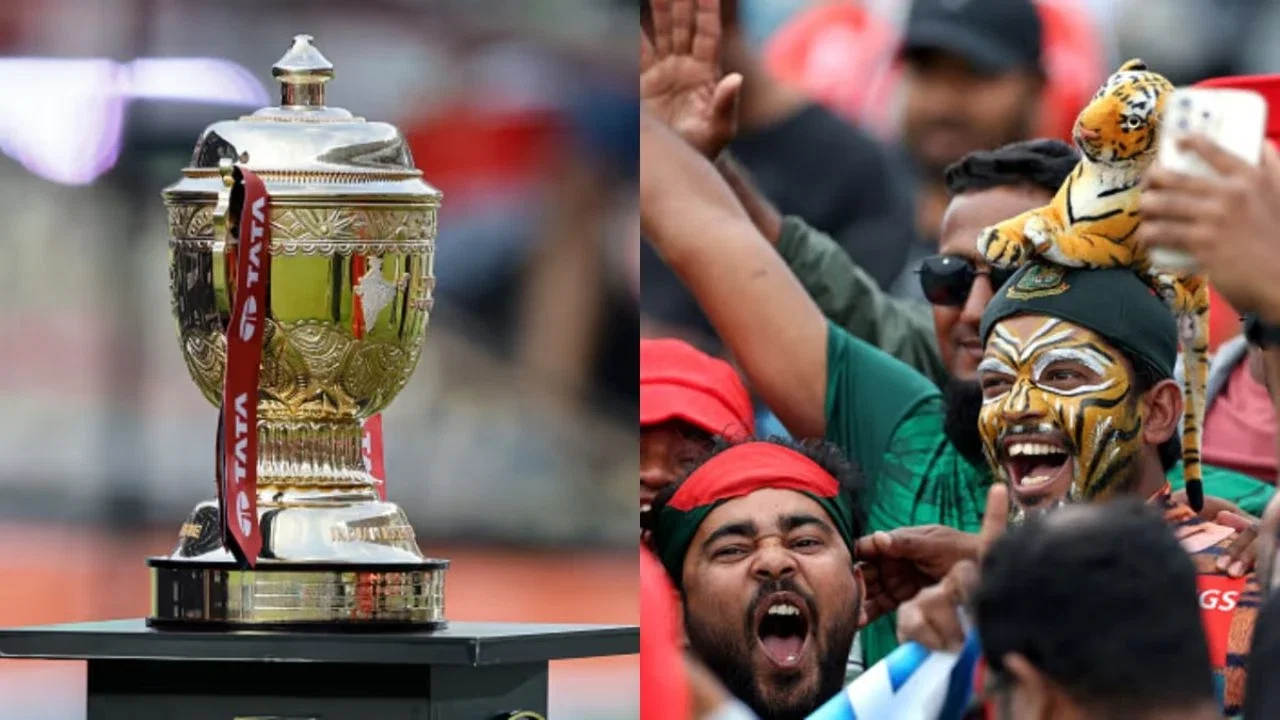
IPL to be broadcasted? Bangladesh government drops massive update on IPL broadcast ban
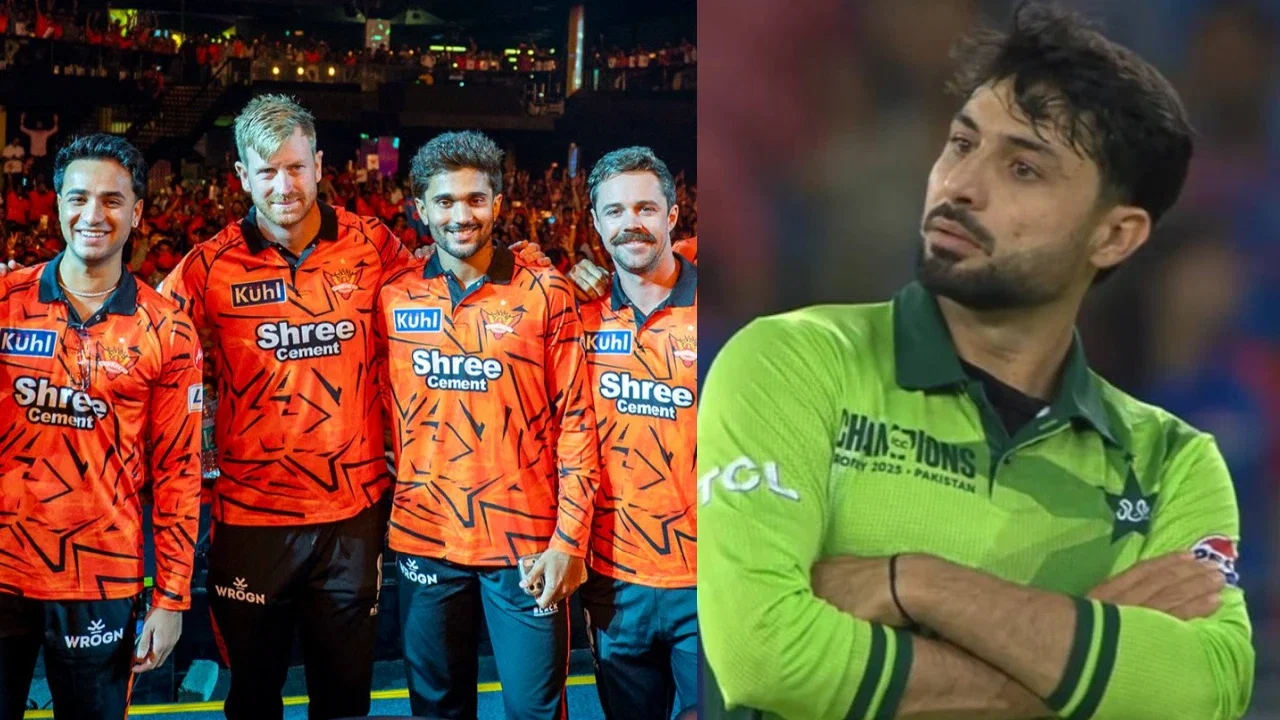
SRH fans to boycott IPL? Former India cricketer shares insights on social media drama around Abrar Ahmed
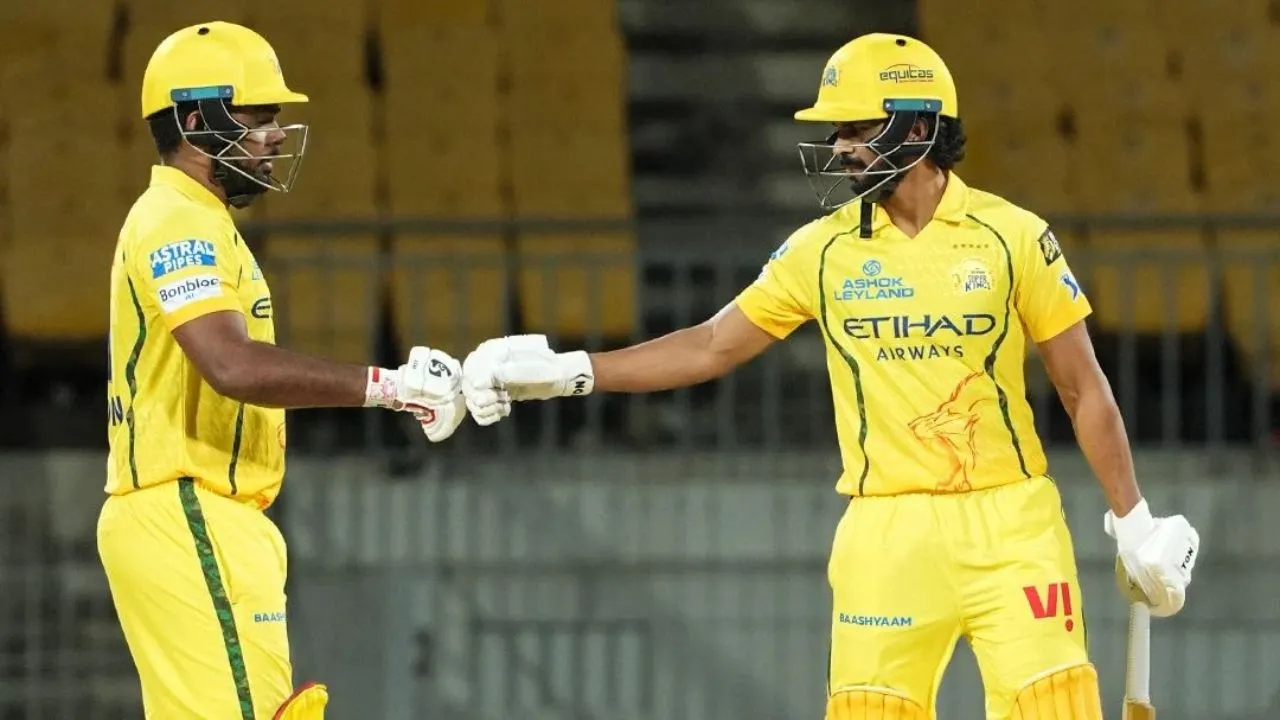
“Explore this opportunity”: Ruturaj Gaikwad shares inside story of convincing Sanju Samson to join CSK
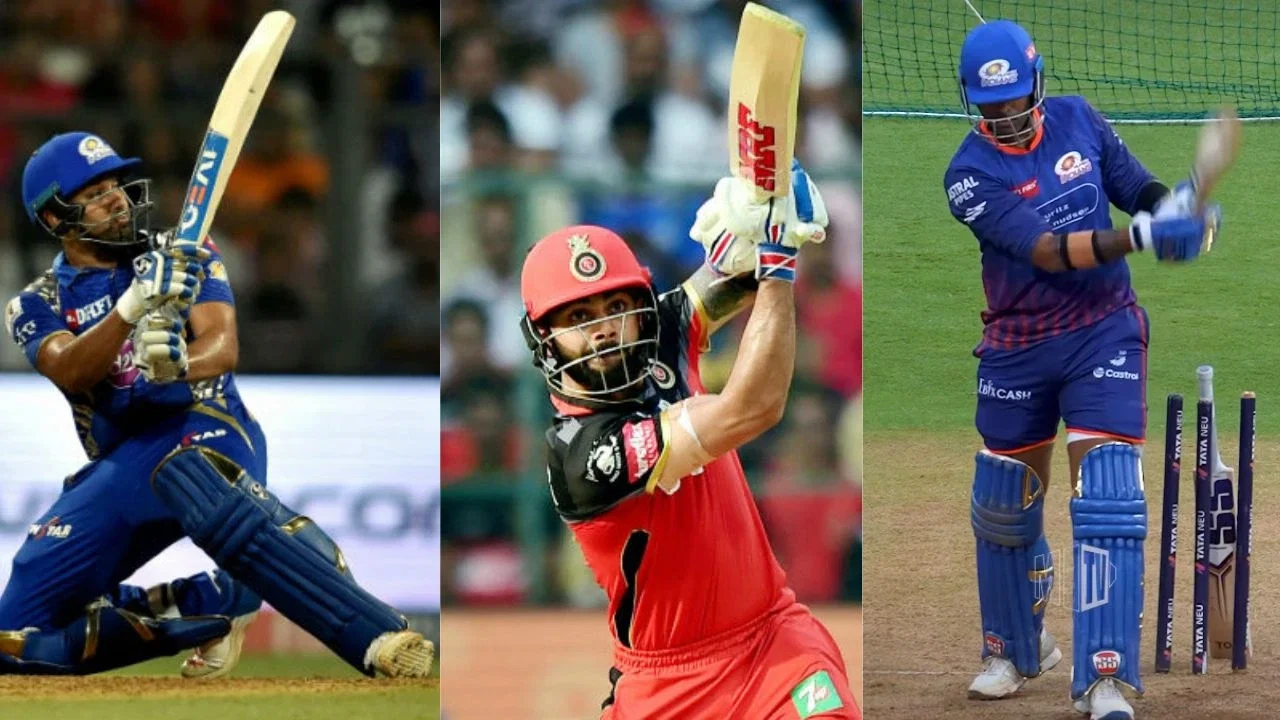
KKR pacer snubs Rohit Sharma, Virat Kohli, picks MI star as most difficult batter he’s bowled to
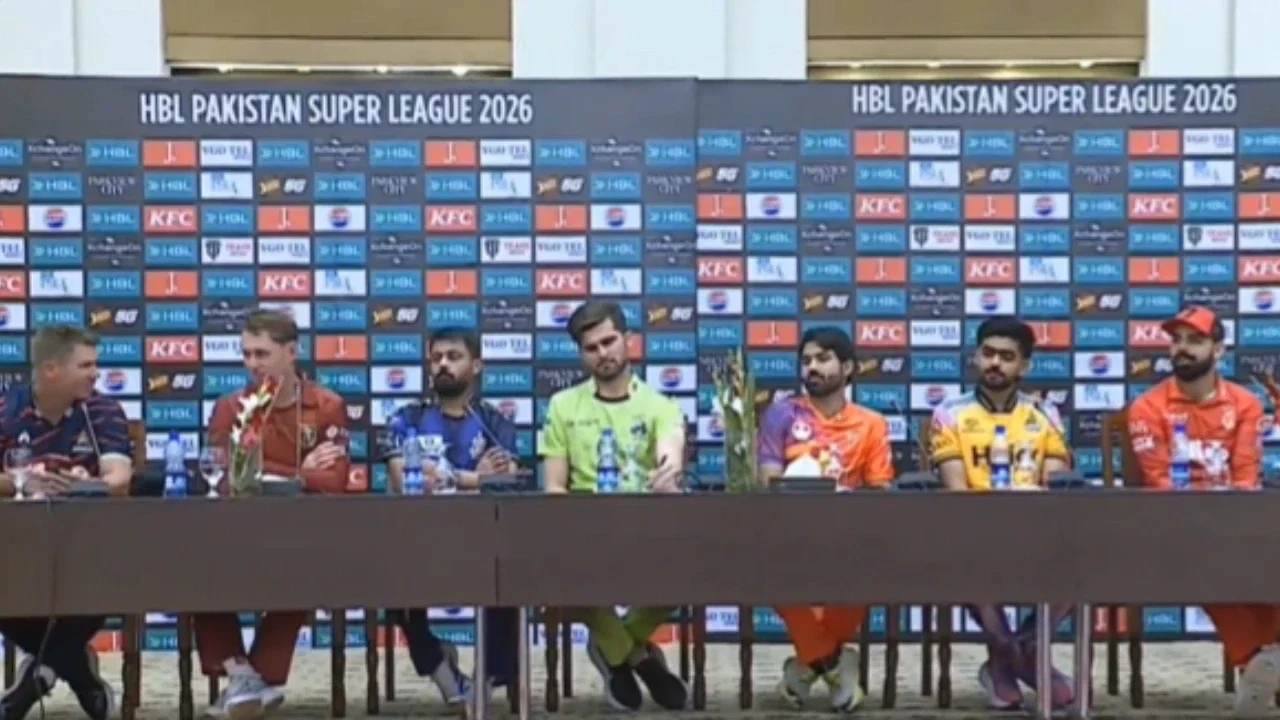
PSL drama erupts! Pakistan great blasted for “lack of manners” after embarrassing ex-England star
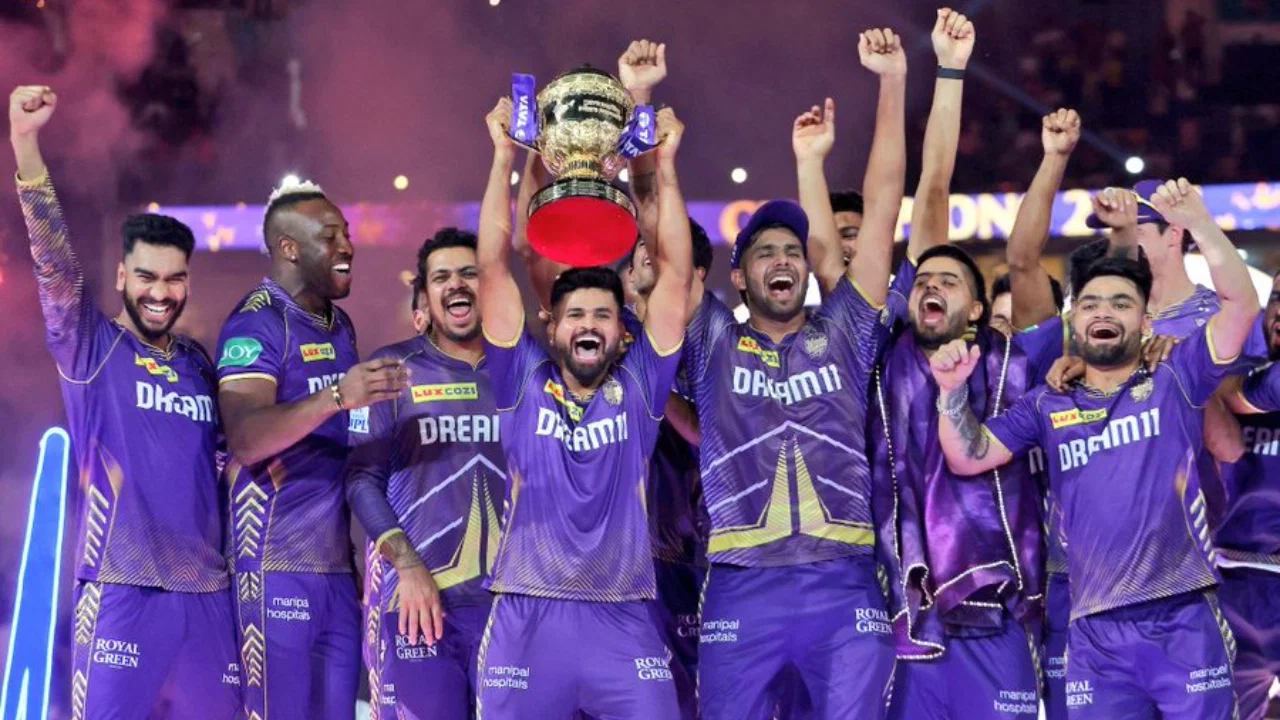
“2024 mein woh underrated the” – Vaibhav Arora on Shreyas Iyer not getting credit for KKR title win
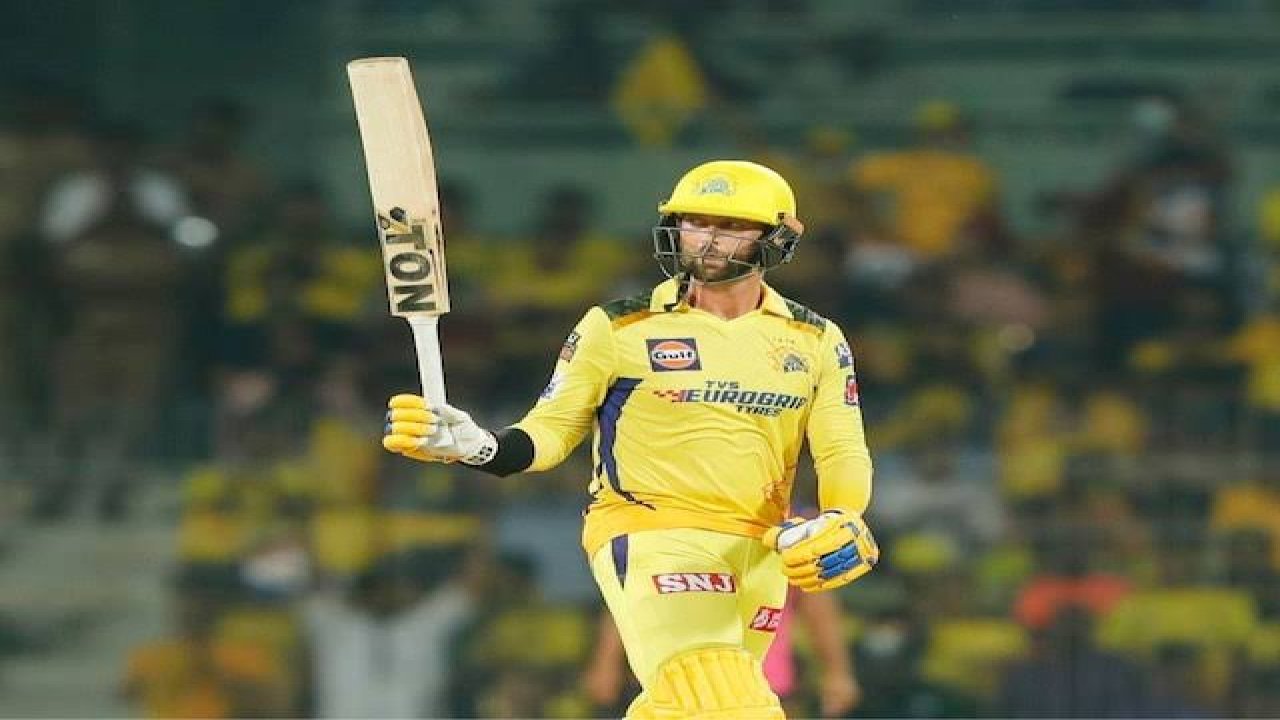
Devon Conway settles IPL vs PSL debate once and for all
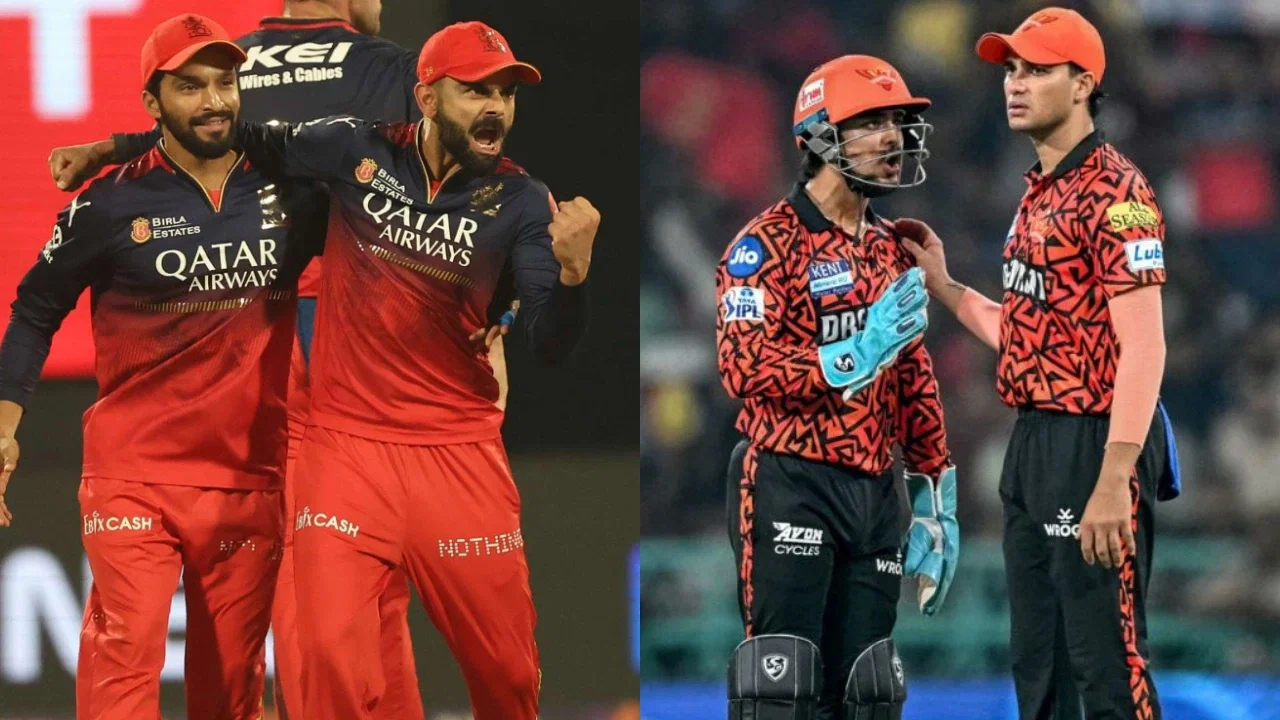
Ex-CSK star’s shocking claim on RCB vs SRH match ahead of IPL 2026
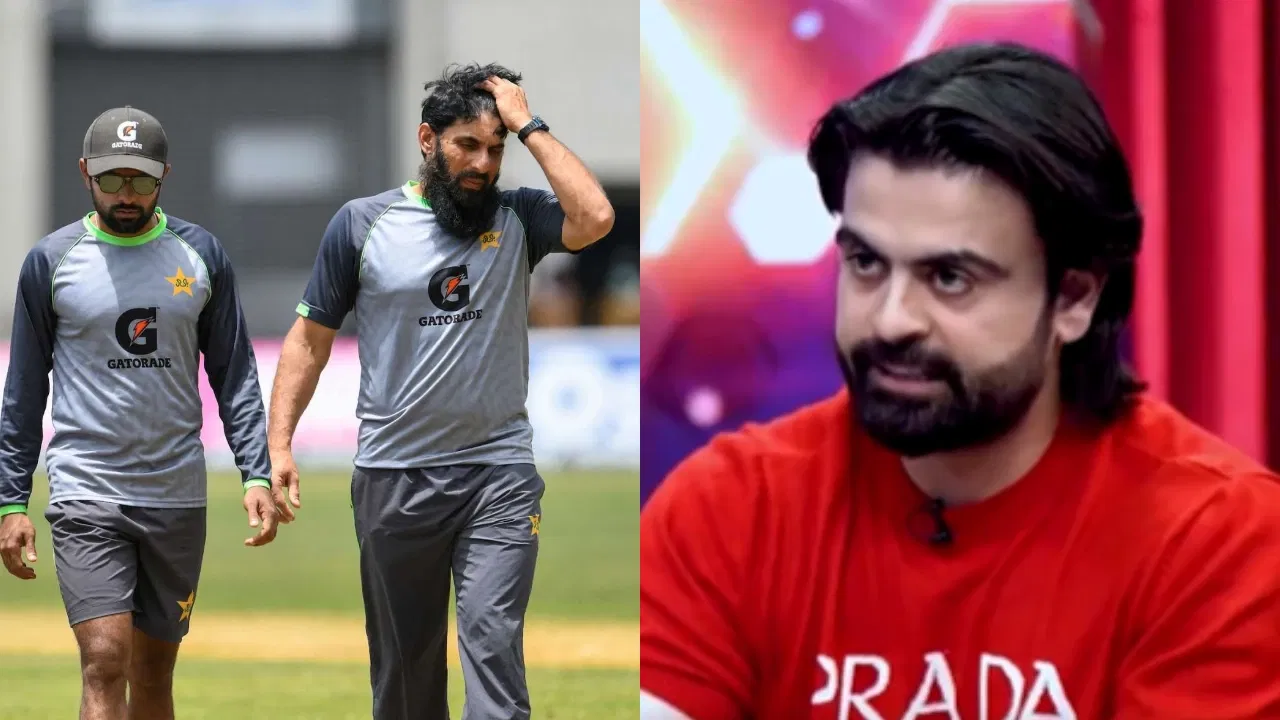
Misbah-ul-Haq takes legal action against Ahmed Shehzad over defamation claims
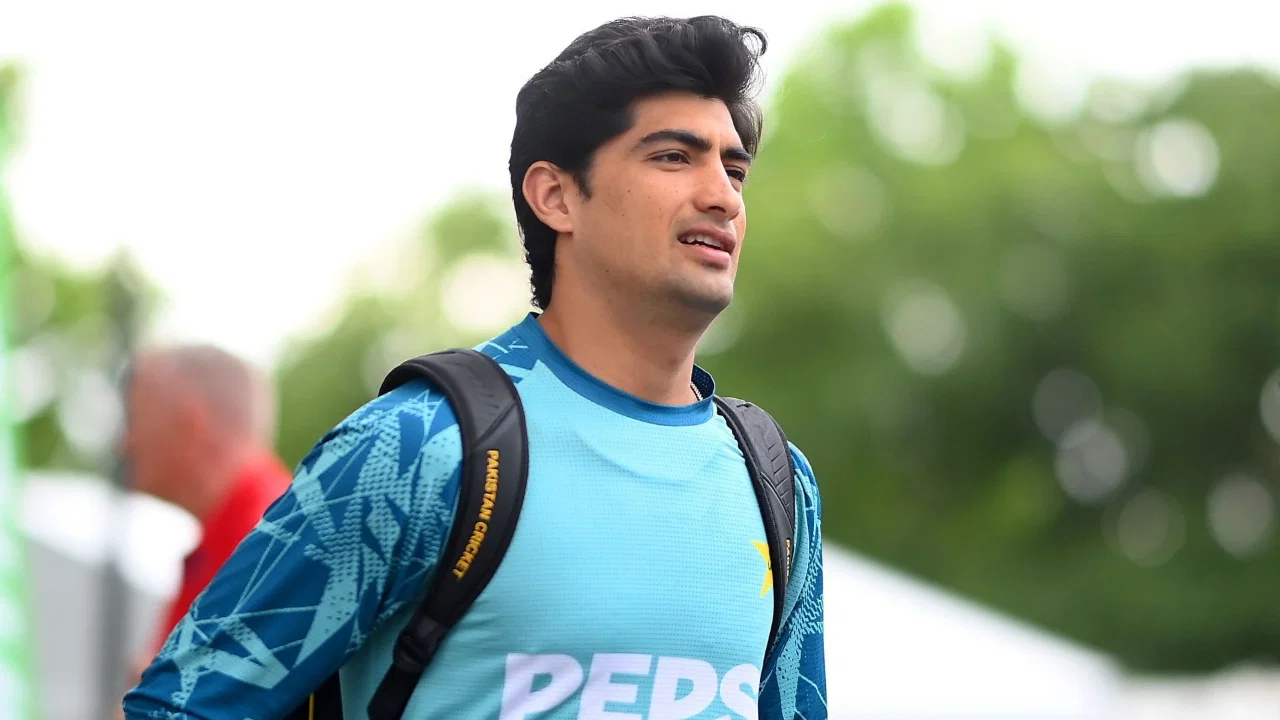
Naseem Shah charged with central contract violation during PSL 2026
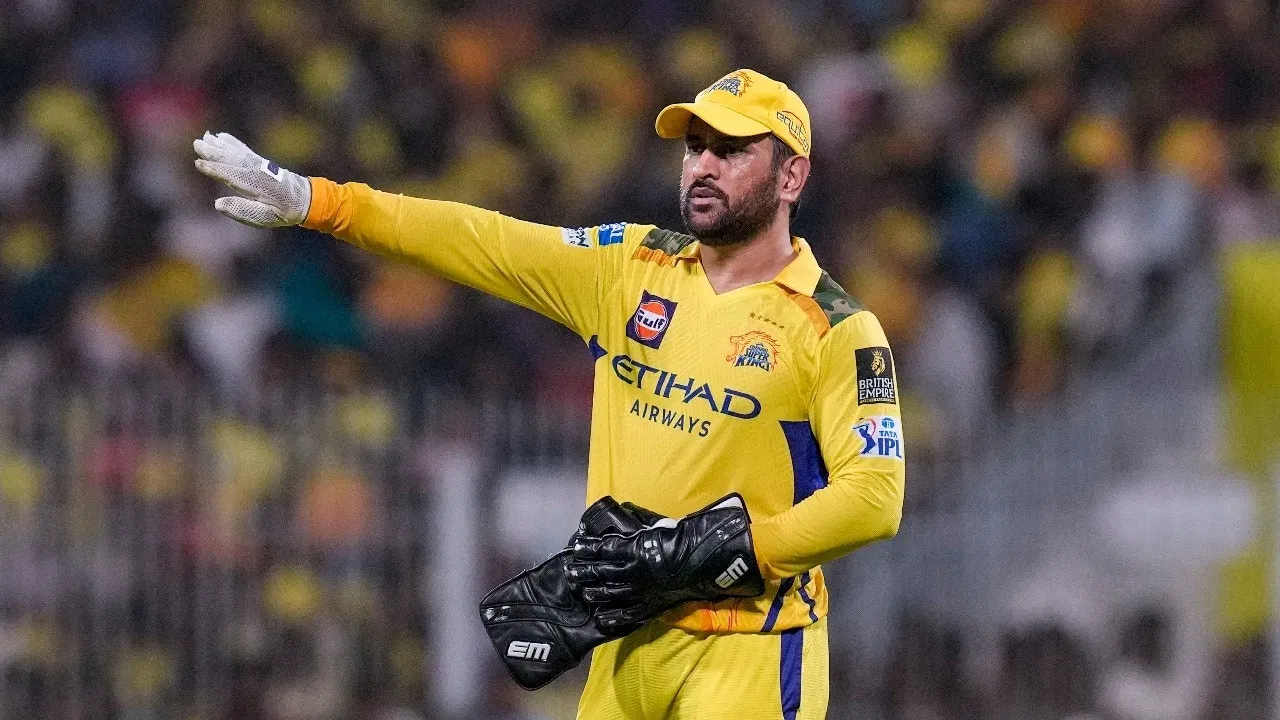
MS Dhoni out of IPL 2026, has not recovered from calf strain
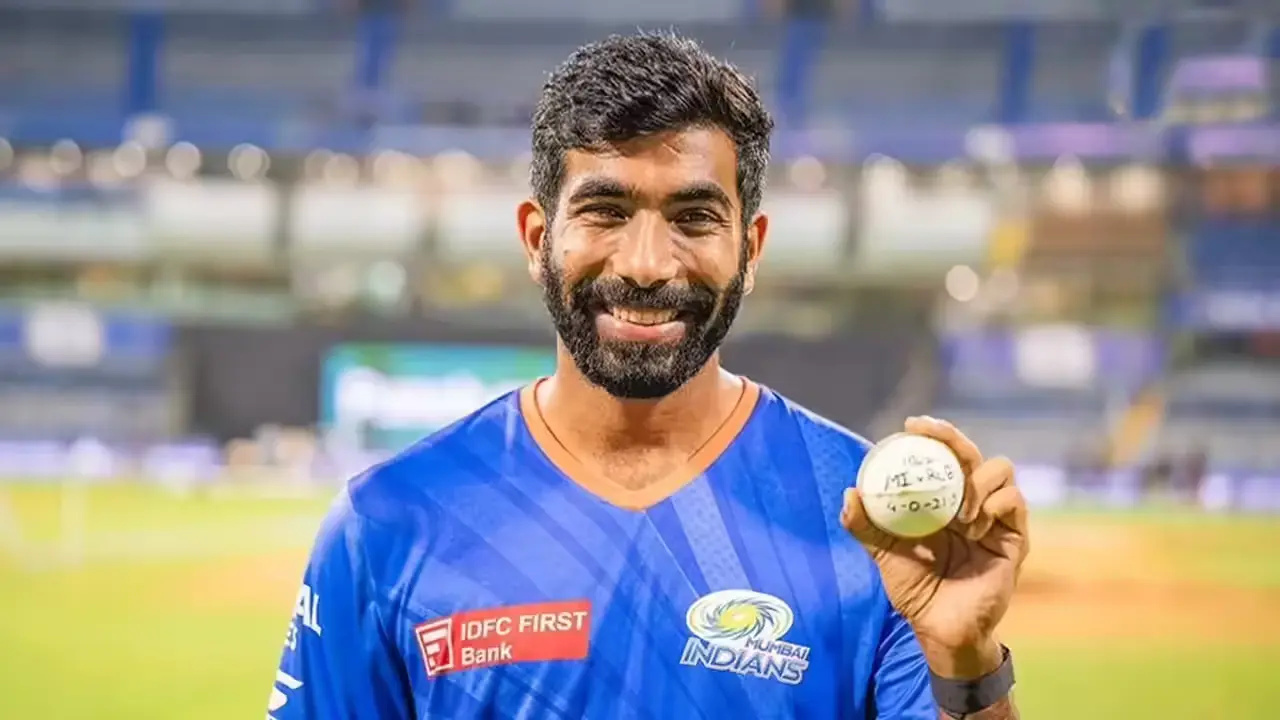
Jasprit Bumrah set to lead MI attack in blockbuster IPL 2026 clash vs KKR