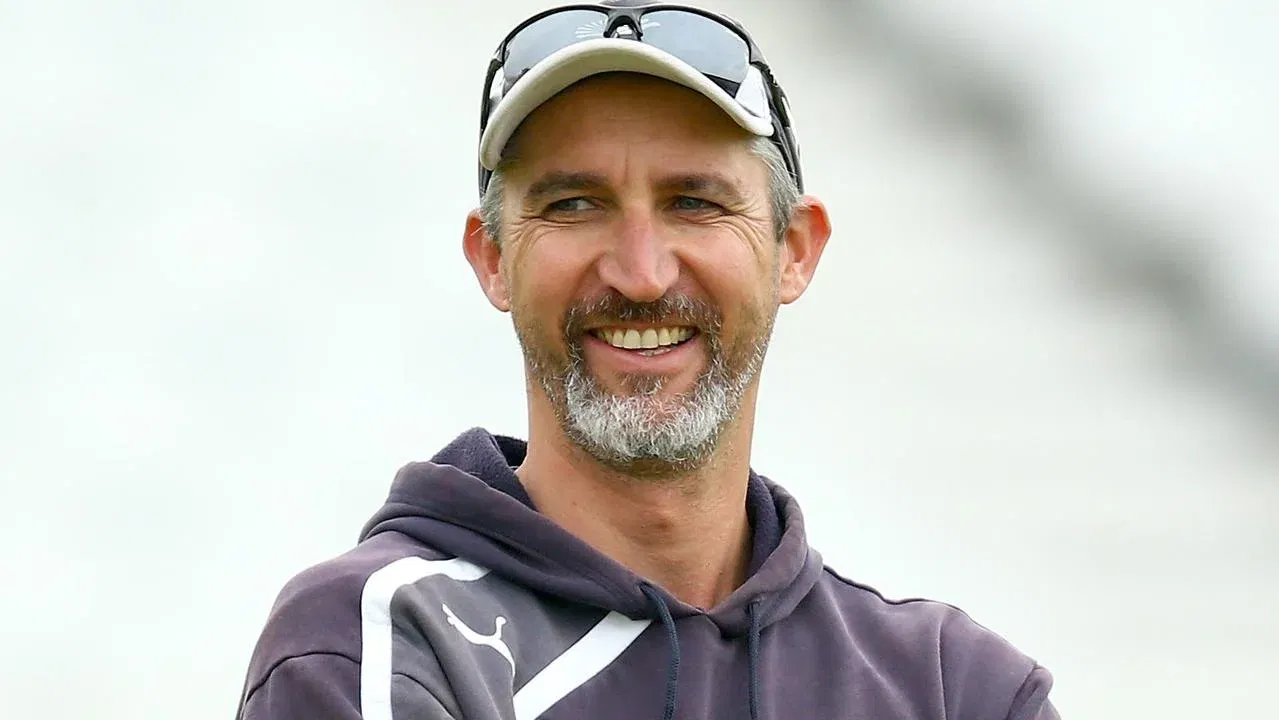
Jonny Bairstow blasts Brendon McCullum, Ben Stokes over Mark Wood’s injury struggles
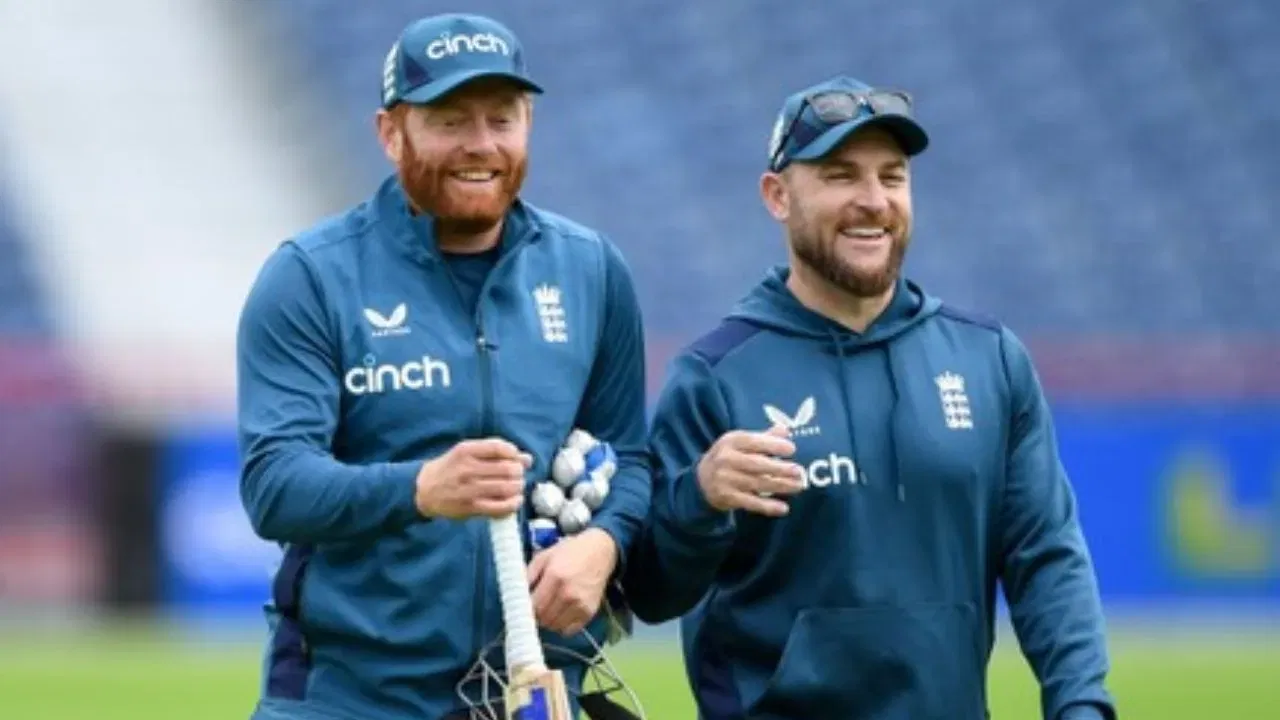
Jonny Bairstow Criticizes England Cricket Leadership
Star England wicketkeeper-batter Jonny Bairstow has taken a swipe at head coach Brendon McCullum, captain Ben Stokes, and director of cricket Rob Key, calling for a return of genuine professional care within the England national cricket team environment.
Comments Following Ashes Series Review
Bairstow’s comments come in the aftermath of the England and Wales Cricket Board (ECB) reviewing their disappointing Ashes series loss to Australia. Despite the humiliating 1-4 defeat, the board chose to retain McCullum, Stokes, and Key at the helm of the team.
The Call for Professional Care in Cricket
Speaking to the British Broadcasting Corporation, Bairstow expressed his frustration with the current leadership’s decision to overlook experienced cricketers. He emphasized the importance of bringing care back into the game and criticized the system for its lack of support for players once they are out of the system.
Bairstow, who played a significant role in the early stages of the Stokes-McCullum era, has not represented England since 2024. Despite scoring four centuries in his first four matches under the new regime, a serious leg injury in 2022 disrupted his form and eventually led to his exclusion from the team in 2024.
Mark Wood’s Selection Criticism
Bairstow also criticized England’s decision to include fast bowler Mark Wood in the Ashes series, despite him missing the previous English summer due to knee surgery. Bairstow believed this rushed selection ultimately led to Wood’s physical breakdown after just one Test match.
He empathized with Wood’s situation, highlighting the challenges of maintaining performance and avoiding injuries without consistent game time. Bairstow emphasized the need for players to be match-fit and not just sporadically involved in a few matches each season.
Warning Against Complacency
Following the Ashes series review, Bairstow echoed concerns raised by director of cricket Rob Key about the team’s loyalty to underperforming batters like Zak Crawley and Ollie Pope. Bairstow warned against complacency in the dressing room, attributing it to a lack of external pressure and accountability.
He highlighted the dangers of becoming too comfortable within a team environment, leading to a sense of complacency and resistance to direct questioning or criticism. Bairstow stressed the importance of maintaining a competitive and challenging atmosphere to drive players to continually improve and perform at their best.
In conclusion, Bairstow’s comments shed light on the internal dynamics and challenges facing the England national cricket team, urging a reevaluation of leadership decisions and a renewed focus on fostering a culture of care, accountability, and competitiveness within the team.
The Impact of Bairstow’s Criticism
Bairstow’s public criticism of the England cricket leadership has sparked a debate within the cricketing community. His comments have raised questions about the team’s management style, player welfare, and selection processes. Many fans and analysts have echoed Bairstow’s concerns, calling for a more player-centered approach and greater transparency in decision-making.
Some have pointed out that Bairstow’s remarks highlight the delicate balance between player performance and well-being in professional sports. The high-pressure environment of international cricket often demands exceptional physical and mental resilience from players, making it crucial for teams to provide adequate support and care to ensure their success and longevity in the sport.
Player Welfare in Professional Cricket
Bairstow’s emphasis on the need for professional care in cricket underscores the growing awareness of player welfare issues in the sport. In recent years, there has been a greater focus on mental health, injury prevention, and work-life balance for professional cricketers. Teams and governing bodies are increasingly investing in support programs, sports psychology services, and medical resources to safeguard the well-being of players.
By speaking out about the challenges faced by players, Bairstow has shed light on the demanding nature of elite-level cricket and the importance of a holistic approach to player development. His critique serves as a reminder that success on the field is not solely determined by physical talent but also by the well-being and resilience of the individuals involved.
Rethinking Selection Policies
Bairstow’s criticism of Mark Wood’s selection in the Ashes series raises questions about the criteria used for player selection and the balance between short-term performance and long-term durability. The debate over whether injured players should be rushed back into the team highlights the complexities of managing a squad and ensuring the well-being of individual players.
His comments serve as a call for greater caution and transparency in the selection process, urging teams to prioritize the health and fitness of players over immediate results. By reevaluating selection policies and considering the long-term impact on players, teams can create a more sustainable and supportive environment for athletes to thrive in.
Fostering a Culture of Excellence
Bairstow’s warning against complacency in the dressing room underscores the importance of maintaining a competitive and challenging team culture. By encouraging accountability, continuous improvement, and a drive for excellence, teams can create an environment where players are motivated to perform at their best and push themselves to new heights.
His call for a renewed focus on fostering a culture of care, accountability, and competitiveness aligns with the broader shift towards creating high-performance environments in professional sports. By prioritizing these values, teams can build stronger bonds, enhance individual and collective performance, and ultimately achieve greater success on and off the field.
In conclusion, Bairstow’s critique serves as a catalyst for reflection and change within the England national cricket team, prompting discussions about leadership, player welfare, and team dynamics. By addressing these issues head-on and implementing thoughtful reforms, teams can create a more supportive and successful environment for players to thrive in.
Latest News
Irfan Pathan questions Arshdeep Singh’s bowling ahead of IPL 2026
“Mind is somewhere else”: Yuvraj’s Father exposes Abhishek Sharma’s indiscipline lifestyle
EX-RCB pacer joins KKR as replacement of Harshit Rana ahead of IPL 2026

“Win our first trophy”: Sanjiv Goenka crowns LSG as champions ahead of IPL 2026
New catching rule? Captains warned over ‘Incomplete’ catches ahead of IPL 2026
Pat Cummins in awe of Ishan Kishan’s captaincy

Ex-India star accuses teammates of ‘Racism’, blames it for early international exit
“I love watching Shreyas Iyer bat” – PBKS all-rounder Cooper Connolly ahead of IPL 2026
Yograj Singh gives Ravichandran Ashwin belt treatment because of Arjun Tendulkar remarks
CSK legend advises Shubman Gill the best way to bounce back in T20I team
Jasprit Bumrah Injury Scare, reason behind visit to CoE revealed
“Didn’t invite me”: R Ashwin puts Kuldeep Yadav in spotlight over wedding snub
Ireland Cricket announced the full list of central contracts for the 2026-27 season
Gautam Gambhir gets court protection against deep fake allegations