Josh Hazlewood doubtful for remainder of Ashes 2025-26 amid injury concerns
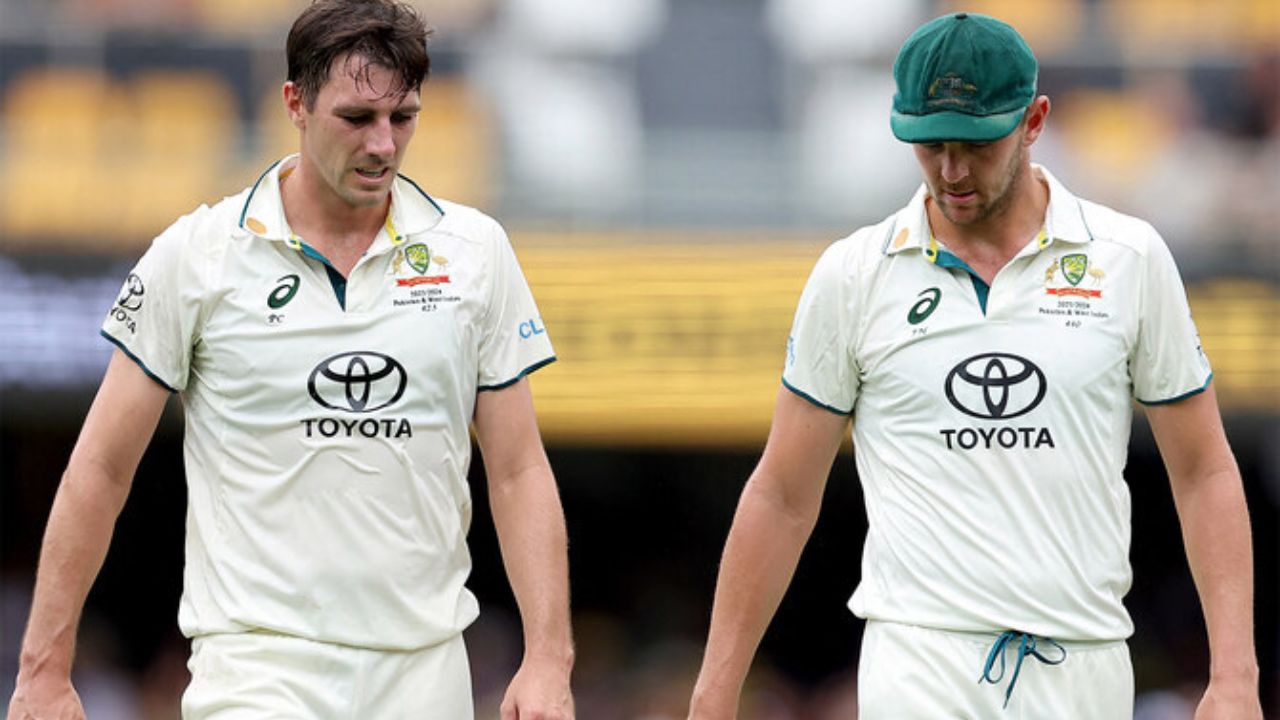
Josh Hazlewood’s Participation in Ashes Series in Doubt Due to Achilles Injury
Veteran Australian fast bowler Josh Hazlewood’s future in the ongoing Ashes series has been thrown into uncertainty after suffering a new low-grade Achilles injury. The setback has raised concerns about his availability for the remaining matches of the Test series on home soil.
Hazlewood, who missed the first two Tests of the Ashes 2025-26 series due to a hamstring problem, was expected to join the Australian squad in Brisbane for rehabilitation. However, those plans were derailed when he picked up the Achilles injury, forcing him to remain in Sydney for recovery.
Cricket Australia Provides Update on Hazlewood’s Injury
Cricket Australia confirmed on Friday that Hazlewood had developed Achilles soreness while recovering from his hamstring injury. Despite the setback, officials are hopeful that the 34-year-old will be able to resume running and bowling next week as part of his rehabilitation.
According to a spokesperson from CA, “Josh Hazlewood reported Achilles soreness this week during his rehabilitation from a recent hamstring injury. It is a low-grade issue, and he is expected to recommence running and bowling next week.”
Concerns Over Hazlewood’s Return Timeline
While there is optimism about Hazlewood’s progress, there are doubts about his availability for the upcoming matches in the Ashes series. With the third Test scheduled to start on December 17, there is growing concern that the fast bowler may not be fit in time and could potentially miss multiple matches.
Hazlewood’s history of injuries, including previous Achilles setbacks, has added to the uncertainty surrounding his return timeline. The right-arm pacer has missed multiple Tests in recent years due to various fitness issues, including a calf problem that sidelined him during the Border-Gavaskar Trophy last season.
Impact on Australian Bowling Lineup
With Hazlewood’s participation in doubt, Australia’s bowling attack will face additional challenges in the absence of captain Pat Cummins, who is recovering from a back injury. The team managed to secure a victory in the first Test with Scott Boland and Mitchell Starc leading the bowling charge.
Despite his injury woes, Hazlewood has been a key figure in the Australian bowling lineup, boasting 295 wickets in 76 Tests at an impressive average of 24.21. His absence could potentially disrupt the team’s plans for the remaining matches of the Ashes series.
Recovery Timeline and RCB’s Concerns
Hazlewood’s recovery timeline remains uncertain, leaving his Indian Premier League (IPL) team, Royal Challengers Bengaluru (RCB), concerned about his availability for the upcoming season. The fast bowler has a history of taking longer than expected to recover from Achilles injuries, raising questions about his return to full fitness.
While Hazlewood’s focus remains on regaining fitness in time for the Ashes series, his Achilles injury has cast a shadow of doubt over his participation in the remainder of the high-profile Test matches against England.
Specialized Rehabilitation Program for Hazlewood
Given the delicate nature of Achilles injuries and Hazlewood’s history of fitness setbacks, Cricket Australia is implementing a specialized rehabilitation program to ensure the fast bowler’s safe return to the field. The program will focus on strengthening the affected area, improving flexibility, and gradually reintroducing Hazlewood to running and bowling activities.
Additionally, experts will closely monitor Hazlewood’s progress to prevent any potential setbacks and optimize his recovery timeline. The goal is to have him fully fit and ready to contribute to the Australian team’s bowling attack as soon as possible, but without rushing his return and risking further injury.
Strategies to Fill the Bowling Void
With Hazlewood’s uncertain availability, the Australian team management is exploring various strategies to fill the void left by the experienced fast bowler. Options include potentially bringing in younger talents like Jhye Richardson or Michael Neser to bolster the pace attack, or relying on the existing pool of bowlers to step up in Hazlewood’s absence.
Coach Andrew McDonald emphasized the depth of talent in the Australian bowling lineup and expressed confidence in the team’s ability to adapt to changing circumstances. While Hazlewood’s absence would undoubtedly be felt, the team is prepared to adjust their tactics and rotation to maintain a strong bowling unit throughout the series.
Long-Term Implications for Hazlewood’s Career
As Hazlewood navigates yet another injury setback in his career, questions arise about the long-term implications for the veteran fast bowler. With a packed international cricket calendar and the demands of franchise T20 leagues like the IPL, managing Hazlewood’s workload and fitness will be crucial moving forward.
Experts suggest that Hazlewood may need to consider a more cautious approach to his schedule, prioritizing rest and recovery to prolong his career and avoid recurring injuries. Balancing the demands of Test cricket, limited-overs formats, and T20 leagues presents a significant challenge for fast bowlers like Hazlewood, highlighting the importance of a well-rounded fitness and injury prevention strategy.
Support System for Injured Players
In light of Hazlewood’s injury struggles, Cricket Australia and other cricket boards are emphasizing the need for a robust support system for injured players. From specialized medical staff to sports psychologists and physical therapists, providing comprehensive care for players dealing with injuries is essential to their physical and mental well-being.
Creating a culture where players feel supported and encouraged to prioritize their health and recovery is crucial in preventing long-term consequences of injuries like Hazlewood’s Achilles issue. By investing in player welfare and implementing proactive injury prevention measures, teams can mitigate the impact of injuries on player performance and career longevity.
As the cricketing world awaits updates on Hazlewood’s recovery and potential return to action, the focus remains on his well-being and ensuring that he can resume his role as a key contributor to the Australian bowling attack. Hazlewood’s determination and resilience in overcoming past challenges will undoubtedly play a crucial role in his journey back to full fitness and competitive cricket.
Latest News
“Only God can save them”: SRH’s bowling attack slammed as “fake” and “terrible” after RCB thrashing
“I find him quite bizarre”: Ravichandran Ashwin’s no-nonsense verdict on Virat Kohli
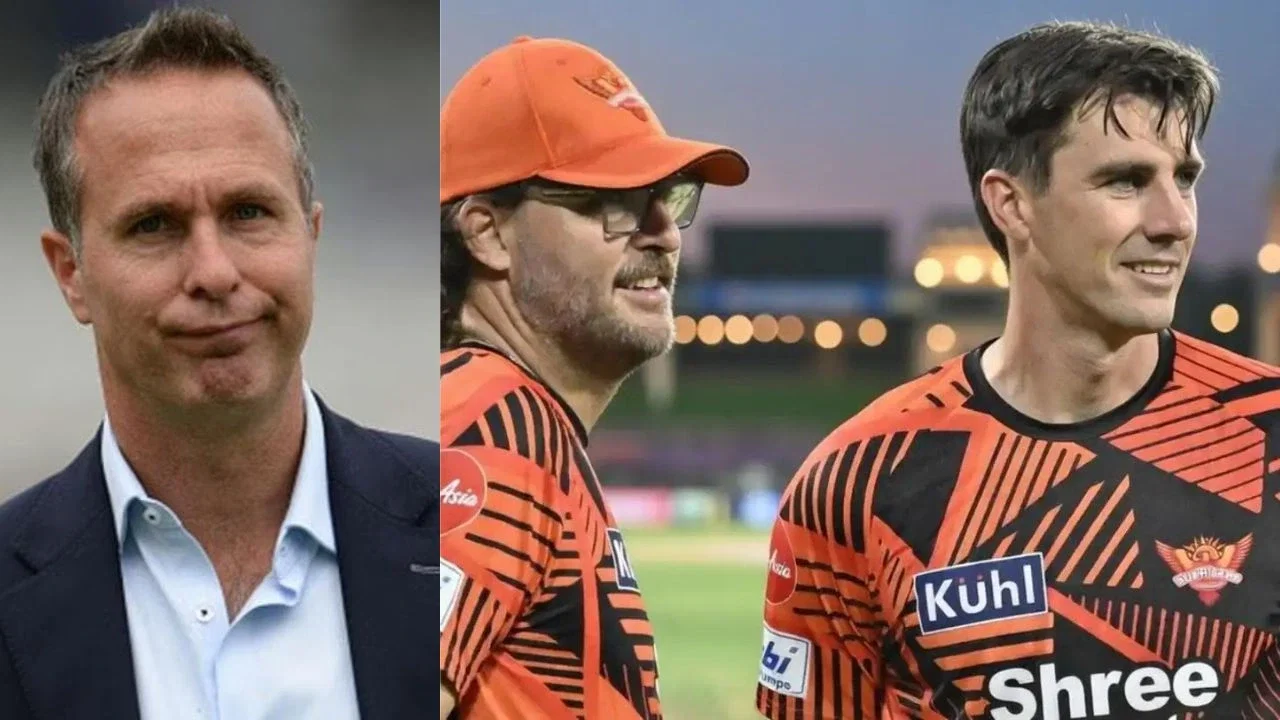
Michael Vaughan makes a bold declaration on IPL 2026, hands SRH no chance for the playoffs
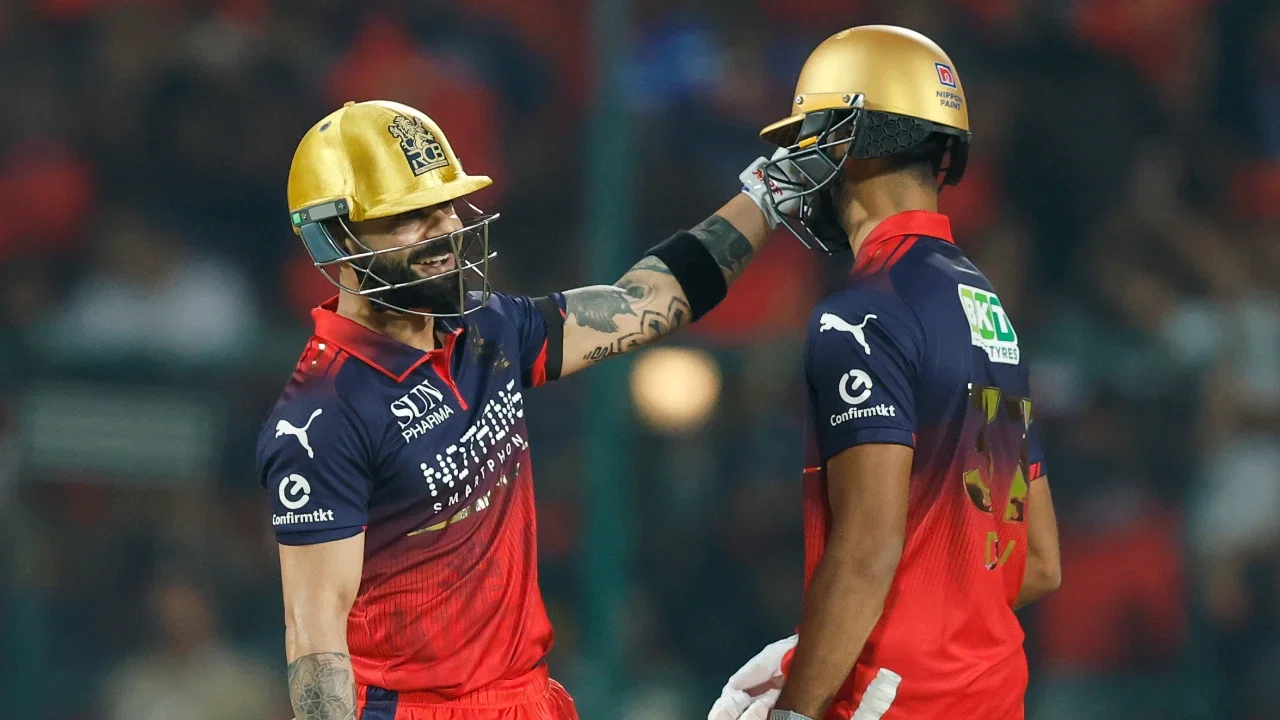
‘Virat Kohli made my job easier’: Devdutt Padikkal bows down to King after heroics vs SRH

“We dedicate this win to 11 fans”: RCB captain Rajat Patidar pays tribute to stampede victims
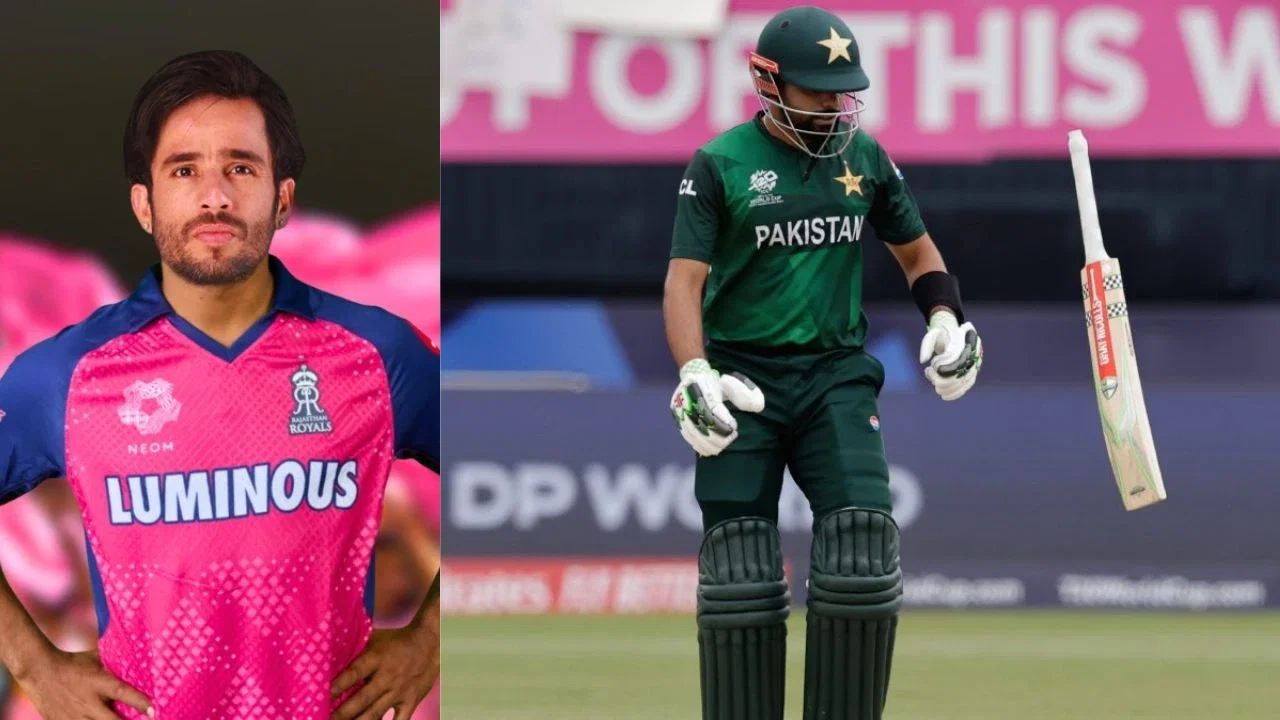
Ravi Bishnoi trolls Babar Azam from the Rajasthan Royals training camp
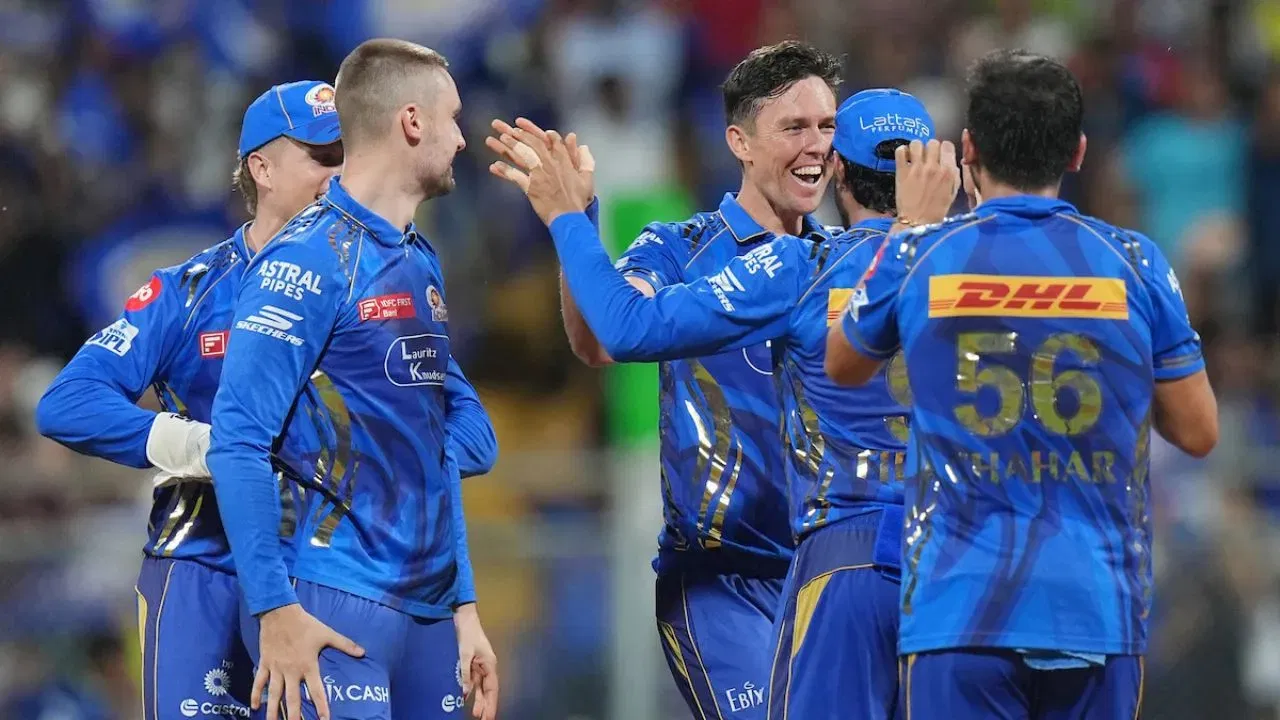
Mumbai Indians on the verge of history ahead of IPL 2026 clash against KKR
Jofra Archer imitates Ravindra Jadeja’s bowling action in nets amid IPL 2026 (Watch video)

‘Tommy, Ek ko papa chun le’: Harbhajan Singh delivers abusive responses to commentary critics
Huge blow for CSK! MS Dhoni likely out for six matches in IPL 2026
Rohit Sharma to wreak havoc at Wankhede! Ex-BCCI selector’s massive warning for KKR bowlers
‘Shreyas Iyer is one of the strongest captains in IPL’ – Australia star in awe of PBKS skipper
Shubman Gill out? Virat Kohli’s Test comeback as captain suggested by CSK legend
Jason Gillespie gives major update on Glenn Maxwell’s availability for PSL 2026