Kagiso Rabada ruled out of Guwahati Test vs India, confirms Temba Bavuma
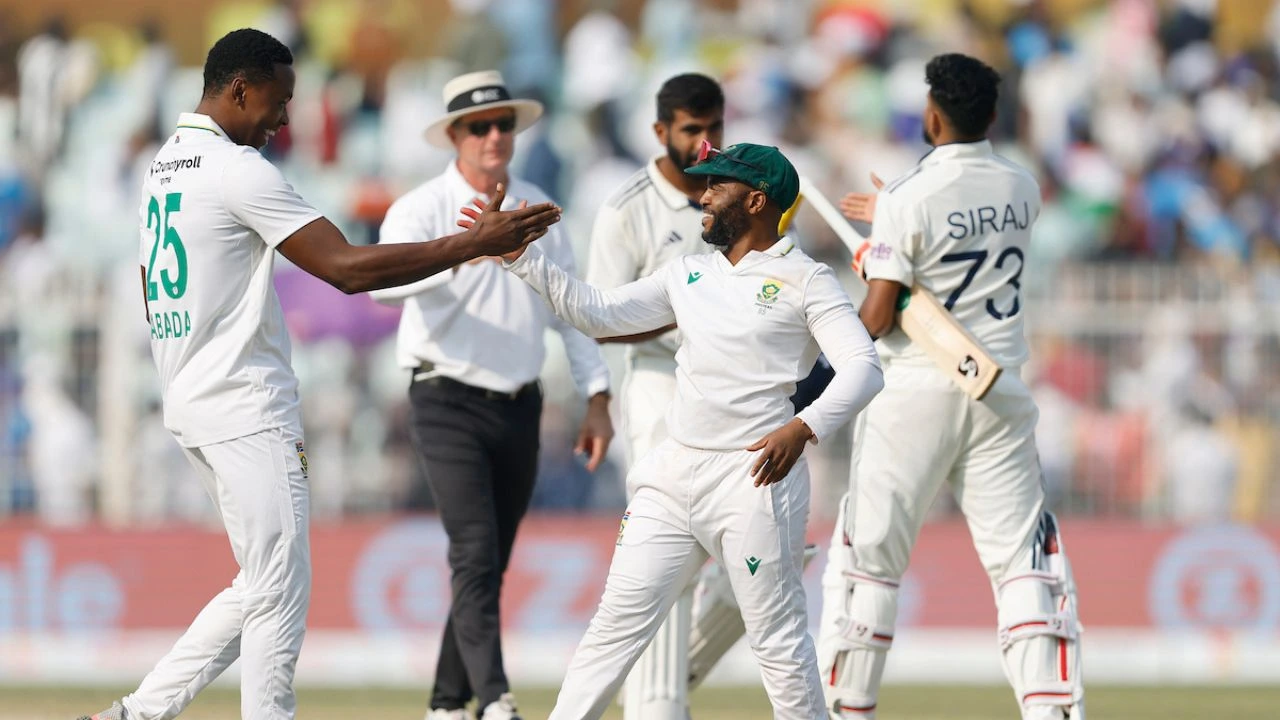
South African Pace Spearhead Kagiso Rabada Ruled Out of Second Test Match Against India
In a significant setback for the South Africa National Cricket Team, star fast bowler Kagiso Rabada has been ruled out of the upcoming second Test match against the India National Cricket Team. The Proteas will face off against India in Guwahati starting from November 22.
Rib Injury Forces Rabada Out
Rabada, a key member of the South African Test squad, was initially expected to play in the first match of the series at Eden Gardens in Kolkata. However, an unfortunate rib injury sustained during training in South Africa forced him to withdraw from the game. Despite undergoing multiple medical assessments, Rabada was deemed unfit to take the field.
Reports had hinted at his potential absence from the second Test, prompting Cricket South Africa (CSA) to include Lungi Ngidi in the squad as cover. While Proteas bowling coach Piet Botha confirmed ongoing monitoring of Rabada’s condition, South African skipper Temba Bavuma has now officially confirmed the fast bowler’s unavailability for the Guwahati Test.
Bavuma’s Update and Pitch Assessment
Speaking on Rabada’s injury, Bavuma stated, “Pacer Kagiso Rabada has been ruled out of the second Test against India due to a rib injury.” The skipper also provided insights on the Guwahati pitch, noting its freshness and predictability over the first two days of play.
“This wicket looks a lot fresher and will be more consistent in terms of variability compared to Kolkata. We will have another look in the morning and decide on Kagiso’s replacement,” Bavuma remarked. He emphasized the traditional sub-continental nature of the pitch, highlighting the shift from batting-friendly conditions to spin-friendly surfaces as the match progresses.
Jealousy Over Test Series Length
Bavuma also expressed his envy of the ongoing Ashes series between Australia and England, which features a five-match Test format—a luxury not afforded to South Africa. “Woke up in the morning watching Ashes feeling jealous that they will play five Tests. We have expressed our frustrations about playing shorter series. Hopefully we will again play four Test series against India,” he shared.
Despite South Africa’s success in the previous ICC World Test Championship cycle, where they emerged victorious by defeating Australia in the final at Lord’s Cricket Ground, the team continues to face shorter series durations in the current championship cycle. Most of their fixtures consist of only two matches, limiting their playing opportunities and resulting in calls for longer series formats.
As the Proteas gear up to take on India without Rabada’s services, fans and pundits alike will eagerly anticipate how the team adapts to the bowling lineup changes and navigates the challenging conditions in Guwahati.
Impact of Rabada’s Absence on South Africa’s Bowling Attack
Kagiso Rabada’s absence from the second Test against India poses a significant challenge for the South African bowling unit. As the team’s pace spearhead, Rabada’s ability to generate pace, swing, and bounce has often been a game-changer in Test matches. His aggressive style of bowling and knack for picking up crucial wickets make him a valuable asset on any pitch.
Without Rabada leading the attack, the responsibility will fall on other bowlers like Lungi Ngidi, Anrich Nortje, and Marco Jansen to step up and fill the void. Ngidi, in particular, will be under pressure to deliver in Rabada’s absence. Known for his ability to bowl with pace and extract movement off the surface, Ngidi will need to take on a greater leadership role and lead the South African pace attack against a formidable Indian batting lineup.
Challenges of Playing in Sub-Continental Conditions
Playing in sub-continental conditions presents unique challenges for visiting teams, especially those from pace-friendly environments like South Africa. The slow, low pitches in India often favor spin bowlers, making it crucial for South Africa to adapt their bowling strategies accordingly. Without Rabada’s express pace and bounce, the Proteas will need to rely on their spinners to pick up wickets and contain the Indian batsmen.
Spinners like Keshav Maharaj and Tabraiz Shamsi will play a crucial role in exploiting the conditions and building pressure on the Indian batsmen. Their ability to vary their pace, flight the ball, and generate turn will be key in restricting India’s scoring rate and creating opportunities to take wickets. The South African fielders will also need to be sharp and agile in the field to capitalize on any chances that come their way.
Looking Ahead: Building Team Resilience and Depth
As South Africa navigates the challenges of playing without Rabada in the upcoming Test match, it provides an opportunity for the team to showcase their resilience and depth. Injuries are an inevitable part of professional sports, and how teams respond to setbacks often defines their character and competitiveness.
By giving opportunities to other bowlers to step up and perform in Rabada’s absence, South Africa can strengthen their overall squad depth and prepare for future challenges. Building a strong bench strength ensures that the team is not overly reliant on individual players and can adapt to different playing conditions and opposition strategies.
Final Thoughts: Embracing the Uncertainty of Sport
While Rabada’s absence may be a blow to South Africa’s chances in the second Test against India, it also adds an element of unpredictability and excitement to the match. Sport is inherently unpredictable, and it is often in moments of adversity that teams discover new strengths and capabilities.
As South Africa takes the field in Guwahati without their star fast bowler, fans can expect a fierce contest between bat and ball, with both teams looking to assert their dominance in challenging conditions. The outcome of the match will not only be determined by individual performances but also by the collective effort and resilience of the entire team.
Ultimately, it is in facing challenges head-on and overcoming adversity that teams forge their identity and leave a lasting impact on the world of cricket.
Latest News
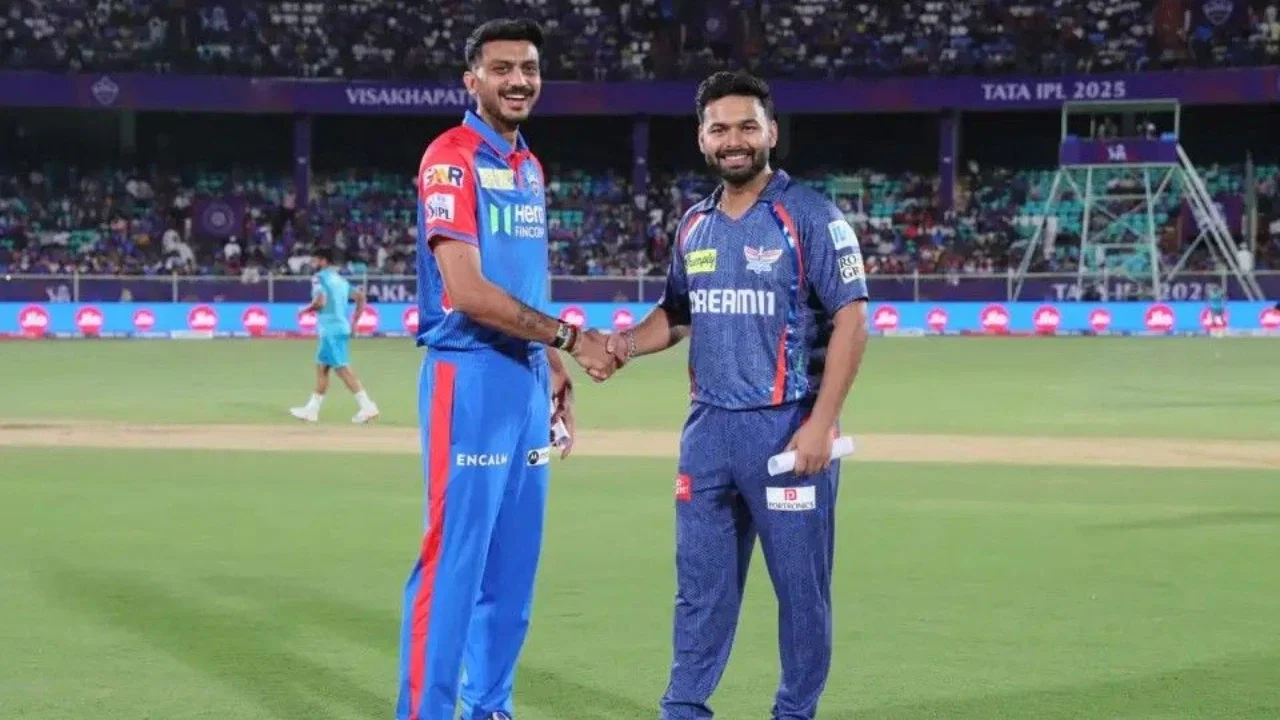
LSG vs DC Match No. 5 Preview: Free Live Streaming, Pitch & Weather Report, Head-to-Head | IPL 2026

LSG vs DC Match Prediction – Who Will Win Match No.5? | IPL 2026
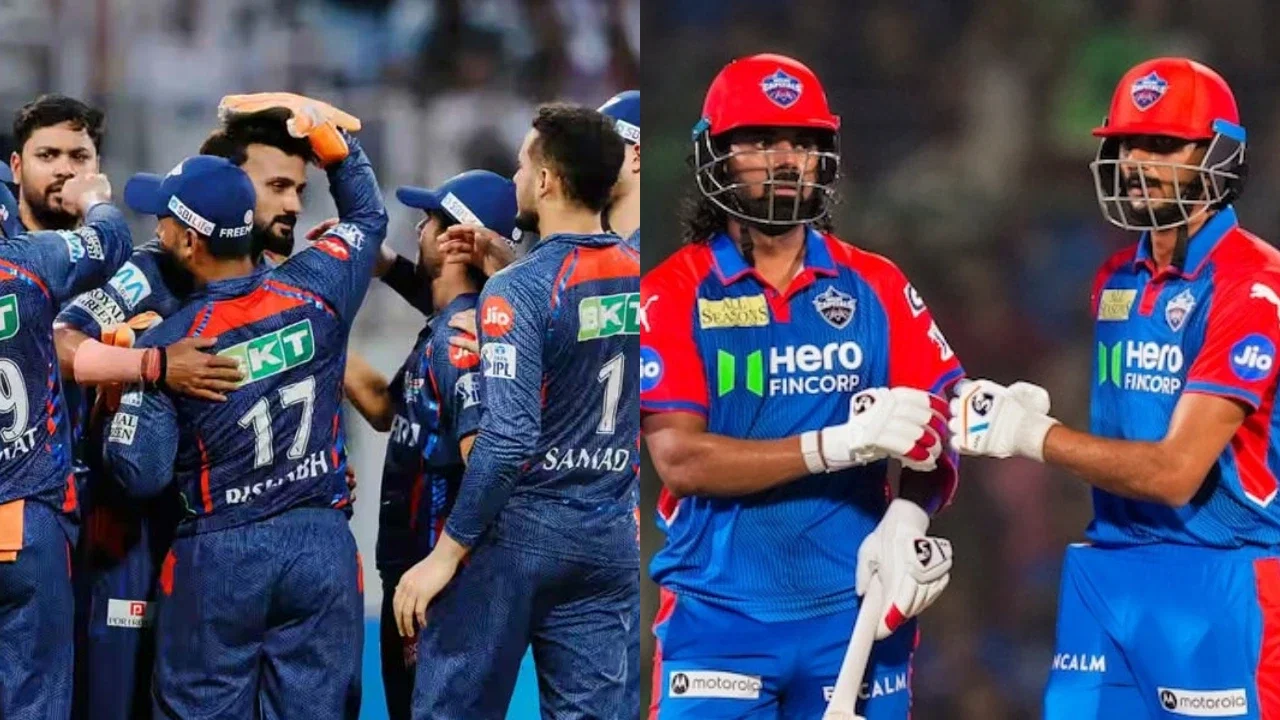
LSG Playing XI vs DC Playing XI – Match No. 5 | IPL 2026
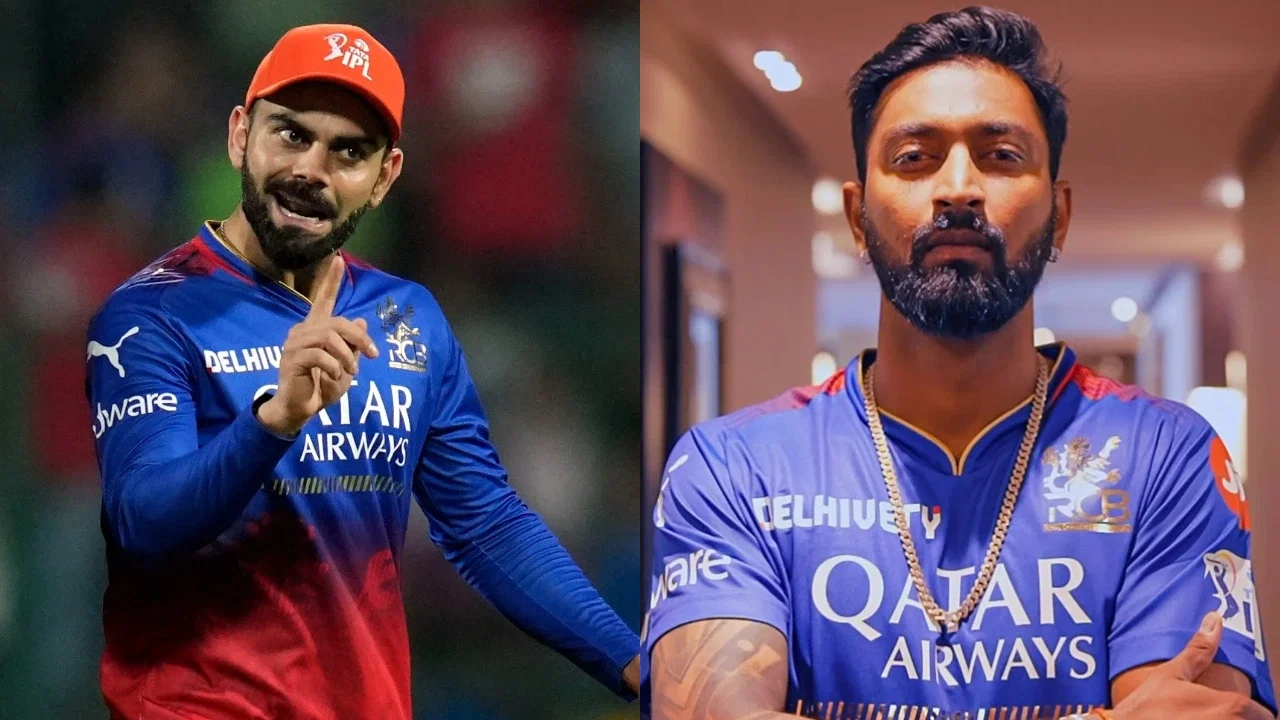
Krunal Pandya breaks silence on India snub, opens up on Virat Kohli
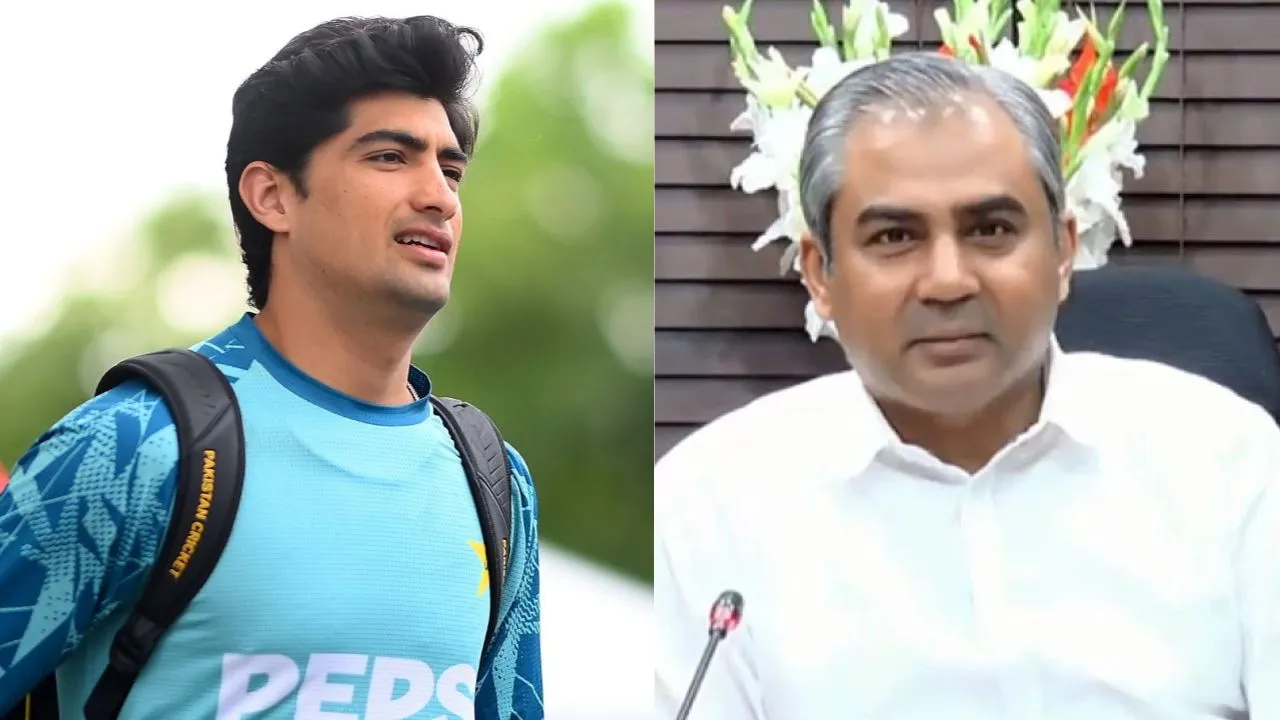
Mohsin Naqvi enforces new social media rules for Pakistan players following Naseem Shah incident
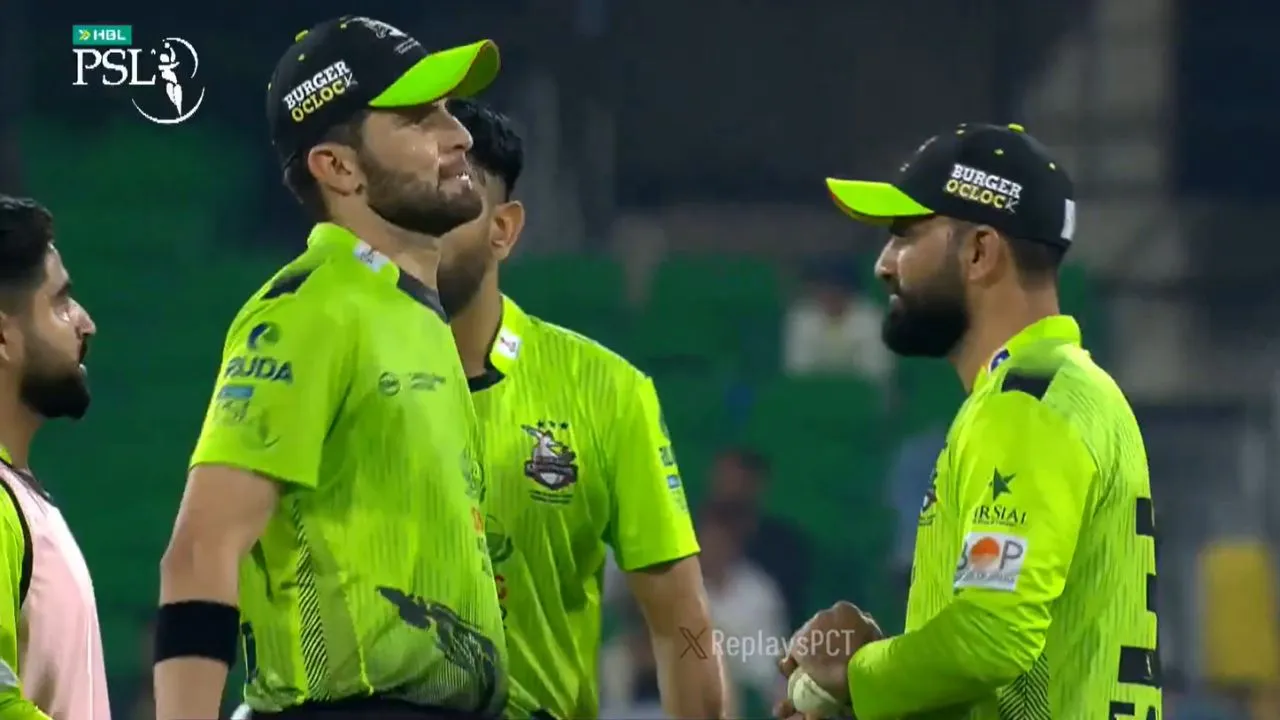
Fakhar Zaman officially handed cricket ban after PSL 2026 ball-tampering controversy
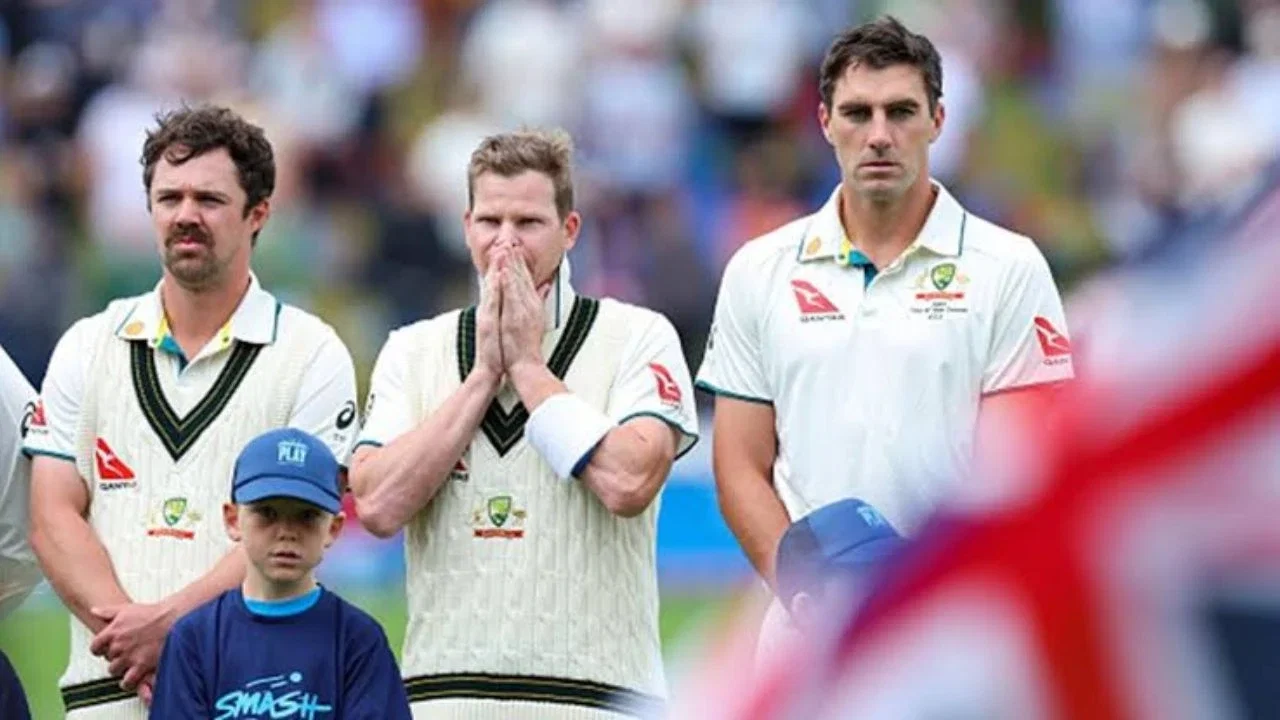
Pat Cummins forces Cricket Australia to slash central contracts list to secure premium deal
CSK’s big promise to players revealed amid IPL 2026: “Whatever BCCI offers, we’ll double it”
Ravichandran Ashwin rules out Vaibhav Sooryavanshi’s India call-up
Rashid Latif claims PSL ball-tampering row was deliberately created for attention amid IPL rivalry
Mohammed Shami breaks silence on retirement buzz after India snub; has special message for LSG
Mohammed Shami reveals IPL 2026 Top 4, leaves out five-time champions
Mohammed Shami hits back at Ravichandran Ashwin over LSG’s poor IPL 2026 prediction
Riyan Parag mocked Sanju Samson? Batter’s muscle-flex celebration after sensational 6 vs CSK goes viral