Kapil Dev drops bombshell verdict on Gautam Gambhir: “How can you be a coach…”
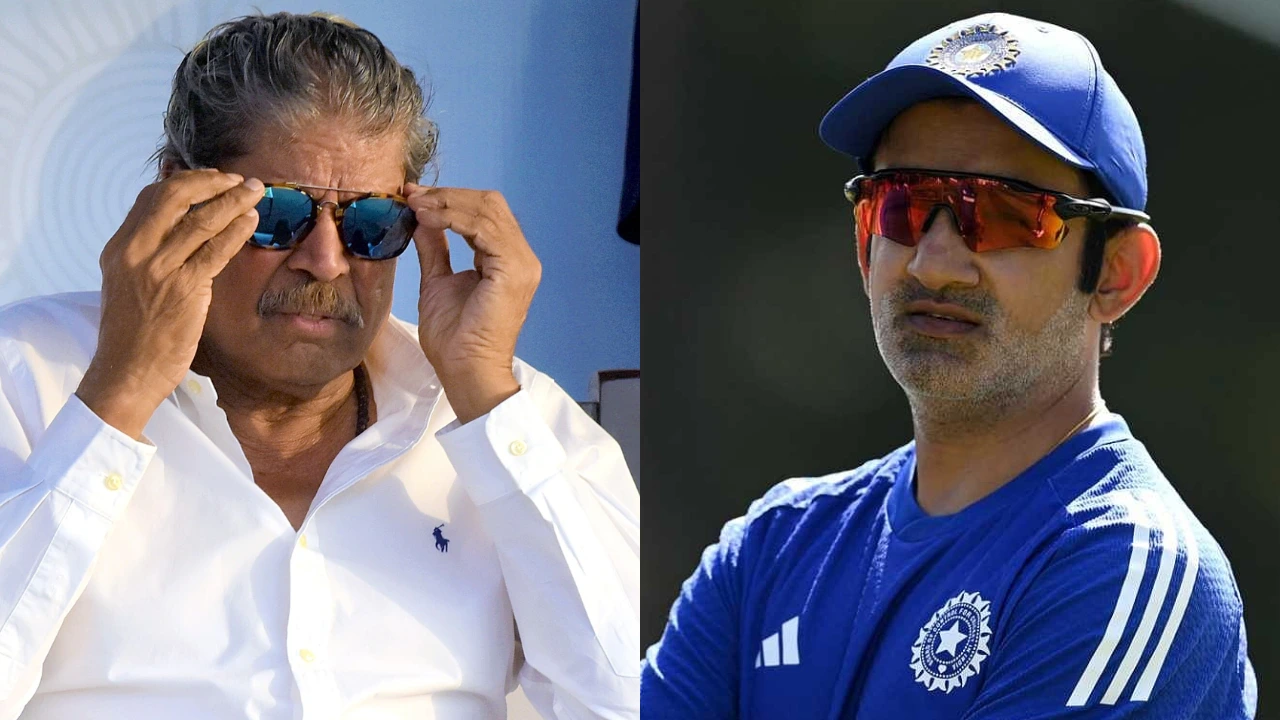
Legendary Indian Cricketer Kapil Dev Weighs in on Modern-day Coaching
Recently, amidst the aftermath of India’s home Test series loss to South Africa, legendary cricketer Kapil Dev shared his insights on the evolving role of a head coach in the sport. The current head coach, Gautam Gambhir, has come under scrutiny following India’s second whitewash at home during his tenure.
A New Perspective on Coaching
Kapil Dev, India’s first-ever World Cup-winning captain, expressed his belief that the term “coach” is often misunderstood in contemporary cricket. He emphasized that international cricketers do not require the same level of technical coaching as young players in school or college. Instead, players need someone who can manage the team environment, understand emotions, and maintain confidence among the players.
During a discussion at the Indian Chamber of Commerce ICC Centenary Session, Kapil Dev remarked, “Today that word is called a coach… ‘coach’ is a very common word today. Gautam Gambhir can’t be a coach. He can be a manager of the team.”
Managerial Role Over Technical Coaching
The former Indian all-rounder highlighted that the primary responsibility of a head coach is to manage players rather than focus on technical coaching. Kapil Dev humorously questioned Gambhir’s ability to coach a leg-spinner, emphasizing the importance of providing comfort, support, and encouragement to players, especially during challenging times.
Kapil Dev elaborated, “How can you be a coach when they have given a name to, let’s say, anybody—a leg-spinner? How can Gautam be a coach to a leg-spinner or to the wicketkeeper? I think you have to manage.”
Leadership Lessons from a Cricket Icon
In a direct message to Gautam Gambhir, Kapil Dev highlighted the significance of creating a positive and supportive environment for players. He stressed the importance of spending time with underperforming players, providing them with confidence and guidance to help them bounce back from setbacks.
Kapil Dev concluded by emphasizing the essential role of a captain in not only focusing on personal performance but also in uniting and uplifting the team as a whole.
As the cricketing world continues to evolve, Kapil Dev’s insights shed light on the changing dynamics of coaching and leadership in modern-day cricket, emphasizing the crucial role of a coach as a manager and motivator rather than just a technical instructor.
Adaptability in Coaching
One key aspect of coaching that Kapil Dev touched upon is the need for adaptability. In modern-day cricket, with different formats like T20s, ODIs, and Test matches, players face varying challenges that require different approaches. A coach must be able to adapt their coaching style to suit the needs of the players and the format of the game. This adaptability ensures that the team can perform well across all formats and excel in different conditions.
Mental Strength and Resilience
Another important aspect of coaching highlighted by Kapil Dev is the focus on mental strength and resilience. In the high-pressure world of international cricket, players often face setbacks and failures. A coach’s role is not just to provide technical guidance but also to build the mental fortitude of the players. By instilling confidence, resilience, and a positive mindset, a coach can help players overcome challenges and perform at their best even in difficult situations.
Building Team Spirit
Team spirit and unity are crucial for success in cricket. Kapil Dev emphasized the role of a coach in fostering a strong team culture and building camaraderie among players. A coach should create an environment where players feel supported, valued, and motivated to perform for the team. By promoting teamwork and unity, a coach can bring out the best in each player and create a cohesive unit that works towards a common goal.
Continuous Learning and Improvement
In the fast-paced world of cricket, where new techniques, strategies, and innovations emerge constantly, a coach must be committed to continuous learning and improvement. Kapil Dev’s insights underscore the importance of staying updated with the latest trends in the game, analyzing player performances, and seeking ways to enhance the team’s overall performance. A coach who is willing to learn, adapt, and evolve will be better equipped to guide the team to success in the ever-changing landscape of cricket.
Legacy of Leadership
As a cricketing icon and a former World Cup-winning captain, Kapil Dev’s words carry weight not just in the context of coaching but also in leadership. His emphasis on the role of a captain in uplifting the team and fostering a positive environment reflects timeless leadership principles that are applicable beyond the boundaries of the cricket field. By focusing on mentorship, guidance, and team spirit, leaders in any field can inspire their team members to achieve their best and work towards shared goals.
In conclusion, Kapil Dev’s perspective on modern-day coaching offers valuable insights into the evolving dynamics of cricket coaching and leadership. By emphasizing the importance of adaptability, mental strength, team spirit, continuous learning, and legacy of leadership, Kapil Dev provides a holistic view of what it takes to succeed as a coach in the competitive world of cricket.
Latest News

Mumbai Indians suffer blow! Mitchell Santner, Will Jacks ruled out of IPL 2026 games
MI vs KKR Match Prediction – Who Will Win Match No.2? | IPL 2026
Mumbai Indians Playing XI vs Kolkata Knight Riders Playing XI- Match No. 2 | IPL 2026
MI vs KKR Match 2 Preview: Free Live Streaming, Pitch & Weather Report, Head-to-Head | IPL 2026
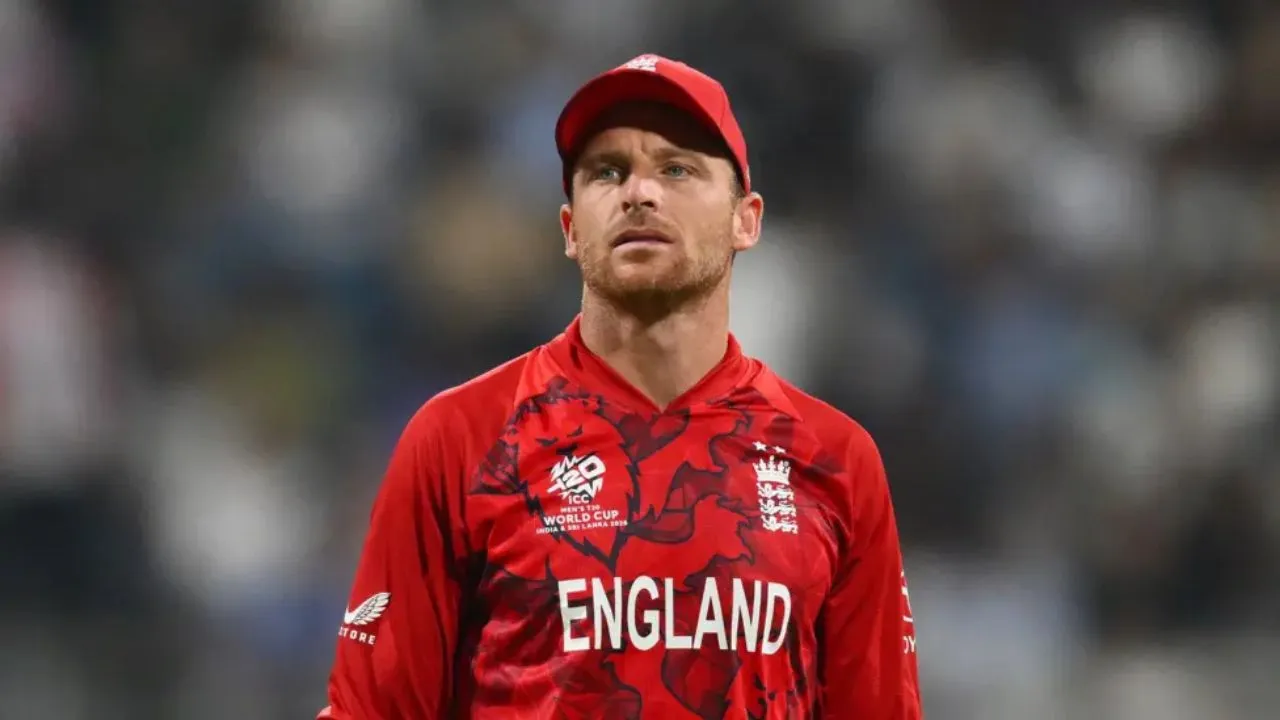
Not English cricket! Jos Buttler credits IPL for his success as a cricketer
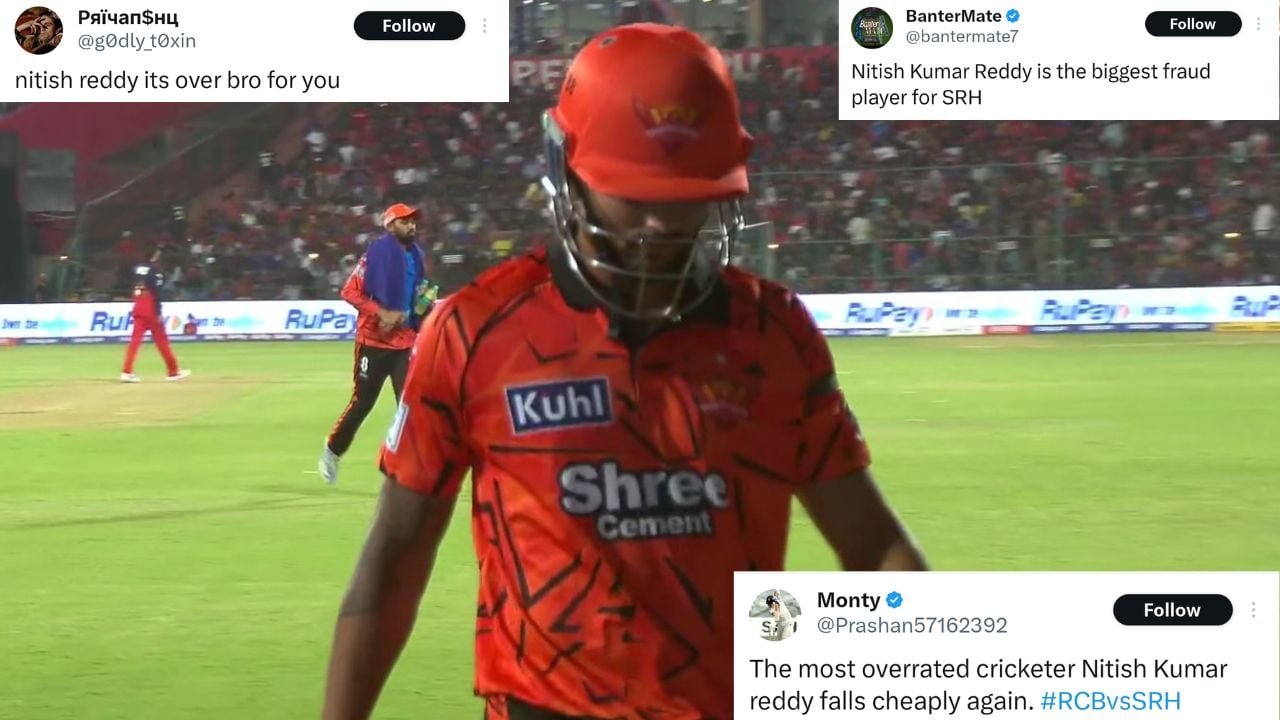
“Nitish Kumar Reddy is biggest fraud”: Fans fume as SRH star fails vs RCB in IPL 2026 opener
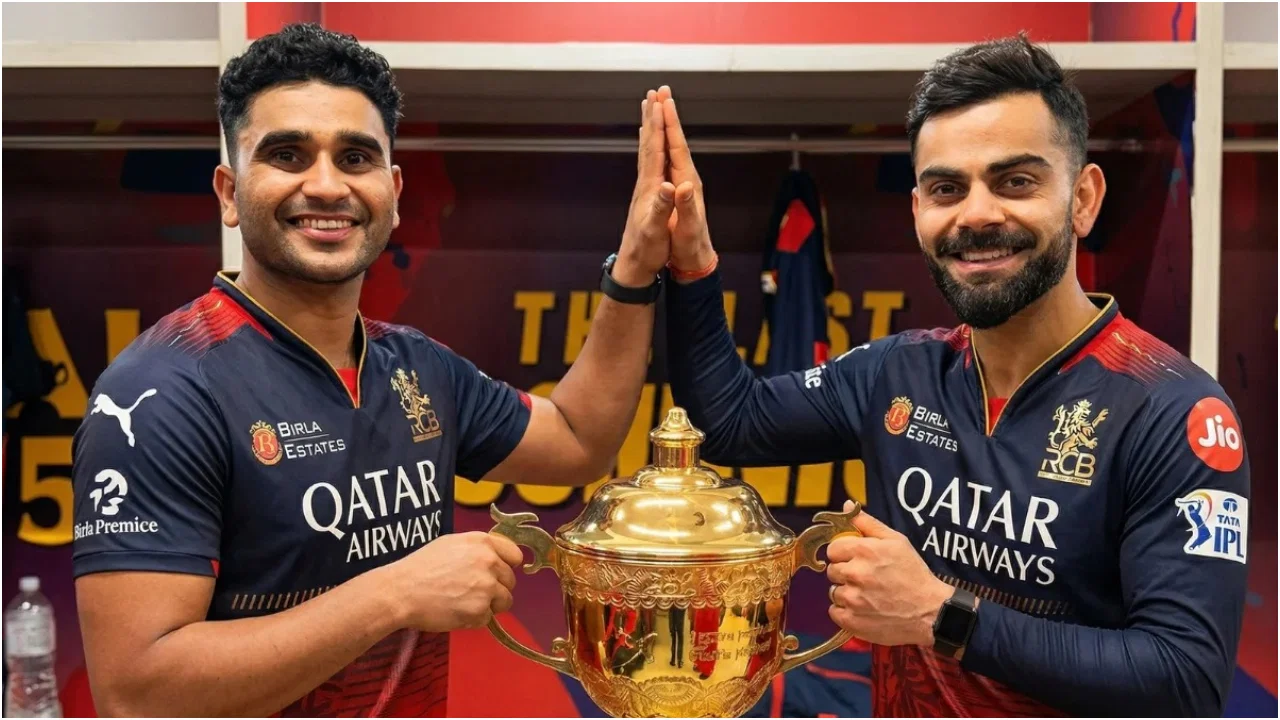
Who is Abhinandan Singh? The Virat Kohli troublemaker who made his IPL debut for RCB vs SRH
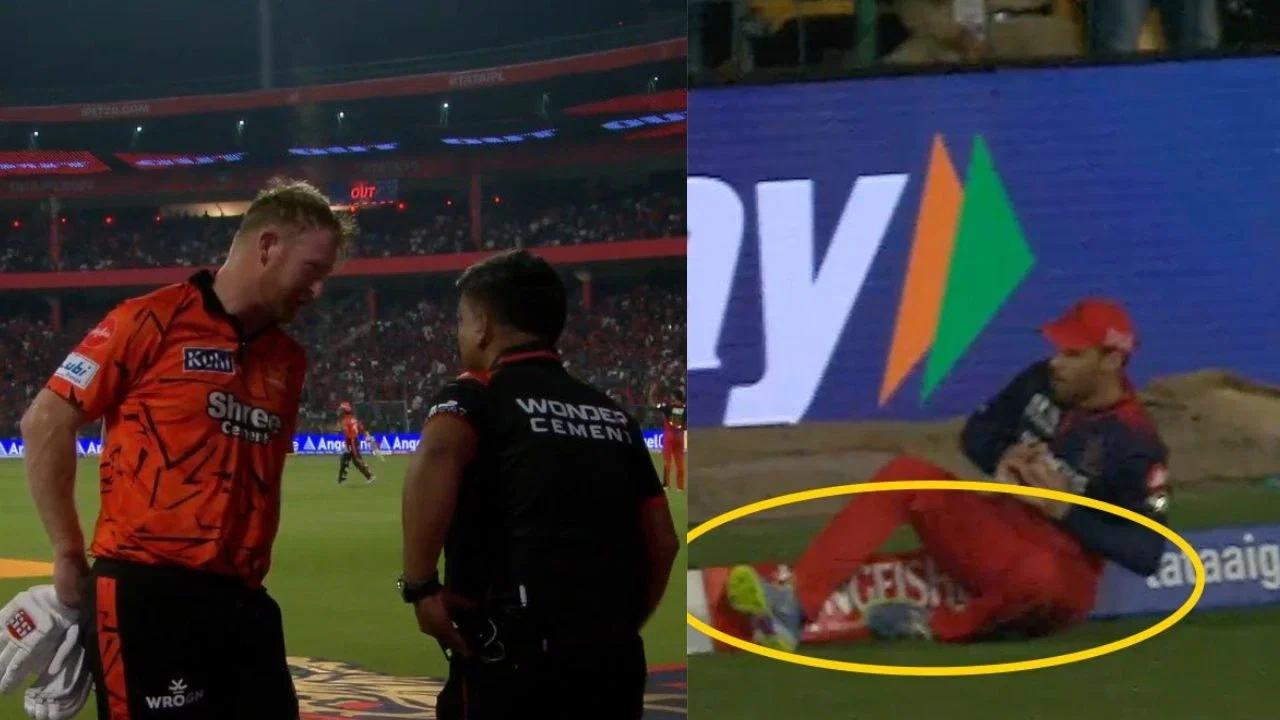
Heinrich Klaasen engages in heated chat with 4th umpire after Phil Salt’s controversial catch in IPL 2026
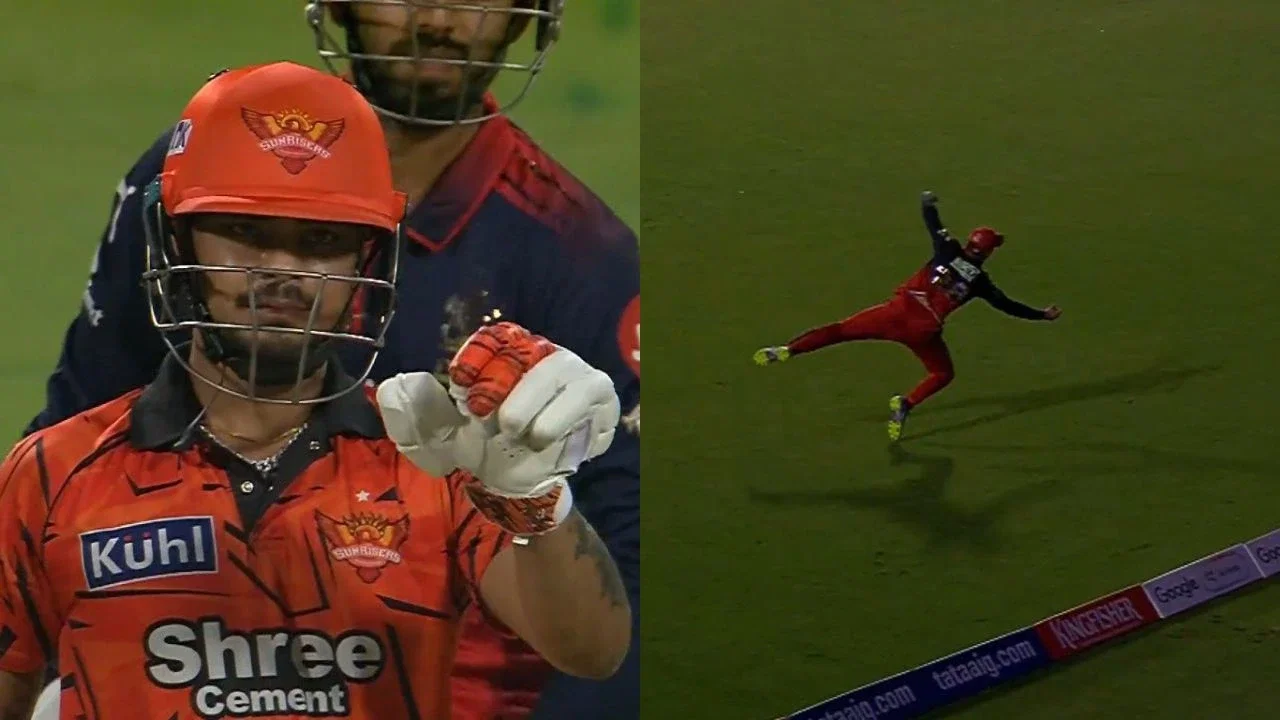
Phil Salt grabs one of the greatest catches in IPL history to dismiss Ishan Kishan
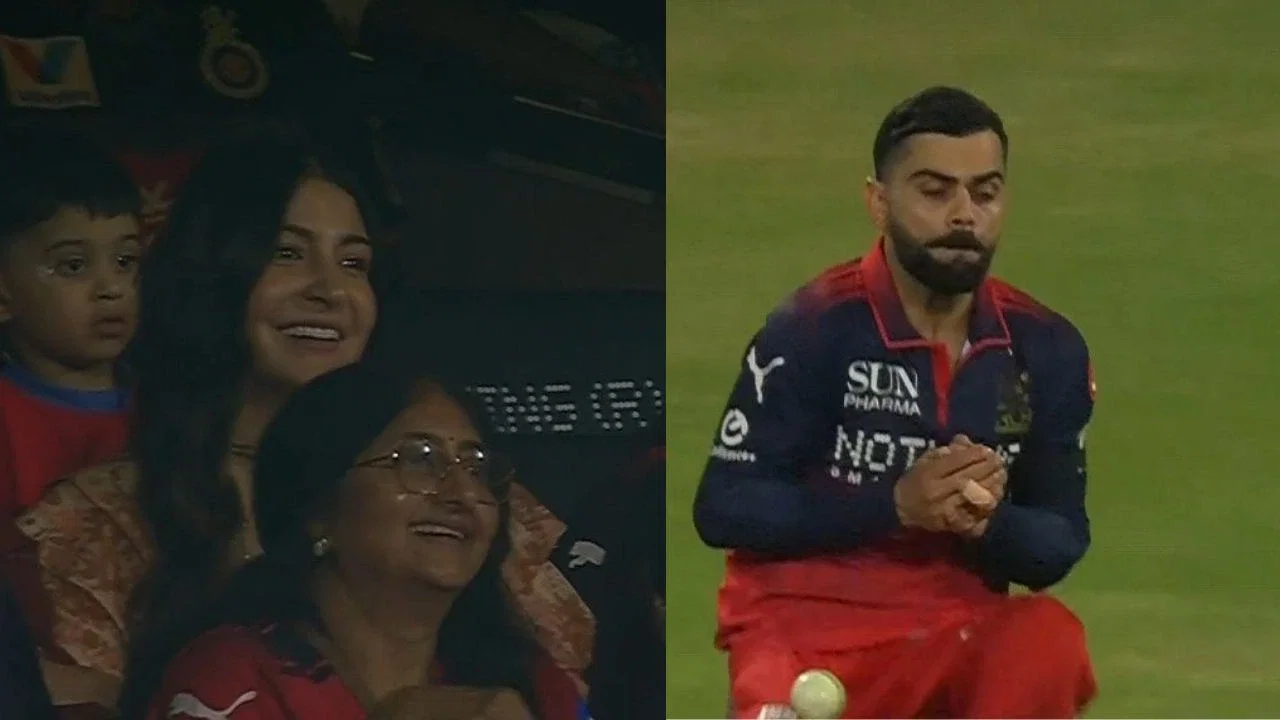
Anushka Sharma laughs as Virat Kohli drops a sitter in RCB vs SRH clash (Watch Video)
Anushka Sharma laughs as Virat Kohli drops a sitter in RCB vs SRH clash (Watch Video)
Anushka Sharma laughs as Virat Kohli drops a sitter in RCB vs SRH clash (Watch Video)
Anushka Sharma laughs as Virat Kohli drops a sitter in RCB vs SRH clash (Watch Video)
Anushka Sharma laughs as Virat Kohli drops a sitter in RCB vs SRH clash (Watch Video)