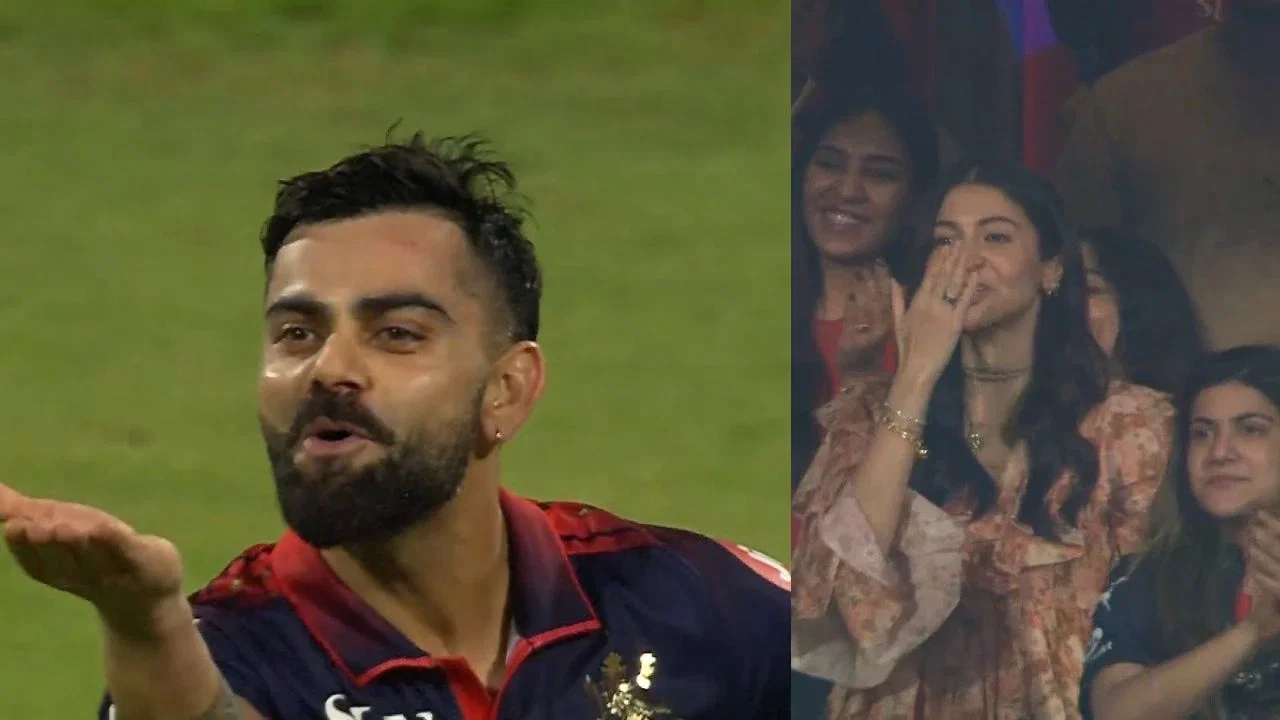
Kapil Dev gives reality check to Mohsin Naqvi, breaks silence on India vs Pakistan controversy in Asia Cup
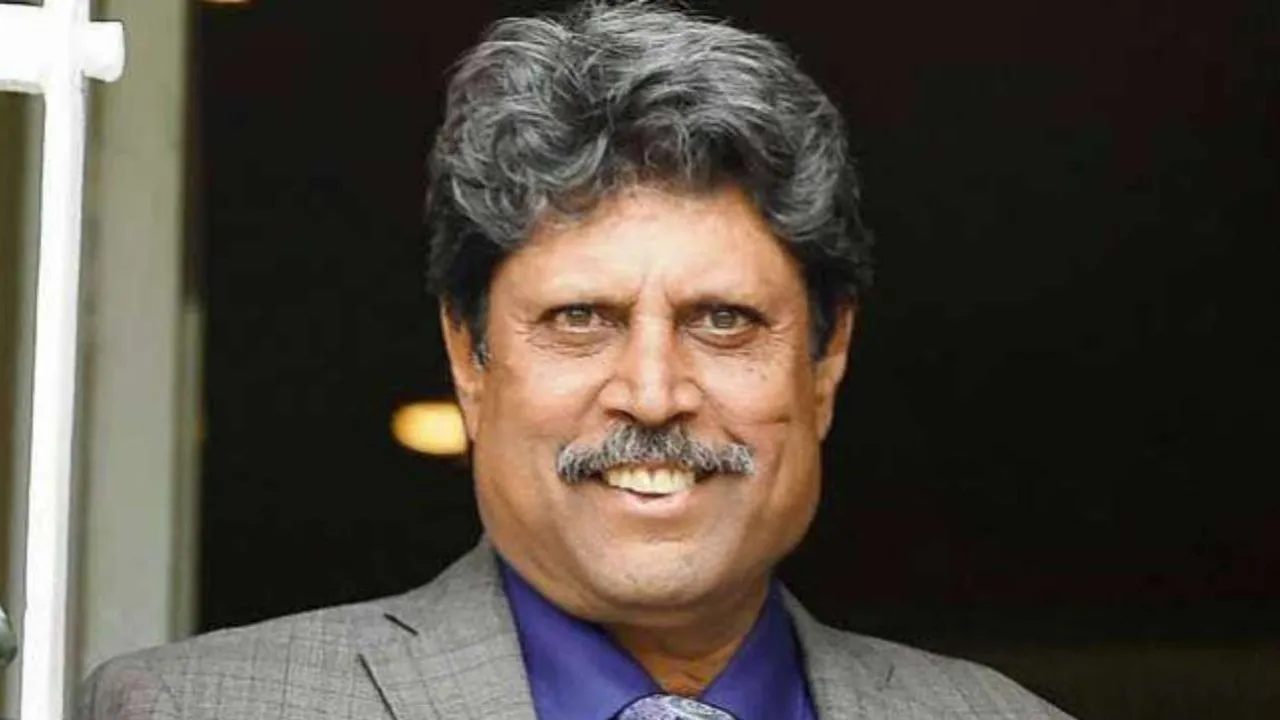
Legendary Indian Cricketer Kapil Dev Advocates for Focus on Cricket Amidst Controversial Asia Cup 2025 Final
Legendary Indian cricketer Kapil Dev has recently voiced his opinions on the highly controversial Asia Cup 2025 final between India and Pakistan, held in Dubai on Sunday, September 28. Following India’s victory over Pakistan by five wickets, lifting the cup for the ninth time, celebrations took a turbulent turn due to a fresh controversy.
Kapil Dev emphasized the importance of focusing on the sport of cricket rather than being swayed by political tensions that may arise. The final match concluded with the Indian cricket team led by Suryakumar Yadav refusing to accept the trophy and medals from Mohsin Naqvi, who is currently serving as Pakistan’s Interior Minister and holds positions within the Pakistan Cricket Board (PCB) and Asian Cricket Council (ACC).
Controversy Surrounding Trophy Presentation
As per the norms of the ACC, it was Mohsin Naqvi’s duty to present the trophy and medals to the champion team. However, due to the strained relations between India and Pakistan, Suryakumar Yadav declined to receive the honors from the Pakistani Interior Minister. In turn, Naqvi declined to hand over the awards to someone else, leading the Men in Blue to celebrate their victory without the official accolades.
Prior to the final match, the Asia Cup had already witnessed various contentious incidents, such as Suryakumar Yadav and his team’s refusal to shake hands with Pakistani players, Haris Rauf’s provocative gestures, and Sahibzada Farhan’s controversial celebrations during the Super Four match.
Kapil Dev’s Call for Sportsmanship
Kapil Dev, the iconic captain of India’s 1983 World Cup-winning team, stressed the importance of maintaining the purity of cricket as a sport devoid of political influences. He urged players and the media to concentrate on the game rather than becoming embroiled in controversies.
The cricket legend was quoted saying, “I just want to say—your responsibility, and responsibility for the entire media also, is that we should look into the sports side rather than looking into the politics side. Yes, media has the responsibility to bring everything to the table, but as a sportsman, I would like to see that we should stick to sports. It will be much better.”
Kapil Dev Critiques Pakistan’s Current Cricket Talent
Reflecting on Pakistan’s performance in the Asia Cup, Kapil Dev highlighted that the current team lacks the exceptional talent that characterized Pakistani cricket in the ’80s and ’90s. He noted that the present players do not match the caliber of legends like Wasim Akram, Imran Khan, Javed Miandad, Zaheer Abbas, and Waqar Younis.
Kapil Dev expressed, “Yeah, I think they don’t have the similar talent they used to have in the ’80s, ’90s, or before that. Pakistan has given us, to the world, one of the best cricketers.” He further added, “But unfortunately, we can’t see similar talent today—not even one percent of what they used to have.”
Game Recap and Conclusion
Despite Pakistan’s promising start with an 84-run opening partnership, the team faltered in the middle order, losing nine wickets for just 33 runs and finishing with a total of 146 in 19.1 overs. India faced a shaky start, losing early wickets, but managed to maintain composure and secure a victory in Dubai.
In conclusion, Kapil Dev’s advocacy for focusing on the game of cricket rather than succumbing to political tensions serves as a reminder of the sportsmanship and integrity that should prevail in the realm of sports.
Political Intricacies Impacting Cricket
The Asia Cup 2025 final was not the first instance where politics intertwined with cricket, reflecting the longstanding tensions between India and Pakistan. The historical backdrop of the two nations, marked by territorial disputes and military conflicts, often spills onto the cricket field, impacting players and fans alike. The deep-rooted animosity between the countries, stemming from partition in 1947, has consistently influenced sporting events, creating a charged atmosphere that extends beyond the game itself.
Players, as representatives of their nations on the cricket field, often find themselves grappling with the weight of political expectations and historical grievances. The pressure to perform not only for their team but also for their country adds an extra layer of complexity to the already intense rivalry between India and Pakistan. In such a scenario, maintaining the spirit of sportsmanship becomes a challenging task, as emotions run high and external factors come into play.
Impact of Social Media on Cricket Controversies
In the digital age, social media platforms serve as a potent amplifier for controversies within the cricketing world. Incidents that may have once remained confined to the stadium now have the potential to reach a global audience within seconds, sparking heated debates and polarizing opinions. The Asia Cup 2025 final and its aftermath quickly became a focal point on social media, with fans, pundits, and players sharing their perspectives and fueling the discourse.
Players are not only scrutinized for their on-field performances but also for their off-field conduct, leading to increased pressure and scrutiny. Every action, gesture, and statement is subject to intense scrutiny in the age of social media, amplifying the impact of controversies and shaping public perception of the game and its players.
Future of Indo-Pak Cricket Relations
As calls for boycotts, protests, and diplomatic interventions continue to echo in the realm of cricket diplomacy between India and Pakistan, the future of bilateral cricketing ties remains uncertain. The sporadic nature of cricket matches between the two nations, often subject to political considerations and security concerns, leaves fans yearning for more frequent encounters on the field.
The potential resumption of regular cricketing fixtures between India and Pakistan could serve as a catalyst for easing tensions and fostering goodwill between the neighboring countries. However, the road ahead is fraught with obstacles, requiring both sides to navigate complex geopolitical realities and historical animosities to pave the way for meaningful sporting engagements.
Embracing Diversity and Inclusivity in Cricket
Amidst the backdrop of geopolitical tensions and controversies, cricket stands as a unifying force that transcends boundaries and brings people together. The sport’s ability to foster camaraderie, celebrate diversity, and showcase talent from diverse backgrounds underscores its potential to bridge divides and promote mutual respect.
As advocates like Kapil Dev emphasize the importance of focusing on the game rather than external distractions, the cricketing community can strive to uphold the values of sportsmanship, fair play, and inclusivity. By embracing diversity and fostering a culture of respect, cricket can continue to serve as a powerful platform for unity and friendship, showcasing the best of humanity on and off the field.
In conclusion, the Asia Cup 2025 final and the ensuing controversies highlight the intricate interplay between cricket, politics, and social dynamics. As stakeholders in the sport navigate these complexities, the essence of cricket as a unifying force and a symbol of sportsmanship remains paramount, guiding the way forward for the future of the game.
Latest News
Shubman Gill out? Virat Kohli’s Test comeback as captain suggested by CSK legend
Jason Gillespie gives major update on Glenn Maxwell’s availability for PSL 2026
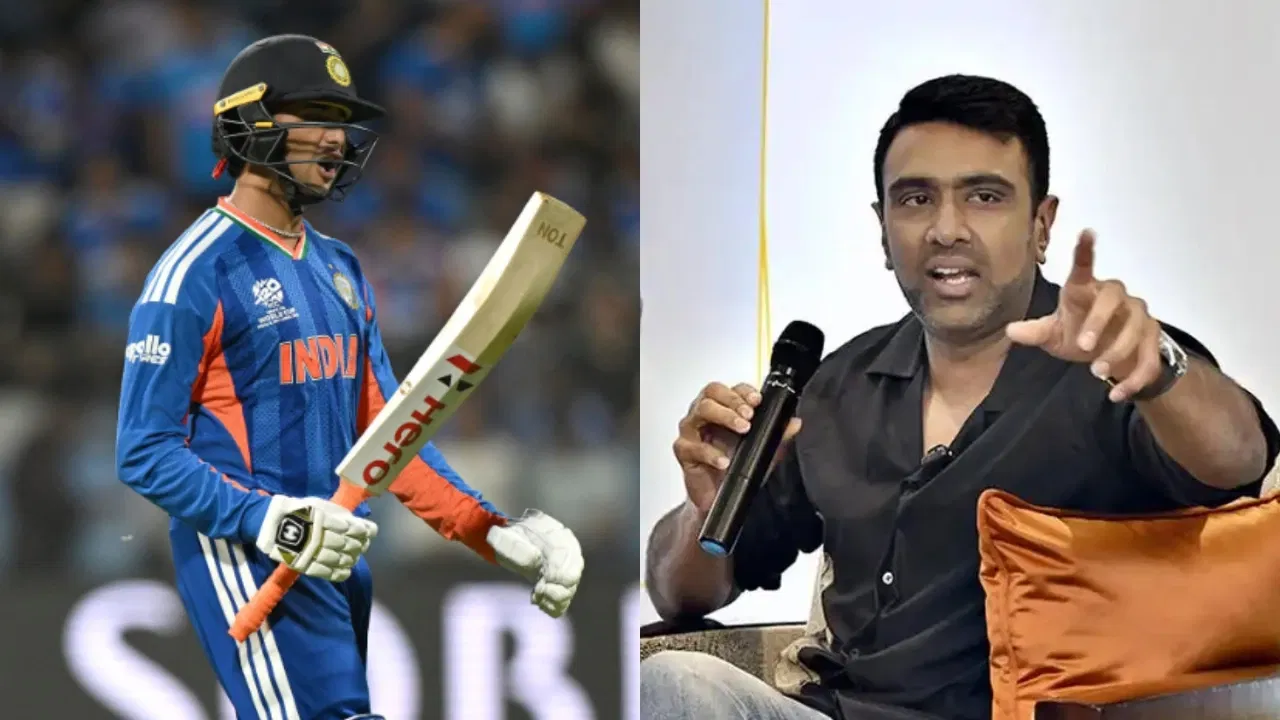
‘I’m a big fan but…’: Ravichandran Ashwin criticises Abhishek Sharma after failure vs RCB.
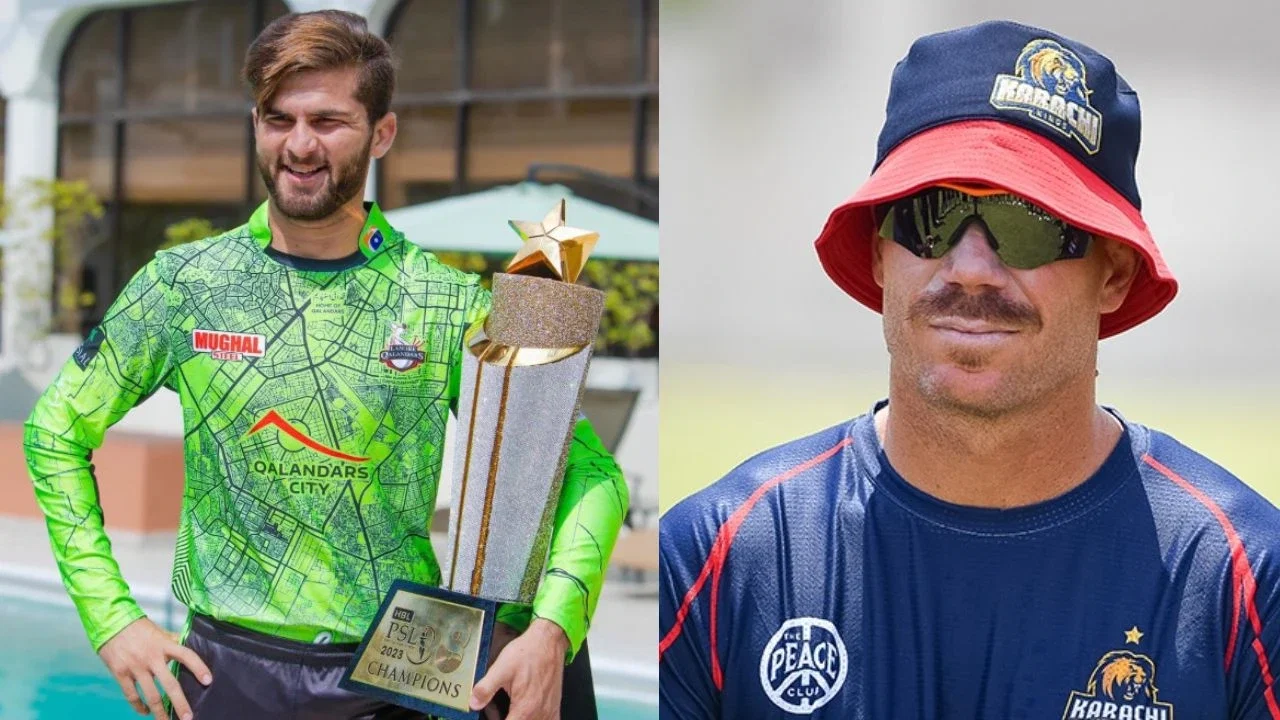
LHQ vs KRK Match Prediction, Pitch & Weather Report, Playing XIs, Head-to-Head, Free Live Streaming – PSL 2026 Match 6
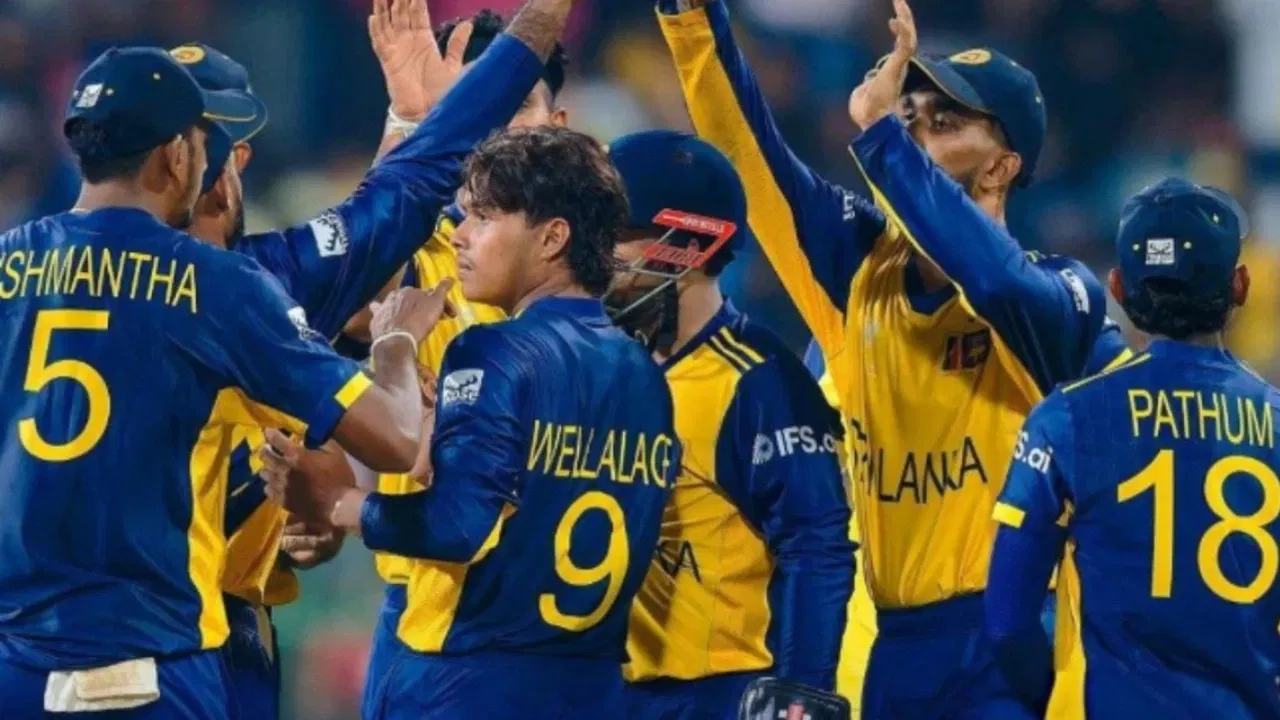
IPL teams on alert!: Sri Lanka fitness crisis sees almost 50% players fail tests
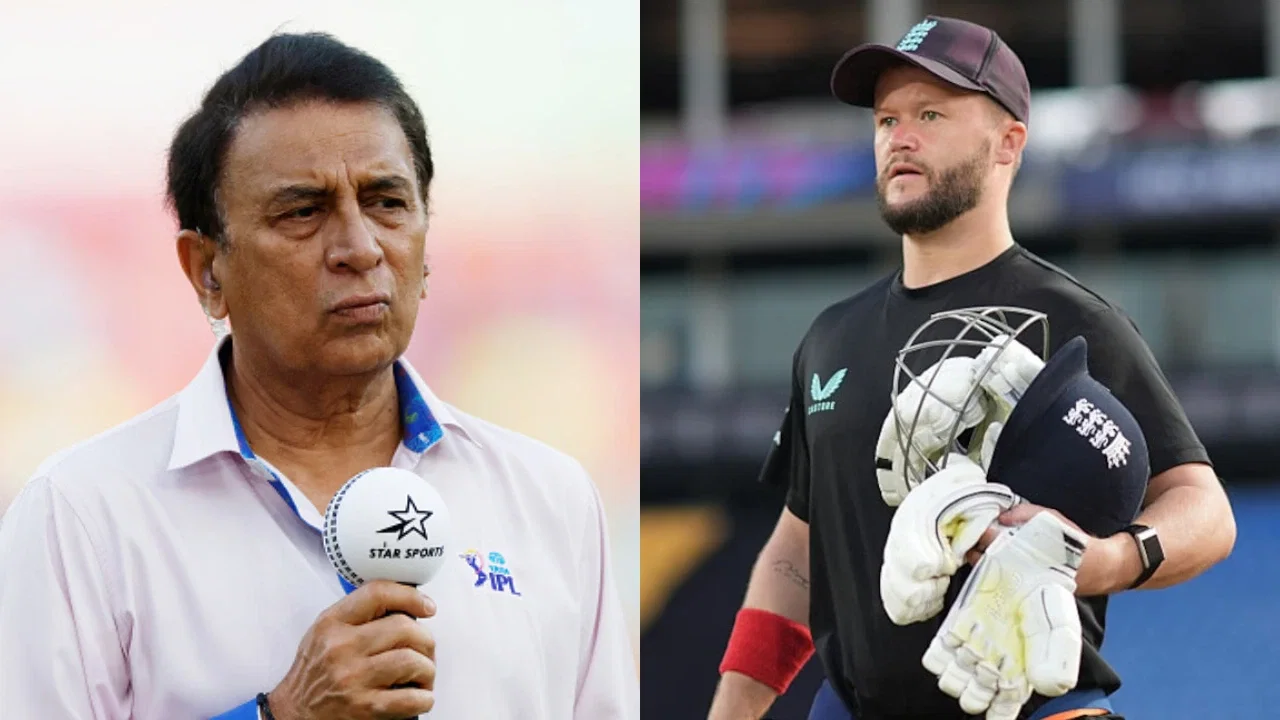
Ben Duckett in trouble? Sunil Gavaskar pushes BCCI for tougher punishment
MS Dhoni faking injury? Michael Vaughan suspects ‘strategic manoeuvre’ in CSK camp for IPL 2026
KKR coach criticises Impact Player rule, provides huge Matheesha Pathirana update
Sam Curran reveals private chat with Brendon McCullum after England axing
Ravichandran Ashwin brutally teased by Virender Sehwag on IPL 2026 debut
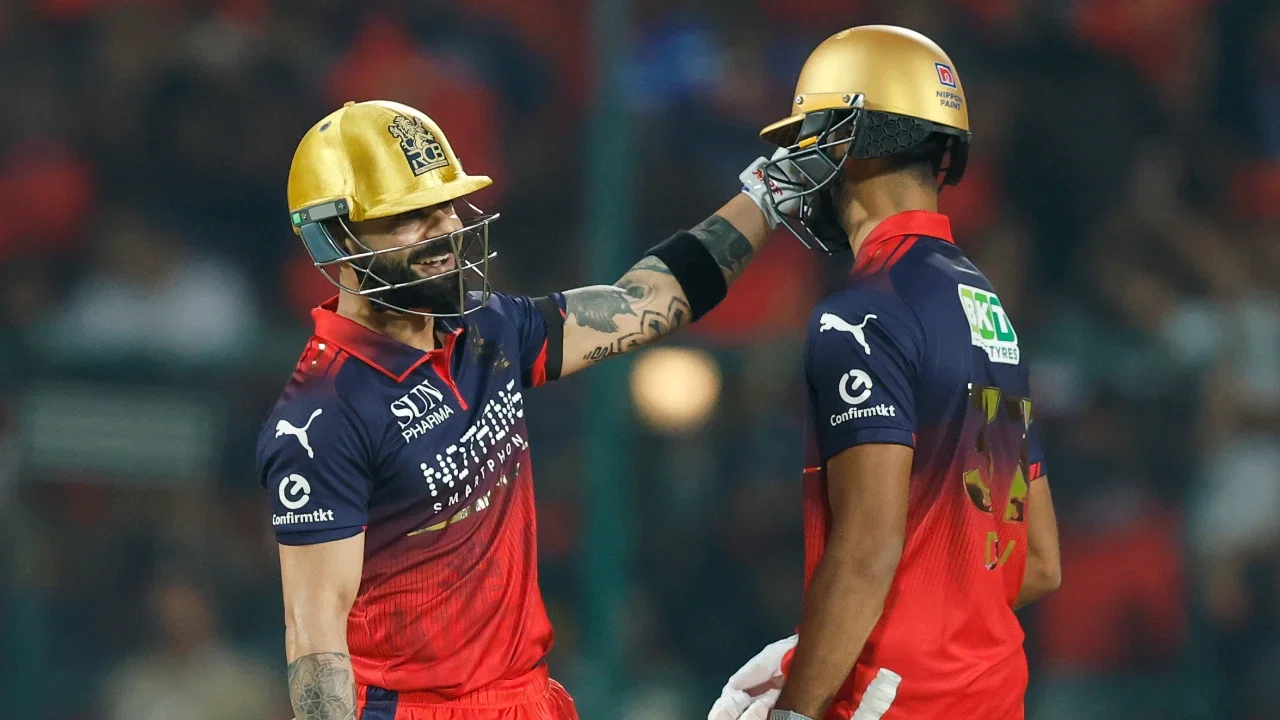
Virat Kohli’s ego under spotlight! Ex-KKR star makes bold claim after heroics vs SRH
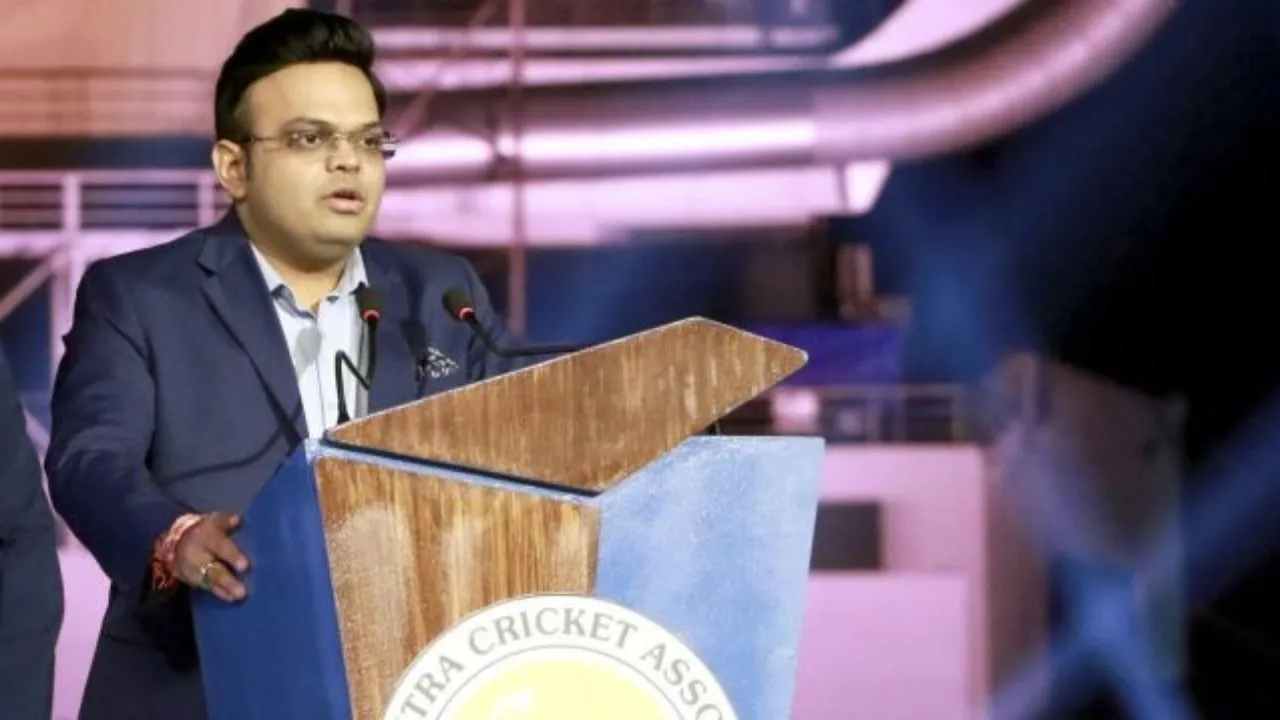
Jay Shah rises to No. 22 among most powerful people in India in 2026; Virat Kohli, Gautam Gambhir included
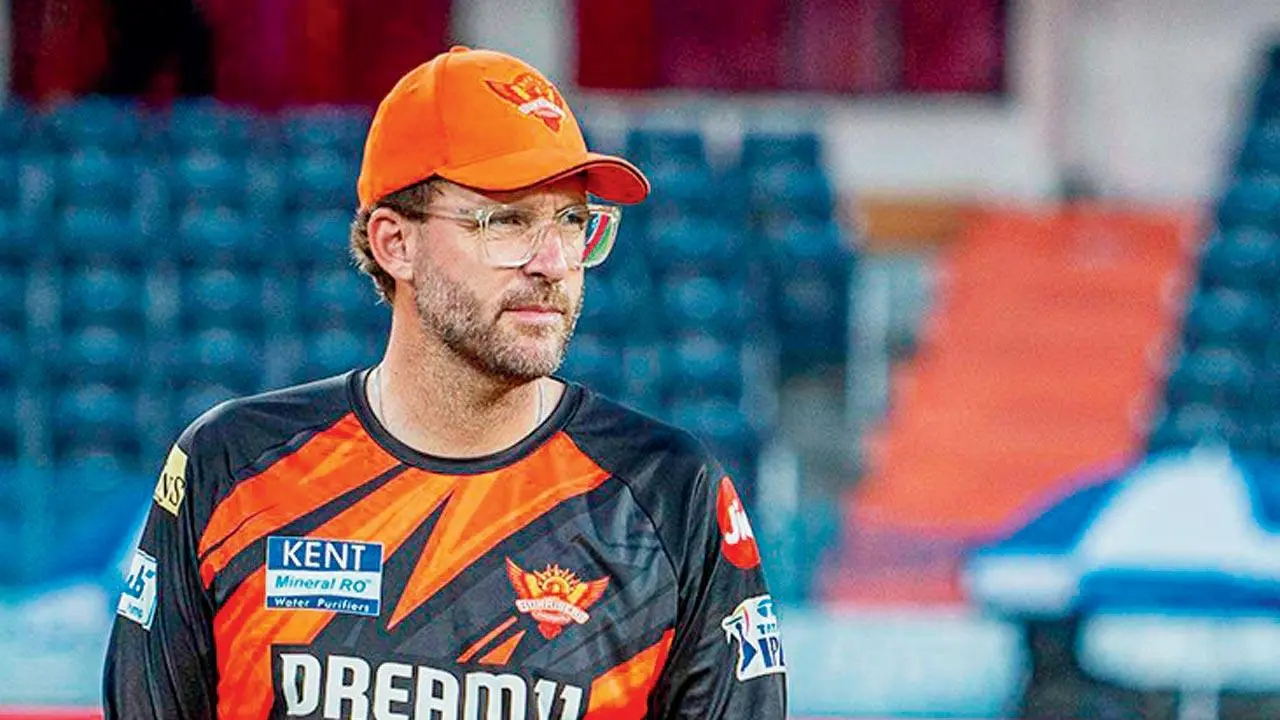
SRH suffer huge blow! Daniel Vettori confirms another overseas pacer injured amid crisis
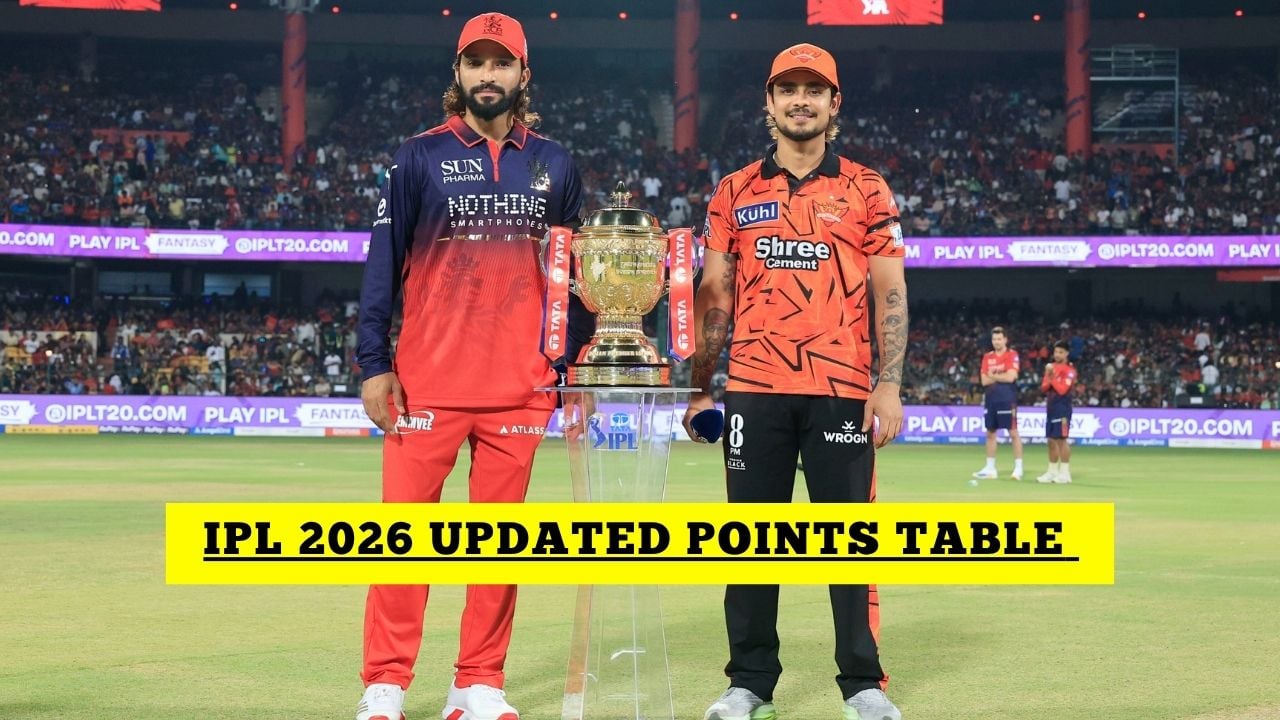
IPL Points Table 2026: Updated Standings, Orange Cap, Purple Cap After RCB vs SRH Match 1